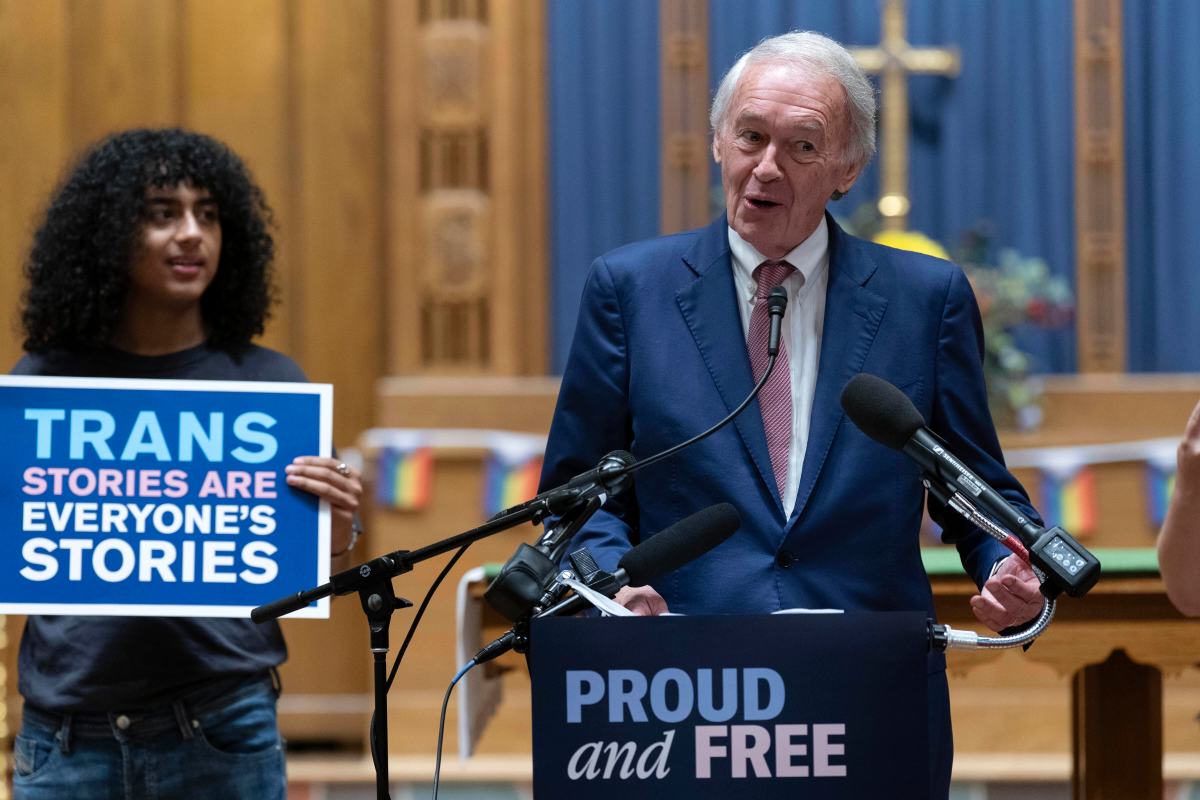
Senator Ed Markey won the Massachusetts Democratic Senate primary with about two-thirds of the vote, defeating Seth Moulton. The campaign included strong debate over transgender athletes in women’s sports, an issue where many Massachusetts voters disagreed with Markey’s position but did not prioritize it over other concerns.
Key Facts
Ed Markey, age 80, won the Democratic Senate primary in Massachusetts on September 1.
Markey focused on transgender athletes competing in women’s sports as a key campaign issue against Seth Moulton.
Moulton expressed concerns about fairness in sports but later supported transgender rights bills and apologized for causing hurt.
Polls show nearly two-thirds of Massachusetts residents believe transgender female athletes should not compete in women’s sports.
Democratic voters were divided on this issue, with about half supporting transgender athletes' participation.
Most Massachusetts voters see the cost of living as a more important issue than transgender athletes in sports.
Historically, Massachusetts voters have supported broader transgender and LGBTQ protections.
The debate over transgender athletes is a culture war issue but did not appear to be decisive in the primary or expected to matter in the general election.
Read the Original
Want the full story? Tap a source to open the original
article.
The Trump administration is moving forward with plans to build more border wall and security barriers along the southern U.S. border, despite opposition from local Texas counties. Officials told local leaders there will be no negotiation on the construction, which will affect public lands and private property, while some legal actions have temporarily paused parts of the work.
Key Facts
President Donald Trump’s team is planning to build hundreds of miles of a 30-foot steel border wall in Texas counties.
Local officials from border counties, including judges and sheriffs, were told wall construction is non-negotiable.
Private landowners and business owners impacted by the construction were not invited to the government meetings.
A federal judge issued a temporary order stopping construction on about 600 miles of the border until the end of the month.
Only about 20-31% of landowners in some Texas counties have agreed to give land access to the government for construction.
The government may use eminent domain, a legal process to take private land, if landowners refuse to cooperate.
Officials said they are exploring technology solutions to reduce illegal border crossings in remote areas.
Some construction, like patrol roads and vehicle barriers in national parks, is causing concern among locals about environmental and tourism impacts.
Read the Original
Want the full story? Tap a source to open the original
article.
The Trump administration attended the G20 Innovation Summit to show U.S. leadership in artificial intelligence (AI), but there are tensions between the Commerce Department and the White House's tech policy office on AI strategy. The U.S. promotes a lighter regulatory approach on AI compared to the European Union, but internal disagreements affect how the government presents its AI policies internationally.
Key Facts
The G20 Innovation Summit included top tech leaders and officials from powerful countries discussing AI.
The White House’s Office of Science and Technology Policy (OSTP) and the Commerce Department disagree on AI policy direction.
OSTP focuses on policy ideas but lacks regulatory power, while Commerce controls key AI regulations.
White House Director Michael Kratsios supports flexible policies that encourage private AI investment.
Commerce Secretary Howard Lutnick emphasized the importance of in-person participation from AI industry leaders at the summit.
Elon Musk, Google DeepMind chairman, Meta CEO, OpenAI CEO, and other tech leaders participated virtually or in person.
There was a miscommunication about discussing data centers, a sensitive topic linked to President Trump’s social media post and local politics.
The U.S. wants other countries to delay strict AI rules while it works on its own AI oversight plans.
Read the Original
Want the full story? Tap a source to open the original
article.
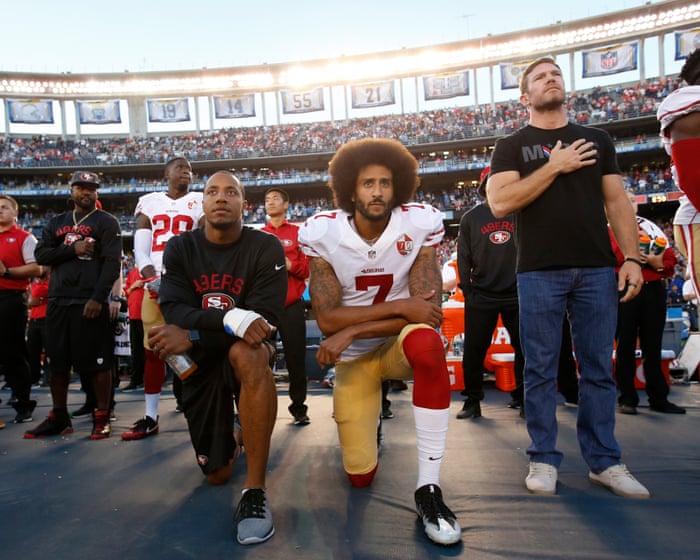
Nate Boyer, a former NFL player and Army Green Beret, planned a tour to support veterans and players but lost funding after a sponsoring company cut ties due to his past meeting with Colin Kaepernick. Boyer initially misunderstood Kaepernick’s anthem protest but later came to understand it as a protest against racial injustice, supporting the right to free speech despite personal feelings.
Key Facts
Nate Boyer is a former NFL long snapper and U.S. Army Green Beret.
He founded MVP (Merging Vets and Players) to help veterans and NFL players transition after their careers end.
A company sponsoring MVP’s planned college football tour withdrew support after discovering Boyer had met Colin Kaepernick.
Kaepernick began protesting during the national anthem in 2016 to highlight racial injustice and police violence.
Boyer initially thought Kaepernick was disrespecting the American flag but later listened to his full explanation.
Kaepernick said he would not stand for a flag representing oppression of Black people and people of color.
Boyer sees Kaepernick’s protest as an important free speech issue and a chance for social discussion.
Boyer was disappointed that the protest caused division instead of unity.
Read the Original
Want the full story? Tap a source to open the original
article.
Two moderate House Democrats, Jared Golden and Marie Gluesenkamp Perez, voted with Republicans on a procedural rule that helped advance certain bills. Democratic leaders are upset and considering punishing them for breaking party rules and trust.
Key Facts
Golden and Gluesenkamp Perez voted with Republicans to pass a procedural rule that sets debate terms on a package of bills.
Procedural votes usually follow strict party lines, making their votes unusual.
The bills included a Republican resolution denouncing socialism and praising the GOP's SAVE America Act.
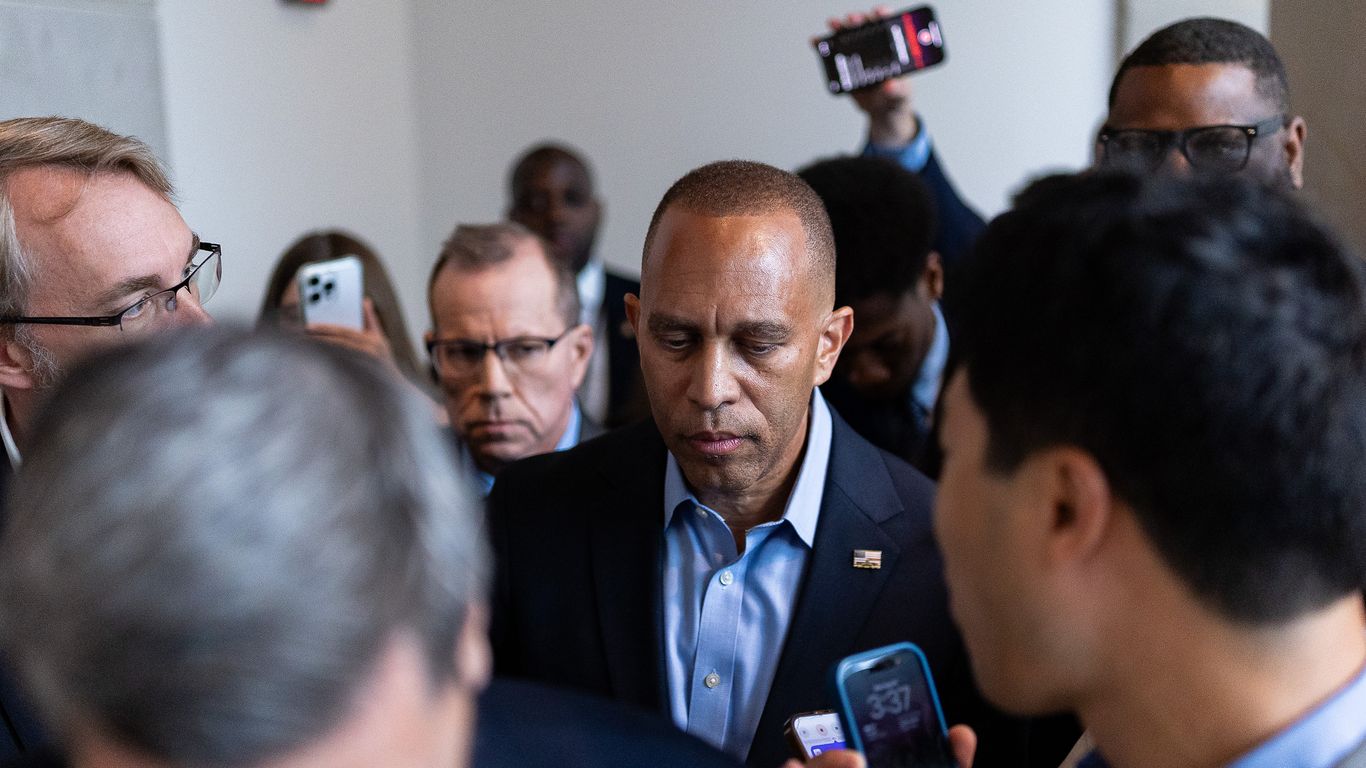
House Minority Leader Hakeem Jeffries and other Democratic leaders announced plans for a formal response.
Golden defended his vote by pointing to a bill he co-authored protecting lobstermen from federal whale regulations included in the rule.
Some Democrats want to strip Golden and Gluesenkamp Perez of committee assignments as punishment.
Golden is retiring at the end of his term; Gluesenkamp Perez is running for reelection in a Republican-leaning district.
Democrats say the vote undermined party unity ahead of the upcoming November midterm elections.
Read the Original
Want the full story? Tap a source to open the original
article.
Executions in the United States have increased recently, especially in Florida, which has led the country with many executions in 2025 and 2026. President Donald Trump supported the use of the death penalty during his administration, while the current administration has paused federal executions.
Key Facts
Florida executed its 14th prisoner in 2025, continuing a recent rise in executions after the COVID-19 pandemic.
In 2025, 47 people were executed in the U.S., with 19 of them in Florida.
In 2026, 24 executions have happened so far, with 10 more planned.
Florida Governor Ron DeSantis has signed many death warrants, leading to a level of executions not seen in decades.
President Trump issued an order encouraging more use of the death penalty and ensuring states have lethal injection drugs.
The Biden administration put a stop (moratorium) to federal executions and reduced sentences for many on federal death row.
The number of death sentences given by courts is decreasing, with more juries choosing life sentences instead of death.
Public opinion is mixed: Gallup shows support for the death penalty is at its lowest since 1972, while Pew Research finds 66% support it for murder convictions but most doubt its effect as a crime stopper.
Read the Original
Want the full story? Tap a source to open the original
article.
The Pentagon is going through a major leadership crisis while also facing challenges in military readiness during the Iran war. Pete Hegseth has removed many senior military leaders, leaving key positions vacant and causing concerns about the U.S. military’s ability to handle ongoing and future threats.
Key Facts
Pete Hegseth controls the Pentagon amid the Iran war, overseeing fewer senior leaders and less military equipment than before.
Army Secretary Dan Driscoll resigned after conflicts with Hegseth, leaving the Army without full civilian or military leadership.
Hegseth has fired or forced out more than two dozen top military officers, remaking much of the Joint Chiefs of Staff.
He has personally blocked the promotion of at least 45 officers this year, including many Black, Hispanic, and female officers.
Senior commanders warned that prolonged deployments to the Iran war are harming U.S. military readiness in other regions.
The Navy reported that only about 25% of its destroyers are ready to deploy, with key ships diverted to the Middle East.
Patriot missile supplies are heavily used in the Iran war, reducing availability for NATO and potential conflicts with China.
The Pentagon has not held a press briefing for almost four months and limited public access, despite earlier promises of transparency.
Read the Original
Want the full story? Tap a source to open the original
article.
A recent Gallup poll shows that 20% of American adults want to leave the U.S. if they could, with nearly 40% of women aged 15 to 44 feeling this way. However, very few Americans actually leave, as shown by under 5,000 citizenship renunciations in 2024, compared to millions living abroad.
Key Facts
20% of American adults say they would like to leave the U.S. if able.
Among women aged 15 to 44, the desire to leave is nearly 40%.
The number of people wanting to leave the U.S. has tripled over the past decade.
Less than 5,000 Americans renounced their citizenship in 2024.
Over 5 million American citizens currently live abroad.
Wealth and resources affect people’s ability to leave the U.S.
The desire to leave the U.S. is higher than in many other parts of the world.
Public complaints about the U.S. often do not lead to actually moving away.
Read the Original
Want the full story? Tap a source to open the original
article.
In the Massachusetts primary elections, veteran Democratic politicians won against younger challengers. Senator Ed Markey defeated Representative Seth Moulton, and long-time Representatives Stephen Lynch and Richard Neal also secured their nominations for November.
Key Facts
Senator Ed Markey, aged 80, beat 47-year-old Representative Seth Moulton in the Democratic primary.
Stephen Lynch, who has served since 2001, won against 39-year-old Patrick Roath.
Richard Neal, in Congress since 1988, defeated 39-year-old Jeromie Whalen.
Markey ran as the more progressive candidate and received support from leaders like Alexandria Ocasio-Cortez and Bernie Sanders.
Moulton positioned himself as a moderate and had endorsements from VoteVets and Governor Mikie Sherrill.
Markey criticized Moulton’s past remarks on transgender girls in sports, which Moulton later apologized for.
Despite younger challengers raising significant funds and campaigning strongly, none succeeded in unseating the incumbent Democrats.
These Massachusetts results differ from some other Democratic primaries nationwide, where younger candidates have been more successful.
Read the Original
Want the full story? Tap a source to open the original
article.
US Energy Secretary Chris Wright traveled to La Guaira, Venezuela, to sign an agreement that gives the US effective control over a large part of Venezuela’s oil reserves. The deal has supporters as well as critics who compare it to colonial-era agreements.
Key Facts
US Energy Secretary Chris Wright arrived in La Guaira, Venezuela.
He signed a deal regarding Venezuela’s oil reserves.
The agreement allows the US to control much of Venezuela’s oil resources.
Some people support the deal and think it is positive.
Critics say the deal resembles old agreements made by colonial powers.
Venezuela’s oil reserves are very large and important for energy.
The signing marks a new level of US influence on Venezuela’s oil industry.
Read the Original
Want the full story? Tap a source to open the original
article.
The article discusses President Donald Trump's support for the rapid development of artificial intelligence (AI) technology while opposing restrictions on it. It also claims that Trump acts in ways that benefit countries like Russia and China and harm U.S. interests, especially ahead of the upcoming midterm elections.
Key Facts
President Trump supports fast growth and fewer rules for AI technology development.
Some politicians want to pause building new AI data centers, but Trump opposes this.
The article suggests Trump’s actions sometimes favor Russia and China over the United States.
It claims Trump has helped Russia by limiting U.S. aid to Ukraine and weakening NATO ties.
Trump’s actions allegedly allow Russia to benefit financially from energy markets during conflicts.
The article accuses Trump of making China look more stable compared to his own policies.
It says Trump’s behavior may reduce the Republican Party’s chances in the upcoming midterm elections.
Trump’s approach to immigration has lost support among independent and Hispanic voters.
Read the Original
Want the full story? Tap a source to open the original
article.
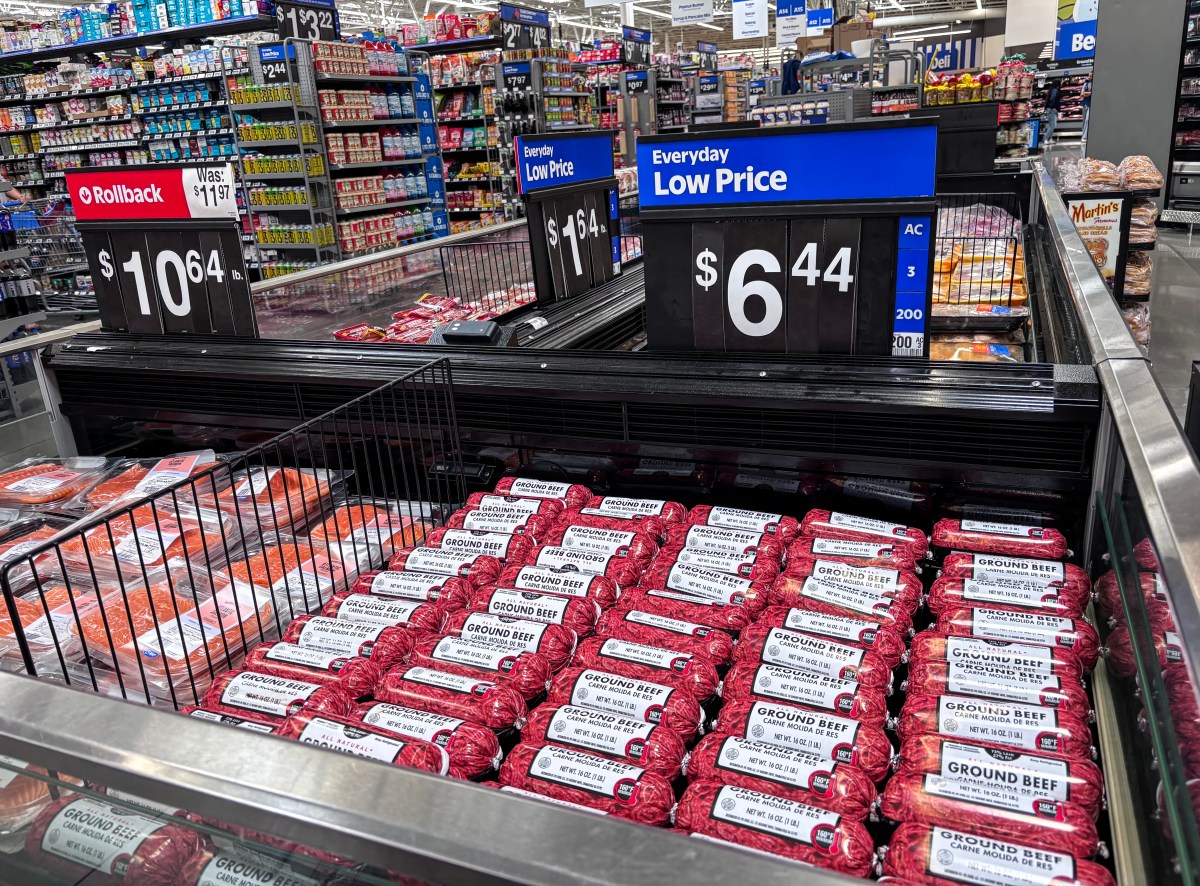
The U.S. Justice Department is investigating eight major stores for rising beef prices, which have increased by about 10% in the past year. This probe is part of President Donald Trump’s efforts to reduce the cost of beef, a common grocery staple in the U.S.
Key Facts
The Justice Department's Antitrust Division expanded its beef price investigation to include Kroger, Publix, Walmart, Albertsons, Aldi, Ahold Delhaize USA, Costco, and Amazon.
Beef prices have gone up roughly 10% over the last year.
Associate Attorney General Stanley E. Woodward Jr. sent letters to the eight retailers about the rising retail beef prices.
This investigation follows an earlier probe into the “big four” U.S. meatpackers for possible illegal price fixing and collusion.
As part of efforts to lower beef costs, the Trump administration allowed 300,000 metric tons of beef from some countries to enter the U.S. without tariffs starting September 1.
Some U.S. ranchers and lawmakers oppose the tariff removal, fearing its impact on domestic farming.
The investigation shows the government’s focus on keeping important food prices affordable for Americans.
Read the Original
Want the full story? Tap a source to open the original
article.
Mayor of London Sadiq Khan was fined after being convicted of not paying the car tax on a 24-year-old Nissan Micra. The vehicle was registered in his name, but officials and Khan deny ownership, and the court case was affected by letters sent to the wrong address.
Key Facts
Sadiq Khan was found guilty by a magistrate of owning an untaxed Nissan Micra from 2002.
The car tax had not been paid since September of the previous year.
The DVLA (Driver and Vehicle Licensing Agency) prosecuted Khan after sending letters to the wrong address.
Letters about the unpaid tax and court case were mistakenly sent to Gordon Ramsay’s restaurant in East London.
City Hall said the car did not belong to Khan or Transport for London.
Khan was fined £220, had to pay £85 in court costs, and owed £35.84 for the unpaid tax.
The court case was held without Khan present, under a process for simple cases called the Single Justice Procedure.
Khan may ask the court to reopen the case, because he was not properly informed, and could challenge the charges.
Read the Original
Want the full story? Tap a source to open the original
article.
This article shares portraits and stories of people with red (ginger) hair living in different parts of the United States. It highlights their diverse backgrounds, family histories, and experiences related to identity and community.
Key Facts
The portraits feature people of different ages from many US states including Virginia, Alabama, Maryland, Tennessee, and Oregon.
Many individuals talk about their unique family histories that include various ethnic and racial backgrounds.
Some stories mention challenges related to race or mixed heritage, like mistaken assumptions or family acceptance.
There is a strong theme of diversity, showing that Americans come from many different cultures and backgrounds.
The article includes personal reflections on how being different can bring people together through shared stories.
One story mentions a family tracing their roots back to enslaved ancestors in Alabama and Virginia.
Another highlights how red hair can appear even in families with Asian or Native Alaskan ancestry due to genetics.
Read the Original
Want the full story? Tap a source to open the original
article.
About 2,000 University of Sydney staff went on a 24-hour strike over worries about job security, workload, and the use of artificial intelligence (AI). The university said most classes would move online during the strike, and talks between staff and management are ongoing.
Key Facts
Around 2,000 staff walked off the job in a strike organized by the National Tertiary Education Union (NTEU).
Staff cited concerns about trust, AI protections, fair workloads, and job security.
The University of Sydney moved most classes online during the strike.
Union leaders say management has not agreed to proper AI protections so far.
AI technology is seen as a major change in education, with some universities already using AI chatbots in teaching.
The university supports ethical use of AI but prefers to handle rules through policies, not the main staff agreement.
Other issues include larger class sizes and proposals for teaching-only roles with no research chance.
The strike also included support from the Student Representative Council and followed recent protests related to Gaza and university policies.
Read the Original
Want the full story? Tap a source to open the original
article.
Palestinian singer Saint Levant has postponed his North American tour due to unexpected US visa delays. His visa application was initially approved but later faced extra background checks, leading to a reschedule of the tour to spring 2027.
Key Facts
Saint Levant, a Palestinian artist, planned a 41-date tour in North America, Europe, and the Middle East.
His visa was first approved but later delayed by additional US background checks.
The North American leg of the tour is postponed until spring 2027.
Many international performers are facing similar visa troubles due to tighter US immigration rules under President Donald Trump’s second term.
Trump’s administration suspended visa processing for nationals from 75 countries and paused visa appointments for consular training.
Some artists, like the African band Tinariwen and Mexican singer Diego Millan, have canceled US tours over visa issues.
Critics worry that these visa policies discriminate against certain groups or political views, especially supporters of Palestinian rights.
Visa and green card revocations have targeted individuals speaking in favor of Palestinian causes, including students and officials.
Read the Original
Want the full story? Tap a source to open the original
article.
Charities in Sussex say that the cost of school uniforms is still putting pressure on families, even though new government rules limit how many branded uniform items schools can require. The government believes these rules will help save parents money.
Key Facts
New government rules limit state schools to requiring only three branded uniform items for primary schools and four for secondary schools.
The rules started on 1 September and aim to reduce costs for families.
Pelican Parcels, a children's charity in Brighton and Hove, gave over 3,400 uniform items to 520 children last year and plans to double its support by 2026.
Horsham Matters charity says parents spend about £336 yearly for primary school uniforms and £439 for secondary school.
Some parents report uniform and shoe prices are still high and add up quickly.
The Department for Education says families could save up to £50 per child because of the new rules.
Some families said their children's schools were flexible and did not strictly enforce branded uniform rules.
Charities are asking for donations of good-quality, unbranded uniform clothes like polo shirts and PE shorts.
Read the Original
Want the full story? Tap a source to open the original
article.
A woman named Kate Matthews, who was very sick and in intensive care, received four parking tickets and a debt collection letter while she was in the hospital. The parking company APCOA and NHS Humber Health Partnership apologized and cancelled the charges after investigating the case.
Key Facts
Kate Matthews was admitted to Hull Royal Infirmary in March with a serious illness.
Her father, David Matthews, bought weekly parking permits for her car.
Despite this, four parking tickets were issued between June 28 and August 13.
APCOA only spoke to the registered car owner and refused to discuss the tickets with the family initially.
Kate has Ehlers-Danlos Syndrome, a condition affecting connective tissue.
David Matthews described dealing with tickets during his daughter’s illness as very stressful.
NHS Humber Health Partnership and APCOA apologized and said the tickets have now been cancelled.
The normal process for appealing parking tickets was not properly followed in this case.
Read the Original
Want the full story? Tap a source to open the original
article.
A new law in England limits school uniforms to three branded items and a tie, aiming to reduce costs for parents. Some parents and suppliers have mixed views on whether this will save money, while schools emphasize the importance of some branded items for student identity.
Key Facts
From this school term, schools in England can only require three uniform items with a logo plus a tie in secondary schools.
The government says this change could save some families up to £50 per child on uniform costs.
Parents report uniforms are still expensive, with items like PE tops costing about £18 and blazers £30.
A second-hand uniform bank in Fareham helps parents get uniforms at lower costs.
Some schools, like The Petersfield School, keep a few branded items to support student pride and belonging.
The Schoolwear Association warns that generic uniforms might wear out faster, potentially costing more over time.
The Department for Education says the average uniform cost per child is nearly £250, with PE kit costing about £140.
The government is working with schools to further reduce uniform costs.
Read the Original
Want the full story? Tap a source to open the original
article.
A secondary school in Surrey, The Winston Churchill School, opened its own uniform shop to sell clothing items directly to families at cost price. This effort helps reduce the cost of school uniforms, including blazers, following new government rules that limit the number of branded items a school can require.
Key Facts
The Winston Churchill School in Woking set up its own uniform shop onsite and online to sell uniforms at no extra cost beyond what the school pays.
The cost of a school blazer was reduced by £20 compared to the previous year.
New government rules from 2026-27 allow secondary schools to have only three branded uniform items plus a branded tie, aiming to save parents up to £50.
The school removed branded PE tops but offers plain, black PE shirts instead.
Parents showed strong interest in keeping blazers with the school badge, and the supplier agreed to provide them at no extra cost.
Family charity Stripey Stork distributed more than 15,000 uniform items and 1,500 pairs of shoes over summer to support families with back-to-school costs.
The school and charity efforts aim to make uniforms affordable and maintain dress standards, as uniforms help create equality among students.
Read the Original
Want the full story? Tap a source to open the original
article.