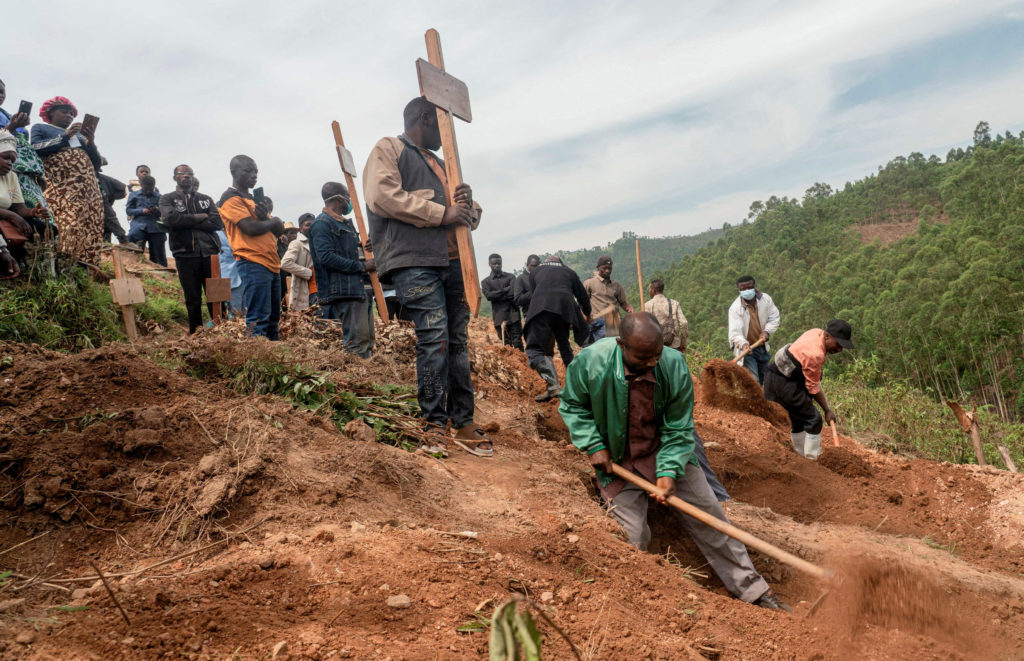
Congo’s Ebola outbreak has killed 5,026 of 10,351 infected people, according to government data, making it the second-deadliest Ebola outbreak on record. The Bundibugyo virus has spread across eight provinces, while conflict, gaps in contact tracing, community distrust and unpaid health workers have complicated response efforts; cases have also been reported in other African countries.
Key Facts
The Congolese Ministry of Health reported 5,026 deaths among 10,351 infected people, a fatality rate of nearly 50%.
The outbreak was declared in mid-May and is caused by the Bundibugyo virus, for which there is no known vaccine or treatment.
A total of 2,788 people have recovered, and about one-third of recorded deaths occurred outside treatment centers.
The virus has spread to 67 of Congo’s 178 health zones in eight provinces; 50 of those zones have active cases.
Ituri and North Kivu have recorded 9,782 confirmed cases and 4,792 deaths combined.
The Africa Centers for Disease Control and Prevention said about 80% of new cases are outside monitored chains of contacts.
Conflict, attacks on health workers and facilities, and community disbelief have hindered response efforts.
Workers at an Ebola treatment center in Tchomia stopped work on Friday to demand four months of unpaid wages.
Read the Original
Want the full story? Tap a source to open the original
article.
An Ebola outbreak in the Democratic Republic of Congo has killed more than 5,000 people and caused more than 10,300 confirmed cases across eight provinces. The Bundibugyo strain has no approved treatment or vaccine, and conflict and attacks on health workers are hindering the response.
Key Facts
The outbreak began in May and became DR Congo’s deadliest on record in August.
The reported case fatality rate is 48.6%.
Ituri province in north-eastern DR Congo remains the outbreak’s epicentre.
Cases have also been confirmed in Kenya, Nigeria and Uganda.
Kenya has recorded nine confirmed cases and two deaths; Uganda has reported no cases since August.
Nigeria’s disease control centre said two suspected cases were isolated and undergoing testing.
The World Health Organization says responders need to expand control measures, access to affected areas and community outreach.
Health workers and others responding to the outbreak have faced attacks, including the killing of a nurse earlier in the week.
Read the Original
Want the full story? Tap a source to open the original
article.
A town councillor in Maidstone, England, wants King Charles to pardon women executed for witchcraft there. The town was the site of a major witch hunt around 400 years ago.
Key Facts
Maidstone is in England.
A major witch hunt took place in Maidstone around 400 years ago.
A town councillor is calling for pardons for people executed for witchcraft in Maidstone.
The councillor wants King Charles to issue the pardons.
The campaign focuses on women targeted in the witch hunts.
Read the Original
Want the full story? Tap a source to open the original
article.
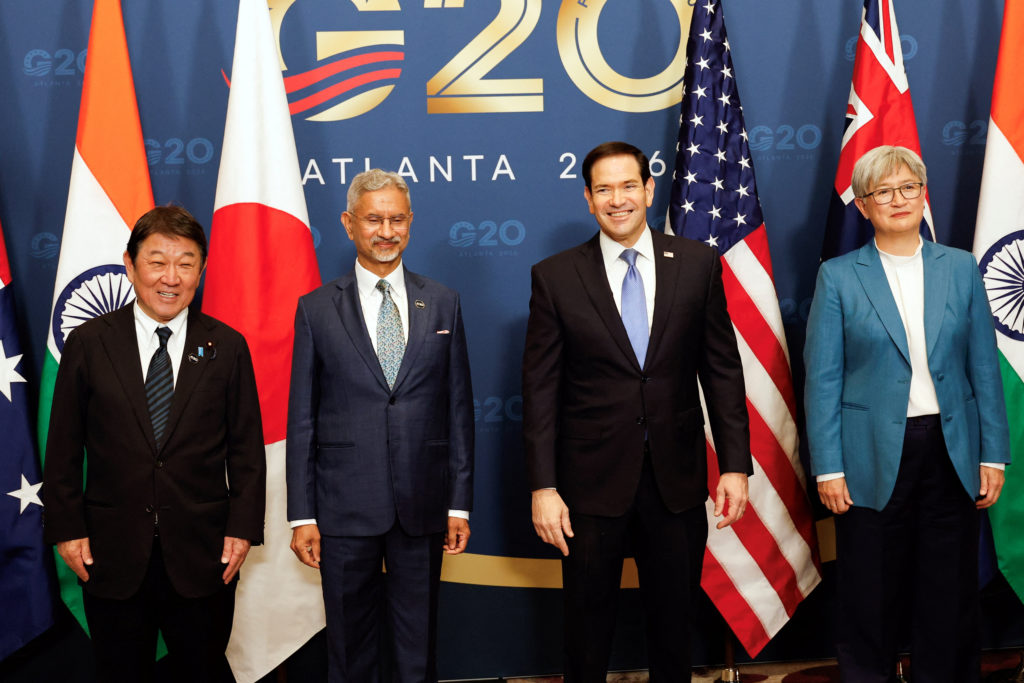
G20 foreign ministers ended two days of talks in Atlanta without consensus on several security and political issues, so the United States planned to issue a chairman’s statement instead of a joint communique. The disagreements included Russia’s war in Ukraine, the U.S.-Israeli war against Iran, U.S. tariffs and China’s actions in the South China Sea.
Key Facts
Secretary of State Marco Rubio was expected to release the chairman’s statement at the end of the meeting.
Rubio said the first day of talks was productive and planned a separate discussion on supply chains and navigation in several key seas.
The traditional group photo was canceled after European diplomats objected to Russian Foreign Minister Sergey Lavrov’s participation.
Diplomats said the meeting’s opening session was cordial, but Russia maintained its position on Ukraine and opposed Poland’s G20 membership.
Participants said the U.S. decision not to invite South Africa also contributed to disagreements.
The diplomats said they would work toward making the G20 leaders’ summit, hosted by President Donald Trump in Florida the following month, successful.
The State Department said it had approved a proposed $2.1 billion sale of Patriot air defense interceptors for Ukraine.
Read the Original
Want the full story? Tap a source to open the original
article.
A Newsweek article describes a report by the International Coalition to End Transplant Abuse in China that examines Communist Party control of China’s medical system and transplant sector. The report argues that this control raises concerns about ongoing forced organ harvesting, including risks to prisoners and members of religious and ethnic groups; these claims are presented in the article as concerns and allegations, not independently established findings.
Key Facts
The report is titled “Chinese Communist Party Control—the Party’s Hold on the Medical Profession and Transplant Sector.”
The report was published by the International Coalition to End Transplant Abuse in China (ETAC).
Sarah Cook, founder of China Rights Analytics and Advising, authored the report.
The report is the first in a planned series called “Red Flags: Indicators of Ongoing Transplant Abuse in China.”
The article says Chinese officials claim the country ended organ sourcing from executed prisoners in 2015.
The article says the report identifies prisoners, Uyghurs, Falun Gong practitioners, and Church of Almighty God believers as groups at risk.
A 2019 tribunal in London concluded that China had forcibly taken organs from prisoners, according to the article; the tribunal’s conclusion is not presented as a court judgment.
Read the Original
Want the full story? Tap a source to open the original
article.
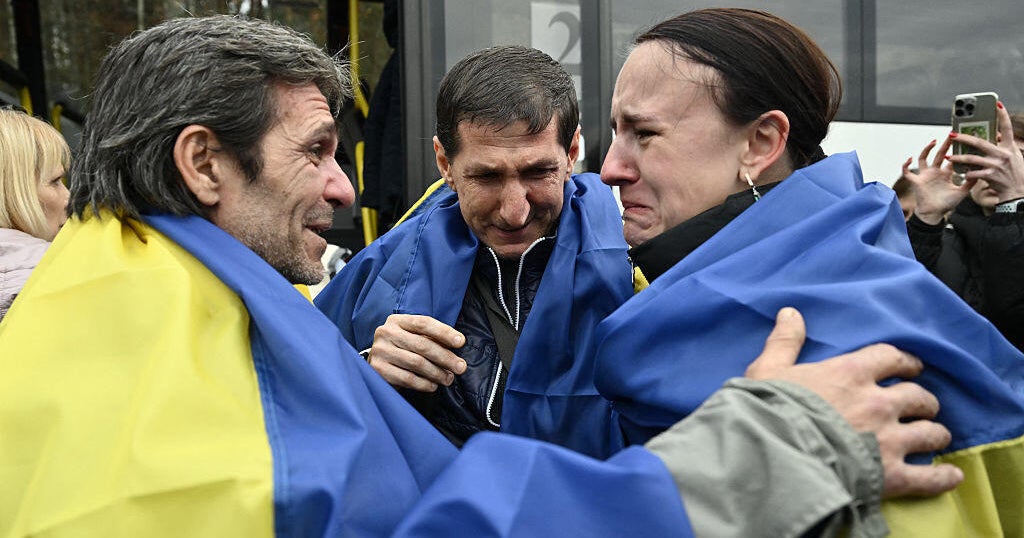
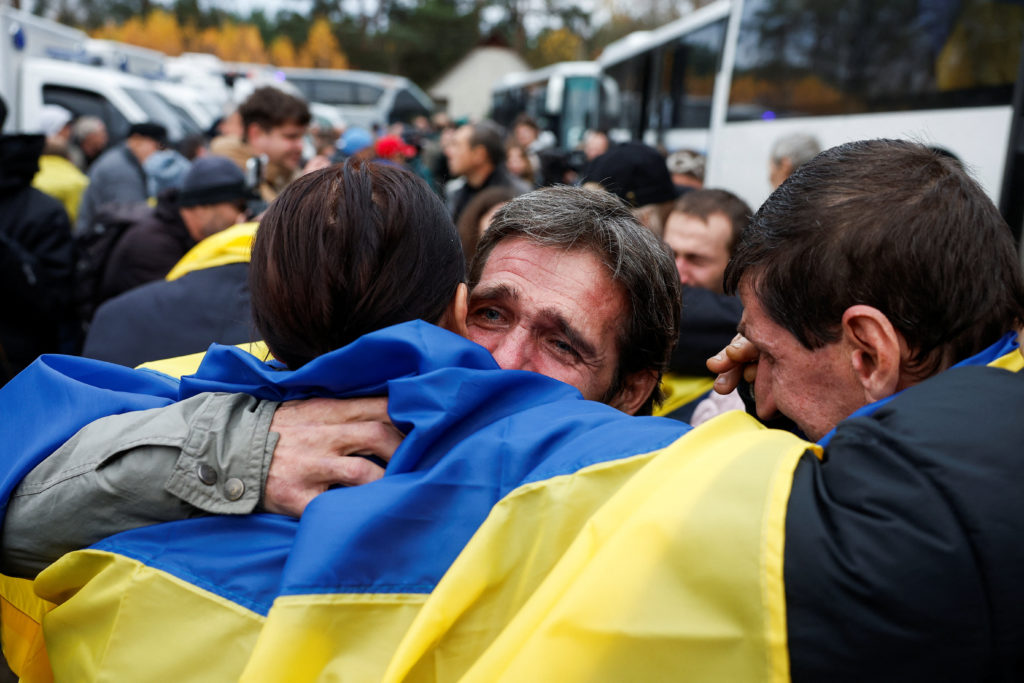
Residents evacuated from Russian-occupied Oleshky crossed into Ukrainian-held territory on Saturday under a temporary ceasefire brokered by U.S. first lady Melania Trump. Evacuees traveled through Russia and Belarus, while fighting continued elsewhere, including reported Ukrainian drone attacks in Russia.
Key Facts
Oleshky is in Ukraine’s Kherson region and has been occupied by Russia since the early days of the war.
The temporary ceasefire began Tuesday at 3 a.m. and was expected to last until Sunday evening.
About 2,000 people were estimated to remain in Oleshky; residents could leave for Ukrainian- or Russian-held territory or stay with replenished food and medical supplies.
People returning to Ukraine traveled by bus to Anapa in Russia, flew to Homel in Belarus, then continued to Ukraine.
Ukrainian authorities withheld the number of evacuees and the border crossing location to protect people who stayed and future missions.
Melania Trump said on social media that the humanitarian convoy could safely evacuate more than 750 people.
Pope Leo XIV also urged Russian and Ukrainian leaders to allow aid deliveries and civilian evacuations.
A Ukrainian drone attack killed two people and wounded five in Russia’s Bryansk region, according to the local governor; officials also reported attacks in Bashkortostan.
Read the Original
Want the full story? Tap a source to open the original
article.
Residents evacuated from Russian-occupied Oleshky reached Ukrainian-held territory on Saturday during a localized ceasefire in Kherson region. The operation, brokered by U.S. first lady Melania Trump, moved evacuees through Russia and Belarus; officials withheld the number evacuated and the crossing location. Ukraine also welcomed U.S. approval of a sale of 500 Patriot interceptors, while President Volodymyr Zelenskyy urged partners to provide weapons from existing stocks for the coming winter.
Key Facts
The ceasefire in Kherson region began at 3 a.m. Tuesday and was expected to last until Sunday evening.
About 2,000 residents were estimated to remain in Oleshky and could choose to leave for Ukrainian-held or Russian-held territory, or stay with replenished food and medical supplies.
People traveling to Ukraine went by bus to Anapa in Russia, flew to Homel in Belarus, and then continued to Ukraine.
Organizers restricted disclosure of the evacuee count and border crossing location to protect residents who stayed and future humanitarian missions.
Melania Trump said on social media that the convoy could safely evacuate more than 750 people.
Russian media showed evacuees who chose Russia arriving at temporary accommodation in Simferopol, Crimea.
Ukraine welcomed U.S. approval of its purchase of 500 PAC-3 Patriot interceptors; Zelenskyy said delivery of the newly authorized sale could take years and called for weapons from existing stocks.
Read the Original
Want the full story? Tap a source to open the original
article.
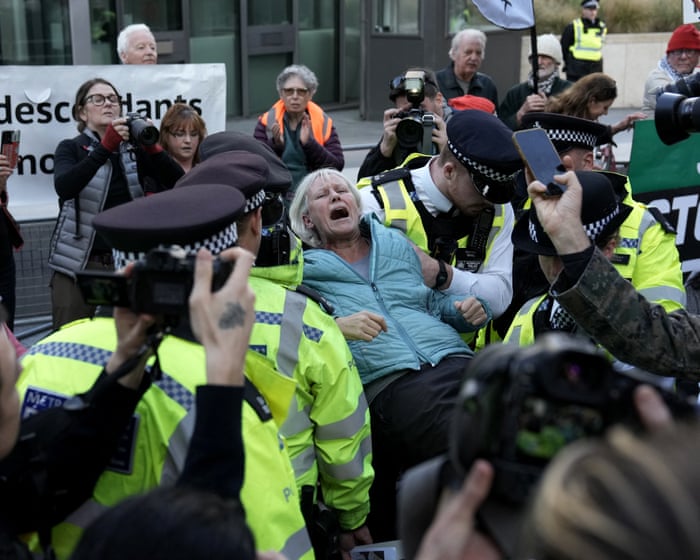
More than 100 people protested outside the US embassy in Battersea, London, against the UK ban on Palestine Action. Police warned participants they could be arrested for supporting the proscribed group, and officers began making arrests.
Key Facts
The demonstration took place outside the US embassy in Battersea, south London.
Protesters held signs reading, “I oppose genocide, I support Palestine Action.”
The UK has proscribed Palestine Action, making support for the group unlawful.
The Metropolitan Police warned protesters of arrests and said it was carrying out a robust policing operation.
Police Commander Adam Slonecki said people organizing the event or providing logistical support could face enforcement action.
Defend Our Juries organized the demonstrations and criticized the Metropolitan Police’s approach.
A demonstration was also scheduled near the US consulate in Edinburgh.
Read the Original
Want the full story? Tap a source to open the original
article.
Iranian Foreign Minister Abbas Araghchi called a U.S. effort to open dialogue a positive step, but said Iran has no plans to meet U.S. officials now. He said Tehran is reviewing proposals and has set conditions for reopening the Strait of Hormuz, while Iranian and Qatari officials continue consultations.
Key Facts
Araghchi said Iran had studied a letter from U.S. Vice President JD Vance during high-level meetings.
An Iranian delegation travelled to Doha, where an aide was continuing consultations with Qatari officials.
Araghchi said any direct or indirect talks with the United States depend on Iran’s conditions being met.
He said mediators had presented proposals on Iran’s nuclear program, which Tehran is reviewing.
Iran’s stated conditions include lifting certain sanctions, reducing U.S. forces in the region, restoring oil waivers, and releasing frozen Iranian funds.
Araghchi said discussions with Qatar had reduced the proposed timeline for implementing Iran’s Strait of Hormuz proposal to two days.
He said Iran was prepared for possible attacks and that its forces were highly ready.
Read the Original
Want the full story? Tap a source to open the original
article.
Ethiopian Prime Minister Abiy Ahmed has put cabinet ministers and other senior officials through military training at the Hurso military training centre. He said military discipline could build leadership skills and support Ethiopia’s development, as the country faces conflicts and tensions with Eritrea.
Key Facts
Photos shared by Abiy show him taking part in exercises with ministers, deputy ministers and heads of government institutions.
Participants include House of Federation Speaker Muferiat Kamil, Finance Minister Fitsum Assefa and Health Minister Mekdes Daba.
The article does not say when the training began or how long it will last.
Abiy said military institutions teach discipline, patriotism, teamwork, accountability and leadership.
Ethiopia faces continued fighting in parts of Tigray, conflict in Amhara and insecurity in Oromia.
The training comes amid heightened tensions between Ethiopia and neighbouring Eritrea.
Read the Original
Want the full story? Tap a source to open the original
article.
Turkey has nominated Feridun Sinirlioglu, a former foreign minister and UN ambassador, to become the next UN secretary-general. The UN Security Council will choose a candidate, and the General Assembly must approve the selection; seven other candidates are also seeking the job.
Key Facts
Turkey’s UN representative, Ahmet Yildiz, said Sinirlioglu’s nomination was officially submitted with President Recep Tayyip Erdogan’s backing.
Sinirlioglu, 70, served briefly as Turkey’s foreign minister in 2015 and as its UN ambassador from 2016 to 2023.
Sinirlioglu currently leads the Organization for Security and Cooperation in Europe, where his term is scheduled to end in December 2027.
The next secretary-general will succeed Antonio Guterres, whose second five-year term is ending.
The 15-member Security Council will decide on a candidate; its five permanent members have veto power.
The 193-member General Assembly must give final approval to the Security Council’s choice.
Seven other candidates are seeking the post, and an informal regional rotation could favor a candidate from Latin America or the Caribbean.
Read the Original
Want the full story? Tap a source to open the original
article.
Syrian Foreign Minister Asaad al-Shaibani said discussions are under way about Syria joining the Mecca Joint Defence Agreement, signed by Saudi Arabia, Turkiye and Pakistan. He said Syria supports regional security efforts and Yemen’s internationally recognised government, while also accusing Israel of carrying out more than 1,000 attacks on Syria in less than two years.
Key Facts
Al-Shaibani announced the discussions at the Manama Dialogue conference in Bahrain.
Saudi Arabia, Turkiye and Pakistan signed the Mecca Joint Defence Agreement in August.
The pact says an attack on one member is to be treated as an attack on all three.
Saudi Arabia is facing attacks from Yemen’s Houthi group, which is backed by Iran.
Pakistan and Turkiye have pledged military support to Saudi Arabia under the pact, but neither has announced attacks on the Houthis.
Turkish officials have said any future support would not include sending Turkish troops to fight in Yemen or attack the Houthis.
Al-Shaibani said Syria supports Yemen’s Saudi-backed internationally recognised government.
Al-Shaibani said Israel had carried out more than 1,000 attacks on Syria in less than two years.
Read the Original
Want the full story? Tap a source to open the original
article.
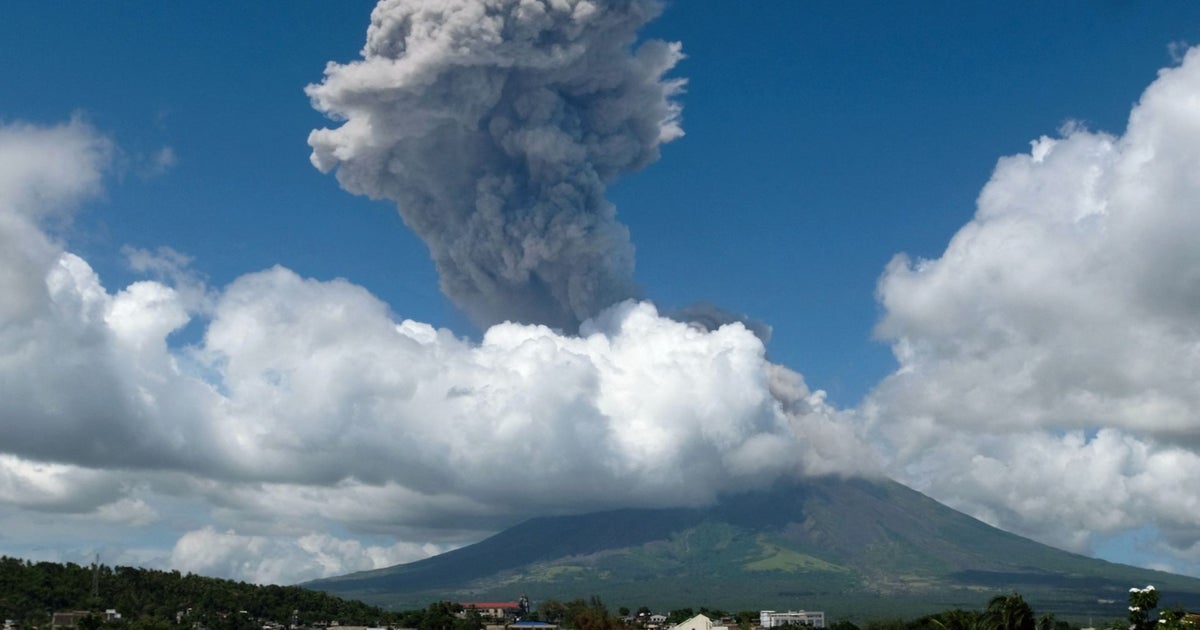
A brief CBS News video segment reports that a volcano erupted in the Philippines. The supplied article text gives no further details about the eruption or its effects.
Key Facts
The segment is titled “Eye Opener: Volcano erupts in the Philippines.”
CBS News published the segment as part of its Eye Opener coverage.
The video is listed as about two minutes long.
The supplied text does not identify the volcano.
The supplied text gives no information about casualties, damage, or evacuations.
Read the Original
Want the full story? Tap a source to open the original
article.
Israel’s October 27 parliamentary election left Prime Minister Benjamin Netanyahu’s coalition short of a majority, with neither it nor the main opposition alliance winning the 61 seats needed to govern. The article says the campaign focused on domestic issues, while Gaza and the occupied West Bank were not major points of disagreement between the main blocs and did not become central election issues.
Key Facts
Netanyahu’s camp won 53 seats, five more than the main opposition bloc, but neither secured a parliamentary majority.
About 2.38 million voters supported Netanyahu’s coalition, while about 2.21 million voted for the opposition alliance, according to the article.
Arab parties won a record 19 seats but were excluded from a central role in coalition negotiations, the article says.
The campaign focused mainly on the power of Israel’s courts, military-service exemptions for ultra-Orthodox men, and whether the government’s response to warnings before the October 7, 2023 attacks should be investigated.
Analysts cited in the article said Gaza and the West Bank were not decisive election issues because the main political blocs broadly agreed on those questions.
The article reports that Israeli attacks in Gaza had killed more than 74,500 people and left much of the territory in ruins.
A United Nations commission of inquiry said Israel had committed crimes against humanity in the occupied West Bank, including extermination, torture and rape, according to the article.
Read the Original
Want the full story? Tap a source to open the original
article.
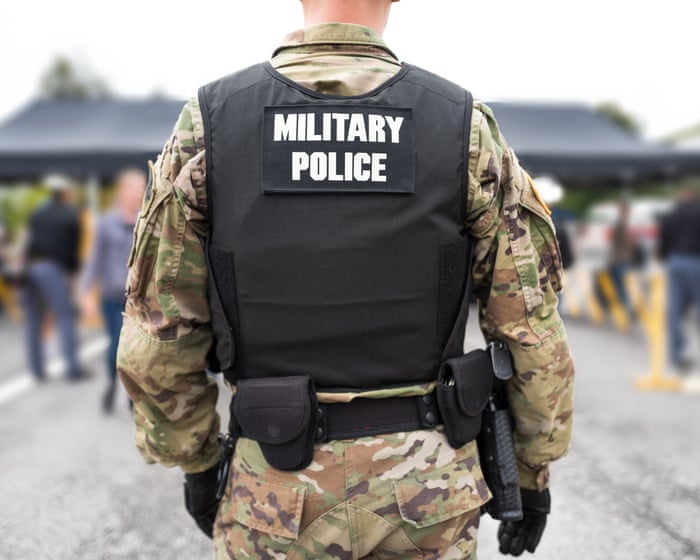
Ministry of Defence officials said Cambridgeshire police should not have handed the investigation of US Air Force Capt Jacob Wulfson to the US military. Wulfson was tried at a US airbase tribunal rather than in an English court; a military jury convicted him of strangling Sarah Steele and acquitted him of sexual assault.
Key Facts
Documents obtained under the Freedom of Information Act show MoD officials’ private views on the case.
A UK-US agreement gives British police the primary right to investigate alleged crimes by US personnel stationed in the UK.
The agreement allows US military jurisdiction in limited circumstances, including crimes committed on duty or against fellow service members or military property.
MoD officials said the Steele case did not appear to meet the conditions for US jurisdiction.
A Greater Manchester police officer also wrote that Cambridgeshire police had wrongly handed the investigation to US military police.
Cambridgeshire police said they were reviewing the case with material provided by US Air Force lawyers and remained in contact with Steele.
The government has set up a high-level inquiry into how police forces transferred investigations of serious crimes to US military police.
Read the Original
Want the full story? Tap a source to open the original
article.
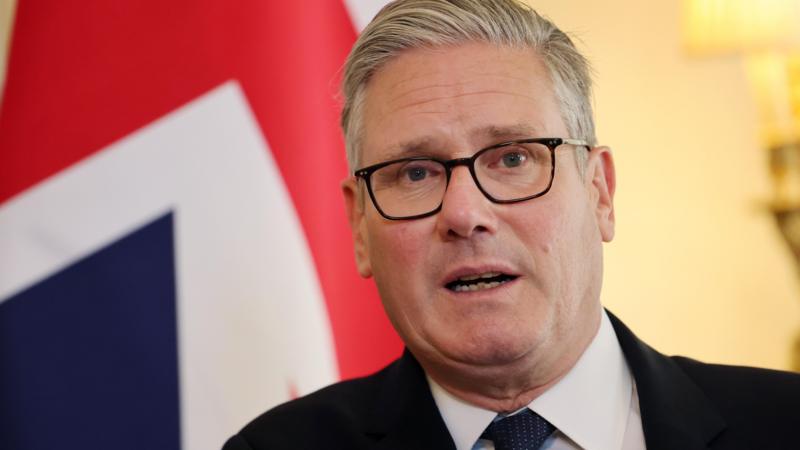
Keir Starmer called for a Europe-wide security framework and said European countries must take greater responsibility for their own defence. Speaking in Dublin, he described the US shift away from financing European security as permanent, while saying the US-UK alliance remains important.
Key Facts
Starmer spoke at a British Irish Chamber of Commerce dinner in Dublin on Friday evening.
He said Europe needs a common security framework alongside its common market.
Starmer said the UK should be central to European defence cooperation.
He said increased defence spending is needed but would not be enough on its own.
He cited Russia’s attack on Ukraine and President Donald Trump’s position on US support as events that exposed gaps in European preparedness.
Starmer said European defence cooperation cannot involve the EU alone because countries on Europe’s periphery are important to its security.
The British Irish Chamber of Commerce awarded Starmer honorary life membership.
Read the Original
Want the full story? Tap a source to open the original
article.
UK Prime Minister Andy Burnham said Britain could discuss issuing a formal apology for its role in the transatlantic slave trade, but ruled out financial reparations. Ahead of a Commonwealth summit in Antigua and Barbuda, he proposed talks with affected countries and groups and an international initiative to ease debt burdens in poorer nations.
Key Facts
Burnham said discussions about an official state apology would form part of talks with countries and groups affected by slavery.
He expressed sorrow and regret for the suffering of enslaved people but said people in Britain today should not be held liable for historical wrongs.
Burnham proposed extending repayment periods and lowering interest rates to ease debt burdens in poorer countries.
Former UK Prime Minister Gordon Brown will assist with the debt initiative, Burnham said.
Barbadian Prime Minister Mia Mottley welcomed the prospect of talks and said cooperation could include healthcare, education, development and fairer borrowing terms.
Antigua and Barbuda’s Prime Minister Gaston Browne welcomed the debt proposal and cooperation on renewable energy.
CARICOM’s 10-point reparations plan includes an apology, support for health and education, and measures to address slavery’s economic and social effects.
King Charles III is due to attend the summit, but Buckingham Palace said he will not issue a formal apology during his trip.
Read the Original
Want the full story? Tap a source to open the original
article.
Keir Starmer called for the UK to deepen its ties with Europe, saying changes in the US relationship under President Donald Trump are likely to last beyond his presidency. He urged European countries to take greater responsibility for their own defence while maintaining the transatlantic alliance.
Key Facts
Starmer made the remarks at an event hosted by the British Irish Chamber of Commerce.
He said Russia’s invasion of Ukraine exposed weaknesses in European defence and security.
Starmer said the US would no longer bankroll European security and urged Europe to prepare for that shift.
He called for closer economic and security cooperation between the UK and Europe, beyond defence alone.
Starmer said Brexit had caused deep damage to the UK economy.
He argued that European security cooperation should include countries outside the EU, including the UK.
Starmer met Irish political and business leaders in Dublin, including Taoiseach Micheál Martin.
The article says a forthcoming EU-UK summit is expected to focus on food standards, energy and youth mobility.
Read the Original
Want the full story? Tap a source to open the original
article.
A man with neurofibromatosis type 1 says a restaurant worker in London asked him to leave in 2024, saying customers had complained that he was frightening them. He describes growing up with visible tumors and other effects of the condition, and says family, faith, work, and patient advocacy have helped shape his life.
Key Facts
The writer says he was born in South Africa with neurofibromatosis type 1, a genetic condition that causes tumors to grow.
He says his father had the condition and that his brother also has it.
The condition caused a small, altered eye, tumors across his body, and a curvature of the spine.
He says a restaurant worker near a London hospital asked him to leave in 2024 after complaints from customers.
He works for the U.K. National Health Service on a mental health crisis line and speaks with medical students about living with the condition.
He met his wife, Bridget, through church in 2007; they married in South Africa and returned to the U.K. in 2015.
After the restaurant incident, he discussed how to respond with his wife and reported it as a non-crime hate incident, according to the article excerpt.
Read the Original
Want the full story? Tap a source to open the original
article.
Norway’s security measures and halted crossings since Russia’s 2022 invasion of Ukraine have weakened long-standing ties among Sámi communities and residents along the Norway-Russia border. The changes have affected personal relationships, local businesses and traditions that depend on cross-border connections.
Key Facts
The Sámi homeland, Sápmi, spans northern Norway, Sweden, Finland and Russia’s Kola Peninsula.
Norway and Russia established their border in 1826, dividing Sámi communities in the region.
A visa-free agreement once allowed residents living within 30 kilometres of the border to travel between Norway and Russia.
Cross-border trips have stopped since Russia’s full-scale invasion of Ukraine in February 2022, amid solidarity with Ukraine and safety concerns.
Kirkenes has faced espionage concerns, and some residents worry about accidentally crossing the border with hunting ammunition in their cars.
Russian visitors to Norway fell from 250,000 in 2019 to 52,000 last year, according to the article.
Local shops have lost income and some have closed as Russian tourism declined.
Nils Boine says his family’s tourism business has been less affected because most customers come from Asia or Finland.
Read the Original
Want the full story? Tap a source to open the original
article.