Neutral summaries of your favorite news sources — just the facts.
Your favorite news sources, one neutral feed — we distill their reporting into fact-first
summaries and always link to the original story. How it works
World News
Comprehensive coverage of international news and global events
Yurii Muzyka was sentenced to life in prison with a minimum of 30 years for murdering his ex-girlfriend, Halyna Hoisan, in her home in south London. Muzyka stalked Hoisan using a hidden tracker, attacked her with a knife in front of their young daughter, and was found guilty after a trial at the Old Bailey court.
Key Facts
Yurii Muzyka stabbed his ex-girlfriend, Halyna Hoisan, six times in her flat in Greenwich, south London, in August last year.
Muzyka used a tracker hidden in their daughter's scooter to follow Hoisan.
Hoisan had secured a non-molestation order against Muzyka due to previous violence and harassment.
Their three-year-old daughter was at home during the attack.
Investigators found Muzyka had researched spyware, masks, knives, and human anatomy to plan the attack.
After the attack, Muzyka took photos of Hoisan as she lay dying and then tried to harm himself.
The court sentenced Muzyka to life imprisonment with at least 30 years before possible release.
The judge said Muzyka's actions were driven by jealousy and a desire to control Hoisan after their breakup.
Read the Original
Want the full story? Tap a source to open the original
article.
Pakistan has a rapidly growing population expected to exceed 300 million by 2030, making it the fourth most populous country in the world. Despite this growth, contraception, especially for men, remains a sensitive topic due to traditional and religious beliefs, hindering efforts to control population growth.
Key Facts
Pakistan’s population currently exceeds 258 million people.
By 2030, Pakistan’s population may pass 300 million, placing it fourth globally.
Population growth is faster than Pakistan’s ability to develop its economy and infrastructure.
Pakistan lags behind neighboring countries India and Bangladesh in key social areas.
Contraception use is generally taboo and often seen as forbidden in the culture.
Male contraception is particularly stigmatized in Pakistani society.
Traditional values and religious views influence negative attitudes toward family planning.
Efforts to address population growth face challenges because of these social and cultural barriers.
Read the Original
Want the full story? Tap a source to open the original
article.
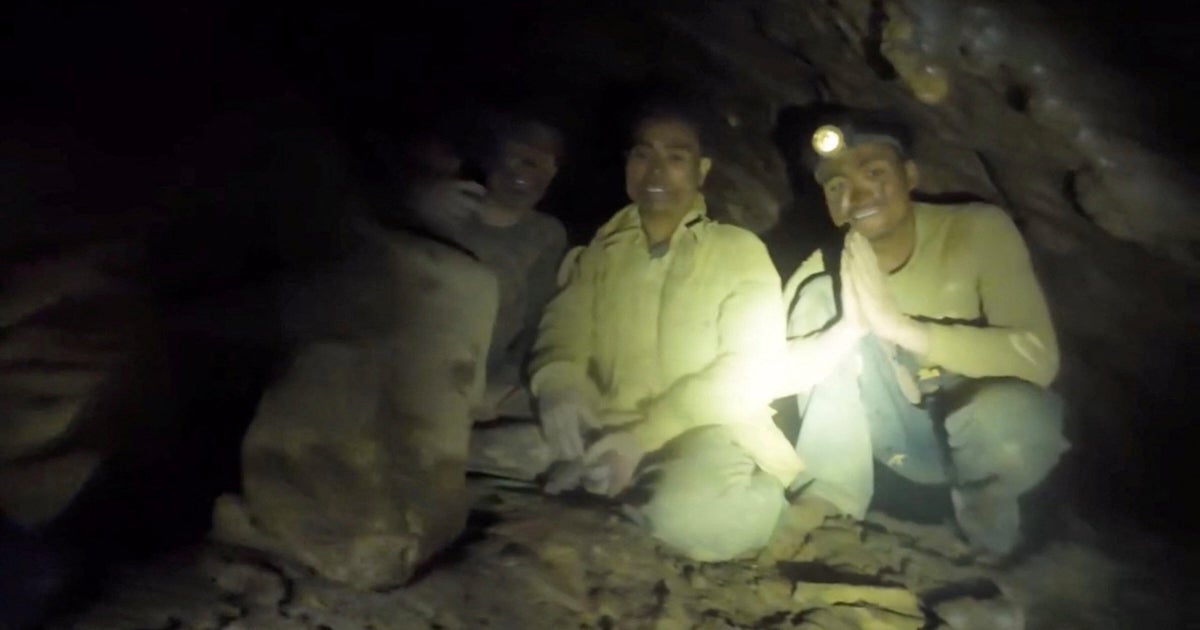
A group of gold miners has been trapped inside a flooded cave in Laos for over a week. Rescue teams have safely brought out at least one miner, while others remain inside under dangerous conditions due to monsoon rains.
Key Facts
At least one gold miner was rescued from a flooded cave in Laos.
Seven artisanal gold miners have been trapped in the cave for nine days.
Five miners have been located; two are still missing.
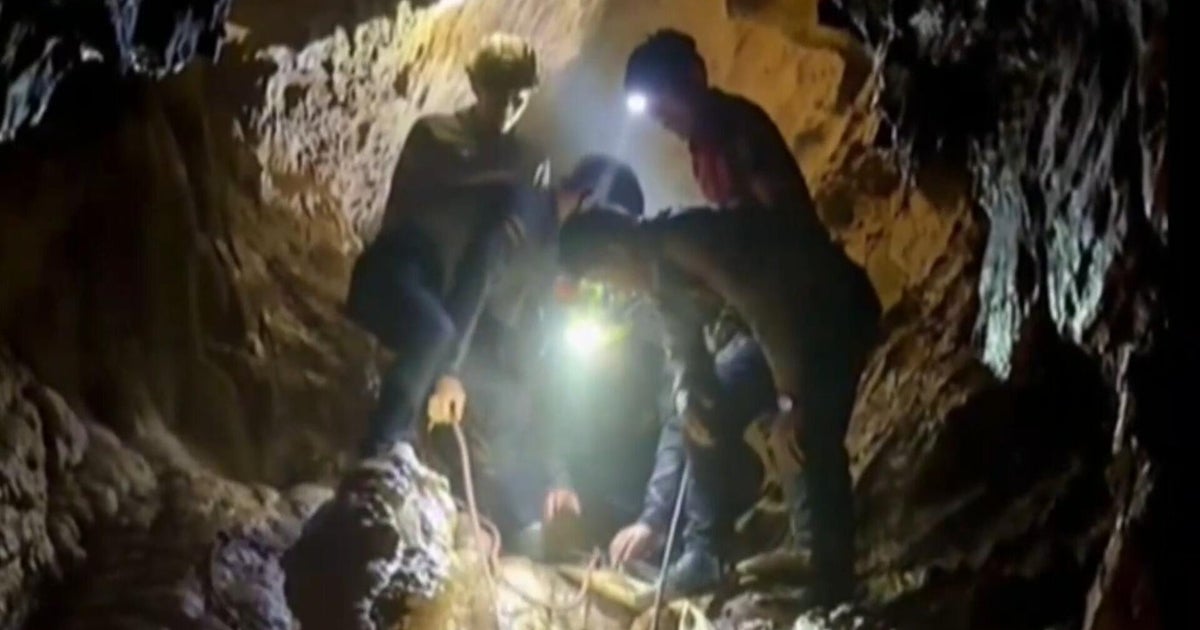
The cave is very hard to access, with a five-hour round trip for trained divers.
Monsoon rains have flooded the cave, making rescue efforts more difficult.
Attempts to pump water out of the cave for five days have failed.
Rescuers are considering teaching the trapped miners to scuba dive as a last option.
The rescue team has asked the Laos government for legal protection in case of accidents during the rescue.
Read the Original
Want the full story? Tap a source to open the original
article.
Bizzy Crook is a rapper and songwriter from Miami who worked hard for many years before gaining success. He helped create Leon Thomas’s Grammy-winning album MUTT and has started releasing his own music. Bizzy used the internet and creative tactics early on to get his music heard despite having little money or support.
Key Facts
Bizzy Crook is a rapper, songwriter, and creative artist from Miami, Florida.
He contributed to Leon Thomas’s album MUTT, which won two Grammy Awards.
Bizzy began writing music after being inspired by Eminem’s song “My Name Is.”
He used Microsoft Word to write his first rap verse.
Bizzy struggled with social anxiety and found music a peaceful way to express himself.
Early in his career, he used the internet creatively to share his music and gain attention.
He uploaded songs online under different titles to attract listeners before official tracks came out.
Bizzy wrote songs for friends and developed his skills by seeing things from other people’s viewpoints.
Read the Original
Want the full story? Tap a source to open the original
article.
The United States and Iran are working on a tentative deal to extend the ceasefire in their ongoing conflict by 60 days and restart talks on Iran’s nuclear program. However, key Iranian officials expressed skepticism about the deal and said their country gains concessions through military strength rather than negotiations.
Key Facts
The tentative deal aims to extend the ceasefire in the war between the U.S. and Iran by 60 days.
New talks would focus on Iran’s nuclear program, especially the status of Iran’s enriched uranium stockpile.
Iran has 440.9 kilograms of uranium enriched up to 60% purity, which is close to weapons-grade levels.
U.S. Vice President JD Vance said negotiators are still debating details, and it is unclear if President Donald Trump has approved the deal.
Iranian Parliament Speaker Mohammad Bagher Qalibaf said Iran does not trust words but only actions and suggested concessions come from military power, not talks.
The goal of the U.S. is to prevent Iran from developing nuclear weapons.
The tentative agreement was discussed during recent negotiations held in Qatar.
Iran insists its nuclear program is peaceful and has not agreed publicly to give up its current uranium stockpile.
Read the Original
Want the full story? Tap a source to open the original
article.
Eight students were stuck for almost four hours on a rollercoaster stuck at the top of a tall drop in Galveston, Texas. Firefighters rescued them safely using ladders and harnesses, and all students were unharmed.
Key Facts
The incident happened on the Iron Shark rollercoaster at Pleasure Pier in Galveston, Texas.
The rollercoaster stopped at the top of a steep drop, leaving eight students stranded.
The students were from two schools in Houston.
They were stuck for nearly four hours in hot weather with their feet hanging in the air.
Firefighters used a tall ladder and harnesses to bring the students down safely.
None of the students were injured, but they were checked for dehydration.
The rollercoaster stopped because of a malfunction that triggered an emergency stop system.
Ride operators and local authorities confirmed a full inspection will happen before the ride reopens.
Read the Original
Want the full story? Tap a source to open the original
article.
London Underground drivers will strike for two full days on June 2 and June 4. The strikes are over disagreements about a planned trial of a voluntary four-day working week.
Key Facts
The strikes will last 24 hours on both June 2 and June 4.
The RMT union opposes the four-day week due to worries about fatigue, longer shifts, less flexibility, and safety risks.
Transport for London (TfL) expects most tube lines to run during the strikes but warns of disruption.
Other transport services like the Elizabeth line, London Overground, DLR, and trams will run but may be busier.
TfL plans to trial the four-day week voluntarily and has support from the Aslef union, which represents more than half of the drivers.
Previous strikes happened in April, and new strikes were rescheduled from mid-May to early June.
TfL wants to continue talks to resolve issues and avoid disruption.
The RMT says it is open to talks but opposes changes without addressing their safety concerns.
Read the Original
Want the full story? Tap a source to open the original
article.
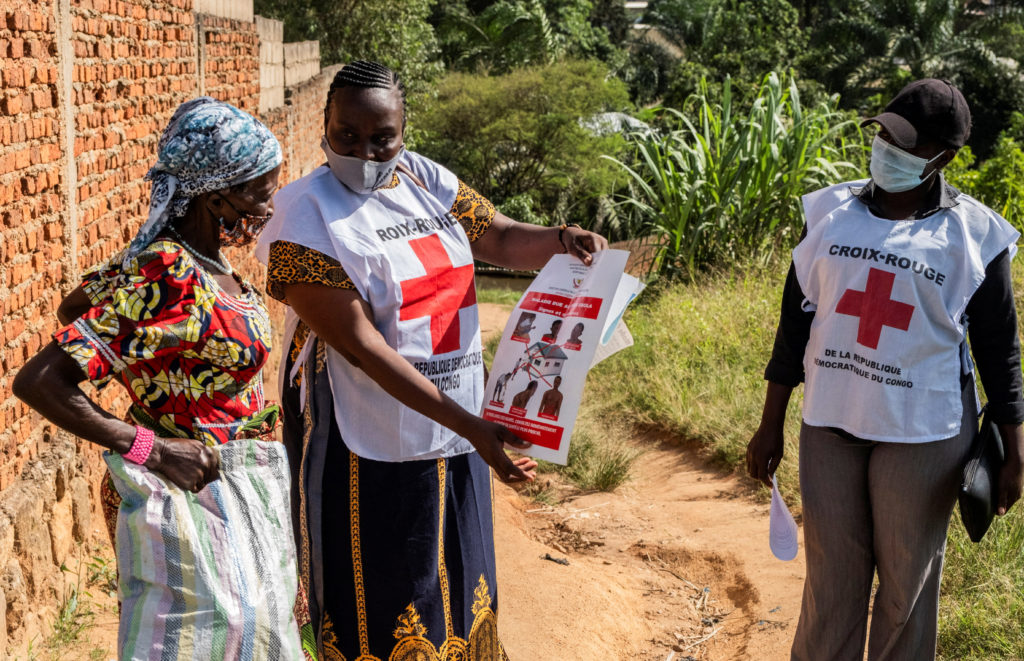
A virus causing an Ebola outbreak in Congo has killed over 200 people. This virus is less common, and there are no approved treatments or vaccines yet, so healthcare workers must rely on basic care while possible vaccines and treatments are tested.
Key Facts
The outbreak in Congo is caused by a less common type of Ebola virus called Bundibugyo virus.
More than 200 people are believed to have died from this outbreak.
There are currently no specific treatments or vaccines approved for this virus type.
Doctors and aid workers are using basic care methods to treat patients.
The World Health Organization (WHO) has identified some possible vaccines and therapies to test.
WHO recommends these potential treatments be used only in clinical trials to check their safety and effectiveness.
Developing and testing these vaccines and therapies will take several months.
The virus is making the outbreak response more difficult because of the lack of ready medical tools.
Read the Original
Want the full story? Tap a source to open the original
article.
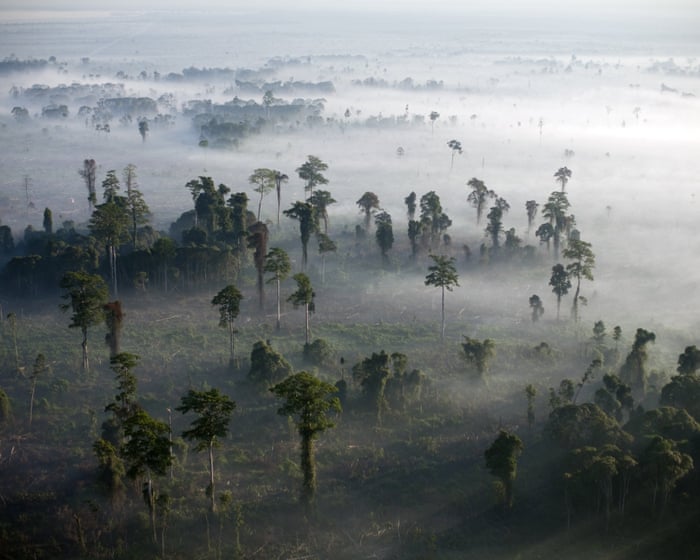
The UK government is cutting funding to the Darwin Initiative, a program that supports nature protection projects in many countries. As a result, at least 89 countries, including many in Africa, Central Asia, and parts of Latin America, will no longer qualify for this funding, raising concerns among conservationists about the future of global nature conservation efforts.
Key Facts
The Darwin Initiative is a UK fund started in 1992 to support biodiversity and nature conservation worldwide.
At least 89 countries will lose eligibility for this funding, including Argentina, Iran, Sudan, Chad, Mali, Angola, and Armenia.
Most African countries, Central Asia, and parts of Latin America are among the regions losing access to the fund.
Some middle-income or emerging economies like China, India, Mexico, and Turkey are also excluded due to their changed status.
Brazil and Indonesia, both G20 countries, remain eligible for funding.
The cuts come amid UK government decisions to reduce international aid to some countries and overall climate finance budgets.
Conservationists warn that these cuts may harm efforts to protect wildlife and habitats and undermine global agreements on biodiversity.
It is unclear how much the total Darwin Initiative funding will be reduced, but existing projects will continue to receive funds for now.
Read the Original
Want the full story? Tap a source to open the original
article.
A paramilitary group linked to Sudan’s Rapid Support Forces (RSF) killed at least 27 civilians in villages west of Bara in North Kordofan state. The attack happened during the Eid al-Adha holiday and has worsened the humanitarian crisis amid ongoing civil war in Sudan.
Key Facts
The RSF-affiliated forces attacked villages in the al-Murrah area, killing 27 people, including elderly residents.
The Sudan Doctors Network, a Cairo-based medical NGO, reported the killings and called them a violation of international law.
Sudan has been in civil war since April 2023, with fighting between the Sudanese army and RSF causing many deaths and displacements.
The Kordofan region is a major battleground with fighting involving drones and control of key areas rich in oil and gold.
The RSF controls parts of Darfur and Kordofan near South Sudan and often clashes with the army over towns like Bara.
Over 40% of Sudan’s people face severe hunger, with 19.5 million in urgent need of food aid due to the conflict.
The Sudan Doctors Network urged international groups to condemn the attacks and protect civilians.
The attack occurred amid already difficult humanitarian conditions caused by the ongoing war.
Read the Original
Want the full story? Tap a source to open the original
article.
Hulu has announced a list of movies and shows coming to its streaming service in June 2026. Popular titles include several Captain America movies, classic films like Gladiator and Catch Me If You Can, as well as new series and the final season of The Bear.
Key Facts
On June 1, Hulu will add Captain America: Civil War, Captain America: The First Avenger, and Captain America: The Winter Soldier.
Classic movies arriving June 1 include Brokeback Mountain, Catch Me If You Can, Gladiator, and Transformers.
The Irish indie film Kneecap will debut on June 2.
Love Island (UK) Season 13 will premiere on Hulu on June 4.
The final season (season 5) of The Bear will be available starting June 25.
Several titles will also be available in Spanish versions.
The list includes a mix of movies, TV series, documentaries, and comedy specials.
Read the Original
Want the full story? Tap a source to open the original
article.
India, the United States, Australia, and Japan announced a plan to jointly develop port infrastructure in Fiji as part of their Quadrilateral Security Dialogue (Quad) alliance. This project aims to build and upgrade key ports in Fiji to strengthen infrastructure and balance China’s influence in the Asia Pacific region.
Key Facts
The Quad includes India, the United States, Australia, and Japan.
They plan to develop ports in Fiji, starting with Suva and Lautoka.
Suva is Fiji’s capital and busiest port; Lautoka is the country’s second-largest city port.
This port development is called the “Quad Ports of the Future Partnership” and is the first joint Quad infrastructure project in Fiji.
Fiji’s government owns 41% of the Suva port agency, which has discussed upgrades costing $181 million and potential relocation plans costing $1.82 billion.
Fiji’s Prime Minister previously talked about redeveloping Suva port with China, but that plan did not advance.
The US Millennium Challenge Corporation may fund the project with grants, meaning no loans would be required.
The Quad’s work goes beyond security to include infrastructure, maritime security, technology, health, and supply chain cooperation in the Asia Pacific.
Read the Original
Want the full story? Tap a source to open the original
article.
The Baniyas Refinery in Syria is one of the few major oil-refining sites still working after years of war. Since the fall of President Bashar al-Assad in late 2024, fuel shipments by train from Baniyas to key cities like Aleppo have increased, helping to supply power plants across the country.
Key Facts
Baniyas Refinery is Syria’s largest oil refinery and a key part of the fuel supply network.
The Syrian civil war started in 2011 and damaged much of the country’s infrastructure, including rail and fuel systems.
After the fall of President Bashar al-Assad in December 2024, refinery activity and train shipments increased.
The refinery staff and rail workers play an important role in keeping energy flowing to cities such as Homs and Aleppo.
The fuel is transported by train because trucks would be less efficient for long-distance supply.
The current trains carry about 5,000 tonnes of fuel oil per trip.
The journey from Baniyas to Aleppo can take between 15 to 35 hours.
Parts of the rail system are old and damaged but still in use.
Read the Original
Want the full story? Tap a source to open the original
article.
A new book titled "Marilyn: The Lost Photographs, The Last Interview" has been published. It contains Marilyn Monroe’s final interview transcript and previously unseen photos from her last photo shoot in July 1962 before her death.
Key Facts
Marilyn Monroe’s last interview was conducted by Life Magazine writer Richard Meryman in July 1962.
Photographer Allan Grant took her last formal photo shoot at her Los Angeles home at the same time.
Most of these photos and interview recordings had not been released until now.
Jason Greene and Chris Flannery compiled the complete interview and photos into the book.
Monroe talked openly about her life, Hollywood, fame, and the difficulties of the studio system.
The book is published by Weldon Owen and available as a hardcover and eBook.
The book includes candid insights and images that shed light on Marilyn Monroe’s thoughts shortly before her death.
The interview and photos highlight her reflections on fame and how she valued her connection with people.
Read the Original
Want the full story? Tap a source to open the original
article.
The head of the World Health Organization (WHO) arrived in Kinshasa, Congo, to help fight a rare Ebola outbreak. The efforts face challenges like limited medical supplies, distrust from local people, and violence from armed groups.
Key Facts
The Ebola outbreak is caused by a rare type of the virus.
Authorities in Congo have reported 906 suspected Ebola cases.
There have been 223 suspected deaths linked to the outbreak.
WHO Director-General Tedros Adhanom Ghebreyesus came to show support and encourage community cooperation.
Medical teams are struggling due to a lack of equipment.
Some local people do not trust health workers, making containment harder.
Armed groups in the region are causing security problems for responders.
Uganda closed its border with Congo to prevent the virus from spreading.
Read the Original
Want the full story? Tap a source to open the original
article.
At least five miners are trapped in a cave in Laos, and rescuers are running out of ways to get them out safely. They may need to teach the trapped miners how to scuba dive so they can swim out of the cave.
Key Facts
Miners are trapped inside a cave in Laos.
The miners are running low on oxygen.
Rescuers have tried several methods to bring them out safely.
One option considered is to teach the miners how to use scuba gear.
The situation is urgent due to limited air supply.
The rescue effort involves specialized skills and careful planning.
Read the Original
Want the full story? Tap a source to open the original
article.
U.S. and Iranian negotiators have tentatively agreed to extend the current ceasefire in their conflict for 60 more days. They also plan to begin new talks about Iran's nuclear program, but Iran has not yet confirmed the agreement. It is unclear if President Donald Trump will approve the deal.
Key Facts
The ceasefire between the U.S. and Iran has lasted three months so far.
Negotiators agreed to extend the ceasefire by an additional 60 days.
New discussions about Iran’s nuclear program are set to begin.
A U.S. official confirmed the tentative agreement.
Iran has not immediately confirmed the deal.
Vice President JD Vance confirmed the tentative agreement on Thursday evening.
It is unknown whether President Donald Trump will approve the deal.
Read the Original
Want the full story? Tap a source to open the original
article.
Germany has expressed concern about Israel’s plan to extend military control over Gaza beyond the current ceasefire agreement. Israeli Prime Minister Netanyahu ordered the military to increase control to 70 percent of Gaza, raising fears of permanent occupation and worsening conditions for Gaza’s 2.3 million residents.
Key Facts
Germany opposes any permanent division or annexation of Gaza.
Israel currently controls about 53 percent of Gaza under a ceasefire agreement made in October.
Netanyahu ordered the military to expand control to 70 percent of Gaza and suggested even more control could be taken.
The ceasefire was intended to reduce Israeli control, but Israel has steadily increased its presence.
Gaza’s population of 2.3 million already faces severe hardships due to destruction and blockades.
Germany is a close ally and a major weapons supplier to Israel but has recently criticized some Israeli actions.
UN and EU reports describe significant damage to Gaza’s infrastructure, with over half the hospitals not working and most schools damaged.
Israel killed a senior Hamas commander recently; Hamas has not responded.
Read the Original
Want the full story? Tap a source to open the original
article.