Neutral summaries of your favorite news sources — just the facts.
Your favorite news sources, one neutral feed — we distill their reporting into fact-first
summaries and always link to the original story. How it works
World News
Comprehensive coverage of international news and global events
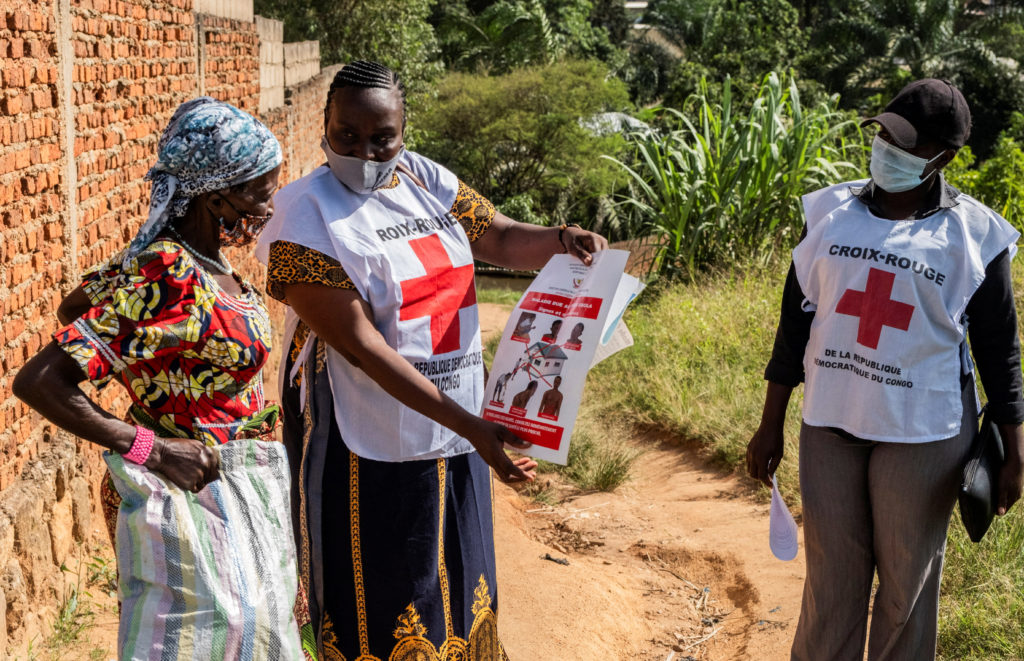
A virus causing an Ebola outbreak in Congo has killed over 200 people. This virus is less common, and there are no approved treatments or vaccines yet, so healthcare workers must rely on basic care while possible vaccines and treatments are tested.
Key Facts
The outbreak in Congo is caused by a less common type of Ebola virus called Bundibugyo virus.
More than 200 people are believed to have died from this outbreak.
There are currently no specific treatments or vaccines approved for this virus type.
Doctors and aid workers are using basic care methods to treat patients.
The World Health Organization (WHO) has identified some possible vaccines and therapies to test.
WHO recommends these potential treatments be used only in clinical trials to check their safety and effectiveness.
Developing and testing these vaccines and therapies will take several months.
The virus is making the outbreak response more difficult because of the lack of ready medical tools.
Read the Original
Want the full story? Tap a source to open the original
article.
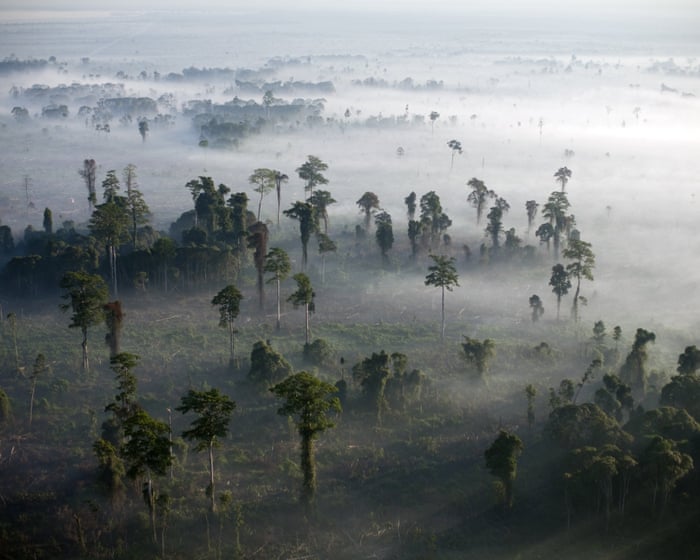
The UK government is cutting funding to the Darwin Initiative, a program that supports nature protection projects in many countries. As a result, at least 89 countries, including many in Africa, Central Asia, and parts of Latin America, will no longer qualify for this funding, raising concerns among conservationists about the future of global nature conservation efforts.
Key Facts
The Darwin Initiative is a UK fund started in 1992 to support biodiversity and nature conservation worldwide.
At least 89 countries will lose eligibility for this funding, including Argentina, Iran, Sudan, Chad, Mali, Angola, and Armenia.
Most African countries, Central Asia, and parts of Latin America are among the regions losing access to the fund.
Some middle-income or emerging economies like China, India, Mexico, and Turkey are also excluded due to their changed status.
Brazil and Indonesia, both G20 countries, remain eligible for funding.
The cuts come amid UK government decisions to reduce international aid to some countries and overall climate finance budgets.
Conservationists warn that these cuts may harm efforts to protect wildlife and habitats and undermine global agreements on biodiversity.
It is unclear how much the total Darwin Initiative funding will be reduced, but existing projects will continue to receive funds for now.
Read the Original
Want the full story? Tap a source to open the original
article.
A paramilitary group linked to Sudan’s Rapid Support Forces (RSF) killed at least 27 civilians in villages west of Bara in North Kordofan state. The attack happened during the Eid al-Adha holiday and has worsened the humanitarian crisis amid ongoing civil war in Sudan.
Key Facts
The RSF-affiliated forces attacked villages in the al-Murrah area, killing 27 people, including elderly residents.
The Sudan Doctors Network, a Cairo-based medical NGO, reported the killings and called them a violation of international law.
Sudan has been in civil war since April 2023, with fighting between the Sudanese army and RSF causing many deaths and displacements.
The Kordofan region is a major battleground with fighting involving drones and control of key areas rich in oil and gold.
The RSF controls parts of Darfur and Kordofan near South Sudan and often clashes with the army over towns like Bara.
Over 40% of Sudan’s people face severe hunger, with 19.5 million in urgent need of food aid due to the conflict.
The Sudan Doctors Network urged international groups to condemn the attacks and protect civilians.
The attack occurred amid already difficult humanitarian conditions caused by the ongoing war.
Read the Original
Want the full story? Tap a source to open the original
article.
Hulu has announced a list of movies and shows coming to its streaming service in June 2026. Popular titles include several Captain America movies, classic films like Gladiator and Catch Me If You Can, as well as new series and the final season of The Bear.
Key Facts
On June 1, Hulu will add Captain America: Civil War, Captain America: The First Avenger, and Captain America: The Winter Soldier.
Classic movies arriving June 1 include Brokeback Mountain, Catch Me If You Can, Gladiator, and Transformers.
The Irish indie film Kneecap will debut on June 2.
Love Island (UK) Season 13 will premiere on Hulu on June 4.
The final season (season 5) of The Bear will be available starting June 25.
Several titles will also be available in Spanish versions.
The list includes a mix of movies, TV series, documentaries, and comedy specials.
Read the Original
Want the full story? Tap a source to open the original
article.
India, the United States, Australia, and Japan announced a plan to jointly develop port infrastructure in Fiji as part of their Quadrilateral Security Dialogue (Quad) alliance. This project aims to build and upgrade key ports in Fiji to strengthen infrastructure and balance China’s influence in the Asia Pacific region.
Key Facts
The Quad includes India, the United States, Australia, and Japan.
They plan to develop ports in Fiji, starting with Suva and Lautoka.
Suva is Fiji’s capital and busiest port; Lautoka is the country’s second-largest city port.
This port development is called the “Quad Ports of the Future Partnership” and is the first joint Quad infrastructure project in Fiji.
Fiji’s government owns 41% of the Suva port agency, which has discussed upgrades costing $181 million and potential relocation plans costing $1.82 billion.
Fiji’s Prime Minister previously talked about redeveloping Suva port with China, but that plan did not advance.
The US Millennium Challenge Corporation may fund the project with grants, meaning no loans would be required.
The Quad’s work goes beyond security to include infrastructure, maritime security, technology, health, and supply chain cooperation in the Asia Pacific.
Read the Original
Want the full story? Tap a source to open the original
article.
The Baniyas Refinery in Syria is one of the few major oil-refining sites still working after years of war. Since the fall of President Bashar al-Assad in late 2024, fuel shipments by train from Baniyas to key cities like Aleppo have increased, helping to supply power plants across the country.
Key Facts
Baniyas Refinery is Syria’s largest oil refinery and a key part of the fuel supply network.
The Syrian civil war started in 2011 and damaged much of the country’s infrastructure, including rail and fuel systems.
After the fall of President Bashar al-Assad in December 2024, refinery activity and train shipments increased.
The refinery staff and rail workers play an important role in keeping energy flowing to cities such as Homs and Aleppo.
The fuel is transported by train because trucks would be less efficient for long-distance supply.
The current trains carry about 5,000 tonnes of fuel oil per trip.
The journey from Baniyas to Aleppo can take between 15 to 35 hours.
Parts of the rail system are old and damaged but still in use.
Read the Original
Want the full story? Tap a source to open the original
article.
A new book titled "Marilyn: The Lost Photographs, The Last Interview" has been published. It contains Marilyn Monroe’s final interview transcript and previously unseen photos from her last photo shoot in July 1962 before her death.
Key Facts
Marilyn Monroe’s last interview was conducted by Life Magazine writer Richard Meryman in July 1962.
Photographer Allan Grant took her last formal photo shoot at her Los Angeles home at the same time.
Most of these photos and interview recordings had not been released until now.
Jason Greene and Chris Flannery compiled the complete interview and photos into the book.
Monroe talked openly about her life, Hollywood, fame, and the difficulties of the studio system.
The book is published by Weldon Owen and available as a hardcover and eBook.
The book includes candid insights and images that shed light on Marilyn Monroe’s thoughts shortly before her death.
The interview and photos highlight her reflections on fame and how she valued her connection with people.
Read the Original
Want the full story? Tap a source to open the original
article.
The head of the World Health Organization (WHO) arrived in Kinshasa, Congo, to help fight a rare Ebola outbreak. The efforts face challenges like limited medical supplies, distrust from local people, and violence from armed groups.
Key Facts
The Ebola outbreak is caused by a rare type of the virus.
Authorities in Congo have reported 906 suspected Ebola cases.
There have been 223 suspected deaths linked to the outbreak.
WHO Director-General Tedros Adhanom Ghebreyesus came to show support and encourage community cooperation.
Medical teams are struggling due to a lack of equipment.
Some local people do not trust health workers, making containment harder.
Armed groups in the region are causing security problems for responders.
Uganda closed its border with Congo to prevent the virus from spreading.
Read the Original
Want the full story? Tap a source to open the original
article.
At least five miners are trapped in a cave in Laos, and rescuers are running out of ways to get them out safely. They may need to teach the trapped miners how to scuba dive so they can swim out of the cave.
Key Facts
Miners are trapped inside a cave in Laos.
The miners are running low on oxygen.
Rescuers have tried several methods to bring them out safely.
One option considered is to teach the miners how to use scuba gear.
The situation is urgent due to limited air supply.
The rescue effort involves specialized skills and careful planning.
Read the Original
Want the full story? Tap a source to open the original
article.
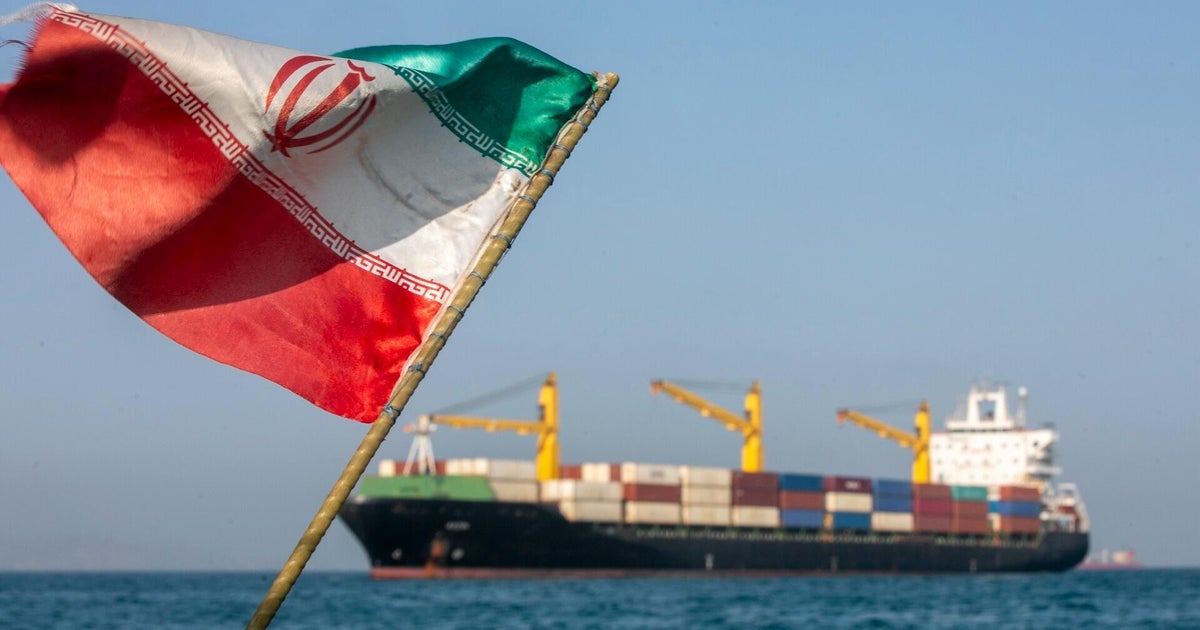
U.S. and Iranian negotiators have tentatively agreed to extend the current ceasefire in their conflict for 60 more days. They also plan to begin new talks about Iran's nuclear program, but Iran has not yet confirmed the agreement. It is unclear if President Donald Trump will approve the deal.
Key Facts
The ceasefire between the U.S. and Iran has lasted three months so far.
Negotiators agreed to extend the ceasefire by an additional 60 days.
New discussions about Iran’s nuclear program are set to begin.
A U.S. official confirmed the tentative agreement.
Iran has not immediately confirmed the deal.
Vice President JD Vance confirmed the tentative agreement on Thursday evening.
It is unknown whether President Donald Trump will approve the deal.
Read the Original
Want the full story? Tap a source to open the original
article.
Germany has expressed concern about Israel’s plan to extend military control over Gaza beyond the current ceasefire agreement. Israeli Prime Minister Netanyahu ordered the military to increase control to 70 percent of Gaza, raising fears of permanent occupation and worsening conditions for Gaza’s 2.3 million residents.
Key Facts
Germany opposes any permanent division or annexation of Gaza.
Israel currently controls about 53 percent of Gaza under a ceasefire agreement made in October.
Netanyahu ordered the military to expand control to 70 percent of Gaza and suggested even more control could be taken.
The ceasefire was intended to reduce Israeli control, but Israel has steadily increased its presence.
Gaza’s population of 2.3 million already faces severe hardships due to destruction and blockades.
Germany is a close ally and a major weapons supplier to Israel but has recently criticized some Israeli actions.
UN and EU reports describe significant damage to Gaza’s infrastructure, with over half the hospitals not working and most schools damaged.
Israel killed a senior Hamas commander recently; Hamas has not responded.
Read the Original
Want the full story? Tap a source to open the original
article.
Ten Palestinians, including five children, an elderly person, and a Hamas militant, were killed in Israeli air strikes in Gaza. More than 20 others were injured, and funeral prayers were held in Gaza City. Israel's Prime Minister Netanyahu promised to extend control over Gaza.
Key Facts
Israeli air strikes killed 10 Palestinians in Gaza, including children and an elderly person.
Among the dead was also a Hamas militant.
Over 20 people were wounded in the attacks.
Funeral prayers took place in Gaza City for the victims.
Video showed a building on fire and rescuers helping injured people.
Israeli Prime Minister Netanyahu vowed to widen control over the Gaza area.
The strikes happened during the Eid holiday, a significant religious time for Muslims.
Read the Original
Want the full story? Tap a source to open the original
article.
A pediatrician explains that certain common household items can be very dangerous to young children and cause serious injuries or even death. Items like button batteries and high-powered magnets can be harmful if swallowed, and parents should take extra care to keep them out of reach.
Key Facts
Unintentional injuries at home are a leading cause of death for children aged 1 to 14.
Common household dangers include falls, poisoning, burns, and suffocation.
Button batteries, found in small electronics like remote controls and toys, can cause severe burns if swallowed.
Symptoms of button battery ingestion include wheezing, drooling, vomiting, and difficulty swallowing.
If a child swallows a lithium button battery and is over 12 months old, giving honey can slow injury until hospital care.
High-powered magnets can be deadly if swallowed because they may stick together inside the intestines and cause damage.
Injuries from magnets and batteries often require emergency medical care.
Parents and caregivers should be extra cautious about these items, especially in places like grandparents’ homes.
Read the Original
Want the full story? Tap a source to open the original
article.
Western Europe experienced unusually high temperatures in late May 2026 due to a heatwave caused by a "heat dome" of warm air from northern Africa trapped by a high-pressure system. This heatwave brought record-breaking spring heat typically seen only in summer.
Key Facts
The heatwave occurred in western Europe in late May 2026.
Temperatures rose well above normal levels for the month of May.
A "heat dome" means warm air is trapped under a high-pressure system.
The warm air originated from northern Africa.
Such high temperatures are usually seen later in the summer, not spring.
The heatwave caused new climate records to be at risk of being broken.
Read the Original
Want the full story? Tap a source to open the original
article.
The head of the World Health Organization (WHO) has arrived in Kinshasa, the capital of the Democratic Republic of Congo (DR Congo), to help with a rare Ebola virus outbreak. The outbreak has caused many suspected cases and deaths, and medical teams face challenges from lack of supplies, local distrust, and violence in the region.
Key Facts
The WHO chief traveled to Kinshasa to support the Ebola outbreak response.
The Ebola virus involved is a rare type.
Authorities have reported 906 suspected Ebola cases and 223 suspected deaths.
Medical workers are facing shortages of necessary equipment.
Some people in the area do not trust health officials or treatment efforts.
Armed groups and ongoing violence make it hard to manage the outbreak.
The situation is happening in a region that is unstable and dangerous.
Read the Original
Want the full story? Tap a source to open the original
article.
A Kenyan court has temporarily stopped the opening of an Ebola quarantine center meant for US citizens. The center was planned to quarantine Americans arriving from the Democratic Republic of Congo, where there is a large Ebola outbreak.
Key Facts
The quarantine center is located in Kenya.
It was intended for US nationals arriving from the Democratic Republic of Congo (DRC).
The DRC is currently facing a major Ebola outbreak.
US officials planned to open the facility on May 29, 2026.
A Kenyan rights group filed a petition that led to the court’s suspension of the opening.
The suspension is temporary while further legal review takes place.
The aim of the quarantine center was to prevent the spread of Ebola.
This news was reported on May 29, 2026.
Read the Original
Want the full story? Tap a source to open the original
article.
Europe faces a significant population decline as births fall below deaths, and people live longer. The European Union’s population could shrink by nearly 12% by 2100 due to low birth rates, raising concerns about the continent’s future.
Key Facts
Europe’s population is expected to decrease by 11.7% (about 53 million people) by the year 2100.
The average number of children born per woman in Europe is around 1.3, which is below the level needed to keep the population stable.
In France, deaths exceeded births for the first time since World War II.
French President Emmanuel Macron called for a "demographic rearmament" to address this issue.
Longer life expectancy combined with fewer births creates an aging population.
European lawmakers are discussing priorities to prevent serious demographic problems.
The problem is seen as a "demographic time bomb" threatening economic and social stability.
Read the Original
Want the full story? Tap a source to open the original
article.
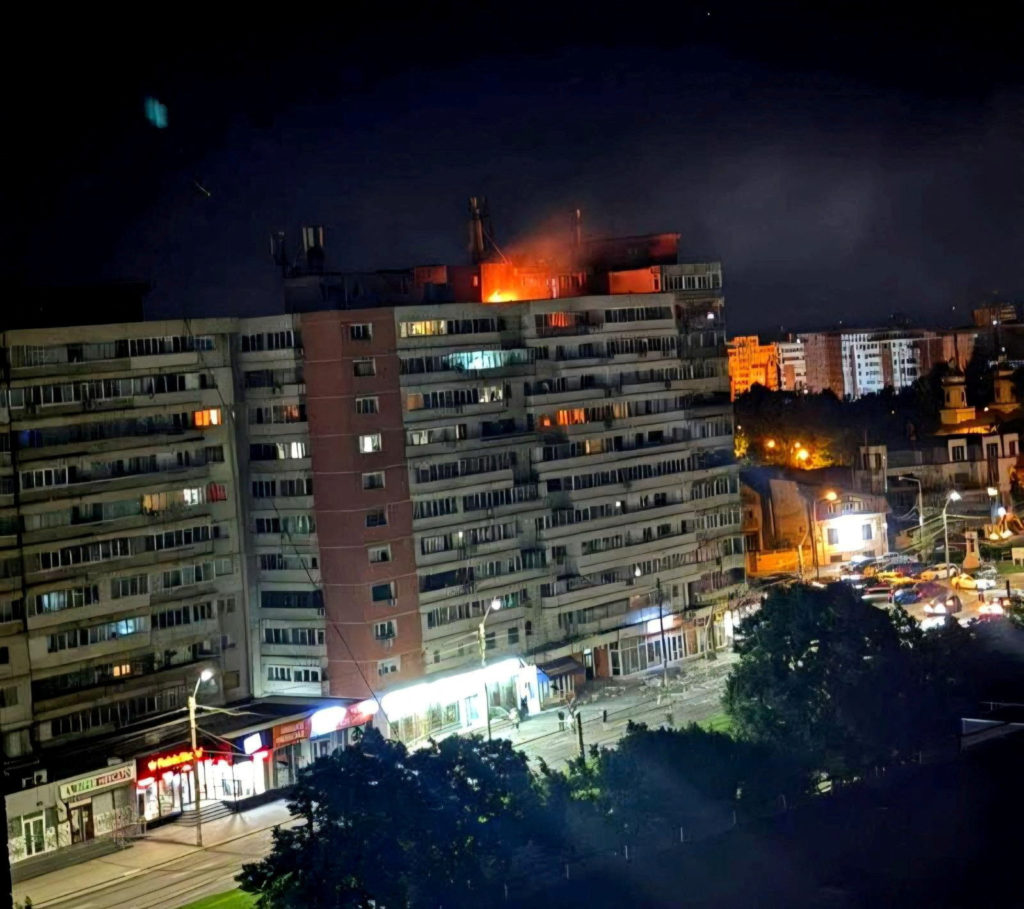
A Russian drone involved in an attack on Ukraine flew into Romanian airspace and crashed into an apartment building in the city of Galati, Romania. Two people were hurt, and the incident raised worries about the war spreading into NATO countries.
Key Facts
The drone was part of a Russian attack on Ukraine during the night.
It entered Romanian airspace and hit the roof of an apartment building in Galati.
Two people were slightly injured, and several others had to leave their homes.
A fire broke out after the drone crashed.
Romanian military sent two F-16 jets and a helicopter to respond.
The military did not shoot down the drone.
Alert messages were sent to people living nearby.
Romania is a member of NATO, the military alliance involving the U.S. and other countries.
Read the Original
Want the full story? Tap a source to open the original
article.
The United States and Iran are working on a possible agreement to extend a 60-day ceasefire. Talks are moving forward, but no final deal has been made yet.
Key Facts
The U.S. and Iran are negotiating a ceasefire extension.
The proposed extension period is 60 days.
Discussions aim to reach a memorandum of understanding.
So far, no official agreement has been signed.
The talks show progress but still need more work.
The ceasefire is intended to reduce conflict between the two countries.
Read the Original
Want the full story? Tap a source to open the original
article.
Reports that the U.S. and Iran reached an agreement to start ending the war are being denied by members of President Trump's administration. There is no confirmed memorandum of understanding between the two countries at this time.
Key Facts
Some news outlets said the U.S. and Iran made a deal to begin ending the war.
Officials in President Trump's administration say these reports are not true.
No official memorandum of understanding has been signed or confirmed.
The situation between the U.S. and Iran remains unchanged.
CBS News reported on the conflicting information.
Aaron Navarro from CBS News provided coverage of this topic.
Read the Original
Want the full story? Tap a source to open the original
article.