Neutral summaries of your favorite news sources — just the facts.
Your favorite news sources, one neutral feed — we distill their reporting into fact-first
summaries and always link to the original story. How it works
World News
Comprehensive coverage of international news and global events
Around 300 Ghanaians have returned to Ghana after being evacuated from South Africa due to violence against foreign nationals. The Ghanaian government is helping them settle back with support and transportation.
Key Facts
About 300 Ghanaians were evacuated from South Africa because of attacks linked to anti-immigrant tensions.
The first flight carrying these evacuees arrived in Accra, Ghana’s capital.
Ghanaian authorities welcomed the returnees upon arrival.
The government is providing reintegration support to help them adjust back home.
Transportation assistance is available for those who need help moving after they land.
Read the Original
Want the full story? Tap a source to open the original
article.
An 87-year-old woman in Norwich kept a practice bomb in her garden for 66 years, allowing guests to handle it during gatherings. After a gardener spotted the device and alerted police, the area was evacuated, and the bomb was safely detonated. The bomb was confirmed to be a harmless practice device used for flare signals.
Key Facts
Valerie Smith kept a rusted bomb in her garden for 66 years.
The bomb came from her son and was inspected by her ex-army husband, who said it was just a shell.
Neighbours were allowed to handle the bomb during social events.
A gardener named Ewan Barnard noticed the device and called the police.
Police evacuated the neighbours and carried out a controlled explosion to destroy the device.
The bomb was identified as a practice bomb used to release flares 20,000 feet in the air.
Valerie Smith refused to leave her home when told to evacuate.
The gardener was cautious but not panicked after discovering the bomb.
Read the Original
Want the full story? Tap a source to open the original
article.
Oil prices increased after the US attacked a military site in Bandar Abbas, Iran. The US military also shot down four Iranian drones near the Strait of Hormuz, a key shipping route for oil.
Key Facts
The US launched new attacks on a military site in Bandar Abbas, a port city in Iran.
US forces shot down four Iranian drones near the Strait of Hormuz.
Brent crude oil prices rose by 3.75% to $97.83 per barrel.
US crude oil prices rose by 4% to $92.22 per barrel.
The Strait of Hormuz handles about 20% of the world’s oil and liquefied natural gas shipments.
The US and Iran are currently in talks to end a three-month conflict.
Despite the talks, attacks and tensions continue between the US and Iran.
The conflict has caused higher energy prices globally.
Read the Original
Want the full story? Tap a source to open the original
article.
The United Nations says global temperatures are likely to stay at or near record highs from 2026 to 2030. There is a 75% chance that the average temperature during these five years will be more than 1.5°C higher than before industrial times. The UN also warns that a new hottest year on record is likely before 2031.
Key Facts
The 11 hottest years ever recorded have all happened since 2015.
The World Meteorological Organization (WMO) predicts global temperatures will remain very high through 2030.
There is a 75% chance the average global temperature from 2026-2030 will be over 1.5°C above the pre-industrial average (1850-1900).
There is an 86% chance that one year between 2026 and 2030 will be the warmest year on record.
A natural climate event called El Niño is expected at the end of 2026, which often raises global temperatures.
Global temperatures are predicted to range between 1.3°C and 1.9°C above pre-industrial levels during 2026-2030.
It is very unlikely (less than 1%) that any single year in this period will exceed 2°C above pre-industrial levels.
The Paris Agreement aims to limit warming to below 2°C and preferably under 1.5°C compared to pre-industrial times.
Read the Original
Want the full story? Tap a source to open the original
article.
Robert Pattinson stars as Chris Hansen in the upcoming movie "Primetime," which is about the TV show "To Catch a Predator." The first teaser trailer shows Pattinson imitating Hansen’s voice and looks, and the film will be released in theaters this fall.
Key Facts
Robert Pattinson plays Chris Hansen in the movie "Primetime."
"Primetime" is about the early 2000s TV series "To Catch a Predator."
The teaser trailer for "Primetime" has over 13 million views online.
Pattinson not only acts in the film but also helped produce it.
The movie is directed by Lance Oppenheim and written by Ajon Singh.
"Primetime" is expected to come to theaters in fall 2025.
The project was first reported in October 2024.
Pattinson's performance includes a strong vocal and physical transformation to play Hansen.
Read the Original
Want the full story? Tap a source to open the original
article.
The Cerne Giant, a large chalk figure on a hillside in Dorset, England, is being cleaned and restored. Climate changes, like warmer and wetter weather, are making the chalk fade faster and causing algae to grow on it, so workers are trying new methods to keep it bright.
Key Facts
The Cerne Giant is a 55-meter tall figure on a steep hill in Dorset.
It has been around for hundreds of years and is cleaned (rechalked) every 7 to 10 years.
Climate change causing milder winters and wetter summers helps algae grow on the giant, dulling its white chalk outline.
More intense rain can wash away the chalk over time.
This year, workers are using a chalk paste mixed with water to help it stick better on the steep hill.
The National Trust owns the site and leads the restoration work with help from volunteers, local community members, and schools.
A fundraising campaign recently raised £330,000 to buy land around the giant to protect the area.
Changes to work schedules and conditions, like shorter shifts and shade tents, have been made because of hot weather during the restoration work.
Read the Original
Want the full story? Tap a source to open the original
article.
Sting says that the loss of manual jobs for men may contribute to some harmful behaviors seen in modern masculinity. His new musical, The Last Ship, tells the story of shipyard workers in northern England affected by factory closures in the 1970s and 80s.
Key Facts
Sting believes not using physical skills daily affects male identity and behavior today.
The Last Ship musical is about men working at a shipyard like the one where Sting grew up.
The shipyards closed due to deindustrialisation, leading to economic decline in northern England.
The musical shows men struggling with loss of purpose after the shipyards shut down.
Sting does not want to romanticize the dangerous working conditions in shipyards.
The show debuted in 2014, has toured worldwide, and will open in London’s West End in autumn.
Sting wrote the music and will perform in the upcoming production.
He is currently involved in a legal dispute over royalties with his former bandmates from the Police.
Read the Original
Want the full story? Tap a source to open the original
article.
After nearly three months of almost no internet in Iran, limited access returned on Tuesday, allowing people to send messages and post on social media again. Many people expressed sadness, anger, and worry rather than happiness, as internet restrictions still limit their activities and many fear ongoing government control and surveillance.
Key Facts
Iran had nearly total internet blackout for 88 days starting in January due to government crackdown on protests.
Limited internet access was partially restored on Tuesday around 5pm, but many services like mobile internet and WhatsApp remain weak or unavailable.
Some Iranians celebrated the internet return as a small step toward freedom, while others saw it as a way for the government to increase surveillance.
During the blackout, many Iranians could only access the internet using expensive VPNs or satellite connections, putting most people offline.
The blackout coincided with protests in Iran and military strikes by the US and Israel in late February.
Many shared emotional posts about loved ones killed during protests and the hardships caused by the internet shutdown.
Iran’s government approved a limited "internet pro" service last month aimed at some businesses, but it is restricted and viewed with suspicion.
People in Iran and abroad, including protesters in Washington DC, have spoken out against the internet blackout and its effects on freedom and daily life.
Read the Original
Want the full story? Tap a source to open the original
article.
Heavy rain and severe weather warnings are in place for parts of New South Wales, Queensland, and Tasmania in eastern Australia. The rain is caused by a low-pressure weather system bringing moisture from the tropics, leading to risks of flash flooding and storms in several regions.
Key Facts
Flash flooding risks and severe weather warnings are issued for New South Wales, Queensland, and Tasmania.
A low-pressure system is moving offshore New South Wales on Friday.
Heavy rain may cause minor flooding around the Hunter and mid-north coast regions of NSW.
Severe thunderstorms with strong winds and large hail are possible in southern Queensland and areas near Brisbane.
Some areas in Queensland’s dry interior received significant rainfall, with the highest total being 88mm near Roma.
Tasmania recorded more than 100mm of rain in some eastern areas, including 251mm at Gray.
Flood warnings are active for the St Paul’s River and South Esk River in Tasmania.
The rain is expected to ease over the weekend, but rough ocean waves could appear along the east coast.
Climate change increases the atmosphere’s moisture capacity, making heavy rainfall events more likely.
Read the Original
Want the full story? Tap a source to open the original
article.
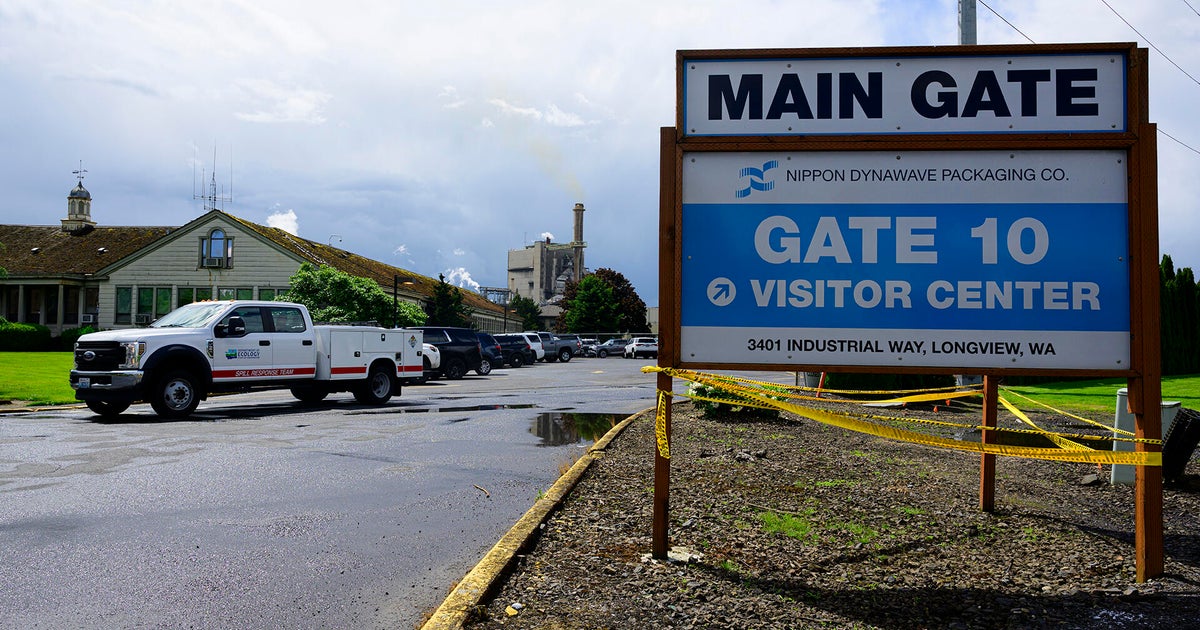
A chemical tank ruptured in Washington state, causing concern and cleanup efforts. Meanwhile, President Donald Trump showed changing feelings about the chances of a peace deal with Iran.
Key Facts
A chemical tank broke open in Washington state.
Authorities are managing the situation to control risks and clean up.
President Donald Trump had expressed optimism about a peace deal with Iran.
His confidence about the deal has recently decreased or wavered.
The news was reported on the CBS Evening News on May 27.
Read the Original
Want the full story? Tap a source to open the original
article.
Israel has declared a new combat zone in southern Lebanon and ordered residents south of the Zahrani River to evacuate. This escalation follows continued strikes against Hezbollah despite a ceasefire announced in April, leading to large numbers of displaced people and ongoing conflict in the region.
Key Facts
Israel declared southern Lebanon south of the Zahrani River a combat zone and ordered evacuations.
The Zahrani River is about 40 km north of the Israel-Lebanon border, covering around 2,000 square kilometers.
Over 120 Israeli strikes hit southern and eastern Lebanon recently despite a ceasefire from April 16.
More than 1.2 million Lebanese have been displaced since March due to the conflict.
The fighting began after Hezbollah fired at Israel in support of Iran on March 2.
Over 3,200 people have been killed in Lebanon by Israeli strikes, according to Lebanese health officials.
Since the ceasefire, the Israeli military reported 10 soldiers killed, including six by Hezbollah explosive drones.
Israeli forces expanded their ground operations beyond the previously occupied security zone in southern Lebanon.
Read the Original
Want the full story? Tap a source to open the original
article.
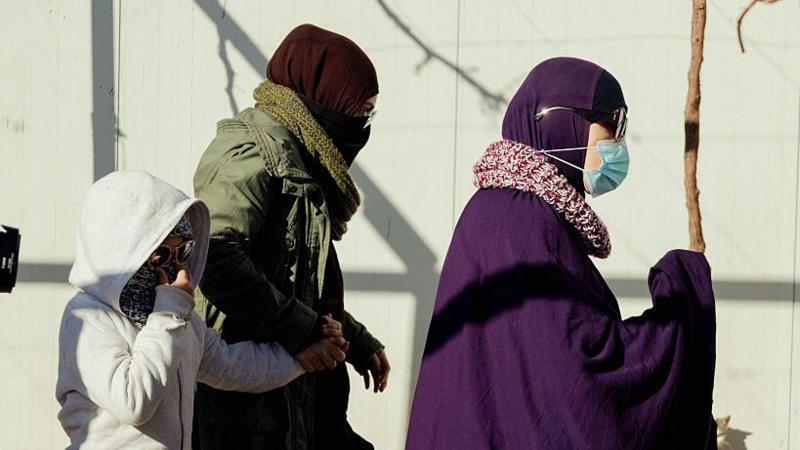
Australia has charged a woman linked to the Islamic State (IS) group with terrorism offences after she returned from Syria. Several women and children who lived in a camp holding families of IS fighters in Syria have recently come back to Australia and face various charges.
Key Facts
A woman connected to IS was charged with terrorism offences after returning to Australia from Syria.
The woman came from the al-Roj camp in north-east Syria, where families of IS fighters have been held since 2019.
Two groups of women and children recently arrived in Australia after years in the al-Roj camp.
Three other women who returned this month face charges including crimes against humanity and being in a conflict zone.
The women and children arriving are believed to be the last Australians in the al-Roj camp.
The Australian government says it did not help these people return to Australia.
Prime Minister Anthony Albanese said those who joined IS must face consequences.
Advocates argue that Australia should support the return of especially the children and protect their rights.
Read the Original
Want the full story? Tap a source to open the original
article.
Malaria cases and deaths in Zimbabwe have sharply increased due to cuts in US foreign aid and disruptions to health programs. The reduction in funding has limited access to malaria prevention tools like mosquito nets, test kits, and medicine, leading to a rise in infections and fatalities.
Key Facts
Malaria cases in Zimbabwe rose to 65,399 between January and April 2026, up from 36,000 in the same period in 2025.
Malaria deaths increased to 174 in early 2026, compared to 85 in 2025.
US President Donald Trump cut foreign aid funding for health programs, including those in Zimbabwe, after starting a second term in 2025.
Programs like ZENTO and ZAPIM II, which supported malaria control, diagnosis, and research, were disrupted by funding cuts.
Zimbabwe depends on donor money for essential supplies like mosquito nets, diagnostic kits, and malaria medicines.
Many people, including affected families, cannot afford mosquito nets and have stopped using them due to lack of resources.
Health workers report shortages of malaria test kits and drugs, impacting their ability to treat patients locally.
Read the Original
Want the full story? Tap a source to open the original
article.
People in Paris swam in the Saint-Martin canal to cool down during a record-breaking heatwave in Europe. They ignored bans that usually prevent swimming in this area, as temperatures rose much higher than normal for this time of year.
Key Facts
A heatwave caused very high temperatures across Europe.
The heatwave pushed temperatures far above what is normal for this season.
People in Paris went swimming in the Saint-Martin canal to stay cool.
Swimming in this canal is usually banned to protect safety or water quality.
Many swimmers did not follow the ban and swam outside official bathing areas.
The heatwave is described as unprecedented, meaning it is unusual or extreme.
The event took place specifically in Paris, France.
Read the Original
Want the full story? Tap a source to open the original
article.
The U.S. military carried out new strikes against Iran on Wednesday, shooting down four Iranian drones near the Strait of Hormuz and hitting a control station in Bandar Abbas. These actions followed earlier U.S. strikes in southern Iran targeting missile sites and boats that were a threat to American troops.
Key Facts
U.S. troops shot down four Iranian one-way attack drones near the Strait of Hormuz.
A fifth drone's control station in Bandar Abbas, Iran, was also struck.
The U.S. military says these actions were defensive and meant to maintain the ceasefire.
Earlier strikes targeted missile launch sites and Iranian boats laying mines in southern Iran.
U.S. Central Command said the strikes aimed to protect American forces from Iranian threats.
The U.S. military emphasized restraint while defending its forces during the ongoing ceasefire.
The situation is ongoing and official details may be updated as more information becomes available.
Read the Original
Want the full story? Tap a source to open the original
article.
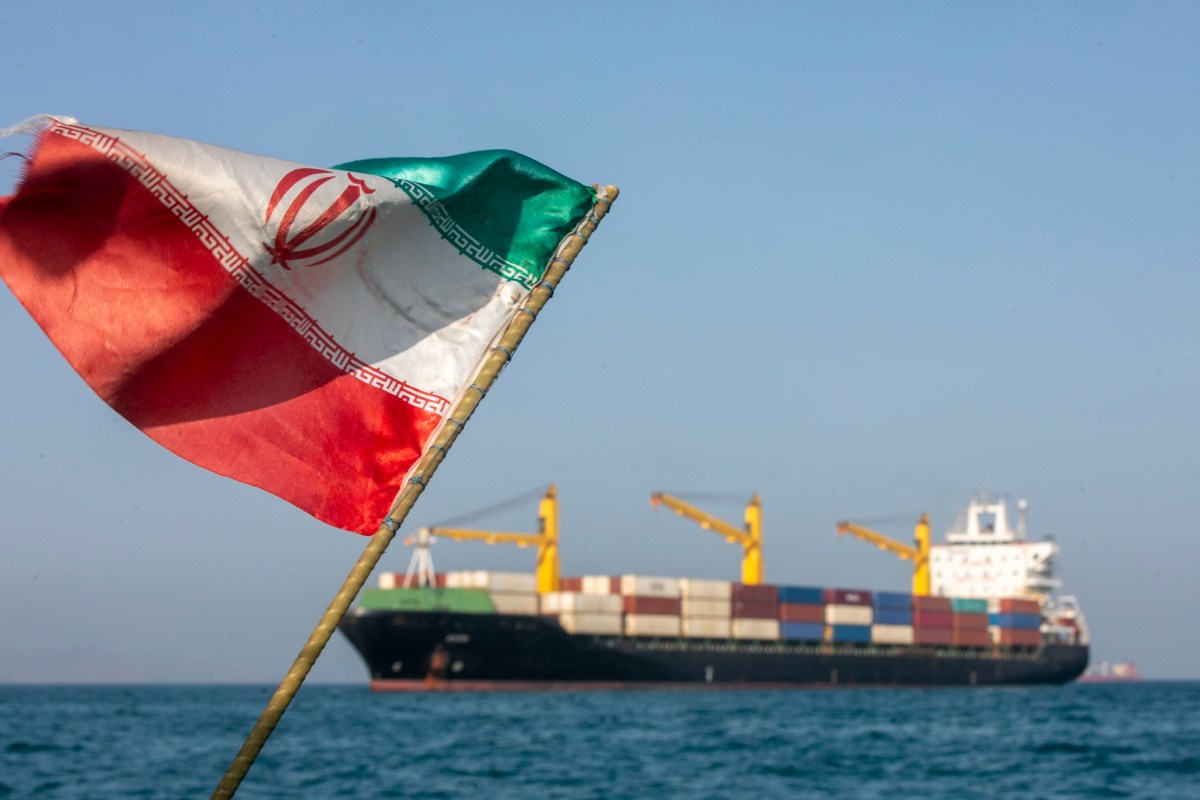
The U.S. government, led by President Donald Trump, has added new sanctions on an Iranian agency controlling shipping through the Strait of Hormuz. These actions follow U.S. military strikes on Iranian sites and are part of efforts to pressure Iran to end the ongoing war and reopen this vital waterway for global oil and gas shipments.
Key Facts
President Trump’s administration imposed sanctions on Iran’s Persian Gulf Strait Authority, the agency managing shipping in the Strait of Hormuz.
This Iranian agency charges tolls up to $2 million per ship passing through the strait.
The Strait of Hormuz is a critical waterway where about 20% of the world’s oil and natural gas passes.
U.S. forces recently struck an Iranian military facility after shooting down Iranian attack drones.
Iran’s Revolutionary Guard enforces a designated safe shipping corridor in the strait and warns ships that stray face attacks.
The U.S. has blockaded Iranian ports since the war began on February 28, and the blockade will stay until a deal is signed.
The sanctions aim to push Iran toward a negotiated peace agreement and to reopen the strait.
President Trump said talks are ongoing and hinted at the possibility of finishing the military conflict if no deal is reached.
Read the Original
Want the full story? Tap a source to open the original
article.
The US military carried out air strikes on an Iranian military site in Bandar Abbas and shot down four Iranian drones near the Strait of Hormuz. These actions happened during a fragile ceasefire and ongoing talks to end a war that started in February and has affected global energy prices.
Key Facts
The US targeted an Iranian military site and a ground control station in Bandar Abbas.
US Central Command said four Iranian drones threatening the Strait of Hormuz were shot down.
The strikes were described by the US as defensive and meant to maintain the ceasefire.
Iran heard explosions near Bandar Abbas and called the US strikes a serious violation of the ceasefire.
Iran's Revolutionary Guard reported shooting down a US drone and firing at a US jet and drone over its airspace.
President Donald Trump said negotiations with Iran were ongoing but warned the US might resume large-scale bombing.
The conflict started on February 28, involving the US, Iran, Israel, and Iranian-backed groups.
The war has disrupted shipping in the Strait of Hormuz and raised global energy prices.
Read the Original
Want the full story? Tap a source to open the original
article.
The U.S. military conducted its second defensive strike this week against Iran after seeing hostile actions from the Iranian military. The Trump administration also added new economic sanctions on Iran's agency controlling shipping through the Strait of Hormuz amid ongoing tensions in the region.
Key Facts
The U.S. military shot down four Iranian drones and struck a military base preparing to launch another drone.
These actions were taken because the drones threatened the Strait of Hormuz, a key waterway for global oil and gas shipments.
President Donald Trump warned Iran that the U.S. would “finish the job” if no agreement is reached.
The U.S. imposed new sanctions targeting Iran’s agency managing shipping through the Strait of Hormuz.
The Trump administration is also seeking deals with drone companies to boost U.S. drone production.
Israel warned residents of southern Lebanese city Tyre to evacuate ahead of military action against Hezbollah, an Iran-backed group.
The European Central Bank’s chief economist said energy price shocks from the conflict may keep inflation high for some time.
President Trump’s administration emphasized that no one would control the Strait of Hormuz under any future deal, but the U.S. would monitor the area closely.
Read the Original
Want the full story? Tap a source to open the original
article.
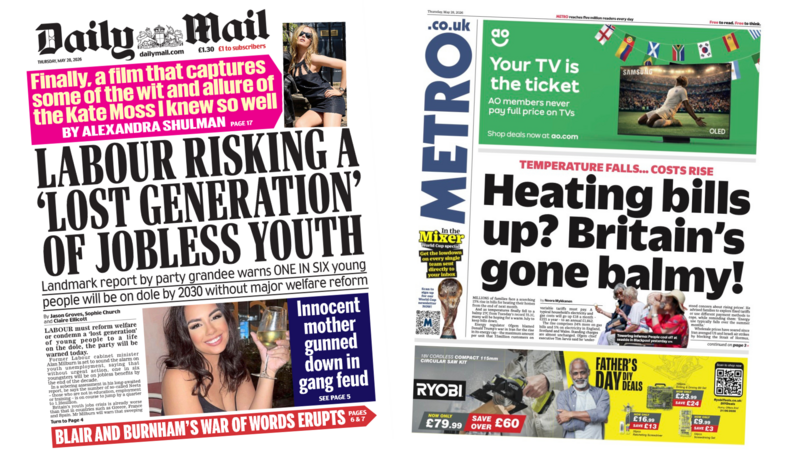
A new report warns that many young people in Britain could remain unemployed without major changes to welfare programs. The news also covers rising energy bills and political debates within the Labour Party about welfare and climate policies.
Key Facts
A report by former Labour minister Alan Milburn warns one in six young people may be unemployed without welfare reform.
Over half of young people not in work or education (called NEETs) have never had a job.
The report suggests more funding is needed for training and support schemes for young people.
Energy bills in Britain are expected to rise by about 13%, making it harder for families to heat their homes.
Former Prime Minister Tony Blair criticized Labour’s net zero energy policy, calling it unrealistic.
A former British ambassador to the US, Lord Peter Mandelson, reportedly gave political advice outside his official role.
The rising costs of living are linked to international conflicts, affecting prices on mortgages, energy, fuel, and food.
The news mentions concerns about swimming safety after deaths during a heatwave, and security measures for England’s World Cup base involving drone technology.
Read the Original
Want the full story? Tap a source to open the original
article.
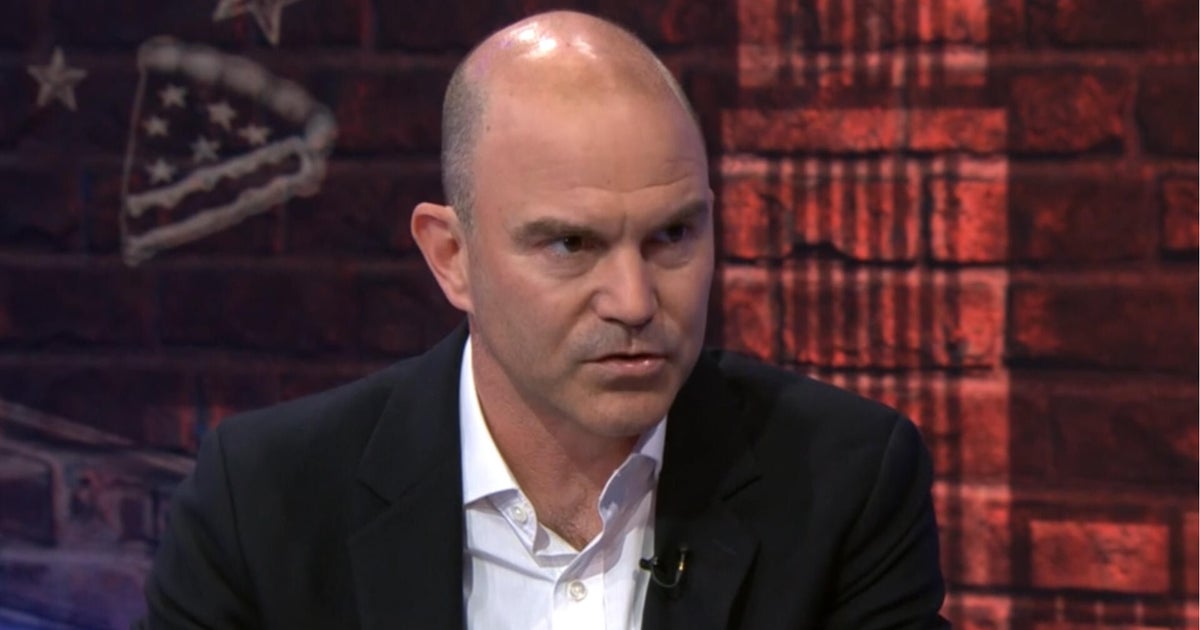
Ben Rhodes, who advised President Obama on foreign policy, talked about the 2015 agreement with Iran and the ongoing conflict in Iran. He also discussed President Donald Trump’s remarks about the 2015 deal.
Key Facts
Ben Rhodes was a foreign policy adviser and speechwriter for President Obama.
The 2015 Iran deal refers to an agreement between Iran and several countries about Iran’s nuclear program.
Rhodes spoke about the current war happening in Iran.
He also commented on what President Trump has said regarding the 2015 Iran deal.
The conversation happened on CBS News.
Read the Original
Want the full story? Tap a source to open the original
article.