Neutral summaries of your favorite news sources — just the facts.
Your favorite news sources, one neutral feed — we distill their reporting into fact-first
summaries and always link to the original story. How it works
World News
Comprehensive coverage of international news and global events
A Russian missile attack during the night damaged almost half of the exhibits at Kyiv’s National Chornobyl Museum. This attack is part of ongoing threats from Russia to carry out widespread strikes on Ukraine’s capital city.
Key Facts
The attack happened overnight in Kyiv, Ukraine.
Russian missiles targeted the National Chornobyl Museum.
Nearly half of the museum’s exhibits were destroyed.
The museum is dedicated to the Chornobyl nuclear disaster.
This strike is linked to broader Russian threats against Kyiv.
The event shows continued conflict between Russia and Ukraine.
Officials reported on the extent of the damage.
The attack occurred on May 25, 2026.
Read the Original
Want the full story? Tap a source to open the original
article.
Mexico's President Claudia Sheinbaum said she has no problem with Mexico hosting Iran's soccer team during the World Cup. The team’s training base was moved from the United States to Tijuana, Mexico, although their matches will still take place in the U.S.
Key Facts
Iran’s World Cup soccer team changed its training base from the U.S. to Tijuana, Mexico.
The team will continue to play its official matches in the United States.
Mexican President Claudia Sheinbaum expressed no concerns about hosting Iran’s team.
Tijuana is a city in Mexico located just south of San Diego, California.
This change happens while a war involving Iran began on February 28, with the U.S. and Israel involved.
Iran’s soccer federation confirmed the move of the training base.
Read the Original
Want the full story? Tap a source to open the original
article.
A six-year-old Palestinian girl was killed by an Israeli strike on a displacement camp in Khan Younis, Gaza. The attack also killed a woman and injured several children, including a baby.
Key Facts
The strike happened in a displacement camp in Khan Younis, Gaza.
A six-year-old girl died while playing near her family home.
A woman was also killed in the same attack.
Several children, including a baby, were hurt.
The incident caused mourning among the victims' families.
Read the Original
Want the full story? Tap a source to open the original
article.
Twenty-six years after Israel ended its occupation of southern Lebanon, tensions between Lebanon and Israel continue. The conflict has expanded to involve Iran, the United States, and other countries, with Hezbollah playing a key role in the ongoing regional war.
Key Facts
Israel ended an 18-year occupation of southern Lebanon 26 years ago.
The conflict started in the 1970s, involving Israel and pro-Palestine forces in Lebanon.
Hezbollah, backed by Iran since 1982, is a major force opposing Israel.
The United States supports Israel in this regional conflict.
Lebanon’s economy is severely damaged, and many people have been displaced by the violence.
Advanced weapons and technology now impact the balance of power between Lebanon and Israel.
Lebanon’s government is weak and under pressure from the US and Israel to disarm Hezbollah.
Other countries like China, Saudi Arabia, Türkiye, Pakistan, and Russia are involved in efforts to end the war.
Read the Original
Want the full story? Tap a source to open the original
article.
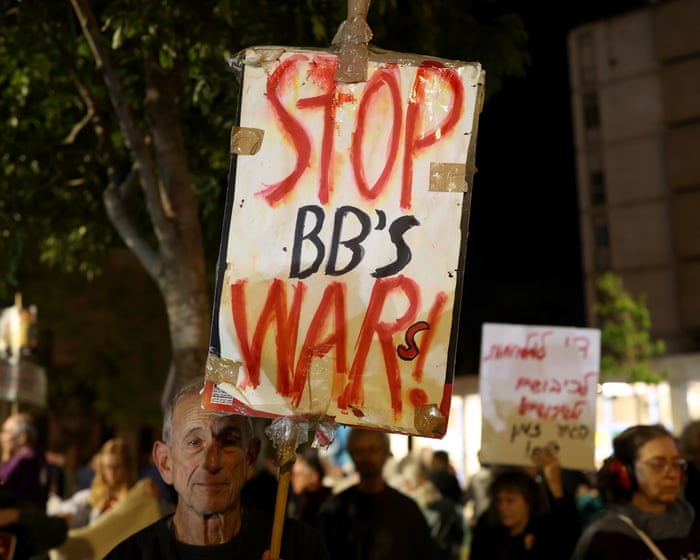
Israeli opposition leader Yair Lapid criticized a reported deal being negotiated between the U.S. and Iran to end the recent war in the Middle East. Lapid called the potential agreement a disaster and expressed his opposition to it on social media.
Key Facts
Yair Lapid is the leader of the Israeli opposition.
The U.S. and Iran are reportedly negotiating a peace deal.
The deal aims to end a war that has lasted nearly three months in the Middle East.
Lapid publicly criticized the deal as a disaster.
He expressed his views through a social media post.
The conflict involves significant tensions in the Middle East region.
The U.S. is actively involved in trying to negotiate peace with Iran.
Read the Original
Want the full story? Tap a source to open the original
article.
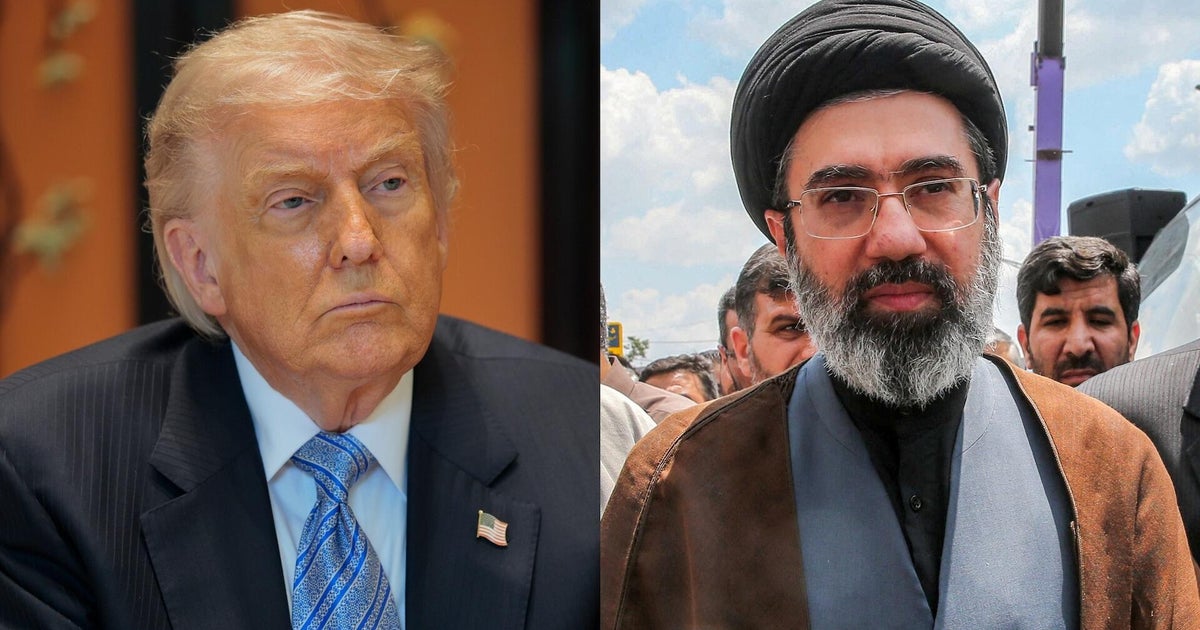
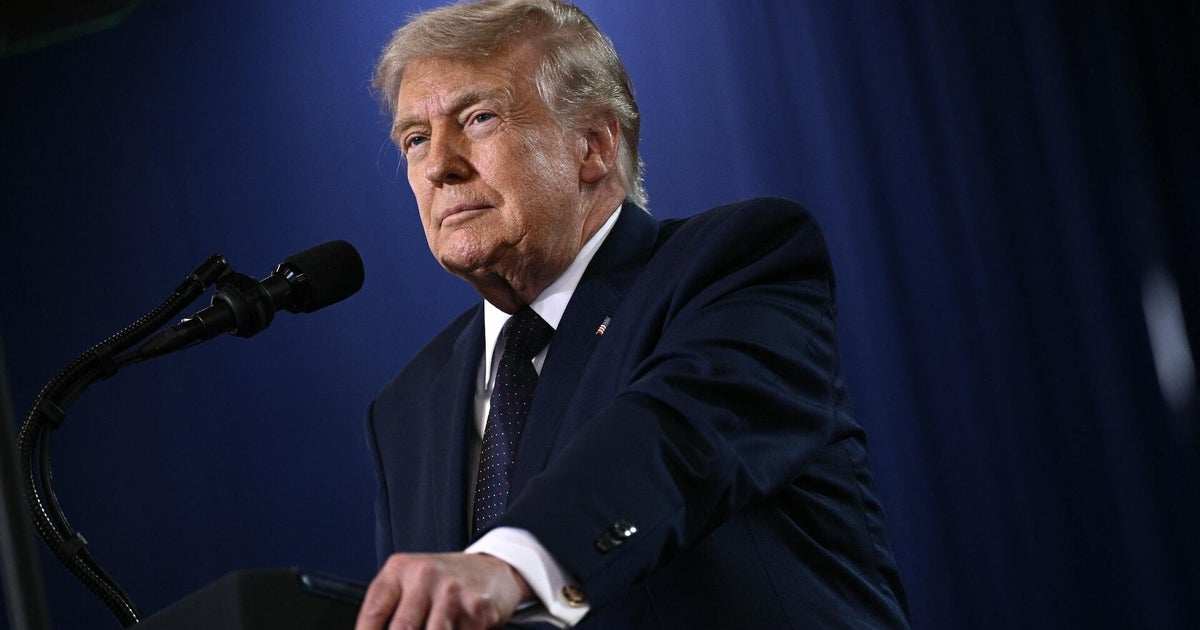
President Donald Trump and Israel launched a military effort against Iran in February, but Iran’s regime remains in power. Trump is now negotiating a deal involving Iran’s nuclear program, which has caused concern and anger in Israel because it may be less strict than past agreements and exclude Israeli input.
Key Facts
In February, the US and Israel started a military campaign against Iran called Operation Epic Fury (US) and Operation Roaring Lion (Israel).
Iran’s government is still in power three months later.
Trump is trying to make a deal to reopen the Strait of Hormuz for oil shipments.
Israel was not included or informed about the details of the negotiations with Iran.
The new deal may have fewer restrictions on Iran's nuclear program than the 2015 agreement under President Obama.
Israeli leaders and commentators fear the deal will strengthen Iran financially and may accelerate Iran’s nuclear weapons development.
Some Israeli politicians want to restart fighting with Hezbollah in Lebanon after a ceasefire pressured by the US.
Israeli public support for the war decreased over time, with many unhappy about how the government handled the conflict.
Read the Original
Want the full story? Tap a source to open the original
article.
Talks between the United States and Iran show some progress toward a peace deal. However, officials say it may take some time before an agreement is reached.
Key Facts
The U.S. and Iran are involved in discussions about a peace deal.
Both sides have provided some updates on the talks.
Progress has been made, but no final agreement is in place yet.
The peace process is expected to take more time.
CBS News correspondent Aaron MacLean reported on the situation.
The talks aim to ease tensions between the two countries.
Details from both the U.S. and Tehran have been shared with the public.
Read the Original
Want the full story? Tap a source to open the original
article.
Israel increased air strikes in southern and eastern Lebanon after Prime Minister Benjamin Netanyahu ordered a stronger military attack to defeat Hezbollah. This escalation happened despite a ceasefire from April, while the US and Iran are negotiating a peace deal for the Middle East.
Key Facts
Israel conducted more air strikes in southern and eastern Lebanon targeting Hezbollah areas.
Prime Minister Netanyahu promised to increase military actions to "crush" Hezbollah.
Hezbollah has continued drone attacks against Israel despite the April 17 ceasefire.
Israeli forces warned civilians to evacuate 10 villages in southern Lebanon, citing Hezbollah violations of the ceasefire.
Recent strikes have caused deaths of at least three Lebanese civilians and one Israeli soldier.
Over 3,100 people have died since fighting began in early March.
Far-right Israeli ministers called for harsher military actions, including hitting buildings in Beirut.
The US and Iran are negotiating a broader Middle East peace deal that may include issues related to Lebanon and Hezbollah.
Read the Original
Want the full story? Tap a source to open the original
article.
Officials in California say the danger of a large explosion is no longer a threat after a chemical leak in Orange County. The situation is now under control, and there is no immediate risk to the public.
Key Facts
A chemical leak occurred in Orange County, California.
Authorities had warned about a potential massive explosion.
Officials confirmed the explosion risk has been "eliminated" for now.
The situation is being closely monitored to ensure safety.
No immediate danger to residents has been reported.
Emergency teams responded quickly to the chemical leak.
The source of the leak and its cause are under investigation.
Local news and officials are keeping the public informed.
Read the Original
Want the full story? Tap a source to open the original
article.
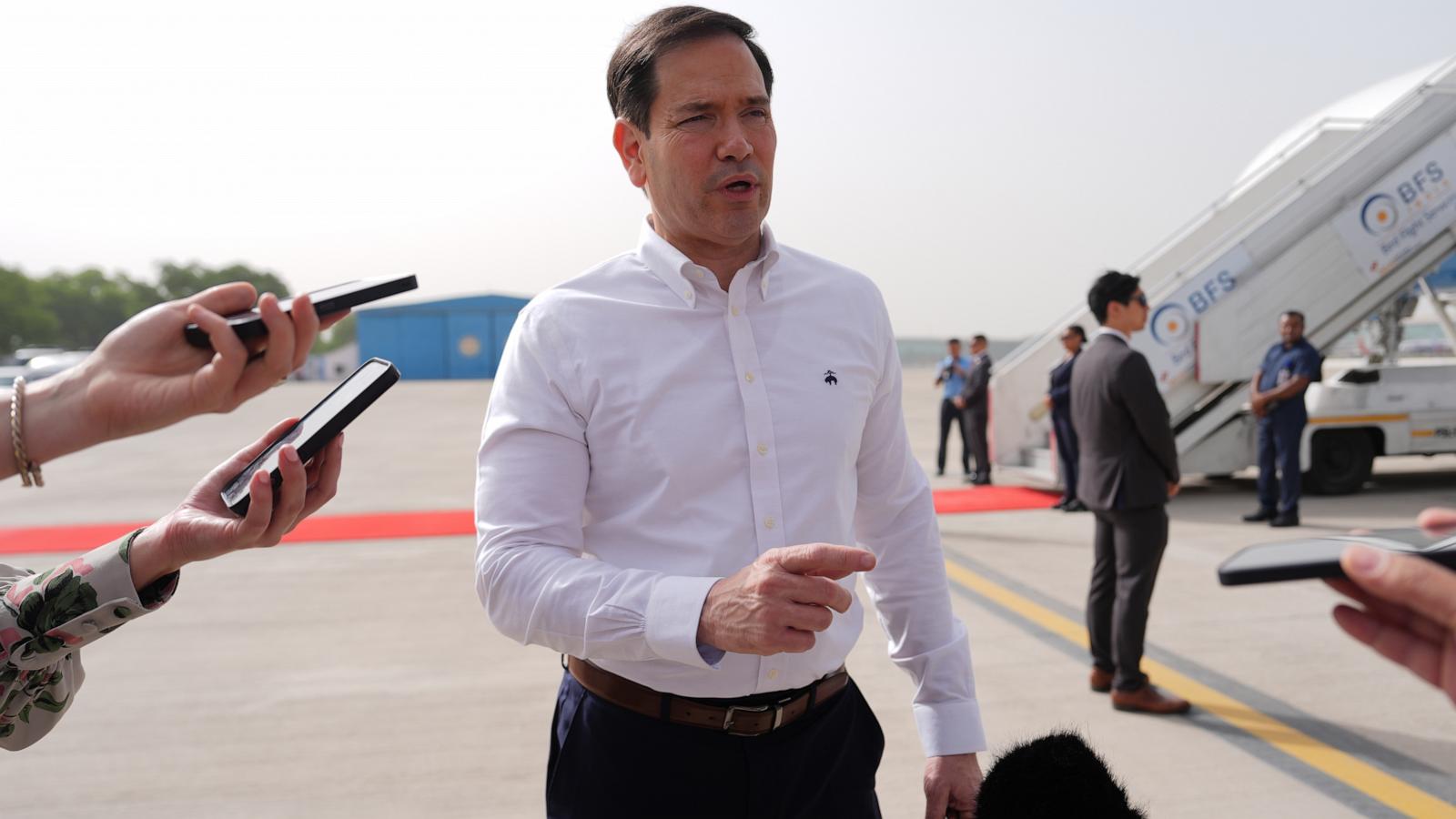
U.S. Secretary of State Marco Rubio visited India to improve strained relations between the two countries. He discussed trade, defense, and security with Indian leaders and emphasized the strategic partnership amid tensions over tariffs and energy purchases.
Key Facts
Rubio met with Indian Prime Minister Narendra Modi and Foreign Minister Subrahmanyam Jaishankar to talk about trade, energy, defense, and maritime security.
Recent U.S. tariffs on Indian exports caused tensions, partly due to India buying Russian oil.
The U.S. and India reached a temporary trade deal easing some tariffs and increasing Indian purchases of U.S. goods.
Rubio said the two countries are strategically aligned and optimistic about a full trade agreement.
He invited Prime Minister Modi to visit Washington later in the year.
Rubio planned talks with members of the Quad alliance (India, Australia, Japan, and the U.S.), which focuses on regional security against China’s growing influence.
The Quad criticizes China’s military actions in the South China Sea, while China accuses the Quad of trying to contain its rise.
India’s role as a regional power balancing China influences its relationship with the U.S., and shifts in U.S.-China policy could affect India’s importance.
Read the Original
Want the full story? Tap a source to open the original
article.
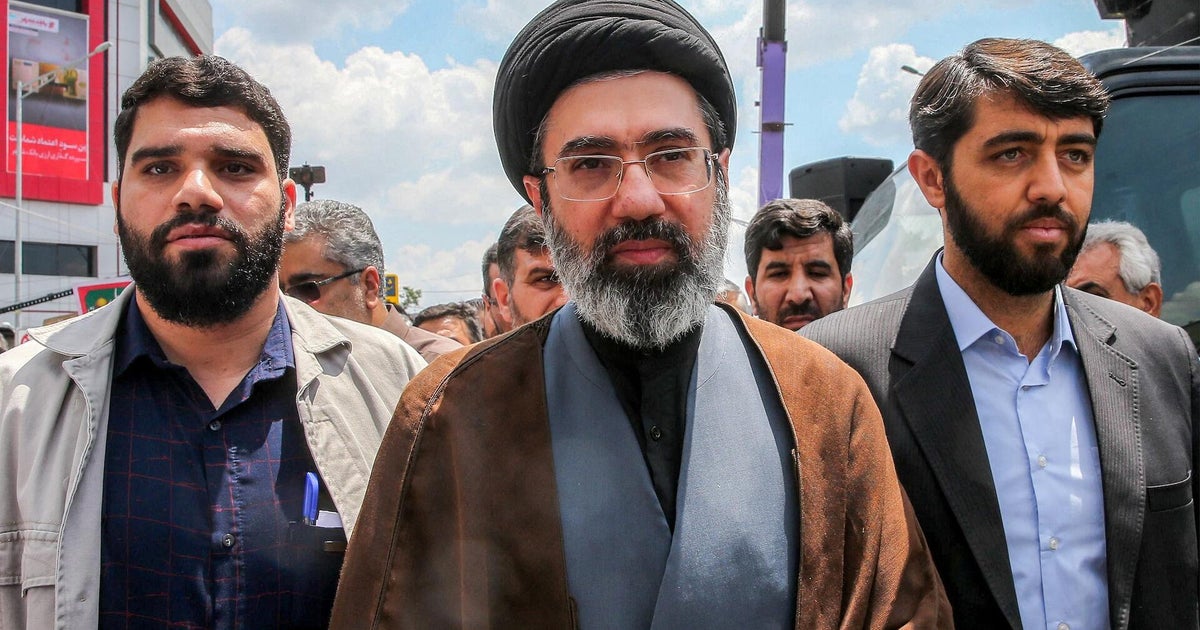
U.S. officials say Iran's Supreme Leader Mojtaba Khamenei is staying in a secret place with little contact with others. This may be a reason why progress in peace talks between the U.S. and Iran is moving slowly.
Key Facts
Mojtaba Khamenei is Iran's Supreme Leader.
He is currently in a hidden, undisclosed location.
He has limited access to the outside world.
U.S. officials shared this information with CBS News.
Some progress in peace talks between the U.S. and Iran has been reported.
The slow pace of the peace deal may be linked to Khamenei’s location.
CBS News reporter Imtiaz Tyab covered the story.
Read the Original
Want the full story? Tap a source to open the original
article.
A 30-year-old woman was shot and killed outside a bar in Sheffield city centre. Police have arrested three people and are investigating the incident as a murder.
Key Facts
The shooting happened early in the morning outside the One Four One bar on West Street, Sheffield.
The woman was injured, taken to the hospital, and later died.
Three people—two men aged 30 and one woman aged 32—were arrested on suspicion of murder.
One man was arrested in Sheffield, and the other two were arrested near Stockport in Greater Manchester.
The woman has not been officially named, but her family has been informed and is receiving support.
Police have closed part of West Street and nearby roads during the investigation.
Officers ask anyone who saw the incident around West Street and Eldon Street to contact the police.
The police describe the event as a tragic case of gun crime and are working to find out what happened.
Read the Original
Want the full story? Tap a source to open the original
article.
Bolivian President Rodrigo Paz announced he will cut his salary and those of his cabinet members by half during a political crisis marked by protests demanding his resignation. The country faces shortages of food, fuel, and medicine due to ongoing demonstrations over rising living costs and government spending cuts.
Key Facts
President Rodrigo Paz plans to reduce his salary and those of his ministers by 50%.
The announcement came amid protests and roadblocks in Bolivia’s cities.
Protests have lasted for four weeks and caused shortages of basic goods and fuel.
Demonstrators want higher wages and the return of a fuel subsidy that kept prices low.
Critics say Paz’s government favors big business and elites.
No Indigenous or working-class members were appointed to the cabinet, unlike previous governments.
Paz began his term in November and inherited a struggling economy.
He defends budget cuts and ending some subsidies as necessary to balance public finances.
Read the Original
Want the full story? Tap a source to open the original
article.
The article explains how talking openly about the luteal phase—the second half of a woman’s menstrual cycle—has become common in recent years, removing stigma around periods. While this openness helps women understand their bodies better, experts warn that some wellness marketing may wrongly present the luteal phase as a weakness that needs special products.
Key Facts
The luteal phase is the second half of the menstrual cycle.
Talking about the luteal phase was rare even a few years ago but is now common in conversation and on social media.
A 2024 survey of 10,000 people from 10 countries found 46% felt confused about their menstrual cycle.
42% of respondents said their knowledge about the menstrual cycle had many gaps.
33% of people wished they had better education about periods and cycles.
Experts support more open discussion but worry that some wellness products exploit women by treating the luteal phase as a weakness.
There is a risk that women become overly focused on small mood or energy changes during their cycle.
Medical professionals emphasize the luteal phase is not a disease and caution against mixing health education with marketing.
Read the Original
Want the full story? Tap a source to open the original
article.
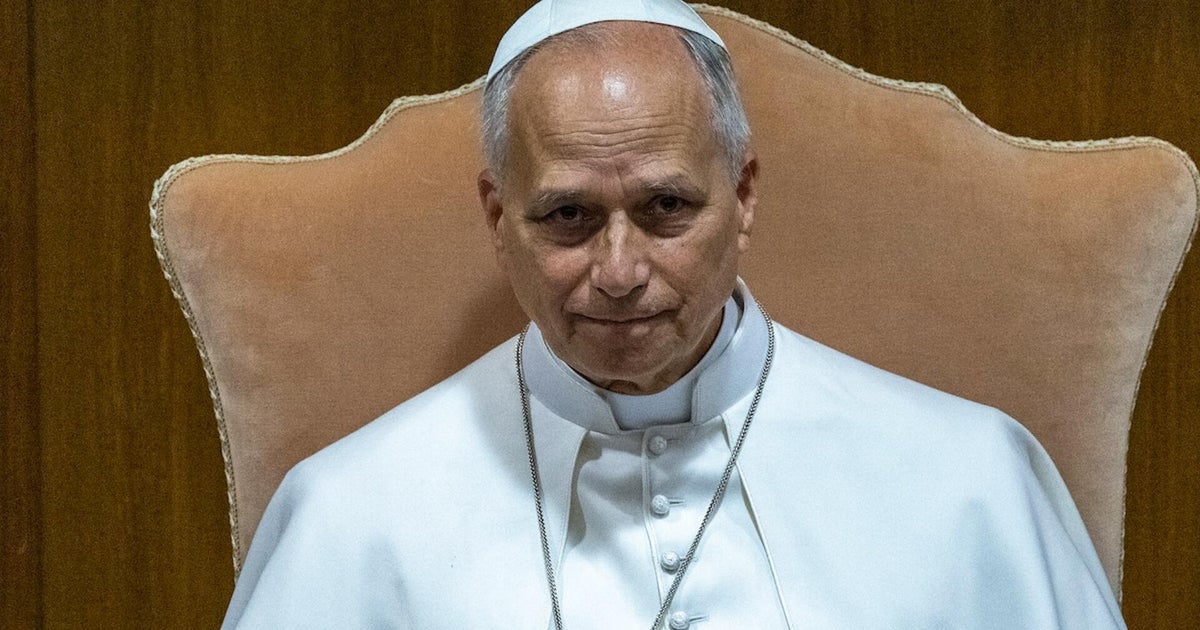
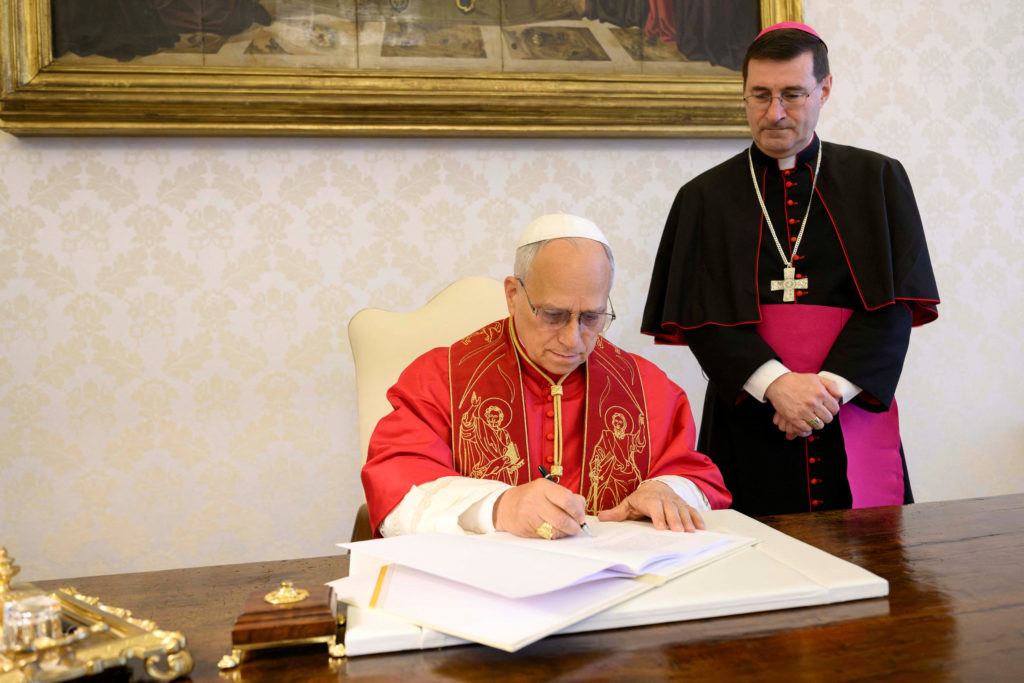
Pope Leo XIV has issued an important letter called an encyclical. In it, he warns about the dangers of artificial intelligence (AI) and calls for efforts to "disarm" or control AI to prevent harm.
Key Facts
Pope Leo XIV released a major encyclical about artificial intelligence.
The letter warns about the growing power and risks of AI technology.
The Pope urges the world to take steps to limit or control AI development.
The goal is to prevent AI from causing harm to people or society.
The message was reported by CBS News and includes commentary by Chris Livesay.
The term "disarming" refers to reducing or managing the risks and dangers of AI.
Read the Original
Want the full story? Tap a source to open the original
article.
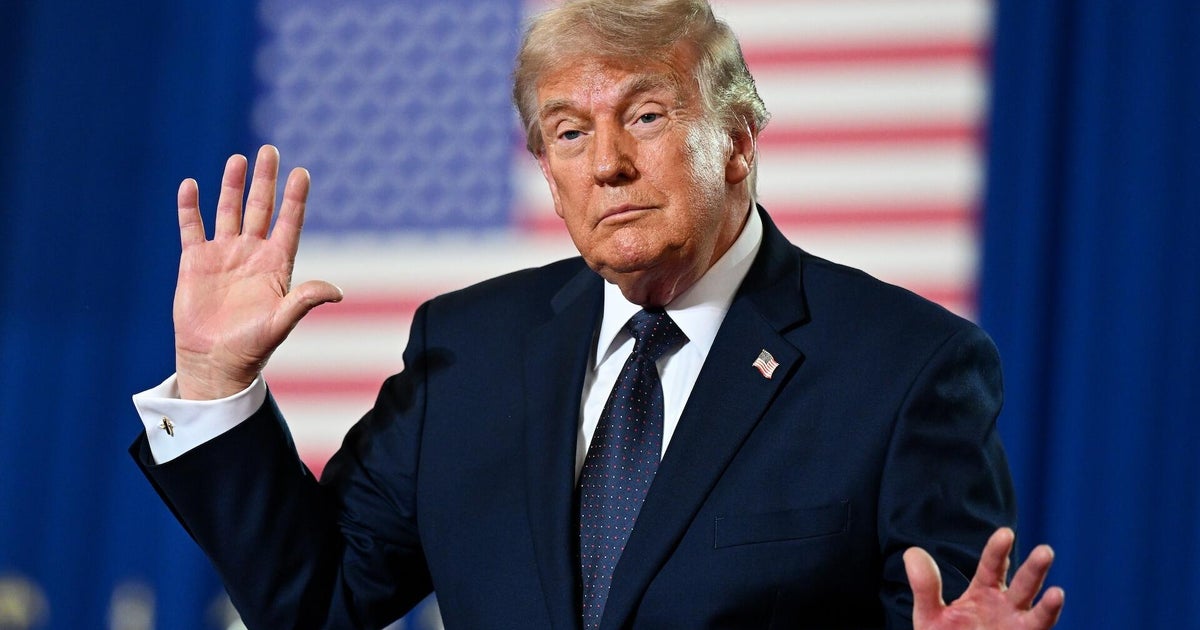
Talks between the United States and Iran to end conflict are progressing. President Donald Trump has called for more Middle Eastern countries to join the Abraham Accords, agreements aimed at improving relations in the region.
Key Facts
The U.S. and Iran are engaged in peace talks to resolve ongoing conflict.
New information about these talks is becoming available.
President Trump urges Middle East nations to join the Abraham Accords.
The Abraham Accords are agreements designed to foster peace between certain Middle Eastern countries.
CBS News analyst Aaron MacLean provided commentary on the situation and President Trump’s demand.
These developments indicate steps toward reducing tensions in the Middle East.
Read the Original
Want the full story? Tap a source to open the original
article.
Pope Leo XIV apologized for the Vatican's role in supporting slavery and not speaking out against it for hundreds of years. He called this part of history a painful mark on Christian memory.
Key Facts
Pope Leo XIV made a public apology at the Vatican.
The apology addressed the Vatican’s past role in supporting slavery.
The Vatican failed to condemn slavery for centuries.
This is the first time a pope has admitted the Vatican gave permission to European rulers to enslave people.
Previous popes had apologized only for Christians' involvement in the slave trade, not for the Vatican’s role.
The pope called the Vatican’s role a "wound in Christian memory."
Read the Original
Want the full story? Tap a source to open the original
article.
Israel has continued military attacks in Gaza despite a ceasefire agreement made seven months ago. Israeli Prime Minister Benjamin Netanyahu is reportedly delaying peace efforts as Israel plans for upcoming elections, while Gaza faces ongoing violence, forced evacuations, and destruction of homes.
Key Facts
Since the ceasefire, Israeli forces have killed at least 880 Palestinians, raising the war death toll to over 72,000.
The ceasefire is seen by some as a cover for continued Israeli military operations in Gaza.
Israel has conducted demolitions and forced evacuations in several Gaza neighborhoods, affecting residents’ living space.
About 90% of Gaza’s buildings have been destroyed during the conflict.
Humanitarian aid and reconstruction are being blocked, worsening living conditions for Gaza’s 2.3 million people.
Netanyahu faces political pressure and is accused of using the conflict to gain support from right-wing voters ahead of elections.
A US-led international council meant to enforce the ceasefire has struggled due to disagreements among members.
Analysts say President Trump’s focus on Iran has created opportunities Israel is using in Gaza.
Read the Original
Want the full story? Tap a source to open the original
article.
Some U.S. lawmakers from both the Republican and Democratic parties are worried about a possible peace deal between the United States and Iran. They have expressed concerns about the details and potential effects of the agreement.
Key Facts
Lawmakers from both major U.S. political parties are involved.
The deal under discussion is a peace agreement between the U.S. and Iran.
Concerns have been raised about how the deal might affect U.S. interests.
The agreement is still in the early stages or soon to be finalized.
The news report comes from CBS News and includes different viewpoints.
The lawmakers’ worries reflect uncertainty about the deal’s impact on international relations.
No specific terms or outcomes of the deal were detailed in the report.
Read the Original
Want the full story? Tap a source to open the original
article.