Neutral summaries of your favorite news sources — just the facts.
Your favorite news sources, one neutral feed — we distill their reporting into fact-first
summaries and always link to the original story. How it works
World News
Comprehensive coverage of international news and global events
Bolivian President Rodrigo Paz announced he will cut his salary and those of his cabinet members by half during a political crisis marked by protests demanding his resignation. The country faces shortages of food, fuel, and medicine due to ongoing demonstrations over rising living costs and government spending cuts.
Key Facts
President Rodrigo Paz plans to reduce his salary and those of his ministers by 50%.
The announcement came amid protests and roadblocks in Bolivia’s cities.
Protests have lasted for four weeks and caused shortages of basic goods and fuel.
Demonstrators want higher wages and the return of a fuel subsidy that kept prices low.
Critics say Paz’s government favors big business and elites.
No Indigenous or working-class members were appointed to the cabinet, unlike previous governments.
Paz began his term in November and inherited a struggling economy.
He defends budget cuts and ending some subsidies as necessary to balance public finances.
Read the Original
Want the full story? Tap a source to open the original
article.
The article explains how talking openly about the luteal phase—the second half of a woman’s menstrual cycle—has become common in recent years, removing stigma around periods. While this openness helps women understand their bodies better, experts warn that some wellness marketing may wrongly present the luteal phase as a weakness that needs special products.
Key Facts
The luteal phase is the second half of the menstrual cycle.
Talking about the luteal phase was rare even a few years ago but is now common in conversation and on social media.
A 2024 survey of 10,000 people from 10 countries found 46% felt confused about their menstrual cycle.
42% of respondents said their knowledge about the menstrual cycle had many gaps.
33% of people wished they had better education about periods and cycles.
Experts support more open discussion but worry that some wellness products exploit women by treating the luteal phase as a weakness.
There is a risk that women become overly focused on small mood or energy changes during their cycle.
Medical professionals emphasize the luteal phase is not a disease and caution against mixing health education with marketing.
Read the Original
Want the full story? Tap a source to open the original
article.
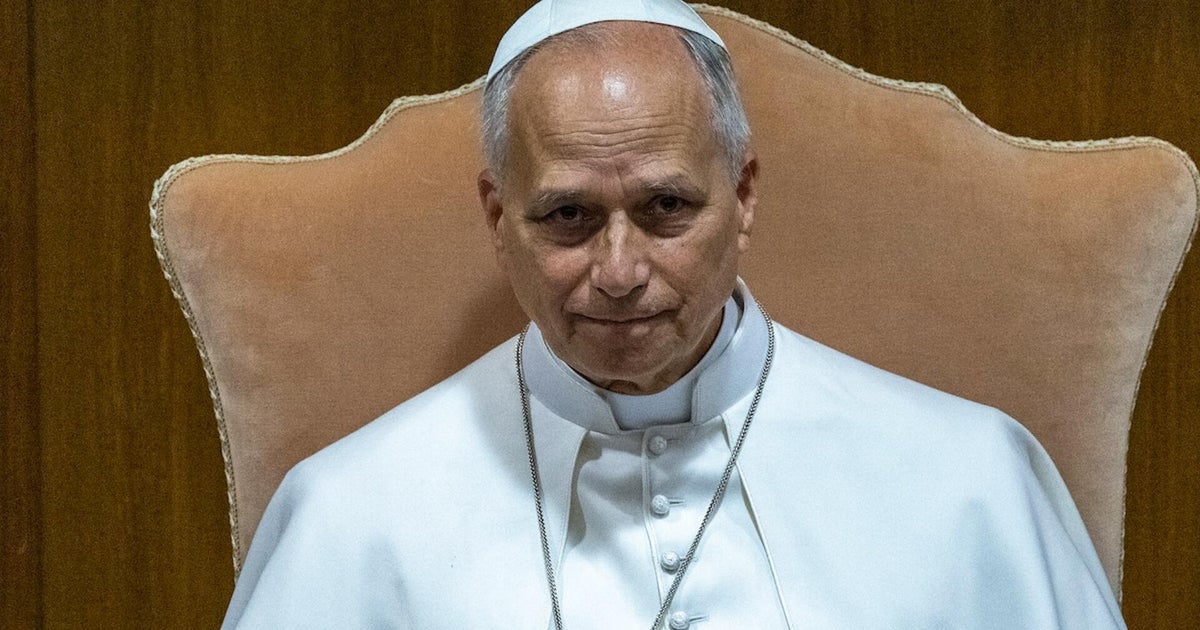
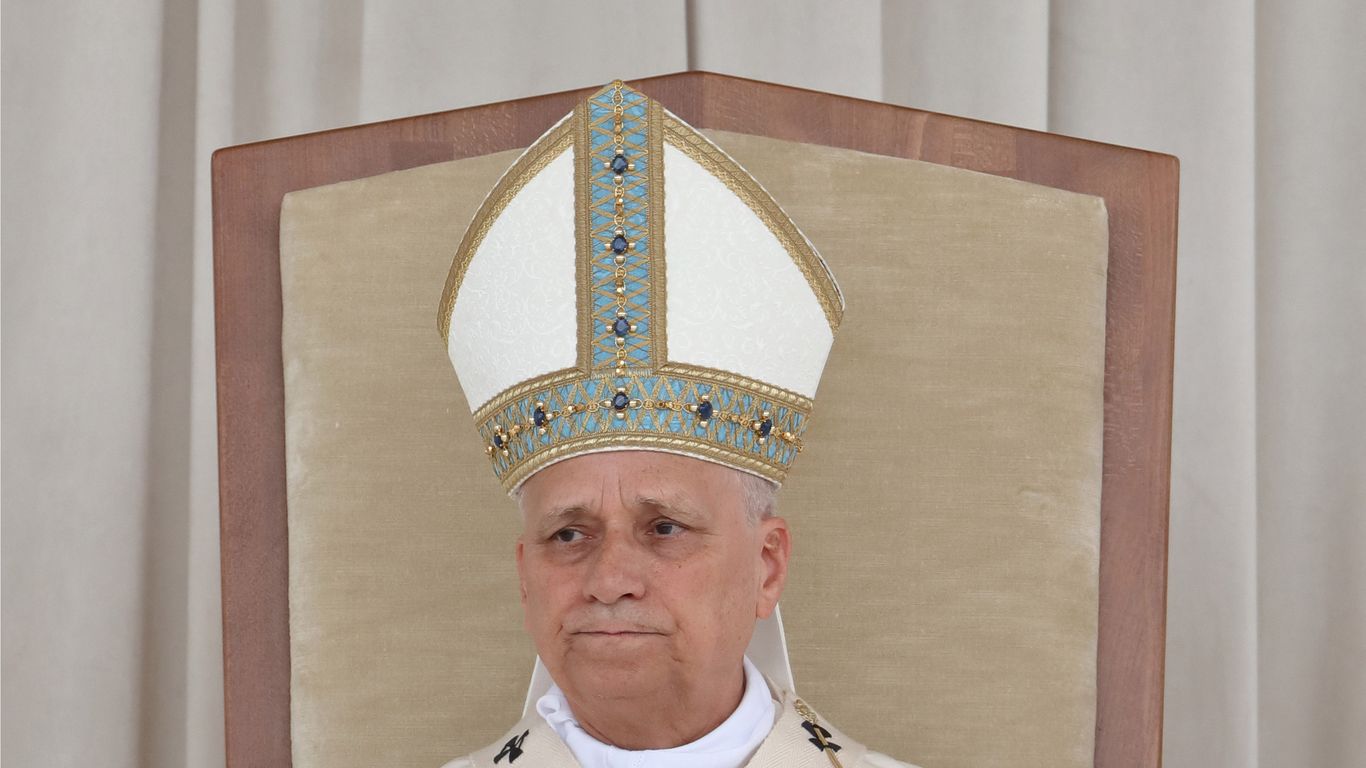
Pope Leo XIV has issued an important letter called an encyclical. In it, he warns about the dangers of artificial intelligence (AI) and calls for efforts to "disarm" or control AI to prevent harm.
Key Facts
Pope Leo XIV released a major encyclical about artificial intelligence.
The letter warns about the growing power and risks of AI technology.
The Pope urges the world to take steps to limit or control AI development.
The goal is to prevent AI from causing harm to people or society.
The message was reported by CBS News and includes commentary by Chris Livesay.
The term "disarming" refers to reducing or managing the risks and dangers of AI.
Read the Original
Want the full story? Tap a source to open the original
article.
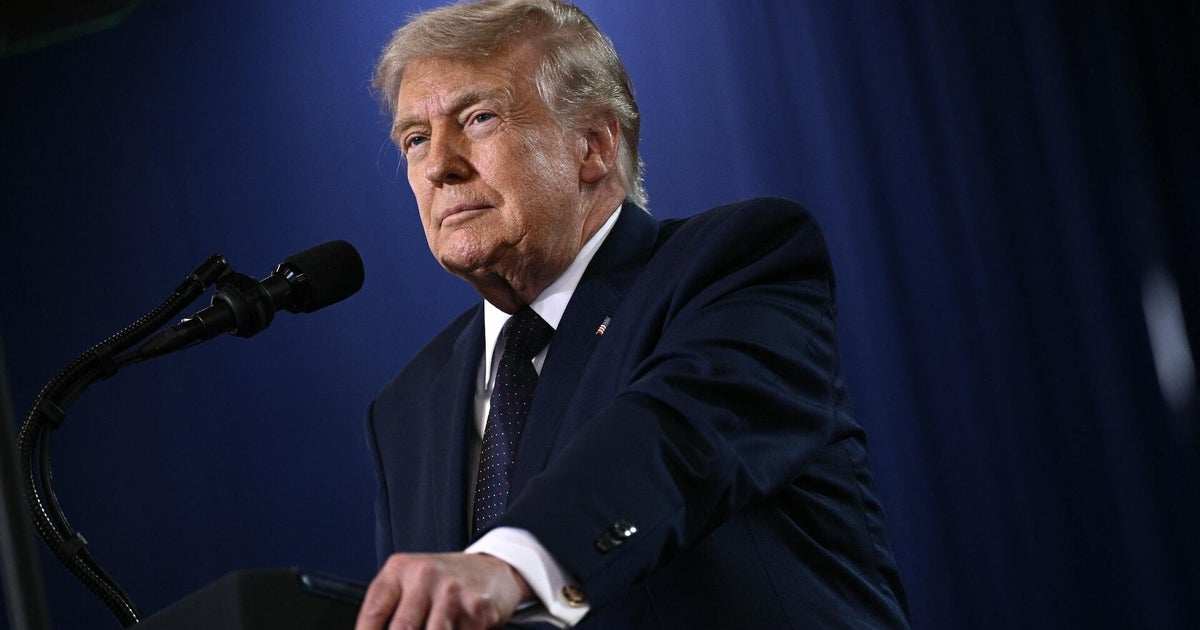
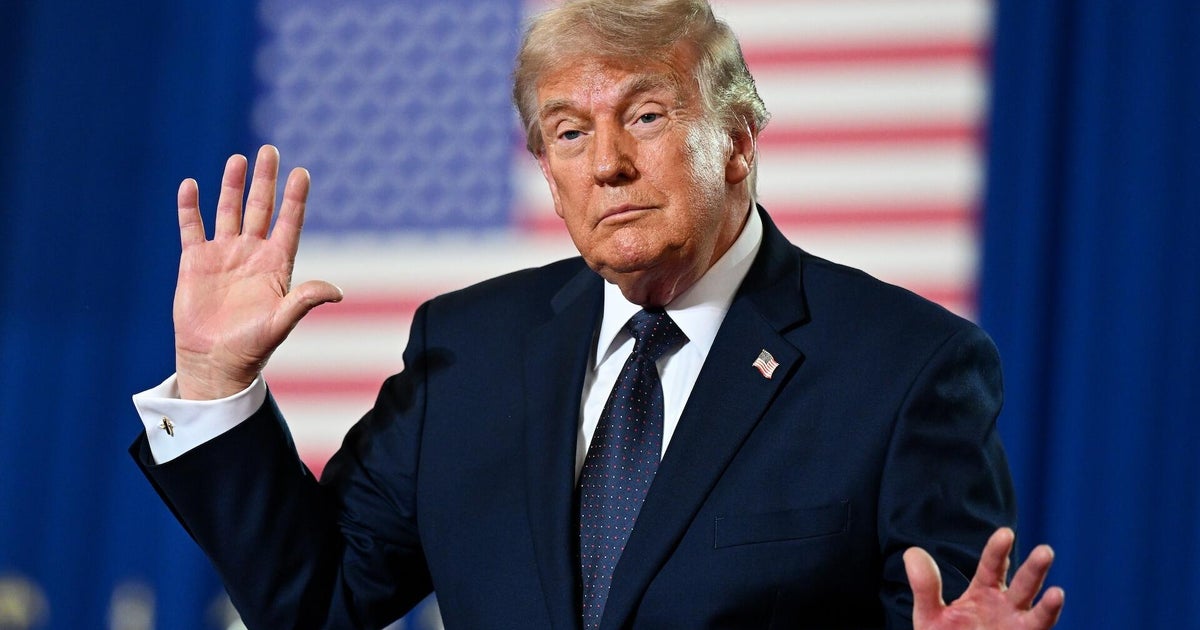
Talks between the United States and Iran to end conflict are progressing. President Donald Trump has called for more Middle Eastern countries to join the Abraham Accords, agreements aimed at improving relations in the region.
Key Facts
The U.S. and Iran are engaged in peace talks to resolve ongoing conflict.
New information about these talks is becoming available.
President Trump urges Middle East nations to join the Abraham Accords.
The Abraham Accords are agreements designed to foster peace between certain Middle Eastern countries.
CBS News analyst Aaron MacLean provided commentary on the situation and President Trump’s demand.
These developments indicate steps toward reducing tensions in the Middle East.
Read the Original
Want the full story? Tap a source to open the original
article.
Pope Leo XIV apologized for the Vatican's role in supporting slavery and not speaking out against it for hundreds of years. He called this part of history a painful mark on Christian memory.
Key Facts
Pope Leo XIV made a public apology at the Vatican.
The apology addressed the Vatican’s past role in supporting slavery.
The Vatican failed to condemn slavery for centuries.
This is the first time a pope has admitted the Vatican gave permission to European rulers to enslave people.
Previous popes had apologized only for Christians' involvement in the slave trade, not for the Vatican’s role.
The pope called the Vatican’s role a "wound in Christian memory."
Read the Original
Want the full story? Tap a source to open the original
article.
Israel has continued military attacks in Gaza despite a ceasefire agreement made seven months ago. Israeli Prime Minister Benjamin Netanyahu is reportedly delaying peace efforts as Israel plans for upcoming elections, while Gaza faces ongoing violence, forced evacuations, and destruction of homes.
Key Facts
Since the ceasefire, Israeli forces have killed at least 880 Palestinians, raising the war death toll to over 72,000.
The ceasefire is seen by some as a cover for continued Israeli military operations in Gaza.
Israel has conducted demolitions and forced evacuations in several Gaza neighborhoods, affecting residents’ living space.
About 90% of Gaza’s buildings have been destroyed during the conflict.
Humanitarian aid and reconstruction are being blocked, worsening living conditions for Gaza’s 2.3 million people.
Netanyahu faces political pressure and is accused of using the conflict to gain support from right-wing voters ahead of elections.
A US-led international council meant to enforce the ceasefire has struggled due to disagreements among members.
Analysts say President Trump’s focus on Iran has created opportunities Israel is using in Gaza.
Read the Original
Want the full story? Tap a source to open the original
article.
Some U.S. lawmakers from both the Republican and Democratic parties are worried about a possible peace deal between the United States and Iran. They have expressed concerns about the details and potential effects of the agreement.
Key Facts
Lawmakers from both major U.S. political parties are involved.
The deal under discussion is a peace agreement between the U.S. and Iran.
Concerns have been raised about how the deal might affect U.S. interests.
The agreement is still in the early stages or soon to be finalized.
The news report comes from CBS News and includes different viewpoints.
The lawmakers’ worries reflect uncertainty about the deal’s impact on international relations.
No specific terms or outcomes of the deal were detailed in the report.
Read the Original
Want the full story? Tap a source to open the original
article.
On May 25, Lebanon commemorated the withdrawal of Israeli troops from southern Lebanon in 2000, ending an 18-year occupation. However, this year’s celebration was subdued due to a recent Israeli invasion and ongoing military presence in parts of southern Lebanon, causing displacement and fears of renewed occupation.
Key Facts
Israeli forces occupied southern Lebanon for 18 years until their withdrawal in 2000.
Hezbollah led the resistance that forced Israel to leave in 2000.
In early 2025, Israel invaded southern Lebanon again, leading to displacement of over 1.2 million people.
Since March 2, Israel has killed more than 3,100 people in Lebanon, according to Lebanese health officials.
A ceasefire was declared by U.S. President Donald Trump in April 2025 and extended into July, reducing attacks in Beirut but not the south.
Southern Lebanon faces daily evacuation orders from Israel amid ongoing military conflict.
Lebanon’s President Joseph Aoun emphasized the importance of achieving a full Israeli withdrawal through talks despite the tensions.
Prime Minister Nawaf Salam stated Lebanon will not celebrate Israel’s withdrawal until it is complete and safe for displaced people to return.
Read the Original
Want the full story? Tap a source to open the original
article.
Tunisian lawyer and columnist Sonia Dahmani was sentenced to two years in jail for criticizing prison conditions in a 2023 radio interview. She faces several other legal cases under a law that punishes "false information," seen by human rights groups as a way to silence critics of President Kais Saied.
Key Facts
Sonia Dahmani, a Tunisian lawyer and columnist, received a two-year jail sentence from the Tunis Court of First Instance.
The sentence came after a complaint about her criticism of prison conditions during a 2023 radio interview.
Dahmani is currently facing five legal cases, all related to statements she made in the media.
These cases are based on Decree 54, a law from 2022 that criminalizes spreading false information and is criticized as a tool to suppress dissent.
She was previously sentenced to 18 months for comments about migrants and another 18 months for criticizing racial segregation in public services.
Dahmani was arrested in May 2024 by masked police at the Bar Association headquarters and was released on parole in November after 18 months in detention.
Since President Kais Saied’s 2021 coup, there has been a rise in actions against journalists, lawyers, and activists using laws like Decree 54 or anti-terrorism charges.
Human rights groups have expressed concern over the growing repression and a hostile atmosphere toward sub-Saharan migrants following government statements.
Read the Original
Want the full story? Tap a source to open the original
article.
Parts of Europe are experiencing unusually high temperatures in May, breaking heat records in some places like the United Kingdom. The hot weather has led to warnings from governments after several people died during amateur sports events in France.
Key Facts
Europe is facing unusually high temperatures for the month of May.
Some areas, including the United Kingdom, have set new heat records.
The heatwave has caused health concerns and safety warnings.
In France, deaths occurred at amateur sports events during the heat.
Governments in Europe have issued warnings to protect public health.
The situation highlights how unusual weather can impact outdoor activities.
The heatwave is part of a wider trend of extreme weather in Europe.
Read the Original
Want the full story? Tap a source to open the original
article.
Mexico has agreed to host Iran’s World Cup team after the United States refused to let the team stay. Mexico's President Claudia Sheinbaum said there was no reason to say no to FIFA’s request.
Key Facts
The United States declined to allow Iran’s World Cup team to stay in the country.
Mexico agreed to host Iran’s team instead.
FIFA made the request for a place to host the Iranian squad.
Mexico’s President is Claudia Sheinbaum.
Sheinbaum stated Mexico saw no reason to refuse hosting the team.
This decision is related to the FIFA World Cup event.
The situation involves international sports and diplomacy.
Read the Original
Want the full story? Tap a source to open the original
article.
A rare Ebola outbreak in eastern Congo is spreading rapidly, with nearly 1,000 suspected cases. Healthcare workers trying to control the disease face hostility from local residents, including attacks on medical centers and volunteers.
Key Facts
The Ebola outbreak in Congo involves the rare Bundibugyo type, which has no vaccine or treatment.
Suspected Ebola cases are close to 1,000 in the eastern Congo region around Bunia.
Medical volunteers like Vanny Birungi face threats and violence when educating the public about Ebola.
Distrust and anger toward aid workers exist because of past conflicts and misinformation.
Three healthcare facilities were attacked in one week, including a hospital and treatment tents.
Some residents believe Ebola is a foreign invention, increasing resistance to prevention efforts.
Ebola spreads through close contact with bodily fluids of sick or deceased patients.
Safety measures like restricting contact with bodies have caused tension with grieving families.
Read the Original
Want the full story? Tap a source to open the original
article.
The American Lifeguard Association advises families to prepare before going to the beach this summer. They suggest doing research to stay safe while enjoying the beach.
Key Facts
The article focuses on beach safety tips for families.
Wyatt Werneth from the American Lifeguard Association provides advice.
Families should research beach conditions and safety rules before visiting.
The intention is to prevent accidents and keep everyone safe.
The article was published on May 25, 2026.
Read the Original
Want the full story? Tap a source to open the original
article.
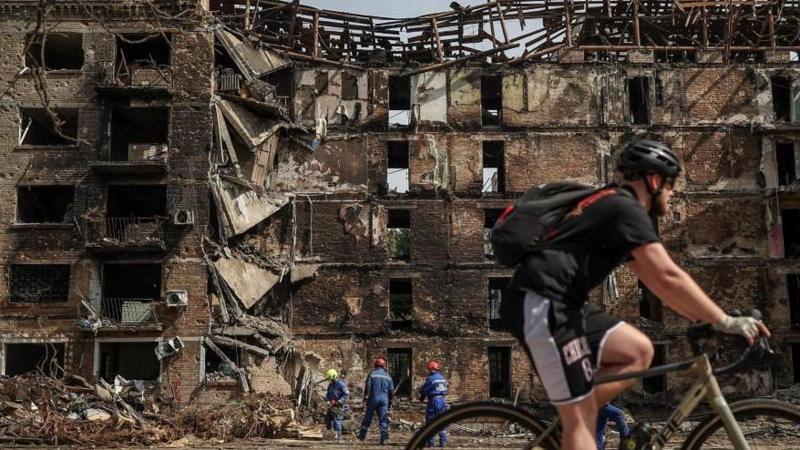
Russia has threatened to carry out more missile and drone strikes on Kyiv, targeting military and decision-making sites. It has advised foreign nationals and diplomats to leave Kyiv soon, following recent large attacks that killed several people and damaged civilian buildings.
Key Facts
Russia plans new strikes on Kyiv aimed at command centers and drone-making facilities.
The Russian foreign ministry warned foreigners to leave Kyiv quickly.
Recent Russian attacks killed at least four people and injured about 100 in Kyiv and other areas.
Russia claims its attacks respond to a Ukrainian strike on a dormitory in Starobilsk, which it says killed 21.
Ukraine says it targeted a Russian military drone unit, not civilians, in that strike.
Russian attacks have damaged cultural sites like the Chernobyl Museum and the National Art Museum.
Russia used dozens of ballistic and cruise missiles, hundreds of drones, and a hypersonic missile near Kyiv.
Ukraine's air defenses intercept many missiles and drones, but Russia’s large numbers can overwhelm them.
Read the Original
Want the full story? Tap a source to open the original
article.
More than 1.5 million pilgrims have arrived in Saudi Arabia to perform the annual Hajj pilgrimage, an important religious event in Islam. This year’s Hajj takes place amid regional tensions, including a fragile ceasefire related to the Iran conflict and ongoing global energy concerns.
Key Facts
The Hajj pilgrimage has started in Saudi Arabia with over 1.5 million pilgrims arriving from abroad.
Hajj is one of the five pillars of Islam and must be done at least once by Muslims who are able.
Pilgrims perform rituals such as circling the Kaaba in the Grand Mosque and later moving to the tent city of Mina.
The weather is very hot, and volunteers provide water and misting fans to help pilgrims cope.
Many pilgrims find Hajj physically hard but spiritually meaningful and life-changing.
The pilgrimage happens while the US, Iran, and regional countries discuss reopening the Strait of Hormuz to ease an energy crisis.
On Tuesday, pilgrims will gather at the plain of Arafat for important prayers and spiritual reflection.
Read the Original
Want the full story? Tap a source to open the original
article.
Pope Leo XIV released an important letter warning that artificial intelligence (AI) could harm humanity in several ways, such as weakening human judgement, increasing inequality, and threatening democracy. The Vatican wants to play a key role in guiding global discussions about the moral use of AI.
Key Facts
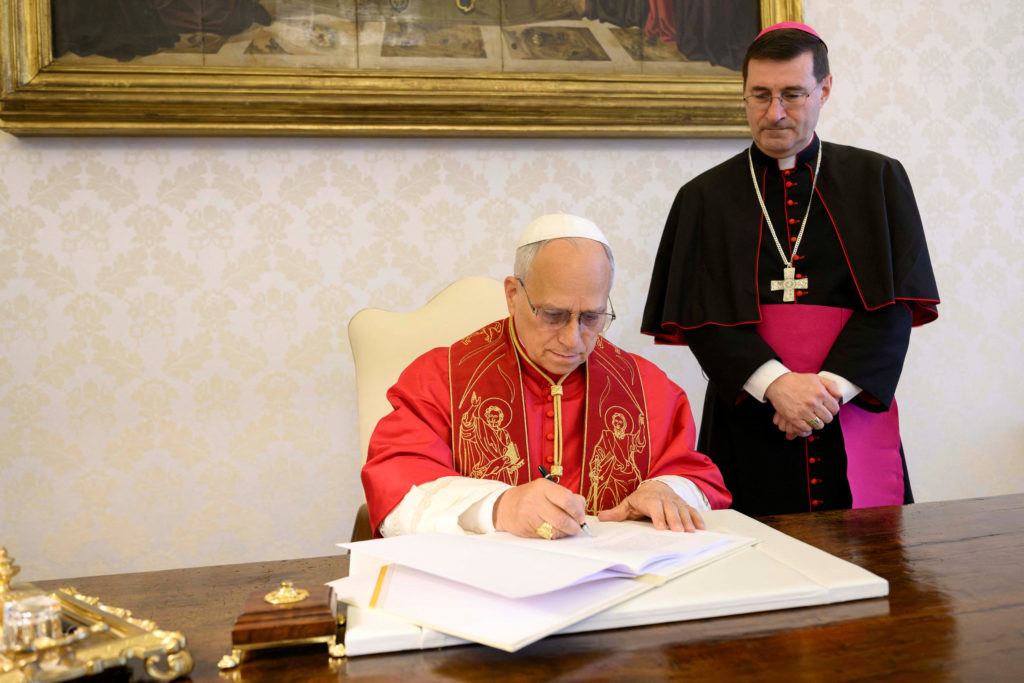
Pope Leo XIV signed the AI-focused encyclical called Magnifica Humanitas on May 15, 2026.
The document compares the AI race to the Tower of Babel, symbolizing a human achievement that can create confusion and division.
AI is not neutral; it reflects the values of those who create and control it.
The pope warned AI can reduce creativity and patience by giving instant answers.
AI can fake empathy, causing people to confuse it with real human care.
AI may increase inequality since data and power are held by few companies.
AI can spread false information and threaten democracy.
Faster AI-driven decisions in war could remove human responsibility, but no algorithm can make war morally right.
Read the Original
Want the full story? Tap a source to open the original
article.
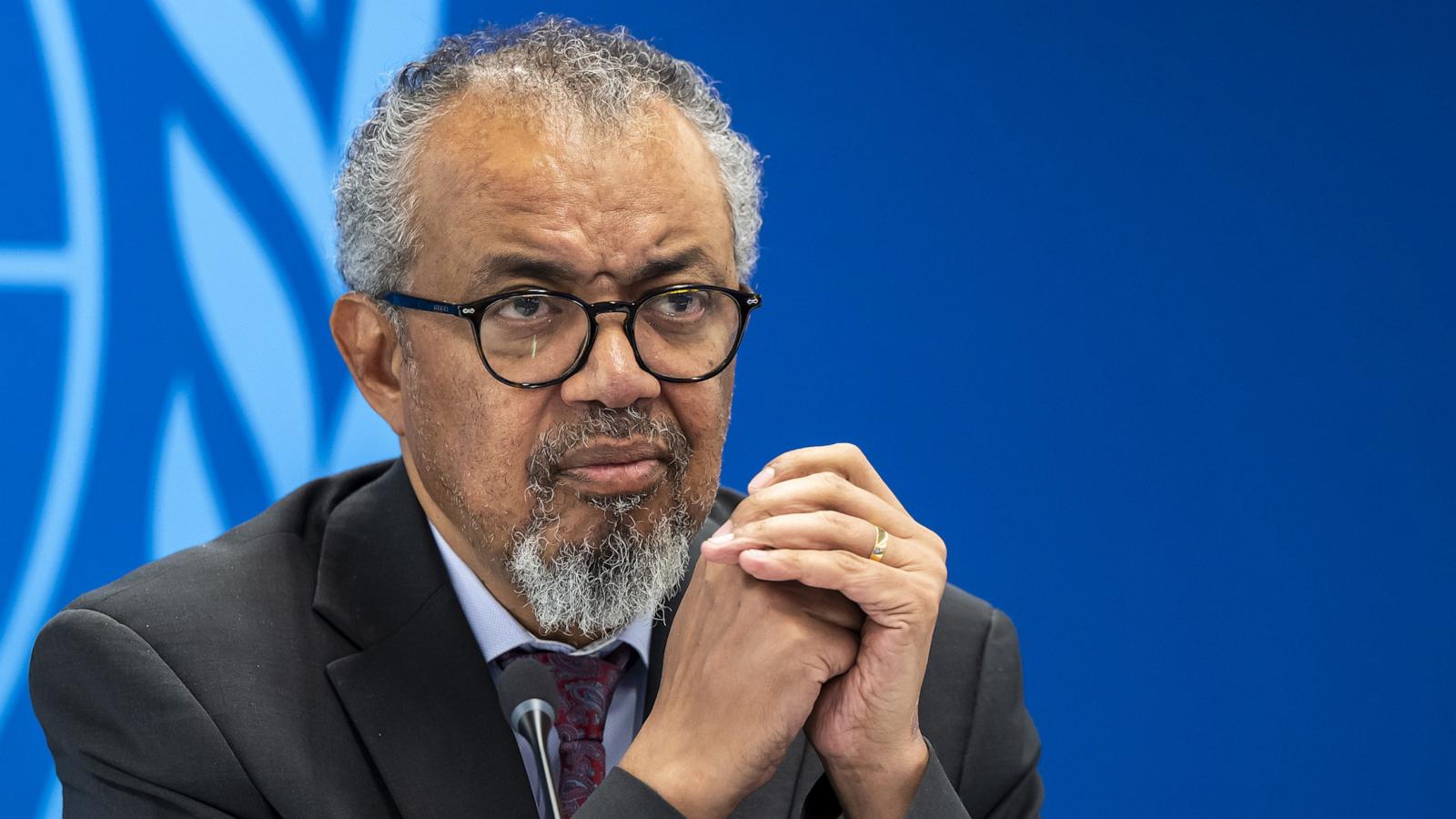
The World Health Organization (WHO) says the Ebola outbreak in the Democratic Republic of Congo (DRC) is spreading faster than efforts to control it. Attacks on health facilities and local conflicts are making it harder to stop the disease, and nearby countries like Uganda are also seeing new cases.
Key Facts
WHO reports 220 suspected deaths and over 300 suspected Ebola cases in the DRC so far.
Neighboring countries, including Uganda, are at high risk; Uganda has confirmed seven Ebola cases.
Attacks by local residents on Ebola treatment centers in Ituri province forced patients to flee and caused damage.
Families want to bury Ebola victims themselves, but official funerals are used to stop the disease from spreading.
The outbreak is caused by the Bundibugyo strain of Ebola, which has no approved treatment or vaccine.
The affected areas include Ituri, North Kivu, and South Kivu provinces, regions with ongoing ethnic conflicts.
WHO director Dr. Tedros Adhanom Ghebreyesus declared the outbreak a global public health emergency.
Security problems and community resistance are major challenges to controlling the Ebola outbreak.
Read the Original
Want the full story? Tap a source to open the original
article.
A new arts center called the Meitu Cube Visual Arts Center is being built on the coast of Xiamen, China. Designed as a cube with a special facade that can open and close, the building is meant to adapt to changing cultural and technological needs.
Key Facts
The Meitu Cube Visual Arts Center is located in southern China, overlooking Xiamen’s coastal area.
It is designed by OPEN Architecture for Meitu Inc. and is shaped like a cube.
The facade of the building can open and close, helping reduce heat, improve air flow, and filter light.
The building uses a durable material called PTFE for its double-skin facade, which is self-cleaning and resistant to chemicals.
The center includes galleries, exhibition spaces, a library, and rooftop terraces with sea views.
Its interior spaces can change in size and function to accommodate different types of events.
Construction began recently, with excavation finished and foundation work ongoing.
The project reflects the trend of Chinese architecture focusing on adaptability, technology, and connection with the environment.
Read the Original
Want the full story? Tap a source to open the original
article.
President Donald Trump says the United States has mostly agreed on a deal with Iran. However, Iran’s leaders say they are not close to signing any agreement yet. President Trump also calls for all Middle Eastern countries to join the Abraham Accords, a peace agreement.
Key Facts
President Trump states that a deal with Iran is "largely negotiated."
Iran’s Supreme Leader Mojtaba Khamenei warns that no deal signing is expected soon.
The Abraham Accords are peace agreements originally between Israel and some Arab countries.
President Trump wants all Middle Eastern nations to join these accords.
Details about the U.S.-Iran talks are still emerging.
The Abraham Accords aim to improve relations and peace in the Middle East.
Read the Original
Want the full story? Tap a source to open the original
article.
The World Health Organization (WHO) warns that the Ebola outbreak in the Democratic Republic of Congo (DRC) and Uganda is expected to worsen before improving. Over 900 cases and 220 deaths have been reported in the DRC, with additional cases in Uganda, and health officials are working to control the spread.
Key Facts
More than 900 Ebola cases and 220 deaths have been reported in the DRC.
Uganda has confirmed five travel-related Ebola cases and one death.
WHO Director-General Dr. Tedros Adhanom Ghebreyesus said the outbreak will get worse before it gets better.
The outbreak affects multiple provinces in the DRC, including Ituri province.
A hospital in the DRC is facing protests over burial procedures for a religious leader who died of Ebola.
Police and military have had to intervene to control protests around the hospital.
WHO classified the outbreak as a public health emergency of international concern.
Several countries, including the U.S., have introduced travel restrictions and screening for travelers from affected areas.
Read the Original
Want the full story? Tap a source to open the original
article.