Neutral summaries of your favorite news sources — just the facts.
Your favorite news sources, one neutral feed — we distill their reporting into fact-first
summaries and always link to the original story. How it works
World News
Comprehensive coverage of international news and global events
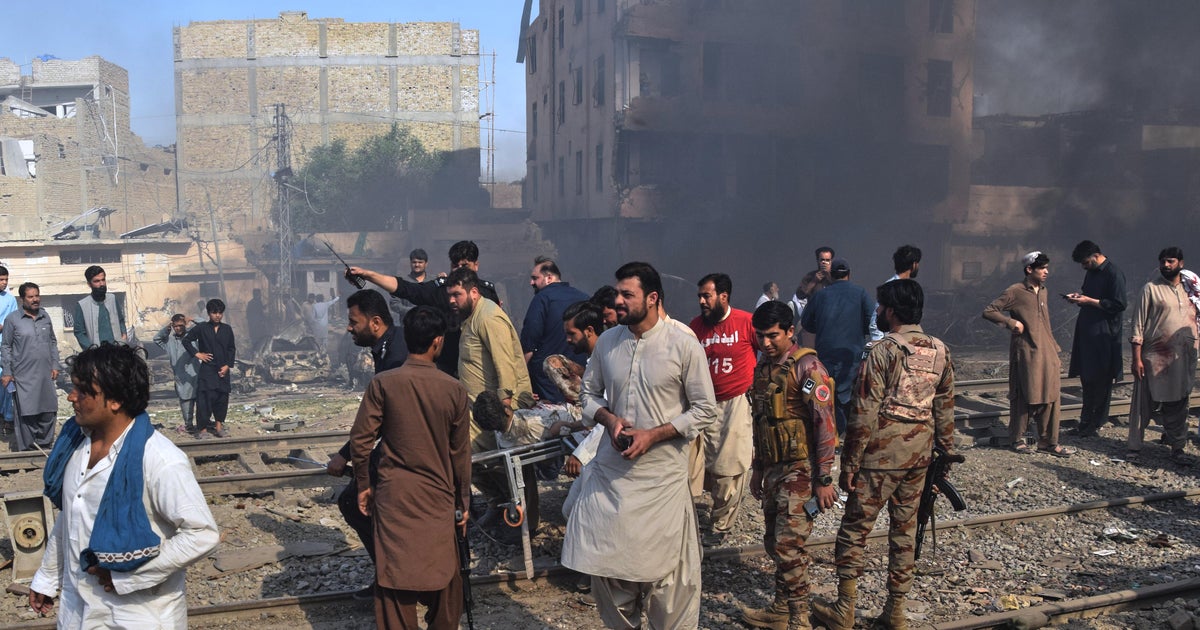
A suicide car bomb exploded near a train carrying soldiers in Quetta, Pakistan, killing at least 24 people and injuring many others, including women and children. A Baloch separatist group said they carried out the attack.
Key Facts
The attack happened in Quetta, a city in Pakistan.
The bomb targeted a train with soldiers on board.
At least 24 people were killed.
Many more were injured, including civilians like women and children.
A Baloch separatist group took responsibility for the bombing.
The attack used a suicide car bomb, meaning the attacker detonated the explosives by driving into the target.
The incident adds to ongoing tensions involving Baloch separatists in Pakistan.
Read the Original
Want the full story? Tap a source to open the original
article.
The United States and Iran are close to making an agreement to end hostilities between them. President Donald Trump said the deal is mostly worked out and could lead to reopening the Strait of Hormuz, a key waterway for global oil shipping.
Key Facts
The US and Iran are negotiating a deal to stop their conflict.
President Donald Trump said the agreement is "largely negotiated."
The deal may result in reopening the Strait of Hormuz, which is important for oil transport.
Jennifer Gavito, a former US State Department official, discussed the situation on France 24.
The article was published on May 24, 2026, with updates shortly after.
There is ongoing progress reported from both Washington and Tehran about the talks.
The Strait of Hormuz is a narrow body of water between Oman and Iran, critical for global shipping.
Read the Original
Want the full story? Tap a source to open the original
article.
Iran disagrees with some comments made by President Trump about the Strait of Hormuz related to a possible agreement between the two countries. Talks are ongoing to end the conflict, and both sides have confirmed these discussions are happening.
Key Facts
Iran is rejecting certain statements from President Trump about the Strait of Hormuz.
The Trump administration said a deal is near to end the war between the U.S. and Iran.
Iranian officials have admitted that talks are taking place.
Both countries are negotiating to resolve their conflict.
The Strait of Hormuz is a key waterway important for global oil shipments.
President Trump made public remarks about the situation on Saturday evening.
Iran considers some of Trump’s comments not matching the actual situation.
Read the Original
Want the full story? Tap a source to open the original
article.
A bomb exploded on a train carrying military personnel in Quetta, a city in Pakistan’s Balochistan province, killing at least 24 people and injuring over 50. The attack caused two train cars to overturn and catch fire, damaging nearby buildings and vehicles.
Key Facts
The blast targeted a train carrying army servicemen in Quetta, Balochistan province.
At least 24 people were killed and more than 50 injured in the explosion.
The explosion occurred when a car loaded with explosives hit one of the train’s carriages.
Two train carriages overturned and caught fire after the blast.
Thick black smoke was seen rising above the site of the explosion.
Nearby buildings and more than a dozen parked vehicles were badly damaged.
The attack happened in an area where security forces are usually stationed.
The Balochistan Liberation Army separatist group said it was behind the attack.
Read the Original
Want the full story? Tap a source to open the original
article.
A suicide car bombing in Quetta, Pakistan, killed at least 24 people and injured about 70 more. The blast happened near a railway track and caused a train to derail, with the Balochistan Liberation Army claiming responsibility.
Key Facts
The bombing occurred on Sunday morning in the Faquir Abad area of Quetta, Balochistan province.
At least 24 people died and around 70 were injured according to officials.
The explosion derailed the engine and several coaches of a passenger shuttle train.
The blast caused fires and heavy damage to nearby buildings.
The Balochistan Liberation Army (BLA), which wants Balochistan to be independent, said it carried out the attack.
The BLA is considered a foreign terrorist organization by the U.S. State Department.
Balochistan is rich in oil and minerals and is home to the ethnic Baloch minority.
Similar deadly attacks by the BLA have happened in the region in recent years, targeting civilians and security forces.
Read the Original
Want the full story? Tap a source to open the original
article.
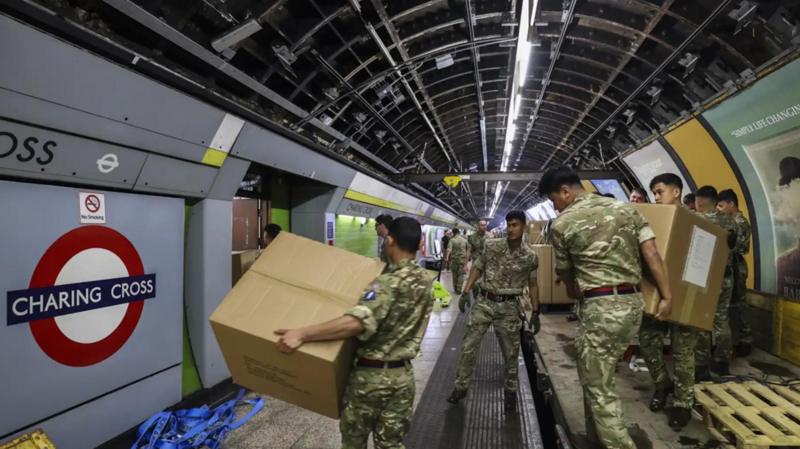
The British Army conducted a secret military exercise in the disused Charing Cross Underground station in central London. The exercise tested NATO’s ability to plan a large military response to possible future Russian attacks, using an underground command post to improve security and coordination.
Key Facts
The exercise was called "Arrcade Strike" and involved hundreds of British soldiers.
It was led by the Allied Rapid Reaction Corps (ARRC), NATO's deployable corps headquarters.
The exercise simulated military operations for around 100,000 personnel from the UK and NATO allies.
Using underground locations like the disused tube platforms helps hide military activities and improve survival chances during attacks.
Troops coordinated actions on land, sea, air, space, and cyberspace from this hidden base.
The scenario imagined took place in 2030, focusing on a serious threat from Russia.
Soldiers arrived in civilian clothes and changed near the secure area to keep the exercise secret.
The location was chosen because it is spacious, underground, and in the heart of a busy city, showing that military command centers can operate even in complex urban areas.
Read the Original
Want the full story? Tap a source to open the original
article.
A teenage girl who was raped by two boys has spoken to the BBC about her feelings after the attackers were not sent to jail. The judge avoided sending them to prison because they were very young, but the girl said this decision made her question the value of going through the court process.
Key Facts
The victim was 15 years old when she was attacked by two teenage boys.
The boys were spared jail time due to their young age.
Judge Nicholas Rowland said he wanted to avoid "criminalising" the boys.
The girl spoke anonymously with her family to the BBC about her disappointment.
The attorney general will review the judge’s sentence decision.
The victim expressed feeling that the court’s decision made it seem like the crime was legally acceptable.
She found the court process painful and questioned why she had to relive the experience.
Read the Original
Want the full story? Tap a source to open the original
article.
This article shows important photos from a week around the world. It includes images of an Ebola outbreak in Congo, a meeting between Russia’s President Putin and China’s President Xi Jinping, events at the Cannes Film Festival in France, and other notable moments.
Key Facts
Ebola is spreading in the Democratic Republic of Congo, causing deaths.
Russian President Vladimir Putin and Chinese President Xi Jinping met in Beijing and visited a photo exhibition on Russia-China relations.
Japanese actress Arisa Sasaki participated in the Cannes Film Festival dressed as a mermaid.
Israel’s National Security Minister Itamar Ben Gvir posted a video about arresting activists from a Gaza flotilla.
Aston Villa won the UEFA Europa League final against SC Freiburg in Istanbul.
Artist JR is creating a large art installation on Paris’s Pont Neuf bridge inspired by past artists Christo and Jeanne-Claude.
Muslim pilgrims performed the annual Hajj pilgrimage in Mecca, Saudi Arabia.
The article also features photos reflecting events in different regions and topics over the week.
Read the Original
Want the full story? Tap a source to open the original
article.
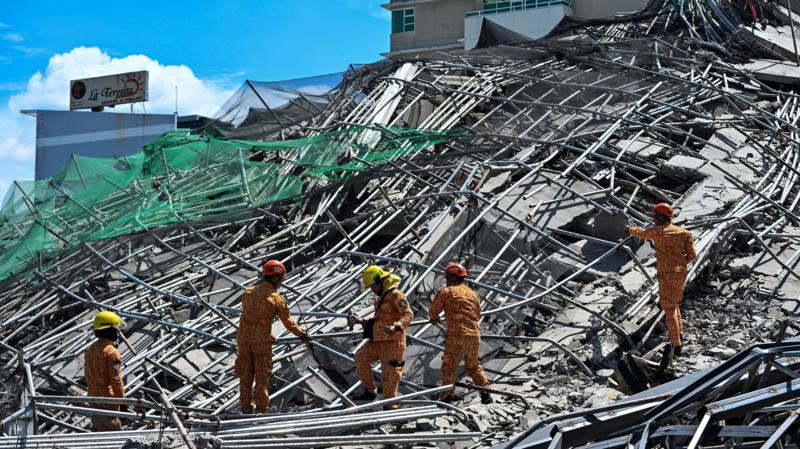
A nine-story building under construction collapsed early Sunday in Angeles, near Manila, Philippines. Rescue teams have saved 26 people so far, but around 20 are still trapped under the rubble. Officials are investigating why the building fell.
Key Facts
The building collapsed at about 3:00 AM local time on Sunday.
It was still being built and had nine floors.
So far, 24 people have been rescued from the collapsed building and 2 from a nearby hotel hit by debris.
No deaths have been reported yet.
Many trapped are believed to be construction workers.
Rescue is difficult due to large concrete pieces and damaged scaffolding.
Angeles city is about 90 kilometers northwest of Manila on the island of Luzon.
Poor planning and design problems often affect construction projects in the Philippines.
Read the Original
Want the full story? Tap a source to open the original
article.
Protests led by students demanding early elections have caused clashes with riot police in Belgrade, Serbia. The protests began over a deadly train station accident blamed on corruption and have continued to challenge President Aleksandar Vucic’s government.
Key Facts
Students led large antigovernment protests in Belgrade calling for elections and rule of law.
Protests started after a train station collapse in November 2024 killed 16 people, blamed on corruption during renovation.
The protests forced Prime Minister Milos Vucevic to resign in January 2025.
Serbia’s state railway canceled all trains to Belgrade to limit protester travel on Saturday.
Clashes occurred near a camp of Vucic supporters set up as protection against protesters.
President Vucic accused protesters of violence and said the state will continue to work legally.
International groups criticized Serbia’s government for harsh police tactics and human rights issues.
Serbia seeks EU membership but risks losing funding due to concerns about its democracy under Vucic.
Read the Original
Want the full story? Tap a source to open the original
article.
Iran’s top leader and national security council must approve a proposed peace deal with the United States. The deal involves Iran reopening the Strait of Hormuz and negotiating its nuclear program in exchange for relief from sanctions and access to frozen assets.
Key Facts
Iran’s supreme leader and national security council have not yet approved the peace deal with the US.
Some parts of the deal still need clarification before final approval.
President Trump said most of the peace deal has been negotiated but details are still being finalized.
The deal would allow Iran access to up to $20 billion in frozen assets, with at least $12 billion held in Qatar.
Iran would reopen the Strait of Hormuz, a key shipping route, and negotiate on its nuclear program over 60 days.
The agreement also calls for a ceasefire involving the US, Iran, Israel, and their allies.
Israeli Prime Minister Netanyahu has concerns about delays in nuclear negotiations but faces pressure to accept the ceasefire.
Iran insists it will control how ships pass through the Strait of Hormuz, while the US wants free passage without Iranian tolls.
Read the Original
Want the full story? Tap a source to open the original
article.
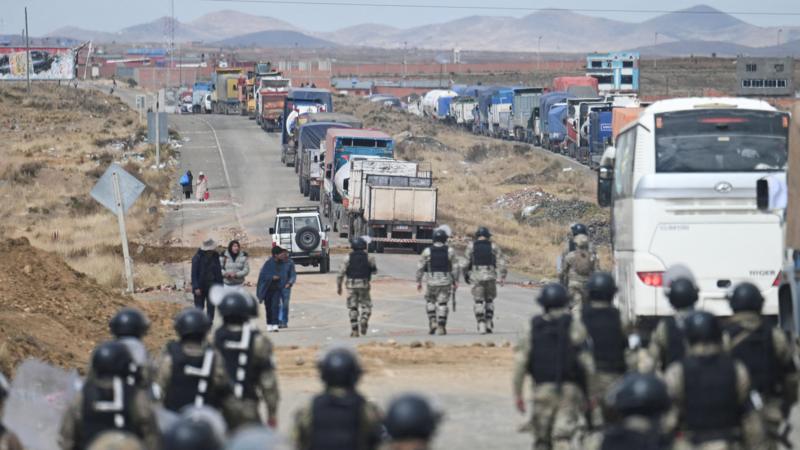
Bolivia's public works minister, Mauricio Zamora, was briefly ambushed and separated from his convoy while trying to clear roadblocks set up by anti-government protesters. The protests are against President Rodrigo Paz's government and its economic policies, leading to violent clashes and disruption of supply routes to major cities.
Key Facts
Minister Mauricio Zamora’s convoy was attacked twice in the town of Copata but he was later found safe.
The roadblocks were placed by protesters opposing President Rodrigo Paz’s austerity measures.
Protesters used stones, dynamite, and other acts of violence against government convoys trying to clear the blockages.
Clashes also involved looting and burning of government and military property in several locations.
The protests are supported by followers of former left-wing President Evo Morales, who opposes the current government’s ties with the US.
Police and military used bulldozers and tear gas to clear blockades early Saturday but faced renewed resistance.
There are conflicting reports about casualties, with the government denying deaths claimed by protesters.
President Paz, elected to fix Bolivia’s economic crisis, warned that dialogue with protesters has limits.
Read the Original
Want the full story? Tap a source to open the original
article.
An Israeli air strike in Gaza killed three family members, including a six-month-old baby. This happened despite a ceasefire agreed on last year, and fighting and attacks have continued in the area.
Key Facts
The air raid hit a home in the Nuseirat refugee camp in Gaza.
The victims were Mohammad Abu Mallouh, his wife Alaa Zaqlan, and their six-month-old child Osama.
About 10 other people were injured in the attack.
Since a ceasefire began in October, Israel has carried out nearly daily attacks in Gaza, killing around 900 people according to Gaza health officials.
Thousands of Palestinians have died since the conflict started in October 2023.
Israeli forces are continuing to destroy homes and buildings in parts of Gaza.
Talks to make the ceasefire permanent have stopped because both sides accuse each other of breaking the truce.
Human Rights Watch says Gaza’s humanitarian services are still at risk more than six months after the ceasefire started.
Read the Original
Want the full story? Tap a source to open the original
article.
Russia launched a large missile attack on Kyiv, Ukraine. The strike included the use of Oreshnik ballistic missiles and caused casualties, including the death of one person at a school.
Key Facts
Russia carried out a major missile strike on Kyiv, Ukraine.
The attack involved Oreshnik ballistic missiles.
One person was killed when a school was hit in the strike.
Russia claimed 16 people died in a strike on a student dormitory, blaming Ukraine for it.
European leaders, including French President Macron and EU Commission President Kallas, condemned the Russian attack.
The events took place amid ongoing conflict in Ukraine.
The strike increased tensions in the region and drew international criticism.
Read the Original
Want the full story? Tap a source to open the original
article.
Researchers studied hours of old video of two beluga whales named Natasha and Maris at a New York aquarium. They found the whales showed behaviors that suggest they recognize themselves in a mirror, a sign of self-awareness seen in only a few animal species.
Key Facts
The study analyzed over 20 years old video footage of beluga whales interacting with a two-way mirror.
Natasha and Maris, two beluga whales, showed behaviors like looking at and touching marks on their bodies only visible in the mirror.
The mirror self-recognition test involves placing a mark on an animal’s body where it can only be seen in a reflection. If the animal touches or inspects the mark, it indicates self-awareness.
This test has been passed by humans (from age 2), some great apes, elephants, dolphins, magpies, orcas, and a species of fish called cleaner wrasse.
Many animals once thought to be self-aware, like dogs and cats, have failed the test.
The original experiment marked the whales with waterproof lipstick while they were awake and included control sessions without marks, confirming the response was to seeing the mark in the mirror.
Only Natasha and Maris showed clear interest and advanced in the experiment out of four belugas tested.
This finding adds belugas to the short list of species believed to have the cognitive ability of mirror self-recognition.
Read the Original
Want the full story? Tap a source to open the original
article.
The Gulf Cooperation Council (GCC) countries are facing economic challenges due to the conflict involving the US, Israel, and Iran, which has disrupted oil exports through the Strait of Hormuz. Some GCC countries have found ways to reroute oil shipments, but others remain cut off, and experts suggest the GCC needs to work together more to reduce future risks and protect their collective interests.
Key Facts
The US-Israel war on Iran has disrupted oil exports through the Strait of Hormuz.
Oman’s ports continue to operate normally with little impact.
Saudi Arabia and the United Arab Emirates (UAE) have rerouted some oil exports through other ports (Yanbu and Fujairah).
Kuwait, Bahrain, and Qatar are largely cut off from the global market and face economic challenges.
The GCC faces risks of losing clients and economic harm due to ongoing disruptions.
The UAE recently left OPEC, reportedly to gain a larger oil market share amid the crisis.
Experts recommend the GCC use cooperation mechanisms like swap deals to help members deliver oil without physically shipping it through dangerous areas.
Swap deals can help countries exchange oil or compensate each other to keep supplies stable without immediate physical transfer.
Read the Original
Want the full story? Tap a source to open the original
article.
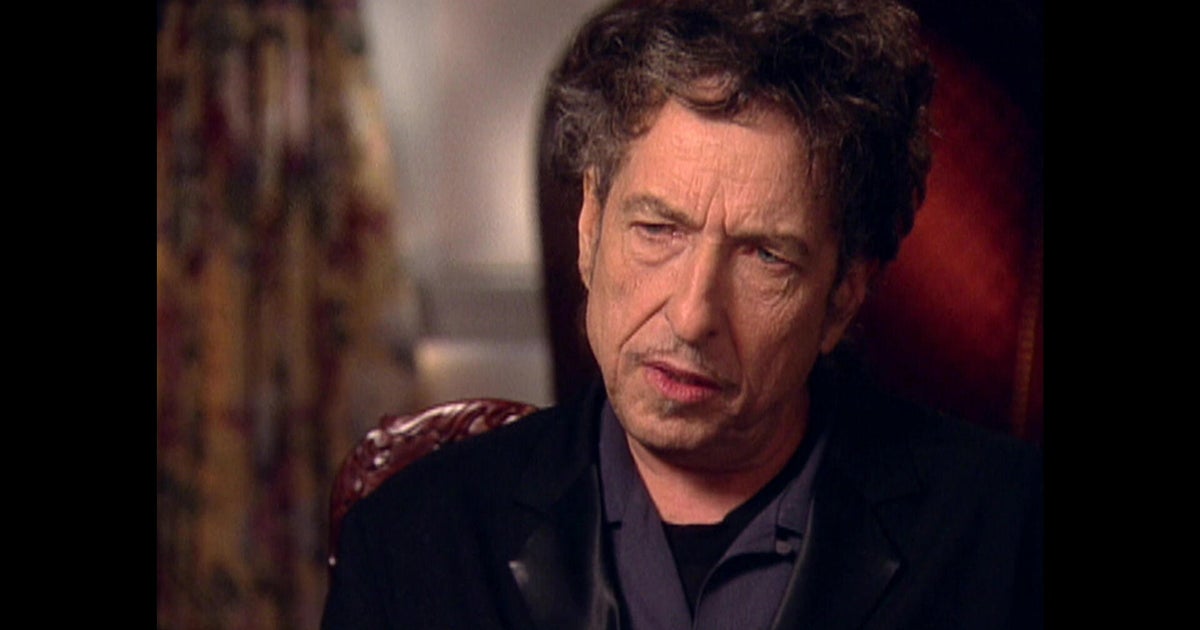
In a 2004 interview with 60 Minutes, singer-songwriter Bob Dylan talked about what New York City has meant in his life. He described his move from Minnesota to New York and how the city influenced his music and career.
Key Facts
Bob Dylan was interviewed by Ed Bradley on 60 Minutes in 2004.
Dylan discussed the importance of New York City in his life.
He shared his experience moving from Minnesota to New York.
The clip is from expanded interview outtakes.
Bob Dylan is a famous singer-songwriter.
The interview reflects on his early career and inspirations.
Bob Dylan turned 85 years old recently.
Read the Original
Want the full story? Tap a source to open the original
article.
A woman shares her experience of being diagnosed with lung cancer, highlighting that many people can get this disease regardless of lifestyle. Her husband’s unexpected comment helped her accept her situation and focus on the reality of the illness rather than feeling uniquely targeted.
Key Facts
Lung cancer is the second most common cancer in the U.S., with over 200,000 new cases each year.
Many lung cancers are found when the cancer has already spread, making survival chances lower.
Early detection of lung cancer can lead to possibilities of survival and even cures.
The woman was diagnosed after a routine checkup that included a chest X-ray and follow-up scans.
About 20% of women diagnosed with lung cancer in the U.S. have never smoked.
The diagnosis process involved multiple tests: chest X-ray, CT scan, PET scan, and biopsy.
The woman experienced shock and fear but found some comfort in her husband’s blunt comment.
Lung cancer can affect anyone with lungs, emphasizing it is not always linked to personal fault or smoking.
Read the Original
Want the full story? Tap a source to open the original
article.
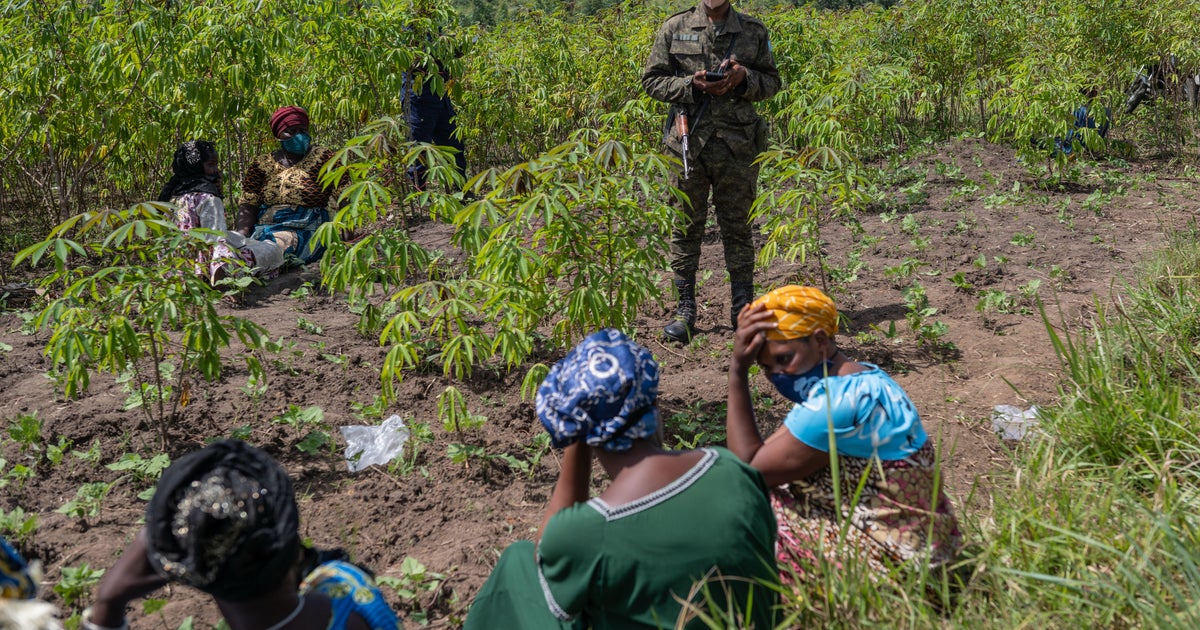
In eastern Congo, residents angry about an Ebola outbreak have burned tents at two treatment centers, causing patients to flee and making it harder to control the virus. Authorities are trying to contain the disease but face resistance from local communities, while the World Health Organization says the outbreak is very serious for Congo but not a global threat yet.
Key Facts
Residents in Mongbwalu, eastern Congo, set fire to a tent treating Ebola patients, causing 18 suspected patients to escape.
This was the second attack in a week; another Ebola treatment center was burned in Rwampara.
Families protested against bans on funeral gatherings and body retrievals to prevent Ebola spread.
Ebola victims’ bodies are highly contagious, so officials manage burials with protective gear and security.
The World Health Organization rates the outbreak risk as "very high" for Congo but low for global spread.
82 Ebola cases and 7 confirmed deaths reported, with many more suspected cases and deaths possible.
The virus involved is a rare Ebola type called Bundibugyo, with no available vaccine.
Some health workers, including volunteers and an American doctor, have been infected during the outbreak.
Read the Original
Want the full story? Tap a source to open the original
article.
The Old Farmer’s Almanac predicts that the summer of 2026 in the United States will be hotter and drier than usual, with many regions experiencing below-normal rainfall. This weather pattern will create challenges for gardeners, such as dry soil and stressed plants, requiring adjustments in watering and garden care.
Key Facts
The summer of 2026 is expected to be hotter and drier across much of the U.S.
Rainfall will be uneven and mostly below normal in many areas, causing dry conditions.
The West and Southwest, including states like Colorado and Kansas, will see especially dry weather.
A large northern area, including parts of Idaho, Montana, and Michigan, faces longer dry spells.
Dry conditions are also likely along the Northeast coast, Ohio Valley, Southeast, and Florida.
Drier soil means plants could grow slower, wilt, or produce less.
Gardeners are advised to water deeply but less often, use mulch, improve soil with compost, and consider watering systems like drip irrigation.
Watering early in the morning helps reduce water loss from heat and evaporation.
Read the Original
Want the full story? Tap a source to open the original
article.