Neutral summaries of your favorite news sources — just the facts.
Your favorite news sources, one neutral feed — we distill their reporting into fact-first
summaries and always link to the original story. How it works
World News
Comprehensive coverage of international news and global events
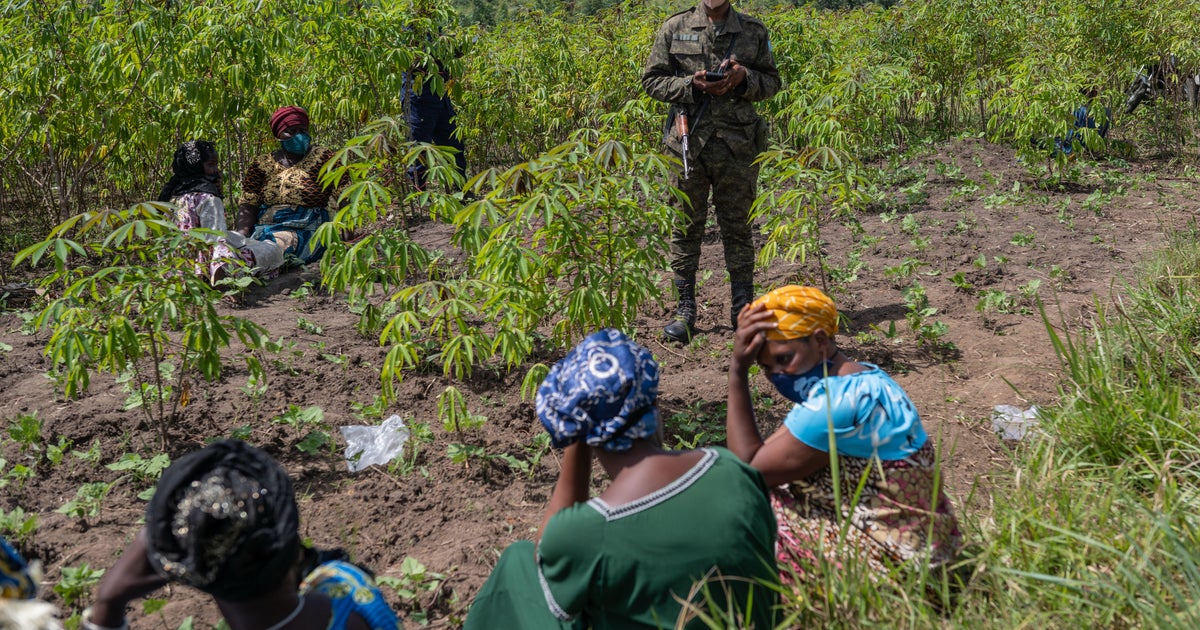
In eastern Congo, residents angry about an Ebola outbreak have burned tents at two treatment centers, causing patients to flee and making it harder to control the virus. Authorities are trying to contain the disease but face resistance from local communities, while the World Health Organization says the outbreak is very serious for Congo but not a global threat yet.
Key Facts
Residents in Mongbwalu, eastern Congo, set fire to a tent treating Ebola patients, causing 18 suspected patients to escape.
This was the second attack in a week; another Ebola treatment center was burned in Rwampara.
Families protested against bans on funeral gatherings and body retrievals to prevent Ebola spread.
Ebola victims’ bodies are highly contagious, so officials manage burials with protective gear and security.
The World Health Organization rates the outbreak risk as "very high" for Congo but low for global spread.
82 Ebola cases and 7 confirmed deaths reported, with many more suspected cases and deaths possible.
The virus involved is a rare Ebola type called Bundibugyo, with no available vaccine.
Some health workers, including volunteers and an American doctor, have been infected during the outbreak.
Read the Original
Want the full story? Tap a source to open the original
article.
The Old Farmer’s Almanac predicts that the summer of 2026 in the United States will be hotter and drier than usual, with many regions experiencing below-normal rainfall. This weather pattern will create challenges for gardeners, such as dry soil and stressed plants, requiring adjustments in watering and garden care.
Key Facts
The summer of 2026 is expected to be hotter and drier across much of the U.S.
Rainfall will be uneven and mostly below normal in many areas, causing dry conditions.
The West and Southwest, including states like Colorado and Kansas, will see especially dry weather.
A large northern area, including parts of Idaho, Montana, and Michigan, faces longer dry spells.
Dry conditions are also likely along the Northeast coast, Ohio Valley, Southeast, and Florida.
Drier soil means plants could grow slower, wilt, or produce less.
Gardeners are advised to water deeply but less often, use mulch, improve soil with compost, and consider watering systems like drip irrigation.
Watering early in the morning helps reduce water loss from heat and evaporation.
Read the Original
Want the full story? Tap a source to open the original
article.
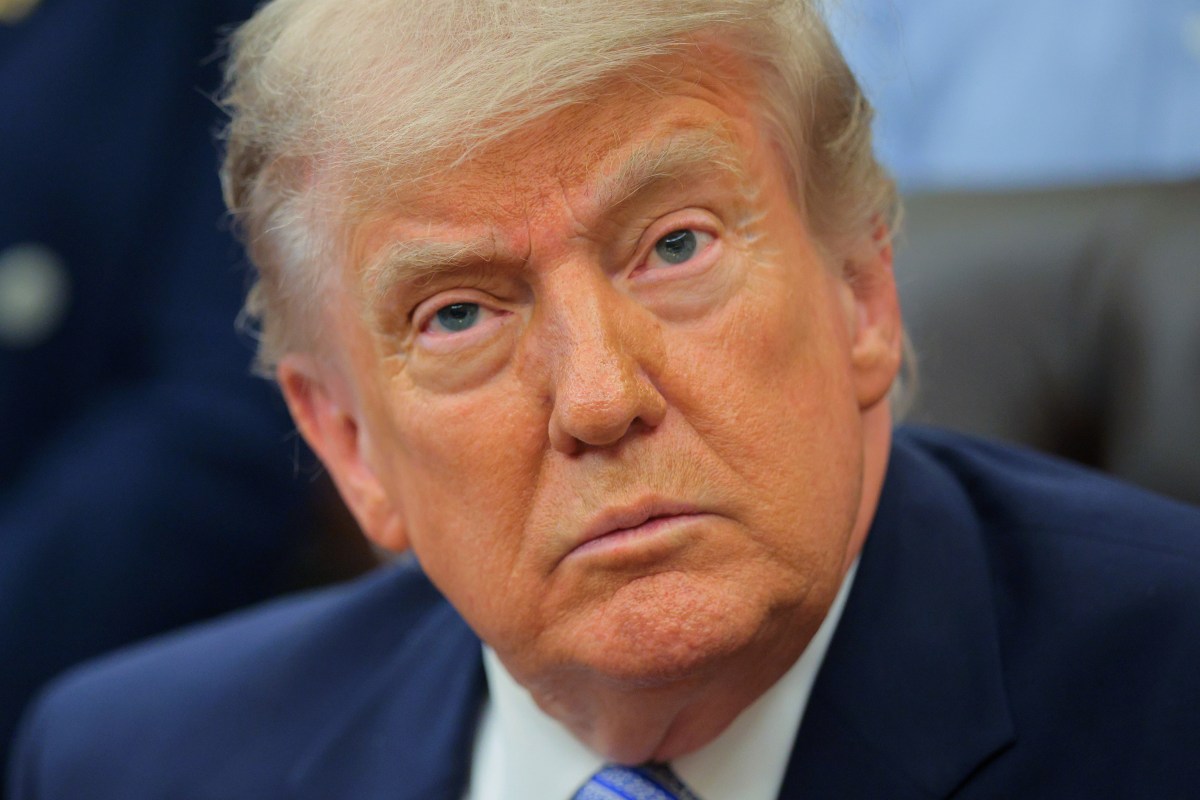
President Donald Trump said a deal to end the conflict between the U.S. and Iran is almost finished, including reopening the Strait of Hormuz for oil shipments. But Iranian media says the deal is not real and Iran will keep control of the waterway, a key issue in the talks.
Key Facts
President Trump announced that an agreement with Iran is nearly negotiated and details will be announced soon.
The deal aims to reopen the Strait of Hormuz, a vital oil shipping route blocked during the conflict.
Iranian media, linked to the Revolutionary Guard, denies the deal and says the strait remains under Iran's control.
The strait is critical because about 20% of the world’s oil passes through it.
Iran has threatened and attacked ships, causing a 90% drop in shipping traffic there.
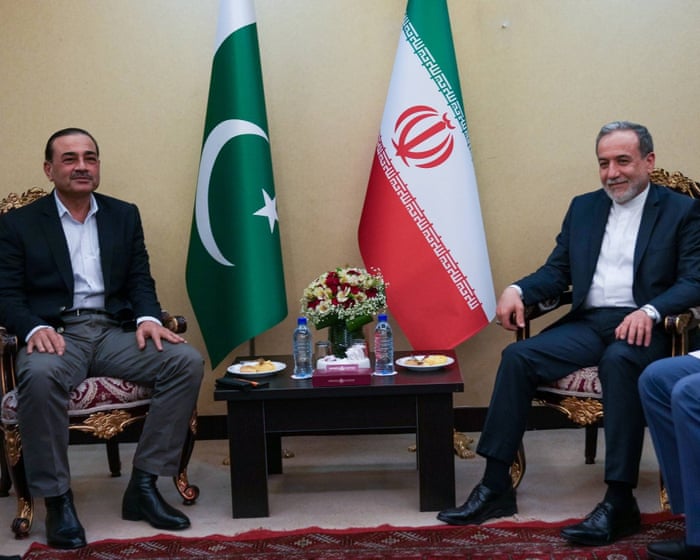
Talks have been mediated by Pakistan, whose prime minister praised Trump’s peace efforts.
U.S. officials say progress has been made but still some work is needed to finalize the deal.
Iran insists on lifting U.S. sanctions and maintaining its nuclear program for civilian energy.
Read the Original
Want the full story? Tap a source to open the original
article.
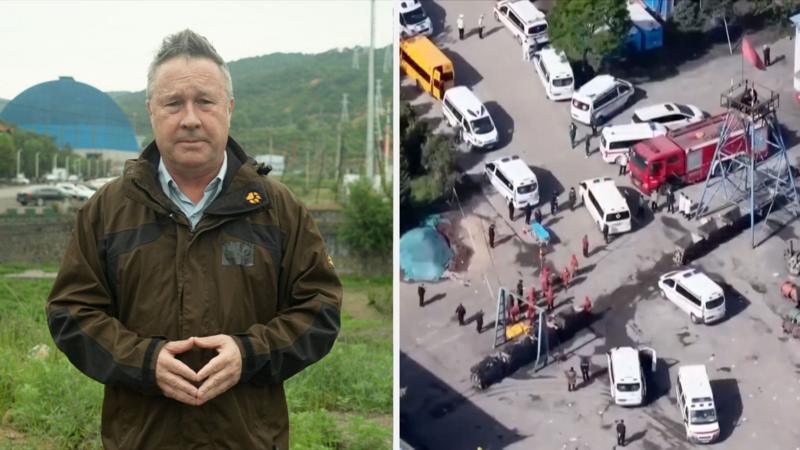
A gas explosion at the Liushenyu Coal Mine in northern China killed at least 82 people and left two missing. It is the deadliest mining accident in China since 2009, and President Xi Jinping has called for full efforts in rescue operations.
Key Facts
The explosion happened at the Liushenyu Coal Mine in Shanxi province, northern China.
At least 82 people died, and two are still missing after the blast.
This is China’s worst mining disaster in more than ten years.
President Xi Jinping urged rescuers to do everything possible to save lives.
Rescue teams used robots with gas sensors and infrared cameras to inspect underground.
The BBC correspondent Stephen McDonell reported from the disaster site.
The accident occurred early Sunday morning.
State media provided updates on the rescue efforts.
Read the Original
Want the full story? Tap a source to open the original
article.
A bomb exploded on a train in Pakistan, killing at least 24 people and injuring others who are in serious condition. The attack is currently under investigation.
Key Facts
The bombing took place on a train in Pakistan.
At least 24 people died as a result of the explosion.
Several passengers were critically injured.
Emergency services responded to the scene.
Authorities are investigating the cause and details of the bombing.
No group has yet claimed responsibility.
The incident happened on May 24, 2026.
This event has caused concern for security on public transportation in the region.
Read the Original
Want the full story? Tap a source to open the original
article.
Seven activists from the Global Sumud Flotilla, who were stopped by Israeli forces while trying to bring aid to Gaza, have returned to the UK after being deported by Israel. The activists claim they were mistreated and abused while detained, but Israeli authorities deny these claims and say all detainees were treated according to the law.
Key Facts
The Global Sumud Flotilla included more than 422 people on over 50 boats aiming to break Israel’s blockade of Gaza.
Israeli commandos intercepted the flotilla west of Cyprus and detained the activists after reaching the Israeli port of Ashdod.
The activists report being tortured, abused, and subjected to sexual assault during detention on Israeli vessels and in prison.
Israel rejects these claims and says its forces follow strict rules to treat detainees respectfully.
The flotilla carried a small amount of food and medical aid, but Israel calls the mission a public relations stunt supporting Hamas.
Some activists said they suffered injuries, including one who believes he may have a broken spine and was denied medical care.
Israeli military stated that any complaints about treatment would be carefully investigated.
The activists hope their mission raises awareness about the situation in Gaza and pressures authorities to allow humanitarian aid.
Read the Original
Want the full story? Tap a source to open the original
article.
President Donald Trump announced that a draft agreement with Iran, called a memorandum of understanding, has been mostly negotiated and could reopen the Strait of Hormuz. Talks are ongoing with hopes for a final deal soon, but Iran has expressed caution and some disagreement about the terms.
Key Facts
President Trump said the agreement would reopen the Strait of Hormuz, a key shipping route for oil.
Pakistan’s Prime Minister Shehbaz Sharif is helping mediate the talks and says negotiations will continue soon.
US Secretary of State Marco Rubio confirmed progress but criticized Iran for supporting terrorism and warned against Iran gaining nuclear weapons.
Iran’s government spokesman said talks are moving forward but warned a final deal is not guaranteed yet.
The draft agreement reportedly requires Iran to lift its naval blockade within 30 days and allows partial release of frozen Iranian funds early on.
Iranian President Masoud Pezeshkian said the Supreme Leader must approve any deal with the US.
Israeli Prime Minister Benjamin Netanyahu is expected to discuss the deal in a security meeting.
There remains mistrust on both sides, and it is unclear if the agreement will hold or lead to further conflict.
Read the Original
Want the full story? Tap a source to open the original
article.
The United States and Iran are close to agreeing on a deal to extend a ceasefire for 60 days during a conflict involving the US, Israel, and Iran. The agreement would reopen the Strait of Hormuz, allow Iran to sell oil freely, and include talks on Iran’s nuclear program, while the US would lift its blockade on Iranian ports.
Key Facts
The deal is described as a “memorandum of understanding” and is mostly negotiated but not finalized.
The ceasefire extension would last 60 days and include reopening the Strait of Hormuz for shipping.
Iran would clear mines in the Strait of Hormuz and not charge tolls on ships, while the US would end its blockade on Iranian ports.
Talks would take place on limiting Iran’s nuclear program, but Iran has not agreed to give up its stockpile of highly enriched uranium.
Some frozen Iranian assets held abroad would be unfrozen as part of the deal.
Fighting would stop across all involved areas, including Israel and Lebanon.
Iran’s control of the Strait of Hormuz would continue despite the open passage for ships.
The deal does not currently include limits on Iran’s ballistic missile program or its support for regional groups like Hezbollah or the Houthis.
Read the Original
Want the full story? Tap a source to open the original
article.
Senegalese football fans who were jailed in Morocco after violent events during the Africa Cup of Nations final in January have returned home following a royal pardon from King Mohammed VI. The pardon was granted on humanitarian grounds during the Muslim holiday Eid al-Adha, easing tensions between Senegal and Morocco.
Key Facts
The fans were jailed after violence and chaos at the AFCON final between Senegal and Morocco in January.
King Mohammed VI of Morocco pardoned 15 Senegalese supporters still in prison.
The pardon was given on humanitarian grounds and coincided with the Muslim holiday Eid al-Adha.
Senegalese President Bassirou Diomaye Faye welcomed the fans back home in Dakar.
The final match result is disputed: Senegal initially won, but on appeal, the title was awarded to Morocco. Senegal has appealed this decision to the Court of Arbitration for Sport.
Moroccan courts sentenced the fans to prison terms of three months to one year for hooliganism.
The violence caused over 370,000 euros ($430,000) in damage at Rabat’s stadium.
Senegal and Morocco have a history of friendly relations and cooperation in sectors like tourism, energy, and share strong religious ties.
Read the Original
Want the full story? Tap a source to open the original
article.
A suicide bomber attacked a passenger train in Quetta, southwestern Pakistan, killing at least 23 people and injuring over 70. The Baloch Liberation Army, a militant group seeking independence for the Balochistan region, claimed responsibility for the attack.
Key Facts
The bombing happened as a passenger train passed near a railway track in Quetta.
At least 23 people died and more than 70 were hurt, with some in critical condition.
The explosion overturned two train cars, which also caught fire.
The attack damaged nearby buildings and several vehicles parked along the road.
The outlawed Baloch Liberation Army (BLA) said it targeted the train carrying security personnel.
Quetta is the capital of Balochistan, a region with ongoing insurgency and frequent attacks.
Pakistani officials condemned the attack and launched a medical emergency and an investigation.
Pakistani leaders blamed the militants and their alleged backers for trying to destabilize the country.
Read the Original
Want the full story? Tap a source to open the original
article.
Russia launched a large attack on Kyiv using about 600 drones and 90 missiles, including a rare nuclear-capable missile called the Oreshnik. The attack killed at least four people, injured many, and damaged around 40 locations in and near the city.
Key Facts
The attack happened overnight on Sunday and struck Kyiv and its region.
Russia used the Oreshnik missile, which can carry nuclear or regular warheads and flies faster than 10 times the speed of sound.
This is the third time Russia has used the Oreshnik missile during the war, with prior strikes in November 2024 and January.
Air defenses stopped most missiles and drones, but damage occurred to government offices, homes, schools, markets, and warehouses.
The attack caused fires and forced some residents to leave Kyiv because of the destruction.
The Oreshnik missile is a new weapon believed to be based on Russia’s RS-26 missile and designed to avoid defenses.
Ukraine has recently increased attacks deep inside Russia, including near Moscow, targeting military and energy sites.
Officials confirmed at least four deaths and many injuries from this missile and drone strike.
Read the Original
Want the full story? Tap a source to open the original
article.
President Donald Trump said that a peace deal with Iran is mostly agreed upon. He added that the deal could lead to reopening the Strait of Hormuz, an important waterway for global oil shipping.
Key Facts
The deal with Iran is described as “largely negotiated.”
The agreement aims to bring peace and end ongoing conflict.
Reopening the Strait of Hormuz is part of the plan in the deal.
The Strait of Hormuz is a critical route for oil transport worldwide.
The statement was made by President Trump on May 24, 2026.
Talks between the U.S. and Iran have shown recent progress.
The war mentioned has lasted about three months before this update.
The news is part of broader Middle East conflict developments.
Read the Original
Want the full story? Tap a source to open the original
article.
Tens of thousands of people protested against Serbia’s President Aleksandar Vucic in the capital city, Belgrade. After the large rally, clashes broke out between some protesters and riot police.
Key Facts
The protest took place in Belgrade, the capital of Serbia.
It was an anti-government rally with tens of thousands of participants.
Protesters opposed President Aleksandar Vucic, described as autocratic.
After the rally, violence occurred involving protesters and riot police.
The event happened on a Saturday.
The conflict reflects political tensions in Serbia.
Read the Original
Want the full story? Tap a source to open the original
article.
The Africa Centres for Disease Control and Prevention (Africa CDC) has warned that ten African countries face a risk from the Ebola virus. This warning comes amid ongoing Ebola cases in the Democratic Republic of Congo (DR Congo) and Uganda.
Key Facts
Ten African countries are at risk of Ebola, according to Africa CDC.
Ebola cases continue to appear in DR Congo and Uganda.
The World Health Organization (WHO) has raised the health risk level to "very high" in DR Congo.
Weak infrastructure in DR Congo is making it hard to control the Ebola outbreak.
Uganda has confirmed new Ebola cases linked to DR Congo.
The warning highlights the need for increased measures to contain the virus spread.
The Ebola situation is part of a larger health concern affecting multiple African nations.
Other African countries are closely monitoring the situation to prevent infections.
Read the Original
Want the full story? Tap a source to open the original
article.
United States Secretary of State Marco Rubio said important progress has been made in talks to end the conflict involving the US, Israel, and Iran. The deal may reopen the Strait of Hormuz for oil shipments and aims to stop Iran’s nuclear weapon development.
Key Facts
Marco Rubio confirmed significant, though not final, progress in peace talks during his visit to India.
The deal aims to restore the number of ships passing through the Strait of Hormuz to pre-war levels within 30 days.
Iran’s frozen funds would be partially released in the first phase of the agreement.
The US naval blockade on Iranian ports would be lifted within 30 days.
The war is planned to end on all fronts, including Lebanon.
Nuclear negotiations would continue for up to 60 days after the initial agreement.
Iran and Oman would jointly manage the Strait of Hormuz as part of the deal.
President Trump said the deal is “largely negotiated” and expects it to reduce global energy prices by reopening the Strait.
Read the Original
Want the full story? Tap a source to open the original
article.
A new report warns that the UK’s supply chains are not ready for major crises like war with Russia. It highlights the need for better planning and stockpiling of essential goods such as medicines and food, noting that the UK currently lags behind other European countries in these areas.
Key Facts
The report was produced by the National Preparedness Commission (NPC), which advises on crisis planning for the UK.
The UK has no strategic stockpile of critical medicines or food, unlike many European countries that keep buffer stocks.
Medicine suppliers in the UK must keep eight weeks of stock for hospitals, but there is no strict rule for pharmacies.
European countries such as Norway and Sweden maintain emergency food reserves, while the UK is one of the least self-sufficient in Europe.
The report warns that global events like the war in the Middle East and tensions with Russia and China could disrupt UK supply chains.
It notes that the US under President Trump has shifted to an "America First" approach, making it a less reliable trade partner.
The UK government currently does not plan to create a specific list of critical medicines or increase stockpiles beyond military needs.
The report calls for the UK government to move from debating stockpiling to actively planning how and where to store essential supplies.
Read the Original
Want the full story? Tap a source to open the original
article.
France banned Israel’s national security minister Itamar Ben-Gvir from entering the country because of his behavior toward activists on a Gaza-bound flotilla. The French government called his actions unacceptable, especially related to the treatment of detained activists.
Key Facts
France banned Itamar Ben-Gvir, Israel’s far-right national security minister, on May 24, 2026.
The ban relates to his "unspeakable" behavior toward activists on a flotilla traveling to Gaza.
These activists were detained by police forces under Ben-Gvir’s authority.
The French government described Ben-Gvir’s conduct as unacceptable.
The issue arose after a video showed Ben-Gvir taunting the Gaza flotilla activists, causing public outrage.
Some activists accused Israeli forces of abuse, including sexual assault, which Israeli officials deny.
The ban highlights ongoing tensions surrounding the Gaza conflict and international responses.
Read the Original
Want the full story? Tap a source to open the original
article.
President Donald Trump said that a deal with Iran is mostly agreed upon. The news report mentions talks about ending conflict in the Middle East involving the U.S. and Iran.
Key Facts
President Trump stated that the Iran deal is "largely negotiated."
The deal aims to reduce tensions and possibly end conflict in the Middle East.
News coverage is related to the USA, Iran, and the Strait of Hormuz area.
The report comes from France 24 with a video by Fraser Jackson.
Other recent news mentioned includes U.S., Cuba, Israel, Bolivia, and Turkey events.
The details of the deal or what it includes are not provided in the article excerpt.
The news is dated May 24, 2026.
Read the Original
Want the full story? Tap a source to open the original
article.
Senegal’s President Bassirou Diomaye Faye dismissed Prime Minister Ousmane Sonko and dissolved the Parliament on May 24, 2026. This move follows months of political tension and adds to the challenges in the country’s economic situation.
Key Facts
President Bassirou Diomaye Faye fired Prime Minister Ousmane Sonko.
The Senegalese Parliament was dissolved by the president.
The decision came after months of political tensions.
Senegal is facing a deepening crisis related to national debt.
These actions occurred on May 24, 2026.
The government dissolution signals increased instability in Senegal’s politics.
The article was reported by France 24.
Read the Original
Want the full story? Tap a source to open the original
article.