Neutral summaries of your favorite news sources — just the facts.
Your favorite news sources, one neutral feed — we distill their reporting into fact-first
summaries and always link to the original story. How it works
World News
Comprehensive coverage of international news and global events
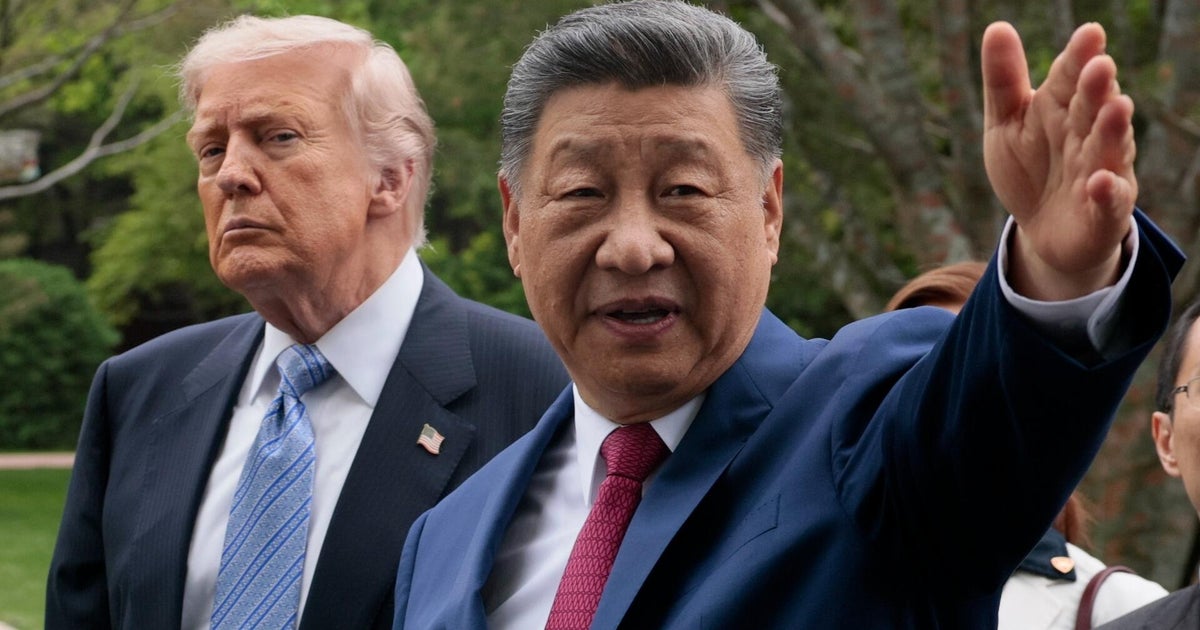
President Donald Trump visited China for three days, focusing on the complex relationship between the U.S. and China, especially about Taiwan. While in Beijing, he stayed quiet on Taiwan but later said he might reconsider a planned U.S. arms sale to Taiwan after hearing Chinese President Xi Jinping's objections.
Key Facts
President Trump visited Beijing, China, for three days in May 2026.
Chinese President Xi Jinping warned that mishandling relations regarding Taiwan could lead to conflict between the U.S. and China.
Trump did not publicly discuss Taiwan while in China but mentioned reconsidering an $11 billion U.S. arms sale to Taiwan after the trip.
The U.S. previously approved this large weapons package for Taiwan under Trump’s administration but had not yet fully moved forward with it.
Discussions during the trip also covered trade and the ongoing conflict involving the U.S., Israel, and Iran.
Trump praised China’s leader during the visit but did not challenge China’s statement about a “constructive” new approach to U.S.-China relations.
Secretary of State Marco Rubio said there was no change in the official U.S. position on Taiwan despite Trump’s silence during the trip.
Trump’s visit was noted for him being quieter than usual with the media and not using social media much while in China.
Read the Original
Want the full story? Tap a source to open the original
article.
Graham Allison, a political scientist from Harvard University, discussed the idea of the "Thucydides trap," a concept he studied. He explained that Chinese President Xi Jinping warned President Donald Trump about the tensions between the U.S. and China during their meeting in China.
Key Facts
Graham Allison is a political scientist and professor at Harvard University.
He developed the idea called the "Thucydides trap," which describes conflict risks between a rising power and an established power.
Chinese President Xi Jinping referred to this concept during talks with President Donald Trump.
The warning came during a summit held in China.
The "Thucydides trap" suggests that when a new power challenges a current power, war often happens.
Allison’s research looks at how to avoid such conflicts between countries.
Read the Original
Want the full story? Tap a source to open the original
article.
Amber Lendof Vargas, a former Spirit Airlines employee, said she was the person James Charles criticized in a viral video after she asked him for financial help following her job loss. Charles removed the video and apologized after widespread criticism from other influencers and the public.
Key Facts
Amber Lendof Vargas lost her job at Spirit Airlines during a sudden shutdown.
Vargas reached out to James Charles through a message asking for money and shared a GoFundMe link.
James Charles posted a video mocking her request, calling her lazy and entitled, then deleted it and apologized.
Influencers like Tana Mongeau and Trisha Paytas publicly condemned Charles’s initial video.
Vargas identified herself in TikTok videos responding to the controversy and rejected Charles’s apology.
Thousands of people, including Vargas, were affected by Spirit Airlines’ shutdown.
Donations to Vargas’s GoFundMe fundraiser increased after the incident.
Spirit Airlines and representatives for James Charles did not comment on the situation when contacted by Newsweek.
Read the Original
Want the full story? Tap a source to open the original
article.
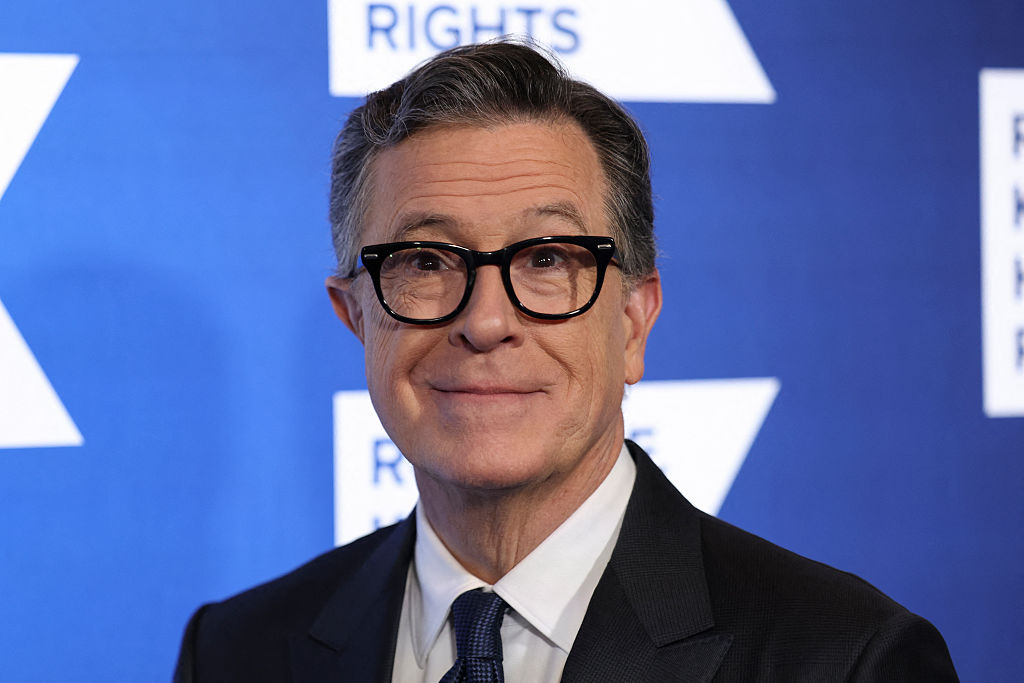
The Late Show with Stephen Colbert will end on May 21, after CBS announced the show's cancellation due to financial reasons. In its final week, the show will feature well-known guests like Jon Stewart, Steven Spielberg, and David Letterman, along with musical performances.
Key Facts
The Late Show with Stephen Colbert will end on May 21, 2024.
CBS decided to cancel the show because of financial losses, not because of low ratings or content issues.
The final week will include guests such as Jon Stewart, Steven Spielberg, Julia Louis-Dreyfus, Pedro Pascal, Tom Hanks, and David Letterman.
Musical performers in the final week include David Byrne, Bruce Springsteen, and The Strokes.
Stephen Colbert took over the show in September 2015 from David Letterman, who started it in 1993.
Colbert publicly criticized CBS’s parent company over a $16 million settlement related to a controversial interview with Vice President Kamala Harris.
CBS denies any link between Colbert’s criticism and the show’s cancellation.
Colbert said he did not expect the show to end this way but plans to approach the finale with humor rather than sadness.
Read the Original
Want the full story? Tap a source to open the original
article.
Cuba is facing increasing unrest and difficult conditions. The U.S. is considering what actions to take next, while the CIA chief recently visited the island. There is also news that Raúl Castro, a key Cuban leader, may face an official legal charge.
Key Facts
Cuba’s situation is getting worse with rising unrest among the people.
The U.S. government is deciding its next steps regarding Cuba.
The chief of the U.S. Central Intelligence Agency (CIA) recently visited Cuba.
Raúl Castro, an important Cuban political figure, is likely to be formally charged with a crime.
William LeoGrande, a professor at American University, spoke to CBS News about the situation.
The story was reported by CBS News and can be accessed through their app or website.
Read the Original
Want the full story? Tap a source to open the original
article.
British police in London are preparing a large security operation for two protests planned on the same day as the FA Cup final. A far-right group led by Tommy Robinson will hold a big march, while a smaller pro-Palestine counter protest will happen nearby, with police working to keep the groups apart.
Key Facts
Over 100,000 people are expected to join the far-right Unite the Kingdom (UTK) march led by Tommy Robinson.
A smaller pro-Palestine protest, estimated between 15,000 and 40,000 participants, will occur as a counter event.
Police will deploy around 4,000 officers, with armored vehicles and drones, mainly to manage the UTK march and separate the groups.
The marches coincide with the FA Cup final between Manchester City and Chelsea, some football hooligans reportedly plan to join the UTK protest.
The last UTK march in September attracted over 150,000 people and featured hate speech against Islam and promotion of Christian nationalism.
Police may try to charge speakers and organizers for inciting hatred or conspiracy related to the protests.
Tommy Robinson recently visited the US, where he met lawmakers and was hosted by the State Department, despite past criminal convictions.
An AI-created video promoting UTK shows Robinson as a hero and includes anti-Muslim messages.
Read the Original
Want the full story? Tap a source to open the original
article.
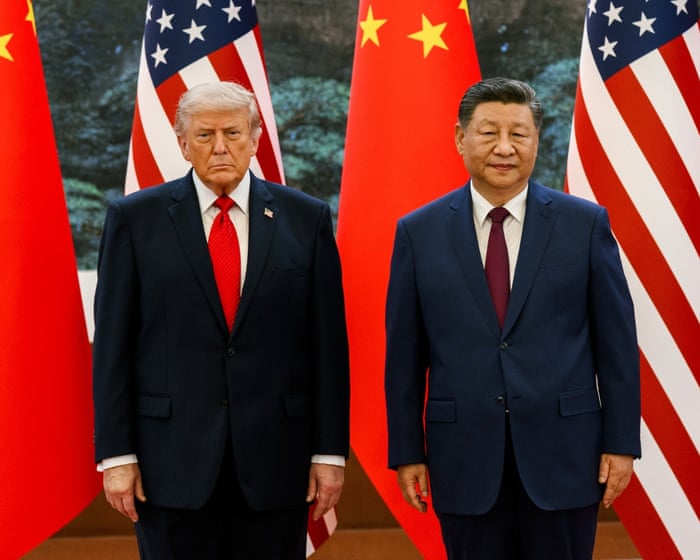
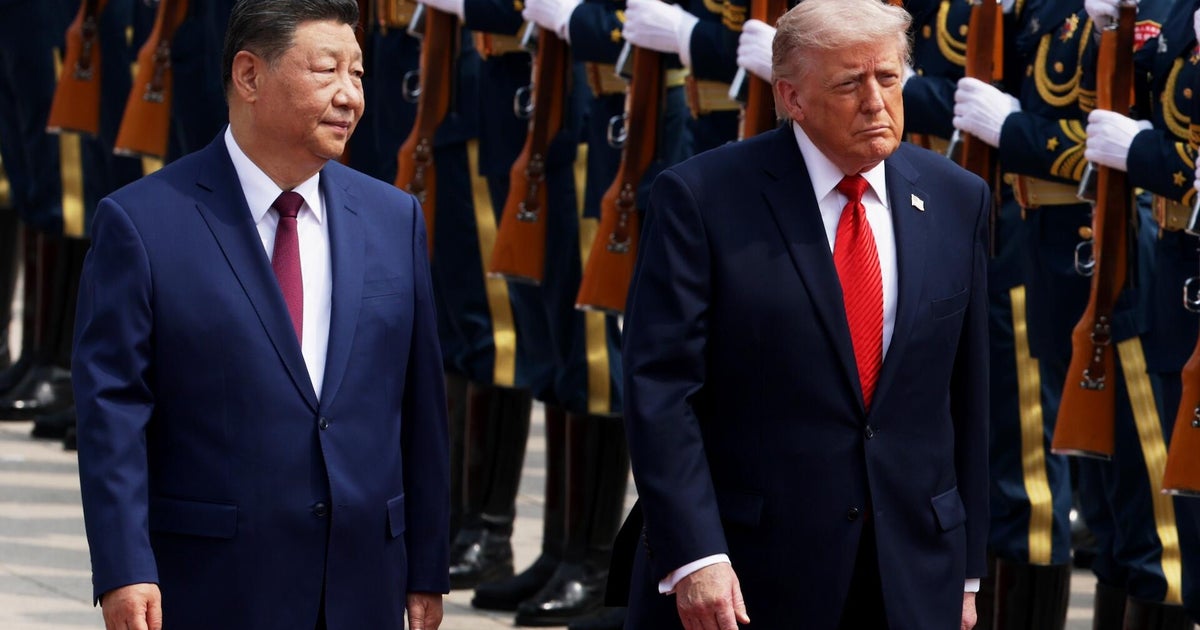
President Donald Trump visited Beijing for talks with Chinese leader Xi Jinping, aiming to stabilize the relationship between the US and China. The meeting was more about maintaining a cautious balance than making big changes, as both countries face ongoing tensions in trade, security, and global influence.
Key Facts
President Trump’s visit to Beijing included military parades and formal banquets but produced few clear results.
Former adviser John Bolton claimed Trump asked Xi Jinping for help in the US election and supported controversial policies in Xinjiang.
The US imposed high tariffs on China last year, leading to Chinese tariffs and export restrictions on rare earth materials important to the US.
The US shifted focus to the Western Hemisphere and moved military resources from Asia to the Middle East.
China continues to advance economically, technologically, and militarily, seeking to surpass the US.
Beijing recently forced Meta to undo an AI company purchase and punished companies following sanctions against Chinese firms.
China’s leader called the meeting a "milestone," but experts see it as part of a long-term competition, not a major breakthrough.
Both the US and China are cautious and waiting to see how the other moves next, while allies watch closely.
Read the Original
Want the full story? Tap a source to open the original
article.
Andy Burnham, known as a popular Labour politician, is considering returning to the UK Parliament after a Member of Parliament from Makerfield resigned. This news comes amid discussions about Labour Party leadership and political changes.
Key Facts
Andy Burnham is recognized as very popular among Labour Party members.
A Member of Parliament from Makerfield resigned, creating a vacancy.
Burnham is thinking about running for that seat in Parliament.
There are talks about possible challenges to Labour Party leader Keir Starmer.
The information was shared during a France24 spotlight segment on May 15, 2026.
The Labour Party is a major political party in the United Kingdom.
Burnham previously held political office and is well known in UK politics.
Read the Original
Want the full story? Tap a source to open the original
article.
Scientists discovered a new type of huge dinosaur in Thailand that weighed as much as nine elephants and was about 88 feet long. The dinosaur lived 100 to 120 million years ago and is the largest dinosaur found in Southeast Asia so far.
Key Facts
The dinosaur is a long-necked herbivore that weighed about 27 tons.
It lived in the area now known as Thailand around 100 to 120 million years ago.
The dinosaur is named Nagatitan chaiyaphumensis, combining a mythological serpent and a giant from Greek myths.
The fossil was first found by locals 10 years ago, but excavation finished in 2024.
Nagatitan was much bigger than the largest predator nearby, a meat-eating dinosaur about 26 feet long.
Scientists call it "the last titan" because it was found in one of the newest dinosaur rock layers in Thailand.
A life-size model of Nagatitan is on display at the Thainosaur Museum in Bangkok.
Another new dinosaur species was found in northeastern Thailand in 2023, called Minimocursor phunoiensis.
Read the Original
Want the full story? Tap a source to open the original
article.
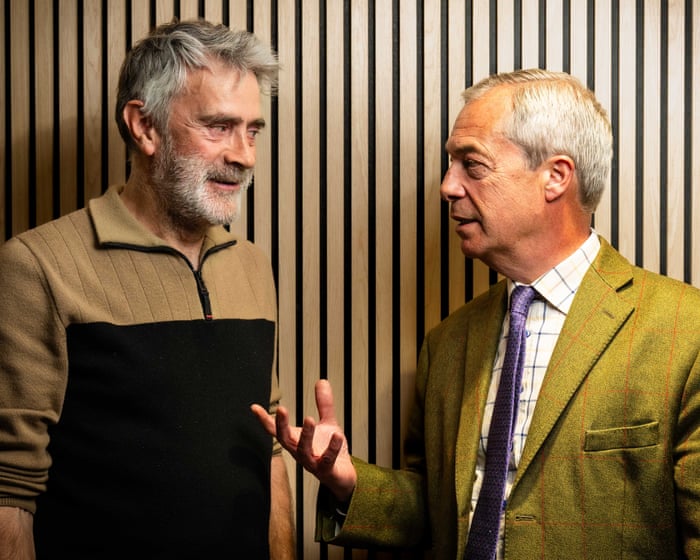
Nigel Farage, leader of Reform UK, is under investigation after receiving a £5 million gift from billionaire Christopher Harborne and buying a £1.4 million house in Surrey shortly after. The parliamentary standards commissioner has opened a formal inquiry into the money and questions are rising about how Farage finances his multiple properties.
Key Facts
Nigel Farage received a £5 million gift from crypto billionaire Christopher Harborne.
The parliamentary standards commissioner has started an official inquiry into this gift.
Farage bought a £1.4 million Grade II-listed house in Surrey soon after receiving the money.
Farage owns or lives in five properties, including homes in Surrey, Kent, and Clacton.
The Surrey house is a large historic property not intended for rental, with increased security installed.
Farage says the £5 million was for his lifetime security, but later called it a “reward” for Brexit campaigning.
Farage’s partner, Laure Ferrari, bought a house in Clacton for £885,000, but has not explained the funding source.
Farage’s property deals included purchases through his company and coincided with a £1.5 million appearance fee from a TV show.
Read the Original
Want the full story? Tap a source to open the original
article.
President Donald Trump said in an interview that he wants China and Taiwan to reduce tensions. He also said that Taiwan's sense of security should not change because of his visit to China.
Key Facts
President Trump gave an interview about China and Taiwan.
He wants both sides to "cool down" the situation.
He said Taiwan should feel no more or less secure after his visit to China.
Trump spoke about the U.S. relationship with Taiwan and its security.
The interview was with Fox News host Bret Baier.
Read the Original
Want the full story? Tap a source to open the original
article.
The United Arab Emirates is speeding up work on a new oil pipeline to increase export capacity through the port of Fujairah. This project aims to avoid using the Strait of Hormuz, a key and risky route for oil shipments in the region. The pipeline is expected to be ready by 2027 to help maintain steady oil exports despite regional tensions.
Key Facts
The UAE is accelerating the West-East Pipeline project to double oil export capacity via Fujairah.
The pipeline will bypass the Strait of Hormuz, a narrow and strategically important waterway.
The current Abu Dhabi Crude Oil Pipeline (ADCOP) runs 380 km and exports 1.5 million barrels of oil per day.
The pipeline is planned to be operational by 2027.
Regional conflicts and Iranian actions have disrupted oil shipments passing through the Strait of Hormuz.
Saudi Arabia has a similar East-West pipeline running 1,200 km from its oil fields to the Red Sea.
The UAE left OPEC to focus on its national interests and changing energy goals.
Gulf countries are building alternative routes to secure oil exports amid growing regional tensions.
Read the Original
Want the full story? Tap a source to open the original
article.
The Eurovision Song Contest is facing its biggest crisis in 70 years due to boycotts against Israel hosting the 2026 event. Politics have become a major factor in the contest, especially over the past three years.
Key Facts
Eurovision has a 70-year history as an international music competition.
The 2026 contest will be held in Israel.
Several countries or participants are boycotting the 2026 contest because of Israel’s involvement.
Political issues have increasingly influenced Eurovision recently.
The current boycott situation is described as the most serious crisis in Eurovision's history.
The information was reported by France 24 on May 15, 2026.
The controversy shows how global politics can affect cultural events like Eurovision.
Read the Original
Want the full story? Tap a source to open the original
article.
The United States has increased pressure on Cuba through economic sanctions and diplomatic efforts. Recently, CIA Director John Ratcliffe visited Havana to meet Cuban officials as part of talks to ease tensions, even while the U.S. considers indicting Cuban leader Raúl Castro over a 1996 plane shootdown incident.
Key Facts
The U.S. government asked for and received permission to send CIA chief John Ratcliffe to Cuba.
Ratcliffe met with high-ranking Cuban officials, including intelligence and interior ministers and Raúl Guillermo Rodríguez Castro.
The meetings aimed to reduce tensions after unsuccessful talks between the two countries.
The U.S. is reportedly preparing to indict Raúl Castro for the 1996 shooting down of two civilian planes operated by an anti-Castro exile group, which killed four people.
Recent U.S. sanctions target Cuba’s defense and financial sectors and include a blockade of fuel supplies.
Cuba’s energy situation is severe, with fuel shortages causing frequent blackouts lasting up to 22 hours.
The island’s economy is struggling, with protests over shortages and a decline in tourism.
The CIA is playing a more visible role in U.S. policy toward Cuba amid increased pressure from the Trump administration.
Read the Original
Want the full story? Tap a source to open the original
article.
The BRICS group of developing countries ended their meeting in India without a joint statement because of disagreements over the war involving Iran. Members had different views on the conflict in the Middle East, which caused divisions within the alliance.
Key Facts
BRICS includes Brazil, Russia, India, China, South Africa, Ethiopia, Egypt, Iran, Indonesia, and the UAE.
The meeting took place in New Delhi, with India currently leading BRICS.
Iran asked BRICS members to condemn the actions of the United States and Israel in the conflict.
Tensions rose because Iran and some Gulf countries in BRICS, like the UAE, are involved in the war.
UAE accused Iran of launching about 3,000 attacks using missiles and drones.
BRICS discussed the situation in Gaza and stated it should be part of a future Palestinian state.
The group called for reforms in international organizations like the UN to increase influence of Global South countries.
They also focused on conflicts in Sudan and Syria, urging peace talks and actions against terrorism.
Read the Original
Want the full story? Tap a source to open the original
article.
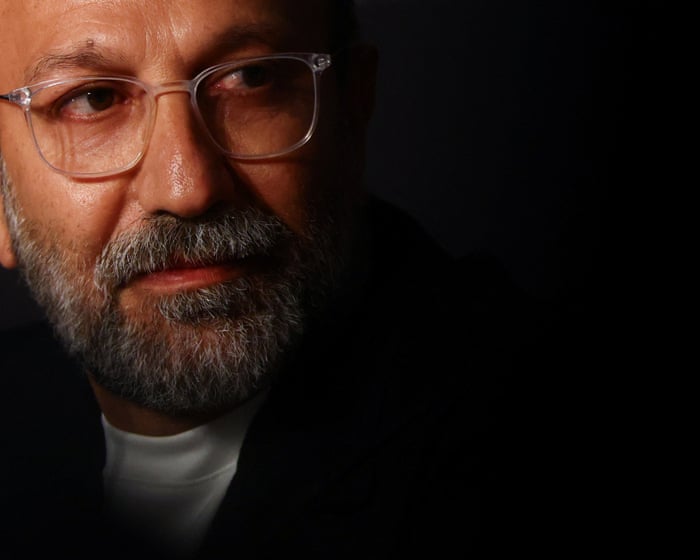
Iranian director Asghar Farhadi spoke at the Cannes film festival about the deaths of innocent civilians and protesters in Iran. He condemned all violence and killings, whether from war or state actions, calling them tragic and unacceptable.
Key Facts
Asghar Farhadi is an Oscar-winning Iranian director currently living outside Iran.
He recently attended Cannes to premiere his new film, Parallel Tales, set in Paris.
Farhadi described the deaths of civilians in Iran’s war and protesters as “extremely cruel and tragic.”
He said condemning deaths caused by war and state violence are not contradictory and must be opposed equally.
Farhadi will not make films in Iran as long as censorship exists.
He called attacks on civilian places during the war a war crime and urged filmmakers to speak out.
Farhadi boycotted the 2017 Oscars in protest of President Donald Trump’s travel ban affecting Iran.
Iranian filmmakers continue to gain recognition at Cannes while facing repression at home, with some living in exile.
Read the Original
Want the full story? Tap a source to open the original
article.
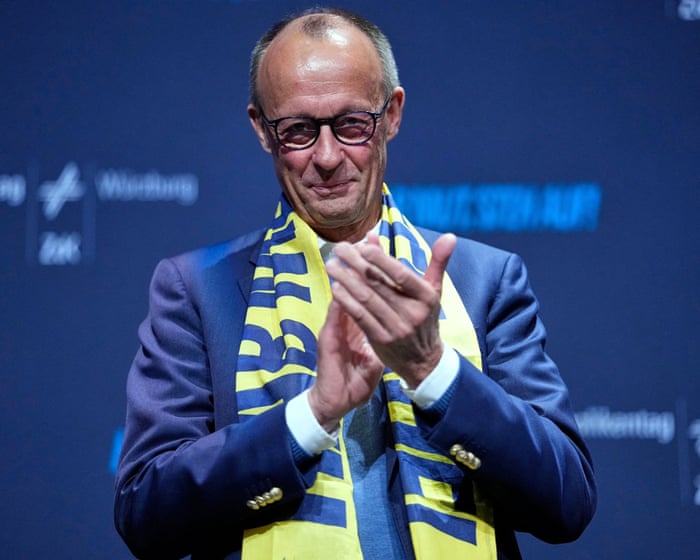
German Chancellor Friedrich Merz said he would not recommend his children study or work in the US due to its current social and political environment. His comments sparked criticism from supporters of President Trump and German politicians, highlighting ongoing tensions between the US and Germany over issues like Iran, trade, and military cooperation.
Key Facts
Chancellor Friedrich Merz expressed concern about the US social climate and said he would not advise his children to go there now.
Merz said even well-educated Americans struggle to find jobs in the current US environment.
He called Germany a land of great opportunities, especially for young people.
Merz’s remarks upset President Trump’s allies, who accused him of political bias and undermining the US.
The German far-right leader Alice Weidel criticized Merz for harming Germany’s interests with his comments.
There are ongoing disputes between the US and Europe over trade, military aid to Ukraine, and NATO issues.
Merz remains committed to working with President Trump despite recent disagreements, including over Iran.
Recently, the US announced partial troop withdrawals from Germany and raised tariffs on European cars, straining relations.
Read the Original
Want the full story? Tap a source to open the original
article.
Taiwan’s foreign affairs ministry issued a statement addressing President Trump’s recent hesitation to support a U.S. arms sale to Taiwan. The statement highlighted that the U.S. has a long-standing, consistent policy of providing arms to Taiwan despite recent discussions between President Trump and Chinese President Xi Jinping.
Key Facts
President Trump expressed hesitation about a U.S. arms sale to Taiwan after meeting with Chinese President Xi Jinping.
Taiwan quickly responded with a statement from its foreign affairs ministry.
Taiwan reminded the public and the world about the U.S.’s long-standing policy of selling arms to Taiwan.
The statement aimed to reinforce the stability and continuation of U.S.-Taiwan relations.
The timing came soon after two days of high-level meetings between the U.S. and China.
Arms sales to Taiwan are a sensitive issue given China’s opposition to these transactions.
Taiwan’s government uses such statements to maintain confidence in international support.
The situation reflects ongoing tensions in U.S.-China-Taiwan relations regarding security and diplomacy.
Read the Original
Want the full story? Tap a source to open the original
article.
Israeli and Lebanese officials continued direct talks in Washington, DC, amid ongoing Israeli attacks in southern Lebanon that killed at least seven people. The talks aim to address conflict issues, but both countries have different goals: Lebanon wants Israel to stop attacks and leave its territory, while Israel seeks the disarmament of Hezbollah and possible normalization of relations.
Key Facts
Israeli and Lebanese delegations met in Washington for the third round of talks this year.
Talks are happening despite ongoing Israeli military actions in Lebanon.
At least seven people were killed in recent Israeli attacks in southern Lebanon.
Since fighting resumed on March 2, nearly 3,000 Lebanese have died and 20 Israeli soldiers have been killed.
Lebanon demands a full end to Israeli attacks and occupation before further negotiations.
Israel wants Hezbollah, an Iran-backed group, to disarm and seeks normal relations with Lebanon.
Lebanon’s President Joseph Aoun refuses direct meetings with Israeli Prime Minister Netanyahu for now.
The April 16 ceasefire is set to expire soon, but attacks have continued despite the truce.
Read the Original
Want the full story? Tap a source to open the original
article.