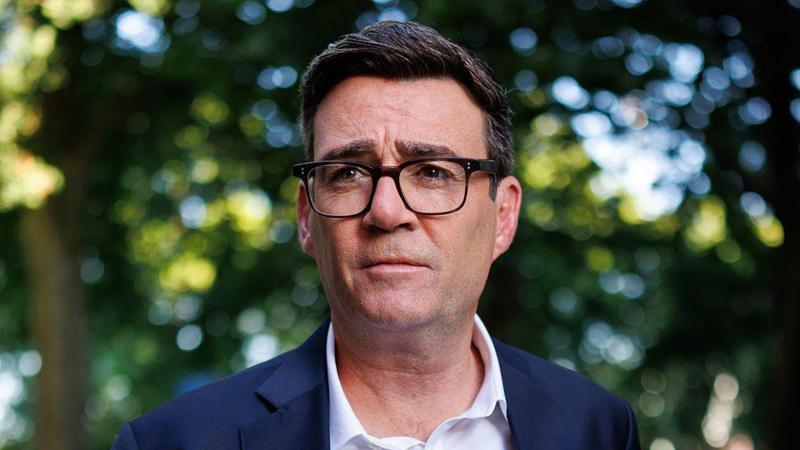
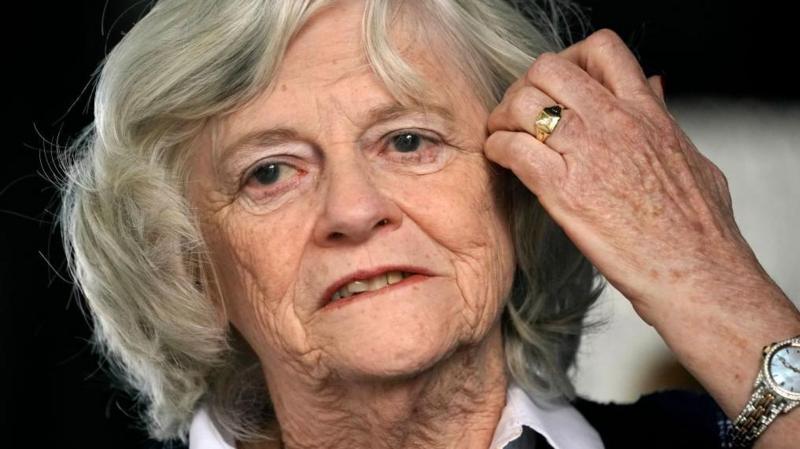
Andy Burnham called for a serious review of security for members of parliament (MPs) after the death of Ann Widdecombe, a former MP and Reform UK spokeswoman. The police are investigating her killing as a possible terrorist act, and this has sparked more discussion on how to protect politicians.
Key Facts
Ann Widdecombe, a former Conservative MP and Reform UK spokeswoman, was found dead at her home in Devon.
A 28-year-old man from Rotherham was arrested in connection with her death and later re-arrested on suspicion of terrorism-related acts.
Andy Burnham, a politician expected to become UK prime minister soon, said politics has become more dangerous and security for MPs should be reviewed.
The UK government offered a £31 million plan in 2024 to improve MPs' security after previous attacks on politicians.
Security decisions for MPs are made by Parliament's security team, not government ministers.
Reform UK leader Nigel Farage was reportedly offered but declined government-funded security last year.
Previous attacks on MPs include the murders of David Amess in 2021 and Jo Cox in 2016.
An independent committee (RAVEC) handles security for high-profile political candidates in the UK.
Read the Original
Want the full story? Tap a source to open the original
article.
Families have collected the bodies of people who died in a fire at a pub in Bangkok. Police are investigating what caused the fire and whether safety rules were broken. The fire has killed 30 people.
Key Facts
A deadly fire happened at a pub in Bangkok.
The fire caused 30 deaths.
Families have received the bodies of their loved ones.
Police are looking into the cause of the fire.
Authorities are checking if safety regulations were ignored.
The community is deeply affected by the tragedy.
Read the Original
Want the full story? Tap a source to open the original
article.
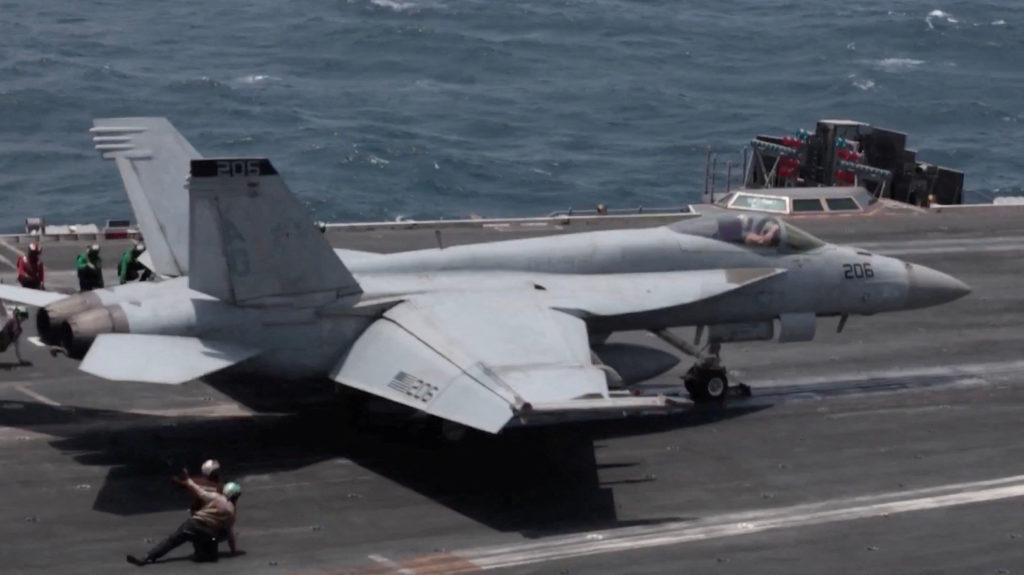
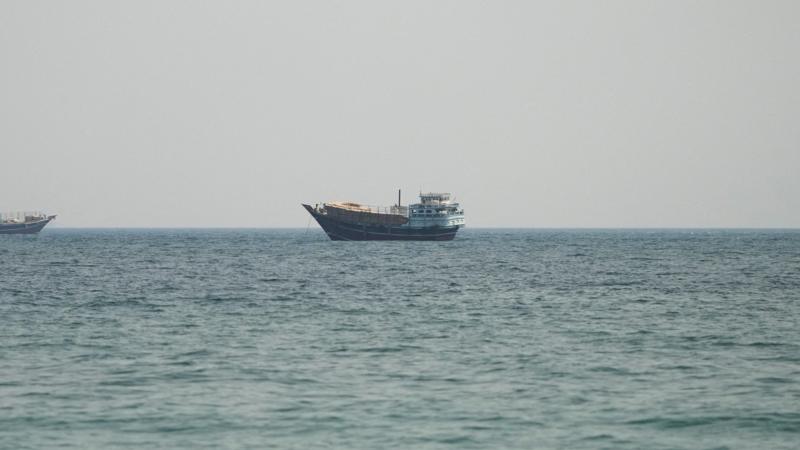
The U.S. has launched new military strikes on Iran amid rising attacks on ships in the Strait of Hormuz, a vital waterway for global energy supplies. President Donald Trump canceled plans to charge ships for using the strait after Gulf leaders offered to invest in the U.S. instead, while tensions in the region continue to increase.
Key Facts
The Strait of Hormuz is a crucial passage for about 20% of the world’s traded oil and natural gas.
The U.S. carried out strikes targeting Iran’s coastal defenses, missile sites, and maritime operations.
Iran responded with attacks on ships and targets in Bahrain, Kuwait, Jordan, and the UAE.
Two tankers, Mombasa and Al Bahiyah, were attacked, resulting in two deaths and 14 injuries.
The UAE has threatened to retaliate after its ships were attacked.
President Trump initially planned to charge ships a 20% fee to use the strait but canceled this after talks with Gulf leaders who proposed investing in the U.S. instead.
The interim peace deal to reopen the strait collapsed due to renewed fighting.
Experts say reopening the strait by force could require a large military effort, including thousands of ground troops.
Read the Original
Want the full story? Tap a source to open the original
article.
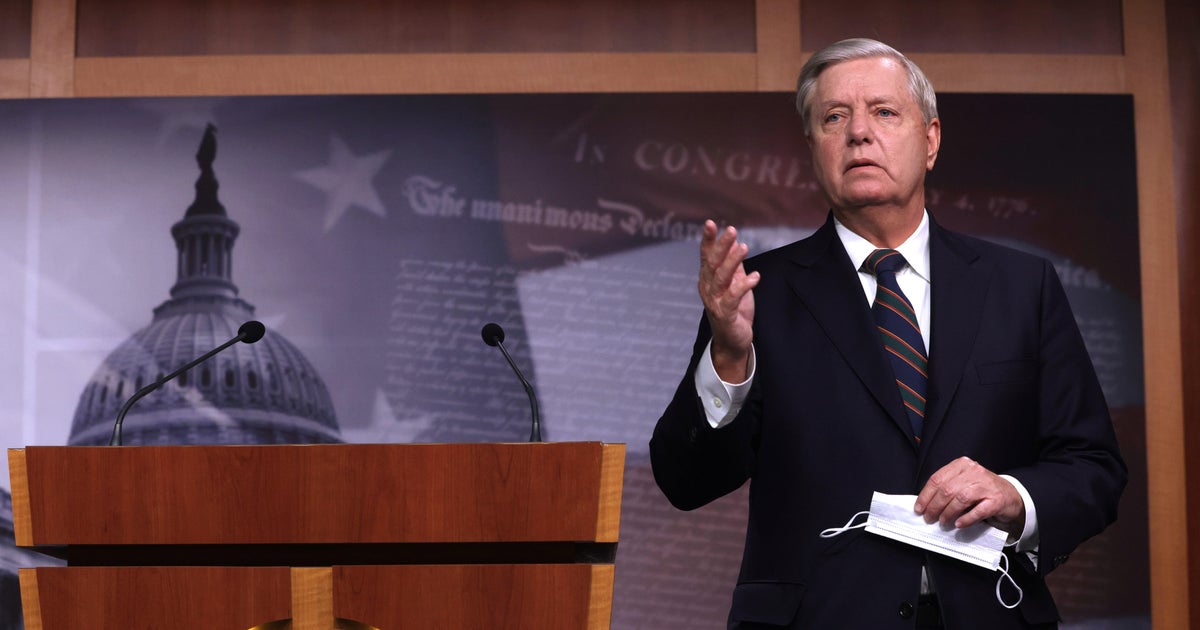
A group of U.S. senators introduced a new bill called the "Sanctioning Russia Act of 2026" to put sanctions on Russian leaders and heavy taxes on countries buying Russian oil and gas. The goal is to pressure Russia to stop its war in Ukraine by targeting its energy income and key people in the Russian government.
Key Facts
The bill imposes sanctions on Russian President Vladimir Putin, top officials, the military, banks, and energy companies.
It would block Americans from buying Russian debt or doing business with Russia’s government or energy sector.
Tariffs up to 100% would be placed on the top five buyers of Russian oil: China, India, Slovakia, Hungary, and Azerbaijan.
Tariffs would also apply to the top five buyers of Russian natural gas: China, France, Belgium, Japan, and Hungary.
Countries buying less than 15% of Russia's gas exports would be exempt from tariffs.
The U.S. would review the list of top buyers every 180 days to encourage them to find other energy sources.
President Trump can exempt certain entities from sanctions with approval to Congress.
The bill was supported by 26 senators as of Tuesday, with more expected to join.
Read the Original
Want the full story? Tap a source to open the original
article.
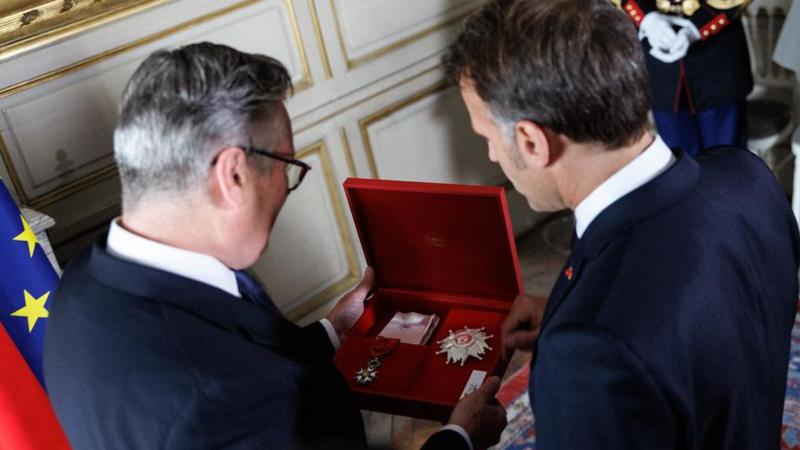
Sir Keir Starmer became the first UK prime minister to receive France’s highest honor, the Legion d’honneur. French President Emmanuel Macron gave him the award in recognition of Starmer’s support for Ukraine and European security after Russia’s invasion in 2022.
Key Facts
Sir Keir Starmer was awarded the Legion d’honneur while still serving as UK prime minister.
The award was presented by French President Emmanuel Macron during a meeting of the Coalition of the Willing.
The Coalition of the Willing is a group of countries supporting Ukraine against Russia’s invasion.
Macron praised Starmer’s decency and his commitment to the UK, Europe, and Ukraine.
Ukraine’s President Volodymyr Zelensky and German Chancellor Friedrich Merz also thanked Starmer.
About 2,000 French and 200 foreign people receive the Legion of Honour each year for outstanding merit.
The award has a long history, created by Napoleon in 1802, and has been given to notable and controversial figures.
Only one foreign leader, Manuel Noriega, has had the honor removed, along with Harvey Weinstein under Macron.
Read the Original
Want the full story? Tap a source to open the original
article.
France held a ceremony in Nice on July 14, 2026, to remember the terror attack that happened 10 years earlier. The attack in 2016 killed 86 people and injured over 400 along the city's Promenade des Anglais.
Key Facts
The terror attack in Nice occurred on July 14, 2016, during Bastille Day celebrations.
A total of 86 people were killed in the attack.
More than 400 people were injured in the incident.
The attack took place on the Promenade des Anglais, a famous walkway in Nice.
French President Emmanuel Macron attended the 10th-anniversary ceremony in Nice.
The ceremony was solemn and meant to honor the victims and survivors.
The event received coverage from France 24 and other news outlets.
Read the Original
Want the full story? Tap a source to open the original
article.
Tensions between the US and Iran have intensified around control of the Strait of Hormuz, a vital shipping route for global oil and gas. Iran insists it must control the strait and is firm on this issue, while the US demands free passage for commercial vessels, making the situation unstable.
Key Facts
The US and Iran recently signed a tentative deal, but tensions remain high.
The Strait of Hormuz is a key maritime corridor for global oil and gas shipments.
Iran interprets the deal as allowing it to control the strait, while the US expects free passage.
Iranian forces demand that vessels follow routes designated by Iran in the strait.
Some recent Iranian attacks on ships in the region are thought to be by a rogue unit within Iran’s Revolutionary Guard.
Iran’s parliament introduced a bill to strengthen control and security over the strait.
Iran sees control of the strait as a way to pressure the US and maintain economic leverage despite sanctions.
Neighboring countries like Qatar and Oman, involved as mediators, are concerned about Iran’s expanding control over the waterway.
Read the Original
Want the full story? Tap a source to open the original
article.
The U.S. military carried out airstrikes in Iran for the fourth consecutive day, aiming at new threats from Tehran. These attacks focused on military targets and happened just hours after previous strikes.
Key Facts
The U.S. military launched airstrikes in Iran on four consecutive days.
The strikes targeted what the U.S. described as "emerging threats" from Iran.
The targets were military sites in Iran.
An anonymous U.S. official confirmed the strikes to The Hill news outlet.
The airstrikes continued shortly after earlier military actions in Iran.
The U.S. did not provide detailed information about the exact targets or damage.
The situation reflects ongoing tensions between the U.S. and Iran.
Read the Original
Want the full story? Tap a source to open the original
article.
The Caricom Reparations Commission has asked the UK to return control of the British Virgin Islands to the Caribbean and wants King Charles to support ending colonial rule in Britain’s overseas territories. The commission highlighted that many Caribbean islands remain under British control despite having some local self-government.
Key Facts
The Caricom Reparations Commission represents Caribbean nations seeking justice for slavery and colonialism.
It demands the UK return the British Virgin Islands and other territories to full local control.
These British overseas territories have local governments but remain under UK-appointed governors who control defence and international matters.
The Caribbean is described as the most colonised region in the world.
The commission has launched a new manifesto calling for reparations and including the end of colonial rule as a key demand.
King Charles is set to speak at the Commonwealth meeting in November, where the Caribbean will watch for his support on decolonisation.
The commission links reparations and decolonisation as connected goals.
There are around 20 colonies in the Caribbean still controlled by Britain, France, the Netherlands, and the USA.
Read the Original
Want the full story? Tap a source to open the original
article.
The UK Foreign Office has created a new role of special envoy to help British citizens detained abroad in difficult cases. Alistair Burt has been appointed to this position to provide additional support and improve efforts to secure releases, following criticism of past government handling.
Key Facts
Alistair Burt, former Middle East minister, is the UK’s first special envoy for Britons detained overseas.
The role focuses on complex consular cases and aims to support British nationals facing welfare, legal, or human rights issues abroad.
This appointment responds to criticism over inconsistent support for detained Britons, including Nazanin Zaghari-Ratcliffe, held for six years in Iran.
The role was inspired by the US’s special envoy for hostages, which has been seen as more effective in securing releases.
The Foreign Office delayed appointing the envoy for over a year due to concerns about interfering with diplomatic relations.
Labour had promised a legal right to consular assistance for British citizens facing human rights violations, but no law has been passed yet.
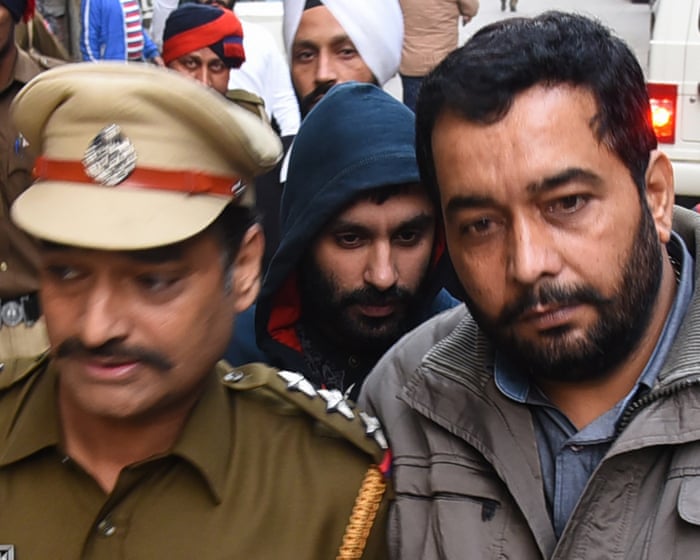
Critics say success depends on strong government backing and determination to bring detained Britons home, such as Jagtar Singh Johal in India.
Foreign Secretary Yvette Cooper supports the appointment and expects Burt to improve support for detainees and their families.
Read the Original
Want the full story? Tap a source to open the original
article.
A military expert warns that the United States could face increasing military conflict if it sends ground troops to Iran. This is because Iran still has many ballistic missiles that could be used in response.
Key Facts
The expert is Alex Alfirraz Scheers, a military and defense analyst.
He says the US risks an "escalation trap" if it attacks Iran on the ground.
An escalation trap means a conflict gets worse and harder to control.
Iran has a large number of ballistic missiles ready.
These missiles could make any US ground assault more dangerous.
The warning focuses on the military risks of US actions in Iran.
Read the Original
Want the full story? Tap a source to open the original
article.
Tensions between the US and Iran continue in a cycle of conflict, talks, and brief ceasefires. After a 60-day ceasefire ended on July 8, missile attacks and threats over the strategic Strait of Hormuz have increased, raising concerns about possible wider conflict and oil price rises.
Key Facts
A 60-day ceasefire between the US and Iran ended on July 8, 2026.
The conflict began with a US and Israeli attack on February 28, which killed Iran’s Supreme Leader.
Iran is using control over the Strait of Hormuz, a key oil shipping route, as leverage against the US.
President Trump initially threatened a 20% tax on commercial ships passing the Strait but later withdrew the threat.
Missile attacks have increased in the Gulf region since the ceasefire ended.
Crude oil prices rose to their highest level in four weeks due to the instability.
Experts question why the cycle of war followed by talks repeats without a lasting peace.
The situation is causing global concern because it affects international trade and security.
Read the Original
Want the full story? Tap a source to open the original
article.
Staying informed here is free for everyone. If it's worth something to you, pay what you want. Supporters also get the daily digest by email every morning.
President Trump has withdrawn his previous plan to charge a 20 percent fee on ships passing through the Strait of Hormuz, a key waterway near Iran. Instead, he said Gulf countries will invest in the U.S. through trade and investment deals after talks with Middle Eastern leaders.
Key Facts
President Trump initially announced a 20 percent transit fee on ships in the Strait of Hormuz but reversed this decision the next day.
The fee was meant as reimbursement for U.S. costs to keep the area safe, but details on enforcement were unclear.
Trump replaced the fee plan with promises of large trade and investment deals from Gulf countries.
The Strait of Hormuz is an important international waterway where the U.S. does not have control.
Fighting between the U.S. and Iran has escalated, with recent attacks reported in several Iranian cities and on vessels in the area.
A U.S. military blockade of Iran was set to restart after being previously lifted under a June agreement.
Iran has vowed to continue attacks on U.S. assets in the region.
Several Gulf states had already pledged multibillion-dollar investments in the U.S. before the recent conflict began.
Read the Original
Want the full story? Tap a source to open the original
article.
Members of the UK Parliament (MPs) face a rising number of threats and attacks, including death threats and violent incidents. These threats have increased in recent years, causing serious concern about the safety of politicians and possibly discouraging people, especially women and minorities, from entering politics.
Key Facts
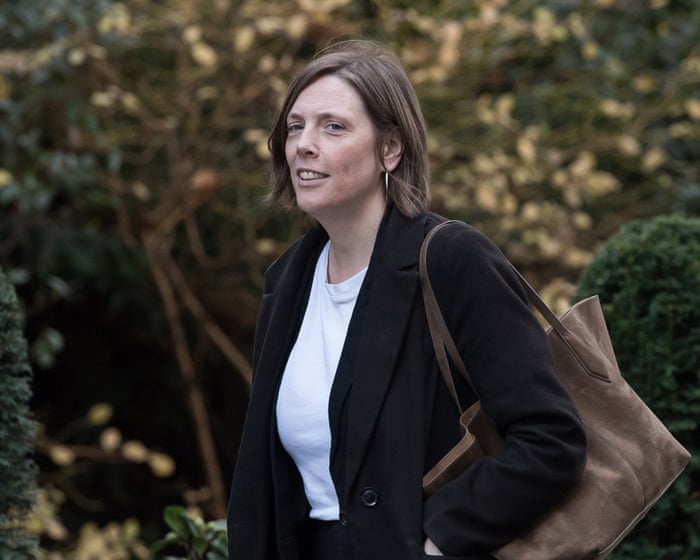
MP Jess Phillips received over 600 rape threats in one night and has faced several violent incidents, including a forced office entry in 2019.
Nigel Farage reported getting more than 300 threats each month, and Reform UK recorded 1,577 threats against Farage’s leader since February.
MPs reported 4,064 crimes to the police between 2019 and 2025, with the number increasing from 364 in 2019 to 976 in 2025.
Death threats reported in 2025 rose to 50 from 31 the previous year.
Female MPs and MPs from minority backgrounds are targeted more often than others.
The murders of two MPs in the past decade – Jo Cox in 2016 and David Amess in 2021 – highlight the real dangers MPs face.
Threats and abuse have made some politicians reconsider running for office, including Treasury Chief Secretary Lucy Rigby.
New safety measures, such as a national protection unit, have been introduced to help keep MPs safe.
Read the Original
Want the full story? Tap a source to open the original
article.
Two wildfires have burned more than 2,000 hectares in the Fontainebleau Forest, located south of Paris. Authorities say the fires are now contained, meaning they are confined within a set area, but they are not fully put out yet.
Key Facts
The fires started on Sunday and affected over 2,000 hectares of forest.
The location of the fires is the Fontainebleau Forest, south of Paris, France.
"Contained" means the fires are limited to a specific area but still burning.
Firefighters will stay at the site for several days or weeks to manage the situation.
Local official Pierre Ory provided the information on Tuesday evening.
The cause of the fires is suspected to be arson by French police.
Fontainebleau Forest is a historic and environmentally important area.
The situation is being closely monitored as part of France's response to wildfires.
Read the Original
Want the full story? Tap a source to open the original
article.
Astronomers have found a type of sugar called erythrulose in the thin clouds of gas and dust between stars in our galaxy. This sugar is one of the most complex detected in space and could help explain how life began on Earth and whether life might exist elsewhere in the universe.
Key Facts
Erythrulose is a sugar also used in raspberries and self-tanning products.
It was detected in the interstellar medium, the space between stars filled with gas and dust.
Researchers used two radio telescopes in Spain to observe a large gas cloud near the Milky Way’s center.
The sugar was identified by matching telescope signals to lab samples.
This discovery was published in the journal Nature Astronomy.
Scientists have found other sugars and life-building molecules in space, including near where NASA’s Voyager spacecraft passed.
The sugar can convert to forms thought to be important for starting life on Earth.
The finding supports the idea that key ingredients for life existed in space before our solar system formed.
Read the Original
Want the full story? Tap a source to open the original
article.
President Donald Trump changed his earlier decision to charge a 20% toll on ships passing through the Strait of Hormuz. He also stated that the U.S. military does not need to be present in Iran.
Key Facts
President Trump initially planned to impose a 20% toll on ships going through the Strait of Hormuz.
He later reversed that decision and will not charge the toll.
President Trump said the U.S. military does not need to remain inside Iran.
The Strait of Hormuz is a key waterway for global oil shipments.
This change in policy was reported on by CBS News correspondents.
The update affects U.S. strategy and presence in the Middle East.
The announcements were made publicly on a Tuesday.
Read the Original
Want the full story? Tap a source to open the original
article.
Anne Widdecombe, a former Conservative minister and Reform UK spokeswoman, was killed in a targeted attack at her home in Devon. Police arrested a 28-year-old man suspected of murder and possible terrorism, but they have not yet declared the incident terrorist-related and are still investigating the motive.
Key Facts
Anne Widdecombe was found dead at her home on July 9 with serious injuries.
A 28-year-old white British man was arrested in Rotherham in connection with the murder.
Police have a warrant under the Terrorism Act to hold the suspect for up to seven days.
The attack is described as "targeted," but the exact motive is still unknown.
Counter Terrorism Police have taken over the investigation from local police.
The suspect was not known to the government's Prevent anti-terrorism program.
Police are investigating whether the suspect targeted other Reform UK figures or if there is foreign involvement.
Officials urge the public not to speculate on the motive while the investigation continues.
Read the Original
Want the full story? Tap a source to open the original
article.
Each summary links back to the original reporting, so you can check the work. Support that, and get the daily digest every morning. Most choose $3.99/month.
The UK government is advising people to take small steps to be ready for possible national emergencies like bad weather, cyber-attacks, or disruptions in water and power. Officials say threats such as climate change, wars, and advanced technology increase the risk of serious problems. The government plans public campaigns and large defense exercises to improve readiness.
Key Facts
The UK warns of risks from climate change, cyber-attacks, and severe weather causing significant service disruptions.
New threats added to the UK’s national risk register include foreign interference, cyber-attacks on infrastructure, and technology outages.
Artificial intelligence could help criminals launch more complex cyber-attacks.
Research shows the UK lags behind European countries in stockpiling essential supplies like medicines.
June 2024 heatwave in England and Wales caused an estimated 440 deaths per day during the highest temperatures.
The government will launch a public campaign to help people prepare for emergencies affecting power, water, phone signals, and food access.
In 2027, the UK will hold its biggest-ever national home defense exercise to practice responses against hybrid threats, including attacks from Russia.
Officials stress that Russia poses a direct threat to the UK homeland, not just NATO’s eastern borders.
Read the Original
Want the full story? Tap a source to open the original
article.
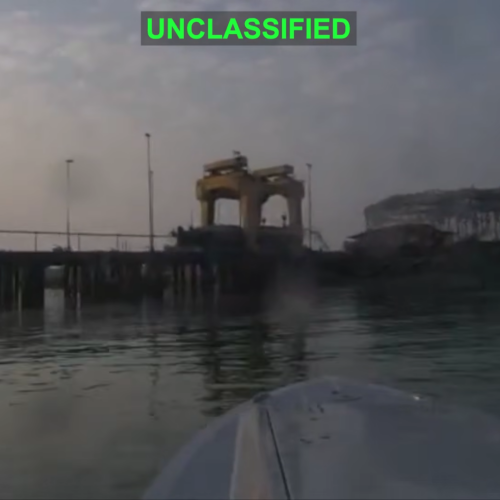
The US military used explosive drone boats in combat for the first time, attacking an Iranian midget submarine and naval base on July 12. These unmanned boats, called Corsair drones, can operate by themselves and carry explosives to targets at sea.
Key Facts
The attack targeted an Iranian midget submarine and a ship maintenance facility at Bandar Abbas Naval Base.
The drones were autonomous surface vessels developed by Saronic Technologies in Austin, Texas.
Each drone boat is about 24 feet long and can carry up to 1,000 pounds for over 1,000 nautical miles at speeds over 34 knots.
The drones can navigate, patrol, and manage power without direct human control.
This was the first time US forces used drone boats in combat operations, according to US Central Command.
Earlier, the US used a similar drone boat to rescue two helicopter pilots off Oman in June 2026.
Explosive drone boats have been used by other groups like Iran-backed Houthis since 2017 and Ukraine since Russia’s invasion in 2022.
Ukraine’s drone boats have helped limit Russia’s naval operations in the Black Sea through attacks on warships and support vessels.
Read the Original
Want the full story? Tap a source to open the original
article.