Fact-first summaries of your favorite news sources — stay informed without the doomscroll.
Your favorite news sources, one calm feed — fact-first summaries that always link to the
original story. No outrage bait, and we tell you when you're caught up. How it works
World News
Comprehensive coverage of international news and global events
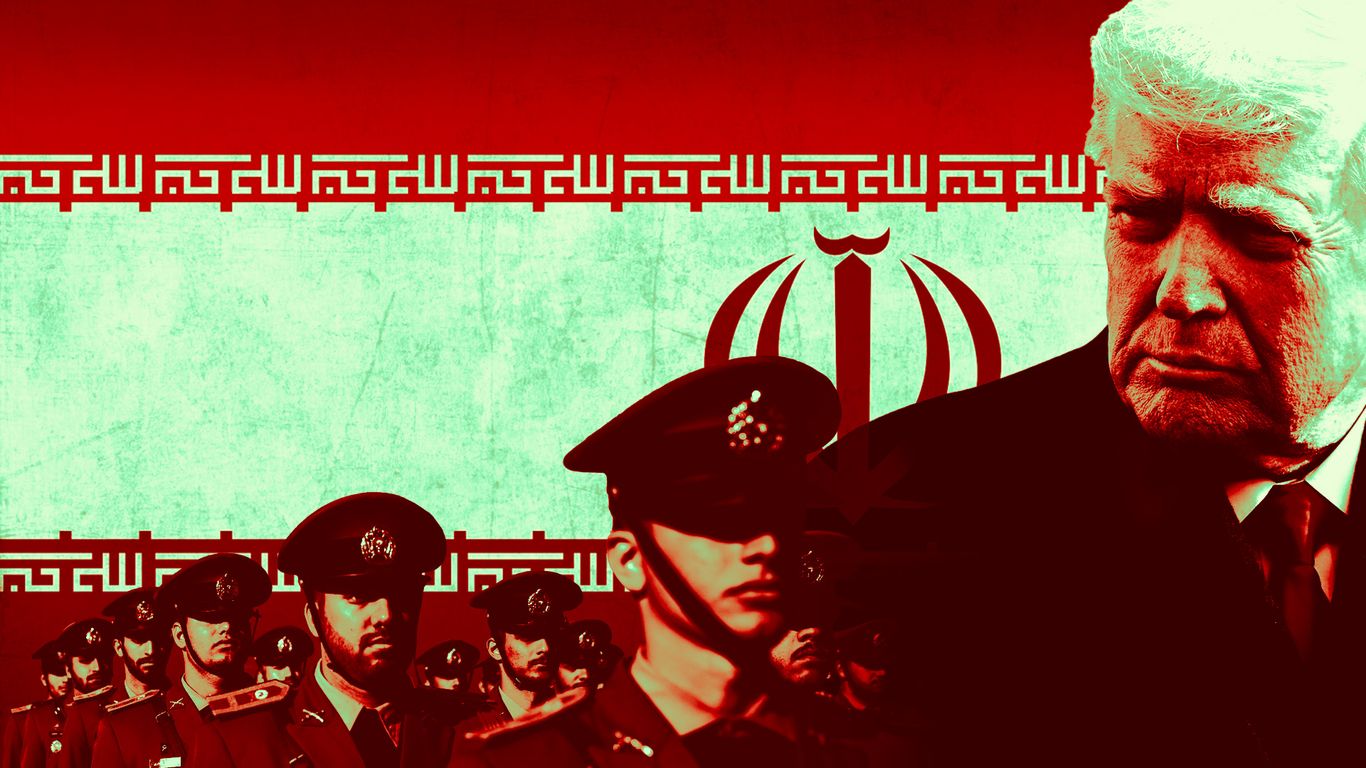
The United States has stopped escorting commercial ships through the Strait of Hormuz, just one day after starting, according to President Donald Trump. He said this pause aims to support progress toward a peace deal with Iran.
Key Facts
The U.S. began escorting commercial ships through the Strait of Hormuz but paused this operation after one day.
President Donald Trump announced the pause to encourage progress in negotiations with Iran.
The Strait of Hormuz is a key waterway for global oil shipments.
The move follows ongoing tensions and incidents between the U.S. and Iran in the Middle East.
President Trump is seeking a better agreement with Iran than what was made during the Obama administration.
There have been recent attacks and warnings involving Iran and U.S. forces in the Gulf region.
The situation is part of a broader set of challenges in Middle East security and diplomacy.
Read the Original
Want the full story? Tap a source to open the original
article.
Three people infected with hantavirus were taken off a cruise ship anchored near Cape Verde for treatment, according to the World Health Organization (WHO). The rare Andes strain, which can spread between people, was confirmed, and health experts are monitoring contacts to prevent a wider outbreak.
Key Facts
Three infected individuals (two crew members and one passenger) were evacuated from the MV Hondius cruise ship near Cape Verde.
The hantavirus strain involved is the Andes strain, the only type known to spread between humans.
One of the three infected people has no symptoms, and all are reported stable.
Two infectious disease doctors from the Netherlands were sent to assist on the ship.
The cruise ship departed Argentina on April 1 and has been held off Cape Verde since Sunday.
Three deaths occurred on the ship due to hantavirus, confirmed by Geneva University Hospital.
A Dutch woman who showed symptoms left the ship and later died in Johannesburg, where contact tracing is ongoing.
The Swiss health ministry reported a cruise passenger hospitalized with hantavirus in Zurich.
Cape Verde authorities have kept some passengers and crew in isolation, denying the ship docking permission.
Read the Original
Want the full story? Tap a source to open the original
article.
Japan has changed its rules to allow the sale of weapons like missiles and warships, ending an 80-year limit to only nonlethal equipment. This move supports stronger defense ties with the U.S. and allies like Australia, aiming to counter China’s growing military pressure in the Indo-Pacific region.
Key Facts
Japan lifted its ban on exporting lethal weapons under Prime Minister Sanae Takaichi.
Weapons sales will be approved individually by Japan’s National Security Council and only to friendly countries.
Japan’s military budget has increased by 60% over four years, now about 2% of its GDP.
Japan supports a free and open Indo-Pacific, promoting freedom of navigation, sovereignty, and infrastructure quality.
The U.S. President Donald Trump supports Japan’s new defense approach as part of regional security efforts.
Japan is helping maintain a network of U.S.-led alliances in Asia, including deals like a $7 billion contract to supply warships to Australia.
Japan plans to use new missiles primarily for defensive counterattacks if attacked.
Japan’s location is strategically important for limiting China’s expansion into the Pacific Ocean.
Read the Original
Want the full story? Tap a source to open the original
article.
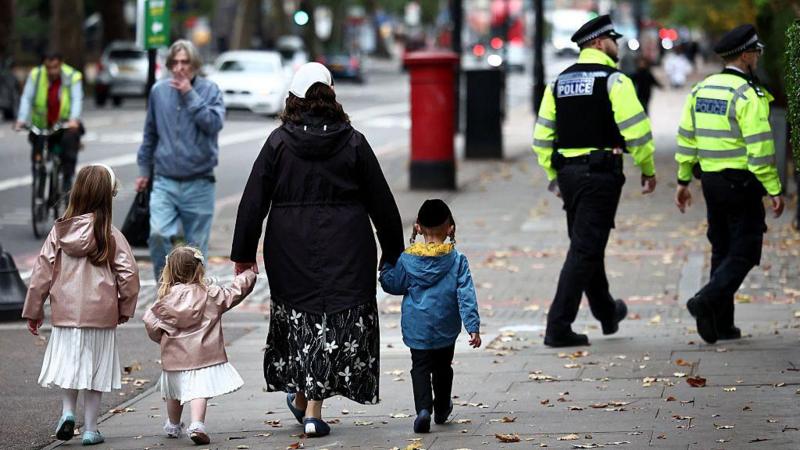
The Metropolitan Police in London has formed a new team of 100 officers to protect Jewish communities after recent attacks, including arson and a stabbing. The team will focus on antisemitic threats but may also help protect other groups facing increased hate crimes.
Key Facts
A new Community Protection Team of 100 officers will work to protect London’s Jewish communities.
The team includes officers from neighborhood policing, specialist protection, and counter-terrorism.
Recent attacks include arson on Jewish sites and a stabbing in Golders Green treated as terrorism.
About 50 arrests have been made related to antisemitic hate crimes; eight people have been charged.
The Community Security Trust, a charity protecting British Jews, supports the police action.
The UK government provided £25 million for protective policing, with £18 million given to the Metropolitan Police.
The police plan to use this team as a model to protect other communities facing hate crime increases.
The police continue efforts against all hate crimes, including those motivated by race, religion, and sexual orientation.
Read the Original
Want the full story? Tap a source to open the original
article.
The U.S. and Iran are close to agreeing on a short memorandum to end the war and begin detailed talks on nuclear issues. The deal would include Iran pausing nuclear enrichment, the U.S. lifting sanctions and releasing frozen funds, and easing limits on shipping through the Strait of Hormuz.
Key Facts
The agreement under discussion is a one-page memorandum of understanding (MOU) with 14 points.
Iran would agree to pause uranium enrichment for at least 12 years, while the U.S. initially wanted 20 years.
The U.S. would gradually lift sanctions and release billions in frozen Iranian funds.
Both sides would ease restrictions on shipping through the Strait of Hormuz during a 30-day negotiation period.
Iran would commit to not seeking nuclear weapons and allow enhanced inspections, including sudden UN checks.
There is discussion about Iran removing highly enriched uranium, potentially sending it to the U.S.
President Trump decided to halt a military operation in the Strait of Hormuz due to progress in talks.
Talks are being led by envoys Jared Kushner and Steve Witkoff, possibly continuing in Islamabad or Geneva.
Read the Original
Want the full story? Tap a source to open the original
article.
The UK government plans to introduce new laws to punish people who carry out antisemitic attacks on behalf of foreign groups, like those linked to Iran, with up to 14 years in prison. The law will let the home secretary label these foreign groups as intelligence services, helping police to stop violence and hatred against the Jewish community.
Key Facts
People involved in antisemitic attacks linked to foreign powers can get up to 14 years in jail.
The home secretary will have power under the National Security Act to declare proxy groups as foreign intelligence services.
Offenders can be punished even if they don’t know who is directing them.
The government wants to stop groups recruiting criminals on social media to commit terrorism and sabotage.
Antisemitic attacks, including arson and stabbings, have increased recently in UK Jewish communities.
Police are adding more officers and fast-tracking hate crime cases to protect the Jewish community.
The law targets groups connected to Iran’s Islamic Revolutionary Guard Corps and similar organizations.
The UK prime minister officially blamed Iran for encouraging violence and hate in the country.
Read the Original
Want the full story? Tap a source to open the original
article.
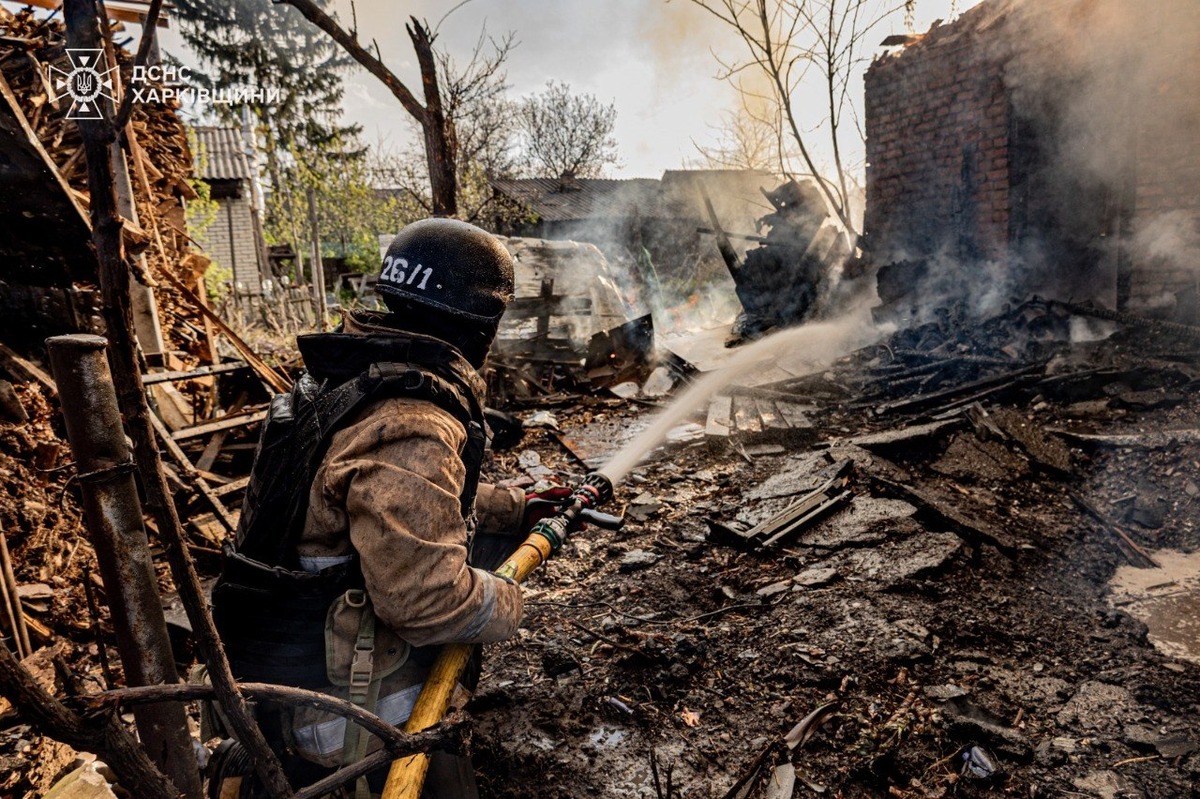
Russia and Ukraine both announced ceasefires in early May, but fighting continued soon after they took effect. Russia launched missile and drone attacks on Ukraine, causing deaths and damage, while Ukraine reported intercepting many Russian attacks. The conflict persisted despite calls for peace around the anniversary of World War II victory celebrations.
Key Facts
Russia declared a two-day ceasefire on May 8 and 9; Ukraine declared a ceasefire from midnight May 6 to May 8.
Minutes after Ukraine’s ceasefire started, Russia attacked with ballistic missiles and drones.
At least one person was killed in Sumy region after a Russian bomb hit a car.
Russian drone strikes damaged homes and caused injuries in Kharkiv.
Ukrainian officials reported 12 people killed and 43 injured in an attack on Zaporizhzhia.
Russia claimed to have intercepted 53 Ukrainian drones over its territory in a 11-hour period.
The Kremlin scaled back its Victory Day military parade due to security concerns.
Ukrainian President Zelensky urged Russia to take real steps to end the war.
Read the Original
Want the full story? Tap a source to open the original
article.
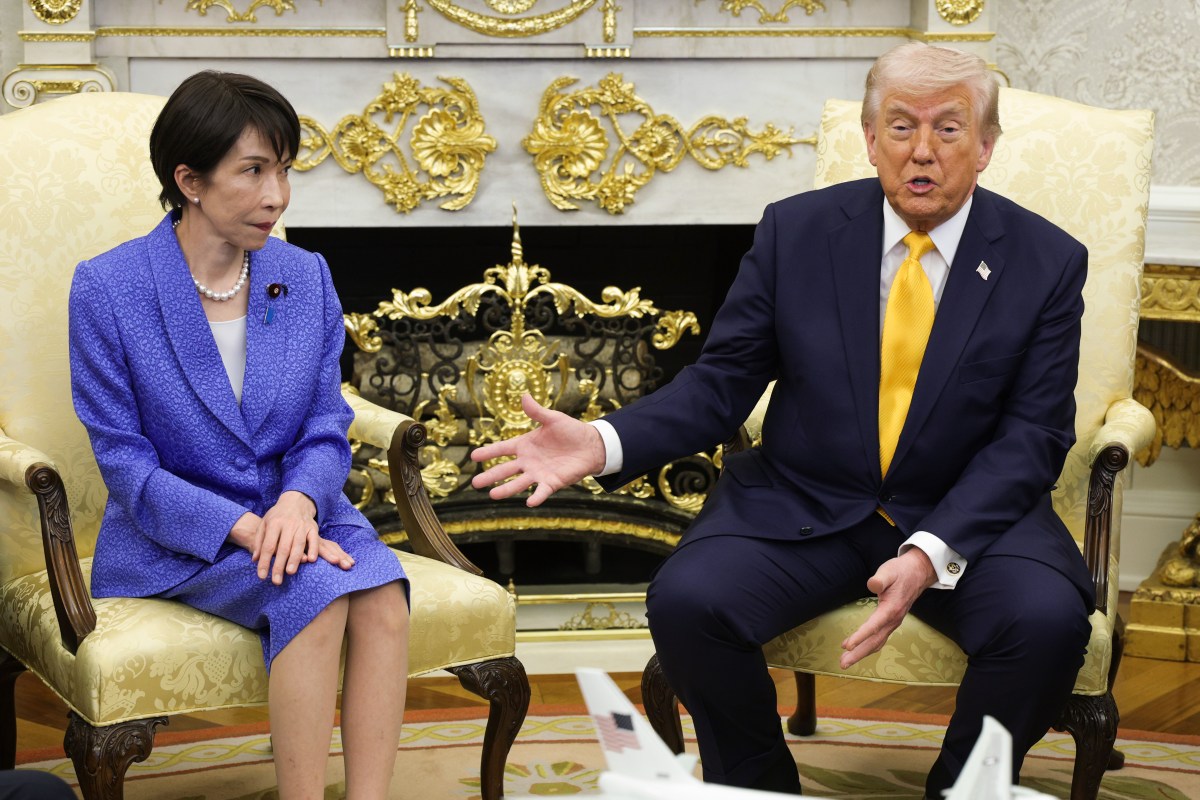
Tensions are growing between the United States and Germany over the handling of the war involving Iran. Germany is moving to strengthen its military role in Europe while the U.S., under President Trump, plans to reduce the number of American troops stationed in Germany.
Key Facts
German Chancellor Friedrich Merz criticized President Trump’s approach to Iran, calling it ineffective.
President Trump announced the withdrawal of 5,000 U.S. troops from Germany, including a brigade stationed in Bavaria.
Germany sent naval vessels to the Mediterranean near the Strait of Hormuz, linked to the conflict with Iran.
The U.S. has heavily relied on German military bases for operations in the Middle East.
Troop withdrawals bring U.S. numbers in Germany back to pre-Ukraine invasion levels in 2022.
Plans to station long-range missile systems in Germany have been uncertain, with no official U.S. cancellation announced.
Germany hosts important U.S. military commands and facilities, such as Ramstein Air Base, crucial for drone operations.
About 20 U.S. nuclear weapons remain stationed in Germany, a subject of debate.
Read the Original
Want the full story? Tap a source to open the original
article.
A fire happened at a shopping centre west of Iran’s capital, killing eight people and injuring 36 others. The cause of the fire is not yet known, and officials are investigating.
Key Facts
The fire took place in a shopping centre west of Tehran, Iran’s capital.
At least eight people died because of the fire.
Thirty-six people were hurt in the incident.
The cause of the fire is still unknown.
Iranian authorities are looking into how the fire started.
Read the Original
Want the full story? Tap a source to open the original
article.
A group of 13 Australians, including four women and nine children, is expected to return from Syria to Australia soon. Some women will be arrested for alleged links to the armed group ISIL (also called ISIS), while the children will receive psychological help and support.
Key Facts
Thirteen Australians (four women and nine children) are arriving from Syria to Melbourne and Sydney airports.
Australian police say some women will be arrested because of suspected connections to ISIL.
The children will get psychological support and programs to help them reintegrate into the community.
The group had been living in the Roj camp in northeastern Syria.
Home Affairs Minister Tony Burke said returning women will face prosecution if they committed crimes.
The Australian government did not help with the group’s return but said it cannot always stop citizens from coming back.
Australia has been investigating people who traveled to Syria to join ISIL since 2015.
A UN expert urged Australia to protect the welfare of returning women and children and to use fair law enforcement actions.
Read the Original
Want the full story? Tap a source to open the original
article.
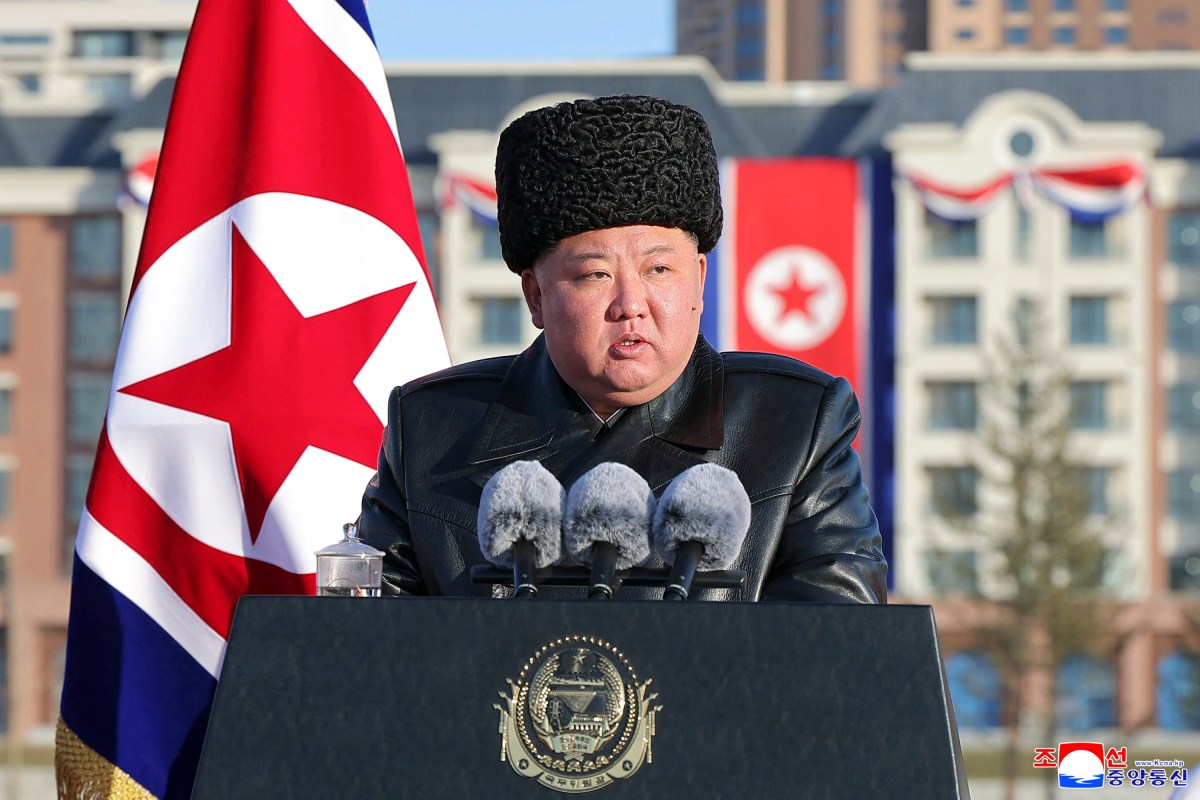
North Korea has changed its constitution to remove mentions of reunifying with South Korea. This change shows North Korea’s new stance that both countries will remain separate states, signaling a more hostile approach toward South Korea.
Key Facts
North Korea’s latest constitution no longer includes the goal of reunifying with South Korea.
The change was made at a meeting of North Korea’s legislature, the Supreme People’s Assembly, in March.
This marks the first time North Korea added a territorial clause to its constitution.
North Korea’s leadership, under Kim Jong Un, now formally commands its nuclear weapons according to the new constitution.
Removing reunification language hardens the political divide and reduces opportunities for dialogue between North and South Korea.
The shift complicates U.S. diplomacy by making future agreements more fragile and supports the idea that North Korea is a permanent nuclear state.
This change may increase tensions in the region and pressure the U.S. to strengthen its military alliances with South Korea and Japan.
South Korea’s President Lee Jae Myung has called for dialogue, but North Korea has rejected these efforts.
Read the Original
Want the full story? Tap a source to open the original
article.
Sally Field talks about her role as Tova in the Netflix film Remarkably Bright Creatures, which is based on a popular book about loneliness, loss, and a bond with an octopus. She shares why she was drawn to this story about an older woman and discusses her personal experience of adopting a dog just before the pandemic.
Key Facts
Sally Field stars as Tova in the Netflix film Remarkably Bright Creatures.
The film is based on a bestselling book about loneliness and a unique friendship between a woman and a giant Pacific octopus.
The octopus, named Marcellus, serves as the narrator of the story, voiced by Alfred Molina in the film.
Sally Field is interested in roles featuring older women, which she says are rare in movies.
She finds stories about aging, loss, and moving forward important and meaningful.
Field adopted a small dog called a Cavapoo in early 2019, shortly before the COVID-19 pandemic started.
Her dog became a source of companionship during pandemic shutdowns when family visits were limited.
Read the Original
Want the full story? Tap a source to open the original
article.
Syrian authorities said they arrested a cell linked to Hezbollah that was planning to kill senior government officials. Hezbollah denied these claims and called them false. The arrests happened during security raids in several Syrian regions.
Key Facts
Syrian Ministry of Interior conducted simultaneous raids in Damascus countryside and provinces Aleppo, Homs, Tartous, and Latakia.
The arrested group is described by Syria as a Hezbollah-affiliated cell trained in Lebanon.
The cell allegedly planned assassinations of high-level Syrian government officials.
Syrian authorities seized weapons, including explosives and rocket-propelled grenades (RPGs).
Photos of 11 suspects were released, including the supposed leader of the planned attacks.
Hezbollah rejected the accusations, denying any presence in Syria and calling the claims false.
Hezbollah was a close ally of former Syrian President Bashar al-Assad and played a major role in Syria’s past conflict.
Read the Original
Want the full story? Tap a source to open the original
article.
Lawrence Gostin, director of the WHO Center on Global Health Law, warned against repeating the mistakes made during the COVID-19 pandemic by keeping people confined on cruise ships without proper medical care. He spoke about a current situation involving a cruise ship near Cape Verde suspected of carrying hantavirus cases, emphasizing the need for better international responses.
Key Facts
Lawrence Gostin is the director of the WHO Center on Global Health Law.
A cruise ship near Cape Verde is carrying people suspected of having hantavirus.
Hantavirus is a virus spread by rodents that can be fatal and has no specific cure.
During the COVID-19 pandemic, many cruise ships were stranded at sea, causing hardship to passengers due to lack of medical care and unclear disembarkation plans.
Gostin says the international community should not repeat this mistake.
Proper medical care and plans to get people off ships quickly are essential in such health emergencies.
The warning highlights ongoing challenges in balancing health risks and human rights during infectious disease outbreaks.
Read the Original
Want the full story? Tap a source to open the original
article.
A royal commission in Australia heard about rising violent antisemitic abuse targeting a Jewish political candidate and the broader Jewish community. Incidents include online threats, school bullying, and violent threats against Jewish events, highlighting ongoing challenges faced by Jewish Australians.
Key Facts
Joshua Kirsh, a Jewish candidate for the New South Wales upper house, experienced aggressive antisemitic abuse on social media during his campaign.
The abuse included harsh language, conspiracy theories, and threats aimed at intimidating Jewish Australians from public roles.
In 2019, a Jewish student event to celebrate Purim faced a serious gun violence threat, which was reported to police and security groups.
A Jewish boy, aged 13, was bullied at school with antisemitic slurs, physical violence, and Nazi gestures, leading his family to change schools.
The affected family reported little support from the school, which downplayed the bullying as "play fighting."
Antisemitic behavior continues in new schools and public spaces, showing persistent discrimination.
During the hearings, a man wearing a T-shirt combining an Israeli flag with a swastika was removed by police near the commission venue.
The royal commission is investigating antisemitism and its impact on social cohesion in Australia.
Read the Original
Want the full story? Tap a source to open the original
article.
President Donald Trump announced a temporary pause in the US military’s operation to escort ships through the Strait of Hormuz, aiming to reach a final agreement with Iran. Meanwhile, Iran criticized the US for applying maximum pressure and maintaining high tensions in the Gulf.
Key Facts
The US started “Project Freedom” to escort ships through the Strait of Hormuz on Monday but paused it after one day to negotiate with Iran.
A cargo ship in the Strait of Hormuz was hit by an unknown projectile, raising security concerns.
Iranian Nobel Peace Prize winner Narges Mohammadi is imprisoned and her health is seriously declining.
Iranian Foreign Minister Abbas Araghchi met with China’s top diplomat Wang Yi in Beijing to discuss the situation.
US Secretary of State Marco Rubio spoke with Russian Foreign Minister Sergey Lavrov amid ongoing conflicts in the region.
Iran denied any planned attack on oil facilities in the United Arab Emirates after accusations from the UAE.
President Trump encouraged Iran to negotiate a deal to end the conflict, expressing a desire to avoid further violence.
A survey in Israel showed most Israeli citizens oppose ending the war with Iran at the current time.
Read the Original
Want the full story? Tap a source to open the original
article.
In Manipur, India, violent ethnic conflict has lasted over three years, mainly between the Meitei community and the Kuki-Zo minority. A recent attack killed two children and hurt their mother, highlighting ongoing tensions that have caused over 250 deaths and forced many people to flee their homes.
Key Facts
The conflict is mainly between the Meitei, who are mostly Hindu and live in the plains, and the Kuki-Zo, mainly Christian and living in the hills.
The Meitei make up about 60% of Manipur’s population, which is around 2.9 million people.
The conflict escalated after a court suggested giving Meiteis special status that Kuki-Zo already had, causing fears among the Kuki-Zo community.
The killing of two Meitei children on April 7 was caused by an attack using an improvised rocket-propelled grenade.
The children’s father works as a paramilitary soldier away from home when the attack happened.
Protests followed the attack, leading to a clash where police fired on protesters, killing three people.
The state government handed the investigation to the National Investigation Agency.
The conflict has become more complex, and it is unclear who is responsible for many attacks.
Read the Original
Want the full story? Tap a source to open the original
article.
Jordanian fighter jets attacked drug production facilities in southern Syria’s Suwayda province, targeting Captagon manufacturing sites linked to a local militia. The strikes were done with coordination from Syria’s new government, aiming to stop the growing drug trade that is threatening security in both countries.
Key Facts
Jordan carried out air strikes on what it called Captagon drug factories in Suwayda, southern Syria.
Captagon is a highly addictive amphetamine that has become a multi-billion-dollar illegal industry.
Suwayda province, mainly populated by the Druze minority, has become a new center for Captagon production.
The local militia, called the National Guard and led by Sheikh Hikmat al-Hijri, controls much of Suwayda and opposes Syria’s new president.
The area had been outside government control since President Bashar al-Assad’s fall in 2024.
Jordan views the Captagon trade as a national security threat because drugs have been increasingly circulating in the kingdom.
Jordan’s air strikes were coordinated with the new Syrian government led by President Ahmed Al-Sharaa.
Both countries see stopping the drug trade as essential to their national security and stability.
Read the Original
Want the full story? Tap a source to open the original
article.
Iran’s Foreign Minister Abbas Araghchi arrived in Beijing to meet with Chinese Foreign Minister Wang Yi. They discussed ongoing issues, including China's support for Iran amid U.S. sanctions and criticism of the U.S. and Israel’s actions toward Iran.
Key Facts
Iran’s Foreign Minister Abbas Araghchi traveled to Beijing for talks.
He met with China’s Foreign Minister Wang Yi.
Wang Yi criticized the U.S. and Israel, calling their actions against Iran illegitimate.
China continues to buy oil from Iran despite U.S. sanctions.
The United States wants to stop Iran’s oil revenue to limit its power.
The meeting shows China’s important role in supporting Iran economically.
The talks focus on the relationship between Iran and China amid global tensions.
Read the Original
Want the full story? Tap a source to open the original
article.
Iran’s economy is struggling with rising inflation and lost oil revenue, but its government remains strong and defiant. Recent attacks on oil routes near the UAE and tensions in the Strait of Hormuz show Iran’s determination to resist pressure from the US and its allies despite hardships for its citizens.
Key Facts
Iran’s economy faces collapse risks due to sanctions and inflation.
Missiles targeted the Fujairah oil pipeline in the UAE, a key route bypassing the Strait of Hormuz.
The UAE recently left OPEC partly because it thought Gulf neighbors were not hard enough on Iran.
Both Tehran and Washington signal they can endure economic pain caused by sanctions.
Tensions increased around the strategic Strait of Hormuz, a vital oil shipping route.
Iran’s regime maintains control through a strong military force called the Revolutionary Guards and a large support network.
Ordinary Iranians have protested recently due to high prices and economic hardship.
Internet blackouts hamper information inside Iran during unrest and crackdowns.
Read the Original
Want the full story? Tap a source to open the original
article.