Fact-first summaries of your favorite news sources — stay informed without the doomscroll.
Your favorite news sources, one calm feed — fact-first summaries that always link to the
original story. No outrage bait, and we tell you when you're caught up. How it works
World News
Comprehensive coverage of international news and global events
Jordanian fighter jets attacked drug production facilities in southern Syria’s Suwayda province, targeting Captagon manufacturing sites linked to a local militia. The strikes were done with coordination from Syria’s new government, aiming to stop the growing drug trade that is threatening security in both countries.
Key Facts
Jordan carried out air strikes on what it called Captagon drug factories in Suwayda, southern Syria.
Captagon is a highly addictive amphetamine that has become a multi-billion-dollar illegal industry.
Suwayda province, mainly populated by the Druze minority, has become a new center for Captagon production.
The local militia, called the National Guard and led by Sheikh Hikmat al-Hijri, controls much of Suwayda and opposes Syria’s new president.
The area had been outside government control since President Bashar al-Assad’s fall in 2024.
Jordan views the Captagon trade as a national security threat because drugs have been increasingly circulating in the kingdom.
Jordan’s air strikes were coordinated with the new Syrian government led by President Ahmed Al-Sharaa.
Both countries see stopping the drug trade as essential to their national security and stability.
Read the Original
Want the full story? Tap a source to open the original
article.
Iran’s Foreign Minister Abbas Araghchi arrived in Beijing to meet with Chinese Foreign Minister Wang Yi. They discussed ongoing issues, including China's support for Iran amid U.S. sanctions and criticism of the U.S. and Israel’s actions toward Iran.
Key Facts
Iran’s Foreign Minister Abbas Araghchi traveled to Beijing for talks.
He met with China’s Foreign Minister Wang Yi.
Wang Yi criticized the U.S. and Israel, calling their actions against Iran illegitimate.
China continues to buy oil from Iran despite U.S. sanctions.
The United States wants to stop Iran’s oil revenue to limit its power.
The meeting shows China’s important role in supporting Iran economically.
The talks focus on the relationship between Iran and China amid global tensions.
Read the Original
Want the full story? Tap a source to open the original
article.
Iran’s economy is struggling with rising inflation and lost oil revenue, but its government remains strong and defiant. Recent attacks on oil routes near the UAE and tensions in the Strait of Hormuz show Iran’s determination to resist pressure from the US and its allies despite hardships for its citizens.
Key Facts
Iran’s economy faces collapse risks due to sanctions and inflation.
Missiles targeted the Fujairah oil pipeline in the UAE, a key route bypassing the Strait of Hormuz.
The UAE recently left OPEC partly because it thought Gulf neighbors were not hard enough on Iran.
Both Tehran and Washington signal they can endure economic pain caused by sanctions.
Tensions increased around the strategic Strait of Hormuz, a vital oil shipping route.
Iran’s regime maintains control through a strong military force called the Revolutionary Guards and a large support network.
Ordinary Iranians have protested recently due to high prices and economic hardship.
Internet blackouts hamper information inside Iran during unrest and crackdowns.
Read the Original
Want the full story? Tap a source to open the original
article.
A 72-year-old opera singer in London received two cochlear implants to restore her hearing after hiding deafness for over 30 years. The surgery greatly improved her ability to hear and follow conversations, and a new nationwide study is testing whether giving two implants to adults is better than one.
Key Facts
Janine Roebuck, 72, had deafness due to a genetic condition called sensorineural hearing loss.
NHS guidelines currently allow most adults with deafness to get only one cochlear implant.
Roebuck had one implant through the NHS and paid privately for the second implant at the same time.
She said having two implants made sounds clearer, fuller, and helped her locate where sounds come from.
A new trial across 14 hospitals in the UK is testing if two implants help adults better than one.
The study includes over 250 adults who lost hearing later in life and do not already have implants.
Experts leading the trial say two implants can improve hearing and quality of life, as seen in children.
Bilateral implants can reduce feelings of isolation and improve communication and safety.
Read the Original
Want the full story? Tap a source to open the original
article.
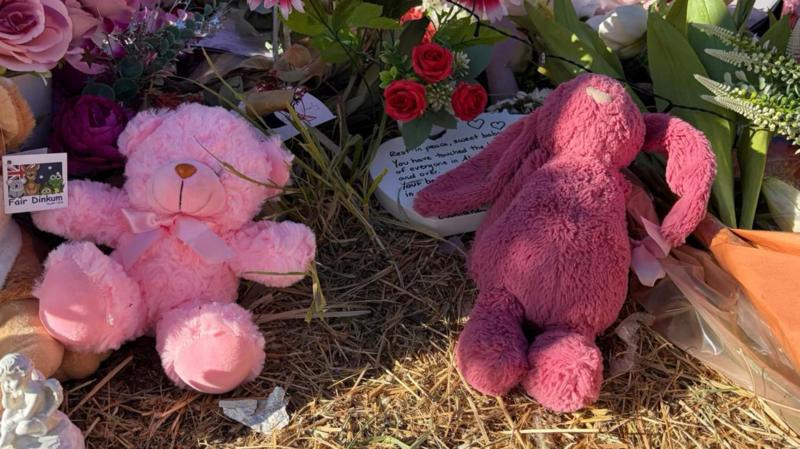
Three child protection workers in Australia's Northern Territory have been removed from their jobs after the death of a 5-year-old Aboriginal girl. The girl went missing from an Aboriginal camp near Alice Springs, and a man has been charged with her murder.
Key Facts
The girl, known by a pseudonym for cultural reasons, disappeared on April 25 and was found dead five days later.
Three child protection workers were stood down after an investigation into how they handled the girl's case.
Six reports had been made about concerns for the girl's welfare before her disappearance.
Police arrested 47-year-old Jefferson Lewis, charging him with murder.
Riots broke out in Alice Springs after the arrest of the suspect.
The girl was last seen at the Old Timers Camp, a place for Aboriginal people in Alice Springs.
Community members held vigils across Australia to mourn the girl.
Aboriginal cultural customs restrict using the real name or image of deceased people during mourning periods.
Read the Original
Want the full story? Tap a source to open the original
article.
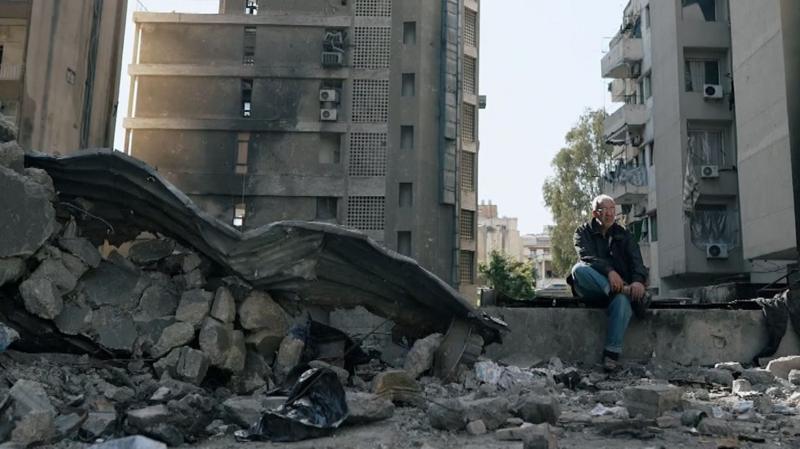
On 8 April 2026, Israel launched a large wave of attacks on Lebanon just hours after President Donald Trump announced a ceasefire deal involving the US, Israel, and Iran. The attack struck many targets and increased violence in Lebanon, where more than 2,600 people have died and about 20% of the population has been forced to leave their homes since fighting began on 2 March.
Key Facts
Israel carried out a massive strike on Lebanon at 14:15 local time on 8 April 2026.
The strike hit 100 targets within 10 minutes.
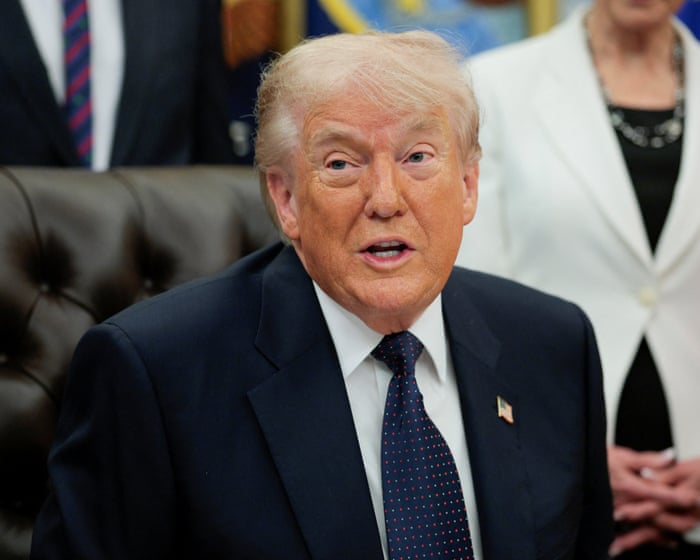
The attack happened shortly after President Donald Trump announced a US-led ceasefire with Iran and Israel.
The current conflict began when Hezbollah, a Lebanese group supported by Iran, fired rockets into Israel on 2 March.
Israel responded with air strikes and a ground invasion of southern Lebanon.
Over 2,600 people have died in Lebanon since the conflict started.
About one-fifth of Lebanon’s population has been displaced due to the violence.
The BBC has reported extensively on the impact of the strikes and met with affected families in Lebanon.
Read the Original
Want the full story? Tap a source to open the original
article.
A young Palestinian couple in Gaza is preparing for their wedding under very difficult conditions in a displacement camp, with basic necessities like a shelter, cooking area, and bathroom made from scrap materials. The ongoing war and economic hardship have greatly increased prices and made it hard for many to afford weddings, with unemployment and poverty rates extremely high in Gaza.
Key Facts
The couple, Saja (22) and Mohammed (27), live in a tent in a displacement camp in Deir el-Balah, Gaza.
They face extremely high costs for basic wedding needs, such as a tent, wood, tarpaulins, and a simple bathroom, totaling over $3,000.
Before the war, Mohammed owned a large home and apartment, but these were destroyed during the conflict.
Wedding halls in Gaza now cost more than $2,700, so Mohammed rented a simple, cheaper space for about $509.
Unemployment in Gaza has reached 80%, and 93% of people live in poverty according to the Gaza Ministry of Labour.
Many weddings are now very modest, often held in tents with bare minimum arrangements.
The high prices of goods and services are linked to war-related damage and trade difficulties.
Even wedding dresses are hard to afford, with rental prices around $679 per night.
Read the Original
Want the full story? Tap a source to open the original
article.
President Trump started "Project Freedom" to help about 850 ships stuck in the Strait of Hormuz pass safely with US military protection. Iran saw this as a threat and increased military actions, but Trump paused the project to try to reach an agreement with Iran and avoid further conflict.
Key Facts
Around 20,000 sailors are trapped in about 850 vessels stuck in the Strait of Hormuz due to ongoing conflict.
The strait is a vital shipping route for Middle Eastern oil and goods.
Iran has blockaded foreign ships since late February after US and Israeli attacks.
President Trump launched "Project Freedom" to escort stranded ships through the strait with US military help.
Iran responded by firing missiles at the UAE and increasing military activity near the strait.
The US and Iran have maintained a fragile ceasefire despite some clashes.
Trump paused Project Freedom following requests from Pakistan and progress toward a deal with Iran.
The risk of renewed war remains as negotiations continue without a final agreement.
Read the Original
Want the full story? Tap a source to open the original
article.
Israeli President Isaac Herzog will visit Panama and Costa Rica in May to strengthen diplomatic relations. The visit aims to support Israel’s ties with these countries amid increasing international criticism of Israel's actions in the region.
Key Facts
President Herzog’s trip to Panama and Costa Rica is scheduled for May 6 and will last four days.
This will be the first visit by an Israeli president to Panama.
Herzog will meet Panama’s President Jose Raul Mulino and attend the inauguration of Costa Rica’s President-elect Laura Fernandez Delgado.
Panama currently holds a two-year non-permanent seat on the United Nations Security Council.
Panama and Costa Rica have shown some support or abstained in UN votes related to Israel and Palestine.
Israel faces growing international isolation due to its conflict in Gaza and an ICC arrest warrant for Prime Minister Netanyahu.
The visit is part of Israel’s strategy to maintain and build alliances with countries that are friendly to Israel and its key ally, the United States.
Read the Original
Want the full story? Tap a source to open the original
article.
A four-acre site in Willows Green, Essex, was quickly developed over a bank holiday weekend into a traveller site by people who own the land. Local residents are upset, and the Uttlesford District Council is investigating whether this construction was done without permission. Traveller rights activists say the landowners want a better future, while local politicians criticize the speed and timing of the development.
Key Facts
The site is about four acres and is located in Willows Green, near Felsted, Essex.
Construction started right after the local council closed for the bank holiday weekend.
Most of the field has been covered with concrete, and caravans have been placed there.
Residents say the work felt like a "military operation" and caused fear and frustration.
About 30 lorries brought materials for construction, working mainly at night.
Uttlesford District Council is reviewing the work and may take legal action.
Traveller rights campaigner Sherrie Smith says the landowners are trying to be friendly and seek a better future.
Local MP Sir James Cleverly said the travellers took advantage of the council's closed hours to build quickly.
Read the Original
Want the full story? Tap a source to open the original
article.
Ukraine reported a Russian strike on an industrial site in the southern Zaporizhzhia region shortly after Kyiv announced a unilateral ceasefire. The strikes caused deaths and injuries in several Ukrainian cities, while Russia and Ukraine each declared ceasefires on different dates this week.
Key Facts
Ukraine announced a unilateral ceasefire that began at midnight on Wednesday.
Hours after the ceasefire started, Russia attacked an industrial facility in Zaporizhzhia.
Ukrainian officials said Russian strikes killed at least 28 people and injured about 120 across multiple regions.
Russian authorities did not report any Ukrainian attacks during the ceasefire period.
Both Russia and Ukraine set different dates for their ceasefires, with Russia's tied to its May 9 Victory Day.
Ukrainian President Zelensky called the strikes during the proposed ceasefire "utter cynicism."
Russian strikes hit the city centers of Zaporizhzhia and Kramatorsk, killing civilians in those areas.
Ukraine also reported drone strikes that killed five civilians in Crimea, a region annexed by Russia in 2014.
Read the Original
Want the full story? Tap a source to open the original
article.
Singapore will allow male school students who bully others, including online bullying, to be caned as a last form of punishment. The new rules limit caning to boys in upper primary and older, and only if other measures fail, with safety protocols and monitoring afterward.
Key Facts
Male students who bully may get up to three strokes of the cane as punishment.
Caning is only for boys aged 9 to 12 years and older; girls will get other types of punishments.
The punishment will be used only if other actions do not work and the bullying is serious.
Caning must be approved by the school principal and done by trained teachers.
After caning, schools will watch the student’s wellbeing and provide counseling if needed.
The decision follows a year-long review after several bullying cases gained public attention.
Corporal punishment, like caning, is still used in Singapore’s criminal system for certain male offenders.
International groups like Unicef and the World Health Organization warn that corporal punishment harms children’s health and development.
Read the Original
Want the full story? Tap a source to open the original
article.
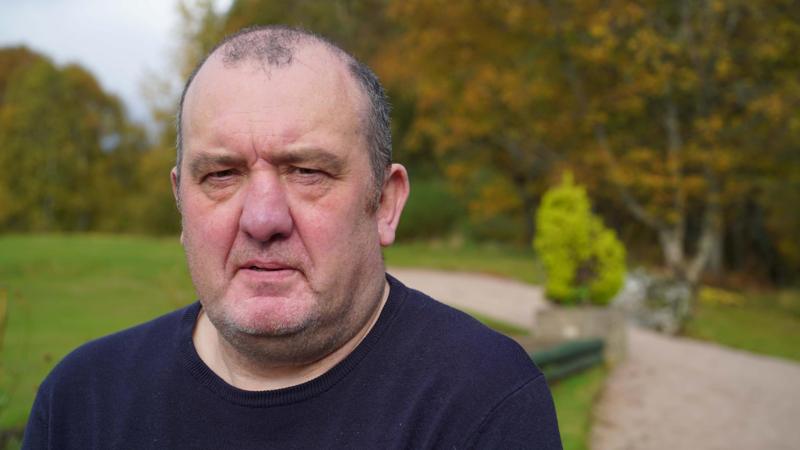
Alastair Munro, a 49-year-old man from Scotland, was diagnosed with penile cancer after finding a growing lump on his penis. He underwent surgery to remove 30% of his penis and lymph nodes, followed by radiotherapy, and shared his story to encourage men to see a doctor if they notice unusual changes.
Key Facts
Alastair noticed a lump on his penis which grew over six weeks before he visited a doctor.
Doctors suspected cancer and a biopsy confirmed penile cancer, a rare disease affecting about 80-90 men yearly in Scotland.
The cancer had spread to lymph nodes, requiring a long surgery removing part of his penis and affected nodes.
His penis was reconstructed using a skin graft from his thigh.
Alastair needed a second surgery after cancer was still found in lymph nodes.
He completed a month of radiotherapy and was declared cancer-free in February.
After treatment, he developed lymphedema, causing swelling and difficulty with urination and sex.
Alastair’s story was filmed for a BBC documentary to raise awareness and encourage men to get checked early.
Read the Original
Want the full story? Tap a source to open the original
article.
President Donald Trump has paused the effort to guide ships out of the Strait of Hormuz to allow time for negotiations with Iran. The US continues to block vessels leaving Iranian ports, while US officials say military actions are now defensive and the main offensive has ended. Iran’s foreign minister is meeting with China’s officials to discuss the conflict.
Key Facts
President Trump paused the US effort to escort vessels through the Strait of Hormuz to focus on reaching a deal with Iran.
The blockade of ships leaving Iranian ports remains in place.
US Secretary of State Marco Rubio said the offensive military operation against Iran is over and remaining actions are defensive.
There was recent fighting in the Strait of Hormuz, with missiles and drones shot down by the United Arab Emirates (UAE).
Iran’s foreign minister traveled to China for talks with Chinese officials.
The US claims its operations aim to reopen the Strait of Hormuz, which is a vital shipping lane.
Iran claims it has strengthened control over the strait, with many cargo ships still blocked.
Rising tensions in the region could increase global fuel prices, as seen in rising US gasoline costs.
Read the Original
Want the full story? Tap a source to open the original
article.
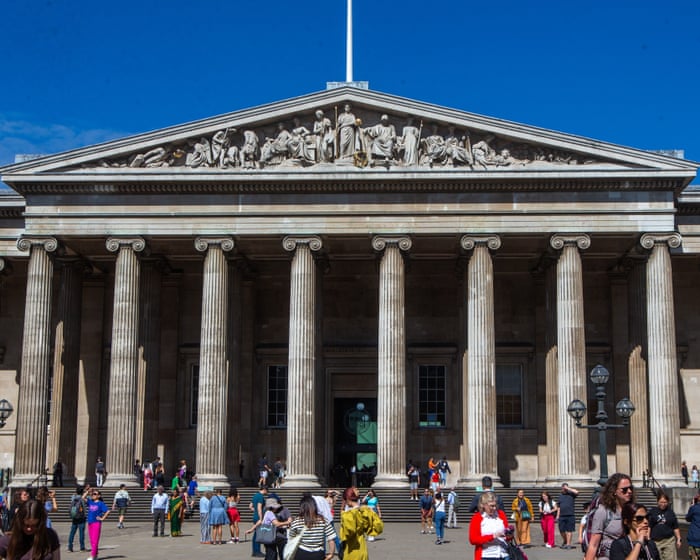
The Palestinian ambassador to the UK, Husam Zomlot, protested after the British Museum removed the name "Palestine" from some of its exhibits and replaced it with "Gaza" and "West Bank." He asked the British government to intervene and have the museum restore the name, arguing this change erases Palestinian history.
Key Facts
The UK officially recognized the state of Palestine in September 2025.
In 2025, the British Museum removed "Palestine" from a panel showing countries in the ancient Levant and replaced it with "Gaza" and "West Bank."
Ambassador Husam Zomlot requested the museum restore the name "Palestine" on exhibits and hold talks about the changes.
Zomlot called the removal a historical erasure and linked it to ongoing violence and destruction in Palestinian areas.
The British Museum says it has not removed the word "Palestine" from all displays and still uses it in some parts and on its website.
The museum is publicly funded but managed independently by a board of trustees.
A pressure group called UK Lawyers for Israel reportedly influenced the museum’s decision to change the exhibits.
The UK government said museums operate independently, and decisions about collections are for their trustees to make.
Read the Original
Want the full story? Tap a source to open the original
article.
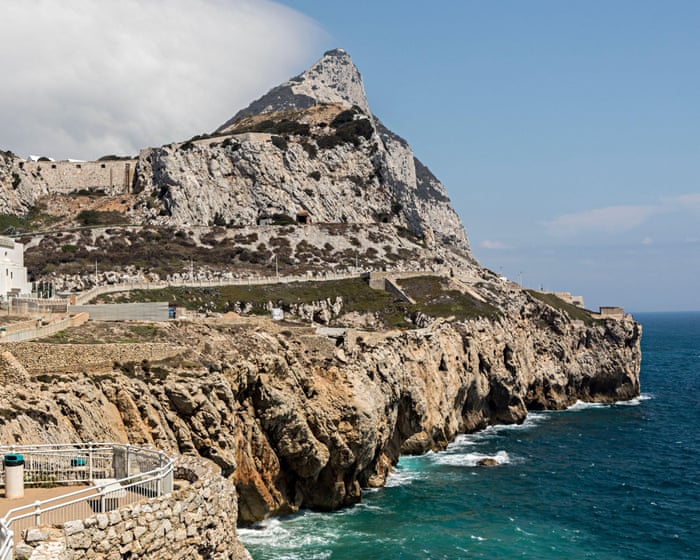
Gibraltar, a British overseas territory, has been dumping untreated sewage into the Mediterranean Sea because it has never had a wastewater treatment plant. The territory is now working on building a treatment plant, with a contract awarded in 2025 and plans moving forward.
Key Facts
Raw sewage from about 40,000 people and businesses in Gibraltar flows directly into the Mediterranean.
Gibraltar does not currently have a wastewater treatment plant to clean sewage before it enters the sea.
Pollution from sewage harms marine life and can spread harmful bacteria and chemicals.
Gibraltar’s sewer system uses seawater, and its drinking water comes from desalination (removing salt from seawater).
In 2017, the European court said the UK broke wastewater laws by not treating Gibraltar’s sewage, but action stopped after Brexit.
Previous plans to build a treatment plant failed, including a 2018 project that ended when a partner company closed.
In June 2025, Gibraltar awarded a 25-year contract to Eco Waters to design and build a new wastewater treatment plant.
Gibraltar is investing £15 million to improve and replace old sewer pipes in the city.
Read the Original
Want the full story? Tap a source to open the original
article.
Iran’s Foreign Minister Abbas Araghchi met with China’s Foreign Minister Wang Yi in Beijing to discuss tensions involving the Strait of Hormuz. This meeting took place just before President Donald Trump’s planned summit with China’s President Xi Jinping and focused on maintaining a ceasefire and reopening the Strait of Hormuz.
Key Facts
Abbas Araghchi visited Beijing for talks with Chinese Foreign Minister Wang Yi amid tensions related to the Strait of Hormuz.
The meeting happened one week before President Trump’s summit with President Xi Jinping on May 14-15.
Iran had effectively closed the Strait of Hormuz, a key route for global oil and gas, increasing fuel prices worldwide.
The US imposed a blockade on Iranian ports after a ceasefire to pressure Iran during peace talks.
China opposes the US blockade but also criticizes Iran’s closure of the strait.
Iran seeks China’s support at the United Nations to resist further sanctions related to the strait’s closure.
China wants assurances that Iran will not escalate tensions before the Trump-Xi summit.
President Trump paused a US naval operation in the strait, citing progress toward a peace agreement and requests from countries including Pakistan.
Read the Original
Want the full story? Tap a source to open the original
article.
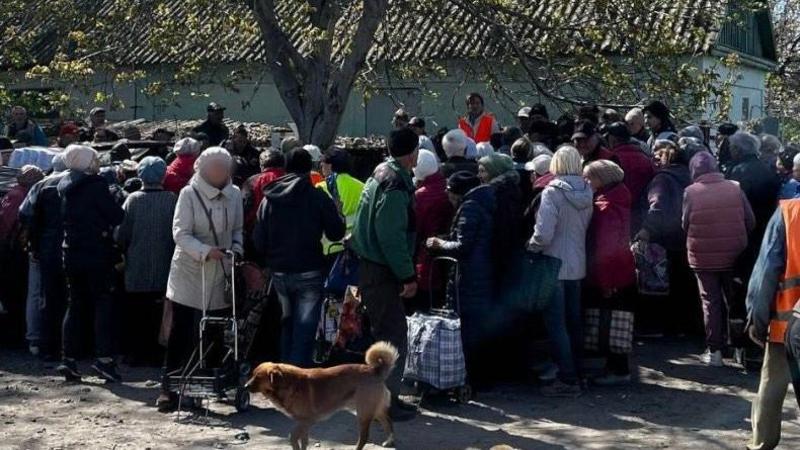
Thousands of civilians remain trapped in the Ukrainian frontline city of Oleshky, where food and medicine supplies are scarce. The main escape route, called the "Road of Death," is heavily mined, making evacuation dangerous but necessary for those suffering there.
Key Facts
Oleshky is a city in southern Ukraine near the Dnipro river, currently under Russian occupation.
About 2,000 people still live in Oleshky with limited access to fresh food and medicine.
The city is cut off by damaged bridges and dangerous roads rigged with mines.
The "Road of Death" is a heavily mined escape route, making travel risky and deadly.
Some evacuations have been possible recently, organized by volunteers despite the danger.
Satellite images show damaged and burnt vehicles along evacuation routes, confirming the risk.
Residents rely heavily on volunteers and aid groups for supplies like pasta and canned food.
Ukrainian forces control the other side of the Dnipro river near Kherson, preventing safe passage.
Read the Original
Want the full story? Tap a source to open the original
article.
Romanian Prime Minister Ilie Bolojan’s pro-European Union government fell after a no-confidence vote with 281 votes against and 4 in favor. The Social Democrats joined far-right parties to remove the prime minister, and Romania’s currency dropped to a record low against the euro before the vote.
Key Facts
The Romanian government led by Prime Minister Ilie Bolojan was pro-EU.
A no-confidence vote passed with 281 votes against and only 4 supporting the government.
The Social Democrats, who were allies of Bolojan, voted against him.
Far-right parties joined the Social Democrats to oust the prime minister.
Romania’s currency, the leu, fell to its lowest value against the euro before the vote.
This vote caused the collapse of the current Romanian government coalition.
Read the Original
Want the full story? Tap a source to open the original
article.
The war in Iran and a possible blockade of the Strait of Hormuz could disrupt jet fuel supplies worldwide, raising fuel prices and forcing airlines to cut flights or raise fares. While the world is not likely to completely run out of jet fuel soon, shortages and higher costs are already affecting air travel and could last for months.
Key Facts
About 41% of European aviation fuel passes through the Strait of Hormuz.
Global shipments of jet fuel recently hit their lowest recorded level.
The world uses around 100 million barrels of oil daily; around 15 million barrels go through Hormuz.
Some oil can be rerouted through pipelines and other production regions.
Refineries can adjust how they process crude oil but cannot make unlimited jet fuel from heavy oil parts.
If the war in Iran drags on, fuel stockpiles could be depleted by the end of June.
Jet fuel prices have roughly doubled in the last two months.
Airlines like Lufthansa cut flights, Spirit went bankrupt, Virgin and British Airways raised fares, and EasyJet introduced fare guarantees based on fuel price hedging.
Read the Original
Want the full story? Tap a source to open the original
article.