Fact-first summaries of the news — stay informed, stay grounded.
Your favorite news sources, one calm feed — fact-first summaries that always link to the
original story. No outrage bait, and we tell you when you're caught up. How it works
World News
Comprehensive coverage of international news and global events
French fighter pilots were sent to the Middle East to fight terrorism but have also worked to stop Iranian drones and missiles from hitting targets. They have now returned and are sharing their experiences for the first time.
Key Facts
French pilots were deployed in the Middle East initially for counterterrorism missions.
Their mission expanded on February 28 due to increased conflict.
They helped intercept Iranian drones and missiles targeting the region.
The pilots involved are Commander Quentin, Captain Louis, and Lieutenant Enzo.
They have recently returned from deployment.
This is their first public discussion about their work in the region.
Read the Original
Want the full story? Tap a source to open the original
article.
The European Union released a €90 billion loan to Ukraine after Ukraine repaired the Druzhba pipeline, which supplies Russian oil to Hungary and Slovakia. Hungary lifted its veto on the loan because it depends on this pipeline, despite concerns that paying Russia for oil indirectly supports its war efforts in Ukraine.
Key Facts
The EU approved a €90 billion loan to Ukraine on April 23, conditional on repairing the Druzhba pipeline.
The Druzhba pipeline supplies Russian oil to Hungary and Slovakia, which depend on it as their main crude source.
Hungary lifted its veto on the loan after Ukraine fixed the damaged pipeline.
Russia’s oil exports to Europe have dropped due to damage from the conflict and sanctions.
Some EU countries stopped using Druzhba oil, but Hungary and Slovakia rely heavily on it and have limited alternatives.
Importing refined oil products is costly and would harm Hungary’s and Slovakia’s economies, especially their refineries.
Damage to the pipeline occurred in a Russian air raid, preventing repairs for some time due to safety concerns.
EU leaders and Hungary pressured Ukraine to allow inspections and repair work on the pipeline.
Read the Original
Want the full story? Tap a source to open the original
article.
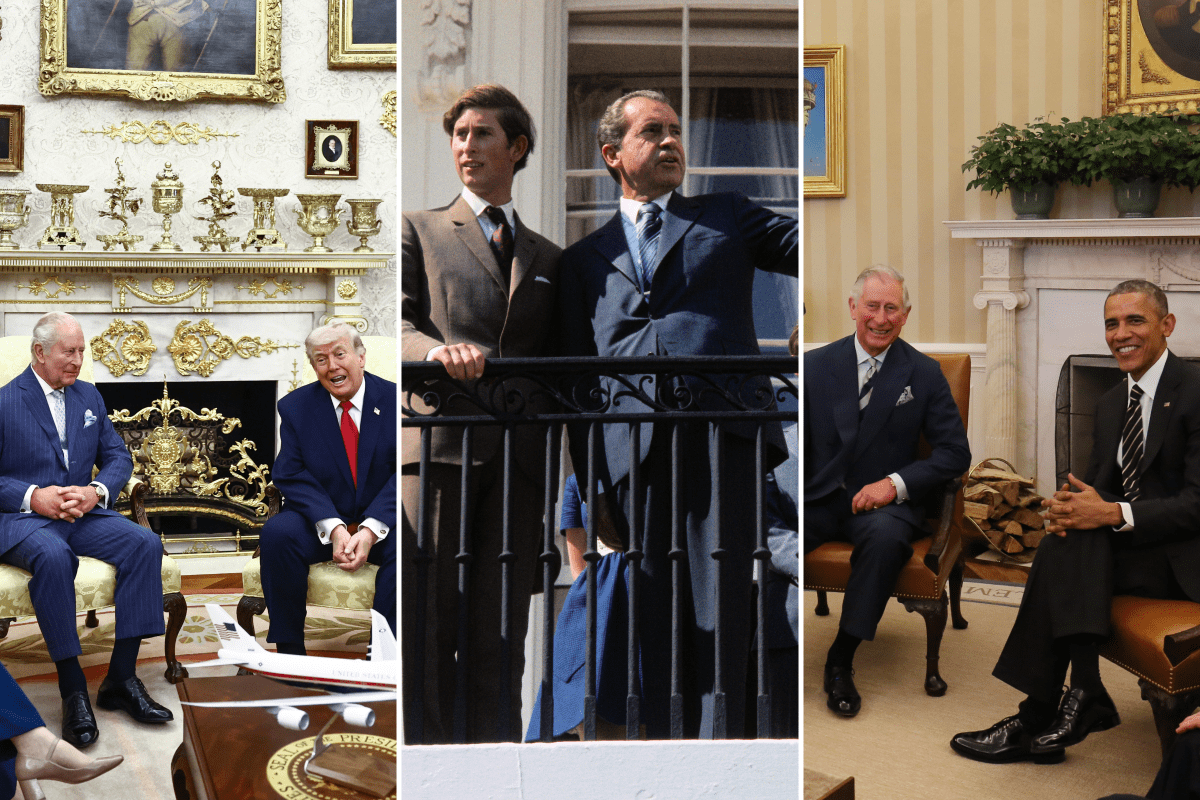
King Charles III has visited the White House many times over 50 years, from when he was a young prince to now as king. Each visit shows changes in U.S. presidents, the White House’s style, and the relationship between the U.S. and the UK.
Key Facts
King Charles first visited the White House at age 21 during President Nixon’s time in 1970.
He met President Ronald Reagan in 1981, marking their first official meeting.
In 1985, Charles and Princess Diana attended a famous White House dinner with the Reagans, where Diana danced with actor John Travolta.
During President George W. Bush’s term in 2005, Charles and his wife Camilla attended a rare black-tie dinner at the White House.
In 2015, Charles met President Barack Obama in the Oval Office, with the visit focusing on U.S.-UK cooperation on issues like climate change.
The visits reflect changes in the Oval Office’s decoration and the evolving role of Charles from prince to king.
Several state dinners and formal events between the British royals and U.S. presidents have marked diplomatic relations.
The White House’s style has changed with each administration, showing personal and political shifts over time.
Read the Original
Want the full story? Tap a source to open the original
article.
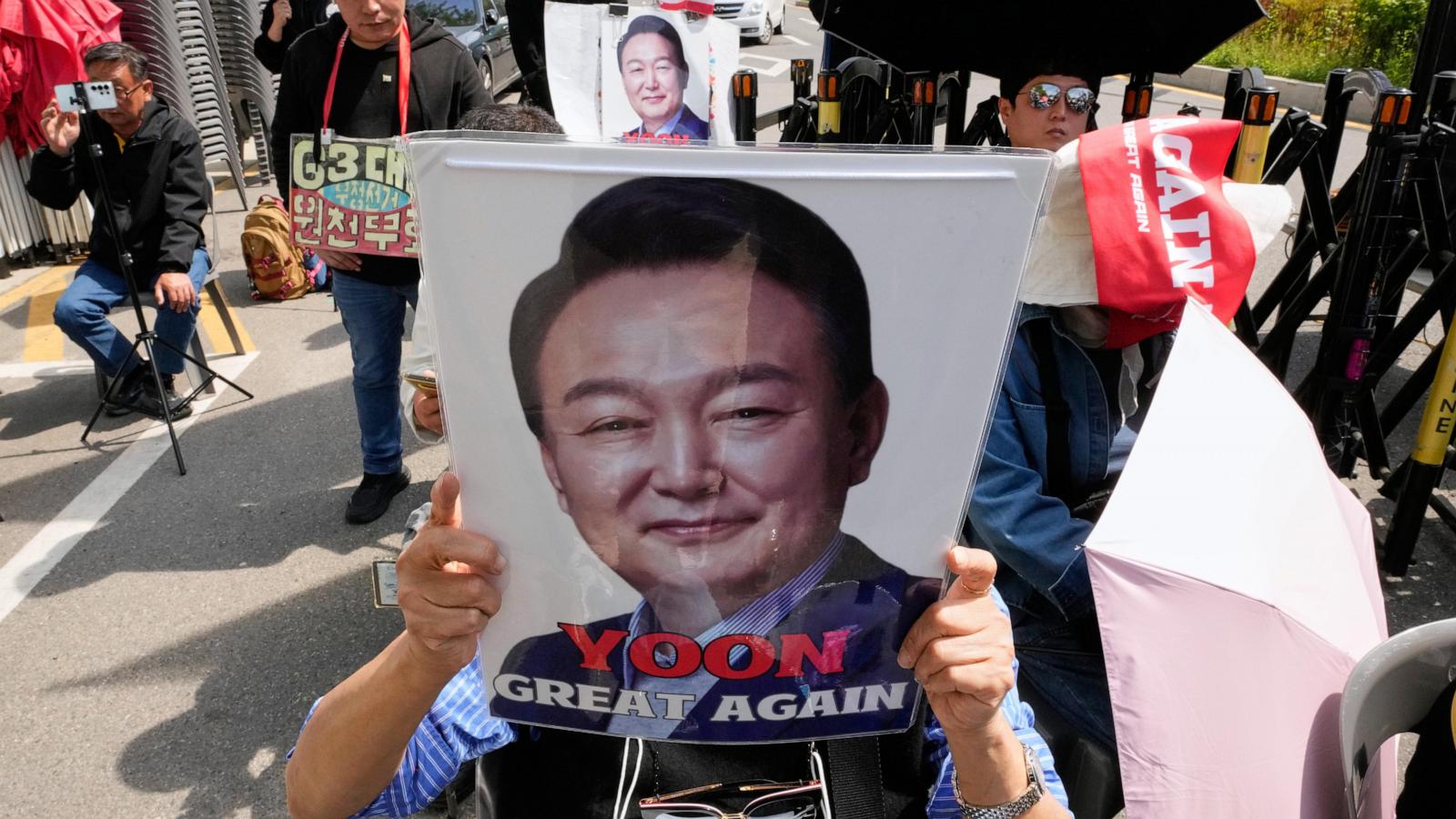
A South Korean appeals court sentenced former President Yoon Suk Yeol to seven years in prison for resisting arrest and illegally bypassing a Cabinet meeting before declaring martial law in December 2024. This sentence adds to a life term he already received for rebellion related to his actions during that period.
Key Facts
The court found Yoon guilty of resisting arrest and avoiding a proper Cabinet meeting before imposing martial law.
Yoon was previously sentenced to life in prison for charges related to rebellion.
He declared martial law on December 3, 2024, causing a political crisis and disrupting government and diplomacy.
Yoon was impeached and suspended in December 2024, and officially removed from office in April 2025.
After impeachment, Yoon refused to comply with legal detention orders, leading to a standoff with investigators.
Yoon’s wife was sentenced to four years for accepting illegal gifts and manipulating stock prices.
Prosecutors have asked for a 30-year sentence for Yoon in a separate trial over alleged provocations toward North Korea.
The political crisis eased after Yoon’s rival, Lee Jae Myung, won a new presidential election in June 2025.
Read the Original
Want the full story? Tap a source to open the original
article.
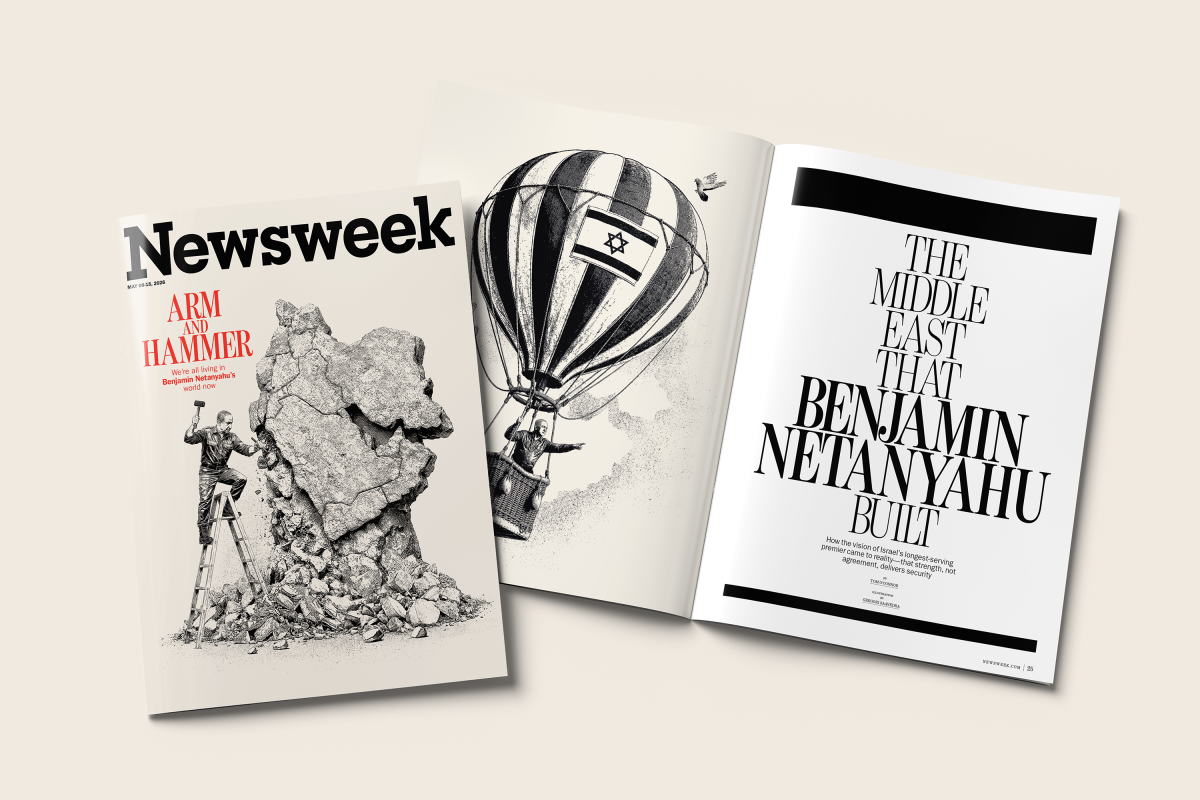
Benjamin Netanyahu, Israel’s longest-serving prime minister, has shaped Israel's policies around a "security-by-strength" approach, focusing on military power to defend peace rather than seeking reconciliation. His leadership has shifted the Middle East balance, weakening Arab autocracies and confronting Iran and its allied groups, known as the Axis of Resistance.
Key Facts
Netanyahu wrote a book in 1993 advocating a peace based on strong defense rather than compromise.
He has changed Israel’s approach, moving away from earlier peace efforts like the Oslo accords.
Israel is engaged in its longest and deadliest conflict with Iran and its allies.
Netanyahu faced criticism for not preventing Hamas’ October 2023 attack but has turned the situation into an opportunity to strengthen Israel.
The Axis of Resistance includes groups and countries supporting Iran’s opposition to Israel, such as Hezbollah in Lebanon and militias in Syria, Iraq, and Yemen.
The 1979 Islamic Revolution in Iran created a Shiite revolutionary ideology opposing Israel and the West.
Netanyahu is compared to Winston Churchill for his sense of historical leadership during a crisis.
The Middle East’s security is now heavily influenced by Israel’s military-first strategy under Netanyahu’s leadership.
Read the Original
Want the full story? Tap a source to open the original
article.
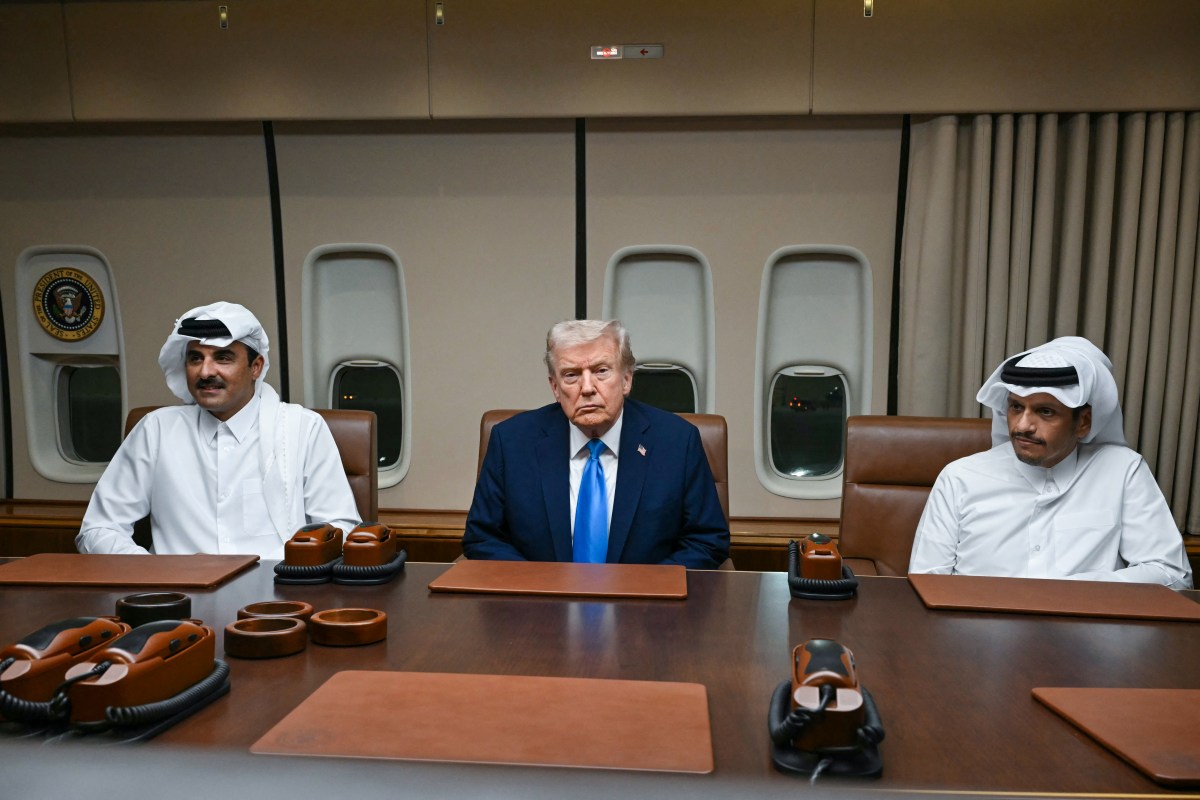
Qatar has had a complicated relationship with Iran and Hamas, showing some cooperation with the U.S. but also maintaining strong ties with groups the U.S. considers terrorist organizations. Despite moments of defending against Iranian attacks, Qatar’s support for Hamas and its actions in the Middle East challenge the idea that Qatar is a reliable U.S. ally.
Key Facts
Qatar experienced missile and drone attacks from Iran, which it called a betrayal.
Qatar defended its territory against Iranian attacks on its military base used by U.S. forces.
Qatar has warned the U.S. it would not allow American strikes against Iran to be launched from its bases.
Israel targeted Hamas leaders in Doha, exposing Qatar’s close relationship with Hamas.
Qatar helped broker a Gaza ceasefire but later accused Israel of violating it without mentioning Hamas’ role.
Qatar has hosted Hamas leaders since 1999 and provides significant funding to the group.
Hamas took control of Gaza in 2007, with Qatar playing a key role in supporting the group.
Qatar’s ties to Hamas complicate its role as a mediator and U.S. partner in the region.
Read the Original
Want the full story? Tap a source to open the original
article.
Four Indonesian soldiers are on trial for an acid attack on activist Andrie Yunus, who campaigned against expanding the military's role in government. The soldiers face charges of serious assault, and the attack left Andrie badly injured, including blindness in one eye.
Key Facts
The trial is held in a military court in Jakarta.
The accused soldiers are Edi Sudarko, Budi Hariyanto Widhi Cahyono, Nandala Dwi Prasetia, and Sami Lakka.
They are charged with serious premeditated assault, punishable by up to 12 years in prison.
The attack happened on March 12, when Andrie Yunus was attacked with acid on his motorbike.
Andrie Yunus is a deputy coordinator for a rights group called KontraS.
The soldiers worked for the military’s Strategic Intelligence Agency, whose chief resigned after the incident.
The group carried out the attack because they disagreed with Andrie’s activism but claimed they acted without official orders.
Human rights groups warned that the attack could scare civilians from criticizing government officials.
Read the Original
Want the full story? Tap a source to open the original
article.
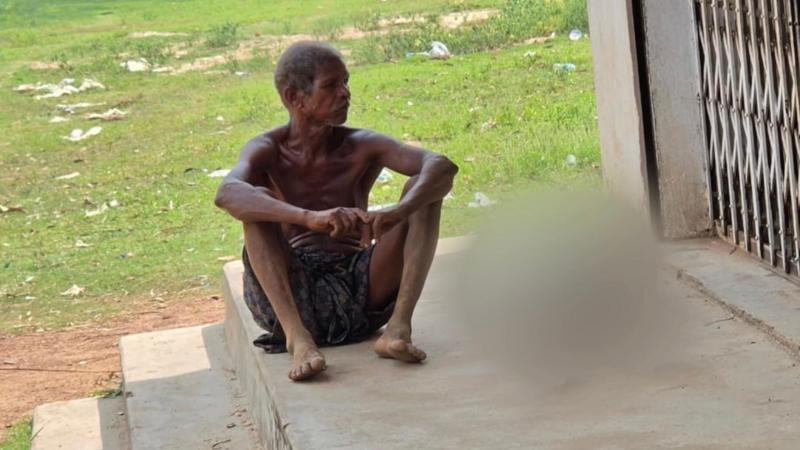
A man in eastern India carried his sister’s skeletal remains to a bank to prove she had died and access her savings after he struggled to provide official proof of death. The bank said it did not ask for the remains and blamed the incident on misunderstanding of procedures, while local officials are investigating the case.
Key Facts
The incident happened in Keonjhar district, Odisha state, India.
Jitu Munda, 52, brought his sister Kalara’s skeletal remains to a bank because he couldn’t withdraw her savings after her death.
Kalara had deposited about 19,300 rupees (~$203) before she died earlier this year.
The bank said it only required legal documents like a death certificate and did not request the physical remains.
Police confirmed Munda exhumed the remains to bring them to the bank.
The bank claimed Munda was informed about the process and initially came in an inebriated state.
Local officials and the police are investigating, and the Odisha Revenue Minister said action might be taken against the bank’s branch manager.
The case highlights challenges rural families face when dealing with banking procedures after a relative’s death.
Read the Original
Want the full story? Tap a source to open the original
article.
The US and Israel's military attack on Iran has lasted over eight weeks, longer than President Trump expected. Iran has blocked the Strait of Hormuz, an important oil route, causing global economic problems. The US faces a difficult choice between negotiating with Iran or risking further conflict.
Key Facts
The US and Israel launched an attack on Iran to target its leadership and military.
The conflict is now over eight weeks long, twice as long as President Trump anticipated.
Iran closed the Strait of Hormuz, blocking about 20% of global oil trade.
The US responded with a blockade on Iranian oil, causing large economic losses for Iran.
Negotiations between the US and Iran have stalled, with Iran demanding payment to reopen the strait.
US gas prices are rising and could affect upcoming elections.
President Trump has publicly stated Iran is in crisis and wants the strait opened soon.
The Trump administration wants to avoid a deal that shows its failure compared to the 2015 nuclear agreement it left in 2018.
Read the Original
Want the full story? Tap a source to open the original
article.
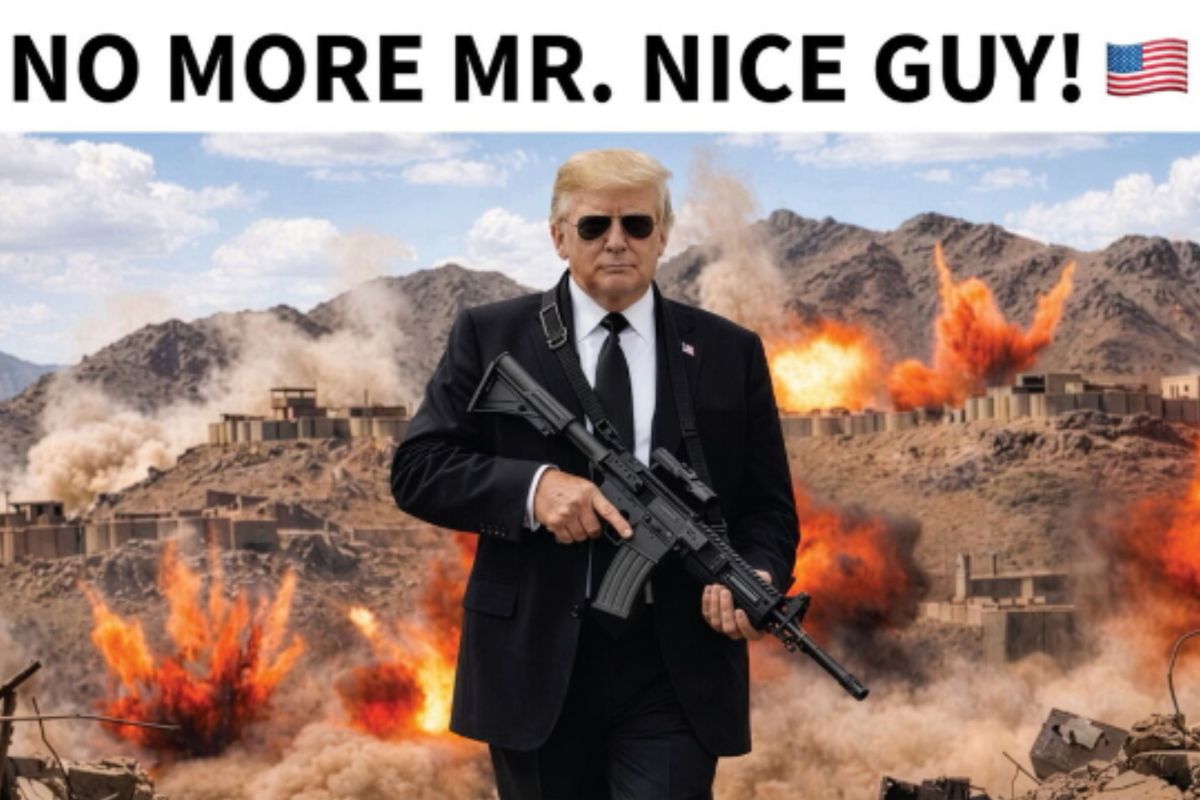
President Donald Trump posted an image of himself holding an assault rifle with the caption "No More Mr. Nice Guy" as he warned Iran about a non-nuclear deal. He urged Iran to “get smart” about signing the agreement.
Key Facts
President Trump shared a picture showing himself with an assault rifle.
The image included the phrase "No More Mr. Nice Guy."
He warned Iran to improve its approach to a non-nuclear deal.
Trump’s message was posted early Wednesday on his social media platform Truth Social.
The post criticized Iran for not being able to finalize the non-nuclear agreement.
The warning was linked to ongoing negotiations or discussions about Iran’s nuclear activities.
This situation is part of broader international relations involving the U.S. and Iran.
The article is a breaking news story and may have updates later.
Read the Original
Want the full story? Tap a source to open the original
article.
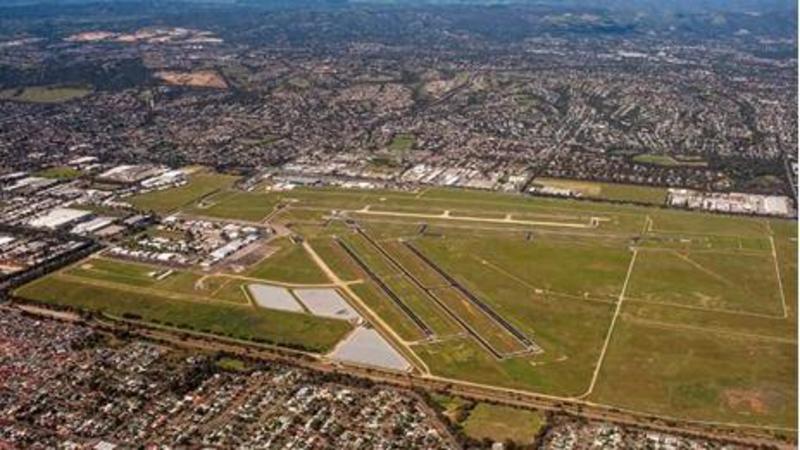
A small plane crashed into a hangar at Parafield Airport in Adelaide, Australia, causing a fire. Two people died, and several others were injured. Emergency services responded quickly, and the airport is now closed as investigations continue.
Key Facts
The crash happened at Parafield Airport in Adelaide, Australia.
The plane was a twin-engine Diamond DA42 that can hold up to four people.
Two people died in the crash, and several others were injured.
The aircraft caught fire after crashing into the hangar.
Emergency services evacuated the area and extinguished the fire.
The Australian Transport Safety Bureau is investigating the incident.
The airport has been closed following the crash.
Local authorities and the South Australian premier expressed their support and condolences.
Read the Original
Want the full story? Tap a source to open the original
article.
Four rare mountain bongos, a type of antelope native to Kenya, have been flown from a Czech Republic zoo to Kenya. They will be cared for and monitored before being released into the wild to help increase their population.
Key Facts
Mountain bongos are a rare chestnut-red antelope with white stripes and long spiral horns.
Their numbers in the wild dropped from about 500 in the 1970s to fewer than 100 today.
Four male bongos arrived in Kenya and were taken to a private wildlife reserve for recovery.
The Kenya Wildlife Service (KWS) called this transfer an important step in saving the species.
Bongos bred in captivity in zoos worldwide are part of efforts to strengthen the wild population.
Before release, the animals go through a process to build immunity and adapt to the wild.
Kenya aims to raise the mountain bongo population in the wild to around 700 by 2050.
Previous repatriations have seen some bongos successfully live and breed in the wild, though disease remains a risk.
Read the Original
Want the full story? Tap a source to open the original
article.
The ongoing war involving the United States and Israel against Iran is causing economic and political problems in the UK. People worry about higher prices, energy supplies, and the country’s ability to handle the conflict if it continues.
Key Facts
UK consumer confidence has dropped to its lowest point in two years.
The UK government is ready to send RAF Typhoon jets to keep key shipping routes open near Iran.
Prime Minister Keir Starmer refused US requests to use UK bases for attacks on Iran.
Economic impacts from the Iran war could last at least eight months according to UK officials.
Many Iranians living in the UK are deeply affected by internet shutdowns and family separations caused by the war.
The UK faces risks of higher food, fuel, and mortgage costs amid an ongoing cost-of-living crisis.
Government officials formed a crisis committee to support working people during this period.
Experts disagree about the benefits of increasing North Sea oil production to ease energy problems.
Read the Original
Want the full story? Tap a source to open the original
article.
Four critically endangered mountain bongos were returned to Kenya from a Czech zoo to help increase their population. These rare antelopes will be cared for and then released into protected forests in Kenya.
Key Facts
Mountain bongos are rare antelopes with stripes and are critically endangered.
Fewer than 100 bongos remain in the wild.
The four bongos came from the Dvur Kralove Zoo in the Czech Republic.
They arrived in Kenya packed in wooden crates via a KLM cargo flight.
Kenyan officials called this event a "homecoming" for the bongos.
After quarantine, the bongos will live at Mount Kenya Wildlife Conservancy before release.
The conservancy plans to use them to strengthen the genetic diversity of the species.
The Czech Republic and Kenya have a partnership focused on animal conservation.
Read the Original
Want the full story? Tap a source to open the original
article.
France has asked its citizens to leave Mali as soon as possible due to recent attacks by armed groups, including jihadists and Tuareg separatists. The security situation in Mali is described as very unstable and dangerous.
Key Facts
France warned its nationals in Mali to leave immediately because of worsening violence.
Attacks targeted government sites in several Malian cities during the past weekend.
Armed groups involved include jihadists and Tuareg separatists. The Tuareg are an ethnic group seeking independence or autonomy.
The French Foreign Ministry strongly discourages any travel to Mali at this time.
Commercial flights are still available for French citizens to leave Mali.
Mali’s military government has promised a crackdown after the attacks.
The situation highlights ongoing instability and violence in Mali despite foreign involvement.
Read the Original
Want the full story? Tap a source to open the original
article.
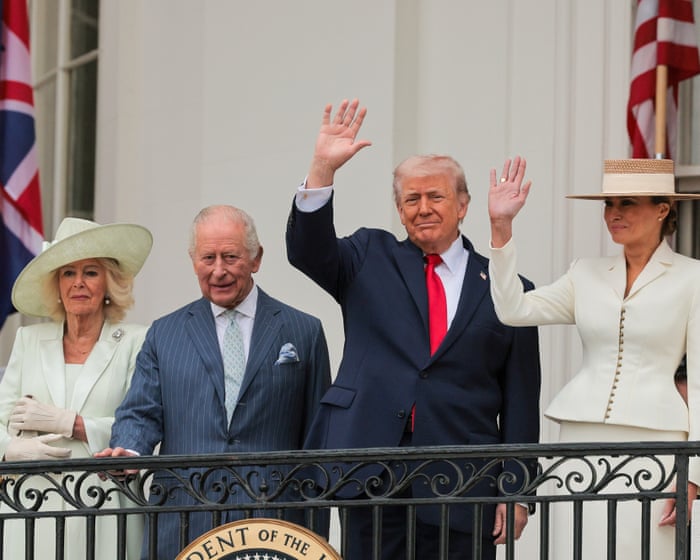
President Donald Trump said that King Charles agrees with him that Iran should never be allowed to have nuclear weapons. The two leaders met at a White House state dinner during King Charles’s visit to the U.S., where they discussed Middle East issues and expressed the importance of the special relationship between the U.S. and the UK.
Key Facts
President Trump said the U.S. has militarily defeated Iran’s hostile forces and will not let Iran get nuclear weapons.
Trump claimed King Charles agrees with him on preventing Iran from acquiring nuclear arms.
King Charles visited the U.S. for a four-day state visit, including a historic speech to Congress.
The state dinner included guests like Amazon founder Jeff Bezos and golfer Rory McIlroy.
King Charles highlighted the long special relationship between Britain and the U.S. and referenced past crises like the 1956 Suez crisis.
The king and Queen Camilla received a ceremonial welcome at the White House.
The British government maintains a neutral stance on nuclear proliferation, according to Buckingham Palace.
There has been some political criticism in the UK about President Trump’s visit and his comments on the Iran conflict.
Read the Original
Want the full story? Tap a source to open the original
article.
Global loss of tropical rainforests slowed down in 2025 after reaching a record high the year before. This change is mainly due to strong government actions, especially in Brazil, but forest destruction remains very high worldwide.
Key Facts
The world lost 4.3 million hectares (10.6 million acres) of tropical primary rainforest in 2025, which is 36% less than in 2024.
Forest loss last year was still 46% higher than ten years ago.
Global forest loss is 70% above the level needed to meet the 2030 goal of stopping and reversing forest loss.
Brazil’s rainforest loss, not counting fires, dropped by 41% from 2024 to its lowest rate ever.
Brazil's improvements are linked to stronger environmental policies under President Luiz Inacio Lula da Silva, elected in 2023.
Tropical forest loss also decreased in Colombia by 17%, due to government policies.
Fires caused 42% of tropical forest destruction globally, with climate change making fires worse in many areas.
Canada experienced one of its worst wildfire years, burning 5.3 million hectares (13 million acres) of forest.
Read the Original
Want the full story? Tap a source to open the original
article.
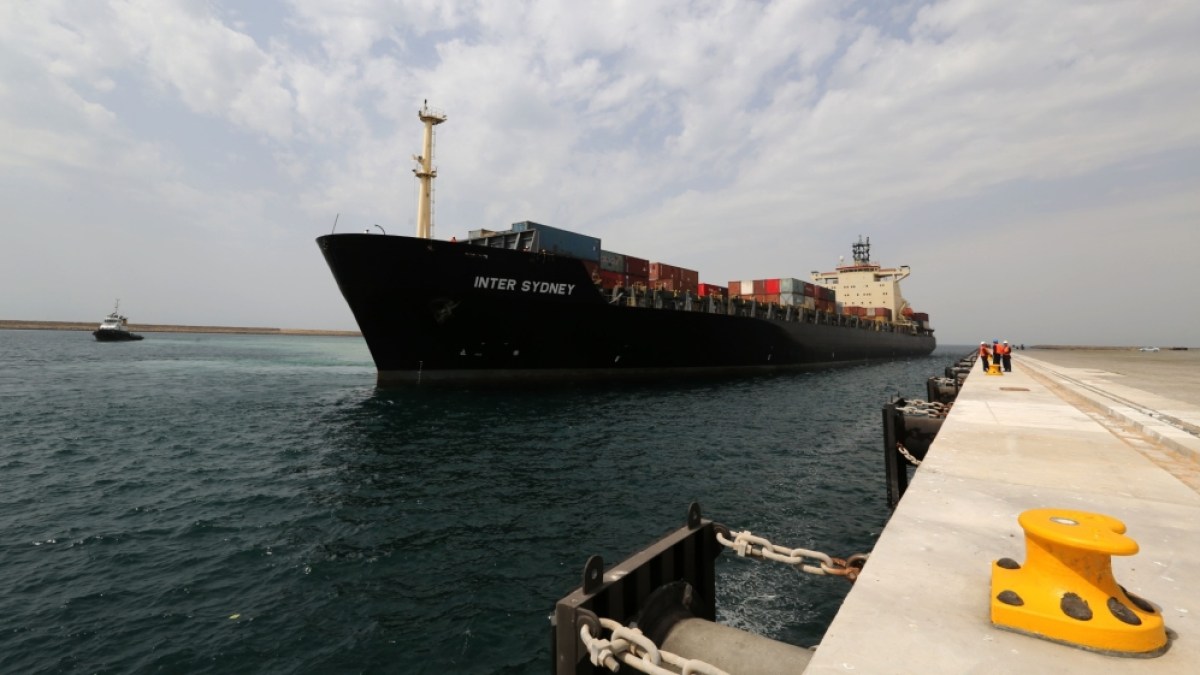
India has invested in developing the Chabahar Port in Iran to create a trade route to Afghanistan and Central Asia that avoids Pakistan. However, this project faces challenges because a US waiver on sanctions against Iran has expired, and there is no sign that the waiver will be renewed.
Key Facts
India started working on the Chabahar Port in southeastern Iran to connect with landlocked Afghanistan and Central Asia.
The port helps India bypass Pakistan, which blocks land access to Afghanistan.
India has invested at least $120 million in the port’s Shahid Beheshti terminal.
Chabahar is near Gwadar port in Pakistan, which is funded by China and seen as a rival project.
The port is part of a larger transport route called the International North-South Transport Corridor, linking India and Russia through Iran.
US sanctions on Iran have repeatedly disrupted India’s work on the port.
The US eased sanctions after a 2015 nuclear deal, which allowed India to make progress.
In 2018, President Trump withdrew from the nuclear deal and reimposed sanctions, leading to the expiration of the waiver on the Chabahar project recently.
Read the Original
Want the full story? Tap a source to open the original
article.
Bristol has started a series of events to highlight its history of activism and aims to become the UK’s civil rights capital. The campaign marks the anniversary of the 1963 Bristol bus boycott, a key moment that helped create the UK’s first Race Relations Act.
Key Facts
Bristol has a long history of activism dating back to the 18th century.
The 1963 Bristol bus boycott challenged racial discrimination in bus crew hiring.
The boycott contributed to the UK’s first Race Relations Act in 1965.
A new campaign led by CuriosityUnLtd is organizing talks, films, exhibitions, and performances about Bristol’s activist past.
Bristol’s mayor, Marvin Rees, is the first directly elected mayor of major European city with black African heritage.
A mural on civil rights will be created by artist Ella-Mia Grant during the Upfest street art festival.
Events will include a performance of the musical Jamaica Love at the Bristol Beacon.
By the end of summer, a civil rights manifesto will be created to help Bristol claim the title of civil rights capital.
Read the Original
Want the full story? Tap a source to open the original
article.