Fact-first summaries of the news — stay informed, stay grounded.
Your favorite news sources, one calm feed — fact-first summaries that always link to the
original story. No outrage bait, and we tell you when you're caught up. How it works
World News
Comprehensive coverage of international news and global events
Kamel Daoud, a French-Algerian author, was sentenced in Algeria to three years in prison and fined for his book "Houris," which explores Algeria’s civil war in the 1990s. The sentence was based on a law that restricts public discussion of the war, raising concerns about freedom of expression in Algeria.
Key Facts
Kamel Daoud received a three-year prison sentence and a fine of about $38,000 in Algeria.
The book "Houris" covers the violent civil war in Algeria during the 1990s, known as the "black decade."
Daoud won France’s prestigious Goncourt Prize for this novel in 2024.
The conviction was under the Charter for Peace and National Reconciliation, which limits public discussion of the civil war.
The law grants pardons to both Islamist fighters and government forces but punishes public mentions of the conflict.
Daoud is also facing two international arrest warrants from Algeria and might lose his Algerian nationality.
He previously served a year in prison and was released after a humanitarian appeal by Germany’s president.
Another French-Algerian writer, Boualem Sansal, has experienced similar legal troubles in Algeria.
Read the Original
Want the full story? Tap a source to open the original
article.
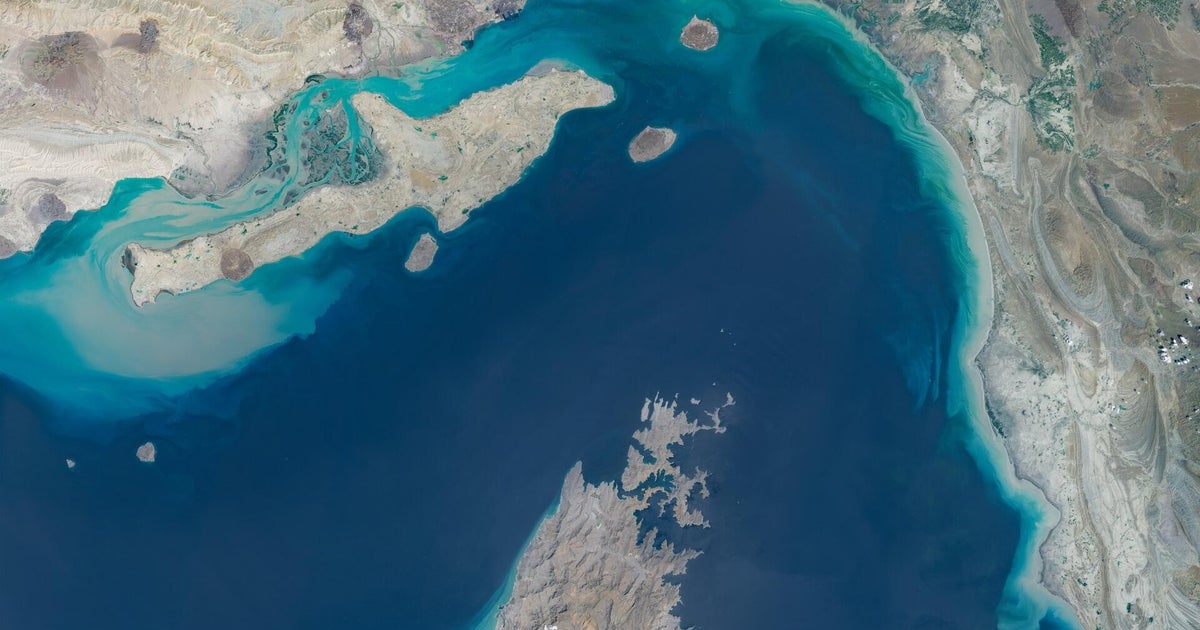
The United Nations is trying to create a safe route to send fertiliser and other important goods through the Strait of Hormuz, which has been blocked due to the ongoing conflict involving Iran. The plan needs approval from key countries, including Iran, the United States, and Gulf states, but face delays as political tensions continue.
Key Facts
The Strait of Hormuz has been effectively blocked since the start of the Iran war in early 2026.
The UN proposed a humanitarian corridor to safely allow fertiliser shipments to pass through the strait.
The plan involves a UN task force monitoring and approving ships carrying fertiliser and essential goods.
This corridor is important because countries like Sudan and Somalia need fertiliser for farming and could face hunger if supplies stop.
The UN plan includes using an online system for ship registration and UN monitors at ports in Gulf countries and Iran.
Iran’s UN envoy said Iran supports UN ships passing through the strait but demands the US end its naval blockade first.
The UN plan has no set start date and depends on agreement from the main parties in the war.
The situation remains unstable due to shifting control and military actions around the strait.
Read the Original
Want the full story? Tap a source to open the original
article.
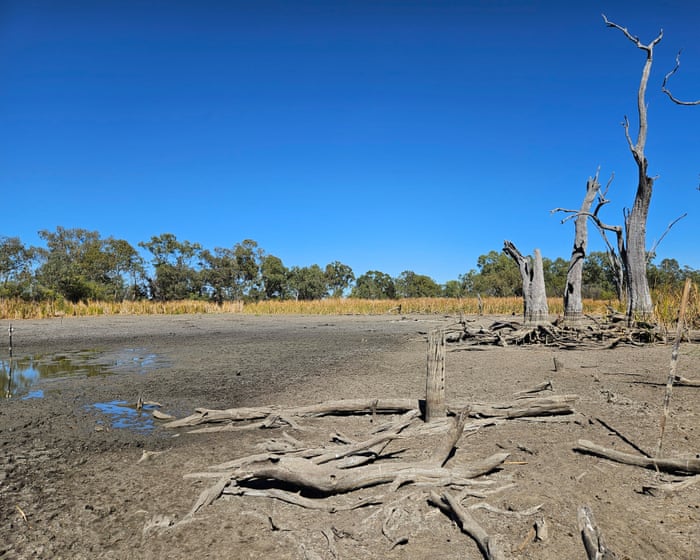
Two Australian state governments, New South Wales and Queensland, have failed to deliver over $160 million worth of promised projects to improve river health in the northern Murray-Darling basin. An independent review found most infrastructure work did not progress as planned, harming wetlands, turtles, fish, and other wildlife.
Key Facts
The northern basin toolkit program was created to improve river health without using extra water, with a federal budget of $166 million.
New South Wales did not secure private land access needed to improve water flows in the Gwydir region.
Only 64 km of fish passageways were built out of the original 2,135 km target, later reduced to 589 km.
Queensland’s promised updates to weirs never moved past initial study stages.
The federal inspector general’s report labeled NSW and Queensland’s efforts as “severe underdelivery.”
The program was meant to compensate for a federal water cut from 390 billion to 320 billion liters per year for the environment.
Environmental impacts include dried wetlands, and deaths of turtles, waterbirds, frogs, and sheep.
NSW Water Minister Rose Jackson acknowledged the challenges and said the government remains committed to improving environmental outcomes.
Read the Original
Want the full story? Tap a source to open the original
article.
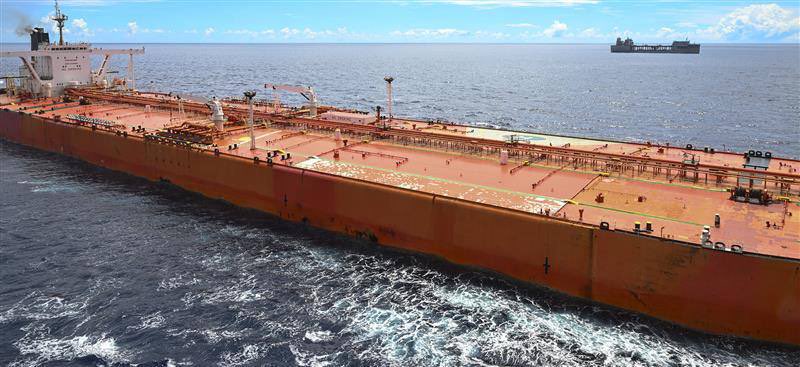
The U.S. Navy seized an oil tanker named Tifani carrying nearly 2 million barrels of Iranian oil bound for China. This is part of the U.S. efforts to block Iran’s maritime oil trade and limit its main source of revenue.
Key Facts
The Tifani tanker was detained by U.S. forces in the Indian Ocean while carrying Iranian crude oil.
The ship was flying Botswana’s flag but was listed as "stateless" by U.S. and international authorities.
This is the second Iran-linked ship seized by the U.S. since stricter controls on Iranian trade began.
The tanker was loaded at Kharg Island, Iran’s main oil export terminal.
Analysts estimate the tanker was carrying about 1.9 to 2 million barrels of crude oil.
The ship reportedly planned to transfer oil near Malaysia before shipping it to China.
China buys over 10% of its crude oil from Iran, often at lower prices.
The U.S. aims to stop Iran from earning revenue through illicit maritime oil trade.
Read the Original
Want the full story? Tap a source to open the original
article.
This article explains the meanings and origins of words used in the conflict involving the US, Israel, and Iran. It looks at terms like “Epic Fury,” “Kafir,” and “Hormuz” to help readers understand their background and significance.
Key Facts
The article focuses on the language used in the conflict between the US, Israel, and Iran.
It explains the origins of various terms related to the war.
Words such as “Epic Fury,” “Kafir,” and “Hormuz” are discussed in detail.
The purpose is to clarify what these terms mean for a better understanding of the conflict.
The article is produced by reporters Alma Milisic and Basel Ghazoghli from Al Jazeera.
Read the Original
Want the full story? Tap a source to open the original
article.
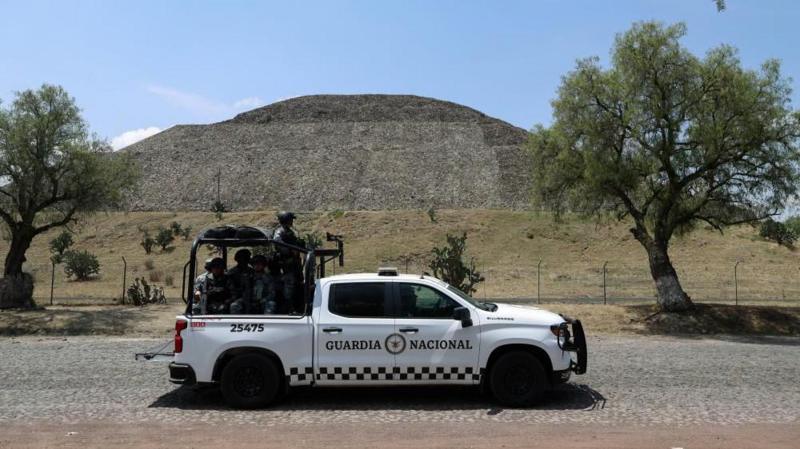
A gunman opened fire at the Pyramid of the Moon in Mexico's Teotihuacán archaeological site, killing one tourist and injuring others before shooting himself. Authorities say the attacker acted alone and was not connected to drug cartels, and they believe the attack was influenced by previous violent incidents in the United States.
Key Facts
The shooting happened at the Pyramid of the Moon, a major tourist site in Mexico.
One Canadian tourist was killed; several tourists from Russia, Colombia, and Brazil were injured.
The attacker was a 27-year-old Mexican man named Julio César Jasso Ramírez.
He acted alone and had no links to Mexico’s drug cartels.
Officials found weapons and writings related to violence in the United States, including references to the 1999 Columbine school shooting.
Authorities see the attack as a “copycat” crime by someone with a psychopathic profile.
The incident occurred weeks before Mexico co-hosts the men's football World Cup.
This type of lone attacker violence is rare in Mexico, which usually sees violence related to drug cartels.
Read the Original
Want the full story? Tap a source to open the original
article.
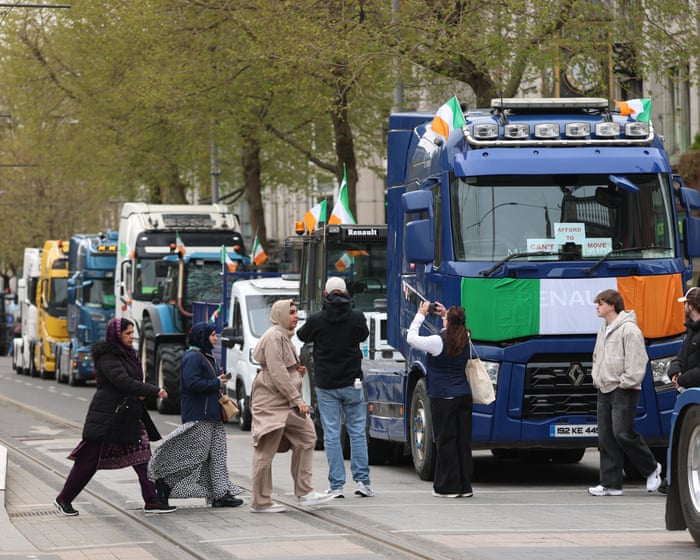
Fuel price protests in Ireland caused major blockades, leading the government to cut fuel taxes and delay a carbon tax increase. The crisis revealed Europe's heavy dependence on oil and the challenges governments face balancing energy costs, climate goals, and public anger. Meanwhile, electric vehicle sales are rising in Europe, partly as a response to ongoing energy disruptions.
Key Facts
Sales of electric vehicles in continental Europe rose by 51% in March.
The disruption in the Strait of Hormuz is called the “biggest energy crisis in history” by the International Energy Agency.
Irish truckers and farmers protested fuel taxes by blockading ports, fuel depots, and the country’s only refinery.
After six days of protests, Ireland cut excise duties on petrol and diesel and delayed a carbon tax increase by six months.
The Irish government provided a €505 million rescue package to ease fuel costs during the crisis.
The carbon tax, designed to reduce pollution, has become a major point of public frustration.
The European Commission plans tax cuts favoring electricity to encourage cleaner energy use in transport.
Despite rising electric vehicle sales, 96% of EU transport still depends on petrol or diesel.
Read the Original
Want the full story? Tap a source to open the original
article.
Russia announced it will stop sending oil from Kazakhstan to Germany through the Druzhba pipeline starting in May, citing technical reasons. This change will affect the PCK refinery near Berlin, which provides most of the city's fuel, but German officials say it will not threaten the overall fuel supply.
Key Facts
Russia will halt the shipment of Kazakh oil to Germany via the Druzhba pipeline from May 1.
The Druzhba pipeline runs through Russia, Belarus, Poland, and also has a branch through Ukraine to Hungary.
Russian Deputy Prime Minister Alexander Novak said the change is due to technical capacities.
Kazakhstan’s Energy Minister and Germany’s economic ministry confirmed no oil is scheduled next month through this pipeline.
The PCK refinery near Berlin relies heavily on this oil and supplies 90% of Berlin’s petrol, heating fuel, and kerosene.
German regulators learned about the stoppage from Rosneft Deutschland, the local branch of Russia’s state oil company.
Germany’s Ministry of Economic Affairs stated the loss of this oil does not endanger the country’s overall mineral oil supply.
The situation comes at a time of global energy disruption linked to conflicts involving the US, Israel, and Iran.
Read the Original
Want the full story? Tap a source to open the original
article.
Iran has attacked ships in the Strait of Hormuz, a key waterway for global oil transport. At the same time, President Donald Trump announced an extension of a ceasefire, aiming to reduce conflict in the region.
Key Facts
Iran targeted several ships in the Strait of Hormuz, increasing tensions there.
The Strait of Hormuz is an important passage for oil shipments worldwide.
President Donald Trump announced he would extend a ceasefire related to the conflict with Iran.
The ceasefire extension is intended to help reduce fighting and encourage diplomatic talks.
Experts are discussing what the attacks and ceasefire extension mean for international relations.
The situation remains uncertain as countries watch for further developments.
CBS News reporters Ramy Inocencio and Aaron Navarro covered the story with input from a politics professor.
Read the Original
Want the full story? Tap a source to open the original
article.
The article compares messages from a child’s drawing called “The Originals” to what is happening in current warzones like Lebanon, Ukraine, and Iran. It highlights how different conflicts today remind us of past experiences of war.
Key Facts
The article discusses a child’s drawing named “The Originals.”
This drawing has messages about war and its impact.
The messages are still relevant to current wars.
Current warzones mentioned include Lebanon, Ukraine, and Iran.
The article shows how war stories from the past connect to today’s conflicts.
Read the Original
Want the full story? Tap a source to open the original
article.
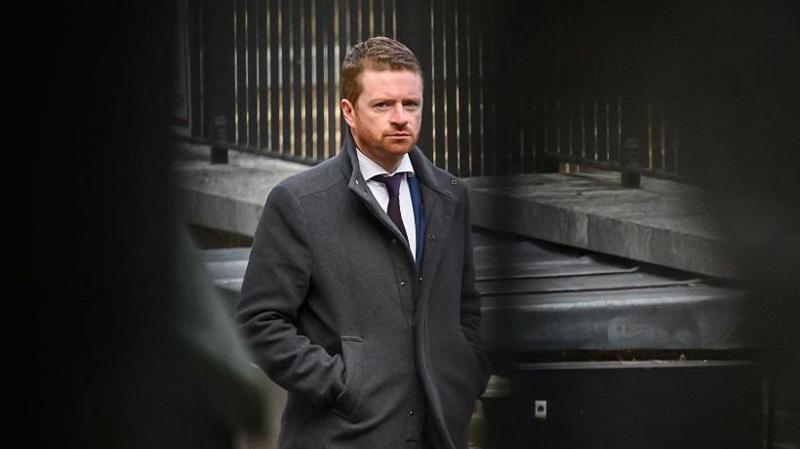
The UK prime minister’s former chief of staff, Morgan McSweeney, will give evidence to a parliamentary committee about his role in the security vetting of Lord Mandelson for an ambassador position. The vetting process faced criticism after Mandelson was removed from the role due to concerns about his past associations, and several officials, including senior civil servants, are now testifying about the case.
Key Facts
Morgan McSweeney advised the prime minister to appoint Lord Mandelson as UK ambassador to the US.
McSweeney will face questions about possible pressure to speed up Mandelson’s security vetting.
Sir Olly Robbins, a former senior Foreign Office civil servant, said the vetting process faced dismissive attitudes and pressure to complete quickly.
Mandelson was granted security clearance despite concerns raised by the UK Security and Vetting team.
Mandelson was removed from his diplomatic post seven months later because of his past friendship with convicted sex offender Jeffrey Epstein.
Several senior officials, including Cat Little and Ian Collard, are scheduled to give evidence to the Foreign Affairs Committee.
The prime minister expressed anger about not being informed about Mandelson’s vetting problems and effectively dismissed Sir Olly Robbins.
The incident has caused political debate about the prime minister’s judgment and the vetting process in the UK government.
Read the Original
Want the full story? Tap a source to open the original
article.
The European Union has agreed to release a large loan of 90 billion euros ($106 billion) to Ukraine. This loan is important for Ukraine to continue its defense against Russia, after it was delayed by Hungary's veto linked to a disagreement about oil transport.
Key Facts
The loan amount is 90 billion euros, equal to about 106 billion U.S. dollars.
The loan was approved by the European Council in December.
Hungary blocked the loan by using its veto power because of a dispute over oil flows through the Druzhba pipeline.
The veto has now been lifted by EU ambassadors, allowing the loan to proceed.
The loan helps support Ukraine’s finances during its conflict with Russia.
The Druzhba pipeline is a major route for transporting oil to some European countries.
The loan is described as critical for Kyiv’s ability to keep fighting.
Read the Original
Want the full story? Tap a source to open the original
article.
The French government has increased monthly fuel subsidies to help with rising energy costs. These subsidies target low-income workers, farmers, fishermen, and people who drive frequently.
Key Facts
France is raising fuel subsidies to ease energy cost burdens.
The increase aims to support low-income workers and key industries.
Farmers and fishermen are included in the subsidy plan.
Frequent drivers will receive targeted fuel cost relief.
The move addresses growing economic pressures in France.
Prime Minister Lecornu announced the new subsidy measures on April 22, 2026.
The subsidies are part of wider government efforts to help with the cost of living.
Read the Original
Want the full story? Tap a source to open the original
article.
The article discusses the current tensions between the United States and Iran, focusing on President Trump's approach to diplomacy, which involves dramatic and chaotic actions intended to pressure Iran. Iran responds with defiant behavior, creating a complex and unstable situation in their political interactions.
Key Facts
President Trump uses a forceful and unpredictable style to try to push Iran into negotiations.
Iran reacts with mockery and bold challenges in return.
This back-and-forth creates a chaotic political environment described as "political theatre."
Dr. William Lawrence, an expert on US-Arab relations, says this method may lose effectiveness over time.
The situation involves conventional war tactics by the US and asymmetric responses by Iran.
The broader Middle East context includes ongoing tensions involving Lebanon, Israel, and groups like Hezbollah.
Ceasefire talks and peace negotiations are happening but face uncertainty.
The conflict impacts regional stability and international diplomacy efforts.
Read the Original
Want the full story? Tap a source to open the original
article.
Talks between the United States and Iran have stalled, and no new meetings are scheduled soon. Meanwhile, the U.S. is increasing its military presence in the Middle East because of worries about potential violence.
Key Facts
The U.S. and Iran have paused their discussions for now.
No clear date has been set for future talks.
The U.S. is sending more troops to the Middle East.
The military buildup is due to concerns about rising tensions.
This situation reflects growing worries about conflict in the region.
Read the Original
Want the full story? Tap a source to open the original
article.
Katie Sturino, a body acceptance advocate and founder of Megababe Beauty, shared why she decided to start using GLP-1 weight loss drugs. Psychiatrist Dr. Sue Varma explained what people should consider before taking these drugs and how society influences this choice.
Key Facts
Katie Sturino supports body acceptance and founded the company Megababe Beauty.
She recently chose to use GLP-1 drugs to help with weight loss.
Taking the decision to use these drugs was challenging for her.
Dr. Sue Varma is a psychiatrist who discussed what to think about before starting GLP-1 drugs.
GLP-1 drugs are a type of medication used to help people lose weight.
Societal pressure can affect people's decisions about their bodies and health.
The discussion was featured on CBS News.
Read the Original
Want the full story? Tap a source to open the original
article.
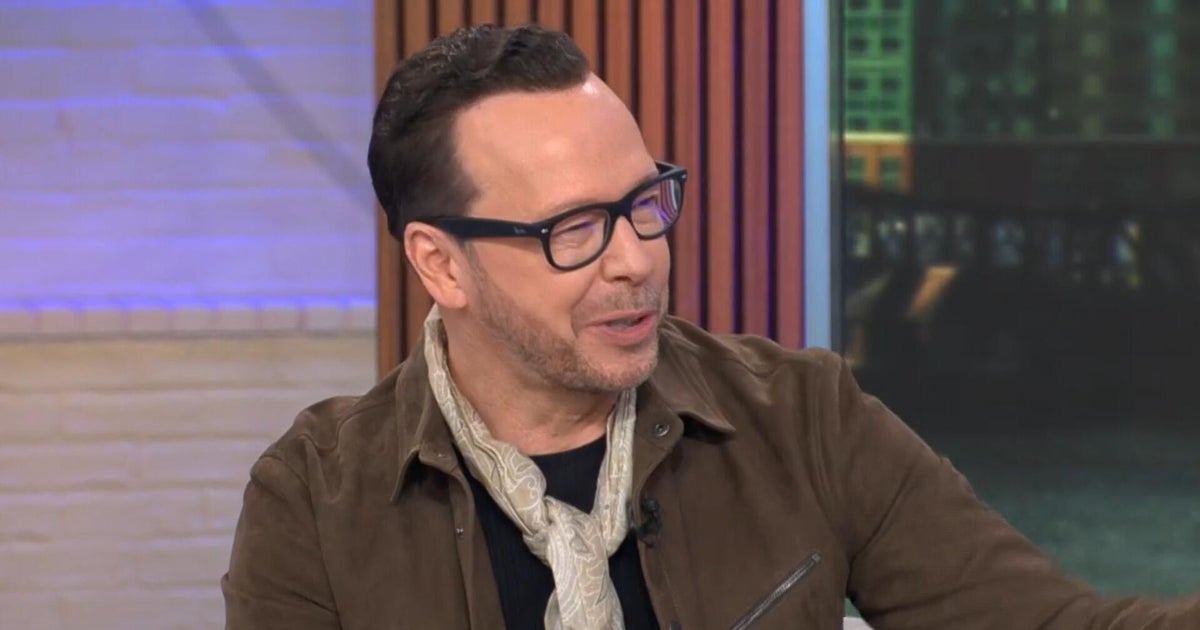
Donnie Wahlberg, an actor in the TV series "Boston Blue," shared his feelings when he told the cast that the show would come back for a second season. He also talked about the possibility of his wife, Jenny McCarthy, appearing on the show.
Key Facts
Donnie Wahlberg stars in the TV series "Boston Blue."
The show has been renewed for a second season.
Wahlberg shared emotional moments with the cast after announcing the renewal.
He discussed whether his wife, Jenny McCarthy, might appear on the show.
The information was shared during an interview on CBS News.
The renewal brings continued work and storylines for the cast and crew.
Read the Original
Want the full story? Tap a source to open the original
article.
The TV show "Daredevil: Born Again" Season 2 Episode 7, called "The Hateful Darkness," will be released on Disney+ on April 28, 2026, at 6 p.m. PT/9 p.m. ET. New episodes come out weekly on Tuesdays, and this episode will be about 44 minutes long.
Key Facts
"Daredevil: Born Again" Season 2 Episode 7 releases on Disney+ on April 28, 2026.
The episode will be available at 6 p.m. Pacific Time and 9 p.m. Eastern Time.
Disney+ requires a subscription, costing $11.99/month with ads or $18.99/month without ads.
Episodes of Season 2 are released weekly on Tuesdays, ending on May 5, 2026.
Episode 7 will be 44 minutes long.
The story involves Daredevil hiding while a task force searches for him and Bullseye.
Release times vary globally, with some regions getting it early morning on April 29.
Previous episodes introduced new characters and alliances as the story progresses.
Read the Original
Want the full story? Tap a source to open the original
article.
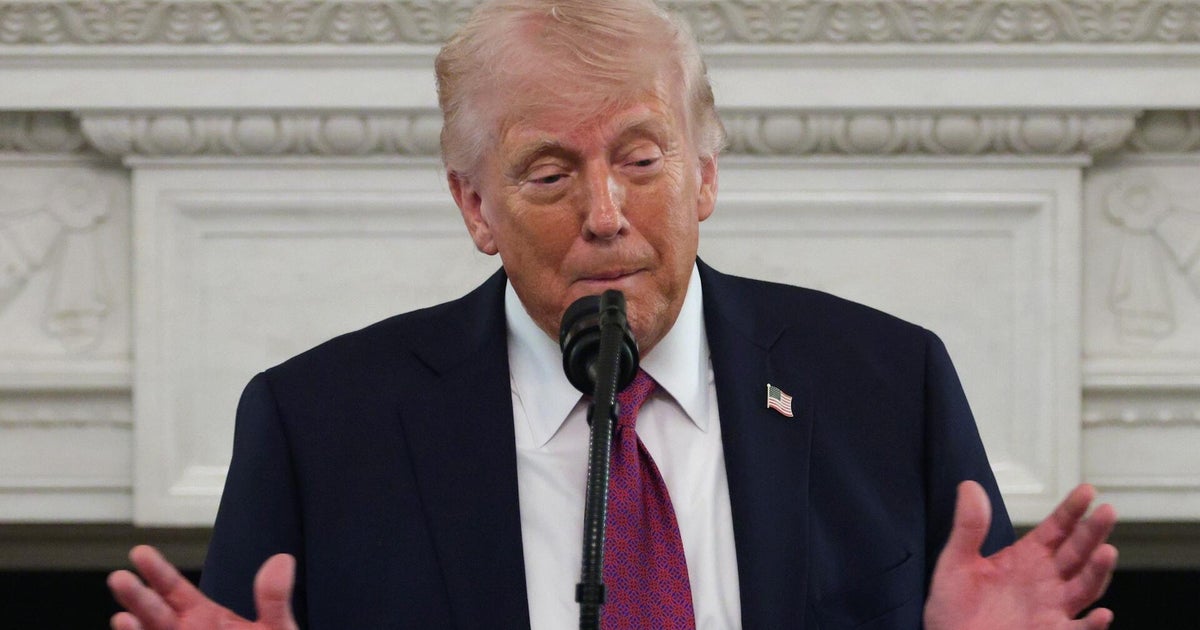
President Donald Trump has stated that a new nuclear deal with Iran will be better than the 2015 agreement that the US left in 2018. The US wants Iran to stop enriching uranium, which it uses for nuclear power but could also be used to make nuclear weapons if enriched to a much higher level.
Key Facts
The US and Iran are negotiating a new nuclear deal, with talks expected in Islamabad, Pakistan.
Iran enriches uranium for civilian use, like producing electricity, at low levels (3-5% U-235).
Weapons-grade uranium requires enrichment to about 90% U-235.
Uranium enrichment separates the lighter U-235 isotope from the heavier U-238 using centrifuges.
Uranium is mined and processed into various forms like yellowcake and uranium hexafluoride before enrichment.
Most natural uranium is U-238 (99.3%) and only about 0.7% is U-235.
Enrichment over 20% U-235 is considered highly enriched uranium by the International Atomic Energy Agency.
Uranium is mainly mined in five countries: Kazakhstan, Canada, Namibia, Australia, and Uzbekistan.
Read the Original
Want the full story? Tap a source to open the original
article.
Christopher Trybus was found not guilty of manslaughter, rape, and controlling behavior charges related to his wife Tarryn Baird's 2017 suicide. The jury at Winchester Crown Court cleared him after a five-week trial where he denied abuse allegations, saying his wife had mental health issues and made false claims.
Key Facts
Christopher Trybus, 43, faced charges of manslaughter, rape, and controlling or coercive behavior.
Trybus's wife, Tarryn Baird, died by suicide in 2017.
The trial lasted five weeks at Winchester Crown Court.
Trybus denied all abuse accusations and said Baird lied for attention.
An employee from a domestic abuse charity said Baird had reported violence incidents.
Trybus said he travelled abroad during some alleged abuse dates.
He suggested Baird had post-traumatic stress disorder after witnessing a violent event in South Africa.
Trybus claimed Baird’s injuries were from a foam roller, not abuse.
Read the Original
Want the full story? Tap a source to open the original
article.