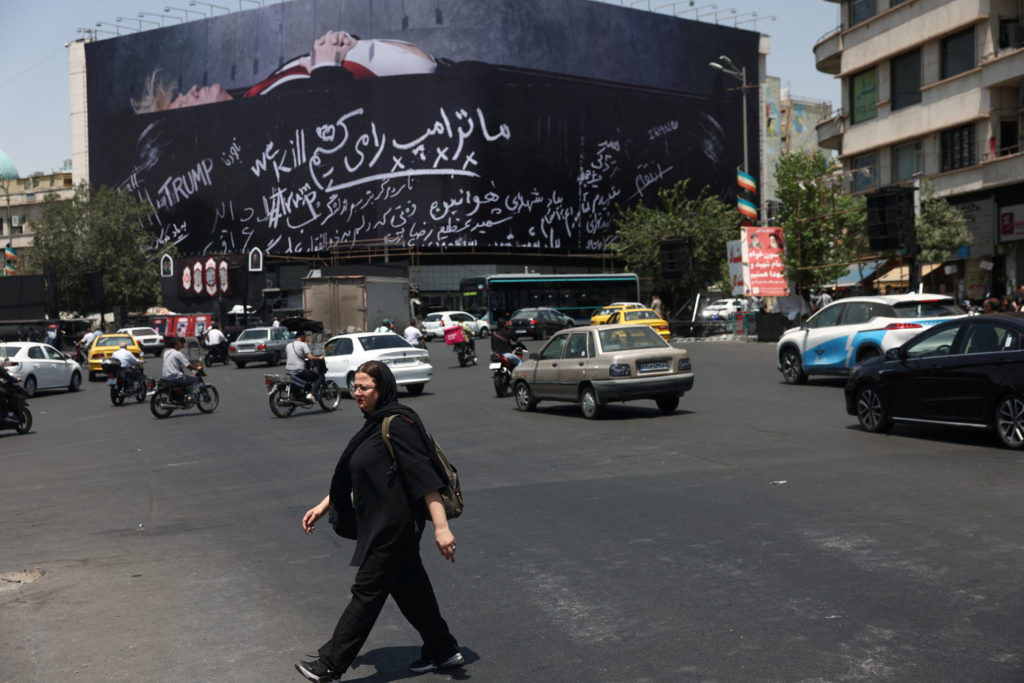
The United States government, including President Donald Trump, says Iranian leaders are confused and fighting among themselves during the ongoing war. Iran rejects this view and shows a united stance on controlling the Strait of Hormuz, a key shipping route, despite rising conflict with the US.
Key Facts
President Trump claims no one knows who is really in charge in Iran.
Iran and the US have been in conflict for about five months with no negotiated peace.
Iran insists on controlling passage through the Strait of Hormuz.
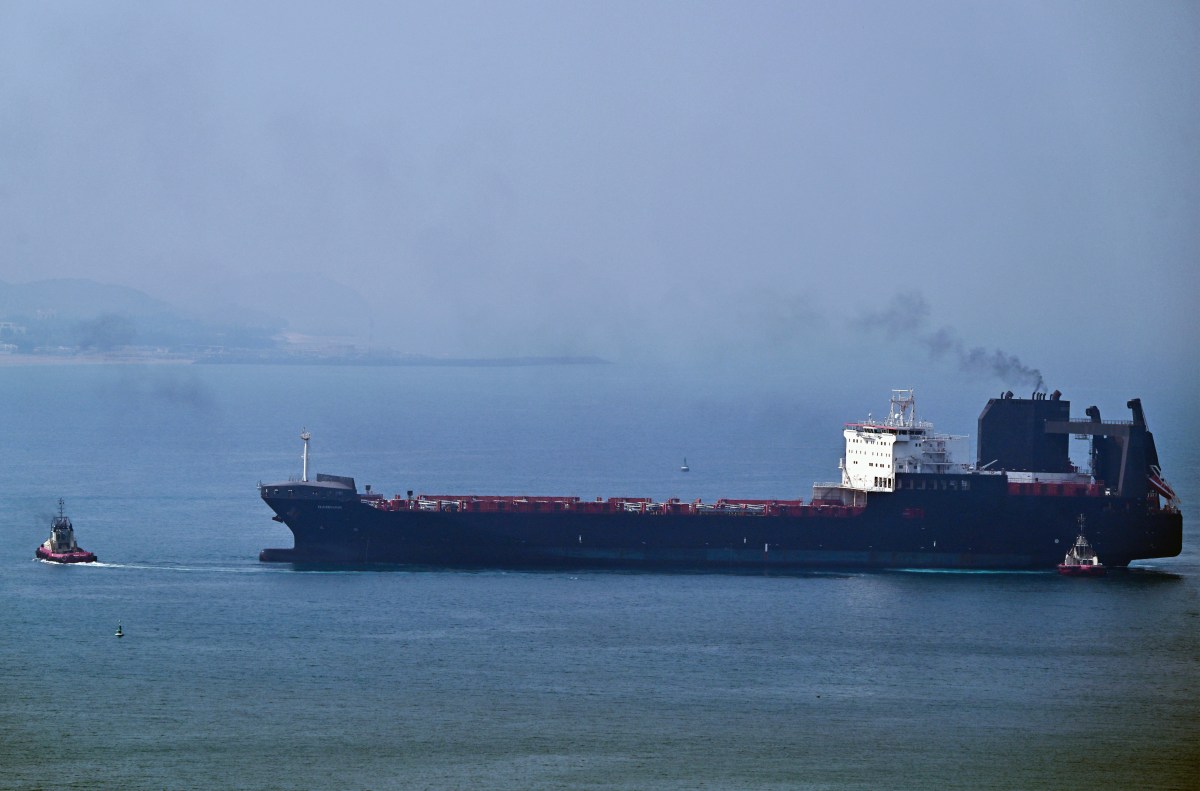
Several tankers and cargo ships have been attacked in the strait during recent clashes.
Iran proposed a third shipping route to ease tensions during talks in Oman.
Iran’s military leaders, including commanders of the Revolutionary Guard, show unity and continue fighting.
The Supreme National Security Council, with military figures, is managing Iran’s security decisions.
Iran’s president has less influence than the military leaders and supports diplomacy but under strict conditions.
Read the Original
Want the full story? Tap a source to open the original
article.
Keir Starmer gave his final speech at Prime Ministers’ Questions before he officially stops being Prime Minister on Monday. The discussion also covered what is known about Andy Burnham’s plans as the new leader.
Key Facts
Keir Starmer had his last session at Prime Ministers’ Questions.
His time as Prime Minister ends on the following Monday.
The discussion looked at Starmer’s final exchanges with Members of Parliament (MPs).
Attention is turning to Andy Burnham, who will take over leadership.
There is limited information about Burnham’s plans for his new team.
The article relates to a BBC podcast episode analyzing recent political events.
The podcast is hosted by Adam Fleming with a team of producers and editors.
Listeners can access the podcast via smart speakers and online platforms.
Read the Original
Want the full story? Tap a source to open the original
article.
The article discusses how actions by Israel are worsening the situation of the Palestinian healthcare system. This has put many Palestinians with serious illnesses at risk because they cannot get the care they need.
Key Facts
The Palestinian healthcare system is facing a severe crisis.
Israel's actions are contributing to the collapse of this healthcare system.
Many Palestinians with serious health problems are unable to receive proper medical treatment.
The lack of healthcare access can lead to death for those with critical conditions.
The article highlights the urgent health challenges faced by Palestinians.
The situation affects people who depend on medical services to survive.
Read the Original
Want the full story? Tap a source to open the original
article.
Wildfires are burning across northern Minnesota and nearby areas, prompting a state of emergency and alerts about poor air quality. The fires have spread over at least 33,000 acres and have caused evacuations as smoke and ash affect the region.
Key Facts
At least 17 wildfires are active in St. Louis and Lake Counties in Minnesota, including three in the Boundary Waters Canoe Area Wilderness.
St. Louis County declared a State of Local Emergency and Disaster due to wildfire damage and resource needs.
The Minnesota Pollution Control Agency issued an air quality alert from Tuesday 9 a.m. until Friday 11 a.m. due to wildfire smoke.
Air quality in northeastern Minnesota is expected to reach hazardous levels, and residents there are advised to stay indoors.
The fires have burned over 33,000 acres as of Tuesday afternoon.
Evacuation centers with public health support have been set up for affected residents and visitors.
Two Canadian wildfires have crossed into Minnesota, and authorities from both countries are working together to control the fires.
Smoke and ash from these fires, pushed by changing winds, are affecting air quality across the region.
Read the Original
Want the full story? Tap a source to open the original
article.
The U.S. has reimposed a naval blockade on Iran and increased airstrikes in response to Iranian attacks on ships near the Strait of Hormuz. These actions have escalated tensions, with both sides conducting attacks and Iran threatening to stop all energy exports from the Middle East.
Key Facts
The U.S. reimposed a naval blockade on Iran to stop ships trying to pass through the Strait of Hormuz.
U.S. airstrikes hit Iranian military targets, killing at least seven soldiers and injuring over 260 people.
The blockade and attacks come after an interim deal to pause fighting broke down.
The Strait of Hormuz is a vital waterway for global energy supplies, and Iran had previously restricted shipping there.
Iran’s Revolutionary Guard threatened to halt all oil and gas exports from the Middle East due to the blockade.
The U.S. military redirected two commercial ships trying to break the blockade within 17 hours of reimposing it.
The U.S. targeted strategic islands in the Strait of Hormuz, which Iran controls but the UAE claims.
Neighboring countries like Bahrain, Kuwait, and Jordan have faced missile attacks linked to the conflict.
Read the Original
Want the full story? Tap a source to open the original
article.
French lawmakers are set to vote on a bill that would allow adults with incurable illnesses to have the legal right to assisted dying. The bill has caused a heated debate, especially because many people on the political right in France strongly oppose it.
Key Facts
The vote will take place in the French National Assembly on Wednesday.
The bill aims to create a legal right to assisted dying for adults with incurable diseases.
Assisted dying means helping a very sick person to end their life to avoid suffering.
The topic has sparked intense ethical and political discussions in France.
The right-wing political groups in France are particularly against this bill.
The debate reflects deep divisions in French society about end-of-life choices.
If approved, this would change current laws about how people can choose to die in France.
Read the Original
Want the full story? Tap a source to open the original
article.
Sir Keir Starmer received a warm and respectful farewell from members of the UK Parliament during his last appearance at Prime Minister's Questions (PMQs). Leaders from different political parties, including Conservative leader Kemi Badenoch and Liberal Democrat leader Ed Davey, expressed kind words about Starmer.
Key Facts
Sir Keir Starmer participated in his final PMQs session as the prime minister.
The tone during the session was warmer and less confrontational than usual.
Conservative leader Kemi Badenoch led the appreciation for Starmer.
Liberal Democrat leader Ed Davey also offered kind remarks toward Starmer.
Labour MP Melanie Onn praised the friendlier atmosphere in Parliament.
Onn urged members of Parliament to maintain this positive tone in future sessions.
The event was covered with video footage, noting that JavaScript must be enabled to view it.
Read the Original
Want the full story? Tap a source to open the original
article.
Fighting near the Strait of Hormuz has made the area unsafe for shipping oil and gas. Countries in the Gulf region are creating new routes and building ports to avoid the strait and keep oil exports moving. Shipping companies are using land and alternative sea routes, but these options are slower and more complicated.
Key Facts
The Strait of Hormuz is a key route for about 20% of the world's oil and gas but has become dangerous due to recent conflicts.
The U.S. military launched strikes to reduce Iran’s threat to ships in the area.
The International Maritime Organization declared the strait unsafe for commercial vessels.
The United Arab Emirates plans to build a new port and container terminal on its east coast to bypass the strait.
Shipping company Hapag-Lloyd reroutes vessels to ports like Salalah, Jeddah, and Sharjah to avoid the strait.
Saudi Arabia uses a 750-mile pipeline to move crude oil to the Red Sea, but tankers face risks passing through the Bab el-Mandeb Strait.
These new routes and methods are less efficient and can cause longer shipping times and added costs.
Kuwait, Iraq, and Qatar still rely heavily on the Strait of Hormuz for their exports.
Read the Original
Want the full story? Tap a source to open the original
article.
Starting Wednesday, people traveling between southern Spain and Gibraltar will no longer face physical border checks because a border fence has been removed. This change is part of an agreement between the European Union and the United Kingdom and is expected to help local businesses by making travel easier.
Key Facts
The removal of the border fence took effect at midnight on Tuesday.
The border is between southern Spain and the British territory of Gibraltar.
Travelers will have new freedom of movement without physical checks.
This change follows a historic treaty between the EU and the UK.
The change is expected to benefit local businesses by improving cross-border travel.
Thousands of people cross this border every day.
Gibraltar is a British territory located at the southern tip of Spain.
Read the Original
Want the full story? Tap a source to open the original
article.
The article marks the 10th anniversary of the July 15, 2016 coup attempt in Turkiye, which was stopped by the people and government. Since then, Turkiye has grown stronger in diplomacy, economy, tourism, humanitarian aid, and national defense.
Key Facts
The July 15, 2016 coup attempt was led by the Fethullah Terrorist Organization (FETO) and was stopped by the Turkish people.
Turkiye now has the third-largest diplomatic network in the world with 264 missions.
The country focuses on regional peace, security, and resolving challenges through dialogue and diplomacy.
Turkiye’s economy grew steadily, ranking among the world’s top 20 economies, with exports hitting $273 billion in 2025 and expected to exceed $400 billion in 2026.
Tourism reached nearly 64 million visitors in 2025, making Turkiye the fourth-most-visited country globally.
Turkiye is the world’s most generous nation in humanitarian aid per person, ranking first in aid as a percentage of GDP.
The defense industry is strong, with over 80% of production domestic and a $3 billion research budget.
New defense products include the Tayfun Block 4 hypersonic missile and Yildirimhan intercontinental ballistic missile.
Read the Original
Want the full story? Tap a source to open the original
article.
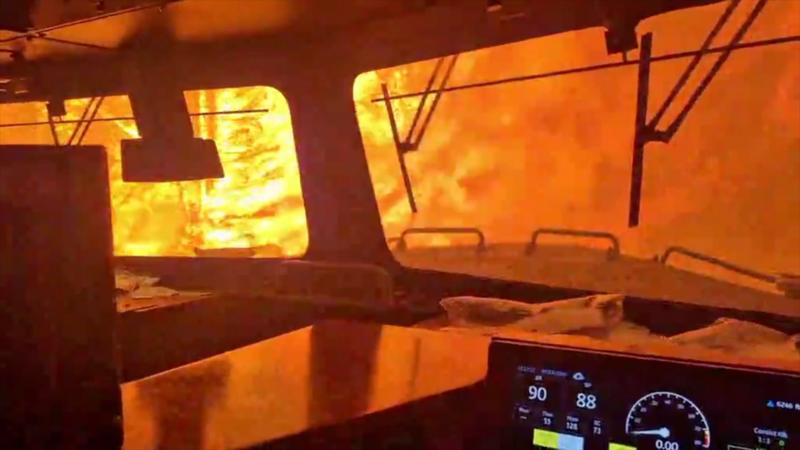
A video from July 13 shows a wildfire surrounding a freight train in Ontario, Canada. CN Rail stopped its work in the area and moved its workers to safety; all employees escaped without harm.
Key Facts
The video shows a wildfire around a freight train in Ontario.
CN Rail temporarily paused operations in that region.
Employees working near the train were safely relocated.
Multiple wildfires are burning in northwestern Ontario.
Many fires are still out of control because of very hot weather, dry conditions, and strong winds.
The event happened on July 13, 2024.
Ontario is a province in Canada where these wildfires are occurring.
The extreme weather is making it hard to put out the fires.
Read the Original
Want the full story? Tap a source to open the original
article.
President Donald Trump met with Iraq’s Prime Minister Ali al-Zaidi to discuss stronger economic ties and increased oil production. The US plans to withdraw troops from Iraq by September 30, but also urges Iraq to disarm Iran-aligned militias, putting Iraq in a difficult position between the US and Iran.
Key Facts
President Trump described Iraq’s Prime Minister Ali al-Zaidi as “young” and “handsome” during their White House meeting.
Trump and al-Zaidi pledged to increase economic cooperation and boost Iraq’s oil production.
Iraq is seeking an International Monetary Fund loan of up to $8 billion.
The US plans to withdraw all remaining troops from Iraq, fewer than 2,000, by September 30, 2024.
US Defense Secretary Pete Hegseth demanded that Iraq disarm militias aligned with Iran.
Kataib Hezbollah, an Iran-backed group in Iraq, said it would join a war against the US if conflict with Iran starts.
Iraq wants to maintain good relations with both the US and Iran due to economic and cultural reasons.
Iraq relies on US companies to modernize its oil and gas sector but faces pressure over militia activity.
Read the Original
Want the full story? Tap a source to open the original
article.
Australian researchers studied the flying ability of the greater glider, the largest gliding marsupial in Australia, and found it glides about 19 metres on average—much less than the 100 metres reported in an old study. The research shows that the animals rely on close tree cover to move, which is important for their conservation since they are endangered.
Key Facts
The greater glider is Australia’s largest gliding marsupial.
Researchers measured 41 glides using infrared binoculars, lasers, and tape measures in New South Wales forests.
The average glide distance is about 19 metres, not 100 metres as suggested by a 1941 study.
The longest recorded glide in this study was just under 50 metres.
Greater gliders launch from around 22 metres high and land about 5 metres above ground.
They use a membrane stretched from elbows to ankles to glide between trees.
The 1941 report may have confused greater gliders with yellow-bellied gliders, which can glide up to 145 metres.
Since greater gliders cannot glide far, habitat destruction like logging could prevent them from moving through forests easily.
Read the Original
Want the full story? Tap a source to open the original
article.
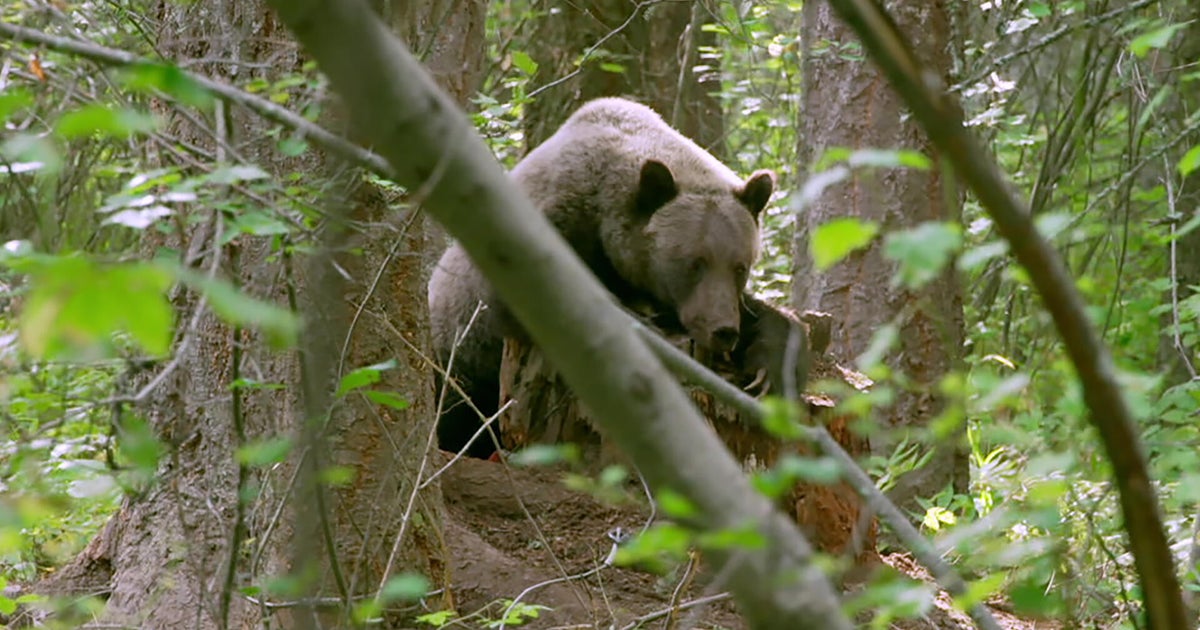
The article discusses a 2020 CBS News report about the comeback of grizzly bears in the United States. It shows how the grizzly population is growing after being endangered.
Key Facts
The report was originally aired in 2020 on the show "60 Minutes."
It focuses on grizzly bears that were once at risk of disappearing.
The grizzly bear population in the U.S. has increased recently.
The story highlights efforts to protect and recover these bears.
This comeback shows success in wildlife conservation.
The information is available through the CBS News app or website.
Read the Original
Want the full story? Tap a source to open the original
article.
Craig Foreman, a British man jailed in Iran, has been given a two-year longer prison sentence for talking to the media. He and his wife Lindsay were arrested in 2025 in Iran and sentenced to 10 years for spying, which they deny.
Key Facts
Craig and Lindsay Foreman are a British couple arrested in Iran in 2025.
They were traveling through Iran on a motorcycle as part of a global trip.
Both were sentenced to 10 years in prison on charges of espionage (spying).
The couple denies the spying accusations against them.
A judge added two more years to Craig Foreman’s sentence because he spoke to the media.
The UK government called their original sentences unfair and unjustified.
The family announced the sentence extension on July 15, 2026.
Read the Original
Want the full story? Tap a source to open the original
article.
President Trump said he does not want to negotiate with Iran at this time. He described the Iranian government as “evil” and blamed the latest Iranian representatives for preventing a deal between the two countries.
Key Facts
President Trump spoke about Iran during an interview on Fox News.
He said he is not interested in negotiating with Iran right now.
Trump called the Iranian regime “evil.”
He pointed to the newest group of Iranian officials as the reason talks are not happening.
The interview took place as new attacks involving Iran were occurring.
Read the Original
Want the full story? Tap a source to open the original
article.
A Ryanair passenger shared her experience of a frightening event where her husband was almost pulled out of a plane window. She spoke about how she helped save him during this dangerous situation.
Key Facts
The incident involved a passenger nearly being pulled out of a plane window.
The passenger's wife helped save him during the event.
The airline involved was Ryanair.
The woman publicly spoke out about the incident.
The event was described as terrifying.
The article includes other current news topics unrelated to this event.
Read the Original
Want the full story? Tap a source to open the original
article.
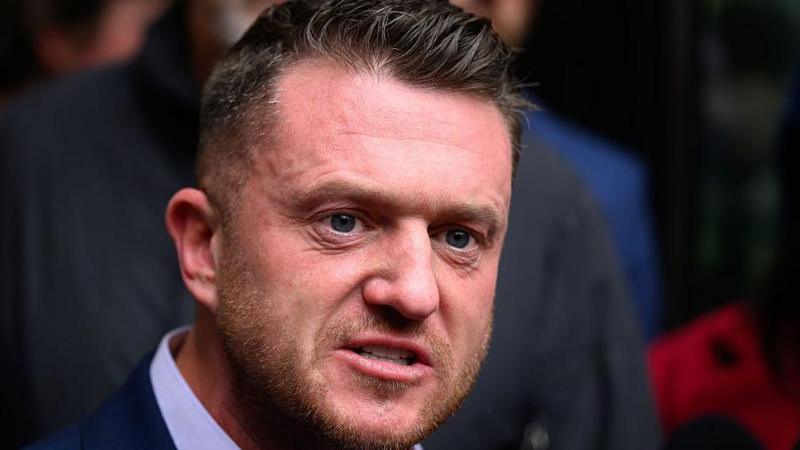
Far-right activist Tommy Robinson admitted he was wrong to accuse Quoroum Beg of filming children in a Glasgow park and shared a correction on social media. Beg, who was actually recording an anti-immigration protest, says Robinson’s correction is not a real apology and he now fears for his safety due to online threats.
Key Facts
Tommy Robinson falsely accused Quoroum Beg of filming children in a Glasgow park.
Beg was filming an anti-immigration protest that caused him and his family to leave the park.
Robinson called Beg an "invader" and shared the video with his two million followers.
Robinson later admitted his mistake and posted a correction on X (formerly Twitter).
Beg feels the correction wasn’t a real apology and is worried about his safety.
Beg has been given an emergency police number to call if he feels threatened.
Glasgow has had recent anti-immigration protests, some involving violence or threats.
Beg is a UK-born father of three who fears for his children’s safety due to the protests and online disinformation.
Read the Original
Want the full story? Tap a source to open the original
article.
Ukraine's Parliament accepted Prime Minister Yulia Svyrydenko's resignation after President Zelenskyy decided to change the top government leaders. The changes aim to prepare Ukraine better for the upcoming winter and improve relations with foreign partners, amid ongoing conflict with Russia.
Key Facts
Prime Minister Yulia Svyrydenko resigned, and Ukraine’s Parliament approved it.
President Zelenskyy wants to assign important foreign policy tasks to experienced people.
Preparing for a harsh winter and protecting Ukraine’s energy system are top priorities.
Last winter was difficult, with long power outages caused by Russian attacks on Ukraine’s energy grid.
Svyrydenko’s government was criticized for not preparing well for winter challenges.
Serhiy Koretskyi, head of Ukraine’s state energy company, may become the new prime minister.
Zelenskyy might appoint Svyrydenko as Ukraine’s Ambassador to the United States.
Some planned changes, like replacing the Defense Minister Mykhailo Fedorov, caused debate in Ukraine.
Read the Original
Want the full story? Tap a source to open the original
article.
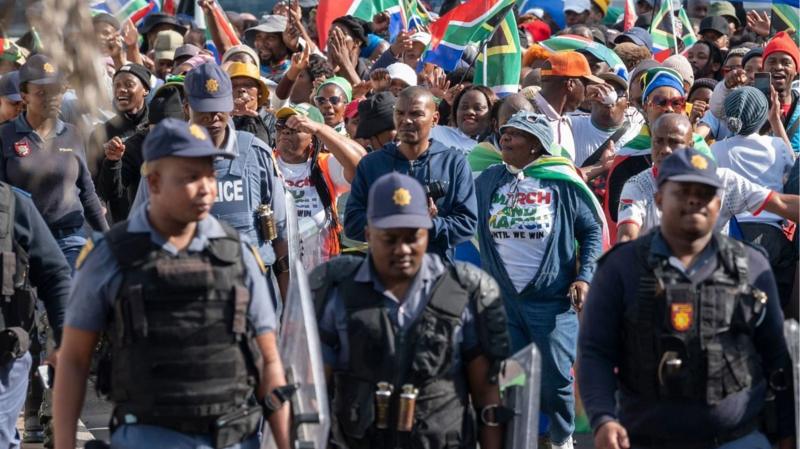
A special police team in South Africa is investigating the killing of Andile Mvuyelwa Somgxada, a leader of an anti-migrant group called March and March. He was shot near his home and died in the hospital days later, with police treating the case as serious and related to tensions over undocumented migrants.
Key Facts
Andile Mvuyelwa Somgxada was the Gauteng province leader of the anti-migrant group March and March.
He was shot outside his home east of Johannesburg earlier this month and died in hospital several days later.
The group believes the killing was retaliation for their campaign to get undocumented migrants to leave South Africa.
March and March had an unofficial deadline of 30 June for all undocumented migrants to leave the country.
A special multidisciplinary police team is investigating the shooting to find out what happened.
Immigration and undocumented migrants are a highly debated issue in South Africa, causing protests and some violence.
The South African government has deported or sent home over 53,000 foreign nationals in recent weeks.
Police warned that no group or person can legally do immigration checks or force people to leave communities.
Read the Original
Want the full story? Tap a source to open the original
article.