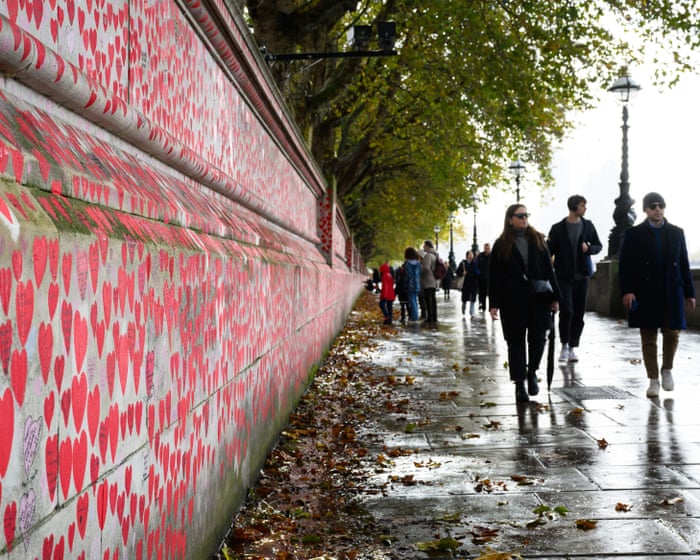
A public report on the Covid-19 pandemic found that government policies during lockdown caused harm to care home residents by isolating them and allowing the virus to spread through untested hospital discharges. Families of affected residents say the measures led to loneliness and preventable deaths.
Key Facts
Care home residents were isolated during the early pandemic to stop Covid-19 but this caused emotional harm.
The government discharged patients from hospitals into care homes without testing, spreading the virus widely.
The inquiry said the care sector was treated as an “afterthought” in planning.
Family members described loneliness and difficulty visiting relatives in care homes.
Some residents, like Amy’s grandfather Eric and Roger Dennison’s father Lucius, caught Covid and died after prolonged isolation.
Care workers also found the early situation frightening and distressing, fearing the serious effects of Covid.
The report criticized claims that a protective ring was placed around care home residents.
Many families are still upset about the impact of these policies years after the pandemic began.
Read the Original
Want the full story? Tap a source to open the original
article.
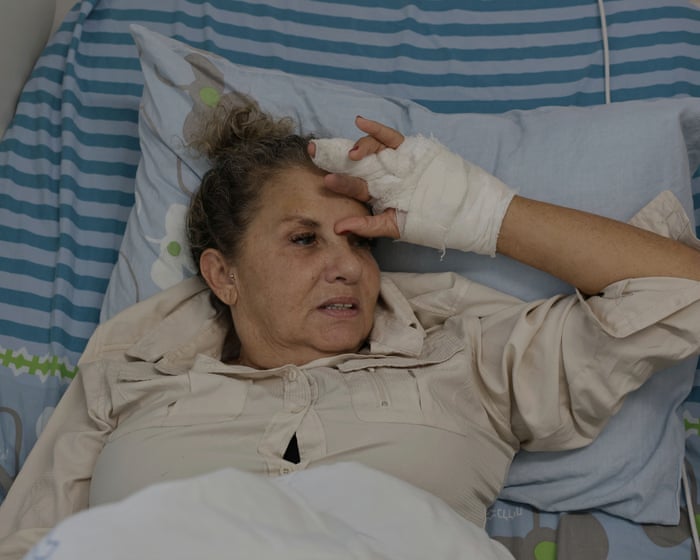
Helen Haines, an independent Member of Parliament from Wangaratta, Australia, was seriously injured when she was hit by a car in a deliberate attack. She had to have both legs amputated but remains mentally strong, and police have charged a man with causing harm and are considering further charges.
Key Facts
Helen Haines was struck by a car outside her office in Wangaratta, Victoria, on Monday afternoon.
The attack was targeted and deliberate, according to police.
Haines was airlifted to Melbourne and had both legs amputated but is mentally and emotionally stable.
A local man, Brendan Nugent, was charged with intentionally causing harm and may face attempted murder charges.
Haines is known for her work on establishing a national anti-corruption commission and helping her regional community with infrastructure projects.
She is respected and liked by the local community, described as warm, kind, and committed.
Bystanders helped her immediately after the attack, and she thanked them despite her injuries.
The attack has shocked the town of nearly 30,000 people which usually welcomes tourists and festival visitors.
Read the Original
Want the full story? Tap a source to open the original
article.
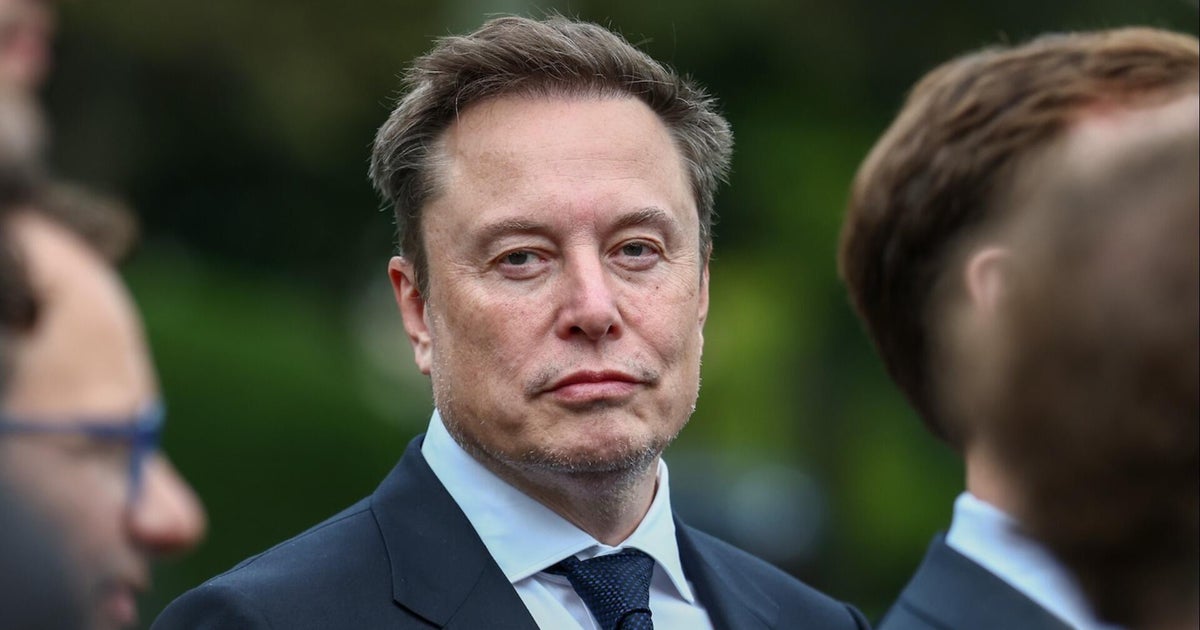
Elon Musk restricted Ukrainians' access to the SpaceX satellite network during the conflict in Ukraine. This decision raised worries about how much control technology owners have over important communication tools.
Key Facts
Elon Musk limited Ukraine's use of SpaceX satellites.
SpaceX satellites help provide internet and communication capabilities.
The restriction affected Ukraine's ability to communicate during the conflict.
The situation sparked debate about the power held by private tech companies.
Concerns arose over the accountability of those who control critical technology.
The issue is tied to the ongoing war in Ukraine.
Read the Original
Want the full story? Tap a source to open the original
article.
A Ukrainian reporter explained how important SpaceX satellites are for Ukraine’s defense against Russia. There are reports that Elon Musk limited Ukraine’s use of these satellites.
Key Facts
SpaceX satellites help Ukraine with communication and defense.
Elon Musk reportedly restricted Ukraine’s access to the satellite network.
A journalist from Kyiv, Francis Farrell, discussed this issue on CBS News.
The satellites play a role in Ukraine’s ability to respond to Russian attacks.
The situation has raised concerns about Ukraine’s security and support.
SpaceX is a private company owned by Elon Musk that operates satellite internet.
The SpaceX satellite network is called Starlink.
Ukraine depends on this technology in its conflict with Russia.
Read the Original
Want the full story? Tap a source to open the original
article.
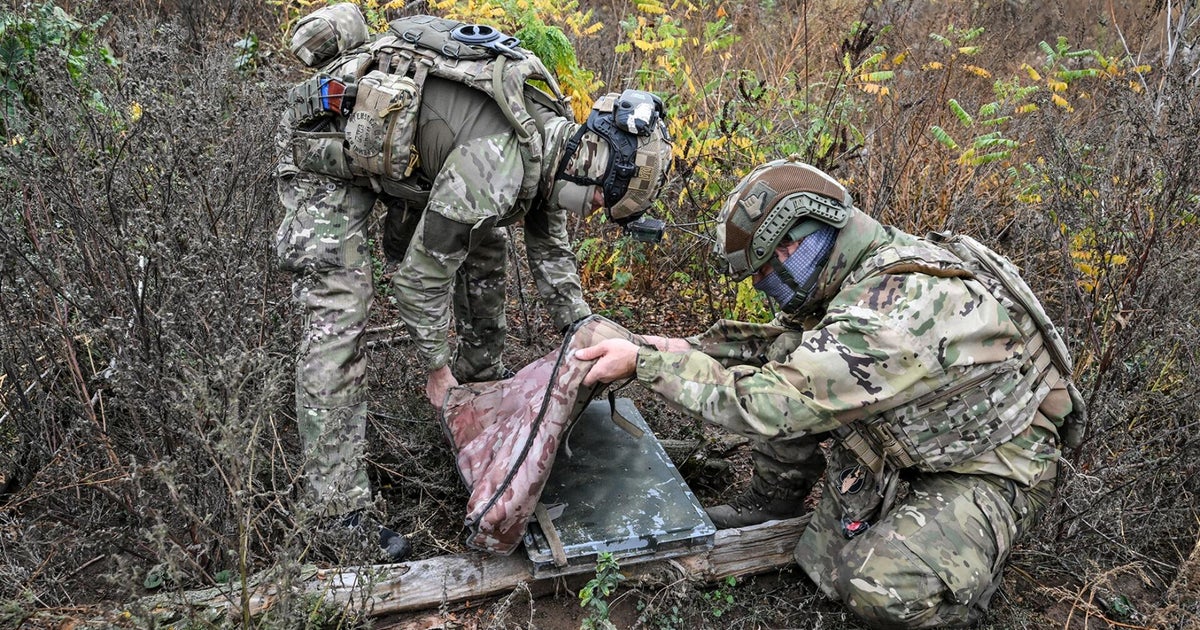
Heidi Levine, an American photojournalist, was seriously injured in an attack by Israeli settlers while covering an olive harvest in a Palestinian village on the West Bank. Local Palestinian youths helped protect her from further harm, allowing other journalists to assist her to safety.
Key Facts
Heidi Levine suffered four fractured vertebrae, two broken ribs, and four puncture wounds during the attack.
The attack happened in the Palestinian village of Abu Falah, north of Ramallah, while covering olive harvesting.
The attackers were masked Israeli settlers, some using wooden clubs with nails.
Palestinian youths used slingshots and stones to drive the settlers away, saving Levine’s life.
The Israeli army arrived during the incident, and afterward pursued the Palestinian youths rather than the settlers.
Levine has covered many conflicts and was wearing body armor and a helmet, which likely saved her life.
More than 20 Palestinians have been killed by settlers so far this year amid rising violence.
Levine plans to return to reporting in the West Bank once she recovers.
Read the Original
Want the full story? Tap a source to open the original
article.
Houthi rebels from Yemen have launched missile and drone attacks on Saudi Arabia, hitting important places like airports and oil facilities, causing deaths and damage. Despite Saudi Arabia’s large military spending, it has struggled to stop many of these attacks due to its large borders, multiple threats, and a shortage of missile interceptors.
Key Facts
The Houthis attacked Saudi Arabia’s energy and civilian sites, killing at least 20 people.
They hit Saudi Aramco, the world’s largest oil company, and fight for Yemen’s Red Sea coast.
Saudi Arabia has large, vulnerable borders with Iran, Iraq, and Yemen, facing multiple threats.
The kingdom spent $83 billion on defense last year, the most in the Middle East.
Saudi Arabia uses U.S.-made Patriot missile systems to try to stop attacks but has missed some.
A global shortage of missile interceptors affects Saudi Arabia’s ability to defend itself.
U.S. officials say many countries, including Saudi Arabia and Israel, want more interceptors.
The ongoing conflicts in Ukraine and the Middle East add to the shortage of missile defense resources.
Read the Original
Want the full story? Tap a source to open the original
article.
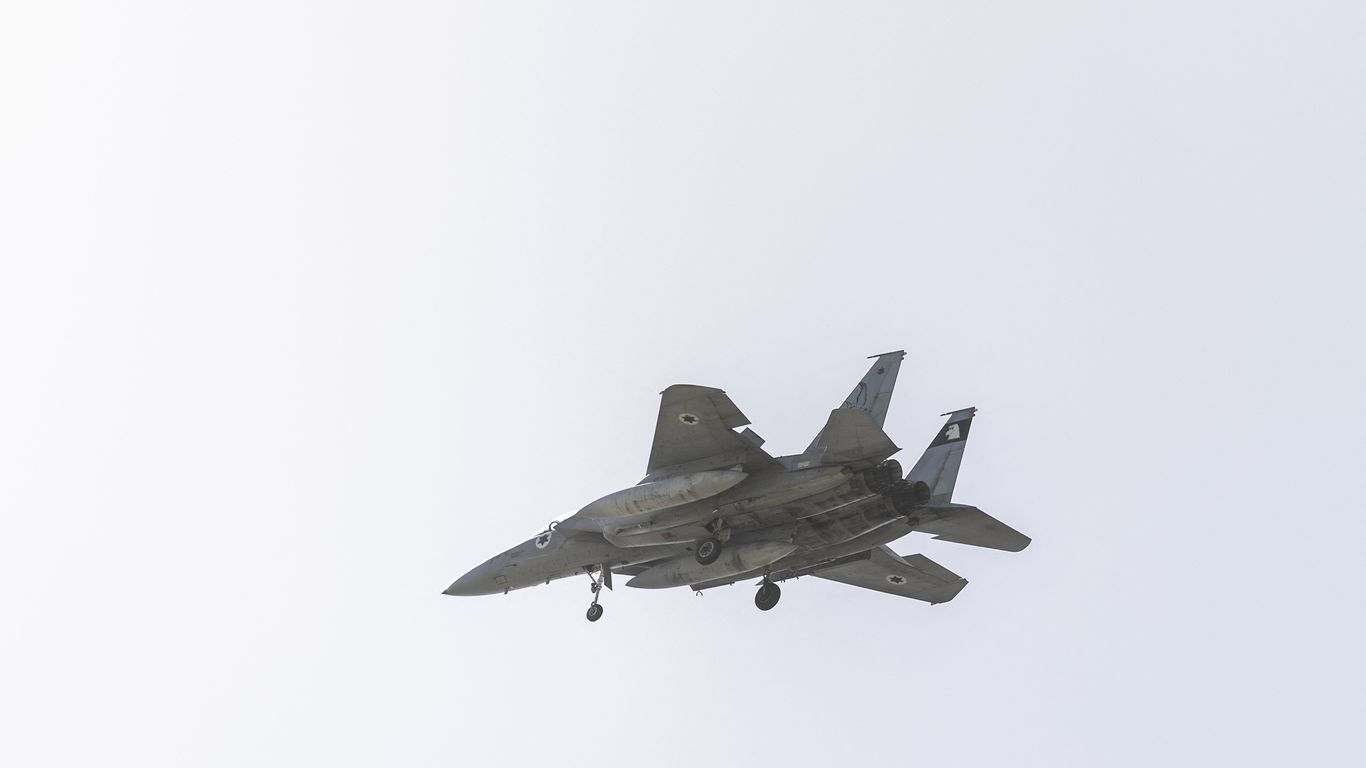
The Israeli Air Force flew dozens of fighter jets close to Iran’s border in a large military exercise described as a training operation to show strength and deter Iran. The flight took place one week before Israeli elections and included refueling planes, following a path that suggested a possible strike but turned back before entering Iranian airspace.
Key Facts
Dozens of Israeli jets and refueling aircraft flew up to 800 miles away, near Iran’s border.
The exercise flew over Syrian and Iraqi airspace before turning back near Iran.
Israel informed the U.S. in advance and called it a “power projection” training.
The operation aimed to warn Iran against attacking Israel before elections.
Some U.S. officials thought Israel might have hoped Iran would respond by firing.
Last week, Israeli Prime Minister Netanyahu and President Trump talked about possibly launching military action against Iran.
Israeli military leaders said starting a war now could delay Israel’s elections due to Iranian retaliation.
Netanyahu stated that Iran is moving forward with nuclear weapon development and ordered security forces to stop this threat.
Read the Original
Want the full story? Tap a source to open the original
article.
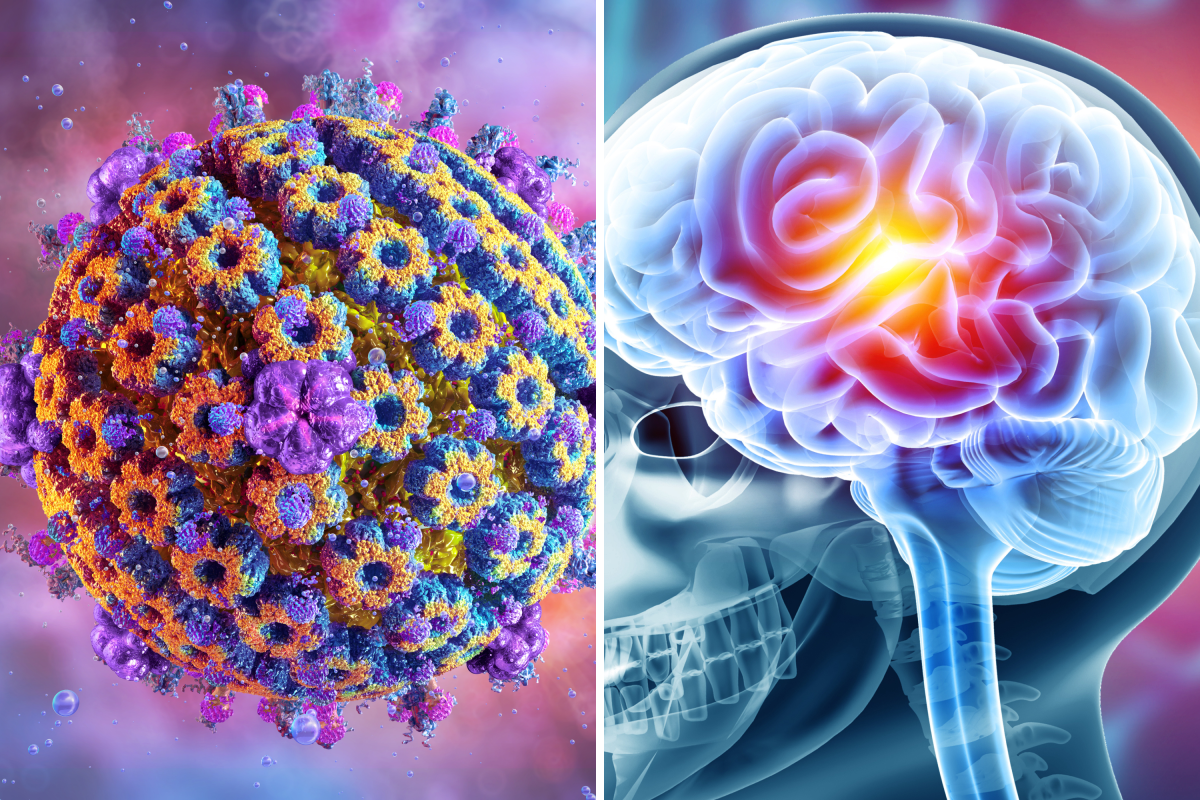
New research from the University of Colorado Anschutz shows that a common virus called herpes simplex virus type 1 (HSV-1), which causes cold sores, can change how brain immune cells work. These changes might help explain why this virus could be linked to a higher risk of Alzheimer’s disease.
Key Facts
HSV-1 infects more than 60% of people worldwide.
The virus affects microglia, brain cells that normally protect and maintain brain health.
When infected, microglia activate strong antiviral responses using molecules called interferons.
This antiviral activation reduces the cells’ ability to perform their usual maintenance and protective roles.
The changes in microglia resemble those seen in people with genetic risks for Alzheimer’s, such as those carrying the ApoE4 gene.
Researchers also found changes in chromatin, which affects gene activity in the brain cells after HSV-1 infection.
Alzheimer’s disease results from many genetic and environmental factors, and ongoing research is exploring how viruses like HSV-1 may play a role.
Scientists hope to find ways to improve brain immune cell function to lower Alzheimer’s risk without losing their infection-fighting ability.
Read the Original
Want the full story? Tap a source to open the original
article.
A Canadian publisher dropped writer Thélyson Orélien after confirming he used artificial intelligence (AI) in writing his debut novel, “It Was Either That or Die.” The publisher found AI-related data in the manuscript and ended their partnership, while Orélien denied the claims.
Key Facts
Thélyson Orélien is a Haitian-born Quebecois writer whose debut novel gained praise.
His novel was suspected to contain AI-generated text and was removed from the shortlist for France’s main literary prize, the Goncourt.
The publisher, Boréal, investigated and confirmed AI was used during the writing process by analyzing document metadata.
Boréal ended their professional relationship with Orélien after he refused to provide more information.
Orélien started writing the novel in 2017 and completed it in 2019, before popular AI tools were widely available.
The book was planned to be translated into over 20 languages before the controversy.
Orélien called the AI use allegations “slander and heresy.”
This case highlights challenges in distinguishing human-written work from AI-assisted writing in literature.
Read the Original
Want the full story? Tap a source to open the original
article.
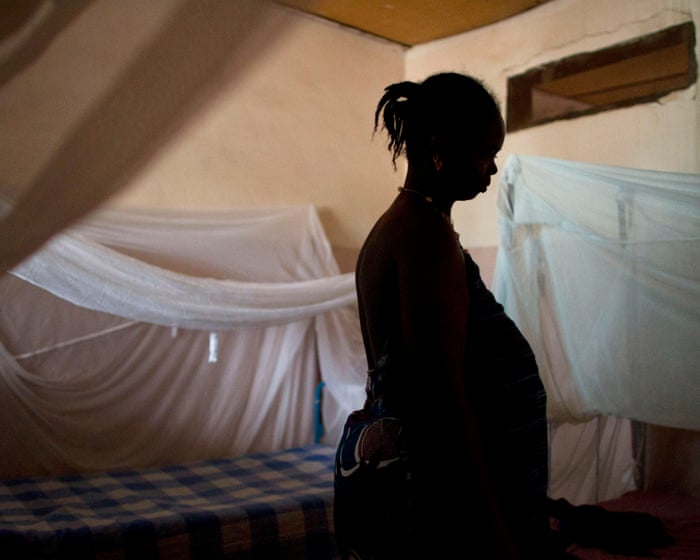
A US-supported hepatitis B vaccine trial in newborns in Guinea-Bissau has been stopped because it did not get government approval. The government has taken control of the vaccines, and experts urge providing the hepatitis B vaccine to all newborns quickly to protect against the disease.
Key Facts
The hepatitis B vaccine trial in Guinea-Bissau was halted due to lack of government approval.
The study was funded with $1.6 million from the US CDC and $1.6 million from private groups.
Guinea-Bissau’s health minister denied that the trial would proceed.
The government took possession of the vaccines after searching the research project’s offices.
Experts criticized the trial as unethical because newborns not in the study would not get the vaccine.
Guinea-Bissau plans to offer the hepatitis B vaccine to all newborns by 2028.
The World Health Organization recommends giving the first dose of hepatitis B vaccine within 24 hours of birth.
The trial tested the idea that giving hepatitis B vaccine with other vaccines could affect overall child survival, a theory some experts said lacks evidence.
Read the Original
Want the full story? Tap a source to open the original
article.
A Catholic priest in Guayaquil, Ecuador, died after a crucifix fell on his head during Mass, which was being livestreamed. Another priest said this was not a punishment from God and urged safety checks on church objects following the accident.
Key Facts
Father Patricio Alfredo Sánchez Molinari was killed when a crucifix fell on him during a live-streamed Mass in Guayaquil, Ecuador.
The video of the accident spread online, getting over 12 million views.
Some people online suggested the death was a divine punishment, but Father Juan Carlos Vásconez disagreed.
Father Vásconez referenced a Bible story to explain that accidents don’t mean more guilt or punishment from God.
The Archdiocese of Guayaquil confirmed Father Sánchez Molinari’s death and shared a message of mourning.
The priest’s family asked for an investigation to understand how the crucifix fell.
Father Vásconez recommended inspecting church items like crosses and statues to prevent similar accidents.
Father Sánchez Molinari belonged to a religious group that helps poor and isolated communities.
Read the Original
Want the full story? Tap a source to open the original
article.
French President Emmanuel Macron made a surprise visit to Riyadh to show support for Saudi Arabia amid increased attacks by Houthi rebels from Yemen. During the visit, Macron secured agreements to import more oil and diesel to help lower fuel prices in France and to boost security cooperation with Saudi Arabia.
Key Facts
Macron’s visit to Riyadh was unannounced and was the first by a Western leader since the recent rise in Houthi attacks.
The Houthis, a rebel group backed by Iran, have intensified attacks on Saudi Arabia, including a maritime blockade.
Macron met with Saudi Crown Prince Mohammed bin Salman and agreed on increased diesel supplies to France for an extended period.
France has sent troops and military equipment to help protect the Saudi oil terminal of Yanbu from attacks.
The visit aimed to ease fuel prices in France, which have caused protests over high living costs.
Saudi Arabia relies on the Yanbu terminal to export oil after the Strait of Hormuz was blockaded.
The UK also deployed fighter jets to support Saudi Arabia’s defense against Houthi attacks.
Macron secured additional energy imports from the UAE, Bahrain, and Qatar as part of his Gulf tour.
Read the Original
Want the full story? Tap a source to open the original
article.
The deputy director of Number 10 North said the UK government needs a change in attitude to meet its goals. Number 10 North, based in Manchester and opened by Prime Minister Andy Burnham, aims to bring government power closer to local areas but faces challenges within government institutions.
Key Facts
Number 10 North was opened in Manchester by Prime Minister Andy Burnham in July.
Its goal is to move power and responsibility closer to local regions like Greater Lincolnshire.
Duncan Parish, deputy director, says government departments often work slowly and face internal competition.
The office works on issues like health, transport, education, and social care at a national level.
Critics have called Number 10 North a "gimmick" and questioned the transparency of its costs.
The government has not fully disclosed spending on staff travel or how many people work there.
Officials say expenses for travel and hotels are paid from existing budgets but are not centrally tracked.
Number 10 North plans regular meetings with regional mayors and hosted Irish leader Micheál Martin in September.
Read the Original
Want the full story? Tap a source to open the original
article.
Collin Gosselin, known from the TV show Jon & Kate Plus 8, spoke about growing up constantly filmed and now wants more privacy for children. He also shared serious claims about his childhood treatment by his mother, which she denies.
Key Facts
Collin Gosselin appeared on the reality show Jon & Kate Plus 8 from age 3.
He said filming was a normal part of his early life, including private moments like birthdays and potty training.
Gosselin claimed producers sometimes asked kids to repeat scenes, which made him question the show's "reality."
At around age 8, he expressed he did not want to be filmed and resisted participating.
He believes children need privacy to feel safe and grow without being recorded.
Gosselin raised concerns about social media making it easier for families to broadcast kids without their permission.
He accused his mother, Kate Gosselin, of physical and verbal abuse and isolating him, including locking him in a basement room.
Kate Gosselin and her lawyer have denied these accusations, calling them "ridiculous."
Read the Original
Want the full story? Tap a source to open the original
article.
French President Emmanuel Macron made an unannounced visit to Saudi Arabia to show support amid recent attacks by the Houthi group. Saudi Arabia agreed to supply extra diesel to France for as long as needed, helping to ease France’s energy supply issues caused by regional conflicts and high fuel prices.
Key Facts
Macron visited Riyadh suddenly, becoming the first Western leader to visit Saudi Arabia since recent Houthi attacks.
Saudi Arabia promised to send extra diesel fuel to France without a specified end date.
The visit showed France’s solidarity with Saudi Arabia and aimed to strengthen energy supply security.
Macron met Crown Prince Mohammed bin Salman to discuss increased security cooperation and infrastructure projects.
France secured additional diesel supplies from the UAE and Bahrain, totaling 295,000 tonnes per month (over 10% of France's needs).
France is sending military support to help protect the Red Sea port of Yanbu, which has been targeted by the Houthis.
The UK is also sending fighter jets to defend Saudi Arabia, calling their role defensive.
European support is seen as protecting oil exports important to their energy markets amid limited U.S. military involvement.
Read the Original
Want the full story? Tap a source to open the original
article.
Small shop owners in Paris are deeply upset after rioters broke into their stores and took or damaged their goods. They worry about more protests coming on Saturday that could cause even more harm to their businesses.
Key Facts
Rioters in Paris looted many small shops.
Shopkeepers say they lost their goods and feel traumatized.
These businesses are important for the local community.
More protests are planned in France on the upcoming Saturday.
Shop owners fear additional damage to their shops during these protests.
The situation adds to tensions in the city after recent unrest.
Local economy and small business livelihoods are at risk.
Authorities are preparing for the upcoming protests to prevent more violence.
Read the Original
Want the full story? Tap a source to open the original
article.
The article discusses concerns that Americans may continue to face high gasoline prices while Russia benefits from eased sanctions. It also highlights that Russia could gain more chances to negotiate directly with the U.S. under favorable conditions.
Key Facts
Gasoline prices in the United States remain high, causing difficulties for Americans.
Sanctions against Russia are being reduced or softened.
Russia may receive opportunities to negotiate directly with the U.S. government.
These negotiations could happen on terms that favor Russia.
The situation involves ongoing tension between the U.S. and Russia related to sanctions and diplomacy.
Read the Original
Want the full story? Tap a source to open the original
article.
French President Emmanuel Macron made an unexpected visit to Riyadh to meet Saudi Crown Prince Mohammed bin Salman. This visit happened during Macron’s trip through the Gulf region, at a time when Saudi Arabia is facing more attacks from Yemen’s Iran-backed Houthi forces.
Key Facts
President Macron visited Riyadh without announcing it beforehand.
He met with Saudi Crown Prince Mohammed bin Salman.
The visit was part of Macron’s ongoing tour of Gulf countries.
Saudi Arabia is experiencing more attacks from Yemen’s Houthi rebels.
The Houthis are supported by Iran.
The visit shows France’s interest in maintaining ties with Saudi Arabia during this tense period.
Read the Original
Want the full story? Tap a source to open the original
article.
Thousands of Greek students held protests across Greece, taking inspiration from demonstrations happening in France and other European countries. These protests are part of broader unrest across Europe seen recently.
Key Facts
The protests took place in Greece on Wednesday.
Greek students led the demonstrations.
The protests were motivated by similar demonstrations in France and other parts of Europe.
The article mentions ongoing unrest in other European nations as context.
The news report includes a video by Mandi Heshmati showing the protests.
No specific reasons for the protests in Greece are detailed in the article.
Related news touches on events in France, Russia, and other countries, indicating wider geopolitical activity.
Read the Original
Want the full story? Tap a source to open the original
article.
Meghan Markle made a strong phone call to fashion designer Roland Mouret after his staff asked for dresses back, which embarrassed her. This story is part of wider claims that Meghan bullied royal staff, claims she has denied and called a "smear campaign."
Key Facts
Meghan Markle reportedly made an angry call to designer Roland Mouret when his team tried to get some dresses back.
Mouret had sent clothes to Meghan after she moved to the UK to help her with royal events.
The request to return the dresses was meant to be efficient but upset Meghan because it was done publicly.
Meghan denied bullying royal staff and said the claims are a "smear campaign."
The story about royal staff tensions over fashion freebies was first published in 2021.
Meghan wore a Mouret outfit the day before her 2018 wedding.
Mouret’s memoir includes this story and is being released on October 22.
Supporters say allegations about Meghan bullying staff come from unnamed sources and are disputed.
Read the Original
Want the full story? Tap a source to open the original
article.