Venezuela’s interim government and the opposition will start formal talks to improve democracy in the country. The talks are supported by the United States and focus on democratic changes after recent deadly earthquakes.
Key Facts
The talks aim to “strengthen democracy” in Venezuela.
The opposition will be represented by Dinorah Figuera, who recently returned from exile in Spain.
María Corina Machado, a popular opposition figure, will not take part in the talks.
The talks will begin on August 1 with former members of Venezuela’s 2015 opposition-controlled National Assembly.
The US supports the talks and sees them as a way to promote a democratic transition.
Nicolás Maduro is widely believed to have stolen the 2024 election; his vice president was Delcy Rodríguez.
Public anger is growing over the government’s response to the June earthquakes that killed over 4,700 people.
The rebuilding of the electoral system is expected to take at least eight months according to the opposition.
Read the Original
Want the full story? Tap a source to open the original
article.
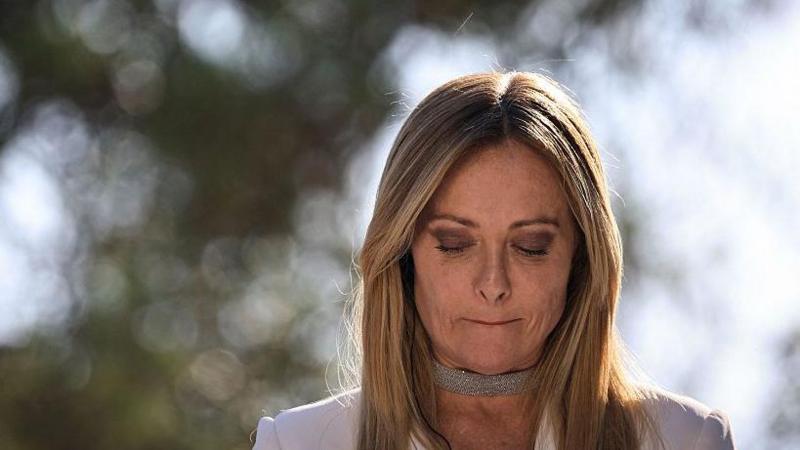
Italy's Prime Minister Giorgia Meloni's coalition government lost a close vote in the lower house of parliament on a key electoral reform proposal. The amendment was rejected by one vote, showing divisions within Meloni's own coalition and posing challenges ahead of the next general election.
Key Facts
The vote in Italy's lower house was 188 against and 187 in favor of an electoral reform amendment.
The reform aimed to create a fully proportional voting system with a bonus for the largest party or coalition.
The rejected amendment concerned preference voting, which lets voters pick specific candidates from party lists.
Several MPs from Meloni's party, Brothers of Italy (FdI), voted against the amendment.
Meloni said the vote was a missed chance for Italians, but she did not agree to calls for early elections.
The coalition government includes center-right and right-wing parties but is experiencing internal tensions.
Opposition parties are uniting and preparing to challenge Meloni in the next election, planned for 2027.
Meloni might need to broaden her support either toward centrist voters or more extreme right-wing groups to win again.
Read the Original
Want the full story? Tap a source to open the original
article.
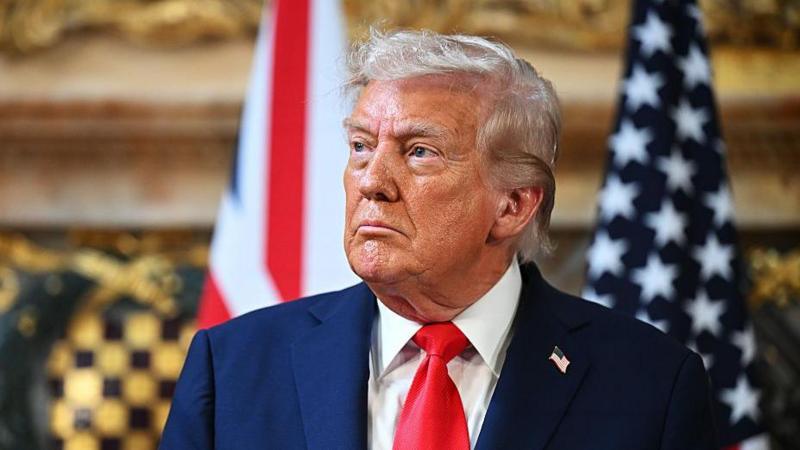
President Donald Trump threatened to expand U.S. attacks on Iran’s civilian infrastructure if Iran does not reach a deal. He also canceled a planned 20% fee on ships passing through the Strait of Hormuz after discussions with Middle Eastern leaders, but said the U.S. will continue to blockade Iranian ports.
Key Facts
President Trump threatened to target Iranian civilian sites like power plants and bridges if Tehran refuses a deal.
Destroying civilian infrastructure violates international humanitarian law and could be considered a war crime.
Trump canceled a previous plan to charge ships a 20% fee for security in the Strait of Hormuz.
The fee cancellation followed talks with Middle Eastern leaders and promises of large investments.
The U.S. will still keep blockades on Iranian ports despite dropping the toll.
Senate Democrats blocked a defense bill because of ongoing fighting involving Iran.
Some House Democrats opposed cutting U.S. military aid to Israel amid disagreements in their party.
Read the Original
Want the full story? Tap a source to open the original
article.
Cuba has experienced its third nationwide power outage in just over a week due to a fuel crisis worsened by U.S. sanctions and pressure. The blackouts have caused major problems for residents, who face spoiled food and limited electricity, while the Cuban government blames the U.S. for worsening their energy problems.
Key Facts
Cuba experienced a third island-wide blackout in little more than a week.
The blackouts are linked to a severe fuel shortage caused partly by U.S. sanctions.
The U.S. stopped Venezuelan oil shipments to Cuba after capturing Venezuela’s leader, Nicolás Maduro.
The U.S. threatened tariffs on countries supplying oil to Cuba, contributing to an oil blockade.
Cuba depends heavily on fuel imports to run its aging electricity system.
Cuba’s energy ministry said repairs are underway after the power grid fully disconnected on Tuesday morning.
President Trump and U.S. officials have openly opposed Cuba’s communist government and hinted at possible military action.
Cuba approved major economic reforms in June aiming to reduce U.S. pressure by shifting toward free-market policies.
Read the Original
Want the full story? Tap a source to open the original
article.
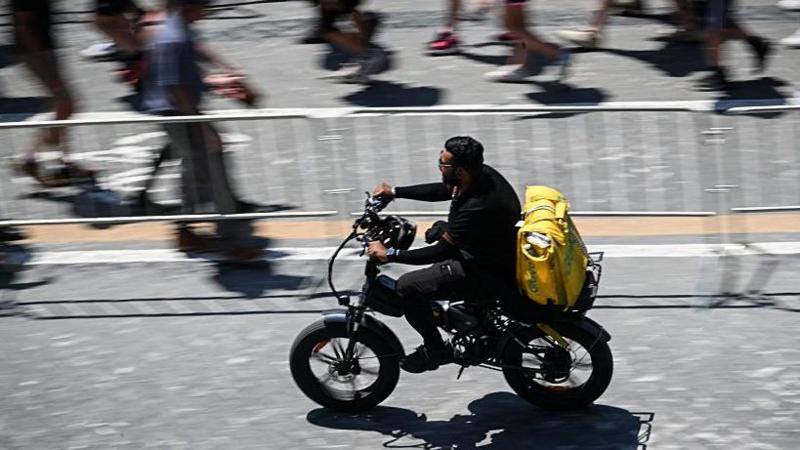
Delivery riders in several Italian cities are going on strike to demand better working conditions during a heatwave. Local authorities have set rules to limit work during the hottest hours, but riders want protections that do not reduce their pay.
Key Facts
Delivery riders in Milan, Bologna, and Florence plan strikes or app shutdowns due to extreme heat.
Milan limits deliveries from 12:30 pm to 4 pm until late September for workers’ safety.
Riders want measures that protect both their health and wages.
Heatwaves are affecting workers across Europe, with an estimated 130 million at risk of heat stress annually.
Southern Spain’s Glovo riders criticized insufficient protections during temperatures near 45°C.
Italy bans outdoor construction and farm work during the hottest hours in some regions.
Unions will meet Italy’s labor ministry on Thursday to discuss worker protections and social safety nets.
Some companies like JustEat are in talks with unions and state their riders are not striking.
Read the Original
Want the full story? Tap a source to open the original
article.
An Israeli attack in Gaza killed several police officers and a police station director, increasing civilian deaths despite a ceasefire. Analysts say these strikes target officials and professionals in Gaza to disrupt future governance and aid efforts, deepening the region’s humanitarian crisis.
Key Facts
An Israeli raid in Jabalia killed a police station director and several officers.
Israel cites the presence of Hamas fighters and threats to justify its actions.
Since a ceasefire began, there have been thousands of violations by Israel leading to over 1,100 Palestinian deaths and more than 3,500 injuries.
Only about one-third of expected aid trucks and travelers are allowed to enter Gaza during the ceasefire.
Israel’s attacks have systematically targeted police, medical workers, government officials, and educators.
Since January 2026, at least 12 attacks on police killed 35 officers.
The education and medical systems in Gaza have suffered heavy losses, including over 11,000 schoolchildren killed.
Analysts believe Israel aims to prevent Gaza’s recovery and maintain control by causing ongoing chaos and destruction.
Read the Original
Want the full story? Tap a source to open the original
article.
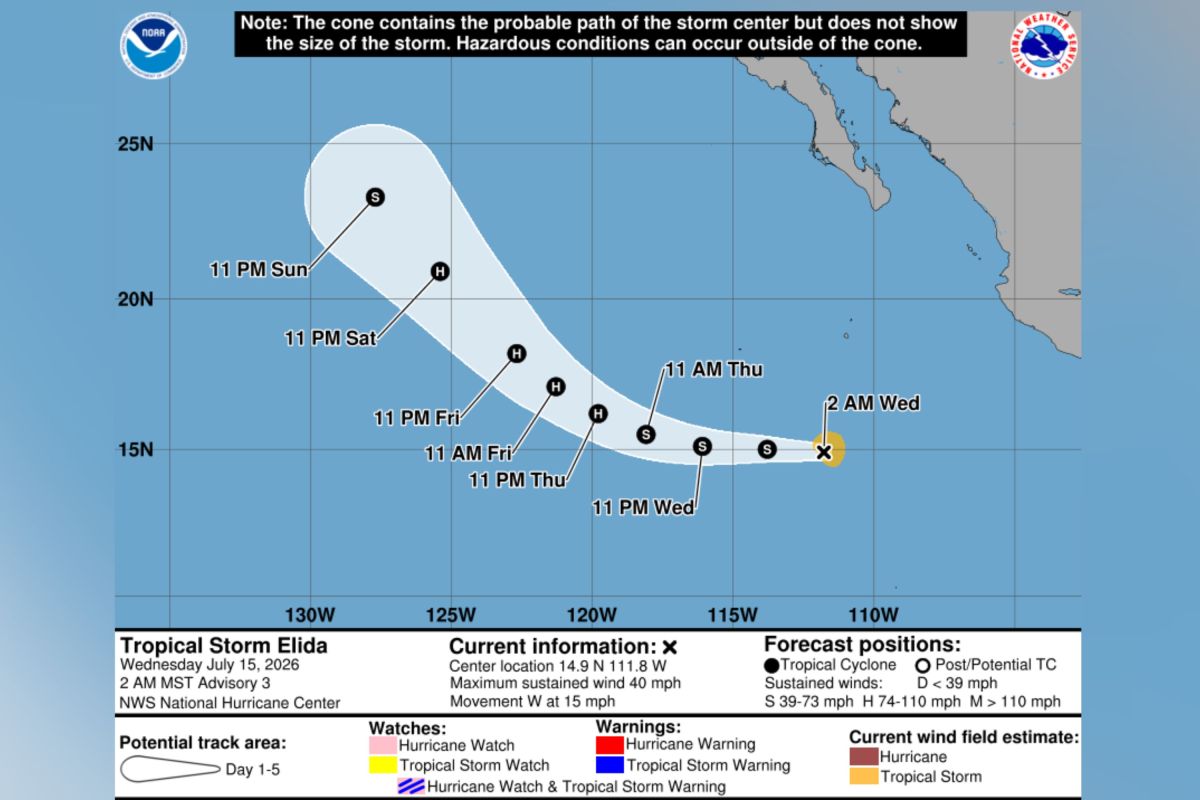
Tropical Storm Elida has formed in the Pacific Ocean far from Mexico. It is moving west at about 15 miles per hour and is expected to become a hurricane by Thursday night.
Key Facts
Elida is the fifth named storm in the Pacific this season.
The storm formed well offshore of Mexico.
Elida is moving west at 15 mph and will slow down and turn northwest by Thursday night.
Winds near the center are about 40 mph, with stronger gusts.
The storm is expected to gain strength and become a hurricane by Thursday night.
Peak intensity is forecast for Friday.
Tropical storm force winds reach about 60 miles from the storm’s center.
No coastal warnings or watches are currently in effect, and there is no threat to land.
Read the Original
Want the full story? Tap a source to open the original
article.
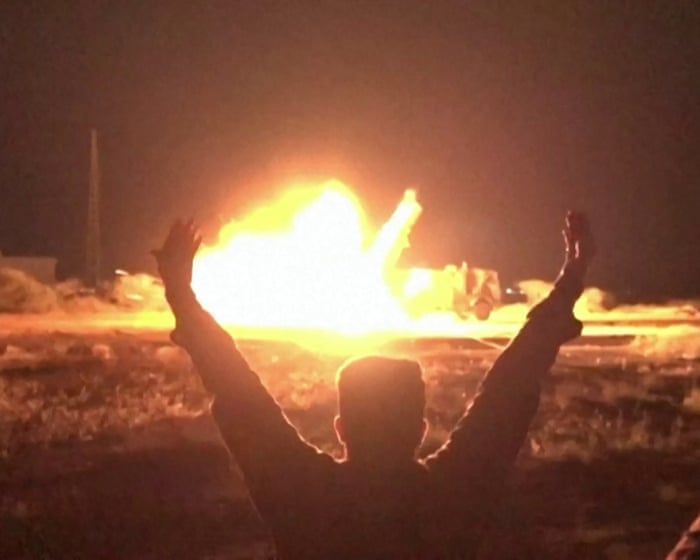
The United States has recently attacked several Iranian islands and coastal cities, raising questions about whether it plans to take control of Iranian territory. Experts say the US has the military power to seize some islands but holding them would be difficult and costly due to ongoing Iranian attacks.
Key Facts
US forces struck Iran’s Qeshm, Kish, and Abu Musa islands, along with southern coastal cities like Bandar Abbas.
There is speculation that the US might try to take control of Iranian islands, a plan discussed earlier this year.
President Donald Trump avoided ruling out a military operation to seize Iranian islands in a recent interview.
The US has about 50,000 soldiers stationed in the Middle East and the military ability to capture small islands.
Experts say holding and supplying the islands would be challenging because of Iranian attacks from nearby land and sea.
Seizing multiple islands would require a large amphibious campaign involving thousands of troops and substantial logistical support.
Captured islands would be vulnerable to continuous Iranian missile, drone, and artillery attacks.
Taking the islands might strengthen Iran’s position by allowing it to portray the US as an occupier.
Read the Original
Want the full story? Tap a source to open the original
article.
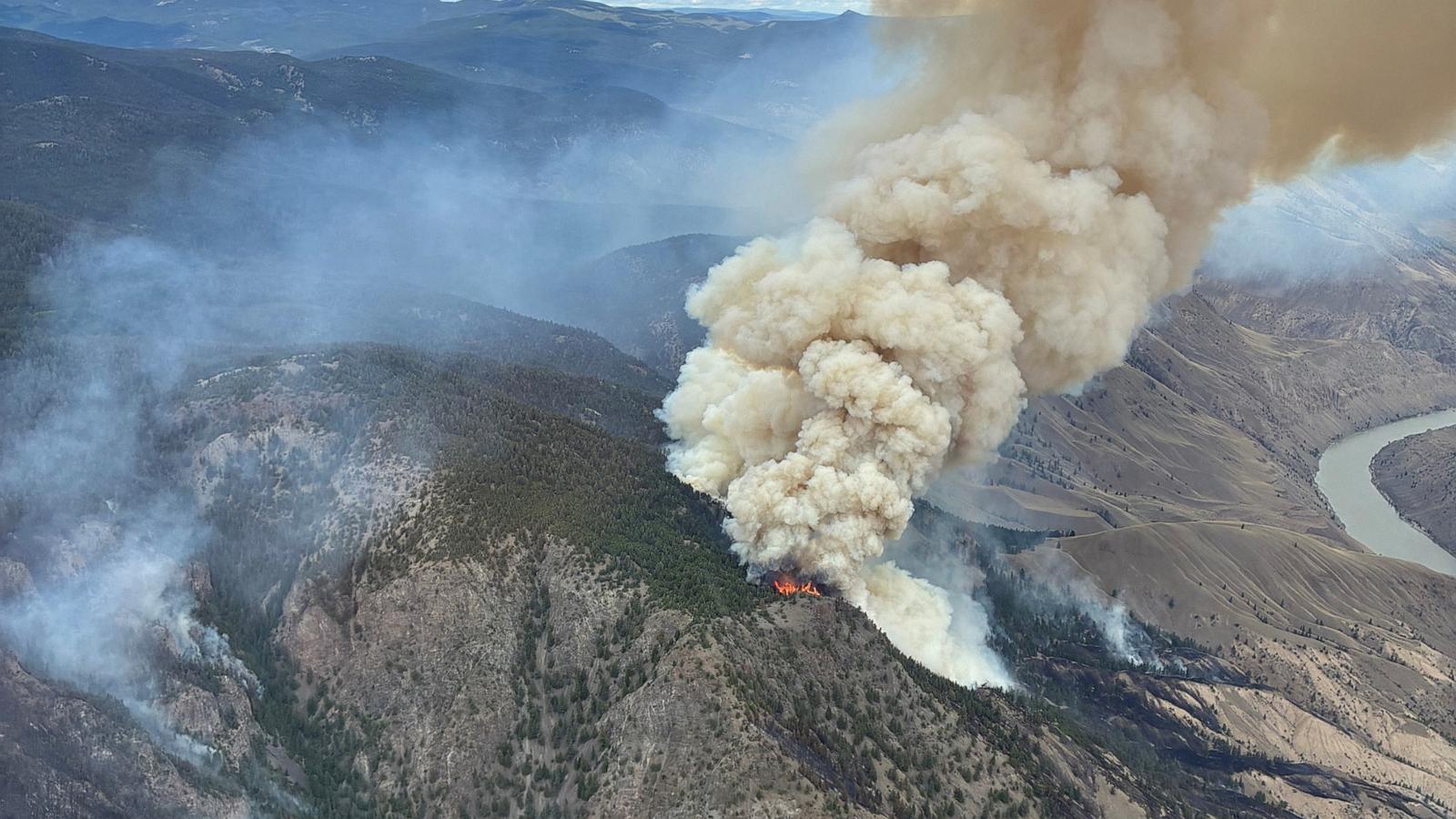
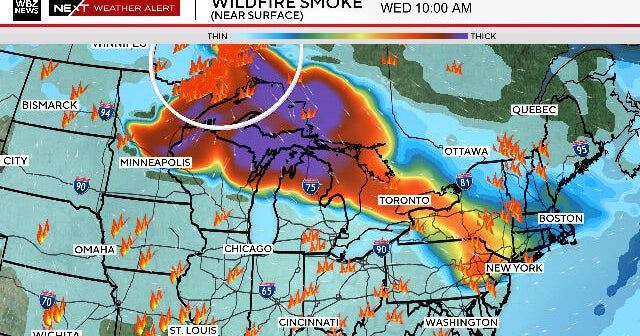
Over 830 wildfires are burning across Canada, especially in west-central Ontario. Smoke from these fires is blowing into the United States, creating poor air quality from the Great Lakes area to New England, affecting millions of people.
Key Facts
More than 830 wildfires are active in Canada as of July 15, 2026.
Fires are also burning in northern Minnesota near the U.S.-Canada border.
The largest fires are in west-central Ontario, burning thick forests.
Smoke is carried by wind into the upper Midwest and Northeast U.S.
Cities affected include Duluth, Marquette, Green Bay, Milwaukee, Detroit, Buffalo, New York City, Philadelphia, and Boston.
Air quality alerts are in effect from Minnesota to New York City, covering whole states like Wisconsin and Michigan.
Smoke will continue through the week but rain is expected to help clear it starting Friday in the Midwest and Saturday in the Northeast.
The smoke could reach dangerous levels, affecting everyone, not just people with breathing problems.
Read the Original
Want the full story? Tap a source to open the original
article.
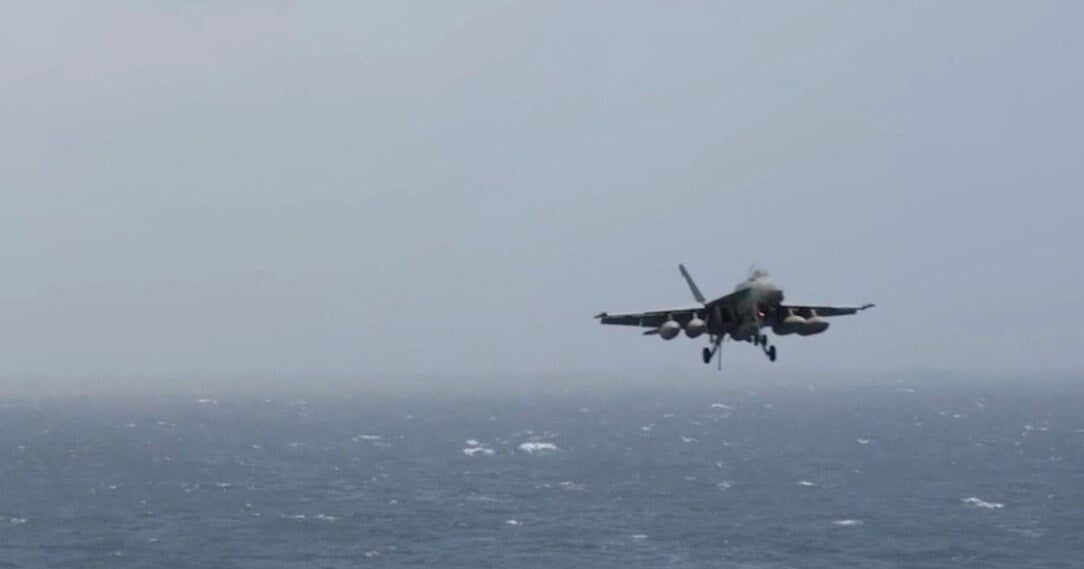
The U.S. military has carried out several days of airstrikes on Iran to weaken its military capabilities near the Strait of Hormuz. Iran has responded with missile and drone attacks on U.S. allies in the Middle East, including Kuwait, Bahrain, and Jordan. These actions have increased tensions and raised fears of a wider conflict in the region.
Key Facts
The U.S. launched a new wave of airstrikes on Iran targeting military sites used against commercial shipping.
These strikes have occurred for four nights in a row, continuing after President Trump ended a ceasefire on July 8.
Iranian officials report more than 260 people wounded and at least 30 killed in recent U.S. attacks.
Kuwait, Bahrain, and Jordan have all reported incoming missile or drone attacks from Iran.
The U.S. has reimposed a naval blockade on Iran to prevent threats to commercial ships.
The U.S. Central Command said the strikes aim to stop Iran from threatening shipping and civilians.
There is concern the fighting might escalate into a larger war in the Middle East.
Iranian attacks have targeted ships and military forces allied with the U.S. in the region.
Read the Original
Want the full story? Tap a source to open the original
article.
Lebanese and Israeli officials are talking about creating ‘pilot zones’ in southern Lebanon. In these areas, the Israeli military would pull back, Hezbollah would give up its weapons, and the Lebanese army would take control.
Key Facts
The ‘pilot zones’ are specific areas in southern Lebanon.
Israel is expected to withdraw its military forces from these zones.
Hezbollah is supposed to disarm in these areas.
The Lebanese army would move in to control and protect the zones.
Negotiations are ongoing between Lebanon and Israel about how to set this up.
The goal is to reduce conflict and improve security along the border.
Al Jazeera reporter Heidi Pett visited one of the proposed pilot zones.
Read the Original
Want the full story? Tap a source to open the original
article.
Tiana Bender-Santiago was told as a teenager that cancer treatment had made it very unlikely she could have children. Years later, she was surprised to discover she was pregnant, despite doctors considering it a high-risk pregnancy. She and her husband are excited and hopeful as they prepare for their baby boy’s birth.
Key Facts
Tiana was diagnosed with Ewing sarcoma, a strong bone cancer, at age 13.
The cancer was in her pelvis, pressing on her spine, requiring chemotherapy and radiation.
Doctors said her cancer treatment likely caused infertility, making pregnancy unlikely.
She chose not to freeze her eggs before treatment and accepted adoption as a family option.
At age 28, she unexpectedly found out she was pregnant after using a pregnancy test.
Multiple tests and an ultrasound confirmed her pregnancy, surprising her and her doctors.
Her pregnancy is high-risk due to past cancer treatment, so doctors will watch her closely.
She shared her story on TikTok, connecting with others facing cancer and fertility issues.
Read the Original
Want the full story? Tap a source to open the original
article.
The UK is experiencing hotter temperatures than in the past, with some regions now as warm as southern England used to be in the 1960s. A recent Met Office report says that extreme heat and dry conditions are becoming normal, causing problems for homes, transport, and health services.
Key Facts
The hottest day of the year in southern England is about 4.5°C warmer now than between 1961 and 1990.
Northern parts of the UK are seeing temperatures that southern areas had in the past.
2025 was the warmest year on record in the UK since 1884.
The decade from 2016 to 2025 was 1.33°C warmer than 1961 to 1990 on average.
Days over 30°C and nights over 18°C in Greater London have more than quadrupled compared to 1961-1990.
Over 2,700 heat-related deaths may have occurred in England and Wales during May and June 2025.
England had its driest spring in over 100 years in 2025, with very low river water levels.
Dry soil from droughts harms plant growth and increases risks of wildfires and intensifies heatwaves.
Read the Original
Want the full story? Tap a source to open the original
article.
Iran has threatened to block more trade routes, including the Strait of Hormuz, after the U.S. launched new military strikes on Iranian targets. President Donald Trump warned he may target Iran’s energy infrastructure if Iran does not return to talks.
Key Facts
Iran’s Revolutionary Guards said the Strait of Hormuz will stay closed until the U.S. stops its "acts of aggression."
Other regional oil and gas export routes might also be closed by Iran.
The U.S. military conducted drone, air, and naval strikes on Iran on Wednesday morning and an earlier operation overnight.
President Trump said he plans to strike Iran’s bridges and power plants if they do not come back to negotiations.
The U.S. re-imposed a blockade on Iranian ports on Tuesday evening, stopping ships from entering or leaving.
Iran claimed it attacked U.S. targets in Jordan, Kuwait, and Bahrain, and those countries reported intercepting Iranian drones and missiles.
President Trump suggested replacing a threatened 20% toll on the Strait of Hormuz with large trade and investment deals with Gulf states.
Read the Original
Want the full story? Tap a source to open the original
article.
Haiti is facing serious problems because armed gangs control parts of the country, especially in the capital. This violence makes it very hard to deliver humanitarian aid, while 1.5 million people have been forced to leave their homes and many people suffer from malnutrition.
Key Facts
Armed gangs control areas in Haiti’s capital and some provinces.
A new international security force has arrived but has not yet improved the situation much.
About 1.5 million people are displaced inside Haiti because of violence.
Malnutrition is widespread among the population.
Roads to the capital are mostly blocked, making travel and aid delivery difficult.
Haiti’s main airport is not fully operational.
The country’s basic infrastructure, like roads and services, is falling apart.
Aid agencies continue working to help local communities and provide needed support despite challenges.
Read the Original
Want the full story? Tap a source to open the original
article.
The article discusses concerns about the decline of democracy in Turkey due to ongoing government pressure on political opponents, journalists, and protesters. It highlights views from a legal expert who says recent crackdowns are part of a long-term pattern rather than isolated incidents, and questions whether NATO will address these issues beyond just words.
Key Facts
Turkey is experiencing a steady decline in democratic practices, with increased arrests and restrictions on opponents.
The crackdown targets various groups depending on shifting political goals.
The NATO summit may have accelerated the repression but did not cause it.
NATO Secretary General Mark Rutte emphasized democracy includes press freedom and public protest, not just elections.
Critics argue NATO allies should act against repression, not only state shared values.
Notable cases include the prosecution of Istanbul Mayor Ekrem İmamoğlu and detention of journalists and activists.
Legal and administrative measures are becoming normal tools to limit political and cultural dissent.
This situation risks changing what is considered acceptable in public life in Turkey.
Read the Original
Want the full story? Tap a source to open the original
article.
Large wildfires in Canada and northern Minnesota are causing heavy smoke and poor air quality across parts of the U.S. Midwest and Northeast this week. Officials have issued air quality alerts affecting millions, warning people to stay indoors to avoid health risks from the polluted air.
Key Facts
Wildfires in northern Minnesota caused evacuation orders and heavy smoke in areas like the Twin Cities and northeastern Minnesota.
Michigan issued a statewide air quality alert due to smoke from Canadian wildfires.
The smoke has spread to the Northeast, including Boston and parts of Maine, causing unusual sky colors and hazy conditions.
Air quality in some places, like Two Harbors and Grand Portage, reached hazardous levels, unsafe for all people.
The heavy smoke will spread to the East Coast by Thursday, potentially reaching Washington, D.C.
Health experts warn that fine particles in smoke can cause breathing problems and worsen heart and lung diseases.
People are advised to stay indoors, reduce outdoor activities, wear protective masks like N95 if outside, and use air purifiers.
Scientists link warming temperatures and drought conditions to increased wildfire risks and more intense fires.
Read the Original
Want the full story? Tap a source to open the original
article.
The European Union and the United Kingdom signed a treaty to remove physical border controls between Spain and Gibraltar. This agreement allows freer travel for residents and workers, easing daily crossings and bringing Gibraltar into the EU’s Schengen area for travel purposes.
Key Facts
Gibraltar is a British overseas territory located at the southern tip of Spain with about 38,000 people.
The treaty lets Gibraltar residents cross into Spain with residence cards without passport stamps.
Spanish citizens can enter Gibraltar using a government ID card.
Gibraltar will join the Schengen free-travel area, which includes 29 countries allowing visa-free travel.
Border checks at Gibraltar’s airport and port will be done jointly by British and Spanish officials.
People arriving from outside Schengen, including the UK, will use the EU Entry/Exit System with biometric data instead of passport stamps.
The treaty was signed to prevent border delays and support jobs for the 15,000 people who cross daily for work.
Gibraltar voted overwhelmingly to remain in the EU during the UK’s Brexit referendum in 2016, and this treaty addresses its special situation after Brexit.
Read the Original
Want the full story? Tap a source to open the original
article.
Sierra Leone has dropped treason charges against former President Ernest Bai Koroma, who was accused of involvement in an attempted coup in November 2023. Koroma, who denied the charges, was allowed to live in exile in Nigeria and can now return to Sierra Leone.
Key Facts
Ernest Bai Koroma was charged with treason related to a coup attempt in November 2023.
The coup involved gunmen attacking military and prison facilities, freeing about 2,000 inmates.
Around 20 people died during the attempted coup.
Koroma has denied any involvement in the coup.
After his arrest, Koroma was placed under house arrest before going into exile in Nigeria.
The West African regional group ECOWAS helped negotiate Koroma’s exile for medical treatment.
The Sierra Leone government did not explain why they dropped the charges.
Koroma led Sierra Leone from 2007 to 2018 before current President Julius Maada Bio was elected.
Read the Original
Want the full story? Tap a source to open the original
article.
In Kenya, a group of grandmothers called the "Soccer Grannies" are playing football (soccer) even though no African teams remain in the World Cup. Many older women in Africa are starting to play football to stay fit and to change ideas about what older people can do.
Key Facts
The "Soccer Grannies" are a group of older women playing football in rural Kenya.
African countries no longer have teams in the current World Cup.
Football is becoming popular among older women across Africa.
Playing football helps these women improve their health and fitness.
This trend challenges common beliefs about aging and what older people can do.
The story highlights how sports can bring people together, regardless of age.
The article was published on July 15, 2026.
The group is part of a wider movement encouraging older women to be active.
Read the Original
Want the full story? Tap a source to open the original
article.