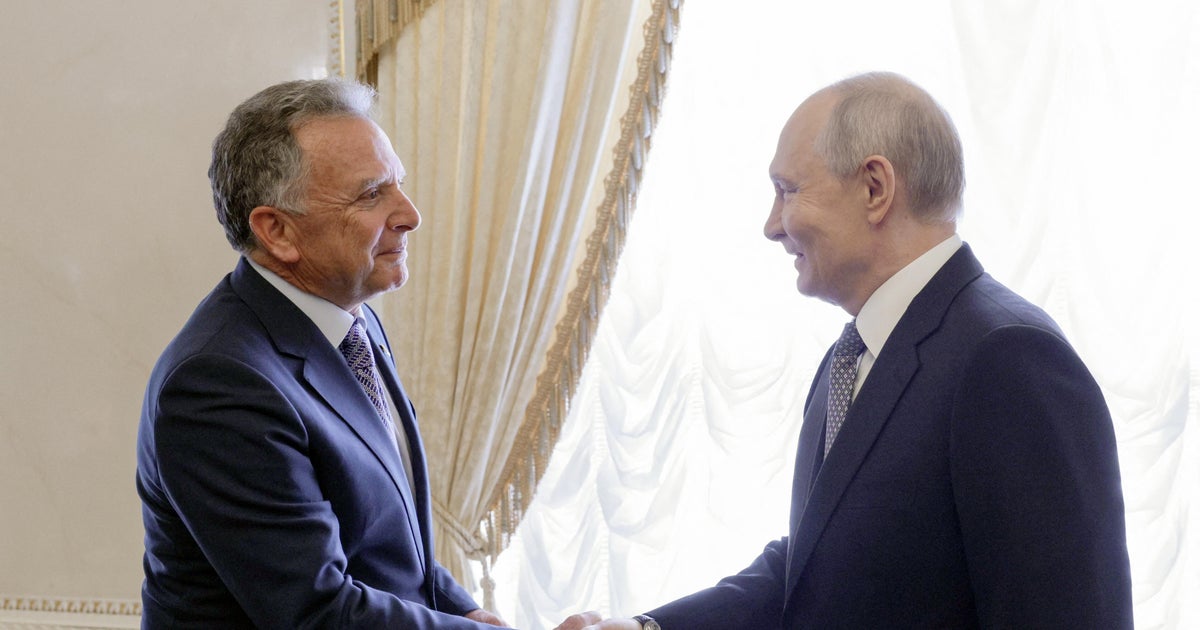
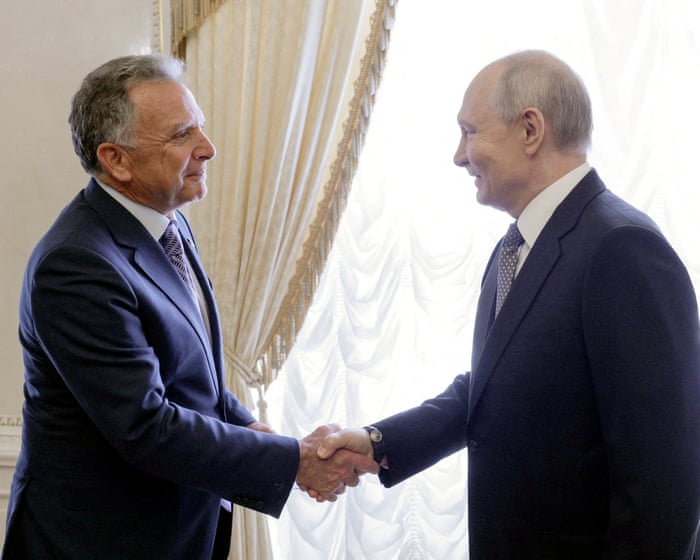
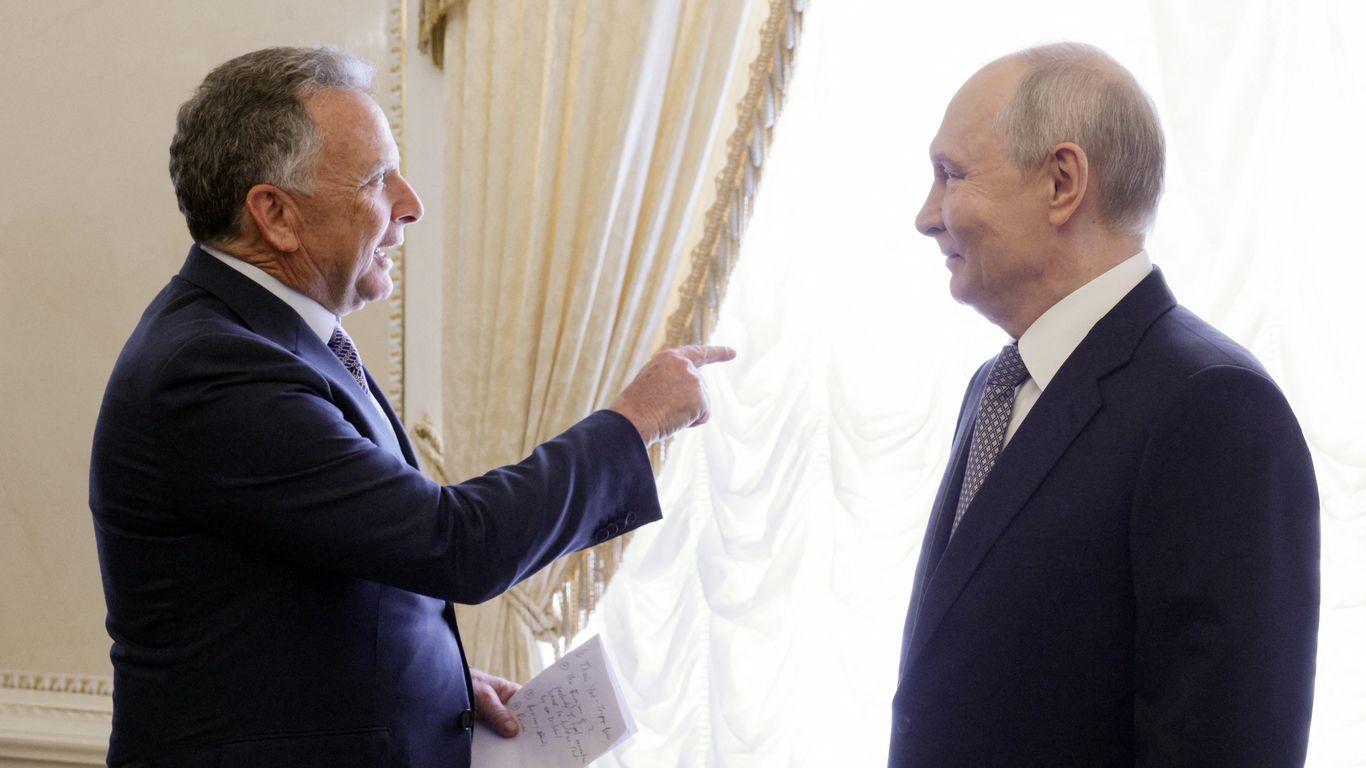
U.S. special envoy Steve Witkoff met with Russian President Vladimir Putin to discuss the war in Ukraine and possible peace talks. Both sides said progress depends on decisions by Ukraine's leaders, who want to be included in any talks about their country. President Trump also announced the release of a U.S. citizen from Russian custody during the visit.
Key Facts
Steve Witkoff met Putin in St. Petersburg to talk about ending the war in Ukraine.
Russian officials said peace talks need Ukraine’s agreement and action.
President Trump said Russian officials released a U.S. citizen without requiring a prisoner swap.
Russia is open to a meeting including Trump, Putin, and Chinese President Xi Jinping, but Ukraine opposes it.
Ukrainian President Zelenskyy supports talks that include Ukraine directly and wants parliament to approve any deal.
Witkoff met Zelenskyy in Oslo before going to Russia and shared ideas to try to help progress.
Ukraine thanked the U.S. for restoring early warnings of Russian missile attacks.
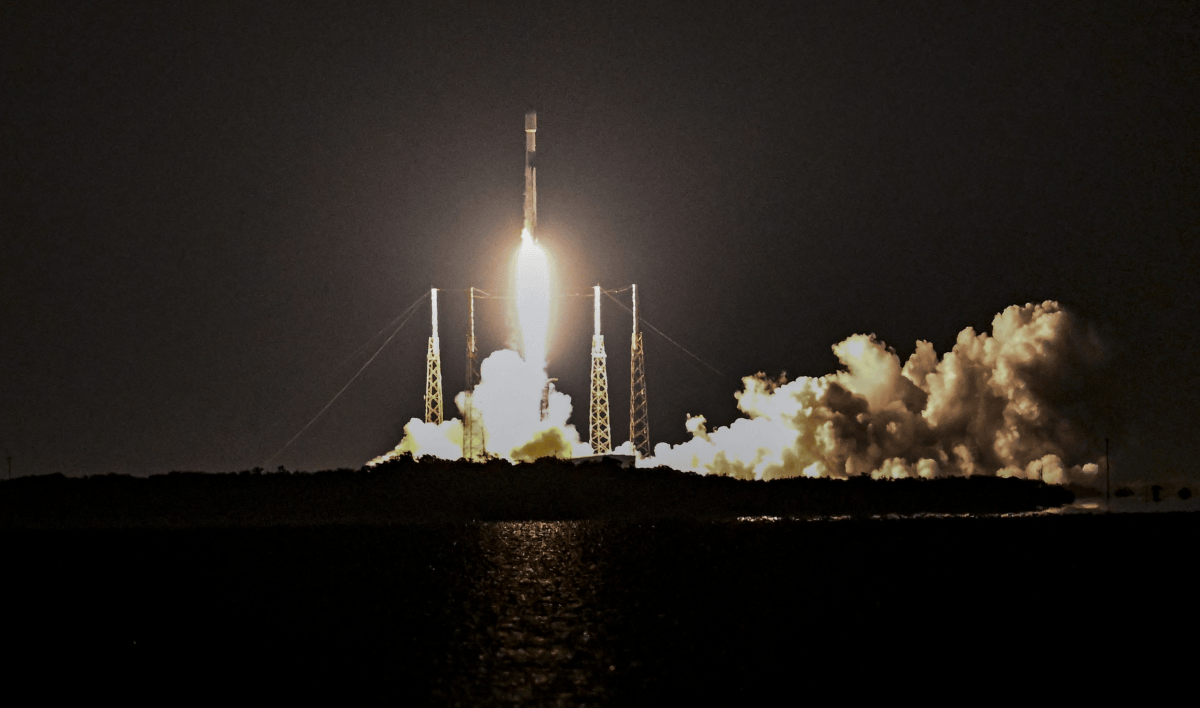
Ukraine still has limited access to a military satellite network from the U.S. but hopes to get full access soon.
Read the Original
Want the full story? Tap a source to open the original
article.
French President Emmanuel Macron spoke in Qatar about protests happening in France. He said some foreign leaders, including US President Donald Trump, shared wrong information about these protests.
Key Facts
Macron was visiting Qatar when he made the statement.
There are protests taking place across France.
Macron defended how his government is handling the protests.
He accused some foreign political leaders of spreading false stories.
President Donald Trump was mentioned as one of those spreading misleading information.
Read the Original
Want the full story? Tap a source to open the original
article.
The United States and Iran continue to struggle over Iran’s nuclear program in their ongoing conflict. Negotiations have stalled because Iran insists on its right to enrich uranium for peaceful use, while the US demands a stop to uranium enrichment to prevent nuclear weapons development.
Key Facts
The US and Israel are at war with Iran, and efforts to reach a ceasefire are difficult.
Iran’s nuclear program, especially uranium enrichment, is a major issue blocking peace talks.
Iran says uranium enrichment is allowed under an international treaty called the Non-Proliferation Treaty (NPT).
President Trump calls for zero uranium enrichment in Iran to prevent nuclear weapons.
Israel’s Prime Minister Netanyahu wants to remove the Iranian government to stop nuclear weapons development.
A June agreement between the US and Iran aimed to reopen the Strait of Hormuz but failed due to disagreements on nuclear issues.
Iran demands the US lift naval blockades, remove sanctions, and release frozen assets before talks continue.
US Vice President JD Vance says the US has largely won the war and destroyed much of Iran’s nuclear capability.
Read the Original
Want the full story? Tap a source to open the original
article.
Ukraine’s drone strikes against Russian targets dropped significantly after speed limits were put on the Starshield satellite internet system that supports Ukraine’s military drones. It is unclear who ordered these restrictions, with Elon Musk, the system’s founder, saying the decision belongs to the U.S. military and President Donald Trump, who have denied involvement.
Key Facts
Ukrainian drone strikes on Russian vehicles fell sharply on October 14, when Starshield speed limits took effect.
Starshield is a military version of Starlink, a satellite internet service created by SpaceX.
The drone speed was limited to around 100 miles per hour, about half the previous speed.
Slowed internet speeds hurt Ukraine’s ability to attack Russian forces and defend against Russian drones.
The restrictions caused delays in medical transport and emergency response near fighting zones.
Ukrainian officials say the system remains partially restricted, though connectivity is reportedly restored.
Ukraine’s President Zelensky blamed the U.S. for pausing intelligence support, which U.S. officials deny.
The Institute for the Study of War showed a drop in daily Ukrainian drone strikes from over 100 to less than 50 after the restrictions.
Read the Original
Want the full story? Tap a source to open the original
article.
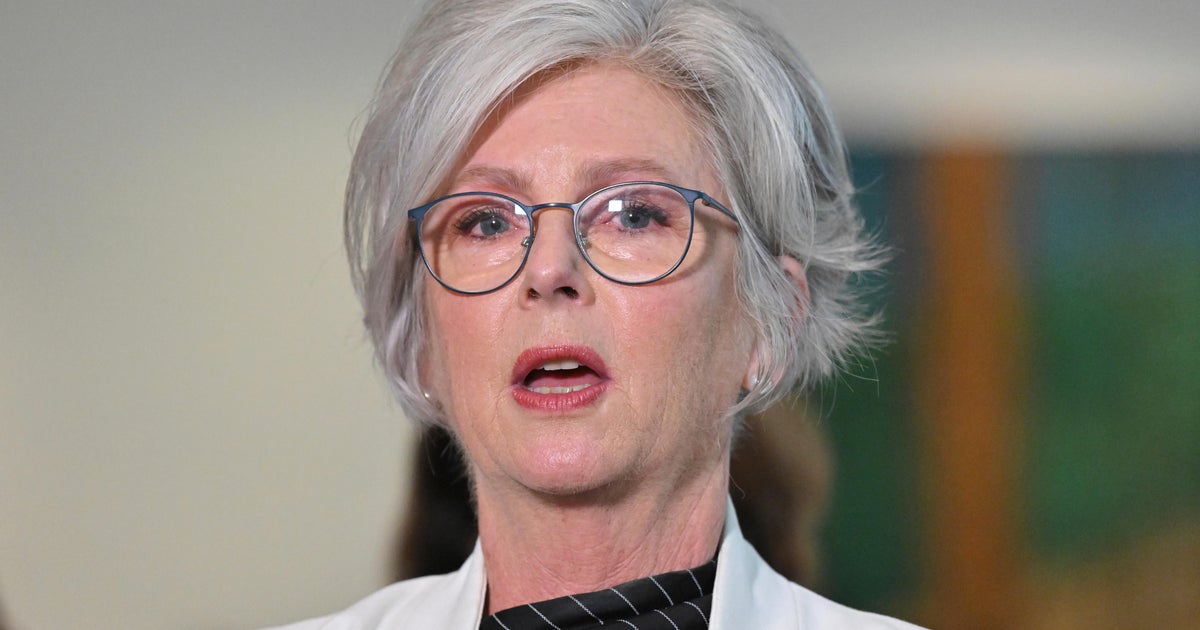
Australian lawmaker Helen Haines was hit by a car in a deliberate attack near her office and has had both legs amputated. The suspect, Brendan Nugent, was charged with serious crimes including harming a public official, and the investigation is ongoing with police examining possible extremist motives.
Key Facts
Helen Haines, a 65-year-old independent member of the Australian Parliament, was deliberately hit by a car near her office in Wangaratta.
She suffered critical injuries and has had both legs amputated but is now in stable condition.
The attacker, Brendan Nugent, 43, faced court and was charged with dangerous driving causing serious injury, intentionally causing serious injury, and harming a public official.
Nugent also faces charges related to cannabis possession and cultivation.
Nugent has neurological issues and possible mental health concerns but no formal diagnosis.
Police are investigating whether Nugent held radical anti-government views and are reviewing his social media and contacts.
Australian authorities note a rise in extremist views online and threats to politicians.
Prime Minister Anthony Albanese called for more respectful public debate following the attack.
Read the Original
Want the full story? Tap a source to open the original
article.
Around 300 people suspected of being involved in recent riots in Paris have gone through court processing amid chaotic scenes and delays. The French government blamed the far-left party France Unbowed for the violence, but the party denies this and plans legal action.
Key Facts
About 300 individuals were identified and brought to court for their roles in weekend riots in Paris.
Court sessions experienced delays and interruptions, with emotional reactions from family members watching.
The government accused the far-left party France Unbowed of causing the protests to turn violent.
Investigations suggest authorities were ordered to falsely link France Unbowed to the unrest; officials deny this claim.
France Unbowed’s national coordinator threatened to sue the government over these allegations.
The riots occurred six months before the French presidential elections.
A poll suggests the unrest might have helped far-right candidate Marine Le Pen gain support.
Meanwhile, unrelated news from the UK revealed approval of new North Sea gas drilling despite climate concerns raised by the UN.
Read the Original
Want the full story? Tap a source to open the original
article.
The article argues that the correct approach is to treat Vladimir Putin as a loser. It suggests that this view should influence how people and governments handle relations with him.
Key Facts
The article focuses on Vladimir Putin, the President of Russia.
It labels Putin as a "loser," implying a negative view of his leadership or actions.
The main recommendation is to treat Putin based on this perspective.
There are no detailed reasons or evidence provided in the excerpt.
The article seems to be about international relations or politics involving Russia.
Read the Original
Want the full story? Tap a source to open the original
article.
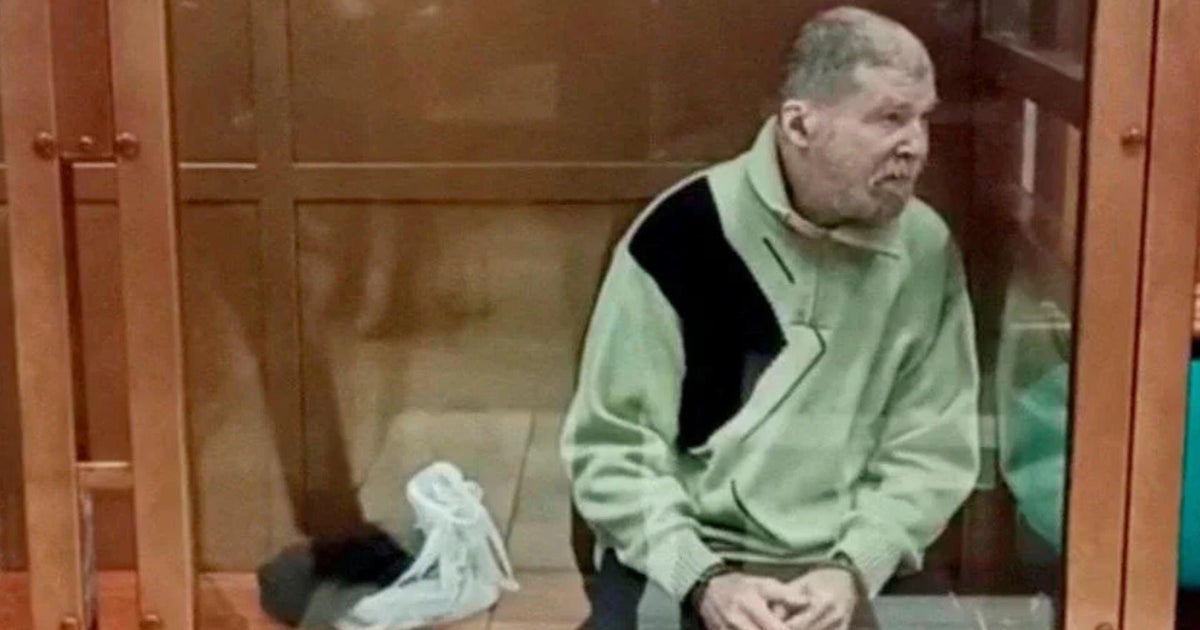
Russia has released Stephen Hubbard, an American teacher who was imprisoned after being accused of working as a mercenary in Ukraine. President Donald Trump announced that Hubbard is returning to the United States and will soon be reunited with his family.
Key Facts
Stephen Hubbard is an American teacher.
Russia accused Hubbard of being a mercenary in Ukraine.
He was sentenced to prison in Russia in 2024.
President Donald Trump confirmed Hubbard’s release.
Hubbard is on his way back to the United States.
The announcement was made on President Trump’s Truth Social account.
Hubbard’s family is expecting him to return soon.
Read the Original
Want the full story? Tap a source to open the original
article.
Russian President Vladimir Putin ordered the release of Stephen Hubbard, an American jailed in Russia, during talks with Donald Trump’s envoy, Steve Witkoff, in St. Petersburg. The meeting focused on finding peace in the ongoing war between Russia and Ukraine, with the release seen as a diplomatic move tied to the discussions.
Key Facts
Stephen Hubbard, a 74-year-old former teacher, was held in Russia for over four years on charges related to fighting for Ukraine.
President Trump had personally requested Putin to release Hubbard.
Russia freed Hubbard without asking for a prisoner exchange, which is unusual.
Steve Witkoff, Trump's envoy, met Putin in St. Petersburg to discuss peace ideas between Russia and Ukraine.
Witkoff praised Putin and thanked him on behalf of Trump.
Witkoff’s visit followed a meeting with Ukrainian President Zelenskyy and European leaders in Oslo.
The US recently lifted sanctions on Russian diesel, a move linked to Trump’s dealings with Putin.
Relations between Washington and Kyiv have become tense, affecting intelligence sharing and Ukraine’s access to a military-grade satellite network called Starshield.
Read the Original
Want the full story? Tap a source to open the original
article.
French President Emmanuel Macron criticized some world leaders for making false and misleading comments about recent riots in France. He said fake videos created by artificial intelligence (AI) led to wrong claims about violence and caused confusion during protests against the high cost of living.
Key Facts
Riots and looting happened alongside peaceful protests in France against rising living costs.
President Macron said some foreign leaders, including US President Donald Trump and Israeli Prime Minister Benjamin Netanyahu, made misleading statements about the riots.
Macron said these leaders used fake AI-generated videos showing violence that never happened.
The French government imposed curfews in several cities to limit further violence.
Macron called the foreign comments “stupid” and said they came during election campaigns in those leaders’ countries.
Netanyahu claimed France faced an "invasion of extremist Islam," and Trump linked the unrest to immigration, which Macron denied.
Macron plans to meet intelligence officials to review the facts about the October 17 unrest.
Government officials warned they would prevent any further disorder in upcoming protests.
Read the Original
Want the full story? Tap a source to open the original
article.
Russell Brand is on trial in London, accused by six women of sexual crimes including rape and assault between 1999 and 2009. One woman testified that an encounter with him in 2009 involved sexual acts she did not agree to, and she told him he "treated her like an animal." Brand denies all charges and says he never had non-consensual sex.
Key Facts
Russell Brand faces charges of rape, sexual assault, and indecent assault from six women.
The alleged acts occurred over a 10-year span from 1999 to 2009.
One woman said she met Brand at a comedy show, had consensual oral sex, but a later encounter involved non-consensual anal sex.
She did not agree to the anal sex and was surprised by a text from Brand months later saying he wanted to "push her further."
The woman told Brand he "treated her like an animal," to which he replied "I'm sorry."
Brand denies all allegations and says he never engaged in sex without consent.
The trial is taking place at Southwark Crown Court in London and is ongoing.
BBC is providing daily coverage of the trial through a podcast and other platforms.
Read the Original
Want the full story? Tap a source to open the original
article.
Russia has released Stephen Hubbard, an American who was accused of being a mercenary for Ukraine. The U.S. Department of State says he was held wrongfully.
Key Facts
Stephen Hubbard is an American citizen.
Russia accused him of being a mercenary fighting for Ukraine.
The U.S. government stated he was wrongfully detained.
Russia has now freed him.
The news was reported by CBS News reporters Olivia Gazis and Kristin Brown.
This event relates to tensions between Russia, Ukraine, and the U.S.
The release occurred recently, within the last day.
Read the Original
Want the full story? Tap a source to open the original
article.
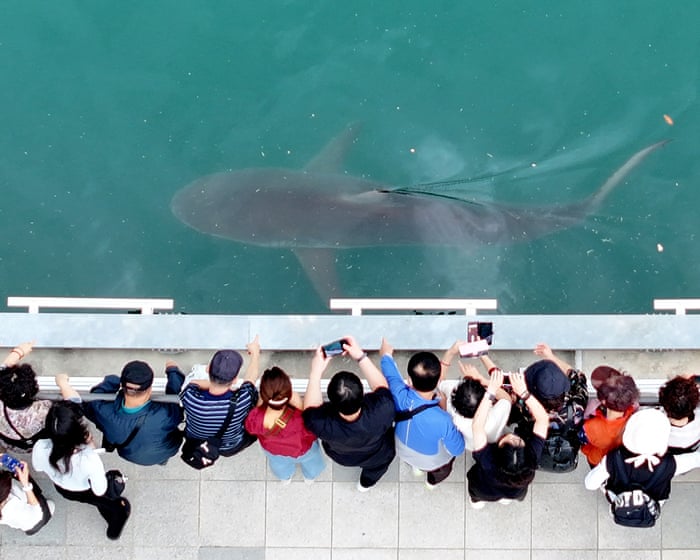
In Busan, South Korea, a group of local YouTubers and volunteers kept watch over a female dusky shark stranded in a city canal for over a month. After several attempts, officials successfully guided the endangered shark back to open water.
Key Facts
The shark, named Bukang-i, was stuck in a canal in Busan since September 18.
Bukang-i is a female dusky shark, about 3 meters long and an endangered species worldwide.
More than 1.6 million people visited the area to see the shark, compared to the usual 2,000 visitors.
YouTubers livestreamed the shark’s situation and warned visitors not to shine lights on her, as bright lights caused the shark to thrash and hurt herself.
Authorities tried twice but failed to guide the shark back to the sea before the third successful attempt.
Official teams were said to monitor the shark day and night, but local YouTubers said mostly they stayed up overnight to protect her.
The canal was closed from midnight to 5 a.m. to limit disturbances, though enforcing this was difficult.
Experts explained that the shark’s movement was affected by water temperature, preferring 18-26°C, and survival was at risk if it got too cold.
Read the Original
Want the full story? Tap a source to open the original
article.
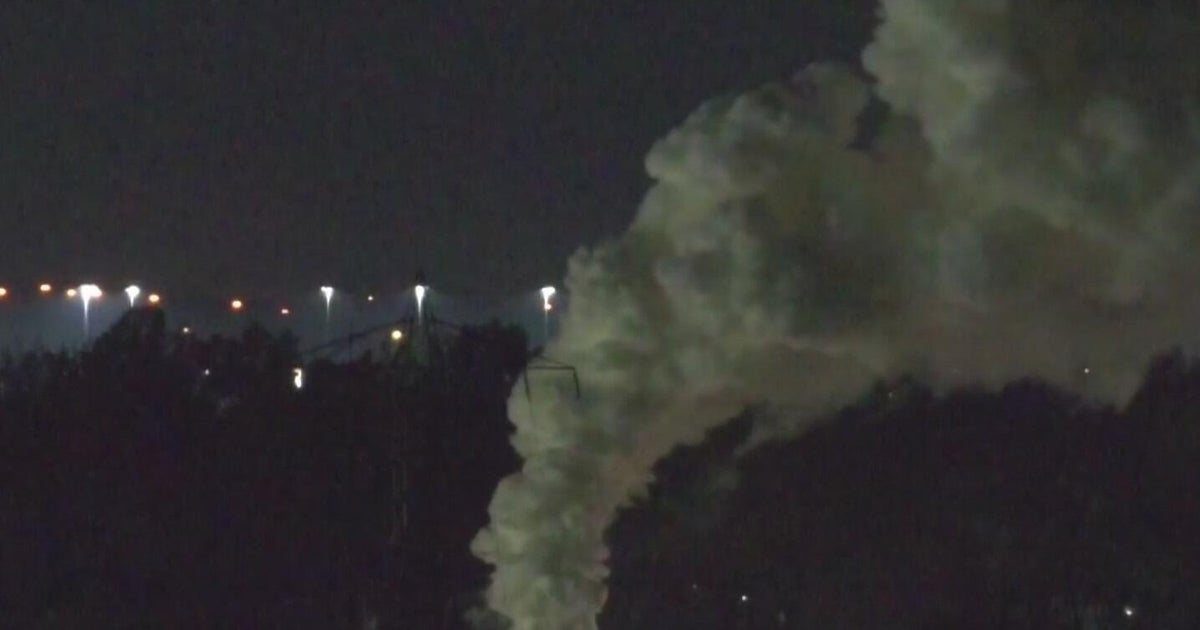
A chemical leak happened in Toledo, Ohio, causing some people to leave their homes while others were told to stay inside. Authorities asked people near the leak to evacuate or shelter in place to stay safe.
Key Facts
A chemical leak occurred at the MC Tank terminal in Toledo, Ohio.
Smoke with unknown chemicals spread in the area.
People within 1 mile of 1050 Progress Ave. were told to evacuate.
People within 3 miles of that address were told to stay indoors and keep windows and doors closed.
No injuries have been reported so far.
Evacuation orders started late Tuesday night, shelter-in-place orders early Wednesday morning.
Temporary shelters were set up at Shoreland Elementary School and a Meijer parking lot.
Toledo public schools were closed on Wednesday because of the incident.
Read the Original
Want the full story? Tap a source to open the original
article.
Four people who were children during the Aberfan disaster 60 years ago shared their memories of the event. They described how a coal waste dump collapsed onto schools and homes, causing tragic loss and destruction.
Key Facts
The Aberfan disaster happened 60 years ago in Wales.
A coal waste tip (a pile of mining waste) collapsed onto a school and nearby homes.
Four survivors who were children during the disaster talked about their experiences.
One survivor, Gerald Kirwan, thought the collapse felt like an earthquake.
Gerald found a classmate who was unresponsive after the disaster.
Another survivor, Gaynor Madgwick, woke up buried up to her chest in the mud and slurry.
The disaster caused many deaths and left lasting memories for those involved.
The story was shared on BBC Newsnight recently.
Read the Original
Want the full story? Tap a source to open the original
article.
The article reviews a new eight-episode miniseries on Prime Video based on Stephen King's novel "Carrie," created by Mike Flanagan. It explains the original story’s background, the success of the 1976 film directed by Brian De Palma, and compares some details between the book and the film adaptation.
Key Facts
"Carrie" is a horror story about a bullied girl with telekinetic powers, originally written by Stephen King in 1974.
King based the character on two girls he knew in high school who were bullied.
The 1976 film adaptation by Brian De Palma is considered one of the best horror movies and helped make the character famous.
Actress Sissy Spacek played Carrie in the 1976 film after a memorable audition effort.
The original novel and the 1976 film have some key differences, such as how Carrie kills her mother.
The new Prime Video miniseries on "Carrie" was created by Mike Flanagan to mark 50 years since the original film.
Flanagan’s adaptation adds more focus on kindness and lost innocence along with the horror elements.
Some original scenes, like stones falling from the sky, were hard to film for the 1976 movie and were changed or removed.
Read the Original
Want the full story? Tap a source to open the original
article.
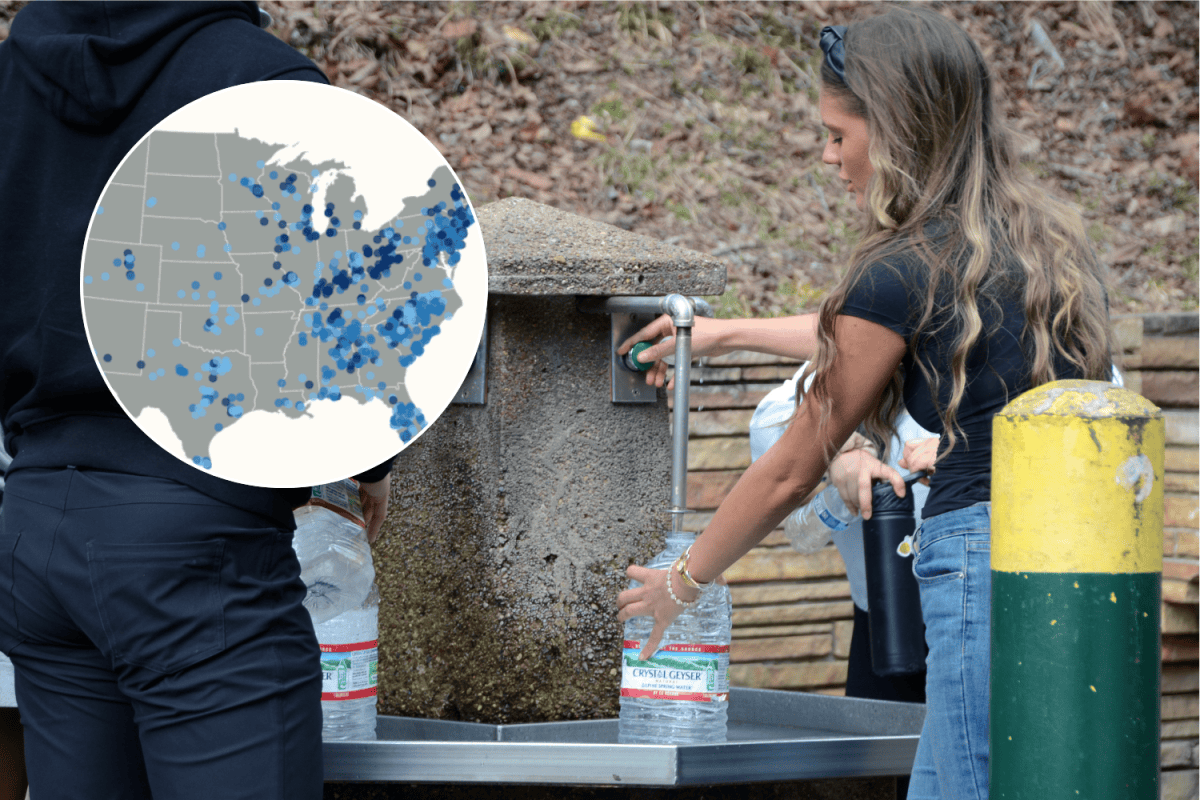
Federal data shows that two types of PFAS chemicals, called PFOA and PFOS, have been found in the drinking water of more than 1,700 public water systems in the U.S. These chemicals are very hard to break down and can cause health problems like cancer and liver damage. The EPA is considering giving some water systems more time to meet safety limits for these chemicals.
Key Facts
PFOA and PFOS are man-made chemicals part of the PFAS group, used in products like stain-resistant coatings and firefighting foams.
These chemicals are called "forever chemicals" because they do not break down easily and can remain in the environment for a long time.
The EPA’s recent monitoring found over 1,700 public water systems with at least one sample of PFOA or PFOS at levels equal to or above the federal limit of 4 parts per trillion.
The international cancer agency says PFOA causes cancer in humans, and PFOS is possibly linked to cancer.
Health problems related to these chemicals may include liver damage, thyroid disease, high cholesterol, and reproductive issues.
The EPA’s Fifth Unregulated Contaminant Monitoring Rule (UCMR 5) collected data on 29 types of PFAS chemicals between 2023 and 2025.
The EPA quietly updated its website to say companies may still produce, import, or use some PFOA.
The EPA has proposed letting some water systems have up to two extra years (until 2031) to meet federal safety rules on these chemicals, but the decision is not final.
Read the Original
Want the full story? Tap a source to open the original
article.
US special envoy Steve Witkoff met with Russian President Vladimir Putin in Saint Petersburg to discuss issues related to the Ukraine war. Witkoff thanked Putin for a deal involving diesel fuel and is working to help revive US-led efforts to end the conflict. He previously met with Ukraine’s president and European leaders in Oslo and will return there after this visit.
Key Facts
Steve Witkoff is the US special envoy engaged in talks about the Ukraine war.
Witkoff met Russian President Vladimir Putin in Saint Petersburg on October 21, 2026.
During the meeting, Witkoff thanked Putin for a diesel fuel deal.
The diesel deal is related to ongoing efforts connected to the Ukraine conflict.
Before going to Russia, Witkoff met with Ukraine’s President Volodymyr Zelensky and European leaders in Oslo, Norway.
The US aims to renew its leadership role in trying to end the war in Ukraine.
Witkoff plans to return to Oslo after the visit to Russia.
The talks are part of broader international diplomatic efforts involving the US, Russia, Ukraine, and Europe.
Read the Original
Want the full story? Tap a source to open the original
article.
A U.S. envoy, Steve Witkoff, asked Russian President Vladimir Putin to restart peace talks between Russia, Ukraine, and the United States to try to end the war in Ukraine. Russia released an American detainee, Stephen Hubbard, without requiring a prisoner exchange, and discussions about peace efforts are ongoing with involvement from multiple countries.
Key Facts
Steve Witkoff, a White House envoy, met with President Putin in St. Petersburg to discuss peace proposals.
Putin announced the release of Stephen Hubbard, a 74-year-old U.S. citizen held by Russia for over four years.
The U.S. did not exchange any prisoners for Hubbard’s release, which President Trump highlighted as unusual.
Witkoff called for restarting trilateral peace talks involving Russia, Ukraine, and the United States.
Earlier talks were held in Oslo with leaders from Ukraine, Norway, Finland, France, the U.K., Germany, Poland, the EU, and NATO.
Ukrainian President Zelensky supports a direct three-way meeting with Putin and President Trump, which Russia has declined so far.
Putin expressed interest in mediating between the U.S. and Iran, citing Russia’s close relationship with Iran.
Putin suggested a possible meeting with President Trump in China in mid-November to discuss these issues.
Read the Original
Want the full story? Tap a source to open the original
article.
US special envoy Steve Witkoff met with Russian President Vladimir Putin in St. Petersburg to discuss the ongoing war in Ukraine. The meeting followed Witkoff’s talks with Ukrainian President Volodymyr Zelensky in Norway, as President Donald Trump encourages a deal to end the fighting.
Key Facts
Steve Witkoff is the US special envoy handling Ukraine-related talks.
Witkoff met Vladimir Putin in St. Petersburg, Russia, on October 21, 2026.
The discussions focused on Russia’s full-scale invasion of Ukraine.
The day before, Witkoff met Ukraine’s President Volodymyr Zelensky in Oslo, Norway.
President Donald Trump is urging Kyiv (Ukraine’s capital) to agree to a settlement to stop the war.
The talks come amid ongoing conflict and diplomatic efforts to resolve the war.
These meetings are part of the US government’s attempts to engage both sides diplomatically.
Read the Original
Want the full story? Tap a source to open the original
article.