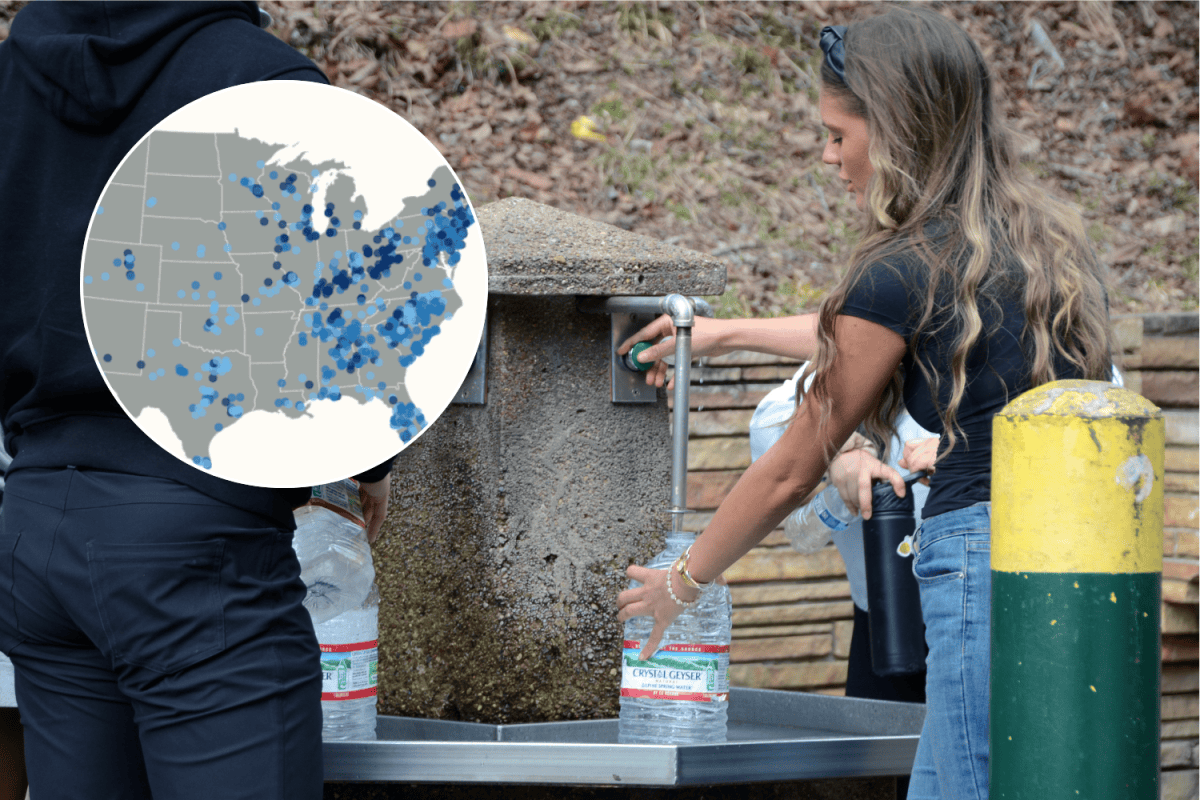
Federal data shows that two types of PFAS chemicals, called PFOA and PFOS, have been found in the drinking water of more than 1,700 public water systems in the U.S. These chemicals are very hard to break down and can cause health problems like cancer and liver damage. The EPA is considering giving some water systems more time to meet safety limits for these chemicals.
Key Facts
PFOA and PFOS are man-made chemicals part of the PFAS group, used in products like stain-resistant coatings and firefighting foams.
These chemicals are called "forever chemicals" because they do not break down easily and can remain in the environment for a long time.
The EPA’s recent monitoring found over 1,700 public water systems with at least one sample of PFOA or PFOS at levels equal to or above the federal limit of 4 parts per trillion.
The international cancer agency says PFOA causes cancer in humans, and PFOS is possibly linked to cancer.
Health problems related to these chemicals may include liver damage, thyroid disease, high cholesterol, and reproductive issues.
The EPA’s Fifth Unregulated Contaminant Monitoring Rule (UCMR 5) collected data on 29 types of PFAS chemicals between 2023 and 2025.
The EPA quietly updated its website to say companies may still produce, import, or use some PFOA.
The EPA has proposed letting some water systems have up to two extra years (until 2031) to meet federal safety rules on these chemicals, but the decision is not final.
Read the Original
Want the full story? Tap a source to open the original
article.
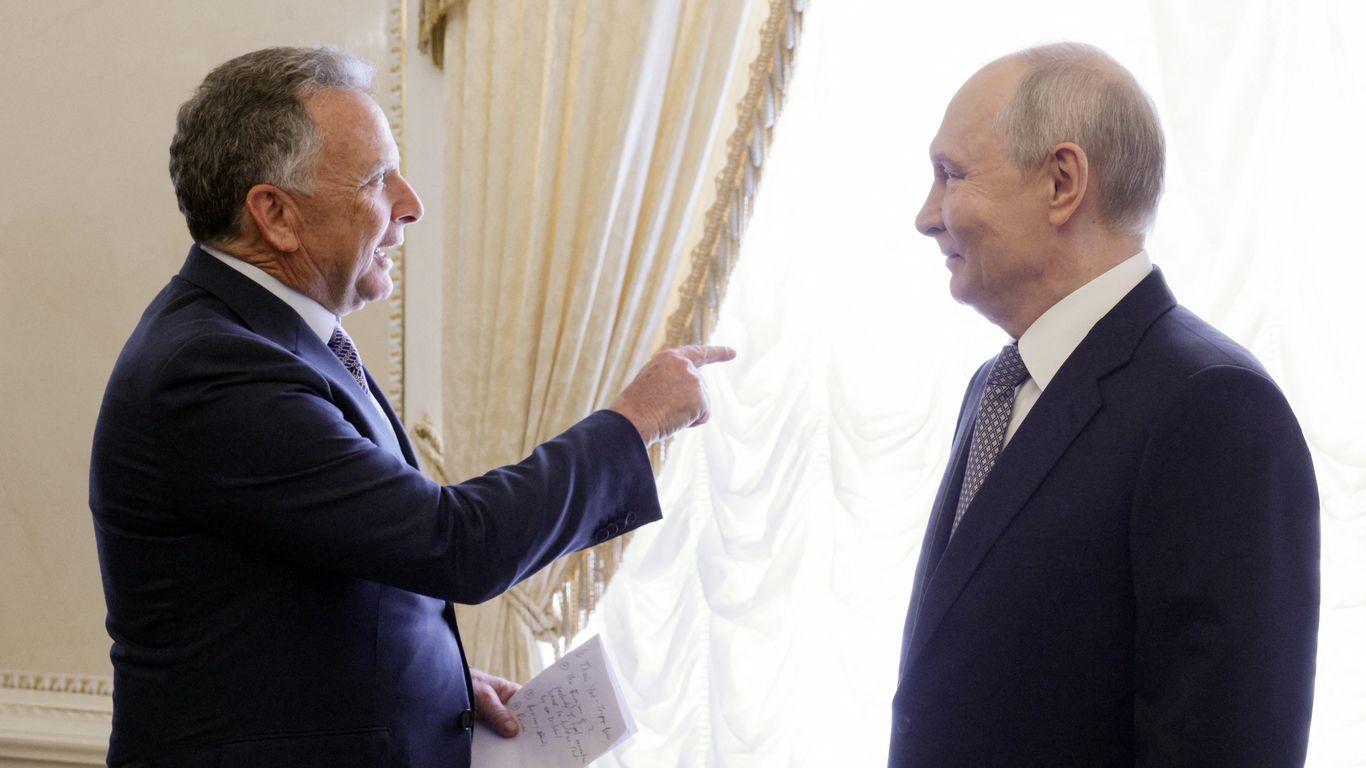
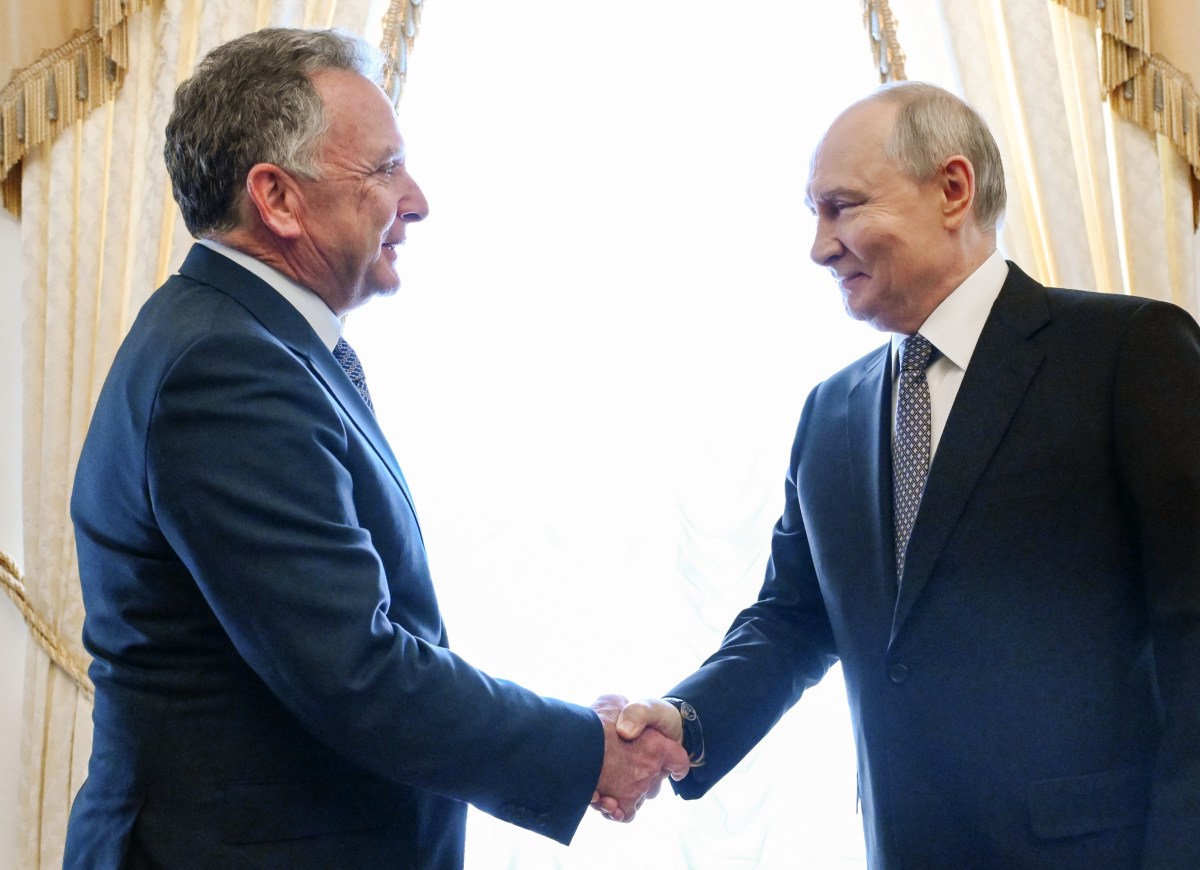
US special envoy Steve Witkoff met with Russian President Vladimir Putin in Saint Petersburg to discuss issues related to the Ukraine war. Witkoff thanked Putin for a deal involving diesel fuel and is working to help revive US-led efforts to end the conflict. He previously met with Ukraine’s president and European leaders in Oslo and will return there after this visit.
Key Facts
Steve Witkoff is the US special envoy engaged in talks about the Ukraine war.
Witkoff met Russian President Vladimir Putin in Saint Petersburg on October 21, 2026.
During the meeting, Witkoff thanked Putin for a diesel fuel deal.
The diesel deal is related to ongoing efforts connected to the Ukraine conflict.
Before going to Russia, Witkoff met with Ukraine’s President Volodymyr Zelensky and European leaders in Oslo, Norway.
The US aims to renew its leadership role in trying to end the war in Ukraine.
Witkoff plans to return to Oslo after the visit to Russia.
The talks are part of broader international diplomatic efforts involving the US, Russia, Ukraine, and Europe.
Read the Original
Want the full story? Tap a source to open the original
article.
A U.S. envoy, Steve Witkoff, asked Russian President Vladimir Putin to restart peace talks between Russia, Ukraine, and the United States to try to end the war in Ukraine. Russia released an American detainee, Stephen Hubbard, without requiring a prisoner exchange, and discussions about peace efforts are ongoing with involvement from multiple countries.
Key Facts
Steve Witkoff, a White House envoy, met with President Putin in St. Petersburg to discuss peace proposals.
Putin announced the release of Stephen Hubbard, a 74-year-old U.S. citizen held by Russia for over four years.
The U.S. did not exchange any prisoners for Hubbard’s release, which President Trump highlighted as unusual.
Witkoff called for restarting trilateral peace talks involving Russia, Ukraine, and the United States.
Earlier talks were held in Oslo with leaders from Ukraine, Norway, Finland, France, the U.K., Germany, Poland, the EU, and NATO.
Ukrainian President Zelensky supports a direct three-way meeting with Putin and President Trump, which Russia has declined so far.
Putin expressed interest in mediating between the U.S. and Iran, citing Russia’s close relationship with Iran.
Putin suggested a possible meeting with President Trump in China in mid-November to discuss these issues.
Read the Original
Want the full story? Tap a source to open the original
article.
US special envoy Steve Witkoff met with Russian President Vladimir Putin in St. Petersburg to discuss the ongoing war in Ukraine. The meeting followed Witkoff’s talks with Ukrainian President Volodymyr Zelensky in Norway, as President Donald Trump encourages a deal to end the fighting.
Key Facts
Steve Witkoff is the US special envoy handling Ukraine-related talks.
Witkoff met Vladimir Putin in St. Petersburg, Russia, on October 21, 2026.
The discussions focused on Russia’s full-scale invasion of Ukraine.
The day before, Witkoff met Ukraine’s President Volodymyr Zelensky in Oslo, Norway.
President Donald Trump is urging Kyiv (Ukraine’s capital) to agree to a settlement to stop the war.
The talks come amid ongoing conflict and diplomatic efforts to resolve the war.
These meetings are part of the US government’s attempts to engage both sides diplomatically.
Read the Original
Want the full story? Tap a source to open the original
article.
Egypt is considering joining the war against the Houthi rebels in Yemen to support Saudi Arabia. Saudi Arabia has faced attacks from the Houthis, who are backed by Iran, after a ceasefire in Yemen broke down in September.
Key Facts
Egypt may join the conflict in Yemen alongside Saudi Arabia.
The Houthi rebels are an Iran-backed group fighting against Saudi Arabia and Yemeni forces.
A truce in Yemen ended in September, leading to renewed fighting.
Saudi Crown Prince Mohammed bin Salman visited Egypt in mid-September seeking military help.
Egypt’s president presented the request for support to the Egyptian parliament.
The conflict is part of a larger struggle involving regional powers like Saudi Arabia and Iran.
The war in Yemen has caused widespread violence and instability in the Middle East.
Read the Original
Want the full story? Tap a source to open the original
article.
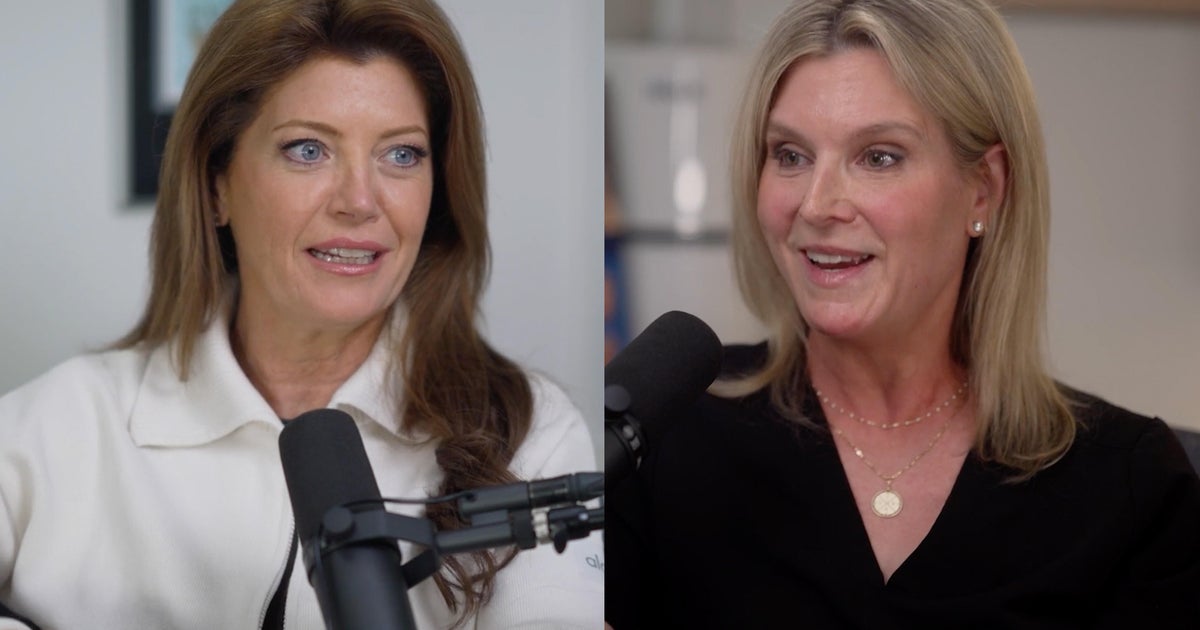
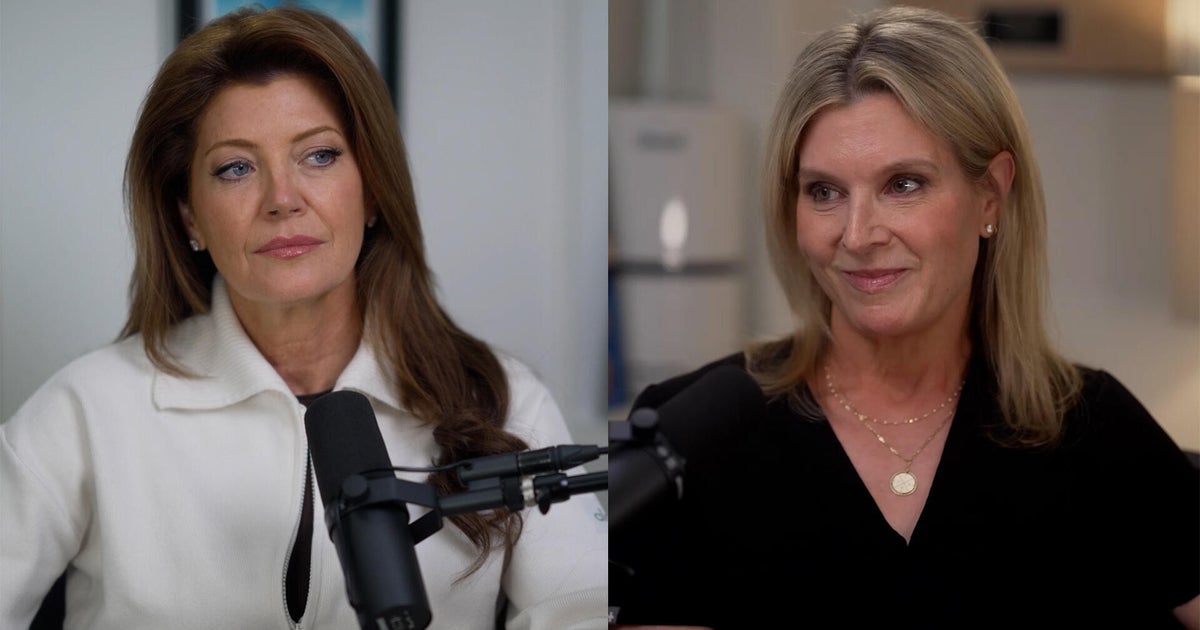
Norah O'Donnell shared her experience of being diagnosed with melanoma, a serious type of skin cancer, which was caught early and treated. Dermatologist Dr. Elizabeth Hale explained that skin cancer is very common in the U.S. but is also mostly preventable with proper sun protection.
Key Facts
Melanoma is the deadliest form of skin cancer but is highly treatable if found early.
About 20% of Americans will be diagnosed with skin cancer in their lifetime.
More people get skin cancer each year in the U.S. than all other cancers combined.
Melanoma rates are rising among women in their 20s and 30s, largely due to tanning beds and sunburns.
Using tanning beds before age 35 raises melanoma risk by 75%, according to the Skin Cancer Foundation.
About 90% of skin cancers and 99% of premature skin aging signs come from too much sun exposure.
There is no safe or healthy tan; tanning means DNA damage that increases cancer risk.
The three main skin cancers are basal cell carcinoma (most common), squamous cell carcinoma, and melanoma (most dangerous).
Read the Original
Want the full story? Tap a source to open the original
article.
Ten years ago, Norah was diagnosed with melanoma, a serious type of skin cancer. Her experience made her aware of the importance of protecting skin from the sun and checking for early signs of skin cancer. Her dermatologist, Dr. Elizabeth Hale, explains ways to prevent skin cancer and talks about differences in where melanoma appears on men and women.
Key Facts
Melanoma is a serious form of skin cancer often linked to sun exposure.
Early detection of skin cancer improves chances for successful treatment.
Men and women tend to get melanoma on different parts of the body.
Preventive measures include protecting skin from sun damage.
Tanning habits increase risks of developing skin cancer.
Norah’s diagnosis helped raise awareness about the importance of skin health.
Dr. Elizabeth Hale is a dermatologist specializing in skin cancer prevention.
Read the Original
Want the full story? Tap a source to open the original
article.
People in Senegal, Costa Rica, and Indonesia are protesting because the cost of living is rising. These protests are happening alongside similar demonstrations in European countries.
Key Facts
Rising living costs are causing protests in multiple countries.
Senegal, Costa Rica, and Indonesia have seen public demonstrations about this issue.
Similar protests are taking place in European nations at the same time.
The protests show that economic frustration is global, not just in Europe.
People want governments to take action to address the high cost of living.
Read the Original
Want the full story? Tap a source to open the original
article.
U.S. Special Envoy Steve Witkoff said there is a basis for a ceasefire in the Russia-Ukraine war after talks with both President Vladimir Putin and Ukrainian President Volodymyr Zelensky. Russia has agreed to release American Stephen Hubbard, who was imprisoned for fighting for Ukraine.
Key Facts
Steve Witkoff, U.S. Special Envoy, spoke with Russian President Putin in St. Petersburg about a ceasefire.
Witkoff described discussions with Ukrainian President Zelensky in Norway as "constructive."
Putin will review the ceasefire proposals brought by Witkoff.
Putin asked Witkoff to thank President Donald Trump and First Lady Melania Trump for their efforts related to Ukraine.
Russia released Stephen Hubbard, a 74-year-old American who was imprisoned for fighting for Ukraine.
Hubbard was sentenced to nearly seven years in prison in 2024.
Hubbard was taken to St. Petersburg's Pulkovo Airport after his release.
The situation is ongoing, and more information may come later.
Read the Original
Want the full story? Tap a source to open the original
article.
Helen Fielding, author of Bridget Jones's Diary, has started a new award to find funny diary writers from northern England. The prize offers £2,000 and writing support to an unpublished writer based in the north.
Key Facts
The award is called the Bridget Jones Prize and runs from 2027 to 2029.
It is open to unpublished writers without agents, living in northern England.
Writers must submit a funny 1,000-word piece written in the first person.
The prize includes £2,000 and help from Fielding’s literary agents and the charity New Writing North.
Helen Fielding grew up in West Yorkshire, northern England.
The prize hopes to address fewer writing opportunities in the north compared to the south of the UK.
The winner will be announced at the Northern Writers’ Awards ceremony in Newcastle.
Submissions open from 23 November 2026 to 1 February 2027.
Read the Original
Want the full story? Tap a source to open the original
article.
Protests in France involve students and others unhappy about education and living costs. A chant, “Bismillah, c’est les ténèbres,” has become popular, mocking police attempts to infiltrate protest groups and highlighting accusations of racial stereotyping by police.
Key Facts
The protests in France include students demanding better education and groups opposing high living costs.
The chant “Bismillah, c’est les ténèbres” means “In the name of God, it’s the darkness” but is used as a slogan mocking police behavior.
Police have been accused of racial stereotyping and trying to infiltrate protest social media groups using slang and Arabic words.
The police inspectorate has opened many investigations into alleged police violence during the protests.
The slogan originated from a Snapchat message believed to be from undercover officers, though this is unconfirmed.
The chant has spread to other countries like Italy and Belgium amid similar protests.
The protests have sparked discussions on Islamophobia and racial stereotypes in France.
Reports show a big increase in Islamophobic acts in France in early 2025 compared to 2024.
Read the Original
Want the full story? Tap a source to open the original
article.
France experienced a weekend of widespread violence with riots, looting, and many arrests. The unrest worsened the country’s financial problems and political tensions just six months before the presidential election.
Key Facts
Over the weekend, more than 2,300 people were arrested and about 1,000 police officers injured during protests and riots.
Rioters set a town hall on fire and looted more than 2,000 shops.
France’s national debt is at 119% of its total economic output (GDP), the highest since 1946.
The country has a budget deficit of 5.1%, making it one of the highest in the European Union.
The protests were driven by the high cost of living, which mobilized around 550,000 people to protest.
Investors became worried, causing France’s borrowing costs to rise beyond even those of Greece.
Some people believe the violence might help Marine Le Pen, a right-wing candidate, win the upcoming presidential election.
President Emmanuel Macron faces challenges in calming the unrest and addressing France’s financial issues before the election.
Read the Original
Want the full story? Tap a source to open the original
article.
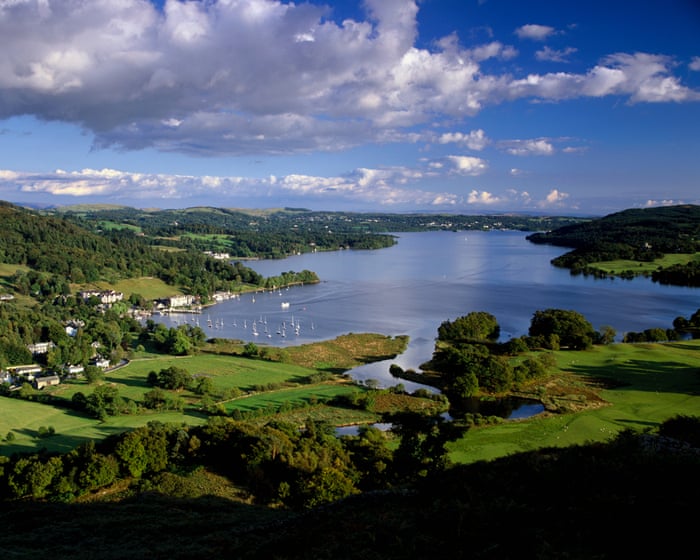
Plans are underway to build a large 12-mile tunnel to stop sewage from entering Windermere, England’s largest lake. The project, supported by United Utilities and environmental groups, aims to improve water quality and prevent pollution worsened by climate change, with construction expected to take about seven years.
Key Facts
Windermere has suffered from raw sewage and bacterial pollution caused by discharges from United Utilities.
Pollution has led to toxic blue-green algae blooms, making swimming unsafe.
Climate change is expected to cause heavier rainfall, stressing the current wastewater system.
The plan involves a 12-mile tunnel to carry sewage away from the lake to either the River Leven or the Irish Sea.
The project is estimated to cost £3.6 billion and might raise water bills by £3.17 per month by 2035.
United Utilities seeks government permission to increase customer bills to fund the construction.
The project is inspired by similar successful efforts at Lake Annecy in France.
Construction could start if funding is approved, with work expected to take two years and the full project completed within seven years.
Read the Original
Want the full story? Tap a source to open the original
article.
The UK government has approved the development of the Jackdaw gasfield in the North Sea to increase natural gas supply and improve energy security. The project is expected to start supplying energy by the end of the month and will raise UK gas production by about 6 percent at its peak, while the government also launched a fund to invest in renewable energy.
Key Facts
The Jackdaw gasfield is located off the coast of Scotland in the North Sea.
The UK government expects it to increase the country’s gas production by about 6% at its peak.
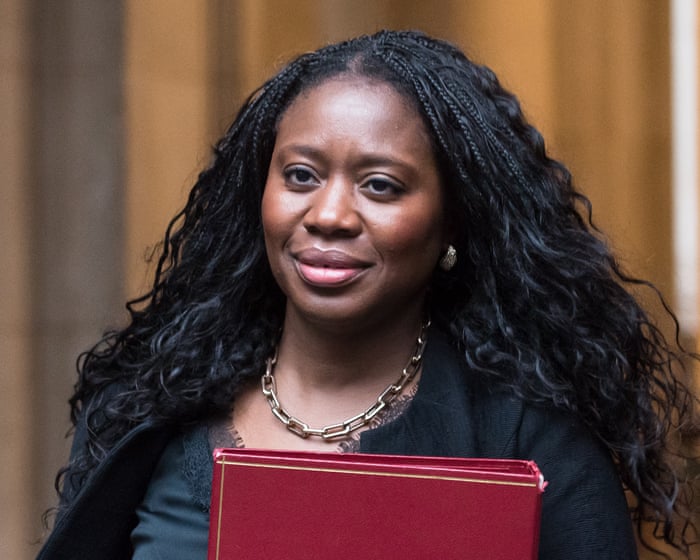
Energy Minister Miatta Fahnbulleh said the project aims to improve energy security, not to lower household energy bills.
The UK government has created a New Energy Wealth Fund with an initial £2 billion to support renewable and low-carbon energy projects.
The fund will be financed partly by tax revenues from North Sea oil and gas production.
Prime Minister Andy Burnham said the project will protect jobs and help keep homes warm without stopping progress on renewable energy targets.
Some political leaders and environmental groups criticized the approval, saying it continues dependence on fossil fuels and harms climate goals.
Greenpeace described the decision as influenced by fossil fuel lobbyists and opposed to cutting reliance on oil and gas.
Read the Original
Want the full story? Tap a source to open the original
article.
French Prime Minister Sébastien Lecornu has promised a large police presence to manage upcoming protests by the "Yellow Vest" movement. He admitted that previous security efforts were not enough and said the government will take stronger action during the new demonstrations.
Key Facts
The "Yellow Vest" movement has called for new protests on Saturday.
Prime Minister Lecornu pledged a "massive" police deployment to control the demonstrations.
He spoke to lawmakers in the French National Assembly about security concerns.
Lecornu acknowledged that past police responses were insufficient.
The government plans a tougher approach to handle the protests.
Protests have led to riots and city center damage in France recently.
Local curfews have been imposed in parts of Paris to limit unrest.
The Justice Minister has promised strict punishments for people who riot.
Read the Original
Want the full story? Tap a source to open the original
article.
The UK will send Royal Air Force Typhoon fighter jets to help defend Saudi Arabia from missile and drone attacks by Yemen’s Houthi group. This support is defensive, with no planned attacks by UK jets, and continues a long military partnership that began during World War I.
Key Facts
The UK is deploying Typhoon fighter jets, an A400M transport aircraft, and military advisers to Saudi Arabia.
The jets are for defense only and will not attack the Houthi group.
The Houthis are launching missiles and drones at Saudi Arabia, targeting places like oil facilities and Riyadh’s main airport.
The UK and Saudi Arabia have had a military partnership since 1915, starting with a treaty during World War I.
Saudi Arabia began buying British military equipment in the 1960s, including fighter jets and radar systems.
In the 1960s, the UK considered sending a fighter squadron to support Saudi Arabia during Yemen’s civil conflict but ended up selling jets with civilian pilots.
BAE Systems, a British defense company, has been involved with Saudi military contracts since 1966 and was named prime contractor in 1973.
The current UK deployment builds on these longstanding military ties amid ongoing conflict between the Saudi-backed Yemeni government and the Houthis.
Read the Original
Want the full story? Tap a source to open the original
article.
A disagreement has grown within the UK cabinet about Shabana Mahmood’s plan to increase the time foreign workers must wait to gain permanent residency from five to 15 years. Some ministers, including energy secretary Miatta Fahnbulleh, have not clearly supported the plan, while others have criticized it, leading to calls for possible changes.
Key Facts
Shabana Mahmood proposed extending the wait for foreign workers to claim permanent residency in the UK from 5 years to 15 years.
Miatta Fahnbulleh did not directly endorse the 15-year wait in a recent interview but said immigration reforms should be compassionate and based on contribution.
Fahnbulleh supports reforming the immigration system but avoided saying she fully backs the longer waiting time.
There has been criticism from other Labour Party members and ministers, including Angela Rayner, who opposes the plan.
Some MPs fear the longer wait will harm community integration and worker retention, especially in care jobs.
The proposal may be changed after government consultation to avoid division within the ruling party.
The government says the immigration system is broken and needs reform to ensure settlement is earned and not automatic.
Officials say no final decision has been made yet, and the policy is still under review.
Read the Original
Want the full story? Tap a source to open the original
article.
A convicted criminal connected to a banned paramilitary group called the Ulster Volunteer Force (UVF) has ties to a right-wing student group in the UK named Turning Point UK (TPUK). An undercover investigation by Al Jazeera found that TPUK leaders arranged illegal acts including staged events and offers of violence for money, linked to UVF members involved in weapons smuggling and past killings during Northern Ireland’s conflict known as The Troubles.
Key Facts
Allan Nesbitt, a convicted criminal and member of the UVF, has links with Turning Point UK, a right-wing student group in the UK.
Turning Point UK is connected to senior members of the UK Conservative Party and the Reform UK party.
TPUK’s CEO Jack Ross introduced Nesbitt to an undercover reporter and agreed to pay him for staging fake rallies and violent acts.
Nesbitt claimed he could arrange violence, including assaults, stabbings, shootings, and even murder, for a price.
Nesbitt showed weapons and live ammunition to the undercover reporter to support his claims.
Money from these violent acts would fund arms for the UVF in Northern Ireland, which Nesbitt said they smuggle from Scotland.
The UVF is a loyalist paramilitary group responsible for over 500 deaths during The Troubles, a conflict in Northern Ireland between Protestant unionists and Catholic nationalists.
The UVF committed major attacks like the 1971 McGurk’s bar bombing (15 killed) and the 1974 Dublin and Monaghan bombings (33 killed).
Read the Original
Want the full story? Tap a source to open the original
article.
French President Emmanuel Macron said he arranged for an extra 200,000 tonnes of diesel fuel each month from the United Arab Emirates and Bahrain. He is visiting Gulf countries and said France is working to depend less on other sources for fuel.
Key Facts
President Macron is on a tour of Gulf countries, currently in Doha, Qatar.
He secured additional diesel fuel supplies from the United Arab Emirates and Bahrain.
The extra amount is 200,000 tonnes of diesel per month.
Macron said this will help France reduce its dependence on other fuel sources.
The visit and agreements relate to energy and economic ties between France and Gulf nations.
Macron spoke to the press about these arrangements on October 21, 2026.
The Gulf tour includes countries important for France’s oil and defense agreements.
Read the Original
Want the full story? Tap a source to open the original
article.
King Charles III of the United Kingdom welcomed Sultan Haitham bin Tariq of Oman during a state visit, the first in 44 years. The king praised Oman’s efforts to promote peace and quoted a religious text attributed to Prophet Muhammad in Arabic.
Key Facts
King Charles III hosted Sultan Haitham bin Tariq of Oman in the UK.
This was the first state visit from an Omani leader in 44 years.
The king highlighted Oman’s role in peacemaking.
King Charles III quoted a sacred text attributed to Islam’s Prophet Muhammad.
The quote was delivered in Arabic during the speech.
The visit symbolizes strong diplomatic relations between the UK and Oman.
State visits are formal events where a visiting head of state is officially received.
Read the Original
Want the full story? Tap a source to open the original
article.