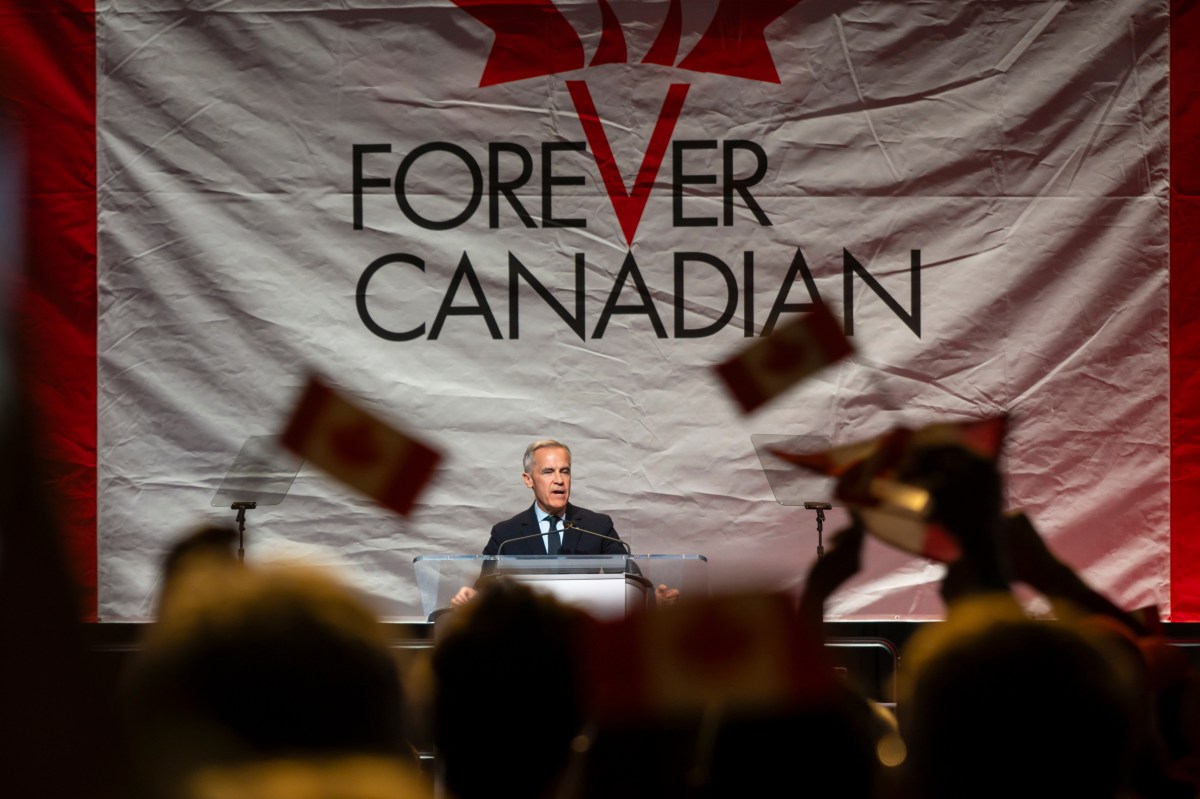
Alberta is holding a vote on whether to start the process of becoming independent from Canada. Supporters say independence would help the province’s oil, farming, and tax sectors by reducing federal rules. The Canadian government and experts warn that independence could create uncertainty and economic risks for both Alberta and the rest of Canada.
Key Facts
Alberta’s referendum asks citizens if they want to begin the process toward independence, but it does not automatically lead to leaving Canada.
Supporters believe independence would reduce environmental regulations, helping oil and gas producers expand their businesses.
Farmers and ranchers could benefit from tailored agricultural policies and better export opportunities under independence.
Campaigners propose cutting taxes by keeping all provincial revenue instead of sending some to Ottawa.
Canada would lose a province responsible for about 25% of its exports if Alberta becomes independent.
Experts warn that uncertainty about rules and trade could hurt energy companies and infrastructure investments.
The U.S. might gain influence over Alberta if trade and exports shift toward American markets.
Prime Minister Mark Carney says independence would cause long-term uncertainty and lost opportunities for Alberta.
Read the Original
Want the full story? Tap a source to open the original
article.
Young people in several European countries, including France, Italy, Belgium, and Albania, are organizing protests. These students feel their concerns about the future are not being heard and are using similar methods to express their views.
Key Facts
Youth-led protests are happening in France, Italy, Belgium, and Albania.
The protests are mainly driven by students.
The protesters believe their future is being ignored by leaders.
They share similar complaints or problems across countries.
The groups use common ways or tactics to protest.
Policy analyst Alberto Alemanno spoke about this trend to Al Jazeera.
The protests show a wider issue of young people demanding attention.
This is described as a “generational claim” meaning young people are making demands for their generation.
Read the Original
Want the full story? Tap a source to open the original
article.
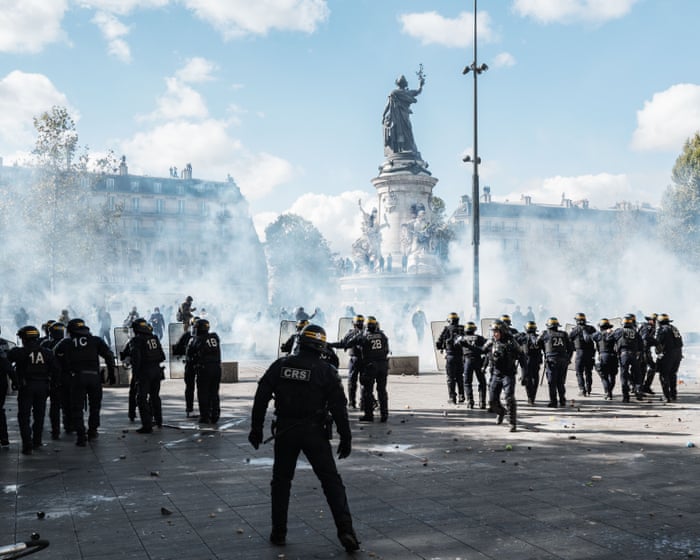
Protests in France against rising living costs turned violent, with cars set on fire, shops looted, and clashes with police in several cities. Authorities arrested about 1,200 people, and many police officers were hurt during the unrest.
Key Facts
Protests began peacefully but escalated into violence across cities like Paris, Marseille, and Nice.
Masked youths set vehicles on fire and damaged shops and public buildings.
Police used tear gas and water cannons to control the crowds.
Around 1,200 people were arrested, and 150 police officers were injured.
A 17-year-old lost his right hand due to a crowd-control grenade.
Attacks targeted town halls, a police compound, and tourist offices.
The unrest occurred amid student protests and six months before the French presidential election.
President Emmanuel Macron promised that those responsible would face legal action.
Read the Original
Want the full story? Tap a source to open the original
article.
Police in Paris arrested a record 855 people during protests on Saturday, part of over 1,200 arrests across France. The demonstrations started with students protesting the cost of living but grew violent, causing damage to buildings and streets.
Key Facts
Police in Paris arrested 855 people, the highest number ever for one event.
Over 1,200 people were arrested across France during the protests.
About 150 police officers were injured in clashes.
Protesters caused severe damage, with whole streets in Paris devastated.
In Limoges, a town hall building was set on fire by masked protesters.
The protests began in poor suburbs over issues like teacher absences and bad school conditions.
The movement expanded to include complaints about inequality, low public spending, and falling standards.
Authorities are watching to see if protests will continue.
Read the Original
Want the full story? Tap a source to open the original
article.
A police officer was shot in the foot while approaching two suspects in Nottingham city centre early Sunday morning. Police found a gun at the scene, and the two suspects, a man and a woman, ran away and remain unidentified.
Key Facts
The incident happened around 04:50 BST on Sunday in Angel Row, Nottingham.
The injured officer is being treated in hospital for a foot wound.
A firearm was recovered by the police at the scene.
Two suspects, one man and one woman, fled the area after the shooting.
Police closed Angel Row and set up a large investigation scene.
Nottinghamshire Police are asking the public to provide any information about the suspects.
Assistant Chief Constable Claire Rukas expressed concern for the officer and highlighted the dangers police face.
Read the Original
Want the full story? Tap a source to open the original
article.
The article explains why talks between the United States and Iran often fail. It highlights deep mistrust rooted in historical events, such as the 1979 US embassy siege in Tehran and the US exit from the Iran nuclear deal in 2018, shaping how both countries approach negotiations today.
Key Facts
Since the start of recent conflicts, the US and Iran have tried several negotiations, but only one agreement was signed and then quickly fell apart.
Two long-standing psychological barriers affect relations: one from the US side due to the 1979 embassy siege, and one from the Iranian side due to US hostility and the 2018 withdrawal from the nuclear deal.
The US and Britain overthrew Iran’s government in 1953 because it nationalized its oil, causing lasting distrust in Iran.
In 1979, Iranian students took 52 Americans hostage for 444 days, ending diplomatic relations between the two countries.
The US views Iran as untrustworthy and insists Iran must make verified concessions before receiving anything in return.
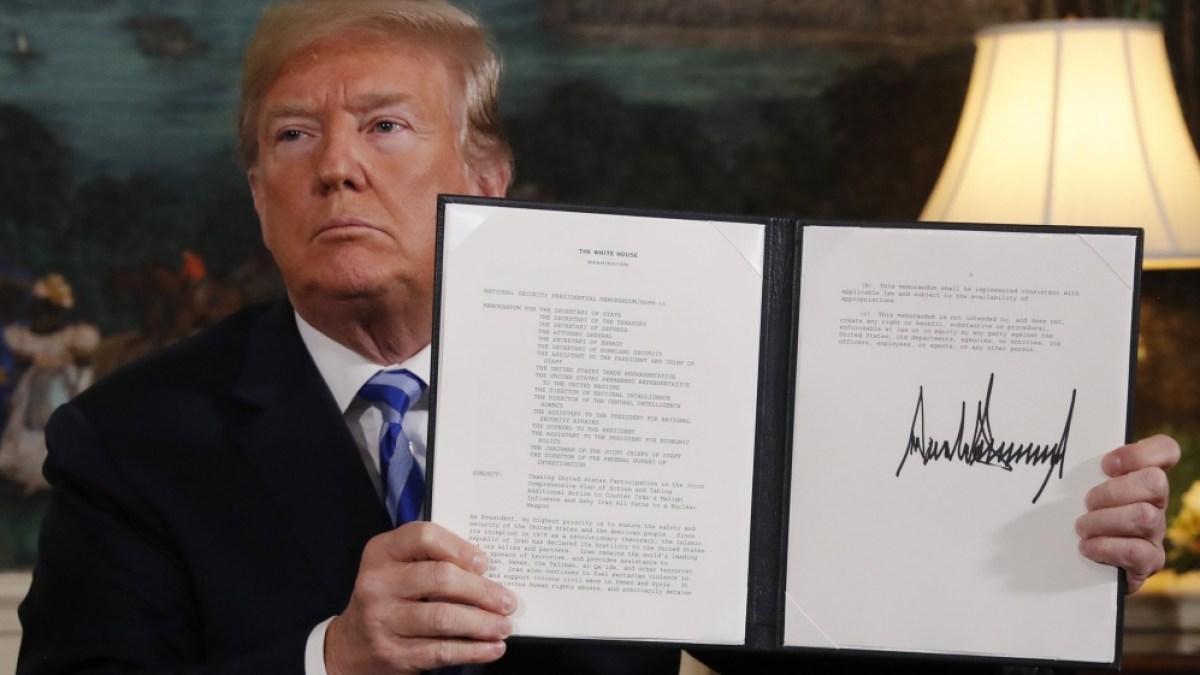
In 2018, President Trump left the Iran nuclear deal despite reports that Iran was following its rules.
The US later demanded broad new conditions in talks, including Iran’s actions in other Middle East countries.
Iran believes US agreements are unreliable and that negotiations can sometimes hide plans for conflict, so they want strong guarantees before making any moves.
Read the Original
Want the full story? Tap a source to open the original
article.
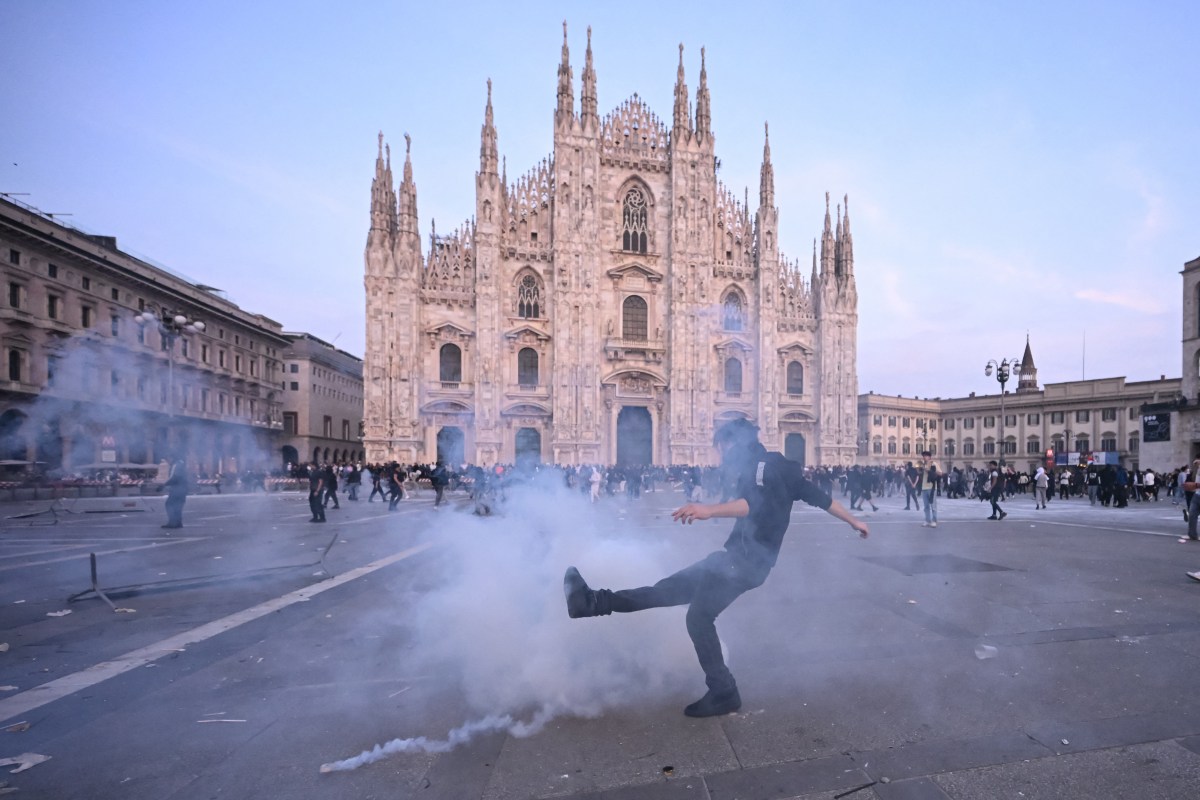
Italian Prime Minister Giorgia Meloni strongly criticized some people she called "hooligans" for causing violence during protests in Milan. The protests, focused on issues like war and rising living costs, turned violent with clashes near Milan’s famous cathedral and shopping area.
Key Facts
Protests took place in Milan’s city center, especially around the Piazza del Duomo and Galleria Vittorio Emanuele II.
Demonstrators were marching against wars and increasing living costs.
Some masked protesters threw objects at police and started fires.
Prime Minister Meloni said peaceful protesting is a right, but violence and property damage are not acceptable.
Milan’s mayor, Giuseppe Sala, agreed that problems raised by protesters are valid but condemned the violent actions.
The protests led to clashes between police and some violent groups among the demonstrators.
The incident caused damage to buildings and disturbed the historic area.
Authorities are monitoring the situation and may provide updates as it develops.
Read the Original
Want the full story? Tap a source to open the original
article.
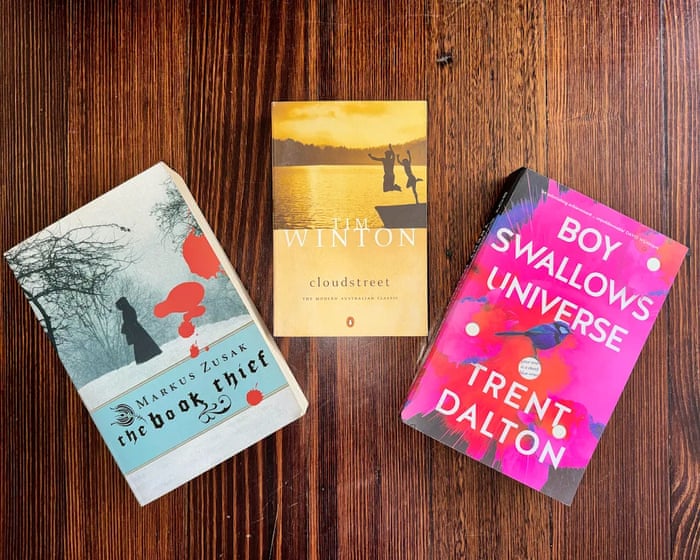
Tim Winton’s novel *Cloudstreet* has been voted the favorite Australian book in an ABC Radio National poll. The poll listed the top 100 Australian books, including fiction, nonfiction, children’s books, and cookbooks, showing a wide range of popular reading choices across the country.
Key Facts
*Cloudstreet* by Tim Winton was chosen as Australia’s favorite book in a nationwide ABC Radio National poll.
Markus Zusak’s *The Book Thief* came in second, and Trent Dalton’s *Boy Swallows Universe* was third.
*Cloudstreet* tells the story of two Australian families living together in Perth from the 1940s to 1960s.
The book won the Miles Franklin Award in 1992 and is commonly taught in Australian schools.
The top 100 list includes various types of books: adult, young adult, children’s fiction, nonfiction, history, and cookbooks.
Some cookbooks, like *The Australian Women’s Weekly Children’s Birthday Cake Book*, made it into the top 50.
The earliest book on the list is from 1874, while the most recent were published in 2025.
Several well-known Australian authors had multiple books chosen in the list, representing a wide range of perspectives.
Read the Original
Want the full story? Tap a source to open the original
article.
Israel’s relationship with Europe has worsened mainly because of Israel’s military actions in Gaza, which caused many Palestinian deaths. Tensions have increased, with European countries accusing Israel of serious human rights violations, and this conflict affects events like sports and cultural competitions where Israel once participated freely. The upcoming Israeli election could influence these ties depending on who wins.
Key Facts
Israel’s 75th anniversary was marked by European Commission President Ursula von der Leyen expressing friendship with Israel.
Israel has traditionally been involved in European football, Eurovision, and shared intelligence with Europe.
Israel’s military actions in Gaza have killed at least 74,000 Palestinians, causing many European countries to criticize Israel strongly.
Some European countries, like Ireland, Spain, and Britain, have condemned Israel for its policies in Palestinian territories; Britain banned goods from illegal settlements.
Settlers recently attacked European diplomats and a U.S. journalist in the West Bank, drawing international criticism.
Experts warn that if Prime Minister Benjamin Netanyahu returns to power with far-right support, relations with Europe may worsen.
Even if Netanyahu is replaced, policies criticized by Europe may continue since his main challenger also opposes Palestinian statehood.
A more liberal Israeli government might improve relations slowly, possibly allowing more humanitarian aid to Palestinians and slowing settlement expansion.
Read the Original
Want the full story? Tap a source to open the original
article.
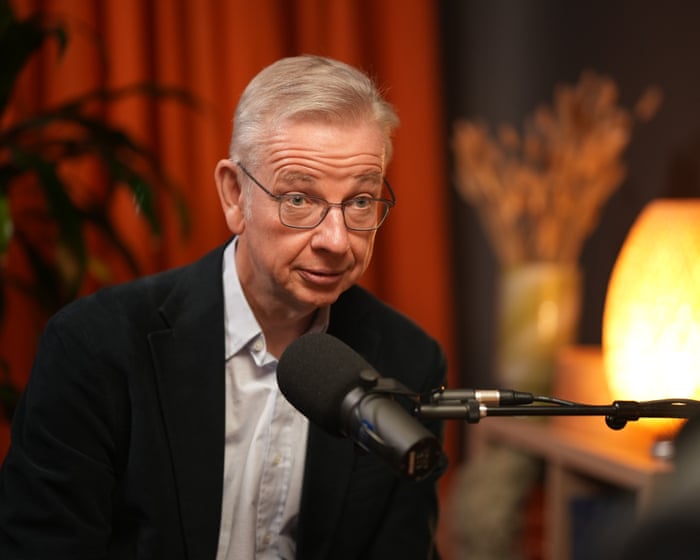
Michael Gove, a British politician, explains that austerity, or government budget cuts, is always painful but necessary in his political view. The article provides various sources and readings on Gove’s political career and the challenges facing the British Conservative Party.
Key Facts
Michael Gove supports austerity measures, which means reducing government spending.
Austerity often causes hardship for people affected by spending cuts.
Several books and articles analyze Gove’s years in political power and the British Conservative Party’s changes.
Brexit, the UK leaving the European Union, may have reduced the UK’s economy by about 8%.
Some suggested readings cover how political parties try to build voter support coalitions.
The article references economic studies on housing and the UK’s shift from renters to homeowners or producers.
Discussions include how traditional conservative politics have evolved or struggled over time.
There is also commentary on the media’s political stances, such as accusations of Islamophobia in certain publications.
Read the Original
Want the full story? Tap a source to open the original
article.
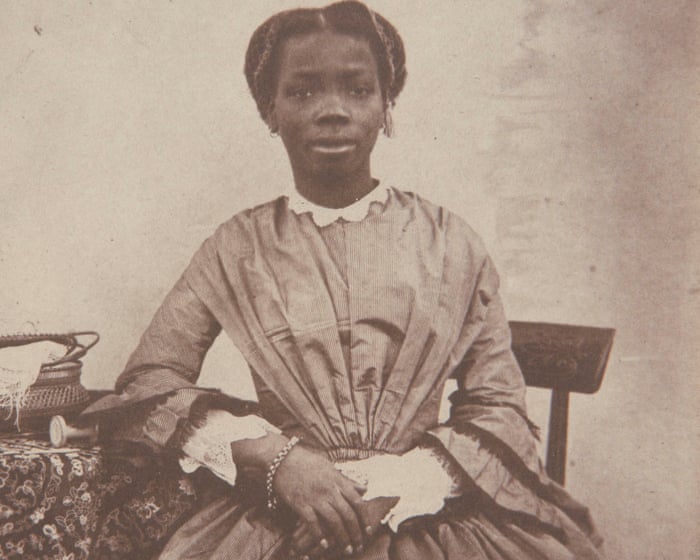
Sarah Forbes Bonetta was a young African girl given to Queen Victoria by an African king in the 1800s. She was raised under royal care in England but was legally bound to the queen until she was 19. A new biography tells her story and reveals how her life was part of Britain’s wider colonial and anti-slavery agenda.
Key Facts
Sarah Forbes Bonetta was born in 1843 in southwest Nigeria as Àìná.
Her family was killed in 1848 during an attack by King Ghezo of Dahomey’s forces.
She was captured by the all-female military regiment of Dahomey and later taken to England by Frederick Forbes of the Royal Navy.
Queen Victoria paid for her education, approved her marriage, and became godmother to her daughter.
Legally, Bonetta was considered the property of the British crown until age 19, meaning she was indentured or bonded.
After abolition, many Africans were forced into indentured servitude to pay for their own freedom, and Bonetta’s case was part of this system.
Her image was used in Britain to support the idea of colonialism as a “civilising mission.”
Bonetta attended the 1858 wedding of Queen Victoria’s daughter, an event seen by abolitionists as symbolic of Victoria’s belief in equality.
Read the Original
Want the full story? Tap a source to open the original
article.
Ringo Starr was playing with Rory Storm and the Hurricanes at Butlin’s in Skegness in summer 1962 when John Lennon and Paul McCartney approached him about joining The Beatles. A few weeks later, manager Brian Epstein called Starr at the camp and offered him a place; Starr joined after finishing his commitments with the Hurricanes.
Key Facts
Starr was drumming with Rory Storm and the Hurricanes at Butlin’s in Skegness in summer 1962.
John Lennon and Paul McCartney travelled from Liverpool to speak with Starr about joining The Beatles.
In mid-August, Epstein called Starr at the camp and asked him to join the group.
Starr said he could not leave immediately and agreed to join on Saturday.
Starr shaved off his beard and got a haircut before joining The Beatles.
The Hurricanes hired another drummer for the final two weeks of their summer season.
Starr’s only reported return to Lincolnshire with The Beatles was a performance at Lincoln’s ABC cinema in November 1963.
Read the Original
Want the full story? Tap a source to open the original
article.
Wildfires in Indonesia, worsened by a strong "super-El Nino" weather pattern, have caused thick toxic haze across Southeast Asia. The haze has led to health problems, school closures, and outdoor activity restrictions in countries like Indonesia, Malaysia, Singapore, and East Timor.
Key Facts
Wildfires have been burning in Indonesia for months, especially on the islands of Borneo and Sumatra.
A severe "super-El Nino" has caused hot and dry conditions, making the fires worse than usual.
Over 637,000 hectares (about nine times the size of Singapore) were burned from January to August 2026.
The Southeast Asian meteorological agency raised the haze alert to the highest level (Level 3) due to widespread smoke.
The haze has caused respiratory health issues and forced school closures in multiple countries.
Singapore and Kuala Lumpur were ranked among the most polluted cities in the world during the haze.
Indonesia tried using dry ice dropped by planes to reduce the haze at one airport.
People in affected countries have called for more action to stop the fires and reduce the haze.
Read the Original
Want the full story? Tap a source to open the original
article.
Researchers studied over 2 million surgery patients and found that those taking GLP-1 drugs before elective surgery had fewer serious heart problems and infections after surgery. These medications, originally used for diabetes and weight loss, might also reduce inflammation and improve surgery outcomes.
Key Facts
GLP-1 drugs, like semaglutide and tirzepatide, help control blood sugar and aid weight loss.
The study analyzed data from over 2 million adults who had elective surgeries lasting more than an hour.
About 145,610 patients in the study were using GLP-1 medications before surgery.
GLP-1 users had an 11% lower chance of major heart problems after surgery than non-users.
They also had an 8% lower chance of infections after surgery compared to non-users.
Major adverse cardiovascular events (MACE) include heart attack, stroke, and death from any cause.
Some doctors worry that GLP-1 drugs delay stomach emptying, which could raise risks during anesthesia.
Current U.S. guidelines recommend deciding individually whether to stop GLP-1 drugs before surgery.
Read the Original
Want the full story? Tap a source to open the original
article.
Juan Francisco Solorzano Foppa, a former Guatemalan prosecutor known for investigating powerful figures, was shot and killed at a sports center in Guatemala City. Police have arrested two suspects and seized a firearm and motorcycle linked to the attack, while President Bernardo Arevalo condemned the killing and vowed to bring those responsible to justice.
Key Facts
Juan Francisco Solorzano Foppa was a 43-year-old former prosecutor and anticorruption lawyer in Guatemala.
He was killed alongside another man, Gustavo Adolfo Aguilar Gamarro, at the Campo Marte sports complex.
Two men were arrested; police found a carbine-style gun and a motorcycle connected to the murder.
Foppa had accused politicians, business leaders, and criminal gangs of corruption and wrongdoing.
He led Guatemala’s Criminal Investigations Directorate and later the tax authority, where he prosecuted powerful business figures.
In 2025, he claimed links between a gang called Barrio 18 and a political party, as well as corruption in the justice system.
In 2023, he briefly defended journalist Jose Ruben Zamora, an advocate against attacks on press freedom, but left after legal troubles.
President Arevalo called the murder cowardly and promised full legal action against the killers and those behind the crime.
Read the Original
Want the full story? Tap a source to open the original
article.
Abhijeet Dipke, the founder of India's youth-led Cockroach Janta Party (CJP), was released by police after being detained during protests against India’s chief election commissioner. The protests demand the commissioner’s resignation over claims that voter rolls were improperly changed, although the election commission denies these accusations.
Key Facts
Abhijeet Dipke was arrested on October 16, 2026, in New Delhi while heading to a protest rally.
Dipke was released on October 17, 2026, after a special magistrate ordered it.
Two other CJP leaders, Ashutosh Ranka and Saurav Das, remain in custody after protesting at a banned site called Jantar Mantar.
The protests call for the resignation of India’s chief election commissioner, accusing the commission of removing over 130 million voters to help Prime Minister Narendra Modi’s party.
The election commission denies any wrongdoing related to voter list changes.
Student activist Neha Bora was also detained and released after trying to join protests.
Modi’s party claims many undocumented Muslim migrants from Bangladesh have entered voter lists illegally.
Critics argue the Modi government has reduced democratic freedoms, citing pressure on journalists and civil groups.
Read the Original
Want the full story? Tap a source to open the original
article.
In New Delhi, India, protests against alleged voter list fraud led to many arrests. A 25-year-old created an AI tool to help protesters who were dropped far from the city get home safely by tracking police buses and arranging rides through volunteers.
Key Facts
Thousands protested in New Delhi demanding the resignation of Chief Election Commissioner Gyanesh Kumar over claims 133 million people were wrongly removed from voter lists.
A 19-year-old woman was detained and left about 50 km from the protest site without cash or phone battery.
She was helped by volunteers who used an AI-assisted tool called “Detainee Gharwapsi Yojana” to track detained protesters and arrange transport home.
“Gharwapsi” means “to return home” and “Yojana” means “plan” in Hindi.
The AI tool uses a digital dashboard, live mapping, and data shared via WhatsApp to help coordinate rescues.
The tool prioritizes helping minors, elderly people, and women, especially those protesting for the first time.
Protests have been ongoing daily since early June, led by left-leaning student groups, the opposition Congress party, and the satirical Cockroach Janta Party.
The government responded with a crackdown including roadblocks, metro closures, and many detentions during Prime Minister Narendra Modi’s 12-year tenure.
Read the Original
Want the full story? Tap a source to open the original
article.
U.S. Secretary of State Marco Rubio will visit Mumbai and Jamnagar in India to discuss trade, energy, and investment, instead of visiting the capital, New Delhi. This unusual itinerary caused a political dispute in India after the U.S. ambassador said Indian officials were expected to travel to meet Rubio outside the capital.
Key Facts
Marco Rubio is visiting India to talk about trade, energy, defense, investment, and technology.
Rubio’s meetings will be held in Mumbai and Jamnagar, not New Delhi.
In Jamnagar, he will visit the world’s largest oil refinery, owned by Reliance Industries.
The visit occurs amid tensions over trade, tariffs, and India’s purchase of Russian oil.
The U.S. ambassador said Indian officials were expected to come to Mumbai to meet Rubio, causing political controversy in India.
Rubio recently attended a summit in Uzbekistan before traveling to India.
Reliance Industries is a key player in global oil trade and is investing in a major U.S. refinery project.
The U.S. aims to strengthen energy cooperation as fuel prices rise ahead of U.S. midterm elections.
Read the Original
Want the full story? Tap a source to open the original
article.
Fr Willie Doyle was an Irish Catholic priest who served as a chaplain for the British Army during World War One. He was known for bravery and helping wounded soldiers before being killed in the Battle of Passchendaele in 1917. The Catholic Church in Ireland is now preparing to begin the official process to consider him for sainthood.
Key Facts
Fr Willie Doyle was a chaplain to the 16th (Irish) Division of the British Army during WW1.
He helped wounded soldiers on the battlefield, often risking his life in No Man’s Land.
He died on 16 August 1917 from shellfire while aiding wounded Protestant soldiers.
The Catholic Church calls him an "ecumenical martyr of charity" because he helped soldiers of different Christian faiths.
He received the Military Cross for bravery at the Battle of the Somme.
The Fr Willie Doyle Association, based in Dublin, leads the campaign for his sainthood.
The association is sending thousands of documents to the Vatican to support the case.
Fr Willie Doyle’s letters are valuable to historians studying Irish soldiers’ experiences in WW1.
Read the Original
Want the full story? Tap a source to open the original
article.
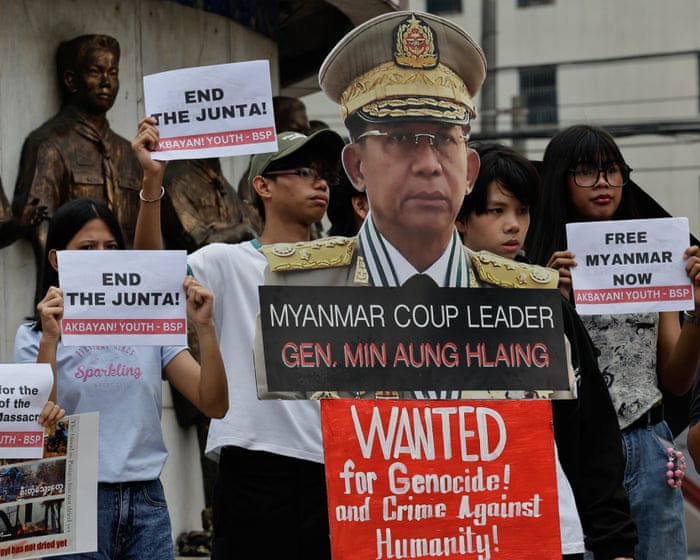
The US government has shifted its approach toward Myanmar’s military regime, moving from strong sanctions and calls for prosecution to opening talks with the generals who took power in a 2021 coup. This change is partly driven by US interest in Myanmar’s rare earth minerals, which are important for technology and military use.
Key Facts
In 2017, Senator Marco Rubio and others called for sanctions and prosecution against Myanmar military leaders for ethnic cleansing of the Rohingya.
Since 2021, Myanmar’s military has taken full control after arresting elected leader Aung San Suu Kyi, sparking a civil war that killed about 100,000 people and displaced 5 million.
The US now views Myanmar’s situation as genocide but has started direct talks with the military regime and may lift some sanctions.
Roger Stone, a close ally of President Trump, is lobbying on behalf of Myanmar’s military to improve relations with the US.
A recent US official visit to Myanmar focused on gaining access to rare earth minerals rather than pushing for democracy.
Rare earth minerals are critical for high-tech and military products, and China currently dominates their supply.
Myanmar has over 600 rare earth mines, supplying most of China’s imports since the coup.
Other countries, like Malaysia, are also reconsidering their stance on Myanmar’s military leadership.
Read the Original
Want the full story? Tap a source to open the original
article.