Neutral summaries of your favorite news sources — just the facts.
Your favorite news sources, one neutral feed — we distill their reporting into fact-first
summaries and always link to the original story. How it works
World News
Comprehensive coverage of international news and global events
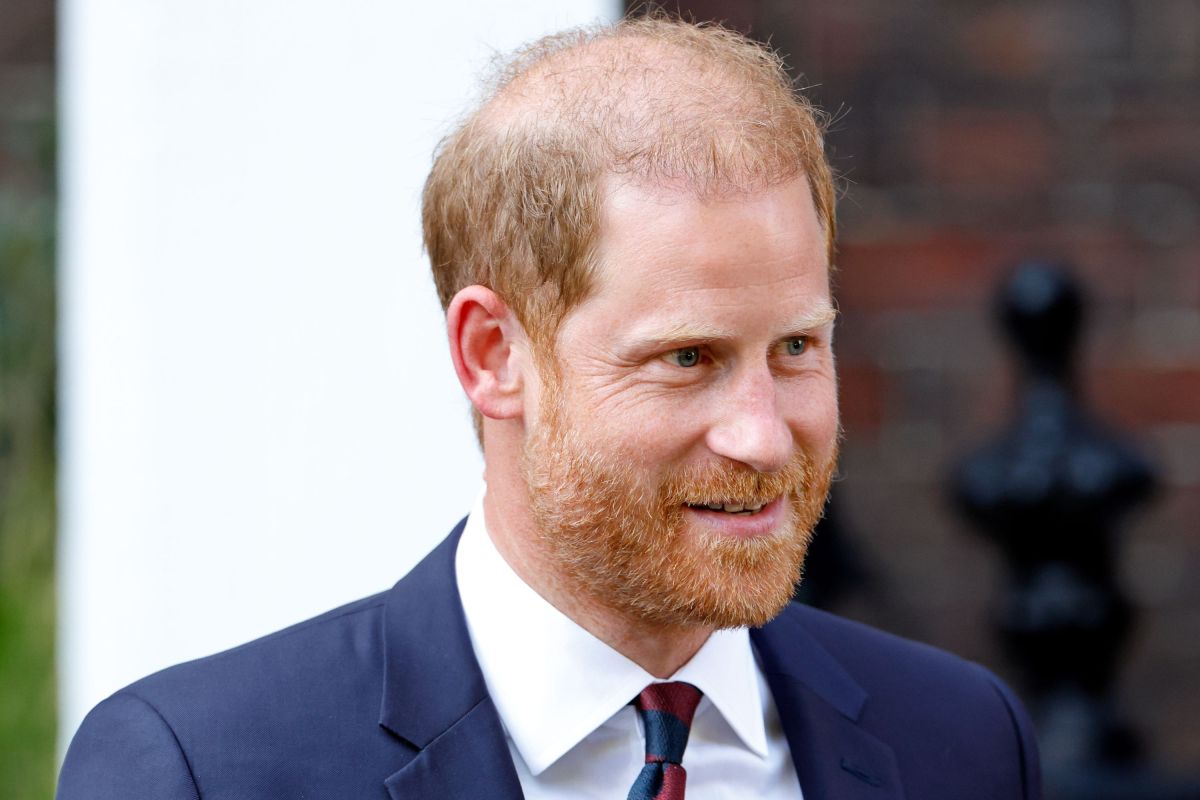
Prince Harry's visit to the UK was meant to support the Invictus Games and possibly reconnect with King Charles III. However, three major problems, including not receiving police protection, have overshadowed the trip and made relationships tense.
Key Facts
Prince Harry planned to bring his children, Archie and Lilibet, to meet King Charles III for the first time in four years.
The visit was connected to the Invictus Games, a sports event for military veterans.
The UK Home Office decided not to provide police protection for Harry during the visit.
Without police protection, Harry questioned the safety of bringing his wife, Meghan Markle, and their children.
King Charles offered Harry a royal residence to stay in but could not influence the protection decision because it is a government matter.
Some in Harry’s team suspected palace aides influenced decisions about security, causing mistrust.
The Police protection decisions involve a committee called RAVEC, which includes senior royal aides.
The issues shifted the story from positive family reunion plans to disputes and suspicion.
Read the Original
Want the full story? Tap a source to open the original
article.
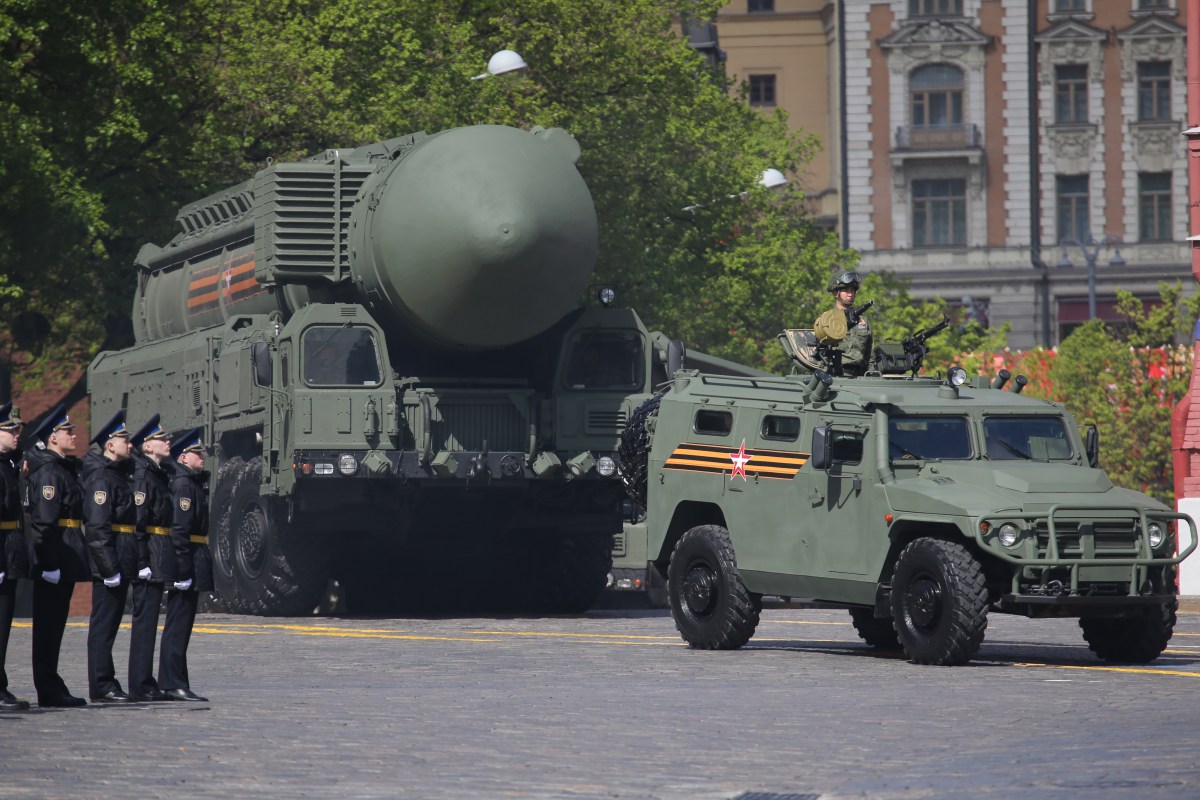
Russia has threatened to use nuclear weapons against Ukraine during its ongoing war. Russian forces face heavy losses and attacks deep inside Russia, raising concerns that President Putin might consider using nuclear weapons to change the course of the conflict.
Key Facts
Russian oligarch Konstantin Malofeyev suggested using tactical nuclear weapons on Ukraine in June 2023.
Russia participated in nuclear exercises just before invading Ukraine in February 2022, signaling possible nuclear threats.
President Putin warned of severe consequences on the first day of the invasion.
Ukraine has conducted drone strikes on targets deep inside Russia, including near Moscow and in Crimea.
Russia is experiencing energy shortages due to attacks on its refineries and energy facilities.
Russian troops suffer high casualties with very short life expectancy for new recruits.
Analysts warn Russia’s regime could collapse under military and economic pressure.
Some experts believe Russia may use nuclear weapons to try to win the war as a last option.
Read the Original
Want the full story? Tap a source to open the original
article.
Scientists at Tufts University have found specific immune molecules that appear early in Lyme disease infections and may help doctors diagnose the disease sooner. These molecules could also help identify patients who have ongoing symptoms after treatment, potentially improving testing and care for Lyme disease.
Key Facts
Lyme disease is caused by a bacterium called Borrelia burgdorferi.
Current tests find antibodies that take weeks to appear and can stay long after infection is gone, making diagnosis difficult.
Researchers discovered antibodies against certain fats (lipids) that show up earlier in infection.
Three lipid-related antibodies were found at higher levels during Lyme infection; two of these (αPA and αPS) appeared even before standard tests turned positive.
Elevated αPS antibody levels were linked to patients with lasting symptoms after treatment.
These antibodies are less likely to be found in other diseases that mimic Lyme symptoms.
The study used blood samples from 199 Lyme disease patients and compared them to healthy volunteers and individuals with similar diseases.
More research is needed before these findings can be turned into a new test for Lyme disease.
Read the Original
Want the full story? Tap a source to open the original
article.
A three-month-old Palestinian baby named Ahmad Zaid died after Israeli soldiers blocked an ambulance route near Deir Ammar refugee camp in the occupied West Bank. His family was unable to get emergency medical help because a military gate was closed, forcing them to take a longer route that delayed treatment.
Key Facts
Ahmad Zaid was three months old and lived in Deir Ammar refugee camp near Ramallah.
On the day of the incident, Ahmad became unresponsive and needed urgent medical care.
An ambulance was called, but a locked Israeli military gate blocked the direct route to Ramallah hospital.
Soldiers refused to open the gate even after Ahmad’s father pleaded and carried the baby toward them.
Soldiers fired tear gas and stun grenades to push the family away when they tried to cross on foot.
The family had to use longer, difficult roads, and Ahmad was pronounced dead on the way to the hospital.
The gate has been closed indefinitely since late February and isolates about 18,000 Palestinians from essential services.
The World Health Organization reported many incidents where healthcare was delayed or blocked in the West Bank in 2025.
Read the Original
Want the full story? Tap a source to open the original
article.
South Sudan became the newest country in the world in 2011 when almost all voters chose to leave Sudan. Fifteen years later, the country still faces many problems like poverty, violence, and political struggles, and many promises made at independence have not been met.
Key Facts
South Sudan gained independence from Sudan in July 2011 after a 99% vote in favor.
The country is very poor, with 82% of people living below the poverty line.
Oil makes up about 90% of the government’s income, but the economy depends on pipelines going through Sudan.
There has been no national election since independence, and the next one is planned for late 2026.
South Sudan is governed by a transitional unity government formed under a 2018 peace deal, but fighting continues in several states.
Key political groups include the ruling Sudan People’s Liberation Movement (SPLM) and the opposition Sudan People’s Liberation Movement-in-Opposition (SPLM-IO).
President Salva Kiir has been in power since independence, backed mainly by the Dinka ethnic group.
Vice President Riek Machar leads the SPLM-IO and is supported by many in the Nuer ethnic group.
Read the Original
Want the full story? Tap a source to open the original
article.
Andy Burnham, soon to become Labour leader in the UK, has called for more openness and public discussion about defence spending. He emphasizes the need for better transparency, stronger national security, support for British industry, and closer defence ties with European countries.
Key Facts
Andy Burnham will become Labour leader and is expected to be elected unopposed.
Burnham promises not to use party rules to stop debate among Labour MPs.
He wants more open public discussion and detailed updates on defence spending projects.
Burnham supports maintaining Jonathan Powell as national security adviser.
Defence spending should focus on boosting economic growth, creating jobs, and supporting British businesses.
He stresses the need to reduce dependence on foreign suppliers and build partnerships with allies.
National security will be Burnham’s top priority if he becomes prime minister.
Burnham aims for a closer defence relationship with European countries.
Read the Original
Want the full story? Tap a source to open the original
article.
Ukrainian drones attacked Russian oil facilities and set two oil tankers on fire in the Sea of Azov, worsening fuel shortages in Russia. Meanwhile, President Donald Trump met with Ukraine’s President Zelenskyy and announced the U.S. will allow Ukraine to produce Patriot air defense systems.
Key Facts
Ukrainian drones hit an oil depot in Tver, western Russia, causing a fire.
Oil reservoirs were set ablaze by drones in Vyazniki, Stavropol region, leading to evacuations near the site.
Two oil tankers in the Sea of Azov were set on fire by Ukrainian drones; crews were evacuated.
These strikes are part of Ukraine’s effort to cut fuel supplies to Crimea, controlled by Russia.
Russia claims it shot down 73 Ukrainian drones between Wednesday night and early Thursday.
Ukraine says Russia attacked with 94 drones and 2 ballistic missiles, damaging 13 locations despite some interceptions.
President Trump promised to license Ukraine to produce Patriot air defense systems to help defend against Russian missile attacks.
Trump and Zelenskyy had a positive meeting at the NATO summit, with Trump praising Zelenskyy’s efforts toward ending the war.
Read the Original
Want the full story? Tap a source to open the original
article.
Many parts of Europe, including the UK, are experiencing a strong heatwave with very high temperatures. Barcelona recorded its highest temperature in 112 years at 40.7°C, while the UK government warns people, especially the elderly, to be careful and energy systems prepare for higher power use.
Key Facts
Barcelona reached 40.7°C, the hottest temperature recorded there in 112 years.
Some areas in Spain saw temperatures as high as 44°C.
Large parts of France have extreme heat warnings, with temperatures up to 38°C.
Northern Italy cities like Florence and Bologna expect temperatures around 36°C.
The UK is under amber heat-health alerts in several regions until Sunday night.
UK health officials advise checking on elderly and vulnerable people during the heatwave.
The UK Met Office predicts the hottest days for this week are Thursday and Friday, with temperatures up to 36°C.
The UK energy operator warned about possible power supply issues due to increased use of fans and air conditioners.
Read the Original
Want the full story? Tap a source to open the original
article.
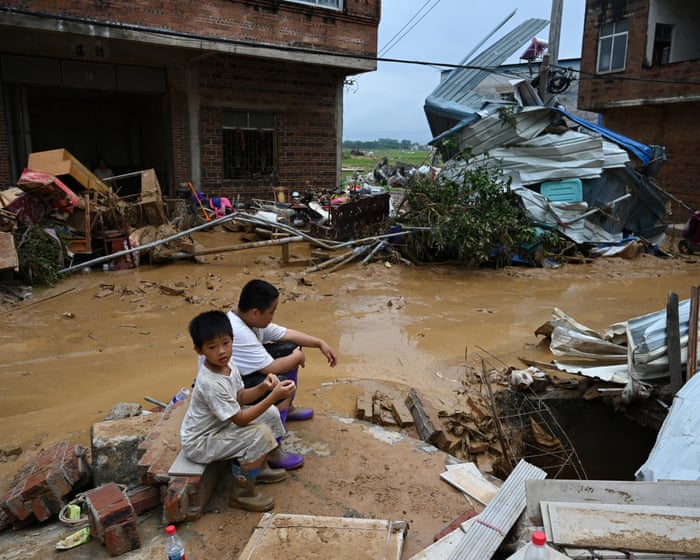
Heavy rains and flooding from typhoon Maysak caused snake breeding farms in southern China to flood, leading to hundreds of venomous snakes, including cobras, escaping into nearby areas. Local officials warned residents about snakebites, increased medical supplies, and launched rescue and treatment efforts amid ongoing severe weather conditions.
Key Facts
Flooding in Hengzhou, Guangxi caused snake farms to overflow, releasing many snakes such as cobras, king ratsnakes, and water snakes.
A local man was bitten by a cobra while cleaning debris and was treated in a hospital.
At least six people have died in Guangxi flooding, with 50,000 evacuated and several reported missing.
Severe weather in other parts of China caused 38 deaths, including a landslide in Gansu and storms in Hubei.
President Xi Jinping ordered full rescue efforts to support affected areas.
Authorities increased anti-venom supplies and set up fast-track treatments for snakebite victims at Hengzhou People’s Hospital.
Emergency guidance advised residents to avoid handling snakes and be cautious in homes and public spaces.
Rescue workers and medical experts were deployed, and extra medical stations were opened in the flood-hit zone.
Read the Original
Want the full story? Tap a source to open the original
article.
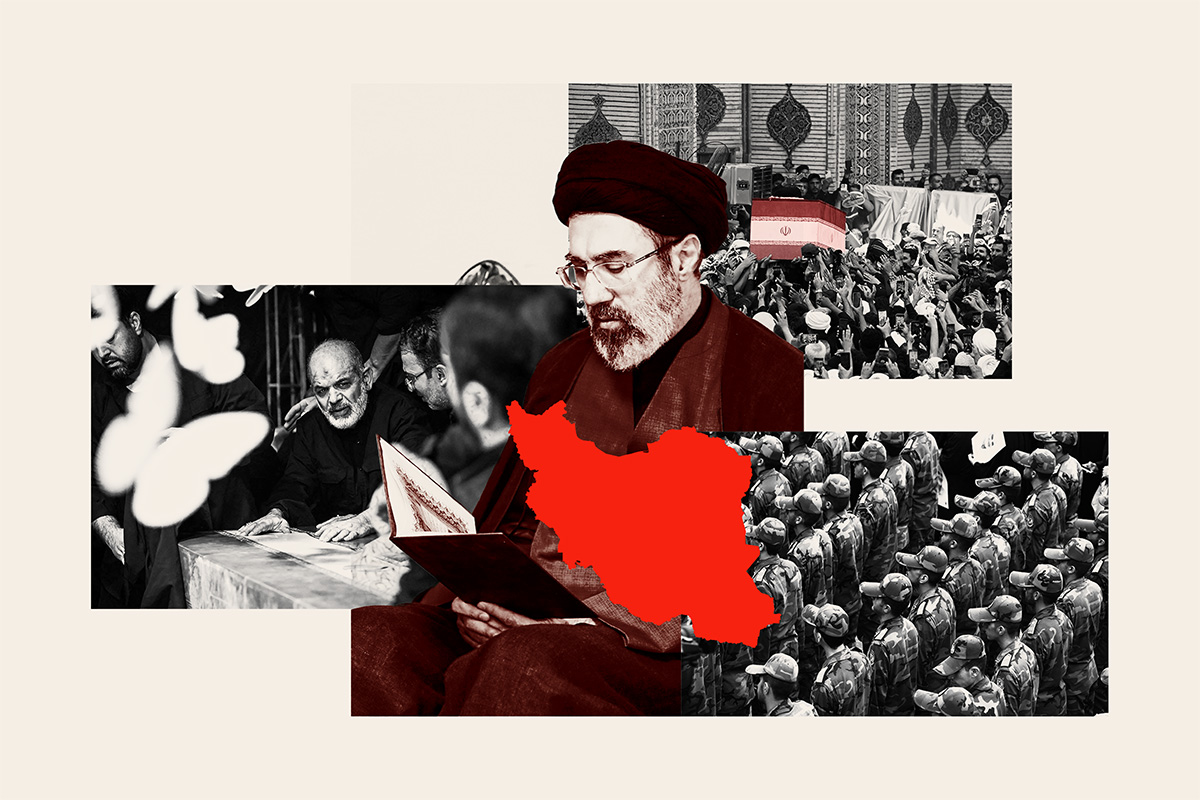
Iran is burying its longtime Supreme Leader Ayatollah Ali Khamenei following his death in an attack. His son, Mojtaba Khamenei, now leads the country with a collective leadership, including the powerful Islamic Revolutionary Guard Corps, shaping a new version of Iran’s ruling system.
Key Facts
Ayatollah Ali Khamenei, Iran’s Supreme Leader for 37 years, was killed in an attack.
Mojtaba Khamenei, his son, is the new Supreme Leader but has not been publicly seen since the attack.
A collective leadership, including political groups and the Islamic Revolutionary Guard Corps (IRGC), shares power in Iran.
Mojtaba Khamenei is expected to maintain strong control and enforce key rules without formally sharing much power.
Past leader Khamenei allowed some reformist political participation; the new leader seems stricter with limits.
The U.S. has interfered in Iran’s domestic affairs, complicating efforts to build national consensus.
Public opinion in Iran matters, but the government uses security forces to control protests and dissent.
Read the Original
Want the full story? Tap a source to open the original
article.
Great Britain’s energy system operator warned that high temperatures during a heatwave could strain power supplies on Thursday night. They asked power generators for extra electricity because many people will use fans and air conditioners. Meanwhile, France is also facing challenges as its nuclear power plants may reduce output due to hot river water needed for cooling.
Key Facts
Great Britain is experiencing its third heatwave of the year with temperatures reaching up to 34°C in parts of southern England.
The National Energy System Operator (Neso) requested extra electricity generation to meet higher demand caused by increased use of cooling devices.
This heatwave follows a record-breaking June heatwave when temperatures hit 37.7°C in Norfolk.
Neso said the electricity system has tight margins but assured there is no risk of power outages for customers.
Higher costs may occur as Neso may pay more to gas power plants to secure enough electricity.
France’s EDF nuclear power plants might reduce electricity output because hot river water limits their cooling ability.
Western Europe is facing its third heatwave in six weeks, causing wildfires in France and Spain, burning large areas of forest.
The heatwaves and power challenges affect multiple European countries, including electricity exports between France, the UK, and Germany.
Read the Original
Want the full story? Tap a source to open the original
article.
Australia and India have agreed for Australia to sell uranium to India for peaceful uses, ending a long delay caused by concerns over weapons use. The deal was announced by the two prime ministers after a meeting in Melbourne, but details on quantities and timing were not shared.
Key Facts
Australia will sell uranium to India for peaceful purposes like nuclear power.
The agreement was signed by Australian Prime Minister Anthony Albanese and Indian Prime Minister Narendra Modi.
Uranium exports to India were delayed since a 2014 agreement, mainly due to fear it might be used for weapons.
Australia has the world’s largest uranium resources but does not use it for nuclear power or weapons itself.
India aims to produce 100 gigawatts of nuclear power by 2047 to power millions of homes.
India is not part of the Nuclear Non-Proliferation Treaty, which limits uranium sales from countries like Australia to signatories.
The Nuclear Suppliers Group gave India a waiver in 2008 to buy uranium, allowing deals with countries like Canada and now Australia.
Australia’s previous position required India to join the treaty, but this has recently changed, allowing uranium trade without treaty membership.
Read the Original
Want the full story? Tap a source to open the original
article.
The UK Labour Party is holding a leadership election after Prime Minister Keir Starmer announced his resignation. Andy Burnham, former mayor of Greater Manchester, is expected to be the only candidate and likely to become the next UK prime minister.
Key Facts
Keir Starmer will resign as UK prime minister once his successor is chosen.
Andy Burnham is collecting signatures from Labour MPs to run for leader and needs at least 80.
Other potential candidates, including former Defense Minister Al Carns, have decided not to run.
Nominations close on July 16, and Burnham is expected to win and meet King Charles III on July 20 to be appointed prime minister.
Burnham was mayor of Greater Manchester for nearly 10 years and recently returned to Parliament.
He plans to invest in transport, housing, and infrastructure to boost the UK economy, calling this approach "Manchesterism."
Burnham promises to continue current foreign policies, supporting NATO, the UK’s nuclear deterrent, the United States, and Ukraine.
The UK faces challenges like slow economic growth, weak public services, and cost-of-living issues.
Read the Original
Want the full story? Tap a source to open the original
article.
Ayatollah Ali Khamenei, Iran’s supreme leader for more than 30 years, was killed in Israeli strikes and laid to rest amid large funeral processions. His death highlights deep divisions within Iranian society, with some supporting his hard-line rule and others opposing decades of repression and economic problems.
Key Facts
Khamenei ruled Iran from 1989 until his death in early 2026.
He was killed by Israeli strikes on February 28, 2026.
Large crowds of supporters attended his funeral in Tehran and other cities.
Hard-line supporters praised him as a defender of Iran against the West and Israel.
Many Iranians are unhappy with years of repression, sanctions, and economic hardship under his leadership.
Thousands of anti-government protesters were killed in January before his death.
Some mourners at the funeral called for revenge against U.S. President Donald Trump.
Khamenei strengthened Iran’s nuclear program and regional militant alliances during his rule.
Read the Original
Want the full story? Tap a source to open the original
article.
The US military struck 170 targets in Iran over two nights, aiming to reduce Iran’s ability to attack ships in the Strait of Hormuz. Iran responded with attacks on US bases in the region, increasing tensions and putting an interim truce at risk. President Donald Trump said the agreement with Iran is "over" and warned of possible further actions.
Key Facts
The US hit 170 Iranian targets in 48 hours to stop attacks on commercial ships near the Strait of Hormuz.
Iranian state media reported explosions mainly in southern cities after the US strikes.
Iran retaliated by attacking US military bases in Bahrain, Kuwait, and Qatar.
These exchanges threaten the temporary truce between the US and Iran.
President Donald Trump said the US-Iran agreement is finished and expressed unwillingness to negotiate.
Iran's top negotiator said Iran would control the Strait of Hormuz without US threats.
Iranian health officials reported 14 people killed and 78 injured from recent US attacks.
The attacks occurred while Iranians were preparing for the burial of their late supreme leader Ali Khamenei.
Read the Original
Want the full story? Tap a source to open the original
article.
Irish police are investigating the death of an American woman, Jamey Carney, found dead in her home in Killarney, Ireland. The case was changed to a murder inquiry, and authorities are searching for a man they consider an important person of interest.
Key Facts
Jamey Carney, 43, originally from Westchester County, New York, lived in Killarney since 2021 with her 13-year-old daughter.
She was found dead in her rented home on Tuesday after suffering head injuries in an attack.
Police upgraded the investigation to a murder inquiry after examining her body.
Authorities are looking for a man described as a “person of significant interest” but have not shared details about him.
Irish police have warned border and airport officials that this person may try to leave Ireland, possibly to the UK.
The U.S. State Department confirmed the death and is supporting Carney’s family with consular help.
The investigation and search are ongoing.
Read the Original
Want the full story? Tap a source to open the original
article.
Tropical Storm Maysak caused severe flooding in southern China, killing 39 people mainly due to a dam breaking in the city of Nanning. Authorities have evacuated about 130,000 people and are conducting rescue operations using boats and drones.
Key Facts
The dam breach in Nanning caused 26 of the 39 deaths reported.
Heavy rain from the storm caused reservoirs to overflow and led to flooding across Guangxi region.
About 130,000 people were evacuated to safer areas.
Rescue teams deployed over 8,000 people and nearly 5,700 boats to help reach trapped residents.
Rainfall reached up to 90 cm (35 inches) in some places over several days.
Floodwaters are going down but more rain is expected in the next two days in some areas.
More than 60,000 homes have had electricity restored after repairs.
At least 100 zoo animals escaped in Guangxi province after flooding damaged their enclosures; authorities warn people to keep distance from these animals.
Read the Original
Want the full story? Tap a source to open the original
article.
Israeli air attacks and gunfire have killed at least nine Palestinians in Gaza, including children. Despite a declared ceasefire, violence continues, and many Palestinians have died since the ceasefire began in October.
Key Facts
Israeli air raids and gunfire killed nine Palestinians, including two children, in Gaza.
One person died near a school in Gaza City during an Israeli air attack.
A shelter for displaced people in Khan Younis was hit, killing four, including a 10-year-old child.
A six-year-old boy was killed by Israeli gunfire in the Zeitoun neighborhood of Gaza City.
Two other attacks in Gaza City killed three people and injured several others.
A ceasefire is in place but has not stopped the violence in Gaza.
Since the ceasefire started in October, at least 1,084 Palestinians have died in Gaza.
The final agreement to end the conflict has not yet been reached.
Read the Original
Want the full story? Tap a source to open the original
article.
South Korea’s Supreme Court confirmed a seven-year prison sentence for former president Yoon Suk Yeol. He was convicted of crimes related to his failed 2024 martial law declaration, including obstructing government processes and using forged documents.
Key Facts
The Supreme Court upheld Yoon’s seven-year sentence tied to his 2024 martial law declaration.
Charges included obstructing cabinet meetings, forging the prime minister’s signature, and blocking his own arrest.
Yoon is already in detention appealing a separate life sentence for leading an insurrection linked to the martial law order.
Prosecutors originally wanted a 10-year sentence; a lower court gave 5 years, later raised to 7 years on appeal.
Martial law lasted about six hours before lawmakers voted to nullify it, causing protests and market turmoil.
Yoon claimed his actions were for public safety and to counter threats from North Korea.
In a separate case, Yoon received a 30-year sentence for sending drones into North Korea to create a crisis.
Yoon was removed from office in April 2025, and his political party lost power in the following election.
Read the Original
Want the full story? Tap a source to open the original
article.
South Korea’s Supreme Court confirmed a seven-year prison sentence for former President Yoon Suk Yeol for actions related to his brief martial law declaration in 2024. The court found Yoon guilty of bypassing cabinet procedures, falsifying official documents, and resisting arrest after his impeachment.
Key Facts
The Supreme Court upheld an earlier court ruling that sentenced Yoon to seven years in prison.
Yoon declared martial law in December 2024 without proper cabinet approval.
He falsified the martial law proclamation and later destroyed the document.
Yoon used presidential security forces to block law enforcement from arresting him.
Martial law lasted only hours before lawmakers repealed it by breaking a blockade at the National Assembly.
The Constitutional Court removed Yoon from office in April 2025 due to illegal procedures in declaring martial law.
Yoon is also facing a life sentence for rebellion and a 30-year sentence for ordering drone flights near North Korea meant to increase tensions.
The brief martial law caused political instability, affected diplomacy, and unsettled financial markets.
Read the Original
Want the full story? Tap a source to open the original
article.