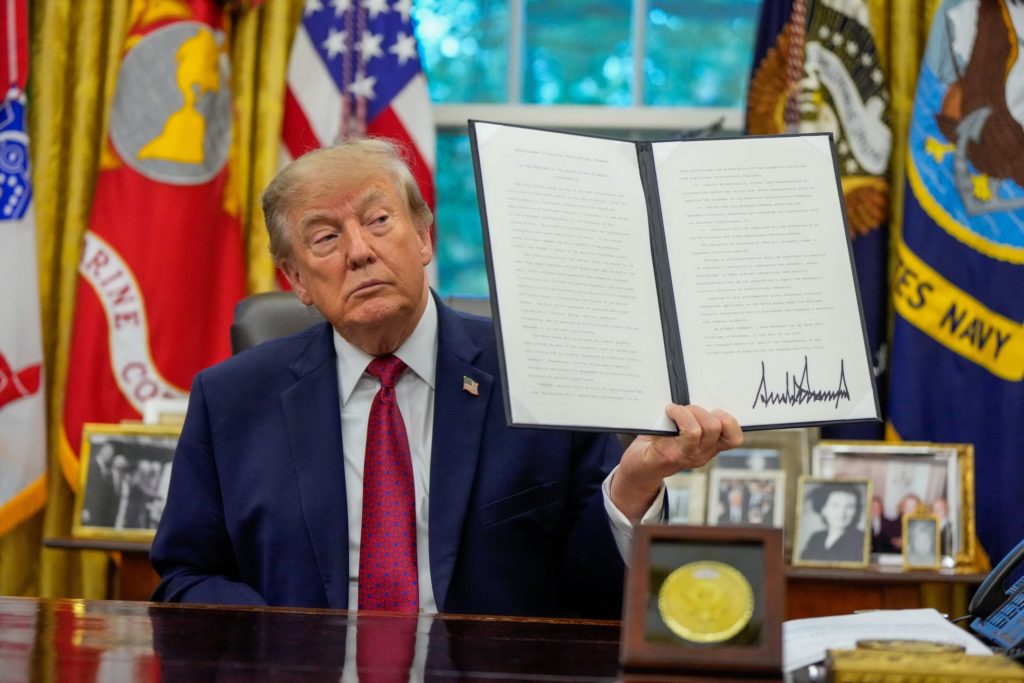
The Trump administration announced new sanctions against Cuba on Thursday, targeting 10 individuals and entities linked to the Cuban government, military and oil industry. The State Department said Cuba’s ruling elite was hoarding energy, shipping and technology resources for its own enrichment.
Key Facts
The United States announced another wave of sanctions against Cuba.
The sanctions target 10 individuals and entities.
The targets are tied to Cuba’s government, military and oil industry.
The sanctions target a shipping network described in the article’s headline as illicit.
The State Department accused Cuba’s ruling elite of hoarding energy, shipping and technology resources for its own enrichment.
Read the Original
Want the full story? Tap a source to open the original
article.
Beau Lamarre-Condon told a New South Wales Supreme Court jury that shooting Jesse Baird was not intentional, while saying he was responsible and “guilty of manslaughter.” He has pleaded not guilty to two murder charges and aggravated break and enter over the deaths of Baird and Luke Davies in Sydney in February 2024.
Key Facts
Lamarre-Condon, a former police officer, is accused of shooting Baird and Davies with his police service weapon at Baird’s Paddington home on 19 February 2024.
He told the court he fired at Baird after Baird allegedly lunged at him, and said he believed he was at risk of being stabbed.
Lamarre-Condon said he entered the home wearing a motorcycle helmet and clothing that he thought would make him look like a delivery rider.
He testified that he went to Baird’s home to retrieve belongings, including a surfboard, clothes and a Cartier ring.
He said he had signed out his firearm for a shift three days before the alleged killings and had permission to do so.
He told the jury that he had previously fired his gun at a tree in the Royal National Park while considering suicide.
Baird’s mother left the courtroom as Lamarre-Condon described the shooting.
Read the Original
Want the full story? Tap a source to open the original
article.
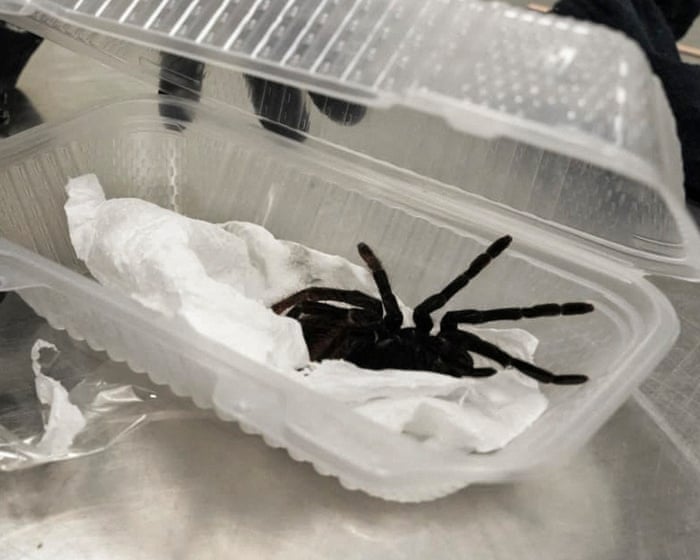
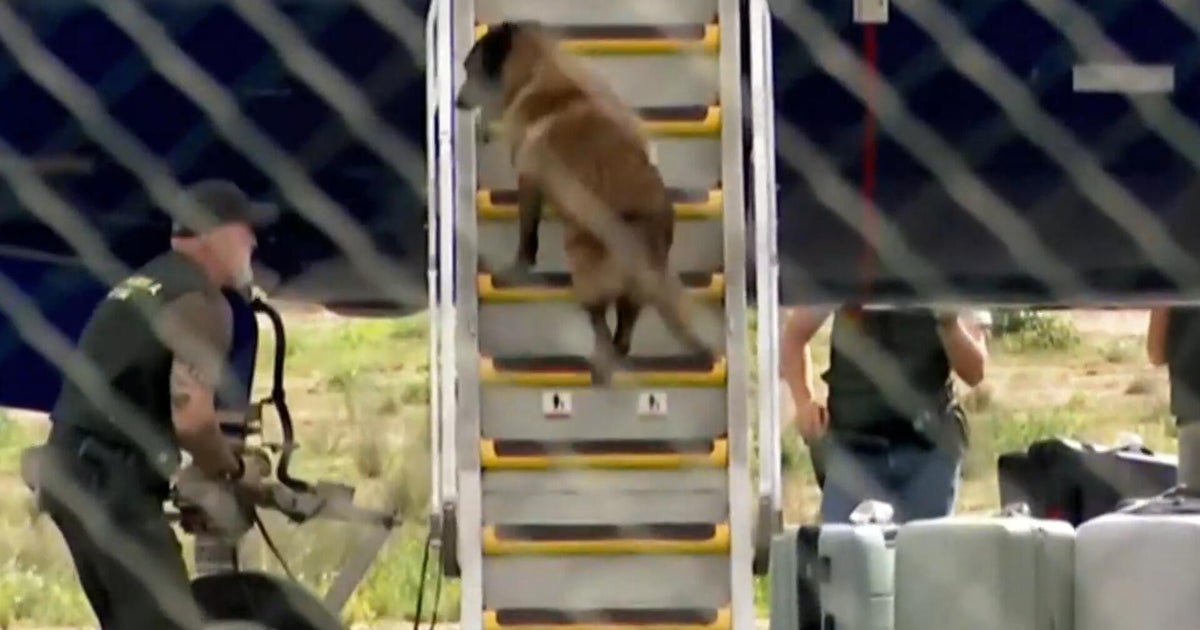
Peruvian authorities seized more than 3,000 tarantulas at Lima’s Jorge Chávez International Airport. The spiders were hidden in dirty socks in three suitcases bound for Germany, and three European travelers were detained and face criminal proceedings.
Key Facts
SERFOR said the suitcases were carried by two German citizens and one Polish citizen.
Customs agents noticed movement inside the luggage during a routine inspection.
The tarantulas came from several regions of Peru and included eggs, hatchlings, and adults.
SERFOR technician Cora Suarez said one tarantula can sell for about €500 in Europe.
Authorities estimated the shipment could be worth about €1.5 million at that price.
Police specializing in environmental crimes detained the travelers.
Interpol estimates illegal wildlife trafficking generates about $20 billion worldwide each year.
Read the Original
Want the full story? Tap a source to open the original
article.
The polar vortex over the Arctic has weakened unusually early in November and may reverse direction, which could mark the earliest major sudden stratospheric warming event in modern observations. Such events can increase the chance of colder, drier weather and snow in parts of the UK, but forecasters say this early disruption makes its effects difficult to predict.
Key Facts
The polar vortex is a band of strong winds in the stratosphere that helps keep Arctic air near the North Pole.
The vortex has weakened, stretched and briefly split into two circulations in recent days.
Forecasts show the winds could reverse by mid-November, creating a major sudden stratospheric warming event.
The Met Office’s Jeff Knight said the event would appear to be the earliest in about 75 years of observations.
The previous earliest major events cited in the article occurred on 28 November in 1969 and 2025.
A disrupted vortex can affect the jet stream and raise the chance of colder weather and snow, especially in eastern UK.
Experts say any connection between the current El Niño and the unusually early disruption is unclear.
Long-range Met Office forecasts point to a stormy start to winter and a colder spell toward its end, but the early vortex event adds uncertainty.
Read the Original
Want the full story? Tap a source to open the original
article.
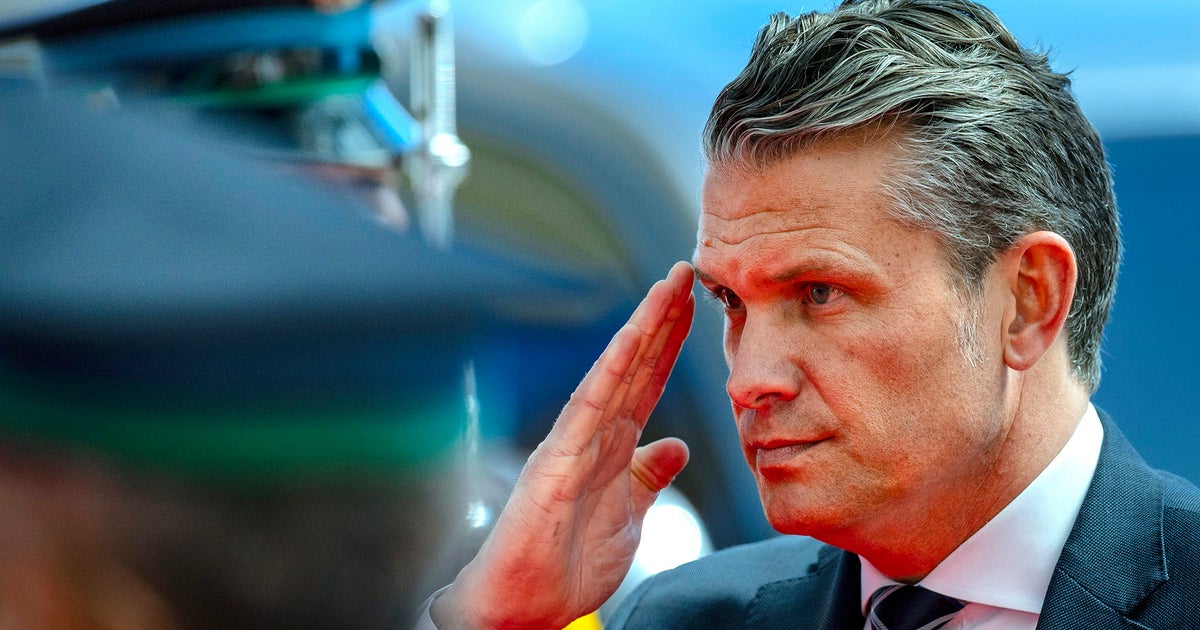
Defense Secretary Pete Hegseth said in a video posted on X that the United States would continue fighting Iran. The report said many people blamed the war for Republican losses in the midterm elections.
Key Facts
Pete Hegseth is the U.S. defense secretary.
Hegseth posted a video on X.
In the video, Hegseth vowed to continue fighting Iran.
The report linked the war to Republican losses in the midterm elections.
CBS News correspondent Charlie D’Agata reported on Hegseth’s video.
Read the Original
Want the full story? Tap a source to open the original
article.
Metropolitan Police Commissioner Sir Mark Rowley plans to call for urgent changes to policing in England and Wales, saying the current system struggles to address modern crime. He proposes replacing the 43-force structure with local policing commands, eight to 10 regional forces and a National Police Service.
Key Facts
Rowley says organised crime, fraud, cybercrime and online child abuse increasingly cross regional and international borders.
He argues that merging forces could reduce duplicated work and free thousands of roles for frontline policing.
Home Secretary Shabana Mahmood launched a consultation in January that included a possible merger of the 43 forces and a National Police Service.
The Association of Police and Crime Commissioners supports modernisation and a National Police Service but questions whether reducing the number of forces is the right approach.
Some rural police and crime commissioners say the merger plans could favour larger forces.
The Home Office says the policing model has not changed since the 1960s and is no longer fit for purpose.
Rowley says policing spending has fallen from about 0.9% of GDP to 0.7% since 2010, and that positive outcomes and public confidence have declined.
Read the Original
Want the full story? Tap a source to open the original
article.
UK newspapers focused on Russell Brand’s conviction for rape and sexual assault. They reported that he was remanded in custody and denied bail, while two more women have made rape claims against him. Other front-page coverage included warnings about AI risks and a drop in technology stocks.
Key Facts
The article says Brand was convicted of one rape and three sexual assaults.
Brand was remanded in custody and denied bail, according to the newspaper coverage.
Two more women have made rape claims against Brand, the article reports.
The Daily Telegraph reported renewed criticism of the BBC and other broadcasters over their handling of Brand’s behaviour.
Nobel Prize-winning scientist Geoffrey Hinton warned the i Paper that AI could become more capable than humans and said its safety should not be left to tech executives.
The Financial Times reported that the Nasdaq fell by as much as 6.4% amid investor concerns about the outlook for AI spending.
The Financial Times linked those concerns to Democratic victories in U.S. midterm races and fears of a slowdown in the AI boom.
Read the Original
Want the full story? Tap a source to open the original
article.
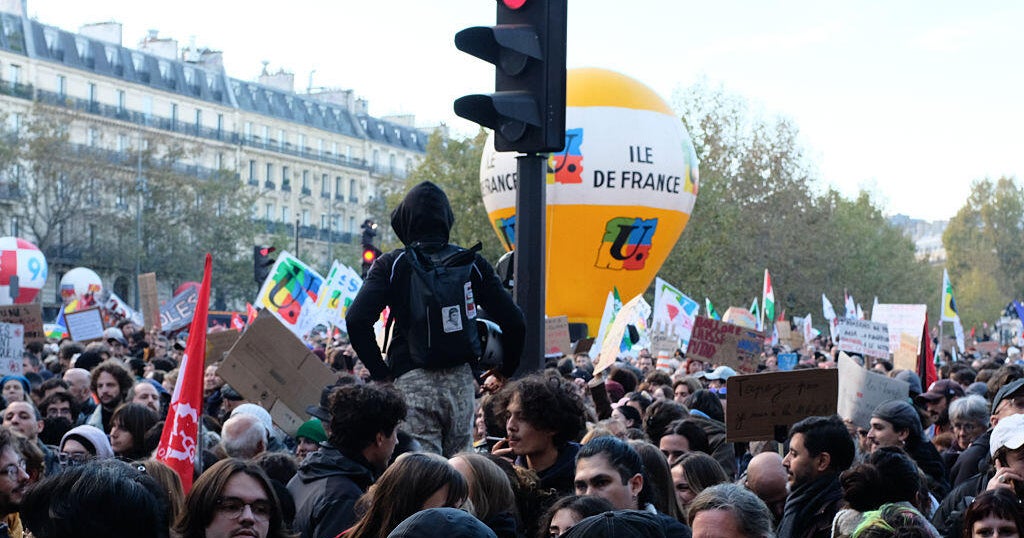
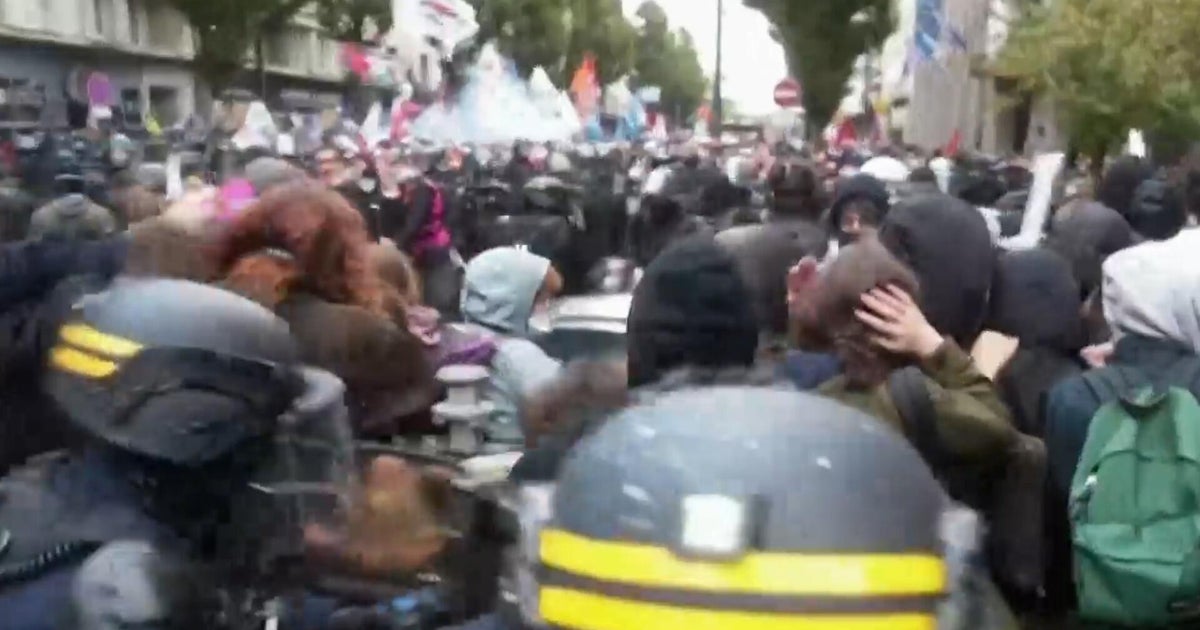
Tens of thousands of workers joined a national strike and protests across France on Nov. 5, 2026, over low wages and the rising cost of living. Unions and the Interior Ministry gave sharply different estimates of turnout, and some rallies ended in clashes with police and property damage.
Key Facts
The General Confederation of Labour estimated that 1.6 million people joined the protests; France’s Interior Ministry estimated about 600,000.
The national day of action began with nearly 200 rallies across the country.
Government workers, teachers, transport employees and other union members took part in the strike.
Protesters called for lower military and domestic law-enforcement spending and more funding for social services.
Police used tear gas to clear protesters in some areas, and clashes occurred at several demonstrations.
Protesters burned a car in Lyon and set objects on fire in Paris; demonstrations briefly closed the Eiffel Tower.
Prime Minister Sébastien Lecornu called for a meeting with unions, and another protest was scheduled for Saturday.
The protest movement began among students in late September over school conditions, teacher shortages and infrastructure problems, then broadened to other groups.
Read the Original
Want the full story? Tap a source to open the original
article.
Teachers, transport employees and other union workers in France went on strike Thursday during nationwide protests over wages and the cost of living. Clashes broke out, and police used tear gas to clear protesters, according to the headline.
Key Facts
Teachers joined the strike.
Transport employees joined the strike.
Other union workers also walked off the job.
The protests took place nationwide.
Workers protested over wages and the cost of living.
Clashes broke out during the protests.
Police used tear gas to clear protesters.
CBS News correspondent Ramy Inocencio reported from Paris.
Read the Original
Want the full story? Tap a source to open the original
article.
A wave of bomb threats has diverted or grounded dozens of flights in Europe in recent days. Some countries scrambled fighter jets, and the threats have so far proved to be hoaxes.
Key Facts
Bomb threats targeted dozens of planes in Europe.
The threats came in over several recent days.
Some flights were diverted.
Some flights were grounded.
Some countries scrambled fighter jets in response.
The threats have so far all been hoaxes.
Read the Original
Want the full story? Tap a source to open the original
article.
Research cited in the article suggests appetite and cravings for calorie-dense foods often rise in the evening, even after a person has eaten. Experts say meal composition, habits and sleep can affect late-night snacking, but evidence that evening snacks directly disrupt sleep remains unclear.
Key Facts
The article cites research suggesting about one-third of people snack every night after their evening meal; among people aged 18–24, it says four in five do so.
Dietitian Kristine Beaulieu points to evidence linking eating within two hours of bedtime with higher odds of weight gain and obesity.
Appetite may naturally peak in the evening, and University of Bath researcher James Betts says the hunger hormone ghrelin is generally higher later in the day.
Meals with protein, fibre and greater volume can help people feel full longer, while a less filling evening meal may contribute to later snacking.
Repeated cues can prompt cravings: University of Birmingham expert Suzanne Higgs gives watching television as an example of a setting that may become linked to snacking.
Research suggests people may want high-fat, calorie-dense foods more in the evening, as the brain’s reward system can prompt eating despite feelings of fullness.
Evidence connecting late-night snacking with poor sleep is mixed; sleep loss itself can increase appetite and desire for energy-dense foods.
Read the Original
Want the full story? Tap a source to open the original
article.
Palestinian farmers said Israeli settlers set fire to their olive trees in Burqa, near Ramallah. The farmers said Israeli forces stopped them from putting out the fires.
Key Facts
The incident took place in the village of Burqa, near Ramallah.
The burned olive trees belonged to Palestinian farmers.
The farmers said Israeli settlers started the fires.
The farmers said Israeli forces stopped them from extinguishing the fires.
The article provides no details about injuries or the extent of the damage.
Read the Original
Want the full story? Tap a source to open the original
article.
Turkiye’s parliament ratified a 10-year defence agreement with Saudi Arabia and Pakistan, which includes mutual assistance if a member is attacked. The pact also provides for military coordination and defence-industry cooperation, but ratification alone does not authorize Turkish troop deployments to Saudi Arabia.
Key Facts
The agreement passed with 279 votes in favour and 119 against; 398 of parliament’s 592 members voted.
The pact says members will use necessary means to address threats to one another’s territorial integrity.
A clause calls for immediate assistance if a member faces an armed attack or military aggression.
The agreement includes joint training, coordination, and sharing of logistics and intelligence resources.
Members are committed to the pact for 10 years and may withdraw afterward.
Other countries may join with the approval of the existing members; Syria has expressed interest.
Turkish officials say the agreement does not mean Turkiye plans to enter a conflict with Yemen’s Houthis.
Further legislative processes would be needed before Turkish troops could be deployed to Saudi Arabia.
Read the Original
Want the full story? Tap a source to open the original
article.
President Donald Trump said a Russia-Ukraine agreement may be close after meeting Russian envoy Kirill Dmitriev at the White House. The meeting followed a gathering hosted by First Lady Melania Trump, where Russian and Ukrainian representatives discussed a recent local ceasefire and humanitarian efforts in Oleshky.
Key Facts
Trump said a potential agreement could involve more than Ukraine and possibly all of Europe.
Trump declined to share details of his conversation with Dmitriev.
Trump said he did not meet the Ukrainian delegation on Thursday.
Melania Trump hosted Russian and Ukrainian representatives at the White House.
The six-day truce in Oleshky ran from October 27 to November 1.
The truce allowed nearly 800 civilians to leave Oleshky and enabled deliveries of food and medical supplies.
Melania Trump gave the representatives letters for Russian President Vladimir Putin and Ukrainian President Volodymyr Zelenskyy.
Zelenskyy sent Melania Trump Ukraine’s Order of Princess Olga in recognition of her role in the ceasefire.
Read the Original
Want the full story? Tap a source to open the original
article.
Two Police Service of Northern Ireland officers helped a woman and her newborn after the baby was delivered in a car in Ballymena on 9 October. The officers later visited baby Benedyct and his family again, and said they were glad everyone was doing well.
Key Facts
The officers were taking part in a routine traffic operation on Raceview Road in Ballymena, County Antrim, when the baby’s father approached them.
The birth happened in the back of the family’s car before the officers could get the mother to hospital.
Constable Lavery used a high-visibility jacket to help keep the mother and baby warm.
The officers sought help from the Northern Ireland Ambulance Service.
The officers met Benedyct and his family again this week.
Constable Campbell said the incident was one he would always remember.
Read the Original
Want the full story? Tap a source to open the original
article.
Pope Leo XIV has begun a 12-day trip to Uruguay, Argentina and Peru, three weeks after surgery to remove a lung tumour. The Vatican says he is enthusiastic about the schedule and has no permanent medical condition; the trip includes official and religious events and a return to Peru, where he served as a priest for many years.
Key Facts
Doctors found a tumour during a routine scan, and surgeons removed it along with the lower lobe of his right lung.
Leo’s medical team said the cancer had not spread.
The Vatican says Leo personally confirmed the trip schedule without changes.
The tour covers thousands of miles and includes long-haul and local flights.
Uruguay is the first stop and is receiving its first papal visit in four decades.
Leo will visit Argentina, the homeland of his predecessor, Pope Francis.
Argentina’s bishops have criticised President Javier Milei’s cuts to social spending, while Milei has welcomed Leo’s visit.
Leo spent almost 20 years in Peru, on and off, and holds Peruvian citizenship.
Read the Original
Want the full story? Tap a source to open the original
article.
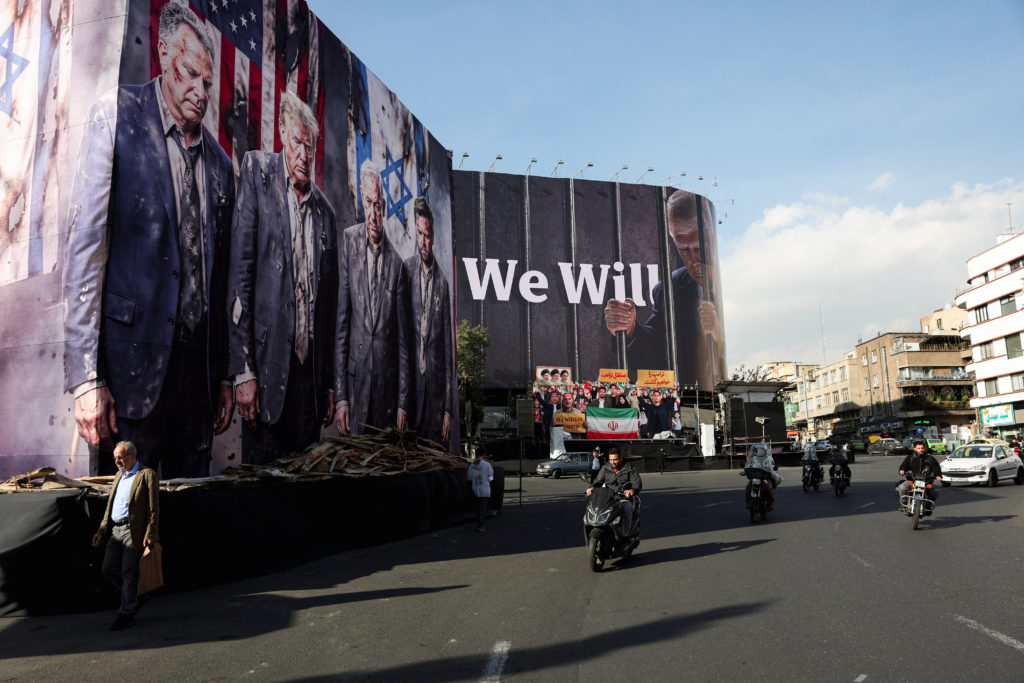
After Democratic gains in the midterm elections, President Donald Trump is weighing how to proceed with the eight-month war against Iran, which the article says contributed to Republican losses. He has threatened renewed large-scale strikes, while analysts describe options ranging from maintaining current military pressure to attacking an underground nuclear-linked site or Iranian infrastructure.
Key Facts
Trump said the United States remained committed to continuing the conflict if necessary.
The article says dissatisfaction with the war helped drive the Democrats' midterm victory.
Strikes and counterstrikes have caused tens of billions of dollars in regional damage and contributed to higher fuel and other costs.
Oil shipments have resumed through the Strait of Hormuz with U.S. Navy escorts for international tankers.
The conflict has spread to the Red Sea, where Iran-backed Houthi rebels and a Saudi-led coalition are involved in fighting.
A Yemeni government official warned Washington against making hasty decisions, saying the regional threat had not changed with the election.
Analysts said Trump could maintain defensive strikes and a naval blockade, target Pickaxe Mountain, or expand attacks to Iranian infrastructure.
One proposed path after a strike on Pickaxe Mountain would be to seek an agreement on navigation through the Strait of Hormuz and defer further nuclear talks.
Read the Original
Want the full story? Tap a source to open the original
article.
The article says world leaders are watching for President Donald Trump’s next move in Iran after the U.S. midterm elections. It describes a Democratic wave in the election results and says the results drew a strong reaction, which Nick Schifrin examines.
Key Facts
The article focuses on world leaders’ expectations about Trump’s next move in Iran.
The election results came on Tuesday, according to the article.
The article says people outside the United States closely watched the elections.
It describes the results as a Democratic wave.
The article says the election prompted an extraordinary outpouring of reaction.
Nick Schifrin gauges that reaction.
Read the Original
Want the full story? Tap a source to open the original
article.
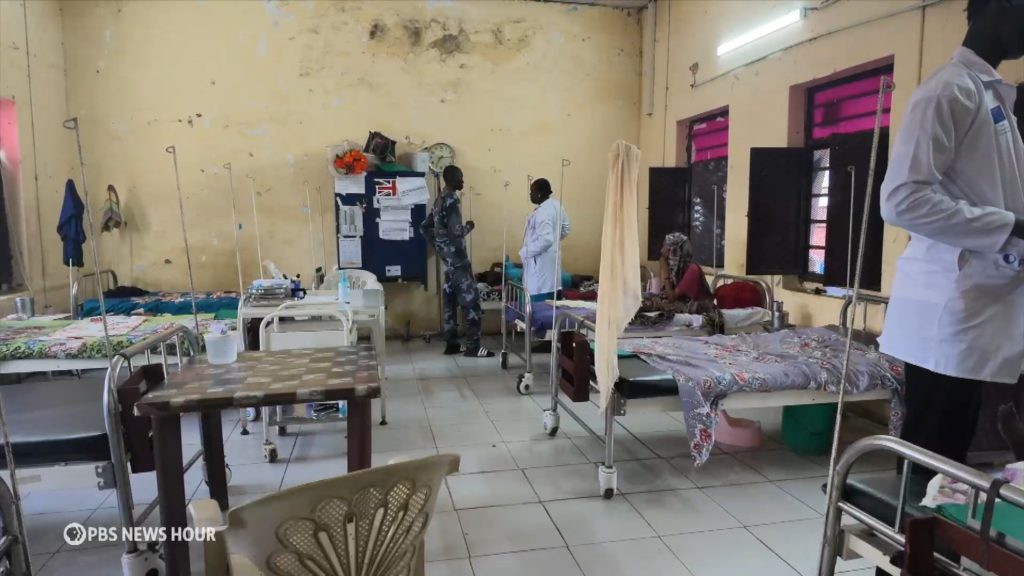
South Sudan’s health care system faces added strain from more than a million Sudanese refugees fleeing the civil war in Sudan. The article says cuts to U.S. global aid programs under President Donald Trump have made the effects especially visible there.
Key Facts
South Sudan has an underserved population with limited access to health care.
More than a million Sudanese refugees are in South Sudan.
The refugees fled the civil war in Sudan, which borders South Sudan to the north.
The article links U.S. cuts to global aid programs with added pressure on South Sudan’s health care system.
Special correspondent Anna Conkling reported the story for Noosphere, a new journalism app.
Read the Original
Want the full story? Tap a source to open the original
article.
The UN refugee agency said nearly 90 million forcibly displaced people—about three-quarters of the global total—live in countries highly exposed to climate hazards. It warned that disasters, heat and drought make return and recovery harder, and called for displaced people to be included in climate plans and funding ahead of COP31 in Turkey.
Key Facts
UNHCR said nearly 90 million forcibly displaced people live in countries highly exposed to climate hazards.
More than two-thirds of refugees who returned home in the first half of 2026 went to countries highly vulnerable to climate hazards.
In Syria, declining groundwater and climate shocks threaten recovery; flooding along the Euphrates River in May damaged homes and displaced thousands again.
UNHCR said one in three refugee settlements in sub-Saharan Africa could face at least 100 days of dangerous heat each year by 2050.
Weather-related disasters caused more than 255 million internal displacements worldwide over the past decade, according to UNHCR.
UNHCR said severe flooding linked to this year's El Niño could displace up to three million people in Somalia, Kenya, South Sudan and Uganda by the end of 2026.
Only 10 percent of global climate finance goes to fragile and conflict-affected countries hosting many climate-exposed displaced people, UNHCR said.
At COP31, UNHCR plans to urge governments and climate finance institutions to include displaced people in national climate plans and funding mechanisms.
Read the Original
Want the full story? Tap a source to open the original
article.