Neutral summaries of your favorite news sources — just the facts.
Your favorite news sources, one neutral feed — we distill their reporting into fact-first
summaries and always link to the original story. How it works
World News
Comprehensive coverage of international news and global events
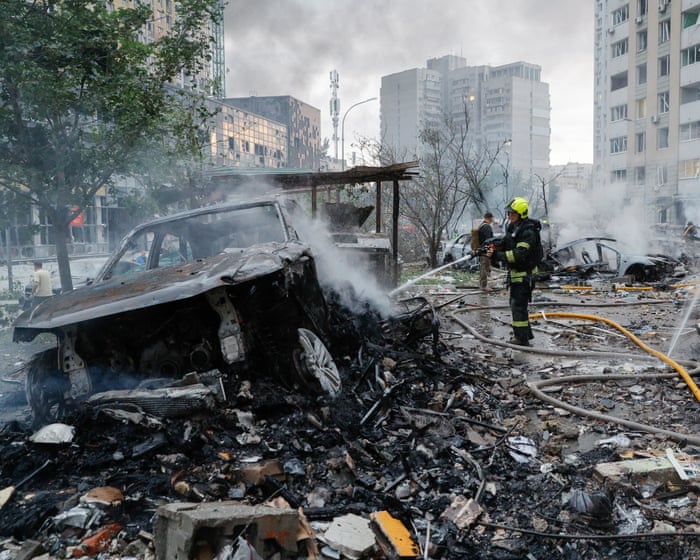
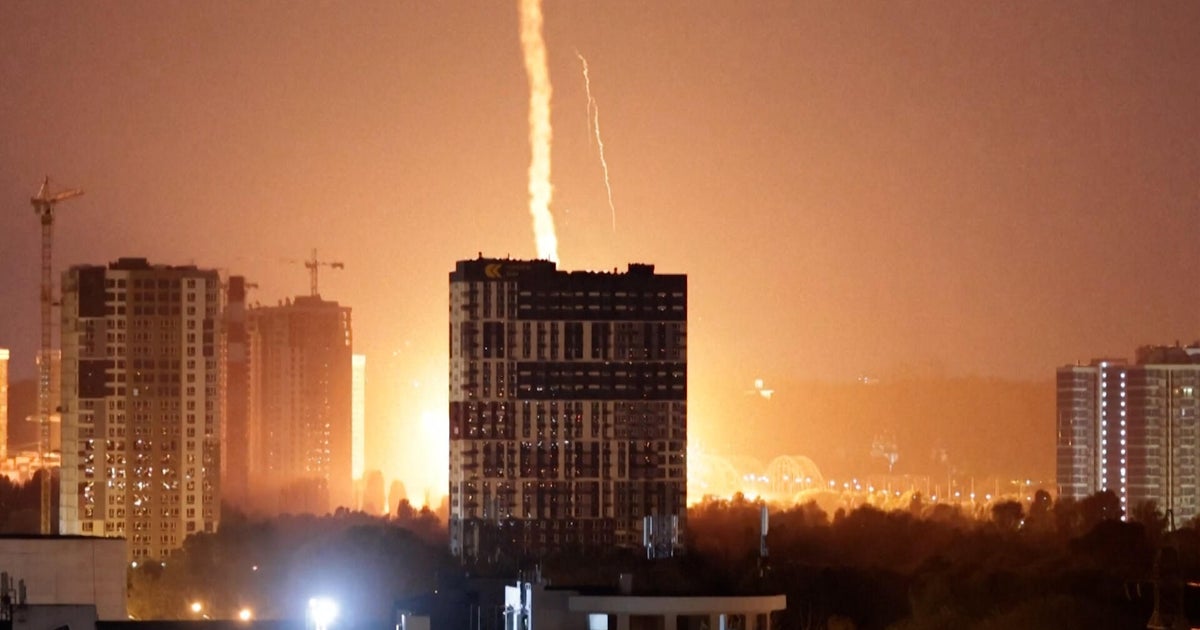
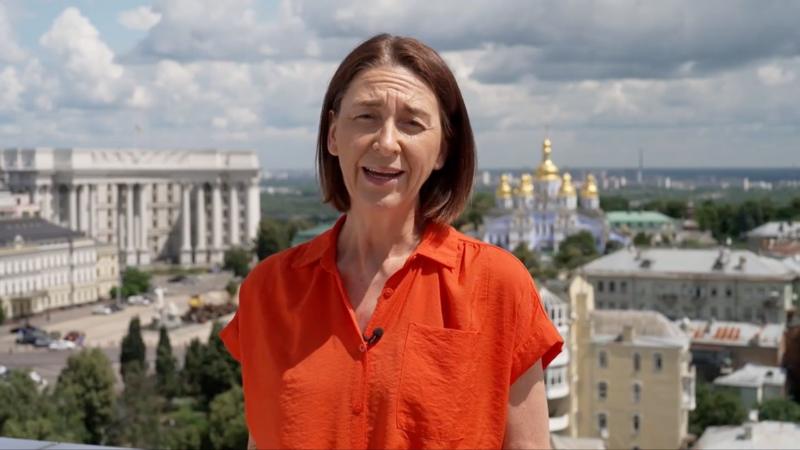
Ukraine’s President Zelenskyy has asked NATO to make strong decisions at their upcoming summit after Russia launched missile and drone strikes on Kyiv, killing 11 people and injuring about 60. The European Commission said Ukraine urgently needs better air defense, and NATO leaders will discuss how to help during the summit in Ankara.
Key Facts
Russia attacked Kyiv overnight with around 68 missiles and over 350 drones.
The strikes killed 11 people and left about 60 injured.
Ukraine says it does not have enough interceptor missiles to protect its cities.
President Zelenskyy urged NATO to supply more air defense systems like Patriot missiles.
The European Commission has provided €4 billion of a €90 billion loan to help Ukraine defend against drone attacks.
More financial and military support is planned, including tough sanctions against Russia.
Russia claims it targeted military and energy sites, but civilian apartment buildings were damaged.
The NATO summit in Ankara will discuss Ukraine’s defense needs and related measures.
Read the Original
Want the full story? Tap a source to open the original
article.
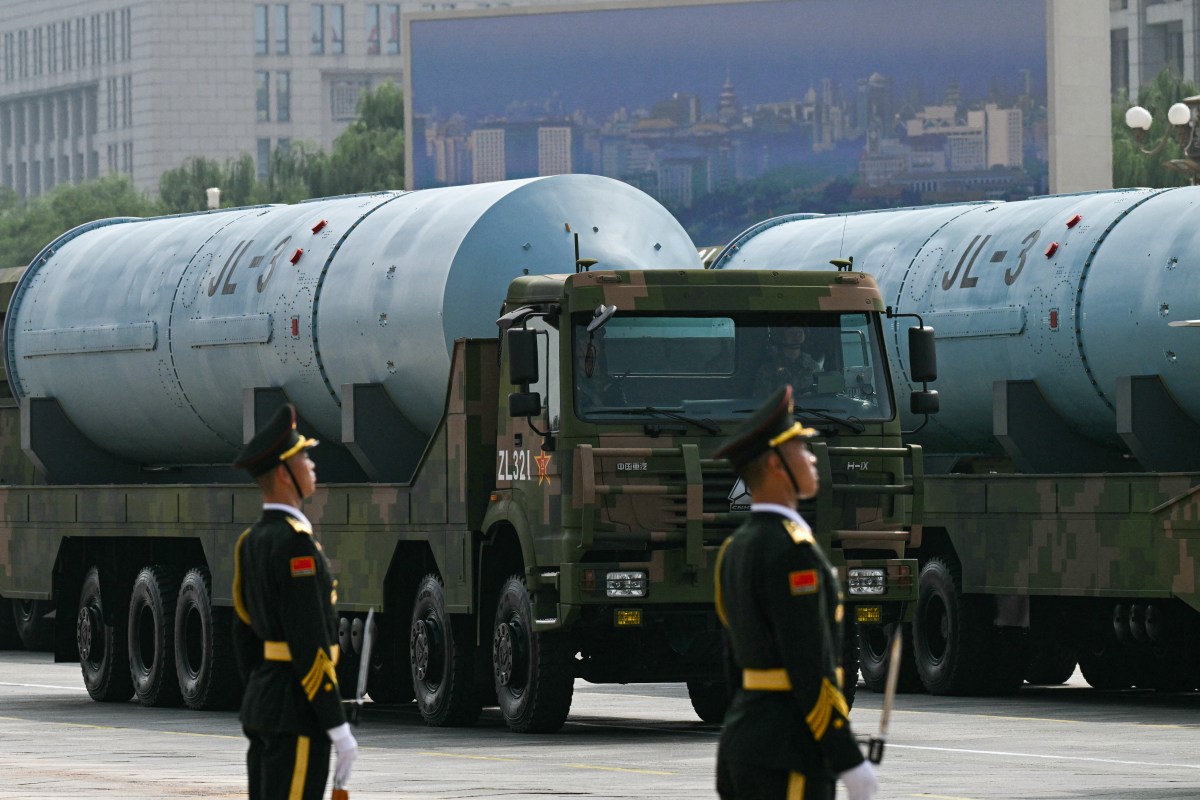
China conducted a test launch of a long-range ballistic missile from a nuclear-powered submarine in the South Pacific. The missile carried a dummy warhead, and China said the test was routine, legal, and not aimed at any country. Australia and New Zealand expressed concerns, noting the launch took place within a nuclear-free zone.
Key Facts
China test-launched a long-range ballistic missile from a nuclear submarine in the South Pacific on June 7, 2026.
The missile carried a dummy warhead, meaning it was not armed with a real explosive.
China claims the test was part of annual military training and followed international law.
The launch happened within the South Pacific Nuclear Free Zone, which bans nuclear weapons testing in the area.
China ratified agreements not to test nuclear weapons in this zone and not to threaten countries with nuclear weapons there.
New Zealand was informed of the planned launch only a few hours before it happened and criticized the timing.
Australia called the missile test destabilizing for the region.
The test coincided with Australia and Fiji signing a new defense treaty aimed at countering Chinese influence in the Pacific.
Read the Original
Want the full story? Tap a source to open the original
article.
China test-fired a long-range missile from a nuclear submarine into the Pacific Ocean, which drew criticism from Australia, New Zealand, and Japan. These countries were informed before the test but expressed concern about the rising military activity and its impact on regional stability.
Key Facts
China launched a long-range ballistic missile from a nuclear-powered submarine in the South Pacific.
The launch occurred at 12:01 pm local time (04:01 GMT) on Monday.
China called the test a routine part of its annual military training and said it was not aimed at any specific target.
Australia, Japan, and New Zealand were notified ahead of the test.
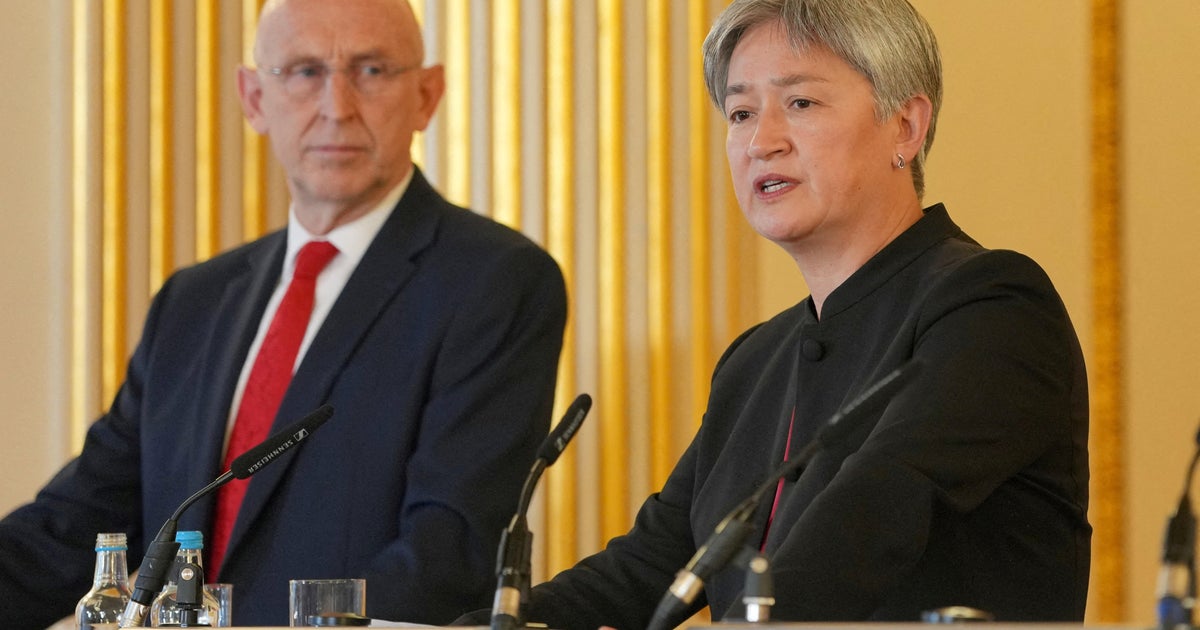
Australian Foreign Minister Penny Wong described the test as destabilizing in the context of China's rapid military buildup.
Japan expressed grave concern and noted potential falling debris could impact its exclusive economic zone.
New Zealand called the missile test an unwelcome development and opposed the use of the South Pacific for missile tests.
The event highlights tensions over military activities in the Pacific region.
Read the Original
Want the full story? Tap a source to open the original
article.
Archaeologists found two gold rings about 2,000 years old at the Don Yai Thong site in western Thailand. The rings were discovered with human bones and are believed to be from an upper-class person during the Iron Age.
Key Facts
Two gold rings, around 2,000 years old, were found during a dig in Phetchaburi province, Thailand.
The rings were discovered alongside human skeletons at the Don Yai Thong archaeological site.
One ring had ancient Indian Brahmi script engraved on it, reading “pusarakhitasa,” linked to an auspicious zodiac sign.
The other ring was plain and without any pattern.
Experts think the rings’ owner might have been a merchant from the ancient Indian Vaishya caste.
The site dates back to the Iron Age, around 1,500 to 2,500 years ago.
Archaeologists have also found bronze and gold jewelry, pottery, and eight human skeletons.
The excavation started earlier this year after residents discovered ancient bronze drum pieces nearby.
Read the Original
Want the full story? Tap a source to open the original
article.
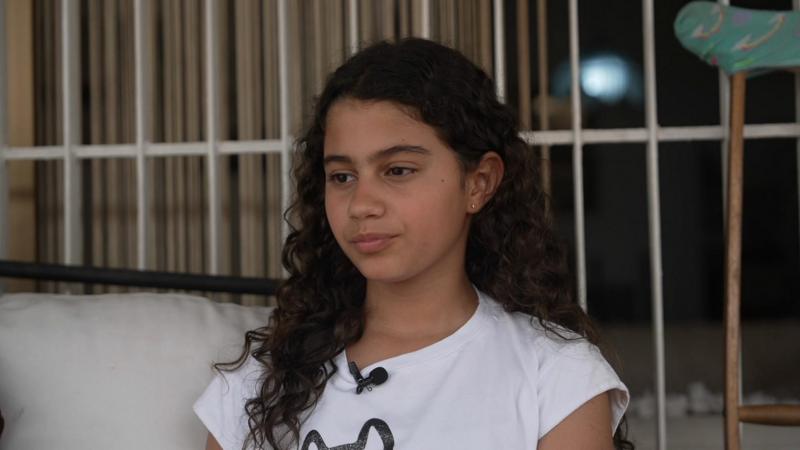
A 12-year-old girl named Fabiana was rescued after being trapped under rubble for more than 30 hours following twin earthquakes in Venezuela. She survived mainly by eating ketchup and cheese and only had a broken foot and some bruises. The earthquakes have killed 3,342 people and many others are still missing.
Key Facts
The earthquakes happened in Venezuela, affecting the northern city of La Guaira.
Fabiana was trapped under the rubble for over 30 hours before being rescued.
She survived by eating ketchup and cheese while trapped.
Fabiana sustained a fracture in her left foot and minor injuries.
By Sunday, 3,342 deaths were confirmed due to the earthquakes.
Tens of thousands of people are reported missing after the disaster.
The story was reported by BBC international correspondent Yogita Limaye.
Read the Original
Want the full story? Tap a source to open the original
article.
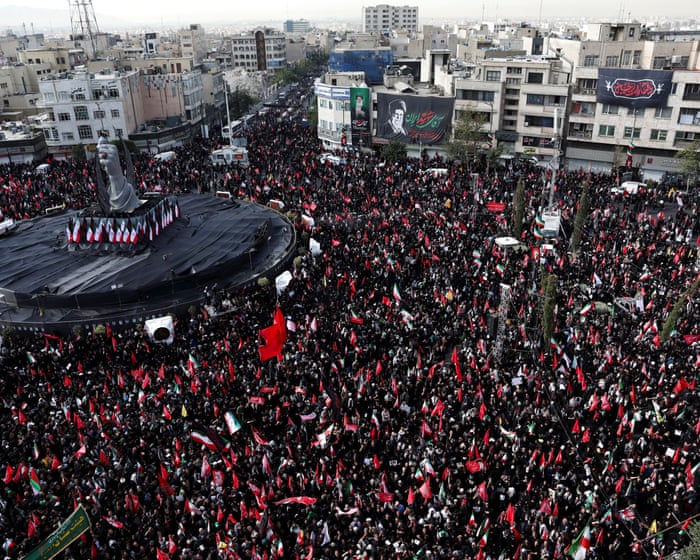
The funeral procession for Iran’s Supreme Leader Ali Khamenei has started in Tehran following his death in an air strike. Large crowds are attending the events, with plans for ceremonies in several cities before his burial in Mashhad.
Key Facts
Ali Khamenei, Iran’s Supreme Leader, was killed in an air strike on February 28.
His body lay in state for two days at Tehran’s Grand Mosalla religious complex.
The funeral procession began on Monday with many mourners in Tehran.
Authorities expect large crowds similar to those at the 1989 funeral of Khamenei’s predecessor, Ruhollah Khomeini.
Khomeini’s funeral saw over 10 million attendees and caused deadly crowd surges.
Additional funeral events are planned in Qom (Tuesday), Najaf and Karbala in Iraq (Wednesday).
Khamenei will be buried in his hometown of Mashhad on Thursday.
Four family members also died with Khamenei in the air strike.
Read the Original
Want the full story? Tap a source to open the original
article.
Large crowds gathered in Tehran as the funeral procession for Iran’s Supreme Leader, Ayatollah Ali Khamenei, moved through the city. The funeral events come after Khamenei was reportedly killed in air attacks by the US and Israel in February.
Key Facts
Ayatollah Ali Khamenei was the Supreme Leader of Iran.
He died following air attacks that Iran says were carried out by the US and Israel.
The funeral procession took place in Tehran, Iran’s capital.
Thousands of people attended the procession, filling the streets.
A week of ceremonies is planned to honor Khamenei.
The funeral procession was slow-moving through Tehran.
The article mentions the attacks happened in February.
Khamenei’s death is a significant event for Iran and the region.
Read the Original
Want the full story? Tap a source to open the original
article.
China test-launched a long-range ballistic missile from a nuclear-powered submarine in the South Pacific. The launch, which carried a dummy warhead and was part of routine training, drew protests from Australia, New Zealand, and Japan because it occurred in a nuclear-free zone.
Key Facts
The missile launch took place on a Monday at 12:01 p.m. from a Chinese nuclear-powered submarine.
The missile carried a dummy warhead, meaning it was not armed with a real weapon.
China said the test was routine, followed international law, and was not aimed at any country.
The launch occurred in the South Pacific Nuclear Free Zone, established by the Treaty of Rarotonga, which bans nuclear weapons testing in the region.
China ratified rules in 1987 promising not to test nuclear weapons or threaten countries in that zone.
New Zealand was informed only hours before the test and expressed concern about the timing.
Australia and Fiji signed a new defense treaty the same day, aimed at balancing China’s influence in the Pacific.
Japan urged China to reconsider such tests to avoid threats to its security, especially missile flights near its airspace.
Read the Original
Want the full story? Tap a source to open the original
article.
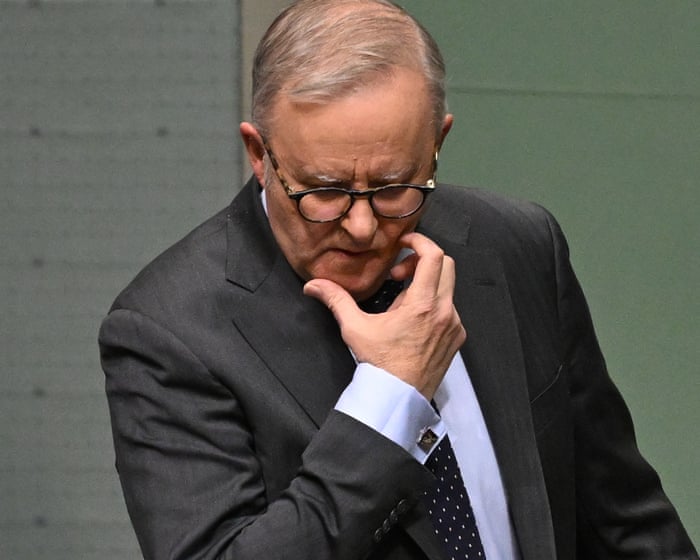
Australian Prime Minister Anthony Albanese caused controversy after playing a "shag, marry, date" game during a podcast interview with a comedian. The incident highlighted challenges politicians face when trying to engage voters through informal social media platforms.
Key Facts
Prime Minister Anthony Albanese participated in a "shag, marry, date" game during an interview with comedian Nikki Osborne, who performs as "Bush Barbie."
Albanese initially gave a careful answer but later named Kylie Minogue for all three categories, causing backlash.
The game is seen as inappropriate for political leaders by some members of the public and politicians.
One Nation MP Barnaby Joyce advised Albanese to be more careful and called the incident a "trap" for a prime minister.
Albanese previously faced criticism for calling Grace Tame "difficult" before clarifying his meaning.
Politicians often use social media and informal interviews to connect with voters who dislike traditional political messaging.
This episode shows the risks politicians take when engaging in casual social media content to appear relatable.
The incident reflects broader challenges of maintaining political decorum while reaching out to a new generation of voters.
Read the Original
Want the full story? Tap a source to open the original
article.
A large missile and drone attack by Russia on Kyiv, Ukraine, killed at least 11 people and injured dozens more. This is the second major strike on Kyiv in less than a week, occurring just before a NATO summit where Ukrainian President Zelenskyy will meet President Donald Trump.
Key Facts
Russia fired 68 missiles and 351 drones at Ukraine overnight, hitting Kyiv and surrounding areas.
The attack killed at least 11 people and injured at least 56 across Kyiv and nearby districts.
More than a dozen residential buildings in Kyiv, including four historic ones, were damaged.
Air raid sirens sounded and thousands of residents took shelter underground during the attacks.
Ukrainian President Volodymyr Zelenskyy warned another Russian attack might happen before the NATO summit in Turkiye.
President Zelenskyy plans to meet U.S. President Donald Trump on the sidelines of the NATO summit starting Tuesday.
Russia and Ukraine have increased the use of long-range weapons like missiles and drones in their ongoing conflict.
A Ukrainian strike damaged electricity supplies near Sevastopol, a Russian-controlled port in Crimea.
Read the Original
Want the full story? Tap a source to open the original
article.
The funeral procession for Iran’s late supreme leader Ayatollah Ali Khamenei began in Tehran with large crowds attending. The event is being used by Iranian authorities to show national strength after weeks of conflict with the United States and Israel. Khamenei’s son, Mojtaba, who succeeded him, has not yet appeared in public.
Key Facts
Ayatollah Ali Khamenei was killed on February 28 in Israeli air strikes based on U.S. intelligence.
The funeral procession started in Tehran and is expected to have massive attendance, potentially rivaling the 1989 funeral of Khamenei’s predecessor.
Authorities are taking precautions to prevent crowd chaos like the deadly stampedes in the 1989 funeral.
Mourning events will continue in Iranian cities and holy sites in Iraq, with burial scheduled in Mashhad.
Mojtaba Khamenei, the new supreme leader and son of Ali Khamenei, has not appeared publicly since taking power and is reportedly injured.
Mourners in Tehran displayed anti-U.S. sentiments, including hanging an effigy of President Donald Trump.
The funeral is seen as a show of resilience amid ongoing tensions and war involving Iran, Israel, and the United States.
Officials and political figures praised the nation’s unity and tribute to Khamenei.
Read the Original
Want the full story? Tap a source to open the original
article.
Anissa Helou, a well-known cook and food writer from the Middle East, has published a new book about Lebanese food. Her book highlights traditional recipes, especially from southern Lebanese villages damaged by recent wars.
Key Facts
Anissa Helou is 74 years old and has published many books about Middle Eastern food since the 1990s.
She won Britain’s Guild of Food Writers Lifetime Achievement Award last month.
Helou was born to a Lebanese mother and Syrian father and grew up learning cooking from her family.
Her new book is called “Lebanon: Cooking the Foods of My Homeland.”
The book includes recipes from southern Lebanese villages damaged by wars between Israel and Hezbollah.
Southern Lebanese cuisine features unique variations such as using bulgur instead of rice in a lentil dish called mujadara.
Helou visited these villages multiple times, meeting people affected by the conflict and learning their food traditions.
The book was officially launched at Lebanon’s Tourism Ministry in Beirut in June 2026.
Read the Original
Want the full story? Tap a source to open the original
article.
Maternity hospitals in Sudan’s capital area have reopened after being closed due to war. Mothers now have access to safer childbirth services despite high costs, shortages of medicine, and difficult travel conditions. Health officials report that risks for mothers and babies are decreasing as services improve.
Key Facts
The Al-Dayat maternity hospital in Omdurman has resumed operations after a long closure caused by war.
Many women faced unsafe home births and long travel during the closure, increasing health risks.
The Khartoum State Ministry of Health reopened 15 maternity wards in the capital region.
About 7,000 babies are being born each month in the capital’s hospitals, with 60 births daily at Al-Dayat hospital alone.
Costs for childbirth range from $216 for natural births at government hospitals to over $1,300 for C-sections in private hospitals.
Mothers from distant regions face high transport and accommodation costs to reach hospitals.
Hospitals face shortages of basic medicines and have limited staff due to the war-driven loss of doctors and nurses.
The Neonatal Department at Omdurman Hospital has around 140 incubators, making it the largest in Sudan.
Read the Original
Want the full story? Tap a source to open the original
article.
A cruise ship carrying 2,000 LGBTQ+ passengers and performer Patti LuPone was blocked from entering Turkey because authorities said the group’s behavior did not fit the country’s moral values. The ship had planned to stop in the Turkish port of Kuşadası, but will now go to Cairo and Crete instead.
Key Facts
The ship, Virgin Voyages’ Scarlet Lady, started its cruise from Athens on July 5.
The cruise was organized by Atlantis, a US company specializing in LGBTQ+ trips.
Turkish authorities in Aydin province canceled the ship’s stop in Kuşadası citing public concern and moral reasons.
Patti LuPone is performing on the cruise and expressed anger at the ban.
Atlantis Events said this is the first time in 36 years they were told not to dock because of their passengers’ identity.
The company has tried, without success, to change Turkey’s decision even with help from the US embassy.
Homosexuality is legal in Turkey, but LGBTQ+ people often face discrimination and hostility, including from top government leaders.
The ship will make alternative stops in Cairo, Egypt, and Crete, Greece.
Read the Original
Want the full story? Tap a source to open the original
article.
A Chinese submarine launched a nuclear-capable ballistic missile into the Pacific Ocean during a planned military exercise. The test missile had a dummy warhead and hit a targeted area as part of routine training.
Key Facts
The missile was launched on a Monday at 12:01 p.m. Beijing time.
The missile carried a dummy warhead, meaning it was not armed with a real nuclear weapon.
The missile accurately landed in a pre-set sea area in the Pacific Ocean.
This was China’s second similar missile test in the Pacific since September 2024.
China notified Australia and New Zealand about the upcoming missile test beforehand.
The Chinese government said the test is annual military training and follows international laws.
Chinese officials stated the test is not aimed at any specific country or target.
The missile test was conducted by a Chinese navy submarine.
Read the Original
Want the full story? Tap a source to open the original
article.
Millions of people took part in the funeral procession for Iran’s supreme leader Ali Khamenei, who was killed in an attack. The large public gathering showed national unity, despite recent protests and violence in the country. Iranian leaders and officials highlighted the event as a sign of strength and resistance against external pressure.
Key Facts
The funeral procession took place in Tehran, moving from Revolution Square to Azadi Square.
Ali Khamenei was killed in a bombing attributed to Israel in February.
Mourners wore black and carried Iranian flags and pictures of Khamenei.
The event lasted 10-12 hours and involved a huge crowd using public transport like the metro.
Khamenei’s son, Mojtaba, was named the new supreme leader but did not attend the funeral publicly due to safety concerns.
Iran’s president praised the crowd’s peaceful behavior during the funeral.
More than 300 foreign journalists were given visas to cover the event.
Iranian officials rejected claims by President Trump that the public grief was fake, saying the mourning was genuine.
Read the Original
Want the full story? Tap a source to open the original
article.
China tested a long-range missile in the Pacific Ocean, landing it in designated waters, as part of its annual military training. Australia said it was informed shortly before the test and called the action destabilizing for the region.
Key Facts
China launched a sea-based long-range missile with a dummy warhead into the Pacific.
The test was described by China as routine military training with prior notice to relevant countries.
Australia received notification of the test only on the day it happened.
Australian officials expressed concern that the test threatens peace and stability in the Pacific.
Australia and Fiji signed a defense alliance earlier the same day, pledging mutual support if attacked.
Chinese satellite-tracking ships are positioned in the Pacific, likely to monitor missile tests.
The Pacific Islands Forum wants the region to remain peaceful, calling such tests inconsistent with that goal.
China has increased its missile testing in 2024, showing growing military capability.
Read the Original
Want the full story? Tap a source to open the original
article.
At least seven people died and 24 were wounded in a series of missile and drone attacks on Kyiv by Russia. The attacks targeted residential areas and happened just before a NATO summit in Turkey, with President Zelenskyy warning of continued large-scale strikes.
Key Facts
The attacks on Kyiv used ballistic and cruise missiles, plus drones.
At least seven people were killed and 24 injured.
Residential buildings in Podilskyi and Darnytsia districts were damaged, with some partially collapsing.
People were trapped under rubble in some of the damaged buildings.
The attack occurred hours after President Zelenskyy warned of a large-scale strike.
The recent Russian attack followed another big strike that killed at least 31 people.
President Zelenskyy called on Western countries to supply more air defense systems, especially Patriot missiles.
The attacks happened one day before a NATO summit in Turkey.
Read the Original
Want the full story? Tap a source to open the original
article.
Residents of Crimea report a very serious situation after Ukraine attacked oil refineries, power plants, and military sites on the peninsula. These attacks have increased recently to cut off support for Russian troops fighting in southern Ukraine.
Key Facts
Ukrainian drones have struck multiple targets in Crimea, including oil refineries and power plants.
Crimea is a peninsula that Russia took control of, but Ukraine is now targeting it.
The attacks aim to disrupt Russian supply lines to forces in southern Ukraine.
Local people in Crimea describe the situation as "catastrophic."
The increase in attacks is part of Ukraine’s efforts to weaken Russia’s military actions.
Crimea is important to Russian President Vladimir Putin for personal and strategic reasons.
The situation remains tense as fighting continues in the region.
Read the Original
Want the full story? Tap a source to open the original
article.
Tensions have grown between President Donald Trump and Israeli Prime Minister Benjamin Netanyahu over Israel’s military actions in Lebanon and the US bid for a peace deal with Iran. Reports suggest President Trump is frustrated with Netanyahu’s refusal to stop attacks, while some in the US, including parts of Trump’s political base, are increasingly critical of support for Israel.
Key Facts
President Trump and Prime Minister Netanyahu have a strained relationship due to disagreements over Israel’s attacks on Lebanon.
The US is negotiating a peace deal with Iran, which includes demands to end Israel’s war in southern Lebanon.
A leaked phone call revealed Trump called Netanyahu “crazy” and blamed him for worsening Israel’s reputation.
Some US political figures, including former TV host Tucker Carlson, criticize Israel and question US support for it.
Parts of Trump’s right-wing populist movement show skepticism about backing Israel.
Netanyahu faces political challenges, including corruption charges and an upcoming election.
Experts believe President Trump has flexibility in US-Israel relations and can maintain support from most Republicans despite tensions.
Read the Original
Want the full story? Tap a source to open the original
article.