Neutral summaries of your favorite news sources — just the facts.
Your favorite news sources, one neutral feed — we distill their reporting into fact-first
summaries and always link to the original story. How it works
World News
Comprehensive coverage of international news and global events
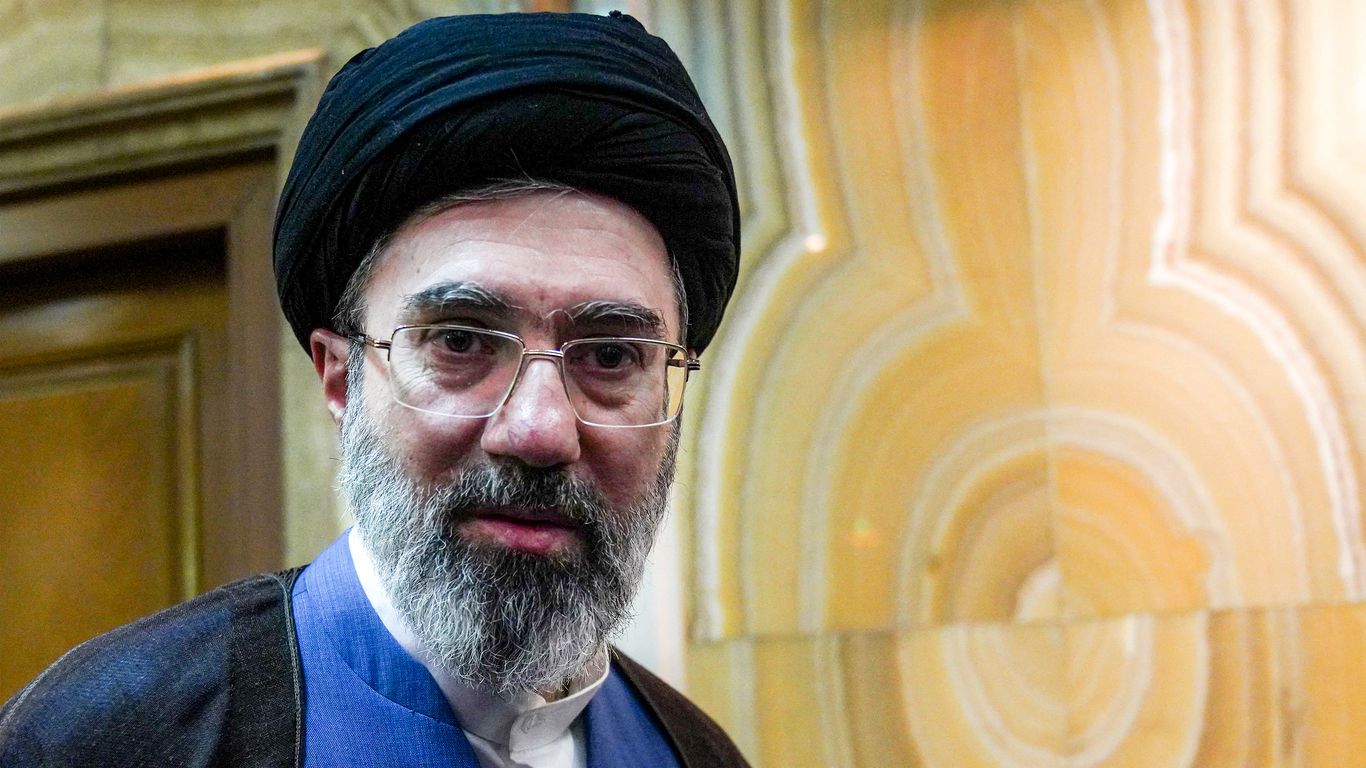
Iran’s Supreme Leader Mojtaba Khamenei said he had doubts about a memorandum of understanding (MOU) between Iran and the United States to end the war, but he still approved the agreement. He mentioned that Iranian officials, including President Masoud Pezeshkian and the security council leader Mohammad Bagher Zolghadr, wanted to proceed with the deal.
Key Facts
Iran’s Supreme Leader is Mojtaba Khamenei.
He expressed reservations about a deal with the United States.
The deal is a memorandum of understanding (MOU) aimed at ending a war.
Despite his doubts, Khamenei gave approval to move forward with the MOU.
Iranian President Masoud Pezeshkian supported the agreement.
Mohammad Bagher Zolghadr, head of Iran’s Supreme National Security Council, also supported making the deal.
The MOU involves both Tehran (Iran) and the United States.
Read the Original
Want the full story? Tap a source to open the original
article.
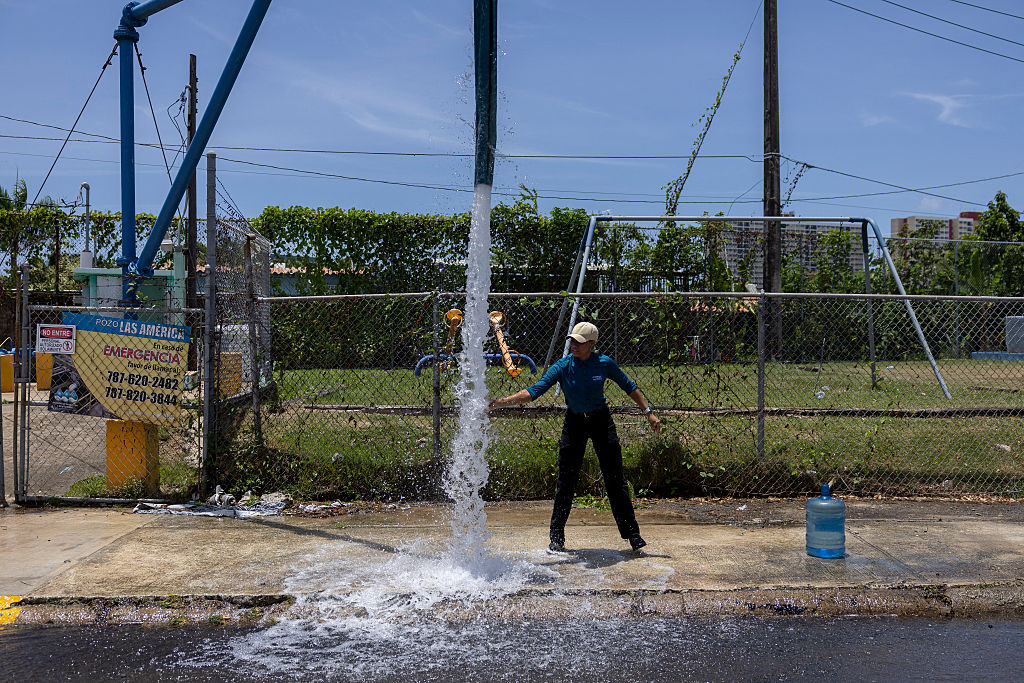
Puerto Rico is facing a major water supply crisis after a large pipeline broke in Bayamón, disrupting water service for over 120,000 people. The National Guard has been activated to help distribute water while repairs continue, but full restoration of the water system is expected to take time, especially as drought and extreme heat create additional challenges.
Key Facts
A 72-inch pipeline called the Superaqueduct broke at three points, causing widespread water outages in Puerto Rico.
The Puerto Rico Aqueduct and Sewer Authority (PRASA) completed a complex repair and began slowly restoring service, but risks remain for new breaks.
Over 120,000 customers still experience inconsistent water flow, low pressure, or no service at all.
The National Guard and various government agencies are helping deliver drinking water to affected communities.
Officials acknowledge decades of delayed maintenance have made the water system fragile.
Drought conditions and a strong El Niño weather event are reducing rainfall, worsening the water shortage.
Extreme heat and Sahara dust are increasing health risks and raising water needs at the same time water access is unstable.
Many residents are turning to private water storage and filtration systems to cope with unreliable supply.
Read the Original
Want the full story? Tap a source to open the original
article.
Two sisters wanted to adopt a kitten, but their parents did not agree. To get the kitten into their home, the sisters pretended to find it abandoned on the street, and their plan worked for about a year before the truth came out.
Key Facts
The sisters staged a fake rescue of a tiny kitten by acting like they found it on the roadside.
They filmed the staged rescue and shared it on TikTok, where it got over 9 million views.
Their parents believed the kitten was found abandoned and allowed it in the house.
The kitten has lived with the sisters for nearly two years and seems comfortable.
The family was unaware of the plan for about one year before learning the truth.
Experts advise thinking carefully before adopting pets because they need daily care and long-term commitment.
Research shows that having pets can help people feel better emotionally and socially.
The sisters' strong desire for the kitten shows how people often form quick bonds with animals.
Read the Original
Want the full story? Tap a source to open the original
article.
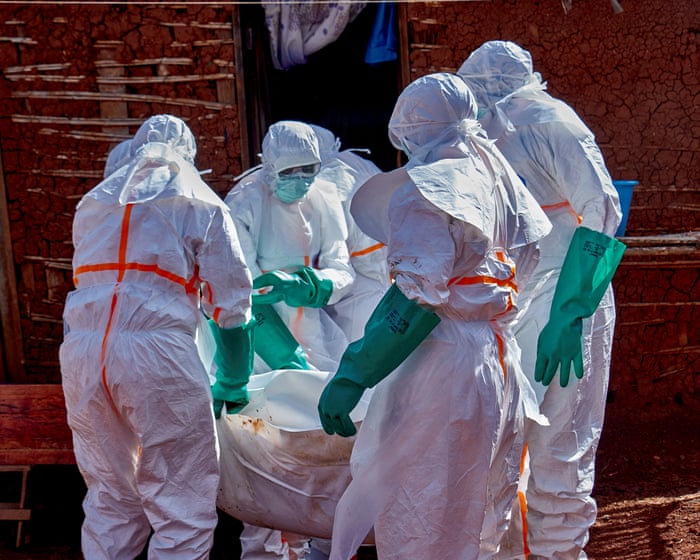
The CDC will use $107 million in emergency funds to help respond to an Ebola outbreak in the Democratic Republic of the Congo (DRC) and Uganda. The outbreak has nearly 1,000 confirmed cases in the DRC and some cases in Uganda, but the overall risk to the world remains low.
Key Facts
The Ebola outbreak in the DRC is the third largest on record, with about 1,000 confirmed cases across 31 health zones.
Uganda has 31 confirmed Ebola cases in its capital, Kampala.
The CDC currently has 148 staff working on the response in the DRC and Uganda.
The virus involved is a rare type called Bundibugyo viral disease, a form of Ebola that causes bleeding and kills 30-50% of infected people.
Around 198 people have died so far in both countries combined.
Ebola spreads through direct contact with blood, body fluids, or contaminated surfaces, but not through the air like COVID-19.
The US and 21 other countries have placed travel restrictions on people from the DRC and Uganda, which some say may hinder outbreak control.
The CDC’s funding is part of over $900 million pledged internationally, but less than 10% of that money has been delivered so far.
Read the Original
Want the full story? Tap a source to open the original
article.
China’s foreign minister says that developing countries do not have enough representation in global decision-making groups. China wants the United Nations to be stronger and give countries from the Global South a bigger voice in world affairs.
Key Facts
China released a new white paper about making global governance fairer.
Foreign Minister Wang Yi said emerging economies have too little influence in global institutions.
China wants the United Nations to play a more important role.
The Global South means poorer or developing countries mostly in Africa, Asia, and Latin America.
China believes all countries should have equal say in global decisions.
This call comes during ongoing armed conflicts and economic problems worldwide.
China may be trying to become a leader for the Global South.
Experts are debating if China can get enough support to lead this group of countries.
Read the Original
Want the full story? Tap a source to open the original
article.
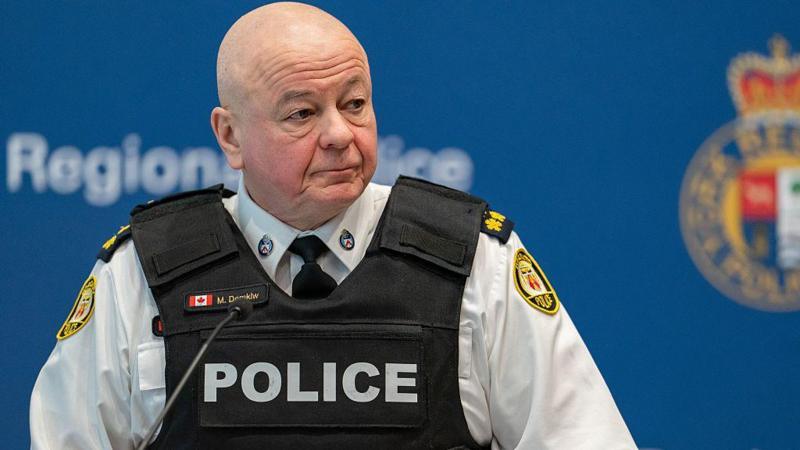
Toronto police have arrested a 19-year-old suspect linked to a shooting outside the US consulate as part of a wider investigation into multiple shootings across the city. Authorities are probing whether foreign groups are paying people to carry out these attacks, which include targets such as synagogues.
Key Facts
A 19-year-old named Zara Jabbi was arrested at Toronto Pearson Airport in connection with the shooting outside the US consulate in March.
Police believe multiple young gunmen were hired and paid by a foreign entity to carry out several shootings in Toronto.
The gunmen were reportedly recruited online through encrypted messaging apps.
Police recovered US-sourced handguns during a raid tied to the consulate attack.
One Toronto police officer, Constable Marc Pinizzotto, died during the raid on suspects' apartments.
The shootings also targeted synagogues and Jewish schools, with the aim of creating fear in communities.
Toronto police are working with the Royal Canadian Mounted Police and the FBI on the investigation.
US officials arrested an Iraqi man charged with planning attacks on Jewish sites and US interests in North America and Europe; his connection to Toronto’s case is unclear.
Read the Original
Want the full story? Tap a source to open the original
article.
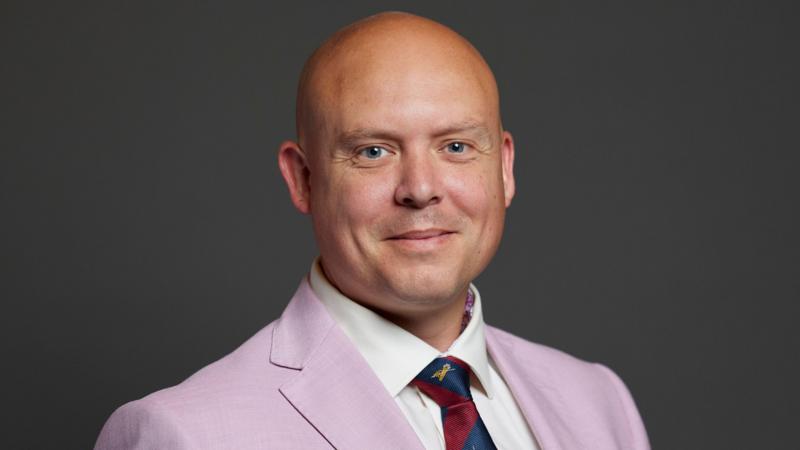
MP Cameron Thomas has been suspended from the Liberal Democrat party while a police investigation is underway. He was arrested by Gloucestershire Police on Wednesday, but no further details have been shared.
Key Facts
Cameron Thomas is the MP for Tewkesbury.
He has been suspended from the Liberal Democrat party.
The suspension is pending the outcome of a police investigation.
Gloucestershire Police arrested him on Wednesday.
The party and police have not released more information due to the ongoing investigation.
Cameron Thomas is a former RAF officer.
He has been MP since the 2024 general election.
Read the Original
Want the full story? Tap a source to open the original
article.
The parents of a 13-year-old boy who killed nine children and a school guard in a Serbian school shooting have been sentenced to prison in a retrial. The father received 14 years and six months, and the mother was sentenced to nearly three years for neglect. Both sides have appealed the verdicts.
Key Facts
The boy shot dead nine people at Vladislav Ribnikar elementary school in Belgrade in May 2023.
The shooter was under the age of criminal responsibility and was placed in a psychiatric institution.
The boy’s parents were charged with neglect and abuse, with the father also accused of a serious public safety offense.
The father was sentenced to 14 years and six months, and the mother to two years and 11 months in prison.
The retrial began in January 2026 after the Court of Appeal found earlier verdicts unclear and contradictory.
The boy fired 66 bullets in about two minutes, killing 10 and injuring six others.
This was one of the first school shootings in Serbia, where such attacks are very rare.
The case sparked protests and led to stricter gun laws and a gun amnesty in Serbia.
Read the Original
Want the full story? Tap a source to open the original
article.
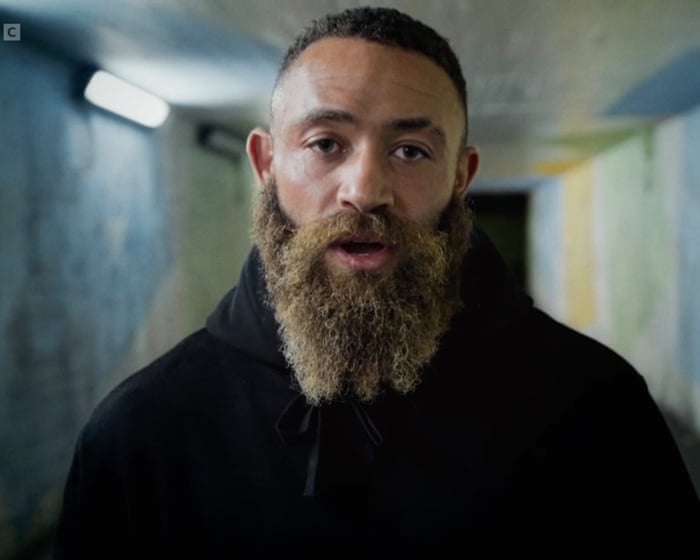
The BBC has stopped airing a documentary series featuring Ashley Cain after discovering his past abusive and misogynistic remarks about women. The broadcaster admitted it failed to properly check Cain's background before working with him and will not produce any more projects with him.
Key Facts
The BBC pulled the show "Ashley Cain: Into the Danger Zone" after reports revealed Cain's history of offensive comments about women.
The comments included insults and jokes about violence and sexual misconduct, some made on the social media platform X (formerly Twitter).
Cain was also accused in 2015 of secretly recording a woman during sex and sharing the video without her consent.
The BBC had previously ignored an allegation that Cain appeared drunk on set during another show, which caused filming to be halted.
Despite these issues, the BBC had planned a second season of Cain's documentary before rescinding that decision.
BBC executives had praised Cain for his appeal to young male viewers and had planned to feature him more prominently.
The BBC said it is reviewing and strengthening its vetting process for all talent to prevent similar situations.
This controversy comes amid other BBC scandals involving on-air personalities and during budget cuts at the broadcaster.
Read the Original
Want the full story? Tap a source to open the original
article.
Iran's Supreme Leader Mojtaba Khamenei allowed Iranian negotiators to hold direct talks with the United States but said this does not mean Iran agrees with the U.S. views. He authorized the deal based on promises from Iranian officials to protect Iran's interests, while criticizing President Trump for signing the deal out of desperation.
Key Facts
Iran’s Supreme Leader Mojtaba Khamenei gave permission for direct talks with the U.S. after a U.S.-Iran memorandum of understanding (MOU) was signed.
Khamenei opposed signing the MOU but authorized it following recommendations from Iranian officials, including President Masoud Pezeshkian.
Iranian negotiators are planning to meet U.S. representatives in Switzerland.
Khamenei emphasized that the talks do not mean Iran accepts U.S. demands or views.
He praised Iranian officials involved in the deal for acting with concern and goodwill.
Khamenei accused President Trump of signing the deal "out of desperation."
Analysts say Khamenei’s statement allows him to either claim success if talks go well or blame others if they fail.
The U.S.-Iran talks come amid ongoing tensions and retaliations involving Israel and Iran.
Read the Original
Want the full story? Tap a source to open the original
article.
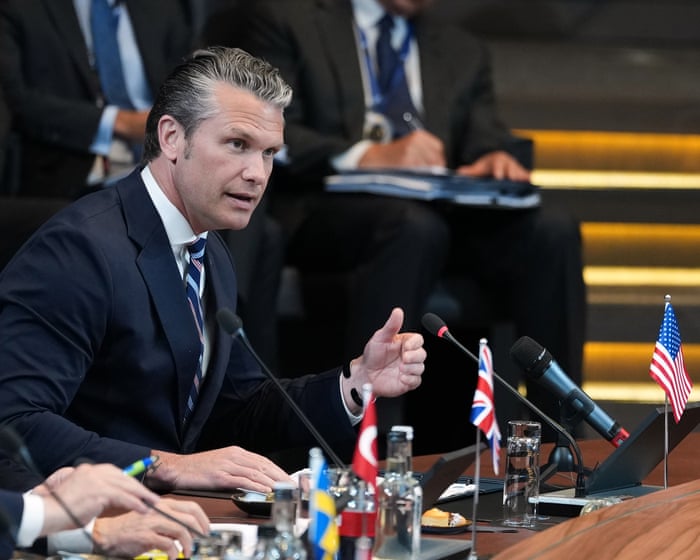
US Defence Secretary Pete Hegseth said the US will review its military presence in Europe and may reduce forces in countries that spend less on defense. He criticized some NATO allies for not meeting spending targets and for limiting the use of their bases during US strikes on Iran.
Key Facts
Pete Hegseth announced a review of US troops stationed in Europe.
The review will consider cutting forces in NATO countries with low defense spending.
He criticized some countries for “free riding” by not spending enough on their own defense.
Hegseth said future US support will depend on NATO countries meeting spending goals.
The US wants NATO members to spend 3.5% of their GDP on defense by 2035.
Some European countries restricted US jets from using their airbases during strikes on Iran.
The UK agreed to provide £750 million in military aid to Ukraine, funded by Russian assets.
NATO Secretary General Mark Rutte supported Hegseth's tough stance to encourage better spending.
Read the Original
Want the full story? Tap a source to open the original
article.
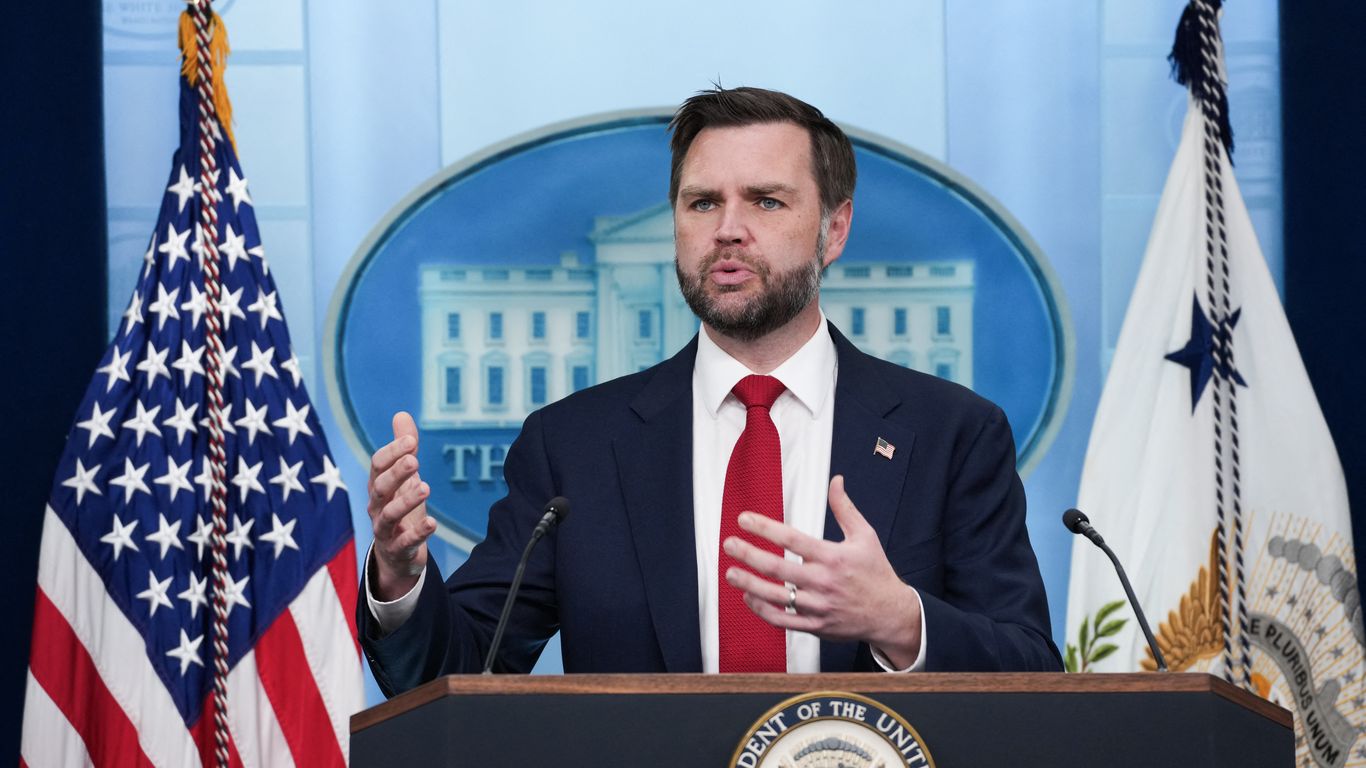
Vice President Vance advised Israeli officials not to criticize the peace deal made by President Donald Trump’s administration with Iran. He said Israel should appreciate its strong partnership with the United States, especially since it faces international isolation.
Key Facts
Vice President Vance spoke to Israeli officials on Thursday.
He warned against criticizing the peace agreement with Iran arranged by President Trump’s administration.
Vance highlighted the importance of the U.S.-Israel partnership.
He suggested Israel is isolated from many countries internationally.
Vance implied Israel benefits from this alliance and should show gratitude.
The peace deal with Iran is a key point of cooperation between the U.S. and Israel.
The warning was directed toward members of the Israeli government’s cabinet.
Read the Original
Want the full story? Tap a source to open the original
article.
Vice President Vance warned Israeli leaders not to criticize President Trump over the new Iran deal, saying Trump is Israel’s only strong ally. Vance also suggested that negative actions against the deal could reduce U.S. military support for Israel.
Key Facts
Vice President Vance spoke out against Israeli cabinet members attacking the Iran deal.
He said President Trump is the only world leader currently supportive of Israel.
Vance reminded Israel that two-thirds of its defensive weapons come from the U.S. and are paid for by American taxes.
Some Israeli ministers have criticized President Trump and the Iran deal publicly.
Prime Minister Netanyahu privately expressed frustration but urged calm and respect for U.S.-Israel relations.
The Iran deal calls for a ceasefire including Israel and Hezbollah fighting in Lebanon, with Israel expected to withdraw under a final agreement.
Vance said Israel should not act aggressively in Lebanon and should support the peace process.
President Trump asked Middle East countries to let the Iran deal work and called for a full ceasefire.
Read the Original
Want the full story? Tap a source to open the original
article.
Pakistan’s Prime Minister Shehbaz Sharif signed an agreement between the United States and Iran to help end the conflict between them. The agreement was also signed by US President Donald Trump and Iran’s President Masoud Pezeshkian.
Key Facts
Pakistan’s Prime Minister Shehbaz Sharif signed a US-Iran memorandum of understanding (MoU).
The MoU aims to end the war between the United States and Iran.
US President Donald Trump signed the agreement.
Iran’s President Masoud Pezeshkian also signed the agreement.
The signing took place on Wednesday.
The MoU represents a cooperative effort involving Pakistan, the US, and Iran.
Read the Original
Want the full story? Tap a source to open the original
article.
President Donald Trump signed a deal with Iran to end their conflict after years of war. The agreement includes lifting sanctions and unfreezing Iranian assets, but leaves some issues unresolved and carries risks of future violence.
Key Facts
President Trump wanted Iran to completely give up its missile program and nuclear ambitions.
The war caused many deaths and damaged Iran’s infrastructure and economy.
The new deal ends the US blockade on Iran and allows Iran to export oil before all disputes are settled.
The agreement was signed in Versailles and aims to finalize a resolution within 60 days, with a possible extension.
Despite the deal, Trump warned he might use military force again if he thinks it’s needed.
Israeli Prime Minister Netanyahu opposes the deal and may try to undermine it.
The deal includes ending hostilities in Lebanon but does not require Israel to withdraw from there.
Analysts say Iran’s leadership may grow more hardline and more interested in nuclear weapons due to the conflict’s impact.
Read the Original
Want the full story? Tap a source to open the original
article.
President Donald Trump quickly signed a 60-day interim agreement with Iran to reduce tensions in the Middle East. This deal, brokered by Pakistan and Qatar, aims to stop fighting in Lebanon and reopen the Strait of Hormuz, an important route for global oil shipments.
Key Facts
President Trump signed the interim agreement shortly after the G7 summit in France.
The deal is a temporary 60-day memorandum of understanding between the U.S. and Iran.
Pakistan and Qatar helped broker the agreement.
The agreement includes a temporary ceasefire in Lebanon.
The Strait of Hormuz, a key oil shipping route, is set to reopen, leading to a drop in oil prices.
There are concerns about how Israel or Hezbollah might react if they oppose the deal’s terms.
The agreement differs from the 2015 U.N. nuclear deal, which President Trump has criticized.
The deal offers a chance to reduce tensions but also raises questions about future stability in the region.
Read the Original
Want the full story? Tap a source to open the original
article.
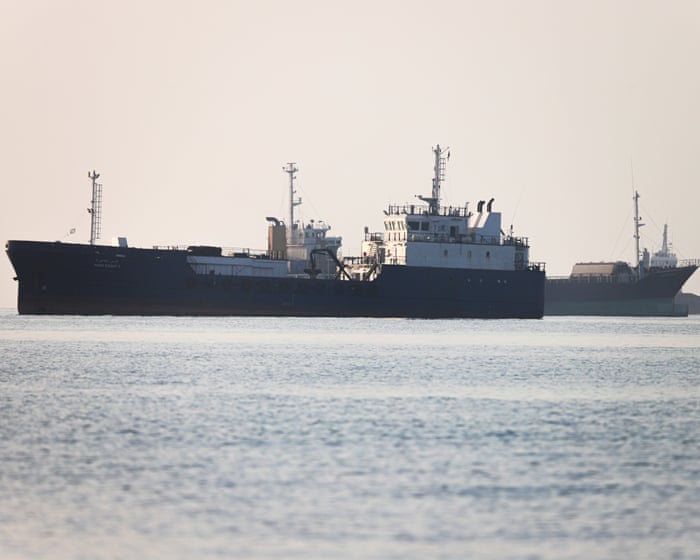
The United States and Iran have signed a Memorandum of Understanding (MOU) to reopen the Strait of Hormuz for commercial shipping. Under the deal, the US will lift its blockade of Iranian ports, and Iran will allow free passage through the Strait for 60 days, though sea mines in the area may still pose risks.
Key Facts
The US and Iran signed a Memorandum of Understanding focused on the Strait of Hormuz.
The US agreed to lift its blockade of Iranian ports immediately.
Iran will reopen the Strait of Hormuz and waive tolls for commercial ships for 60 days.
The Strait of Hormuz is a vital waterway for global maritime trade and energy shipments.
There are concerns about the presence of sea mines in the Strait, which could threaten safe navigation.
The deal aims to improve the flow of trade and energy in the Gulf region.
Experts from the Royal United Services Institute are analyzing the agreement’s impact on energy security.
The MOU represents a significant step toward reducing tensions between the US and Iran.
Read the Original
Want the full story? Tap a source to open the original
article.
Semyon Skrepetsky, a Russian artist known for his bold and provocative paintings criticizing Russian leaders, was shot and killed in the Polish town of Biała Podlaska in June 2026. He had fled Russia to escape political persecution and continued to protest against authoritarianism until his death.
Key Facts
Semyon Skrepetsky was a 44-year-old Russian artist and dissident who created satirical art targeting Russian President Vladimir Putin and Chechen leader Ramzan Kadyrov.
He was shot and killed on June 15, 2026, while walking his dog in Biała Podlaska, Poland, near the Belarus border.
Skrepetsky fled Russia in 2021 due to fears of political persecution and settled in Poland with his wife and five children.
He was known for using bright colors and mixing humor with sharp political criticism in his art style called “skreprealism.”
His last public act was a protest in Berlin holding a painting showing Stalin holding Putin and disposing of a Russian flag in a trashcan.
The murder shocked the local and Belarusian exile communities, who fear increased repression and insecurity in the region.
The political tension in the area grew after Belarus’s contested 2020 election sparked protests and police violence, causing many to seek asylum in Poland and Lithuania.
The exile community in Poland faces ongoing difficulties and fears, including suspicion of sabotage by Russian agents.
Read the Original
Want the full story? Tap a source to open the original
article.
Israel’s Foreign Minister Gideon Saar announced that he is cutting off contact with the European Union’s foreign policy chief, Kaja Kallas. This decision came after reports that Kallas compared Israel’s treatment of Palestinians to South Africa’s apartheid system, a claim Kallas has not denied, though she emphasized the importance of diplomatic dialogue.
Key Facts
Gideon Saar, Israel’s Foreign Minister, said he is suspending contact with Kaja Kallas, the EU’s foreign policy chief.
Kallas was reported to have compared Israel’s policies in Gaza and the West Bank to apartheid in South Africa.
Saar accused Kallas of bias against Israel and called her comments a “blood libel.”
Kallas stressed that the EU wants to continue dialogue and supports a two-state solution between Israelis and Palestinians.
Saar maintained ties would stay cut until Kallas retracts or denies the apartheid claim.
The United Nations said in January that Israel’s actions in the West Bank violate international law against racial segregation and apartheid.
The International Court of Justice also called Israel’s occupation unlawful and expressed concerns about racial segregation in the occupied territories.
The tension happens amid ongoing conflict and strikes in Gaza and the West Bank involving Palestinians and Israeli authorities.
Read the Original
Want the full story? Tap a source to open the original
article.
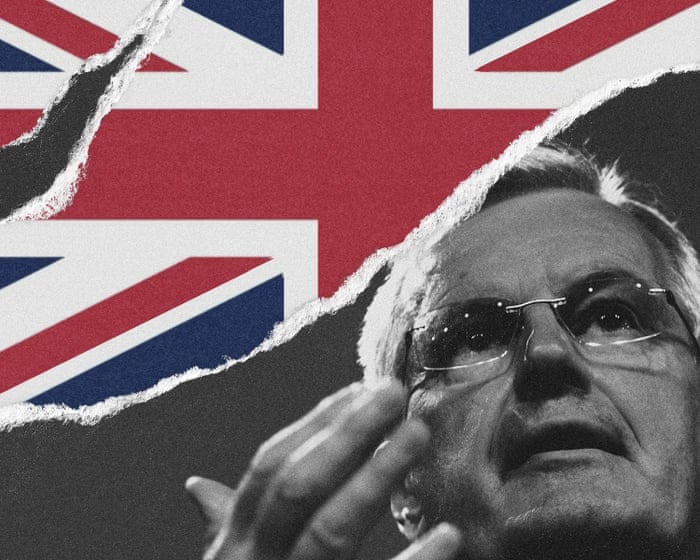
Michel Barnier, the EU’s chief Brexit negotiator, shared insights about Boris Johnson’s motivations for supporting Brexit, calling him pragmatic and cynical in seeking power. Barnier discussed his experience during the Brexit talks, the challenges faced by the UK, and the EU’s mistakes, especially on immigration and bureaucracy.
Key Facts
Michel Barnier spent time with Boris Johnson’s father and learned that Boris Johnson was initially more pro-European.
Barnier described Johnson’s approach as pragmatic and cynical, aimed at gaining power.
Barnier led Brexit negotiations for the EU over four years, meeting many UK negotiators and political figures.
He rejected the idea of a second UK referendum and criticized Nigel Farage’s role in EU opposition.
Barnier said blaming Brussels for all UK problems is false, but Brexit has made these problems harder.
He acknowledged the EU made mistakes, like having too much bureaucracy and poor border control.
Barnier praised recent EU immigration policies that speed up deportations, comparing them to policies under President Donald Trump.
He expressed surprise that the UK left the EU instead of working within it to fix problems.
Read the Original
Want the full story? Tap a source to open the original
article.