Neutral summaries of your favorite news sources — just the facts.
Your favorite news sources, one neutral feed — we distill their reporting into fact-first
summaries and always link to the original story. How it works
World News
Comprehensive coverage of international news and global events
Israel’s Foreign Minister Gideon Saar announced that he is cutting off contact with the European Union’s foreign policy chief, Kaja Kallas. This decision came after reports that Kallas compared Israel’s treatment of Palestinians to South Africa’s apartheid system, a claim Kallas has not denied, though she emphasized the importance of diplomatic dialogue.
Key Facts
Gideon Saar, Israel’s Foreign Minister, said he is suspending contact with Kaja Kallas, the EU’s foreign policy chief.
Kallas was reported to have compared Israel’s policies in Gaza and the West Bank to apartheid in South Africa.
Saar accused Kallas of bias against Israel and called her comments a “blood libel.”
Kallas stressed that the EU wants to continue dialogue and supports a two-state solution between Israelis and Palestinians.
Saar maintained ties would stay cut until Kallas retracts or denies the apartheid claim.
The United Nations said in January that Israel’s actions in the West Bank violate international law against racial segregation and apartheid.
The International Court of Justice also called Israel’s occupation unlawful and expressed concerns about racial segregation in the occupied territories.
The tension happens amid ongoing conflict and strikes in Gaza and the West Bank involving Palestinians and Israeli authorities.
Read the Original
Want the full story? Tap a source to open the original
article.
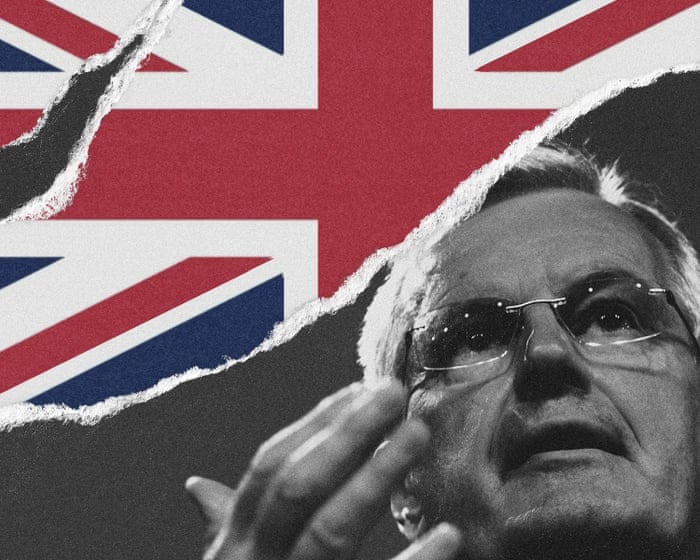
Michel Barnier, the EU’s chief Brexit negotiator, shared insights about Boris Johnson’s motivations for supporting Brexit, calling him pragmatic and cynical in seeking power. Barnier discussed his experience during the Brexit talks, the challenges faced by the UK, and the EU’s mistakes, especially on immigration and bureaucracy.
Key Facts
Michel Barnier spent time with Boris Johnson’s father and learned that Boris Johnson was initially more pro-European.
Barnier described Johnson’s approach as pragmatic and cynical, aimed at gaining power.
Barnier led Brexit negotiations for the EU over four years, meeting many UK negotiators and political figures.
He rejected the idea of a second UK referendum and criticized Nigel Farage’s role in EU opposition.
Barnier said blaming Brussels for all UK problems is false, but Brexit has made these problems harder.
He acknowledged the EU made mistakes, like having too much bureaucracy and poor border control.
Barnier praised recent EU immigration policies that speed up deportations, comparing them to policies under President Donald Trump.
He expressed surprise that the UK left the EU instead of working within it to fix problems.
Read the Original
Want the full story? Tap a source to open the original
article.
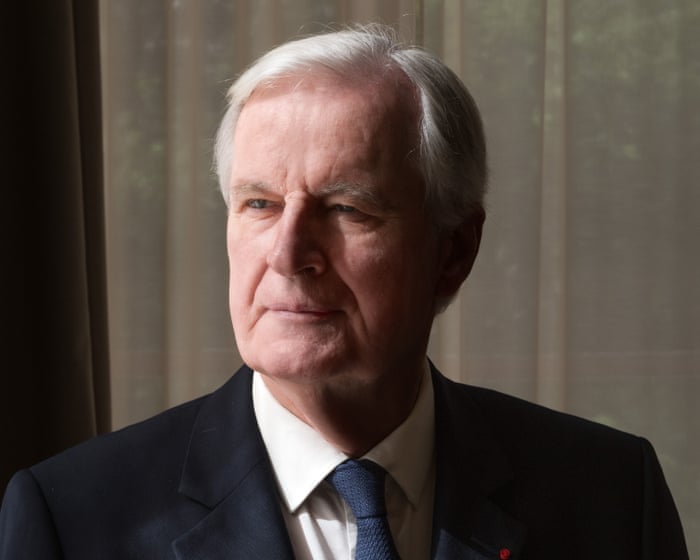
Michel Barnier, the EU’s former chief Brexit negotiator, said the UK could keep some special agreements if it rejoined the European Union, such as keeping the pound and staying out of the passport-free Schengen area. He also said that although the UK left the EU, it might still negotiate to keep or regain these opt-outs, and that rejoining the EU would be open to negotiation.
Key Facts
Michel Barnier said the UK could keep the pound and stay outside the Schengen passport-free travel area if it rejoined the EU.
There are existing EU member states with opt-outs from the euro currency and Schengen area, such as Denmark and Ireland.
New EU members are normally required to join the euro and Schengen once they meet certain conditions, but the UK might negotiate exceptions.
Barnier declined to comment on whether the UK could keep its previous budget rebate negotiated by Margaret Thatcher.
Barnier believes Brexit has made UK problems like economic growth and immigration more difficult, though not the sole cause.
UK-EU "reset" talks to improve relations are planned for July 22 after several delays.
Some EU diplomats have warned that progress in UK-EU talks is slowing.
Barnier will attend a conference in London marking 10 years since the Brexit vote.
Read the Original
Want the full story? Tap a source to open the original
article.
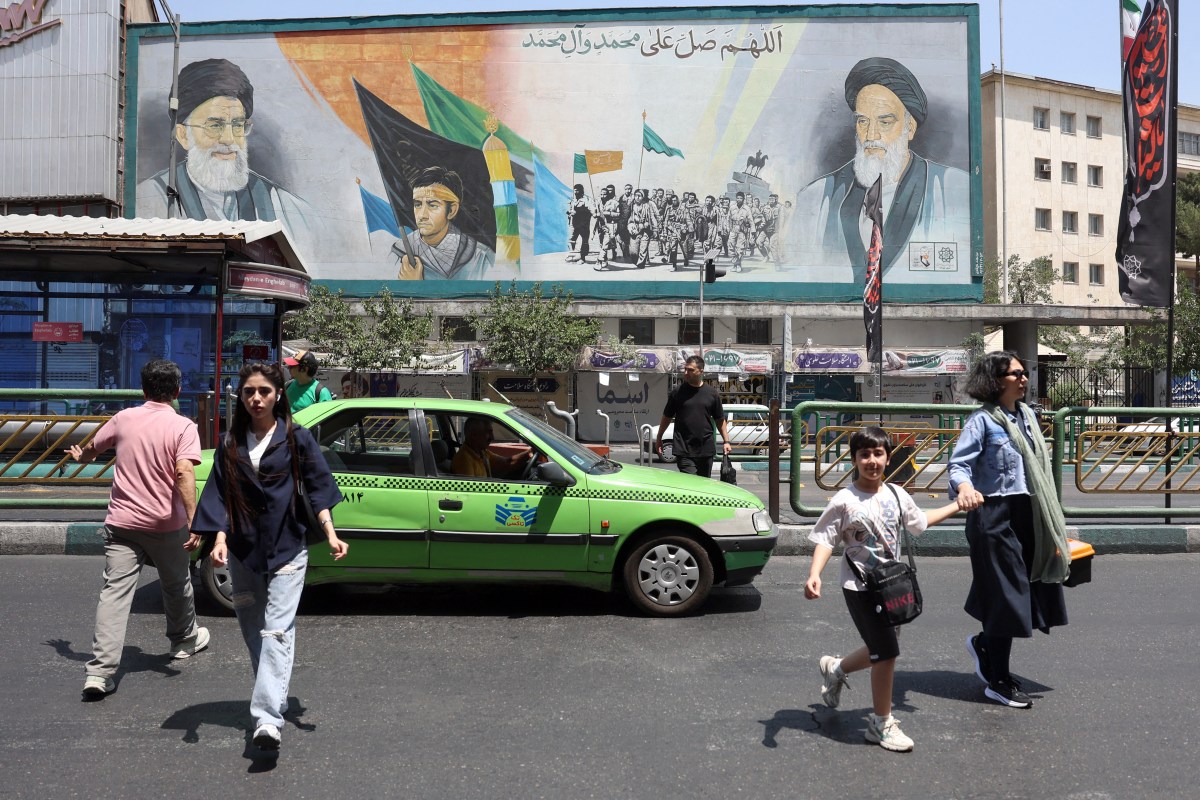
Iran and the United States have reached a memorandum of understanding (MOU) that could reduce conflict between them and their allies. The deal offers Iran some concessions but does not yet ensure lasting peace, and Iran still faces serious political and economic challenges at home.
Key Facts
Iran and the U.S. signed an MOU aimed at easing tensions from a war launched by the U.S. and Israel in February.
Iran has survived the conflict with some losses but gained agreements on frozen assets and regional issues like the Strait of Hormuz.
The MOU was signed by Iranian President Masoud Pezeshkian and U.S. President Donald Trump.
The deal will be made official in a ceremony in Switzerland.
Iran faces ongoing protests and unrest due to economic problems and political discontent.
Leadership changes in Iran include the late Supreme Leader replaced by his son and more hard-line figures rising in power.
The new Iranian government includes reformists who hope to improve ties with the West, but some hard-liners may resist compromises.
Previous nuclear deals like the 2015 agreement collapsed after President Trump withdrew the U.S., complicating future talks.
Read the Original
Want the full story? Tap a source to open the original
article.
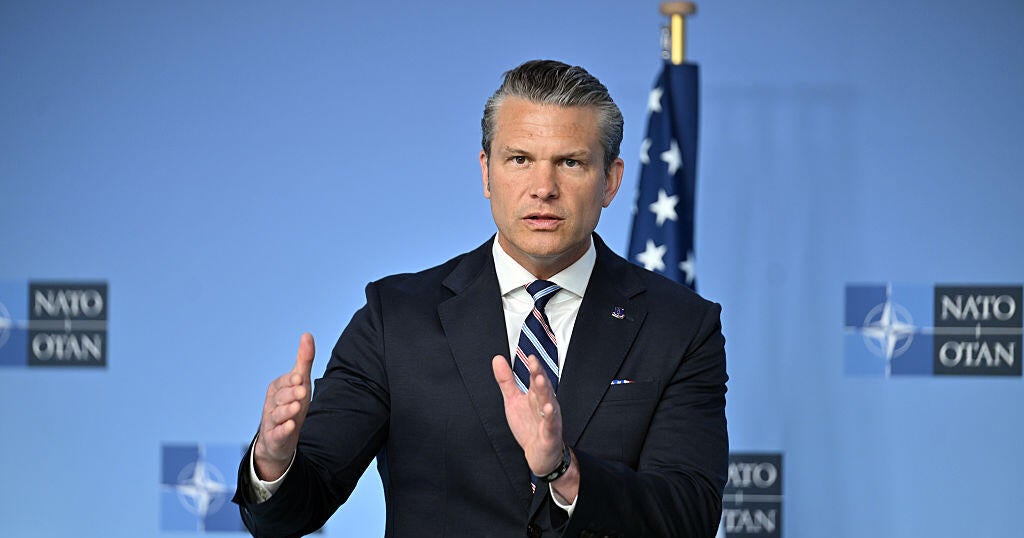
The Pentagon announced a six-month review of U.S. forces and bases in Europe following criticism from Defense Secretary Pete Hegseth of NATO allies for not supporting U.S. military efforts against Iran. The review aims to assess U.S. troop presence and cooperation with European countries ahead of the upcoming NATO summit.
Key Facts
The Pentagon will conduct a review lasting up to six months of U.S. troops and bases in Europe.
Defense Secretary Pete Hegseth accused some NATO allies of denying access to U.S. bases and criticized them for not supporting military actions against Iran.
The review is linked to the "NATO 3.0" initiative, encouraging European countries to take more responsibility for their own defense.
Recently, the U.S. withdrew 5,000 troops from Germany and reduced combat teams in Europe, causing concern among members of Congress.
About 80,000 U.S. troops currently serve in Europe, with Congress requiring Pentagon oversight before reducing forces below 76,000.
NATO has set goals for member countries to spend 5% of their GDP on defense by 2035; most currently meet or approach the 2% target.
President Trump supports NATO allies increasing defense spending and expects to attend the NATO summit in Turkey next month.
U.S. lawmakers want careful review and consultation before any major changes to troop levels in Europe.
Read the Original
Want the full story? Tap a source to open the original
article.
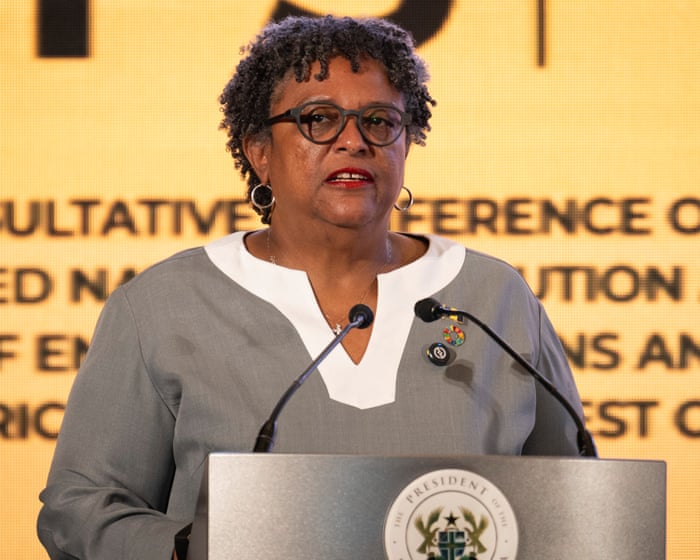
Barbados’s Prime Minister Mia Mottley announced a new plan by Caribbean leaders to seek reparations for the harms caused by centuries of slavery. The plan calls for monetary compensation, apologies, and education from former colonial powers, highlighting the impact of slavery on women and Indigenous peoples.
Key Facts
The manifesto updates the Caribbean Community’s (Caricom) 10-point plan for slavery reparations.
It adds a focus on gender-based violence and the effects on enslaved women, who made up about 30% of enslaved Africans transported across the Atlantic.
The document links climate justice with slavery reparations and calls for support for Indigenous peoples affected by genocide.
Caricom demands monetary compensation and formal apologies from Britain and other European countries.
The plan does not specify a compensation amount but sets a vision for the pursuit of reparatory justice.
The manifesto was presented at a conference in Ghana following a UN resolution calling the trafficking of enslaved Africans the gravest crime against humanity.
Some countries, including the UK, the US, and Israel, did not support the UN resolution fully.
Caricom’s document frames reparations as a global human rights issue and includes new scientific and historical evidence.
Read the Original
Want the full story? Tap a source to open the original
article.
The FBI warns soccer fans about fake websites pretending to be FIFA during this summer's World Cup. These fake sites are used to sell fake tickets and steal people’s personal information.
Key Facts
The FBI issued a warning about fake FIFA websites.
These websites trick fans by pretending to be official FIFA sites.
Cybercriminals use these sites to sell counterfeit (fake) World Cup tickets.
They also try to steal personal data from visitors.
This warning was given as a public service announcement.
The threat actors use "spoofing attacks," meaning they mimic real websites.
The warning comes ahead of the soccer World Cup happening this summer.
Read the Original
Want the full story? Tap a source to open the original
article.
The U.S. military stopped its naval blockade near the Strait of Hormuz after the United States, Iran, and other parties signed an agreement to end their conflict in the Middle East. The blockade had stopped ships from entering or leaving Iranian ports.
Key Facts
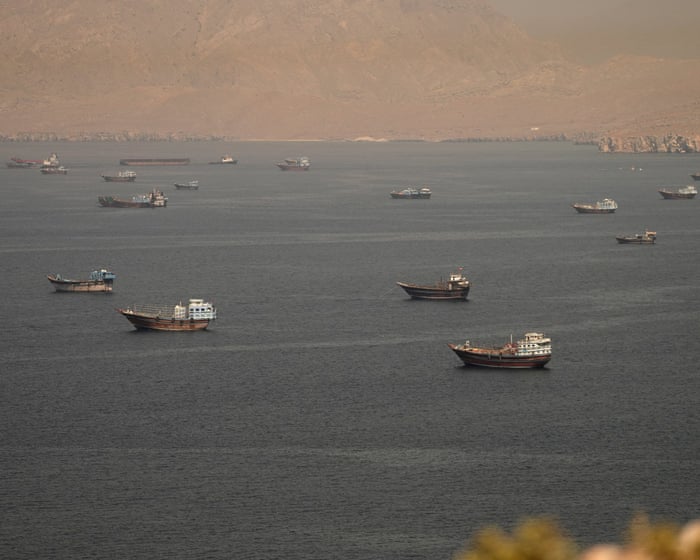
The U.S. had a naval blockade near the Strait of Hormuz, a key waterway for shipping.
The blockade prevented ships from moving in and out of Iranian ports.
The U.S., Iran, and some intermediaries signed a memorandum of understanding (MOU) to end the conflict.
After the MOU was signed, the U.S. Central Command announced the end of the blockade.
The Strait of Hormuz is important for global oil shipping.
The agreement aims to reduce tensions between the U.S. and Iran.
U.S. military actions in the region often impact international shipping and security.
Read the Original
Want the full story? Tap a source to open the original
article.
Iran plans to start charging fees for ships passing through the Strait of Hormuz in two months. This follows a new agreement between the US and Iran, but many regional countries like Saudi Arabia and the UAE oppose the idea. The article also mentions ongoing security concerns involving Israel, Lebanon, and Iran.
Key Facts
Iran announced it will introduce maritime fees for ships passing through the Strait of Hormuz after a 60-day negotiation period.
Iran claims control over the strait and opposes a European naval escort plan for ships.
Israel’s Prime Minister Netanyahu declared Israel would maintain a security zone in southern Lebanon and oppose Iran’s nuclear ambitions.
Israeli and Hezbollah forces have exchanged attacks recently near the Israel-Lebanon border.
A formal ceremony to mark the US-Iran memorandum of understanding was canceled; talks will continue at a resort in Switzerland.
The memorandum includes lifting sanctions on Iranian oil and ensuring commercial traffic through the strait.
US Vice President JD Vance said sanctions are being lifted and some US troops will reduce in number.
Saudi Arabia and the UAE oppose Iran’s plan to manage and charge fees for the strait, favoring the previous free navigation system.
Read the Original
Want the full story? Tap a source to open the original
article.
Families in India held funeral ceremonies for two Indian sailors who died in a US attack on their oil tanker in the Gulf of Oman. The US said the tanker was breaking a blockade on Iranian ports when the strike happened.
Key Facts
Two Indian sailors died in a US strike on the oil tanker named MT Settebello.
Three crew members in total were killed in the strike.
The incident took place in the Gulf of Oman.
The US stated the tanker was violating its blockade on ports in Iran.
Families of the sailors held last rites (funeral ceremonies) in India.
The MT Settebello was the name of the tanker involved in the incident.
Read the Original
Want the full story? Tap a source to open the original
article.
Zimbabwe’s lower house of parliament has approved a bill to extend the president’s term and postpone elections until 2030. This change would allow President Emmerson Mnangagwa to stay in power longer and shift the election process from a popular vote to selection by parliament.
Key Facts
The National Assembly voted 216 to pass the bill, surpassing the two-thirds majority needed.
The bill extends presidential terms from five to seven years.
Elections originally due in 2028 would be delayed to 2030 under the bill.
The election method would change from direct popular vote to selection by lawmakers.
Zimbabwe’s Senate must also approve the bill, and it is expected to pass there.
Mnangagwa’s party, ZANU-PF, controls the Senate through traditional leaders and allies.
Mnangagwa came to power after a 2017 military coup removed long-time leader Robert Mugabe.
Similar moves to extend presidential terms are happening in several African countries with aging leaders.
Read the Original
Want the full story? Tap a source to open the original
article.
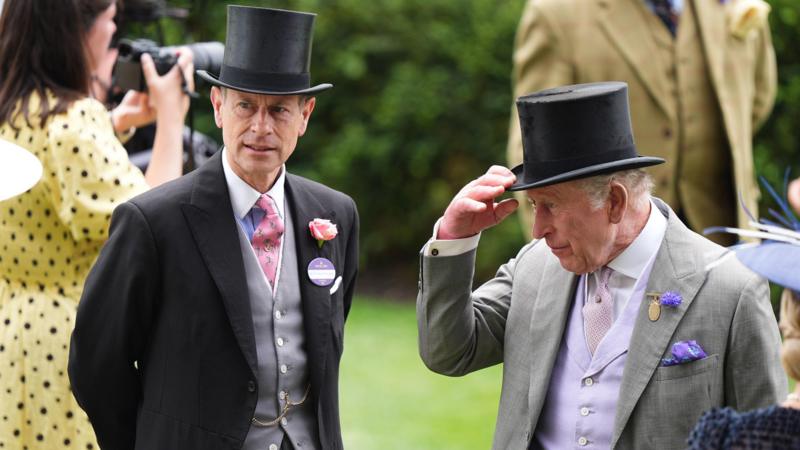
The King and Queen attended Ladies Day at Royal Ascot, a major five-day horse racing event in Berkshire, England. Thousands of people wore fancy hats and enjoyed the races, with many notable guests present.
Key Facts
Ladies Day is held every Thursday during the Royal Ascot event.
The King and Queen attended Ladies Day for the second time this week.
Royal Ascot takes place at Ascot Racecourse in Berkshire.
Around 290,000 people are expected to visit the event this week.
Several members of the Royal family, including the Duchess of Edinburgh and the Princess Royal, attended.
Actor Stanley Tucci also attended and rode in a carriage at the event.
Many visitors wore floral and bird-themed hats as part of the tradition.
BBC Radio Berkshire provides coverage of the event throughout the week.
Read the Original
Want the full story? Tap a source to open the original
article.
Some cancer patients are choosing to use ivermectin, a drug normally for treating parasites, instead of chemotherapy. Doctors are worried because ivermectin is not proven to treat cancer and skipping chemotherapy can be harmful.
Key Facts
Ivermectin is usually used to treat parasite infections, often in animals.
Some cancer patients are using it instead of standard chemotherapy treatments.
Chemotherapy is the common and scientifically supported treatment for many cancers.
Doctors are concerned about the safety and effectiveness of using ivermectin for cancer.
Using unproven treatments can delay proper cancer care and affect patient outcomes.
Ivermectin’s role in medicine does not include cancer treatment based on current evidence.
The trend of patients choosing ivermectin comes after its recent attention during the COVID-19 pandemic.
Medical experts urge patients to follow evidence-based cancer treatments prescribed by oncologists.
Read the Original
Want the full story? Tap a source to open the original
article.
People living in southern Lebanon doubt that fighting will stop even after the US and Iran signed an agreement to end the war. Israeli officials are discussing with the US about keeping Israeli forces in southern Lebanon.
Key Facts
The US and Iran signed a memorandum of understanding (MoU) aiming to end the war.
Residents in southern Lebanon are skeptical the agreement will bring lasting peace.
Israeli officials are in talks with the US about continuing Israel’s military presence in southern Lebanon.
The article focuses on concerns about peace and security in southern Lebanon.
The situation involves three main parties: the US, Iran, and Israel.
The MoU is intended to reduce hostilities, but local doubts remain.
Read the Original
Want the full story? Tap a source to open the original
article.
President JD Vance defended a new agreement to end the US-Israeli war with Iran, responding to criticism from both Democrats and Republicans. He urged Israel to allow negotiations to continue and praised the United States for being a strong partner to Israel.
Key Facts
President JD Vance supports a memorandum of understanding (MoU) aimed at ending the US-Israeli conflict with Iran.
The MoU was signed the day after President Donald Trump and Iranian President Pezeshkian reached the agreement.
Vance criticized Israeli leaders who oppose the deal, telling Israel it cannot solve security problems by killing alone.
President Trump has also criticized Israel’s military tactics, calling for more restraint to reduce civilian harm.
The MoU includes lifting the US naval blockade on Iranian ports and reopening the Strait of Hormuz.
It also promises to end fighting in all areas, including Lebanon.
The deal waives sanctions on Iran’s fossil fuel industry and includes plans for a $300 billion reconstruction fund for the region.
Vance described the US efforts as successful in weakening Iran’s military and nuclear capabilities regardless of eventual negotiation outcomes.
Read the Original
Want the full story? Tap a source to open the original
article.
Taiwan has opened the Danjiang Bridge, the world’s longest single-tower, asymmetric cable-stayed bridge. The bridge is about 920 meters long, longer than the height of the Burj Khalifa, and was designed to protect natural views and minimize environmental impact.
Key Facts
The Danjiang Bridge spans the mouth of the Tamsui River in Taipei, Taiwan.
It measures around 3,018 feet (920 meters) in length.
This bridge is the longest asymmetric single-mast cable-stayed bridge in the world.
The design includes a 200-meter (656 feet) tall, slender mast to support the bridge while preserving views of the sunset.
The bridge was designed by the architectural firm Zaha Hadid Architects (ZHA).
The design reduces the number of piers in the water to protect the riverbed and limit environmental impact.
The asymmetric design fits the uneven terrain and landscape at the site.
The bridge is part of a broader global trend toward building sustainable infrastructure that supports low-impact transportation.
Read the Original
Want the full story? Tap a source to open the original
article.
Since a ceasefire was agreed upon in October 2025, Israeli attacks in Gaza have killed over 1,000 people. Recently, an Israeli strike on a vehicle in Gaza City caused at least three more deaths.
Key Facts
The death toll from Israeli attacks in Gaza has exceeded 1,000 since October 2025.
The ceasefire was arranged with the help of the United States.
A recent Israeli attack targeted a vehicle in Gaza City.
At least three Palestinians died in this latest attack.
The ongoing violence continues despite the ceasefire agreement.
Read the Original
Want the full story? Tap a source to open the original
article.
Israeli drones struck a vehicle in western Gaza City, killing at least three Palestinians and injuring others. This attack is part of ongoing violence despite a ceasefire deal, with Israeli forces expanding control over parts of Gaza and continued unrest in the West Bank.
Key Facts
At least three Palestinians died in an Israeli drone strike near Abu Khadra Mosque in Gaza City.
One victim identified was Abdul Jawad Abu Lebn, who had wedding invitations in the car.
Earlier the same day, Israeli fire injured a fisherman and a man in different areas of Gaza, and a girl was killed in northern Gaza.
Since the October 2023 ceasefire, over 1,000 Palestinians have been killed by Israeli fire, with the overall death toll in Gaza exceeding 73,000.
The National Committee for the Administration of Gaza (NCAG) has prepared plans for health, infrastructure, and economic recovery in Gaza and discussed these with British and US officials.
The Israeli military now controls about 64% of Gaza, up from 53% at the time of the ceasefire agreement.
Israeli troops have pushed deeper into Gaza City, forcing residents to leave their homes near the new military boundaries.
Eight countries issued a statement condemning rising Israeli settler violence in the occupied West Bank after attacks on mosques.
Read the Original
Want the full story? Tap a source to open the original
article.
Representatives from the United States and Iran will meet in Switzerland to begin a 60-day negotiation period following the signing of a 14-point agreement. The talks will take place at a secure mountain resort in Switzerland, with mediators including Pakistan and Qatar involved.
Key Facts
The US and Iran signed a 14-point memorandum of understanding for a 60-day negotiation period.
The meeting and ceremony will be held at Burgenstock Resort, near Lucerne, Switzerland.
The resort is owned by Katara Hospitality, linked to Qatar’s sovereign wealth fund, a peace mediator.
The location provides high security and limits media access, unlike past talks in city hotels.
The event includes representatives from the US, Iran, Pakistan, and Qatar, with other countries possibly involved.
Pakistan’s Prime Minister canceled his visit, saying the agreement is already signed and underway.
Earlier, the resort hosted a large international peace summit on Ukraine with many world leaders attending.
The official kickoff marks the start of detailed talks on implementing the agreement.
Read the Original
Want the full story? Tap a source to open the original
article.
A former U.S. State Department adviser, Vali Nasr, said the recent peace deal between the U.S. and Iran is a major loss for the United States and a big win for Iran. He explained that Iran is stronger and more confident after the conflict, and the deal marks a shift away from the military option favored by Israel and previously by the U.S.
Key Facts
Vali Nasr is a professor of Middle East studies and a former U.S. State Department adviser.
Nasr stated the conflict is ending in Iran's favor, which is unfavorable for Israel.
President Donald Trump signed a 14-point peace agreement with Iran in Versailles.
Nasr said the U.S. and Israel recognize military action against Iran won't work.
Iran gained strategic control over the Strait of Hormuz, a key global oil route.
The U.S. will allow Iran to sell oil and unfreeze Iranian assets as part of the deal.
Nasr believes the deal strengthens Iran's authoritarian regime and regional power.
According to Nasr, claims of a regime change in Iran are false; political freedoms will not improve much.
Read the Original
Want the full story? Tap a source to open the original
article.