Neutral summaries of your favorite news sources — just the facts.
Your favorite news sources, one neutral feed — we distill their reporting into fact-first
summaries and always link to the original story. How it works
World News
Comprehensive coverage of international news and global events
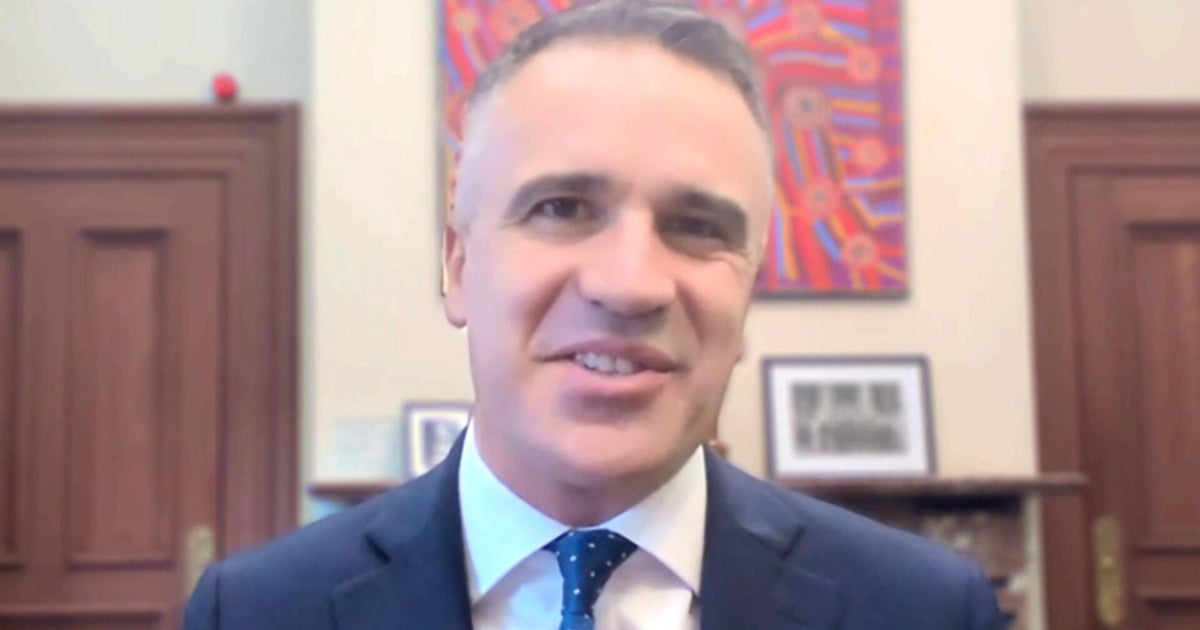
South Australia introduced a law that stops people under 16 from using social media. Six months later, the Premier of South Australia, Peter Malinauskas, says the law seems to be making a positive difference for young people.
Key Facts
South Australia created the world's first social media ban for children under 16.
The ban started six months ago.
Premier Peter Malinauskas spoke about the impact of the ban on teens.
The ban aims to reduce negative effects of social media on young people.
The changes observed are seen as positive by the government.
The information comes from an interview on "The Daily Report" by CBS News.
The ban is unique and has attracted international attention.
Read the Original
Want the full story? Tap a source to open the original
article.
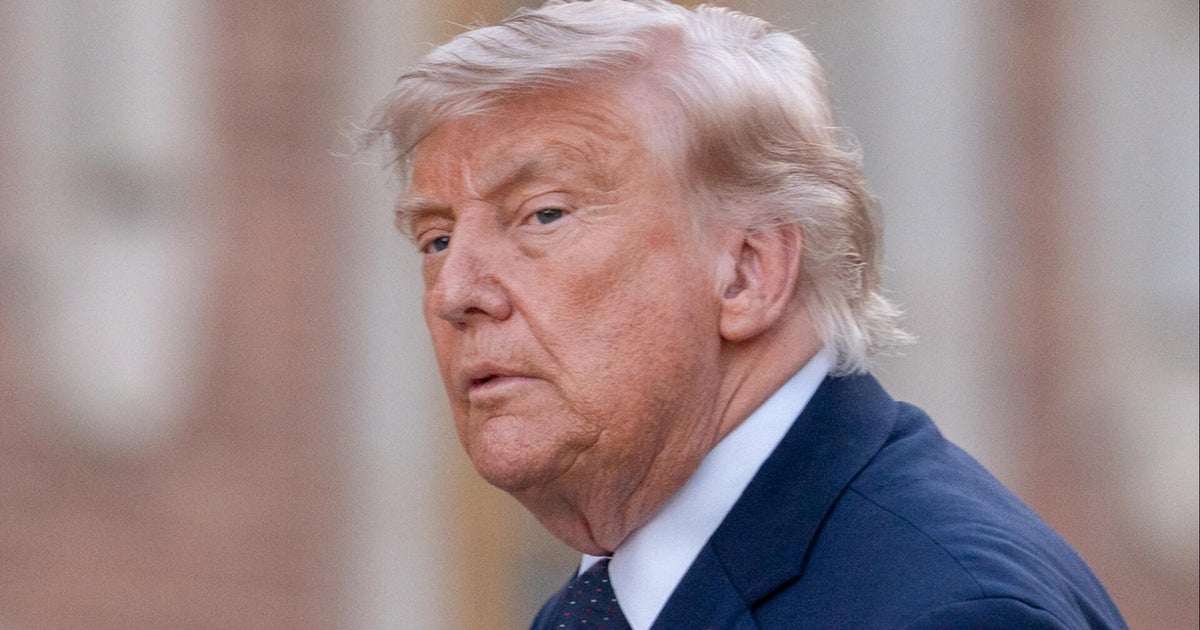
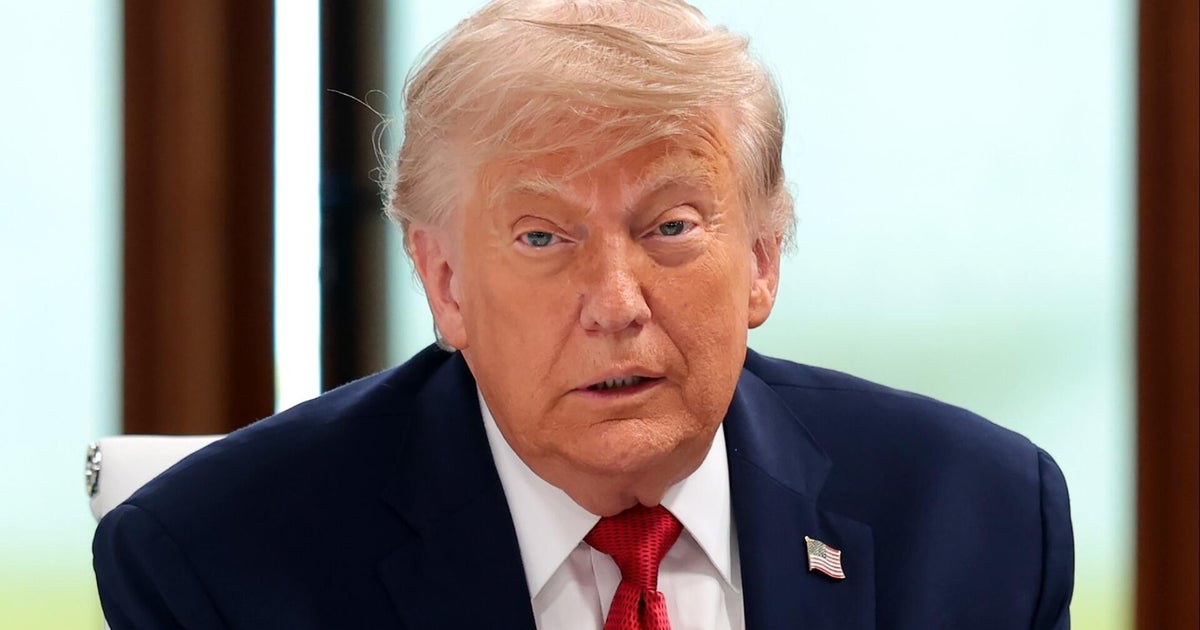
President Trump announced a new agreement with Iran aiming to end conflict, reopen the Strait of Hormuz, and stabilize energy markets. The deal offers Iran sanctions relief in exchange for limiting its nuclear program, with a 60-day deadline to reach a fuller agreement, but Trump warned military action could resume if talks fail.
Key Facts
President Trump held a press conference to explain the Iran deal and set a 60-day deadline for a final nuclear agreement.
The agreement allows Iran to sell oil freely and reopens the Strait of Hormuz, a vital oil shipping route.
Iran would need to limit its nuclear program and reduce its nuclear material stockpile under the deal.
Trump indicated he could return to bombing Iran if the deal negotiations do not succeed in 60 days.
The deal falls short of Trump's earlier demands, such as total dismantling of Iran’s nuclear program and full surrender.
Some U.S. lawmakers criticized the agreement, while others, like Senator Lindsey Graham, supported it after discussions with the White House.
The agreement includes plans for a $300 billion fund to rebuild Iran through investments, but the U.S. will not directly contribute money.
Iran gets sanctions relief while talks continue, though the final deal may not be guaranteed.
Read the Original
Want the full story? Tap a source to open the original
article.
President Donald Trump and Iranian President Masoud Pezeshkian signed a preliminary agreement remotely to help end conflict involving Iran. The deal is seen as a step toward reducing tensions between the two countries.
Key Facts
The agreement was signed remotely by President Trump and Iranian President Masoud Pezeshkian.
The deal is a memorandum of understanding, which is a formal but non-binding agreement.
Its goal is to help end the war or conflict involving Iran.
A White House official confirmed the signing of the deal.
An expert from Florida International University provided analysis on the agreement.
The news coverage was given by CBS News.
Read the Original
Want the full story? Tap a source to open the original
article.
Raul Castro, former Cuban president, supports new economic reforms aimed at improving Cuba’s struggling economy, which has been hurt by a U.S. embargo. These reforms include increasing private investment, attracting money from Cubans living abroad, and reducing the government's role in the economy.
Key Facts
Raul Castro endorsed major economic reforms proposed by the Cuban government.
The reforms aim to open more sectors to private investment and bring in capital from Cubans living overseas.
The state’s control over the economy will be reduced, including possible cuts to ministries and public sector jobs.
Cuban President Miguel Diaz-Canel called the reforms the most significant in years.
The National Assembly is expected to approve key changes soon after their announcement.
The U.S. maintains a trade embargo on Cuba, which has hurt the Cuban economy, causing shortages of essential goods.
Private businesses on the island are now allowed to employ up to 100 people and play a bigger role.
It is uncertain if U.S. President Donald Trump will accept these reforms as enough change.
Read the Original
Want the full story? Tap a source to open the original
article.
Soccer fans visiting the United States for the World Cup are enjoying new experiences like southern barbecue, baseball games, and stops at popular local stores like Buc-ee's. These visitors from different countries are discovering everyday American customs and foods for the first time.
Key Facts
The World Cup is taking place in the United States with fans from around the world traveling there.
Visitors are experiencing American food such as southern barbecue.
Fans are attending baseball games, which is a common American sport.
Buc-ee's, a well-known American convenience store, is a popular stop for travelers.
The article highlights the positive reactions of international visitors to American culture.
This is the first time the World Cup fans in the U.S. are sharing their first American cultural experiences.
The report is shared by ABC News correspondent David Muir.
The event helps showcase American traditions to an international audience.
Read the Original
Want the full story? Tap a source to open the original
article.
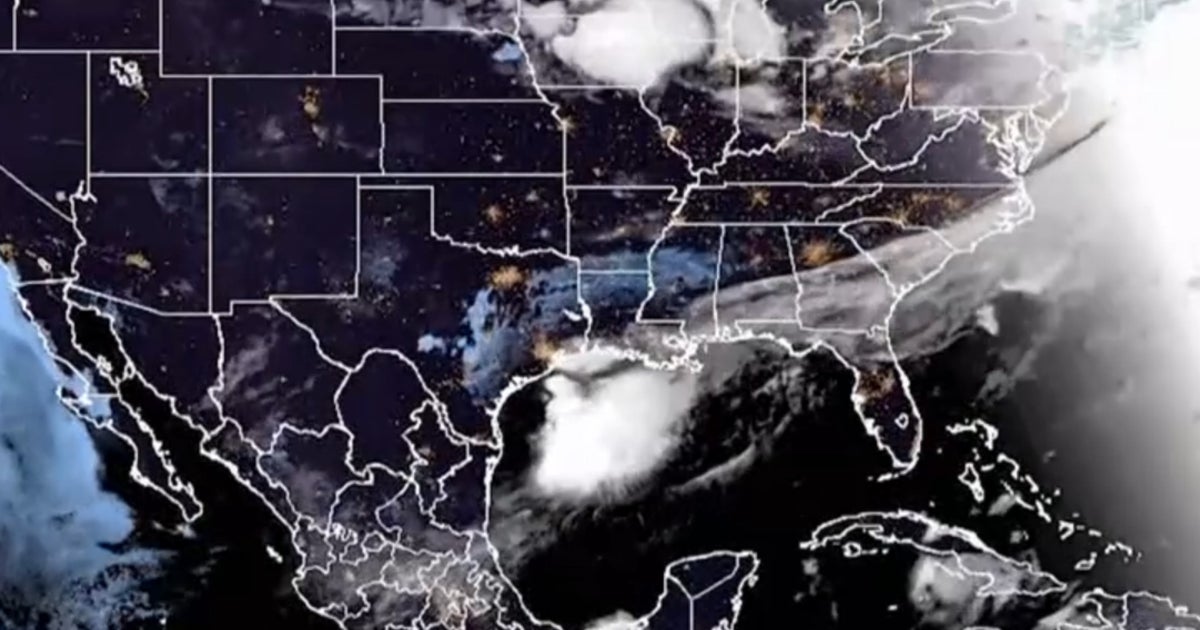
Tropical Storm Arthur hit the Texas coast, bringing heavy rain and floods. At the same time, parts of the U.S. Midwest are under a tornado watch and may face strong winds and flooding.
Key Facts
Tropical Storm Arthur is causing heavy rain along the Gulf Coast.
The storm has led to flooding in Texas.
Millions of people in the Gulf Coast region are preparing for more rain.
The Midwest is under a tornado watch, meaning tornadoes might occur soon.
The Midwest could also see flooding from recent or ongoing rain.
Weather coverage is being provided by CBS News, including updates from Illinois.
Flash flooding is considered life-threatening in some areas due to the storm.
Read the Original
Want the full story? Tap a source to open the original
article.
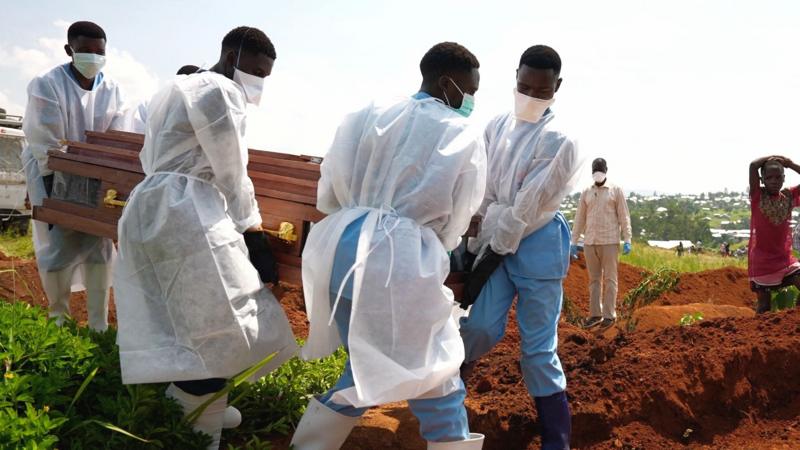
In Bunia, a city in the Democratic Republic of Congo, many people have lost family members to a recent Ebola outbreak caused by a rare strain. To stop the virus from spreading, health workers are teaching safe burial practices that change traditional funeral rituals, such as not washing the body and using special body bags and coffins.
Key Facts
The Ebola outbreak is centered in Bunia, Ituri province, and has caused around 200 deaths in recent months.
The virus spreads through contact with infected body fluids like blood and vomit.
Traditional funeral practices, like washing the dead body, are not allowed to prevent spread.
Bodies must be placed in leak-proof bags and coffins, sometimes with transparent panels so mourners can see the deceased.
Health groups work closely with families to explain these changes and respect their wishes when possible.
Ebola causes about a 25% death rate with this Bundibugyo strain.
Grieving families are adapting to new rules to keep their communities safe during funerals.
The International Federation of the Red Cross and Red Crescent supports safe burial practices in the area.
Read the Original
Want the full story? Tap a source to open the original
article.
President Donald Trump has asked Israeli Prime Minister Benjamin Netanyahu to be less harsh in Lebanon. This request comes while Israeli air strikes continue in southern Lebanon, despite a recent agreement between the US and Iran to stop fighting in all areas.
Key Facts
President Trump spoke to Prime Minister Netanyahu about Lebanon.
Trump advised Netanyahu to use a "softer touch" in Lebanon.
Israeli air strikes are ongoing in southern Lebanon.
There is a new agreement between the US and Iran to end wars on all fronts.
The Israeli strikes have continued even after this agreement.
The situation involves military actions and diplomatic talks between multiple countries.
Read the Original
Want the full story? Tap a source to open the original
article.
President Donald Trump said it is unfair that Iran does not have ballistic missiles while other nearby countries do. He made this comment during the G7 summit in France, where discussions about the U.S.-Iran relationship were important.
Key Facts
President Trump spoke at the G7 summit in France.
He said it is unfair for Iran not to have ballistic missiles.
Ballistic missiles are long-range rockets that can carry weapons.
Trump compared Iran’s missile status to that of other countries in the region.
The U.S.-Iran deal was a main topic at the G7 meeting.
The statement reflects ongoing concerns about military balance in the Middle East.
Read the Original
Want the full story? Tap a source to open the original
article.
The U.S. government, under President Donald Trump, has created a peace deal aimed at ending the war with Iran. The agreement would reopen a key waterway called the Strait of Hormuz and confirms that Iran will not develop nuclear weapons, while Iran would receive billions of dollars in cash.
Key Facts
President Trump’s administration led the creation of a peace deal with Iran.
The deal focuses on ending the ongoing war between the U.S. and Iran.
It includes reopening the Strait of Hormuz, an important passage for global shipping.
The deal states that Iran will not develop or acquire nuclear weapons.
In return, Iran could receive billions of dollars in financial benefits.
The negotiations were kept secret until the deal was announced.
The agreement aims to bring stability to the region and improve relations.
Read the Original
Want the full story? Tap a source to open the original
article.
President Donald Trump and Iran’s president signed an agreement on June 17, 2026, aimed at ending the war in the Middle East. Iran agreed to reduce its enriched uranium levels, and in return, the U.S. promised large-scale economic relief, including lifting some oil sanctions.
Key Facts
The deal was signed during a dinner at the Palace of Versailles after the G7 summit.
Iran agreed to dilute its enriched uranium as part of the agreement.
The U.S. agreed to immediately waive some oil sanctions on Iran.
Once a final agreement on Iran’s nuclear program is reached, a $300 billion reconstruction fund supported by regional nations could be accessed by Iran.
The war started on February 28, 2026, with conflicts involving the U.S., Israel, and Iran in the Middle East.
Iran has previously blocked the Strait of Hormuz, an important waterway for global oil supplies.
Iran’s government described the deal as a U.S. failure but still agreed to the terms.
The agreement took effect immediately after it was signed by both sides.
Read the Original
Want the full story? Tap a source to open the original
article.
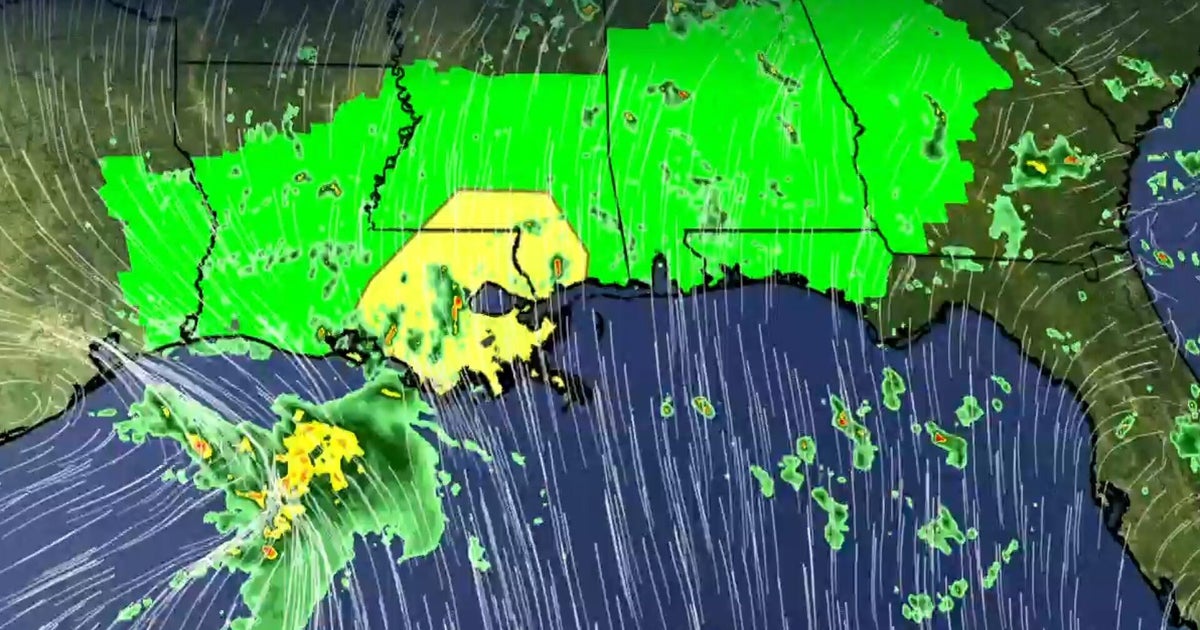
Tropical Storm Arthur moved through the Gulf of Mexico, causing severe weather and flood warnings along the Gulf Coast. More than 125 million people in several states were under threat from heavy rain and flooding on Wednesday.
Key Facts
Tropical Storm Arthur traveled through the Gulf of Mexico.
Severe weather affected multiple Gulf Coast states.
More than 125 million Americans faced threats from Arthur’s weather.
Flood alerts were issued in states along the Gulf Coast.
The storm brought heavy rain and potential flooding risks.
Read the Original
Want the full story? Tap a source to open the original
article.
The reopening of the Strait of Hormuz for normal shipping is expected to be delayed because of mines placed there during the Iran war. President Donald Trump said the U.S. military is already searching for some of these mines.
Key Facts
The Strait of Hormuz has mines from the Iran war that are still in the water.
These mines are causing delays in reopening the shipping route.
A new agreement was signed this week to resume normal shipping traffic.
President Donald Trump confirmed on Monday that the U.S. military is hunting for these mines.
There could be about 5,000 mines in the area.
Clearing the mines is necessary to ensure safe passage for ships.
The Strait of Hormuz is an important shipping lane for global trade.
Read the Original
Want the full story? Tap a source to open the original
article.
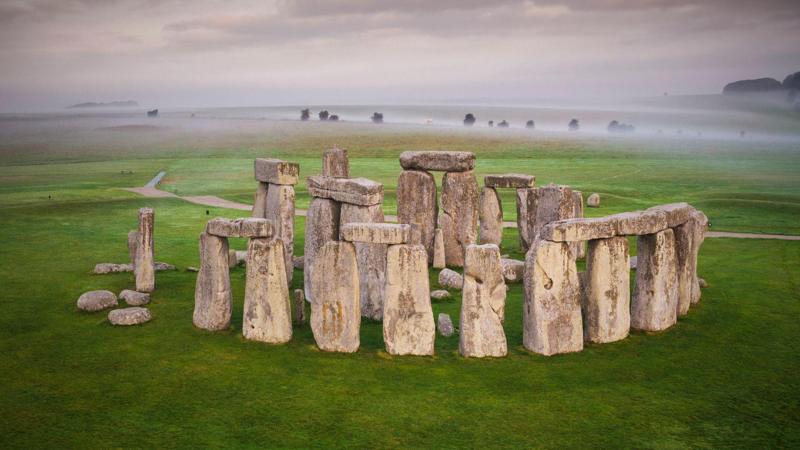
Archaeologists found an older, simpler structure near Stonehenge that is about 5,000 years old, 500 years older than Stonehenge itself. This site had two wooden posts aligned with the sunrise and sunset on the longest and shortest days of the year, showing early people’s interest in tracking the Sun.
Key Facts
The older structure was found about 3 miles from Stonehenge in Bulford village.
Only two holes remain from the original wooden posts, which lined up with summer solstice sunrise and winter solstice sunset.
The posts were estimated to be between 2 and 4 meters high and 120 meters apart.
The site dates back 5,000 years, older than Stonehenge by about 500 years.
Archaeologists found pottery, flint tools, animal bones, and other artefacts at the site.
Radiocarbon dating was used to determine the age of the site and the artefacts.
Archaeoastronomers studied the solar alignments by recreating the sky from 5,000 years ago.
The findings suggest prehistoric communities had knowledge of the Sun’s movements for marking significant times of the year.
Read the Original
Want the full story? Tap a source to open the original
article.
The United States and Iran have electronically signed a memorandum of understanding (MoU) that is now in effect. This agreement aims to pause military actions and open the way for future negotiations between the two countries.
Key Facts
Iran’s foreign ministry confirmed the MoU was finalized and signed electronically.
The agreement seeks to suspend military operations between the US and Iran.
No in-person signing ceremony will take place in Geneva as originally planned.
The US White House has confirmed the signing but has not yet released a formal statement.
The MoU sets a 60-day period to work toward a final deal.
The US will encourage regional partners to help fund up to $300 billion for Iran’s reconstruction.
US sanctions against Iran may be partially lifted, including waivers for Iranian fuel exports.
Iran’s negotiator said the deal shows US failure and expects to charge fees for use of the Strait of Hormuz.
Read the Original
Want the full story? Tap a source to open the original
article.
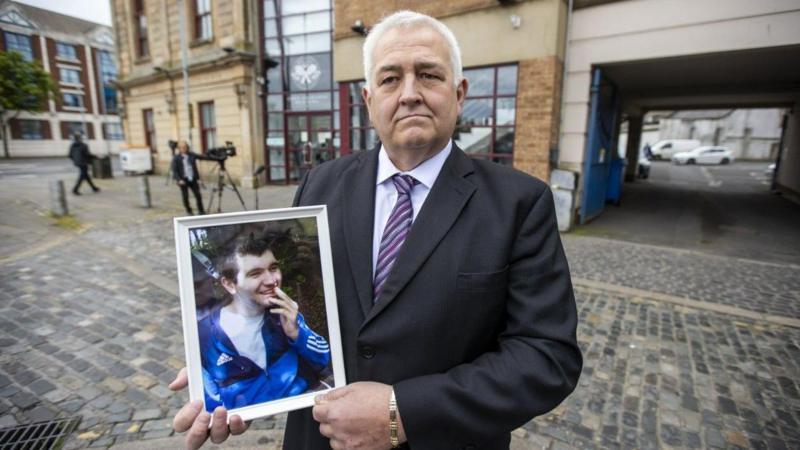
A report on abuse of vulnerable adults at Muckamore Abbey Hospital in Northern Ireland is set to be published soon. The investigation uncovered physical abuse and mistreatment of patients, some of which was caught on CCTV, leading to criminal cases and staff disciplinary actions.
Key Facts
The report follows years of investigation into abuse at Muckamore Abbey Hospital.
Abuse included bruising, broken bones, verbal harassment, and neglect of hygiene.
Police reviewed over 300,000 hours of CCTV footage capturing evidence of abuse.
The inquiry lasted almost three years, held 120 days of hearings, and heard from 181 witnesses.
124 people were reported to prosecutors; charges have been filed against 58 individuals.
Out of 192 hospital staff investigated, 19 were fired and others faced warnings or possible discipline.
Some families were unhappy the inquiry did not examine all patient files or hold all hearings in public.
Glynn Brown campaigned for the investigation after his son Aaron was abused at the hospital.
Read the Original
Want the full story? Tap a source to open the original
article.
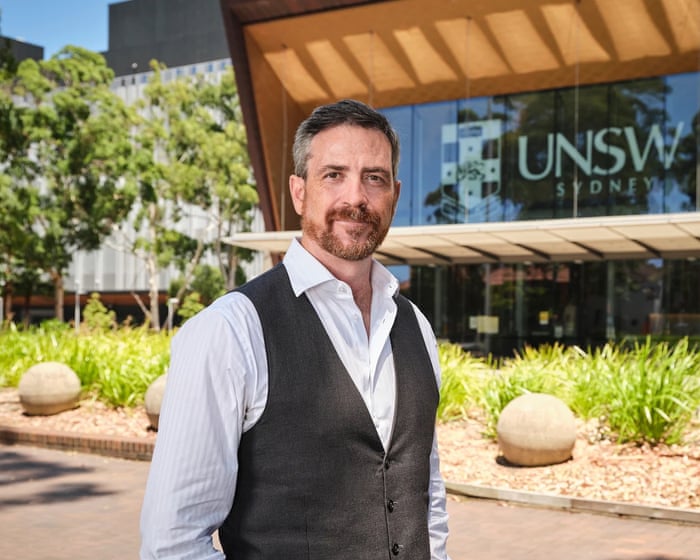
The University of New South Wales (UNSW) has moved up to 19th place in the 2027 QS World University Rankings, overtaking the University of Melbourne, which dropped to 22nd. UNSW improved its ranking due to strengths in employment outcomes, sustainability, reputation, and international research partnerships.
Key Facts
UNSW ranked 19th globally in the QS World University Rankings 2027, up one place from last year.
The University of Melbourne fell from 19th to 22nd place.
UNSW improved 30 places since 2017.
58% of Australian universities ranked this year improved their positions.
The QS rankings examine over 1,500 universities in 106 countries.
MIT held the top spot globally for the 15th year running.
Australian universities showed strong academic reputation and citation rates.
Challenges noted include higher visa costs, international student application refusals, and lower student satisfaction.
Read the Original
Want the full story? Tap a source to open the original
article.
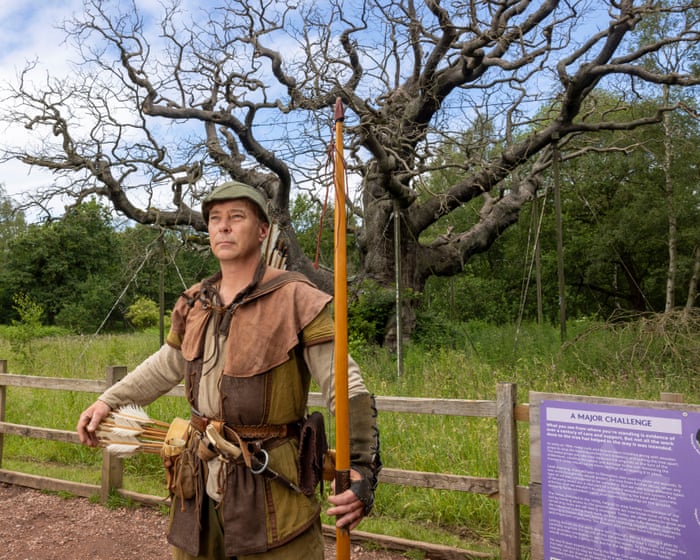
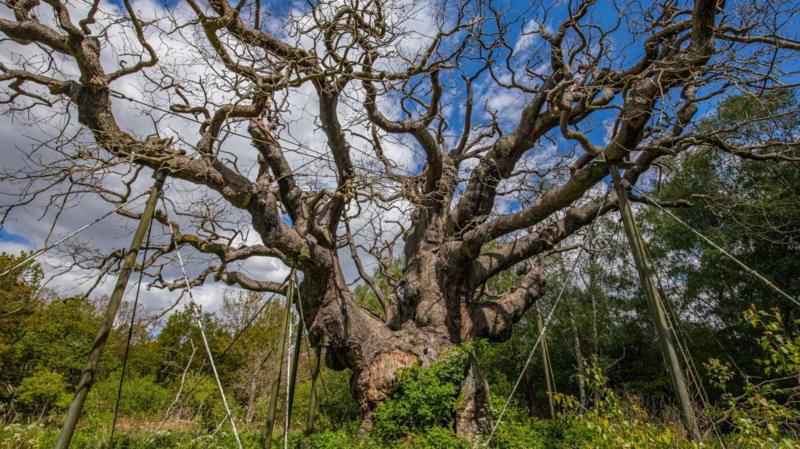
The Major Oak, a famous 1,000-year-old tree in Sherwood Forest, England, has died after struggling with hot, dry summers. Known for its huge size and connection to the Robin Hood legend, it attracted about 350,000 visitors each year.
Key Facts
The Major Oak is one of Europe’s oldest and largest ancient trees.
It grew in Sherwood Forest, Nottinghamshire, for at least 1,000 years.
The tree failed to produce leaves this year due to stress from heat and drought.
The tree’s size includes an 11-meter-wide trunk and a 28-meter canopy.
The oak is linked to Robin Hood folklore as a shelter for the outlaw and his band.
Visitors come from many countries including Spain, the US, South Korea, and Australia.
Human efforts to protect the tree, such as installing supports and filling hollow parts, may have weakened it.
England has 114 ancient oaks with a trunk width over nine meters, more than the rest of Europe combined.
Read the Original
Want the full story? Tap a source to open the original
article.
A vaccine given to girls in England since 2008 has greatly reduced deaths from cervical cancer among young women. From 2020 to 2024, no women aged 20 to 24 died from cervical cancer after receiving the HPV vaccine, which protects against the virus that causes most cases.
Key Facts
Girls in England have been offered the HPV vaccine since 2008.
Between 2020 and 2024, no cervical cancer deaths were recorded in women aged 20 to 24.
Without the vaccine, about 23 deaths would have been expected in that age group during that time.
HPV (human papillomavirus) causes 99% of cervical cancer cases and spreads through skin contact.
Vaccinated girls have close to zero risk of dying from cervical cancer before age 30.
About 3,300 people are diagnosed with cervical cancer each year in the UK.
Vaccination rates in England are about 76%, below the 90% target set by the World Health Organization.
Experts warn it is important to keep vaccination rates high to continue saving lives and eliminate cervical cancer by 2040.
Read the Original
Want the full story? Tap a source to open the original
article.
The Major Oak, a famous ancient tree in Sherwood Forest linked to the legend of Robin Hood, is believed to have died after more than 1,200 years. Experts say a mix of human activity, past preservation efforts, and climate change contributed to the tree’s decline.
Key Facts
The Major Oak stood in Sherwood Forest, Nottinghamshire, and was up to 1,200 years old.
It is one of Britain’s largest oak trees and linked to Robin Hood’s story.
The tree showed no new leaves for the first time this spring, leading experts to conclude it has died.
Conservation efforts included structural support, but they may have unintentionally harmed the tree.
Human activity and climate change effects like heatwaves and drought added stress on the oak.
The Major Oak will stay in place as a natural monument and habitat for wildlife.
Saplings from the tree have been planted worldwide to continue its legacy.
Public figures, including Dame Judi Dench, have spoken about the tree’s cultural and natural importance.
Read the Original
Want the full story? Tap a source to open the original
article.