Neutral summaries of your favorite news sources — just the facts.
Your favorite news sources, one neutral feed — we distill their reporting into fact-first
summaries and always link to the original story. How it works
World News
Comprehensive coverage of international news and global events
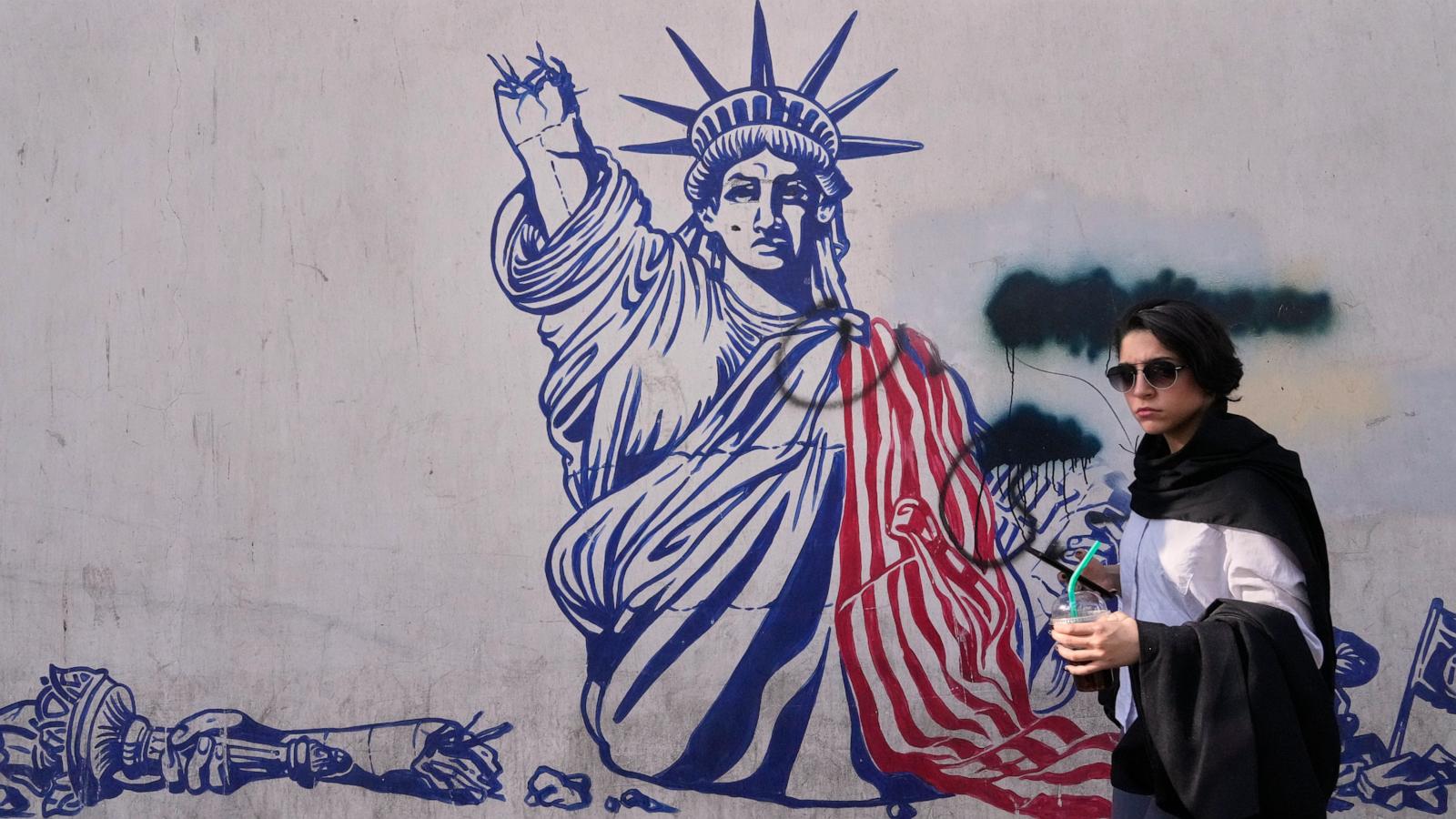
The United States and Iran have agreed on a temporary deal aimed at ending their conflict and reopening the Strait of Hormuz. The deal is expected to be signed soon, but previous announcements were not finalized, and details remain unclear.
Key Facts
Iran received its first U.S.-supplied nuclear reactor in 1967 as part of a peace program.
The 1979 Islamic Revolution led to the U.S. Embassy hostage crisis in Tehran and halted Iran’s nuclear program for a time.
In 2002, Iran’s secret nuclear enrichment site at Natanz was revealed, leading to international concern.
In 2015, Iran agreed to limit uranium enrichment in exchange for lifting economic sanctions, but the U.S. left the deal in 2018 under President Trump.
After the U.S. withdrew, Iran gradually stopped following the agreement and increased uranium enrichment.
In 2020, U.S. forces killed Iran’s General Qassem Soleimani, escalating regional tensions.
Attacks damaged Iran’s nuclear facilities in 2020 and 2021, suspected to be Israeli actions.
Indirect talks between Iran and the U.S. to restore the nuclear deal began in 2021 but did not succeed until recent developments.
Read the Original
Want the full story? Tap a source to open the original
article.
The conflict between the US and Iran continues with ongoing military strikes, political tension, and economic disruption. Despite repeated announcements by President Trump of peace agreements, violence and instability persist in the Middle East, affecting countries like Iran, Jordan, Kuwait, Bahrain, and Gulf Arab states.
Key Facts
President Trump announced military strikes on Iran and expressed interest in controlling Kharg Island, a key oil export hub.
President Trump declared the war with Iran ended multiple times, but peace has not been achieved.
Iran has launched retaliatory attacks on several Gulf Arab countries perceived as US allies, including Jordan, Kuwait, and Bahrain.
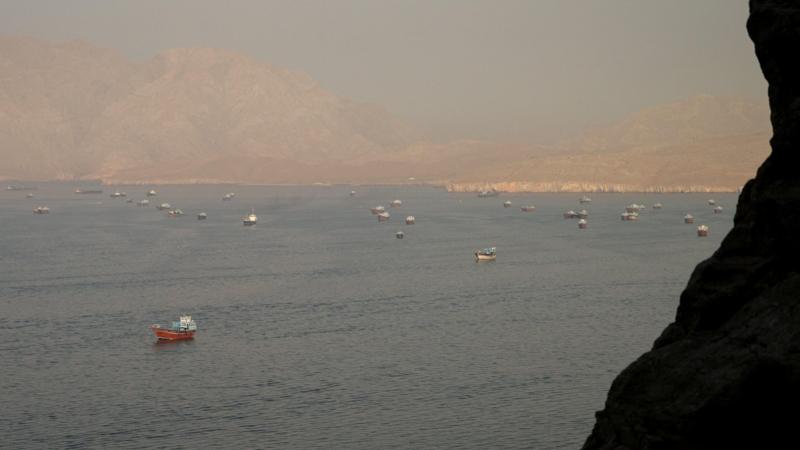
The Strait of Hormuz, a vital global shipping route for oil and gas, has been temporarily closed, disrupting energy supplies.
Qatar lost 17% of its liquefied natural gas supply due to the conflict.
Gulf economies such as Saudi Arabia and Dubai are shifting priorities and facing economic challenges from the instability.
The ongoing violence has led to thousands of deaths, many of them civilians and children, and displaced large populations in Lebanon and Gaza.
Ceasefires have been fragile and often violated, contributing to a cycle of attacks and counterattacks across the region.
Read the Original
Want the full story? Tap a source to open the original
article.
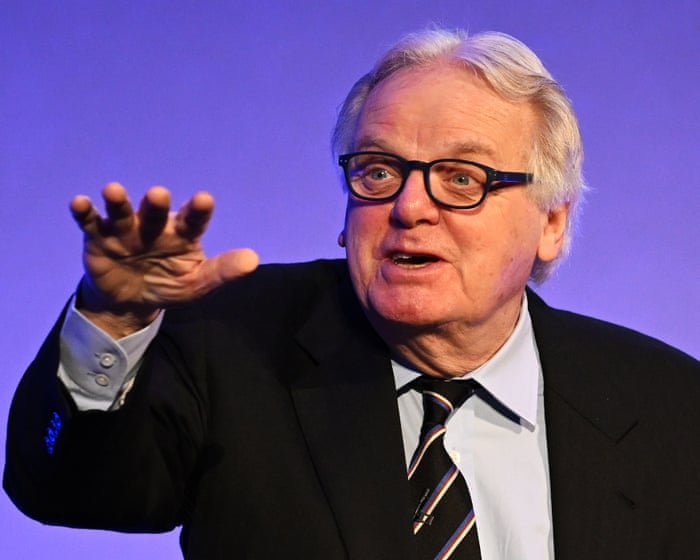
Michael Grade, the former chair of Britain’s media regulator Ofcom, said critics of GB News want to limit free speech to a liberal viewpoint centered in London. He defended GB News as giving a voice to opinions ignored for years and argued that the white majority in Britain has not been properly heard in national debates.
Key Facts
Michael Grade was the chair of Ofcom, the UK media watchdog, and left the role recently.
He described critics of GB News as part of a "liberal, Islington consensus" trying to restrict freedom of expression.
Grade supports GB News for bringing plurality, meaning different views, to British TV.
He believes that not giving the white majority a voice harms social integration in Britain.
Ofcom faced complaints over how it handled GB News under Grade's leadership but did not heavily intervene.
Grade said impartiality rules allow broadcasters to show different opinions except politicians delivering news bulletins.
GB News said it aims to serve the general public, not media elites, and follows broadcasting rules.
The article mentions a controversial interview on GB News with President Donald Trump, which Ofcom is investigating after complaints.
Read the Original
Want the full story? Tap a source to open the original
article.
The article discusses the complex relationship between President Donald Trump and the nuclear situations in North Korea and Iran. It suggests that understanding this dynamic might help find a way to resolve tensions with both countries.
Key Facts
President Donald Trump is involved in dealings related to North Korea's and Iran's nuclear programs.
North Korea and Iran both have developed or seek nuclear weapons, causing international concern.
The article considers the possibility of future changes in relations between President Trump and Iran’s current leader.
Resolving nuclear issues with these countries remains a significant challenge for global security.
Understanding the differences and similarities in these cases may help create solutions.
The article speculates on the potential for improved diplomatic relationships.
It highlights the importance of diplomacy in managing nuclear threats.
The focus is on international nuclear negotiations and conflict resolution efforts.
Read the Original
Want the full story? Tap a source to open the original
article.
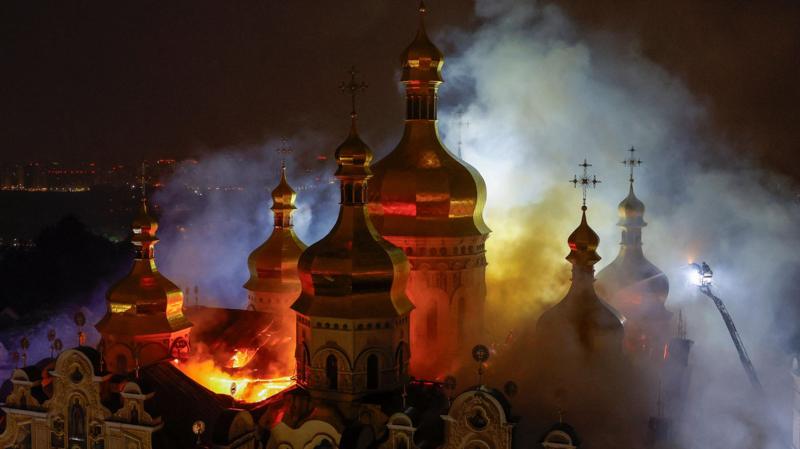
Russian attacks killed nine people and injured many in Ukraine, damaging a historic cathedral in Kyiv. Ukraine also carried out a drone strike in the Russian city of Tula, killing three people. The attacks caused power outages and air raid warnings across Ukraine.
Key Facts
Nine people died in Russian strikes on Ukraine: four in Kyiv and five rescue workers in Kharkiv.
The 11th-century Dormition Cathedral in Kyiv was severely damaged in the attacks.
A Ukrainian drone strike in Tula, Russia, killed three people, including a one-year-old child.
Over 140,000 people in Kyiv lost electricity due to the strikes.
At least 23 people were wounded in Kyiv and five in Kharkiv from the attacks.
Ukraine's foreign minister said they will seek action through UNESCO and other international groups.
Poland put fighter jets and air defense systems on alert in response to the strikes near its border.
The strikes occurred before a G7 meeting discussing the Ukraine war, and President Zelensky spoke with President Donald Trump about peace efforts.
Read the Original
Want the full story? Tap a source to open the original
article.
French President Emmanuel Macron is hosting the G7 summit in Évian-les-Bains and hopes that President Donald Trump will stay for the entire event. The summit will focus on global issues like the Iran conflict, economic challenges, and ongoing wars in Ukraine and Gaza, with different leaders having varying views on how to address these problems.
Key Facts
Macron is hosting his 10th G7 summit and has arranged the agenda to suit President Trump’s interests.
President Trump left the last G7 summit early to focus on the Iran conflict and insulted Macron afterward.
Macron delayed the summit start so Trump could celebrate his 80th birthday comfortably.
Trump may push for quick action on reopening the Strait of Hormuz, important for global shipping.
Most G7 leaders oppose war with Iran, with Germany’s chancellor calling it a US humiliation.
The World Bank lowered its global growth forecast due to economic impacts from conflicts and inflation.
Rising energy and food prices are expected to hit the poorest countries hardest.
Europe’s central banks are raising interest rates to control inflation, which is affecting global trade costs.
Read the Original
Want the full story? Tap a source to open the original
article.
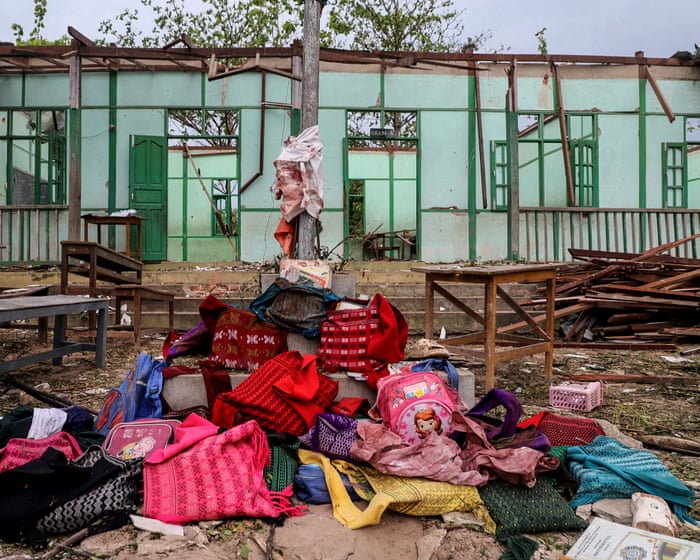
A new report shows that attacks on education worldwide have risen by 40%, with over 8,500 incidents recorded in 2024 and 2025. These attacks have harmed more than 10,600 students and staff and happened in 83 countries, including Ukraine, Palestine, and Colombia.
Key Facts
There were more than 8,556 recorded attacks on education in 83 countries during 2024 and 2025.
Over 10,600 students and staff were killed, injured, kidnapped, arrested, or harmed.
The highest number of attacks were in Colombia, the Democratic Republic of the Congo, Ethiopia, Haiti, Palestine, and Ukraine.
Military forces or armed groups occupied schools nearly twice as often as before, with 1,912 cases reported.
In Nigeria, more than 700 students and staff were kidnapped, and in Myanmar, at least 80 students and staff were killed.
Girls and women were targeted because of their gender in at least 11 countries, including a deadly attack on a girls’ school in Nigeria.
Attacks often used explosives and drones, causing heavy damage and forcing schools to close.
Experts say these attacks threaten children’s safety, education, and future, and violate international law.
Read the Original
Want the full story? Tap a source to open the original
article.
A large Russian attack on Ukraine caused fires in Kyiv and killed five rescuers in Kharkiv. The attack damaged apartment buildings and a historic religious site called the Kyiv-Pechersk Lavra.
Key Facts
Five rescuers were killed in Kharkiv while fighting a fire caused by a Russian strike.
At least 20 people, including a child, were wounded in Kyiv during the attacks.
Multiple strikes hit Kyiv’s Shevchenkivskyi and Obolonskyi districts, damaging residential buildings, a market, and a grocery store.
The roof of the Dormition Cathedral at the Kyiv-Pechersk Lavra, a historic monastery complex, caught fire.
The Kyiv-Pechersk Lavra is a UNESCO World Heritage site with churches and underground caves built between the 11th and 19th centuries.
Officials accused Russia of deliberately targeting civilian areas and important cultural landmarks.
Kyiv residents were urged to take shelter underground during waves of ballistic missile and drone strikes.
The head of the Orthodox Church of Ukraine condemned the attack as a crime against humanity and history.
Read the Original
Want the full story? Tap a source to open the original
article.
President Donald Trump is attending the G7 summit in France shortly after his 80th birthday. The meeting will focus on key issues like Iran, Ukraine, and trade, amid tense relations between the U.S. and its allies. A newly announced agreement to end the war involving Iran could influence the discussions at this summit.
Key Facts
The G7 summit is held in Evian-les-Bains, France, from June 15-17, 2026.
The G7 includes the U.S., France, Canada, Germany, Italy, Japan, and the United Kingdom.
President Trump has recently criticized France, Germany, Italy, and the UK for not supporting his war effort against Iran.
Hours before traveling, Trump announced a ceasefire agreement involving Iran.
The summit will address issues such as the war in Ukraine, global trade, and relations with Iran.
The G7 was originally formed in 1975 to discuss economic problems among powerful democracies.
Past G7 meetings have been informal, allowing leaders to discuss shared values and build personal relationships.
Security measures are tight in the Alpine region where the summit is taking place.
Read the Original
Want the full story? Tap a source to open the original
article.
A tentative deal to end the Iran war and reopen the Strait of Hormuz has caused stock prices in Asia to rise sharply and oil prices to fall. U.S. President Donald Trump confirmed the agreement and authorized ending the U.S. naval blockade of Iranian ports, with final signing expected in Switzerland.
Key Facts
Stocks in Tokyo and Seoul rose more than 5% following the deal announcement.
Oil prices dropped over $4 per barrel after news of the potential peace deal.
President Trump confirmed the agreement and ended the U.S. naval blockade on Iran.
Iran confirmed the deal but said implementation will start after a signing planned in Switzerland.
Further talks on Iran’s nuclear program will continue for the next 60 days.
Brent crude fell to $83.64 a barrel, and U.S. crude dropped to $80.61 a barrel.
The market remains cautious as it waits to see if the agreement will be fully honored.
Asian markets, especially technology stocks, showed strong buying interest after the deal.
Read the Original
Want the full story? Tap a source to open the original
article.
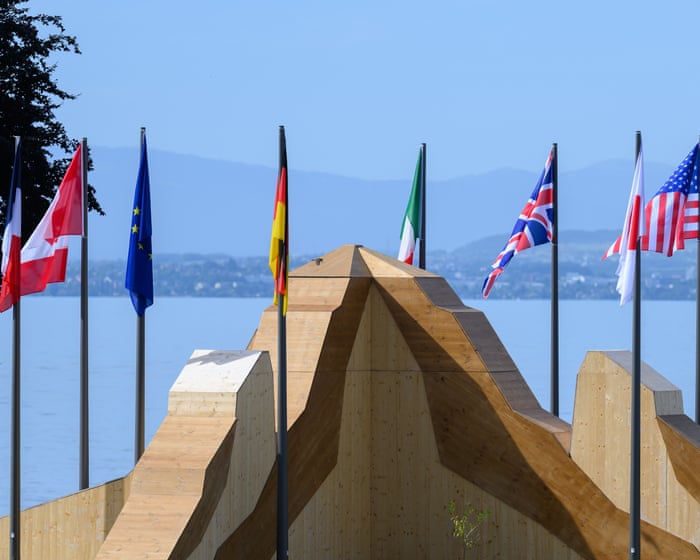
France is hosting the G7 summit in Evian, focusing on US President Donald Trump's recent deal to end the war with Iran. Leaders from the G7 and invited countries will discuss topics like global economics, digital regulation, and the situation in Ukraine and Iran.
Key Facts
The G7 includes Canada, France, Germany, Italy, Japan, the UK, and the United States.
The summit runs for three days at Evian on Lake Geneva, France.
President Trump’s deal aims to end the war with Iran and reopen the Strait of Hormuz, a key global shipping route.
Other leaders attending include Ukraine’s President Volodymyr Zelensky and Egypt’s President Abdel Fattah al-Sisi.
Security is very tight, with thousands of police and troops involved; protests in nearby Geneva led to clashes with police.
Discussions will cover economic imbalances, digital safety especially for minors, and reducing dependence on regional energy routes.
President Trump arrived fresh from his 80th birthday celebration in the US.
President Macron wants to strengthen European strategic independence before he leaves office next year.
Read the Original
Want the full story? Tap a source to open the original
article.
The G7 summit began in France, focusing on the new US-Iran agreement to end conflict and the ongoing war in Ukraine. Leaders also plan to discuss global economic issues, digital security, and energy independence during the meeting.
Key Facts
The G7 summit is held in Evian-les-Bains, France, from June 15 to 17, 2026.
President Donald Trump announced a deal aimed at ending the war with Iran just before the summit.
French President Emmanuel Macron is hosting and wants to address economic imbalances and digital controls, including on artificial intelligence.
Ukraine’s President Volodymyr Zelensky will attend the summit to discuss the war situation.
Leaders from countries outside the G7, such as Brazil, Egypt, India, Kenya, and South Korea, are also participating.
Security is tight, with thousands of police and troops protecting the area and nearby Switzerland.
Protests occurred in Geneva near the UN headquarters, leading to clashes with police.
A discussion on protecting minors online will include figures from major AI companies like OpenAI.
Read the Original
Want the full story? Tap a source to open the original
article.
President Donald Trump and G7 leaders will meet to discuss a new US-Iran memorandum aimed at ending military operations and addressing Iran’s nuclear and missile programs. European countries have said they are ready to lift sanctions on Iran if it takes clear steps to comply with the agreement.
Key Facts
The US and Iran are set to sign a memorandum of understanding in Geneva on June 19, 2026.
The agreement includes the immediate and permanent end of military operations on all fronts, including Lebanon.
The United States agreed to release $12 billion in frozen Iranian assets before negotiations begin.
G7 leaders will meet in Evian to discuss the impact of the US-Iran agreement and support for Lebanon.
European countries like the UK, France, Germany, and Italy are ready to lift sanctions on Iran contingent on verifiable progress on its nuclear program.
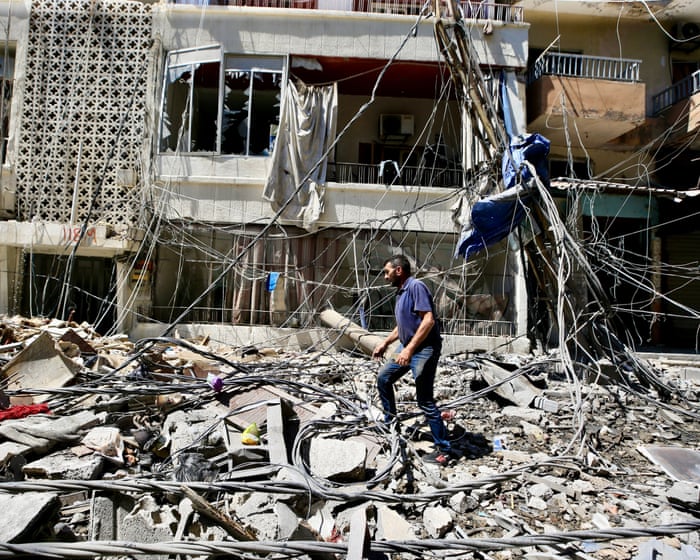
Israeli strikes targeted southern Beirut, killing a senior Hezbollah member amid ongoing tensions despite the peace efforts.
The International Atomic Energy Agency (IAEA) will work with the US and Iran to monitor Iran’s nuclear activities.
Read the Original
Want the full story? Tap a source to open the original
article.
A plane crashed in a field in Missouri on Sunday during a skydiving trip, killing all twelve people on board. The crash happened about 11:30 a.m. after the plane took off from Butler Memorial Airport.
Key Facts
The crash occurred in Bates County, Missouri.
Twelve people were on the plane, and none survived.
The plane took off from Butler Memorial Airport.
The crash happened around 11:30 a.m. Central Standard Time.
The airport is about 60 miles from Kansas City.
Authorities confirmed the cause of the crash is under investigation.
The flight was part of a skydiving activity.
Chad Anderson is the sheriff of Bates County who spoke about the crash.
Read the Original
Want the full story? Tap a source to open the original
article.
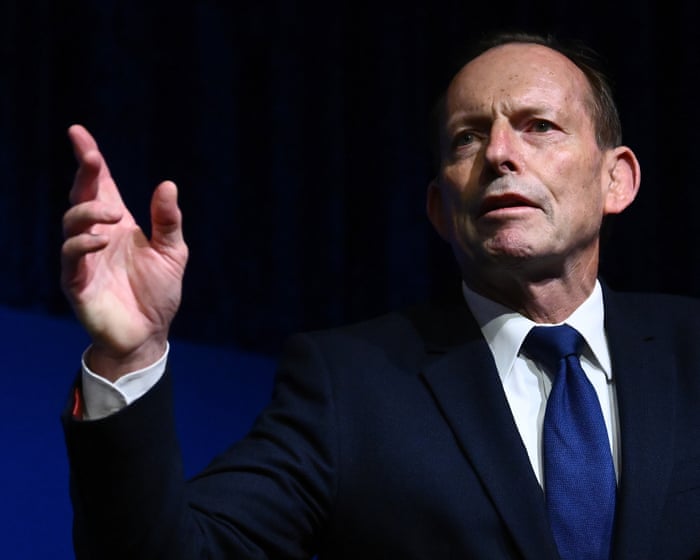
A woman was seriously injured in a shark attack at Sydney’s Coogee beach. Former Prime Minister Tony Abbott called for a shark cull, but scientists and government officials said a cull would not reduce shark attacks and could harm the environment. They suggest using technology like drones to spot sharks and keep people safe instead.
Key Facts
A woman in her 30s was bitten by a great white shark at Coogee beach and is in critical but stable condition.
Tony Abbott suggested catching and killing sharks after attacks to reduce risk.
Marine scientists say culls won’t reduce attacks unless all sharks are removed, which is impossible and harmful to the ecosystem.
New South Wales Premier Chris Minns said great white sharks are protected and a cull is unlikely to work.
Scientists recommend using drones to monitor sharks near beaches and warn swimmers.
Shark attacks on patrolled beaches are very rare and drone use has been temporarily allowed near Coogee.
Shark bite rates in New South Wales have increased due to more people in the water and rising whale populations attracting sharks.
Sharks migrate long distances, so culling in one area may have little effect and could increase shark activity if bait is used.
Read the Original
Want the full story? Tap a source to open the original
article.
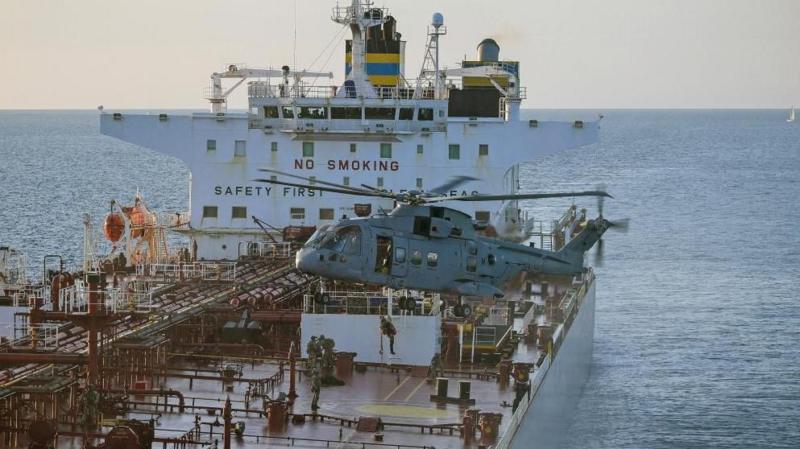
UK authorities arrested an Indian crew member after Royal Marine Commandos seized a Russian oil tanker in the English Channel. The tanker is part of a Russian fleet that violates sanctions imposed by the UK and other Western countries due to Russia’s invasion of Ukraine.
Key Facts
An Indian national was arrested on suspicion of breaking sanctions following the seizure of the Russian oil tanker Smyrtos.
Royal Marines boarded the tanker using helicopters in a rare and complex operation.
The tanker was anchored off the Dorset coast with 24 crew members from Georgia and India aboard.
The UK bans these so-called “shadow fleet” vessels from entering its ports and restricts financial and insurance services related to them.
More than 500 vessels connected to Russia’s oil supply have been sanctioned by the UK.
The seizure took place in international waters but within the UK’s legal framework.
The UK worked closely with France, which recently seized another sanctioned Russian tanker.
Ukrainian President Zelensky thanked the UK for the action against Russia’s oil fleet, while Russia has called similar actions illegal.
Read the Original
Want the full story? Tap a source to open the original
article.
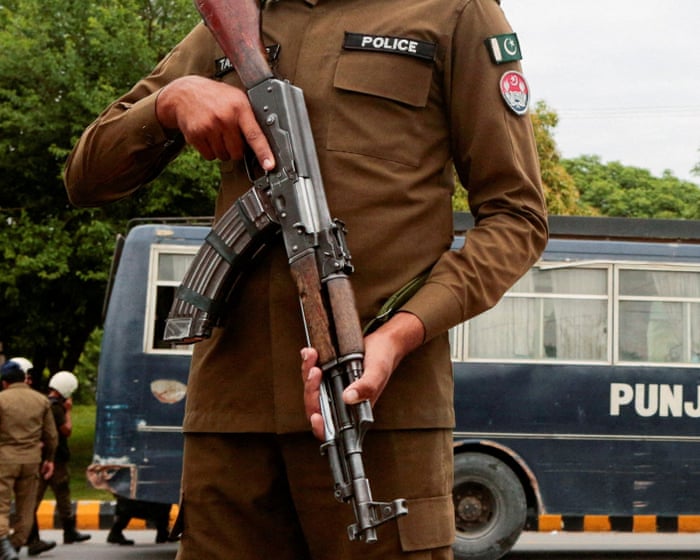
A Pakistani police officer was arrested after mistakenly shooting and killing a young Australian girl, Hania Ahmed, during a robbery incident in Punjab, Pakistan. The police said the officer wrongly thought the suspects were trying to escape in the family’s car, leading to the fatal shooting.
Key Facts
Hania Ahmed, an Australian girl visiting Pakistan with her family, was shot dead by a Pakistani police officer.
The family was robbed and taken hostage at gunpoint while in their rental car in Chakwal, Punjab province.
Police fired back after suspects shot at them, and in the confusion, the officer shot Hania by mistake.
Hania’s father and brother were injured; her mother was unharmed.
The suspects fled but were later killed in another police encounter.
The officer involved has been suspended, arrested, and sent to jail pending investigation.
Police promised a full and fair investigation and stressed the importance of using minimum force.
Hania’s school in Perth described her as a happy and friendly child and offered support to the family.
Australia’s Department of Foreign Affairs is assisting the family, and the Pakistani community in Western Australia expressed sympathy.
Read the Original
Want the full story? Tap a source to open the original
article.
Police found a man and his six-year-old daughter dead in the Parramatta River in Sydney. They believe the man may have deliberately thrown the child into the water before both died, possibly in a murder-suicide.
Key Facts
The bodies of a 47-year-old man and his six-year-old daughter were recovered from the Parramatta River near Sydney.
Police found a suicide note and other evidence suggesting the man threw the girl into the water.
Lifejackets were on the boat but were not used, raising police suspicion.
The man was not known to police and had no history of domestic violence.
CCTV footage helped police locate the girl’s body in the river.
The girl’s mother was notified and was present during the search.
A friend of the man alerted police about concerns for him and the girl shortly after the bodies were found.
Police are continuing to investigate the events that led to this tragedy.
Read the Original
Want the full story? Tap a source to open the original
article.
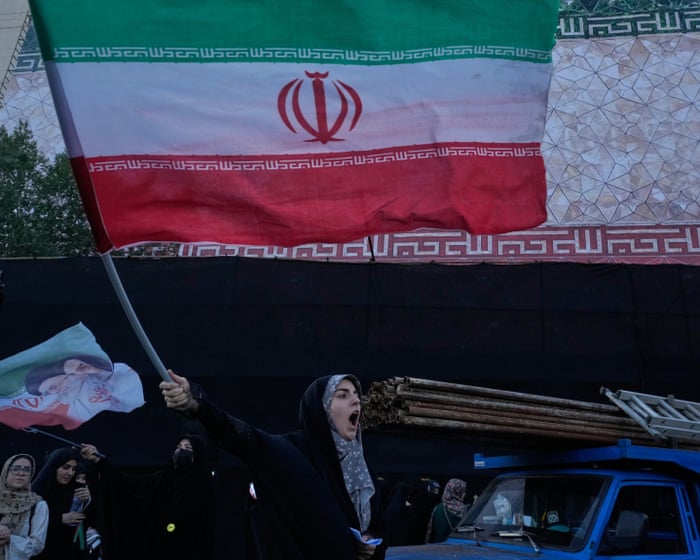
Iran and the United States have agreed to end their military conflict, with a peace deal expected to be signed on Friday. The Strait of Hormuz is set to reopen soon, but Iran will control the terms, while President Trump has announced the removal of the US naval blockade.
Key Facts
The Iranian deputy foreign minister confirmed an agreement to end the US-Iran war immediately.
Lebanon is included in the peace deal, which is scheduled for signing on Friday in Switzerland.
Pakistan’s Prime Minister announced the permanent stop of military operations on all fronts between Iran and the US.
Qatari mediators helped negotiate the terms in Tehran.
President Trump declared the Strait of Hormuz open without tolls and ordered the removal of the US naval blockade there.
Iranian media stated the strait will reopen under Iran’s terms within 30 days.
Iranian hardliners opposed the deal, seeing it as a concession to the US.
President Trump spoke with Vladimir Putin about helping end the war in Ukraine and mentioned the approaching peace deal with Iran.
Read the Original
Want the full story? Tap a source to open the original
article.
The United States and Iran announced a deal to end hostilities and reopen the Strait of Hormuz for commercial shipping. President Donald Trump praised the agreement as a step toward peace, but important details remain unclear and risks still exist, especially related to nuclear issues and regional tensions.
Key Facts
The deal aims to end military operations between the US and Iran.
The Strait of Hormuz will be open to commercial shipping, with the US lifting its naval blockade.
Vice President JD Vance said Iran will not possess nuclear weapons under the agreement.
Some restrictions on uranium enrichment and Iran’s current stockpile still need clarification.
Final negotiations will continue during a 60-day ceasefire extension.
Iran’s security council said talks will wait until all parties meet their commitments.
Oil flow through the strait may take weeks to return to normal because of delays and damage.
Israel’s recent military actions in Lebanon could threaten the deal’s success.
Read the Original
Want the full story? Tap a source to open the original
article.