Russia attacked a key bridge in Kyiv just as German Chancellor Friedrich Merz arrived in the city to meet President Volodymyr Zelenskyy. The visit showed Germany’s support for Ukraine amid ongoing Russian attacks, and both leaders discussed closer military cooperation and new aid packages.
Key Facts
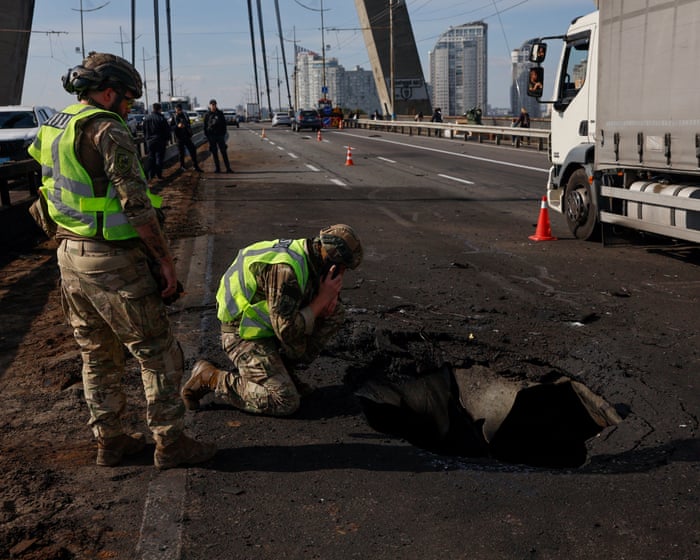
Russia struck the Northern Bridge in Kyiv during Merz’s unannounced visit.
Merz met President Zelenskyy to express Germany’s support for Ukraine.
The meeting took place at the National Academy of Sciences, previously hit by a Russian drone.
German officials and company leaders accompanied Merz to discuss military and economic aid.
Germany and Ukraine plan to build drones and weapons able to travel over 600 miles.
A $1.1 billion military aid package and $394 million for energy repairs were announced.
Russia warned foreign diplomats to leave Kyiv due to increasing attacks.
The conflict between Russia and Ukraine is in its fifth year with rising drone and missile strikes.
Read the Original
Want the full story? Tap a source to open the original
article.
Brazil's presidential race focuses on two main candidates: current President Luiz Inacio Lula da Silva and Flavio Bolsonaro. Lula wants a fourth term and warns about foreign pressure on Brazil, while Bolsonaro emphasizes his connection to the US and hopes to strengthen trade, especially around Brazil's rare minerals.
Key Facts
Twelve candidates are running in Brazil's presidential election.
The main competition is between President Lula and Flavio Bolsonaro.
Lula is seeking a fourth and final term as president.
Lula raised concerns about Brazil’s independence being threatened by external forces, including the US under President Trump.
Bolsonaro stresses his close ties to the White House.
Bolsonaro wants Brazil to make better trade deals with the US.
Rare minerals in Brazil are a key focus in the election discussions.
The election campaign has drawn international attention.
Read the Original
Want the full story? Tap a source to open the original
article.
Cornell University’s president, Michael Kotlikoff, addressed an alleged gang rape that reportedly happened at a fraternity on campus. In a video statement, he said the claims are very troubling and the university needs to improve its response.
Key Facts
The alleged gang rape took place at a Cornell University fraternity.
The allegations were made by a woman identified only as Jane Doe.
Michael Kotlikoff is the current president of Cornell University.
He released an eight-minute video statement about the case.
Kotlikoff described the allegations as deeply disturbing.
The president stated that the university must do better in handling such issues.
The incident has sparked controversy and attention around campus safety.
The report was shared by the news source France 24 on October 4, 2026.
Read the Original
Want the full story? Tap a source to open the original
article.
Russia attacked a major bridge in Kyiv while German Chancellor Friedrich Merz visited the city to show support for Ukraine. The strike is part of ongoing Russian attacks targeting Ukraine’s infrastructure amid increasing military aid from Germany.
Key Facts
A Russian drone hit Kyiv’s Northern Bridge over the Dnipro River, injuring two people.
This was the fourth day in a row that Russia targeted bridges connecting Kyiv’s two banks.
German Chancellor Friedrich Merz made an unannounced visit to Kyiv to support Ukraine.
Since May 2025, Germany has become Ukraine’s biggest provider of military aid, surpassing the US.
Kyiv faces ongoing drone attacks disrupting daily life and threatening power supplies.
Ukrainian President Volodymyr Zelenskyy described the attacks as causing terrible suffering.
Russia’s attacks also target logistics centers, railways, data centers, medical facilities, and energy systems.
Russia’s foreign ministry warned foreigners and diplomats against staying in or traveling to Ukraine, but many diplomats plan to remain.
Read the Original
Want the full story? Tap a source to open the original
article.
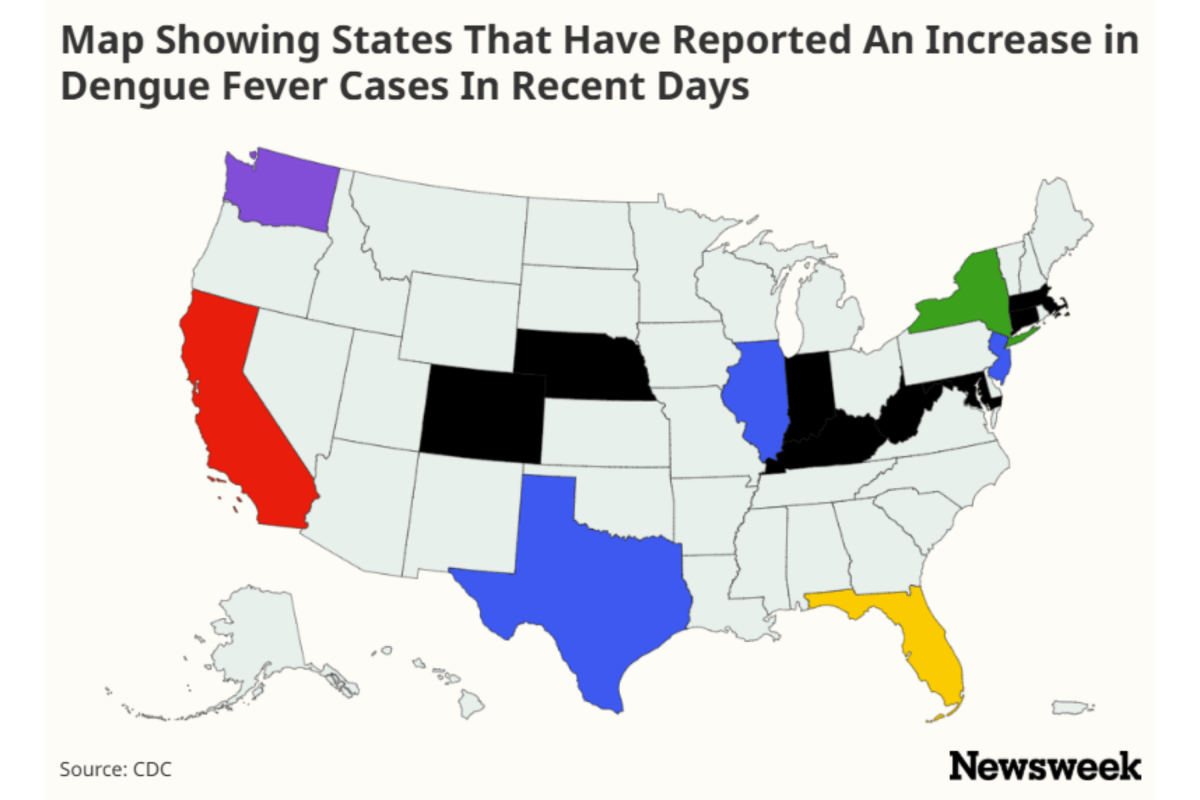
Dengue fever cases are rising in at least 15 U.S. states following a large outbreak in Florida. Health officials report Florida has the most cases, with many infections happening locally, not just from travelers.
Key Facts
Florida is experiencing the largest dengue fever outbreak in the continental U.S. in decades.
The outbreak is mostly focused in the Tampa Bay area, leading to emergency declarations in several counties.
Dengue fever is caused by a virus spread by infected mosquitoes, mainly Aedes species.
Symptoms include fever, headache, rash, nausea, and muscle pain, but severe cases can cause serious health problems.
Other states with rising cases include California, New York, Texas, New Jersey, Illinois, and Washington.
Florida’s reported cases increased from 392 to 485 recently, and California's from 31 to 45.
Health officials advise people to avoid mosquito bites by using insect repellent, wearing long sleeves, and removing standing water.
Most U.S. dengue cases link to travelers, but Florida's situation shows how local mosquito transmission can cause outbreaks.
Read the Original
Want the full story? Tap a source to open the original
article.
Brazilians started voting in a close presidential election between current President Luiz Inacio Lula da Silva and right-wing Senator Flavio Bolsonaro, son of former President Jair Bolsonaro. If no candidate wins more than half the votes, the top two will compete again in a runoff on October 25.
Key Facts
Nearly 160 million Brazilians are eligible to vote in this election.
Lula is the current president, 80 years old, running for his seventh presidential election.
Flavio Bolsonaro, 45, is a right-wing senator and son of the far-right former president Jair Bolsonaro.
Lula has closer ties with China and criticizes US policies, while Flavio Bolsonaro supports stronger relations with the US under President Trump.
Brazil’s election also includes votes for state governors, federal congress members, and senators.
Flavio Bolsonaro campaigns to free his father from a 27-year prison sentence for attempting a coup.
If no candidate gets over 50% of the votes, a runoff election will be held on October 25.
There are ten other presidential candidates expected to get smaller vote shares.
Read the Original
Want the full story? Tap a source to open the original
article.
Brazil is holding a presidential election with incumbent Luiz Inacio Lula da Silva facing Senator Flavio Bolsonaro, the son of former President Jair Bolsonaro. Voters are also choosing lawmakers, governors, and senators, and if no candidate wins over 50% of votes, a second-round runoff will happen on October 25.
Key Facts
About 160 million people are registered to vote in Brazil’s election.
Lula, from the Workers’ Party, seeks a fourth nonconsecutive term and supports social programs to reduce inequality.
Flavio Bolsonaro, from the Liberal Party, promises tough action on crime and closer ties with the US under President Donald Trump.
Jair Bolsonaro is serving a 27-year prison sentence for his role in a coup plot after narrowly losing to Lula in 2022.
The election focuses on crime, high living costs, corruption, and fears of US interference.
A recent survey found violence is the top concern for voters, followed by corruption, economy, and healthcare.
If no candidate passes 50% of valid votes, the top two will compete in a runoff election on October 25.
Political experts note the election represents a deep divide in Brazil’s view of its democracy and recent history.
Read the Original
Want the full story? Tap a source to open the original
article.
Iran says it will keep the Strait of Hormuz closed until the United States accepts its seven conditions for reopening the waterway. Iran’s leaders say they are ready to defend themselves and will continue both to negotiate and to fight if needed.
Key Facts
Iran’s top negotiator said the Strait of Hormuz will stay closed until the US meets seven conditions based on the Islamabad memorandum.
The US made some proposals through a mediator after Iran’s diplomatic plan was presented.
President Donald Trump rejected Iran’s proposal to reopen the strait last week.
The Strait of Hormuz is a key route where about one-fifth of the world’s oil and natural gas moves during normal times.
Iran said it is serious about diplomacy but ready to defend itself if the US takes military action.
The strait has been mostly closed or disrupted for more than seven months due to US and Israeli strikes on Iran starting in February.
Iran’s Foreign Minister urged the US to choose diplomacy and accept Iran’s plan.
Iran’s Ministry of Foreign Affairs said reopening the strait is Iran’s main goal, separate from nuclear talks.
Read the Original
Want the full story? Tap a source to open the original
article.
Israeli investigators believe the FlyDubai co-pilot’s attack on a plane approaching Israel was likely done alone. The co-pilot stabbed the captain, tried to crash the plane, but passengers and crew stopped him, leading to an emergency landing in Saudi Arabia. The co-pilot is being questioned in the UAE, and the investigation is ongoing.
Key Facts
The incident occurred on a FlyDubai flight from Dubai to Tel Aviv.
The co-pilot stabbed the captain and attempted to crash the plane.
The captain unlocked the cockpit door after being attacked.
Passengers, FlyDubai staff, and two off-duty pilots helped control the plane and landed it safely in Saudi Arabia.
The co-pilot is being interrogated in the United Arab Emirates.
Israeli Prime Minister Netanyahu said the attack looked like a suicide attempt, not a hijacking.
Netanyahu mentioned the co-pilot possibly had Islamist radical ideas based on questioning.
The co-pilot, named Hamam al Hamami, previously worked for Oman Air and was moved to a desk job after visiting radical websites.
Al Hamami is an Omani citizen with Syrian and Omani parents but was not born in Oman.
President Trump said there might be a link to Iran but the investigation is ongoing.
Read the Original
Want the full story? Tap a source to open the original
article.
With the 2026 midterm elections approaching in about a month, NewsNation spoke with actual voters to learn which issues are most important to them. These voters shared their views on the topics that will likely influence their choices on Election Day.
Key Facts
The 2026 midterm elections are about a month away.
NewsNation interviewed real voters to understand their priorities.
Voters discussed the issues that matter most to them.
These issues could shape the outcomes of the midterms.
The focus was on everyday voters, not politicians or experts.
Election Day decisions reflect the concerns of these voters.
The article provides insight into voter concerns ahead of the midterms.
Read the Original
Want the full story? Tap a source to open the original
article.
The International Energy Agency (IEA) released a report showing that electricity is becoming cheaper, cleaner, and more secure than other energy sources. This alignment points to a global shift toward using more electricity for things like cars and heating, but some challenges remain in fully adopting electrification worldwide.
Key Facts
The IEA report says electricity is now the most affordable, reliable, and clean energy option, a situation called the "energy trilemma."
Electric vehicles can travel about 2,310 miles with $100 worth of electricity, compared to 862 miles for gasoline cars.
Heat pumps can provide 42 days of home heating for $100, while gas boilers provide about 30 days.
The share of energy used from electricity worldwide rose from 16.7% in 2000 to 23.4% in 2025.
China has led the increase in electrification, while North America saw smaller growth, mainly due to renewable energy and electric vehicle use.
Some experts say obstacles such as politics, trade barriers, and industry resistance could slow down the electrification process.
Heavy transport technologies like trucks, ships, and planes are less likely to shift quickly to electric power.
Some decision-makers prioritize profits from fossil fuels, which can delay the move to cleaner energy sources.
Read the Original
Want the full story? Tap a source to open the original
article.
Ethiopian government forces and their allies have taken control of Mekelle, the main city in the northern Tigray region, after the Tigray People’s Liberation Front (TPLF) withdrew. This comes amid renewed fighting following the collapse of a 2022 peace deal, raising concerns about wider conflict in the region.
Key Facts
The TPLF announced it had temporarily left Mekelle to operate elsewhere following advances by government forces.
Ethiopian federal troops and pro-government militias recaptured Mekelle’s main airport and entered the city center.
Fighting started again on September 23 after seven armed groups formed an alliance against Prime Minister Abiy Ahmed’s government.
The 2022 peace deal that ended a previous war between the Tigray region and federal government has now collapsed.
Ethiopia accuses Eritrea, Sudan, and Egypt of supporting the opposition groups; the latter two countries deny this.
Eritrea cut diplomatic ties with Ethiopia after these accusations.
The US urged Ethiopia and Eritrea to respect borders, show restraint, and return to peaceful talks.
The TPLF was once a ruling political coalition but became an armed group after relations with the federal government worsened, leading to war starting in 2020.
Read the Original
Want the full story? Tap a source to open the original
article.
A UK court ruled that the government's decision to stop mothers and children in Gaza from joining their families in the UK was unlawful. The families are living in very poor and unsafe conditions, and the court said the children’s best interests must come first. The UK government plans to appeal this decision.
Key Facts
The UK Home Office blocked some mothers and children in Gaza from reuniting with family in the UK.
Gaza’s visa application center has been closed since October 2023, making it hard to complete biometric checks like fingerprinting.
A judge in the upper tribunal ruled the Home Office acted unlawfully in blocking two families with young children.
The affected families live in tents with poor conditions, risks of illness, and danger from the conflict in Gaza.
About 250-300 people in Gaza are waiting to reunite with family who have refugee status in the UK.
The UK government says biometrics must be done before travel, and the Foreign Office has offered to evacuate some families to Jordan to complete this.
The Home Office announced new refugee resettlement routes but suspended the larger family reunion scheme, with no restart until at least 2027.
The court emphasized the children’s best interests and health, calling the current separation harmful.
Read the Original
Want the full story? Tap a source to open the original
article.
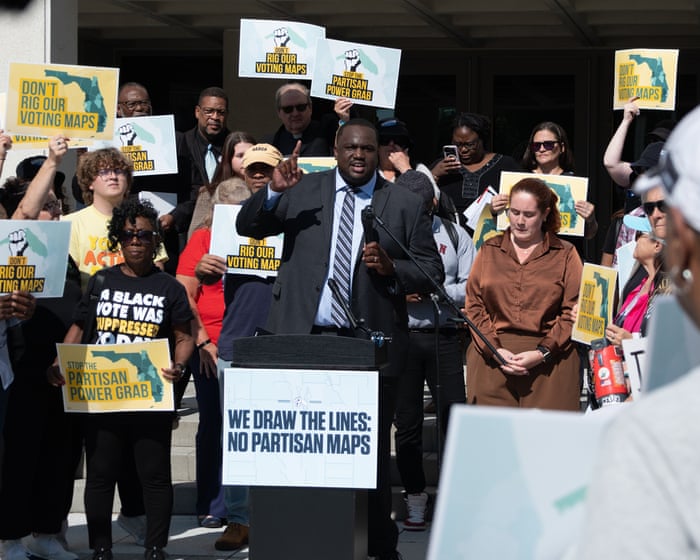
In Florida, redistricting has changed congressional districts, leading to a contested race in the 20th district. Veteran Congresswoman Debbie Wasserman Schultz, who is white and does not live in the district, is running against several Black candidates seeking to keep the seat traditionally held by Black representatives.
Key Facts
Florida’s congressional districts were redrawn after a court decision that allowed the state legislature to engage in partisan gerrymandering.
Governor Ron DeSantis urged the redrawing of district lines, affecting several Democratic seats including Debbie Wasserman Schultz’s.
Debbie Wasserman Schultz decided to run in Florida’s 20th congressional district, which has a 42% Black population.
The 20th district seat has been held by Black representatives since 1992.
Four Black candidates, including former Broward County mayor Dale Holness and former congresswoman Sheila Cherfilus-McCormick, sought to unite behind one candidate to keep the seat Black.
Wasserman Schultz has been in Congress for 21 years and has significant campaign funding compared to her opponents.
Meetings were held among Black candidates to try to consolidate support, but no agreement was reached.
The situation raises questions about representation, community experience, and the impact of redistricting on minority political power.
Read the Original
Want the full story? Tap a source to open the original
article.
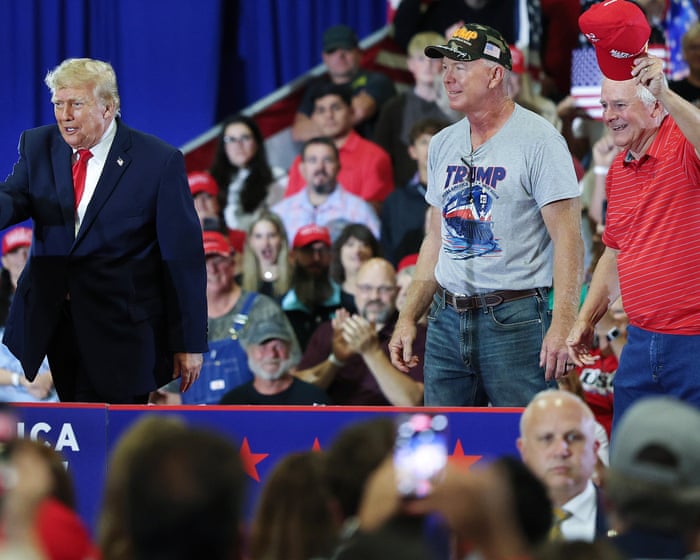
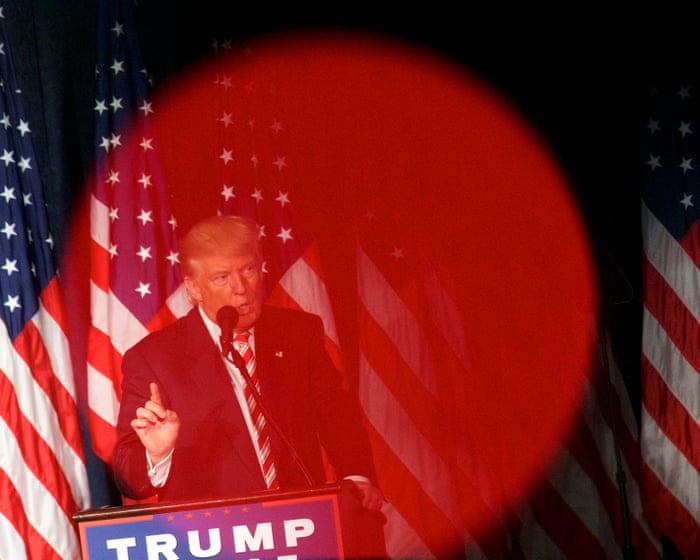
President Donald Trump is starting a 32-day campaign tour to support Republican candidates before the midterm elections. While his rallies are known for energizing his supporters, some Republicans worry that his presence might hurt their chances because his approval ratings are very low.
Key Facts
President Trump began a long campaign tour to help Republicans keep control of Congress in the upcoming midterms.
His attendance at rallies has been a core part of his political strategy since 2015.
Trump’s approval ratings are currently at their lowest point.
Many voters are upset about issues like the cost of living, the ongoing situation in Iran, and strict immigration enforcement.
Some Republican politicians are trying to distance themselves from Trump, fearing he could lose them votes.
Despite skepticism, Trump's supporters still find his rallies exciting and motivating.
Trump himself asked supporters to imagine him running again and encouraged them to get more people to vote.
Political experts say Trump's rallies might actually harm Republican candidates by making the election focus too much on him.
Read the Original
Want the full story? Tap a source to open the original
article.
The article discusses the U.S. government’s recent focus on testosterone therapy, especially within the military. Defense Secretary Pete Hegseth supports testing soldiers for testosterone levels and providing therapy to those with low levels, while Health Secretary Robert F. Kennedy Jr. removed restrictions to allow more men to get prescribed testosterone legally.
Key Facts
Defense Secretary Pete Hegseth wants soldiers tested for testosterone and offered testosterone replacement therapy (TRT) if levels are low.
Hegseth believes testosterone helps restore natural strength and supports long-term health for soldiers.
Health Secretary Robert F. Kennedy Jr. lifted limits on testosterone prescriptions in June 2024.
TRT’s benefits for men are debated and not scientifically settled.
The article’s author expresses skepticism about needing testosterone therapy for daily life or sexual function.
The Trump administration supports hormone therapy for cisgender men but has been opposed to such treatments for transgender troops.
Some believe testosterone therapy can increase athletic ability and sexual drive but it may worsen hair loss.
The author humorously contrasts the push for testosterone therapy with his own lifestyle and frustrations.
Read the Original
Want the full story? Tap a source to open the original
article.
President Donald Trump has increased government ownership in key U.S. industries during his term, focusing on national security and control over important companies. This shift towards more state involvement in the economy contrasts with past market-focused presidents in both parties.
Key Facts
Data from the V-Dem project shows U.S. state ownership of the economy dropped from 2nd to 16th place globally in 2025 during Trump’s term.
By late 2023, the Trump administration invested over $10 billion in critical companies like Intel and mineral producers.
The government secured special control rights ("golden share") in some firms, including US Steel, through negotiations.
Although increased, U.S. government ownership remains less than in 163 other countries.
State ownership is common globally; for example, Norway has majority control of its oil company, and China’s private companies make up 60% of its economy.
Trump’s approach differs from prior presidents by focusing more on protectionism and state control rather than global market openness.
He has threatened to stop trade with countries where the U.S. has trade deficits.
Trump’s political ads against communism are funded with taxpayer money, despite his own government expansion policies.
Read the Original
Want the full story? Tap a source to open the original
article.
President Donald Trump aims to increase U.S. influence in Latin America by supporting right-wing leaders and interfering in local politics. His administration financially backed Argentina, threatened Colombia's president, and acted against Venezuela’s leader. Now, Trump is focusing on Brazil’s presidential election, backing Flávio Bolsonaro against the current president, Luiz Inácio Lula da Silva.
Key Facts
Trump’s national security plan seeks to restore U.S. dominance in the Western Hemisphere.
The U.S. gave $40 billion to Argentina and linked continued support to election outcomes.
Trump sanctioned Colombia’s leftwing president Gustavo Petro and accused him of drug-related crimes.
The U.S. took the Venezuelan president Nicolás Maduro into custody and promoted this move.
Seven right-wing or far-right candidates have recently won presidential elections in Latin America, often with Trump’s backing.
In Brazil, Trump supports Flávio Bolsonaro, son of former President Jair Bolsonaro, against incumbent Luiz Inácio Lula da Silva.
Jair Bolsonaro was arrested after a failed conspiracy to overturn Brazil’s 2022 election, including plots to kill political leaders.
Trump imposed high tariffs on Brazilian goods, calling the legal actions against Bolsonaro a “witch hunt,” but Lula resisted U.S. pressure and gained support.
Read the Original
Want the full story? Tap a source to open the original
article.
The U.S. Supreme Court will hear a case about whether the city and county of Boulder, Colorado, can sue fossil-fuel companies like Exxon Mobil and Suncor Energy for climate change harms in state court. The main question is if federal law stops these local claims, with the Court deciding if Boulder's lawsuit can continue.
Key Facts
Boulder, Colorado, sued Exxon Mobil and Suncor Energy in 2018 for causing climate change harm like extreme heat and wildfires.
The lawsuit claims these companies produced and marketed fossil fuels in ways that contributed to rising greenhouse gases.
Exxon and Suncor tried to move the case to federal court and dismiss it, saying federal law stops state climate change lawsuits.
The Colorado Supreme Court allowed Boulder's suit to proceed, so Exxon and Suncor appealed to the U.S. Supreme Court.
The Supreme Court will decide if federal law bars Boulder's claims and if it can review the state court decision.
Justice Samuel Alito recused himself from the case, possibly creating a 4-4 tie; if so, the Colorado Supreme Court’s ruling stands.
Exxon and Suncor argue that allowing this case could lead to hundreds of climate lawsuits nationwide with conflicting rules.
The case involves questions about the Clean Air Act and how state laws interact with federal laws on pollution.
Read the Original
Want the full story? Tap a source to open the original
article.
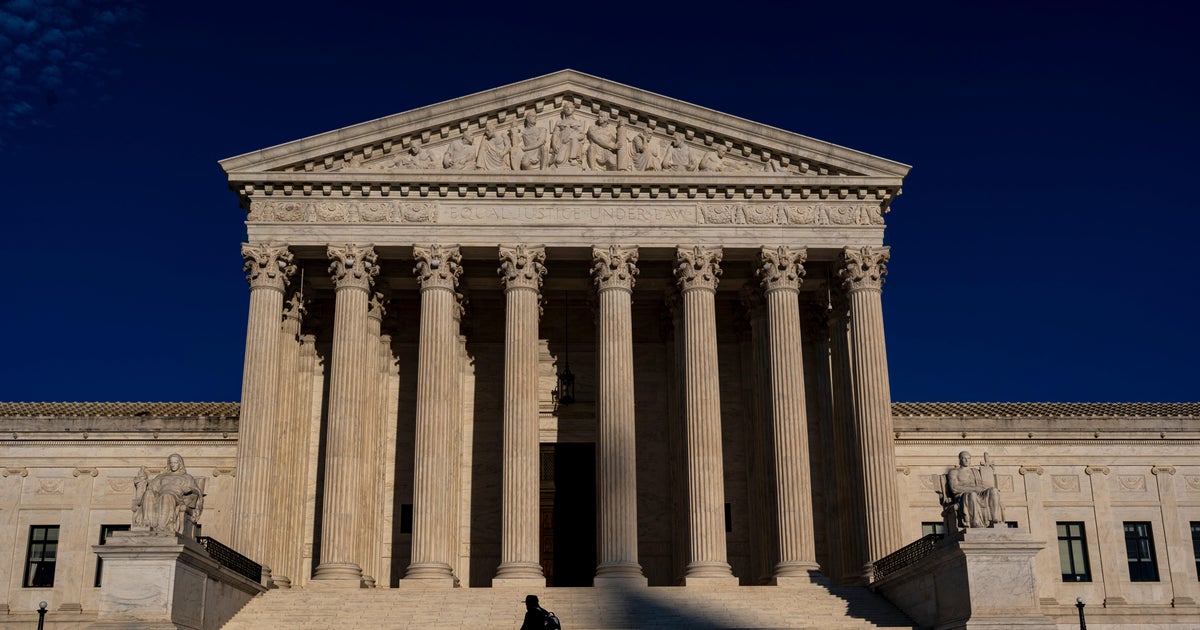
The Supreme Court will start its new term on October 5 with important cases about climate change, President Donald Trump’s immigration policies, and gun rights. One key case involves Boulder County, Colorado, suing energy companies over climate change damages, which could affect similar lawsuits across the U.S.
Key Facts
The Supreme Court begins its new term on October 5, 2026.
Boulder County is suing energy companies Suncor Energy and Exxon Mobil for damages related to climate change.
The main legal question is whether federal law stops states from suing energy companies in local courts for climate harms.
The case could influence many other state and local climate lawsuits across the country.
Energy companies argue these lawsuits would act like a carbon tax and harm the fossil fuel industry.
Boulder County says states have the right to address local harms caused by climate change.
Justice Samuel Alito is not participating in this case because he has financial interests in energy companies.
The Supreme Court will also hear cases about President Trump’s immigration policies and gun rights this term.
Read the Original
Want the full story? Tap a source to open the original
article.