Federal agents raided a home in Kansas City, Kansas, and found fake green cards and Social Security cards. Two immigrants admitted to using fake documents, and the case is part of a wider effort by President Donald Trump’s administration to stop immigration fraud.
Key Facts
Two migrants, Santos Ramirez-Ramirez and Yolanda Mendoza-Emiliano, pleaded guilty to possessing counterfeit green cards.
The fake green cards had real names and photos but used wrong immigration ID numbers.
Fake Social Security cards with invalid numbers were also found during the raid on May 28.
Agents entered the home after occupants did not comply with instructions to leave.
Mendoza-Emiliano was caught four times in Arizona for illegal entry in April 2024 and sent back to Mexico each time.
A third suspect with false documents has not resolved their case yet.
Several others at the home face charges like unlawful reentry after deportation.
The inquiry was led by Homeland Security Investigations, a branch of ICE, focused on immigration fraud.
The Justice Department recently charged 11 people in a large scheme involving fake marriages to help immigrants get green cards.
Read the Original
Want the full story? Tap a source to open the original
article.
A ferry carrying 267 people sank off northern Cyprus on August 30, 2026, killing eight people and leaving 18 missing. Survivors described panic and chaos as they tried to escape, while rescue teams searched for missing passengers.
Key Facts
The ferry left Kyrenia in northern Cyprus and was headed to Tasucu in Turkey when it capsized.
There were 267 people on board, including passengers and crew.
Eight people died, and 18 were still missing as rescue efforts continued.
Survivors said the ferry began to list and take on water after loud noises came from below decks.
The crew initially said the problem was a loose gasket causing a leak.
Panic grew as people struggled to find life jackets and many were trapped below decks.
Rescuers in nearby boats pulled many survivors from the sea.
Northern Cyprus authorities have launched an investigation and detained the ferry’s crew.
Read the Original
Want the full story? Tap a source to open the original
article.
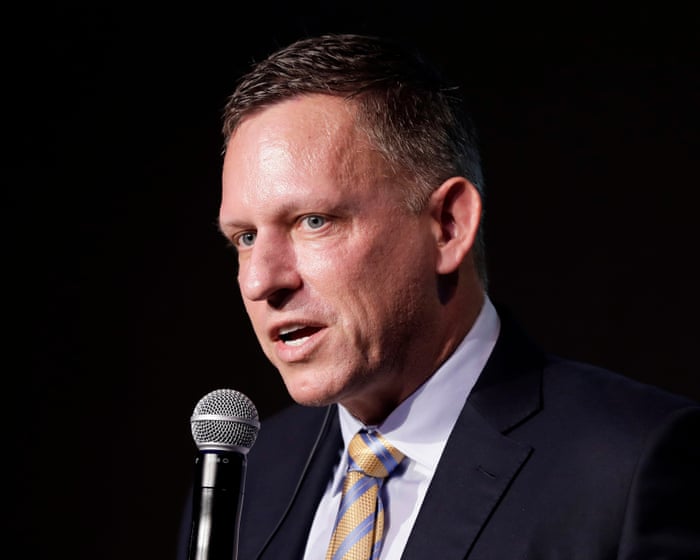
The British Museum hosted tech billionaire Peter Thiel for a private viewing of the Bayeux tapestry before it opened to the public. Thiel is the founder of Palantir, a software company with controversial government contracts, including a large deal with the NHS in the UK.
Key Facts
Peter Thiel visited the British Museum for a special preview of the Bayeux tapestry on August 18.
The museum’s director of development, Charlotte Appleyard, hosted the viewing, and museum chair George Osborne knew about it but did not attend.
Some museum staff worried about giving special access to Thiel due to his ties to Jeffrey Epstein and Palantir’s controversial role in public contracts.
The museum uses a system called “lux hours” to limit light exposure and protect the tapestry; no public viewing hours were taken away for this private event.
Thiel is not a donor to the British Museum and no money was received from him or his companies.
Public ticket sales for the Bayeux tapestry had long online queues, with tens of thousands waiting for a chance to visit.
Palantir has multiple contracts with UK public agencies, including a £330 million NHS deal that has drawn criticism.
London’s mayor blocked a £50 million Palantir contract with the Metropolitan Police, and the company is challenging the decision in court.
Read the Original
Want the full story? Tap a source to open the original
article.
Leaders from China, Russia, India, and other countries will meet in Kyrgyzstan for the 25th Shanghai Cooperation Organisation (SCO) summit. They plan to discuss peace, development, trade, and security amid ongoing global conflicts.
Key Facts
The SCO summit will be held in Bishkek, Kyrgyzstan, with the theme "Together for Sustainable Peace, Development and Prosperity."
Key attendees include President Xi Jinping (China), President Vladimir Putin (Russia), Prime Minister Narendra Modi (India), and President Masoud Pezeshkian (Iran).
Leaders from Pakistan, Uzbekistan, Belarus, Kazakhstan, Turkey, the UN, and ASEAN will also participate.
The SCO started in 1996 as a security group to resolve border disputes among China, Russia, and Central Asian countries.
The summit marks 25 years of the SCO’s existence and aims to deepen cooperation among member countries.
The meeting happens during ongoing conflicts like the Russia-Ukraine war and tensions involving Iran, affecting global energy and finance.
The SCO is seen as a way for rising powers like China and India to promote a multipolar world, where global power is shared among several countries.
The leaders may discuss strengthening trade, security, and peaceful conflict resolution, though major breakthroughs are uncertain.
Read the Original
Want the full story? Tap a source to open the original
article.
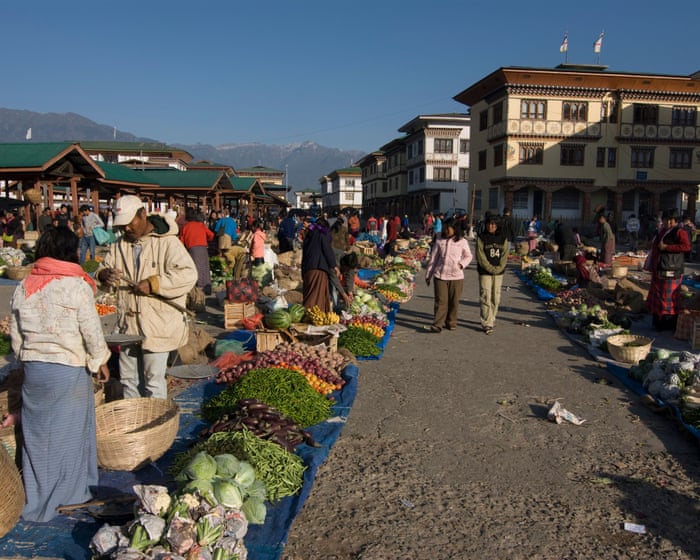
Leaders and experts from over 60 countries are meeting in Bhutan for the first “conscious food summit” to discuss how to fix global food problems worsened by climate change and conflict. The summit promotes a new approach that combines science with spiritual and cultural values to improve food systems and resilience.
Key Facts
The summit is held in Paro, Bhutan, and lasts five days.
Delegates include governments, farmers, mindfulness experts, and yoga therapists.
Bhutan’s Prime Minister Tshering Tobgay emphasizes that food issues relate to hunger, poverty, climate change, and stability.
The summit focuses on “conscious eating” and regenerative farming, using Indigenous knowledge.
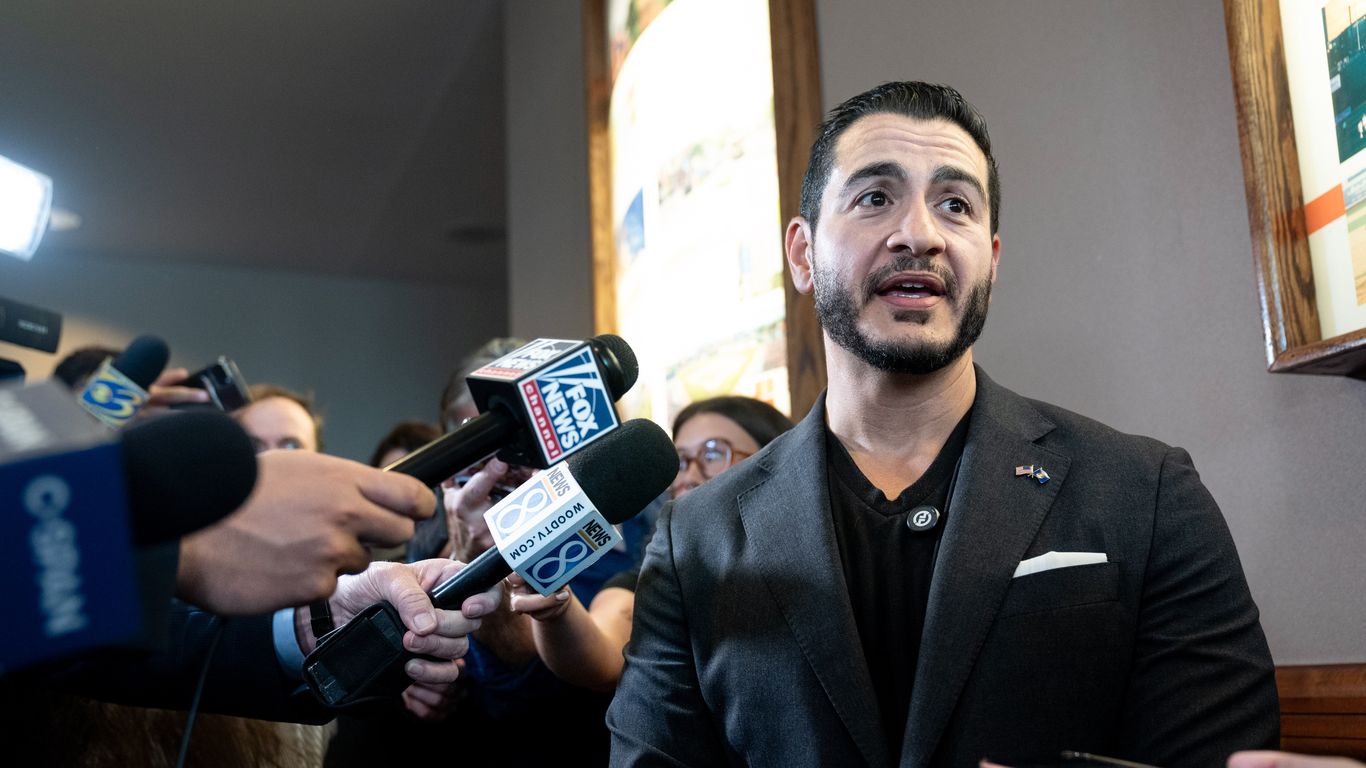
Michigan Senate candidate Abdul El-Sayed apologized for his earlier comments about a synagogue attack but did not disavow left-wing streamer Hasan Piker, who has been criticized for controversial statements. El-Sayed is trying to balance gaining support from Jewish Democrats with maintaining backing from progressive voters.
Key Facts
Abdul El-Sayed apologized for comments made about a March attack on a Detroit-area synagogue.
The attacker was a Lebanese-born man whose family died in an Israeli airstrike.
El-Sayed initially called the attack "an evil act of displaced rage" and tried to explain the attacker’s background.
He told the Jewish caucus that he should have just condemned the attack without additional context.
Reporters repeatedly asked El-Sayed to reject Hasan Piker, a left-wing social media personality with a history of controversial remarks, but El-Sayed refused.
Piker has been accused of making antisemitic comments, including suggesting American Jews aligned with Israel could be targets of violence.
El-Sayed said antisemitism is a serious problem and opposed harmful rhetoric but did not name Piker.
El-Sayed wants to focus the race on issues like healthcare and affordability instead of Piker’s comments.
His Republican opponent, Mike Rogers, criticized El-Sayed for not distancing himself from Piker.
Read the Original
Want the full story? Tap a source to open the original
article.
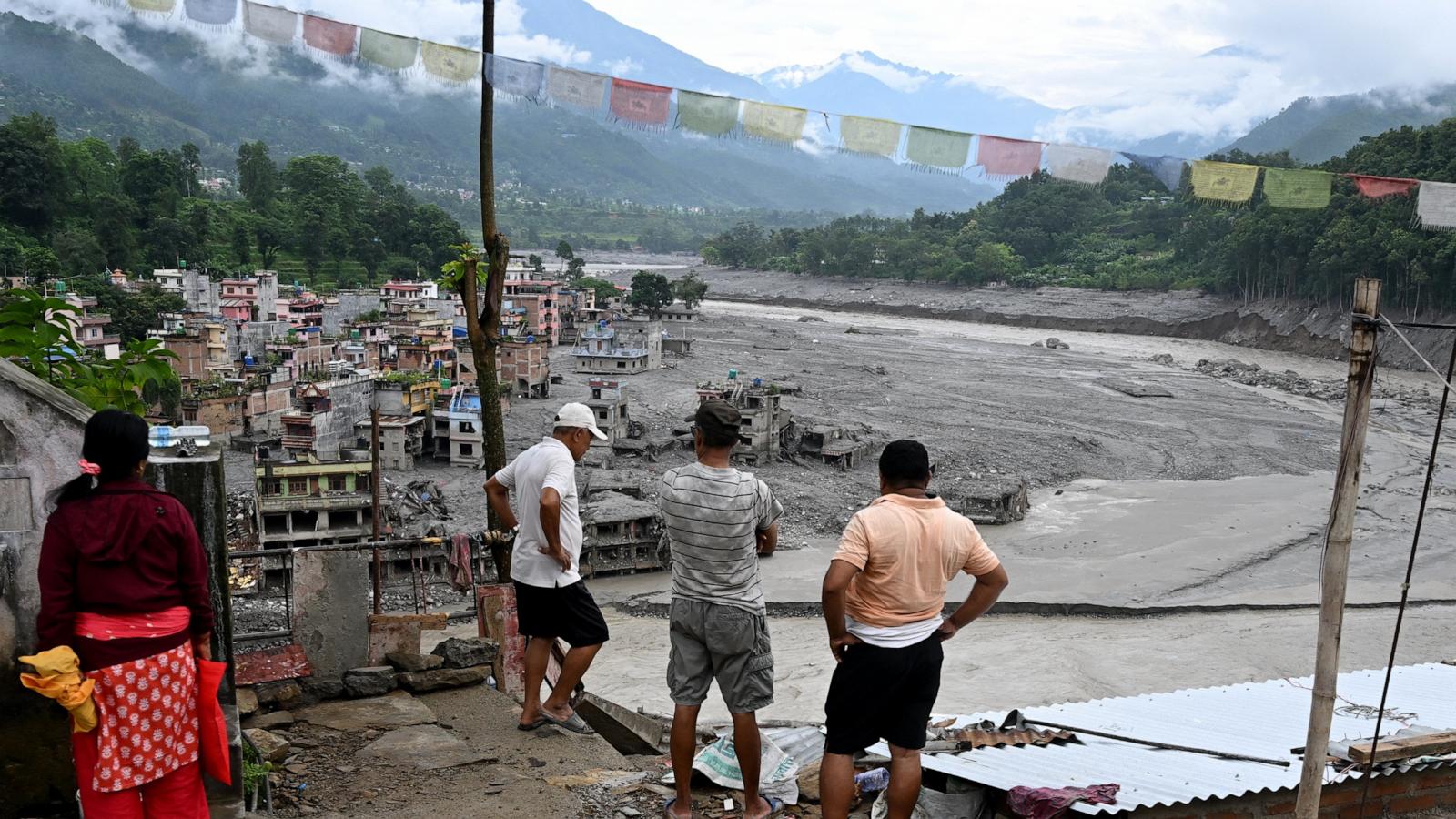
Flash floods in the Nepal-Tibet border area have killed at least 919 people, with more than 4,700 still missing. The floods caused heavy damage to homes, roads, and bridges, and many Americans are among the missing.
Key Facts
At least 903 bodies were found in Nepal, and 16 in Tibet as of August 31, 2026.
More than 4,700 people remain missing, including about 85 Americans.
The floods began after a landslide caused a wall of ice, water, and debris to rush down a mountain near the Nepal-Tibet border.
The disaster affected areas up to 62 miles downriver from the landslide site.
The Nepal National Disaster Management Authority and Chinese officials are coordinating rescue efforts.
The United States activated $3.6 million in emergency aid for food and supplies to help affected families.
The U.S. Embassy warned Americans not to travel to the flood zone due to ongoing dangers and disrupted services.
The landslide was measured at magnitude 5.2 and originated from a glacier about 16,000 feet high.
Read the Original
Want the full story? Tap a source to open the original
article.
Wail Alselwi, a deli manager in New York City, rewards local students for good grades with cash prizes and lets them choose items for free from his store. This positive approach encourages kids to do well in school.
Key Facts
The deli manager’s name is Wail Alselwi.
He owns a bodega (small neighborhood store) in New York City.
He gives cash rewards to students who get good grades.
Students can also pick any item they want for free from his store.
The rewards aim to motivate children to succeed in school.
This method creates a positive connection between the store and the community.
The effort was featured in a news segment by ABC News.
Read the Original
Want the full story? Tap a source to open the original
article.
The UK government plans to start an early prisoner release scheme to reduce overcrowded prisons by releasing some inmates earlier than scheduled. Some groups of dangerous criminals, like those convicted of manslaughter and serious sexual offenses, will not be eligible for early release, but others serving indefinite sentences may be freed, raising concerns about public safety.
Key Facts
The early release scheme aims to ease overcrowding in prisons in England and Wales, which are at about 97% capacity.
It will start on October 1, 2026, under the Sentencing Act 2026.
People convicted of serious crimes like manslaughter, rape, child sex offenses, and grooming will not be released early.
The program may release prisoners serving Indeterminate Sentences for Public Protection (IPPs), who are considered dangerous but have no fixed release dates.
As of June 2026, 2,271 people were serving IPP sentences, with 856 never released due to safety concerns.
The government plans to track released prisoners with GPS tags to monitor them in the community.
Critics warn that releasing some dangerous criminals could threaten public safety.
The government acknowledges a past failure to build enough prison spaces, contributing to the overcrowding problem.
Read the Original
Want the full story? Tap a source to open the original
article.
Spanish Prime Minister Pedro Sanchez said that social media linked to Israel and Russia spread false information about the migrant crisis in Ceuta, a Spanish territory in North Africa. He said this disinformation was part of a campaign against Spain and Europe, connected to disagreements over the wars in Ukraine and the Middle East.
Key Facts
The migrant crisis in Ceuta happened in July 2026 when many migrants entered the Spanish exclave suddenly.
Sanchez accused social networks connected to Israel and Russia of spreading rumors and false information about this event.
Far-right groups also helped spread this disinformation to attack Spain and Europe.
Spain opposes wars in Ukraine and the Middle East, which may explain why Israel and Russia targeted it with these campaigns.
Sanchez said Moroccan authorities were not responsible for the migrant influx, based on intelligence reports.
About 70,000 migrants entered Ceuta, and most were later sent back to Morocco.
The European Union’s foreign policy body, the European External Action Service, researched the disinformation spread.
Read the Original
Want the full story? Tap a source to open the original
article.
An 85-year-old man named Gordon Nicholass died on August 12, months after he was injured during a burglary at his home in Helmshore, Lancashire. Police are investigating whether the assault he suffered was related to his death.
Key Facts
The burglary happened around 3:00 AM on April 29 at Gordon Nicholass’s home.
Nicholass was attacked and hurt on his head and face when he confronted the burglars.
He was treated in hospital, went home, but later returned to the hospital and passed away on August 12.
Police have done a post-mortem test and are still checking if the attack caused or contributed to his death.
The burglars caused a lot of damage to the property, but police say it does not seem like they stole anything.
Police think the attack might have been planned or targeted.
Nicholass was known for his skills in engineering and was loved by family and friends.
Lancashire Police are supporting the family during this investigation.
Read the Original
Want the full story? Tap a source to open the original
article.
Algerian President Abdelmadjid Tebboune wants to bring back the death penalty for people who start forest fires on purpose. This comes after over 100 wildfires in northern Algeria killed at least 12 people and caused a lot of damage.
Key Facts
More than 100 wildfires were reported in northeast Algeria in recent days.
At least 12 people have died due to the fires.
The president asked the justice ministry to change the law to allow the death penalty for arsonists.
Currently, intentionally starting forest fires can lead to up to 30 years in prison or life imprisonment.
No executions have happened in Algeria since 1993, although the death penalty is still in the law for some crimes.
The fires happened during a heatwave affecting northern Africa, including Algeria and Tunisia.
Officials said most of the fires have been put out, but some were still burning as of the latest reports.
The government plans to pay compensation to affected families and repair damaged homes and services.
Read the Original
Want the full story? Tap a source to open the original
article.
That's the point of this site, and readers keep it that way. Support for any amount and the daily digest lands in your inbox every morning at 7am Eastern.
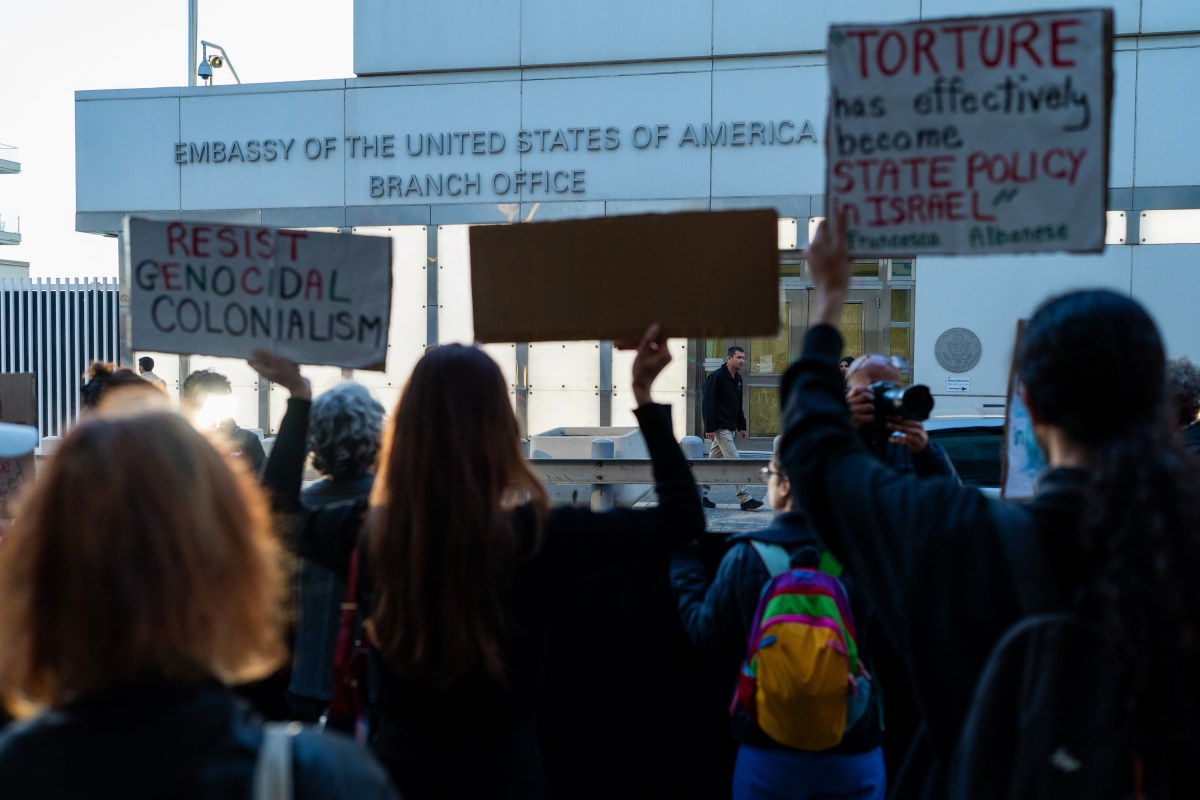
The U.S. State Department updated its travel advisory for Israel, allowing family members of U.S. government employees to travel there. However, the advisory still warns Americans to be cautious because of ongoing terrorism and unrest in some areas.
Key Facts
The travel advisory is at Level 3, meaning Americans should reconsider travel to Israel.
Family members of U.S. government workers in Israel are now allowed to join them.
U.S. government employees must avoid certain areas north and south of specific routes and near the Gaza Strip and Egypt border.
Travel in restricted areas requires approval from the U.S. embassy’s security office.
The advisory was updated on August 26.
There is still a heightened risk in parts of Israel due to regional instability.
The situation is evolving, with potential future updates expected.
Read the Original
Want the full story? Tap a source to open the original
article.
Since the fall of Bashar al-Assad’s government, Syria’s new leadership has focused on diplomacy with Israel instead of war. Despite frequent Israeli attacks and military presence in southern Syria, Damascus continues to seek peace and regional support but does not fully trust Israel.
Key Facts
Syria stopped military conflict with Israel after a 1974 agreement under Hafez al-Assad.
Rebels led by President Ahmed al-Sharaa took power in Syria in December 2024.
Israel responded with attacks on Syrian military sites and increased troops in southern Syria.
Syrian officials claim they want peace with all neighbors and no military attacks on Israel.
Israel has repeatedly attacked Syria and warns against Syrian troop deployment near the border.
Syria has gained trust from President Donald Trump’s U.S. administration and maintains ties with Turkey and Gulf states.
Syria filed complaints at the United Nations about Israeli strikes, incursions, and arrests in Syrian territory.
Syrian leaders say they do not trust Israel but see negotiations as necessary for security.
Read the Original
Want the full story? Tap a source to open the original
article.
In 2022, the Nord Stream pipelines that carried gas from Russia to Germany were damaged by underwater explosions, causing the largest methane gas leak in history. Two Ukrainian divers suspected to be involved were arrested in Europe, and the incident led Germany to rethink its heavy reliance on Russian gas, changing its energy policies and affecting relations with Ukraine.
Key Facts
The Nord Stream pipelines cost $19 billion to build and carried gas from Russia's Arctic to Germany's Baltic coast.
On September 26, 2022, explosions damaged the pipelines, stopping gas deliveries and causing a large methane leak.
Two Ukrainian divers, Volodymyr Zhuravlev and Serhii Kuznetsov, are suspected in the sabotage and were arrested in Croatia and Italy.
The pipeline damage shocked Germany’s economy and forced a rapid shift in its energy sources.
Before the explosion, Russian gas supplied about 55% of Germany’s natural gas needs, crucial for heating and industry.
Germany’s energy policy now focuses on reducing fossil fuel imports by using renewables, improving energy efficiency, and diversifying gas sources.
The attack strained political relations between Germany and Ukraine.
The incident highlighted the risks of relying heavily on energy imports from politically sensitive countries.
Read the Original
Want the full story? Tap a source to open the original
article.
Raja Shehadeh, a Palestinian writer and lawyer, has donated his personal diaries, dating back to 1967, to the University of Edinburgh. These diaries document the history of Palestine, including major events like the Six-Day War, and will be preserved and archived in Scotland.
Key Facts
Raja Shehadeh began writing diaries in 1967 when he was 15 years old.
His diaries cover important historical events, such as the Six-Day War and changes in the West Bank.
The collection includes more than 5 million words spread across tens of thousands of pages.
Shehadeh decided to move the archive to Scotland due to fears it might be destroyed amid conflict in Palestine.
The diaries are now safely held at the University of Edinburgh’s Centre for Research Collections.
Shehadeh has a strong connection to Edinburgh, where he has launched many books.
The archive also contains materials from Shehadeh’s late father, a lawyer in Ramallah.
The transfer was supported by the Digital Archive of the Middle East and other organizations.
Read the Original
Want the full story? Tap a source to open the original
article.
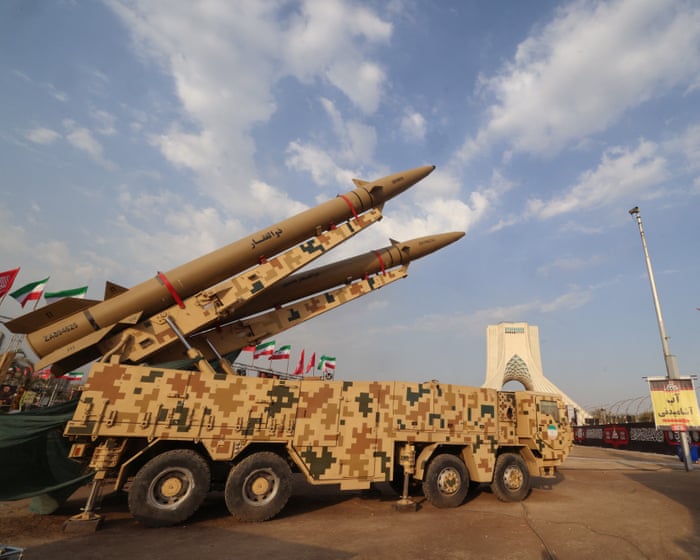
President Donald Trump shared an AI-generated video showing explosions on Iran's Kharg Island, but Iranian officials said no attack happened there. The U.S. military confirmed limited strikes on other Iranian sites and reported targeting Iranian missile launchers on Larak Island in the Strait of Hormuz.
Key Facts
President Trump posted an AI-made video claiming Kharg Island was heavily attacked.
Iranian sources said Kharg Island was not attacked and activities continued as normal.
Kharg Island is important because it handles 90% of Iran's oil exports.
The U.S. Central Command said it conducted precise strikes against Iranian mine-laying capabilities in the Strait of Hormuz.
The U.S. struck two Iranian missile launchers on Larak Island.
Iran said it responded by attacking two Jordanian air bases with ballistic missiles.
Iran's Revolutionary Guard reported stopping a tanker in the Strait of Hormuz by hitting it with naval mines.
Washington and Tehran exchanged attacks for the first time since July, amid ongoing tensions over sanctions and negotiations.
Read the Original
Want the full story? Tap a source to open the original
article.
Tensions between the US and Iran escalated after the US launched airstrikes on Iranian military targets in the Strait of Hormuz, and Iran responded with missile attacks on US bases in the Middle East. A supertanker caught fire after hitting naval mines in the strait, and both sides exchanged warnings and accusations amid ongoing conflict.
Key Facts
The US carried out airstrikes on Iranian rocket launchers on Larak Island in the Strait of Hormuz.
Iran’s Islamic Revolutionary Guard Corps (IRGC) attacked two US military airbases in Jordan with ballistic missiles, claiming heavy damage.
A supertanker hit two naval mines in the southern Strait of Hormuz, caught fire, and stopped moving; Iran said the ship was violating security rules.
Iran also said it targeted US military personnel at an airbase in the United Arab Emirates.
President Donald Trump claimed on social media that Iran’s Kharg Island, an important energy hub, was being destroyed, but Iran’s National Oil Company denied damage.
Iran’s supreme leader called the US and Israel enemies of all Islamic nations and urged Muslim countries to oppose them.
Israel evacuated Prime Minister Netanyahu’s son from the US due to a security threat.
US Treasury Secretary Scott Bessent plans to increase efforts to limit Iran’s economic activities during upcoming G20 meetings.
Read the Original
Want the full story? Tap a source to open the original
article.
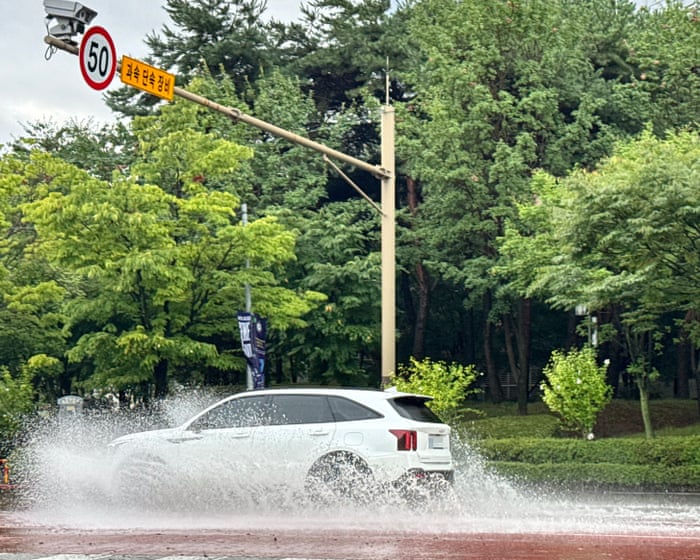
South Korea is preparing for heavy rain and storms strengthened by unusually warm waters in the Yellow Sea, with rainfall expected to exceed 200mm in some areas. Nearby countries including Thailand, the Philippines, and parts of the Pacific are also experiencing severe weather conditions, while Europe faces continued high temperatures as summer ends.
Key Facts
South Korea expects heavy rain exceeding 200mm in central and northern regions due to storms over the Yellow Sea.
The Yellow Sea’s surface is unusually warm at 29°C, which is 4°C above the usual average, strengthening the storms.
Thailand is under heavy rain warnings during its monsoon season (May to October).
The Philippines’ Tarlac province declared a state of calamity due to prolonged heavy rain in August.
Several tropical storms and typhoons are active or developing in the northwest and eastern North Pacific, near the Philippines, China, and Hawaii.
Hurricane Karina and Tropical Storm Lowell are expected to pass near Hawaii without making landfall.
Europe is experiencing a record-breaking hot summer, with temperatures rising up to 10°C above average, reaching nearly 40°C in Bosnia and Herzegovina.
Read the Original
Want the full story? Tap a source to open the original
article.
Heavy flooding in Nepal caused many deaths and damage. A school headmaster saved over 1,600 students during the floods. The Nepalese press criticizes major polluters for climate change impacts, noting Nepal’s very small share of global emissions.
Key Facts
Nepal experienced severe flash floods that caused hundreds of deaths and widespread damage.
Headmaster Rajendra Dadabi saved 1,643 pupils at Tribhuvan Trishuli secondary school during the floods.
Nepal produces only 0.1% of global carbon emissions but suffers greatly from climate-related disasters.
The Nepalese media calls for accountability from big polluters in richer countries.
The flooding raises broader concerns about climate justice and responsibility for environmental harm.
Related news includes child sex abuse reports in French childcare and studies on insect voting behavior, but these are separate topics.
Read the Original
Want the full story? Tap a source to open the original
article.