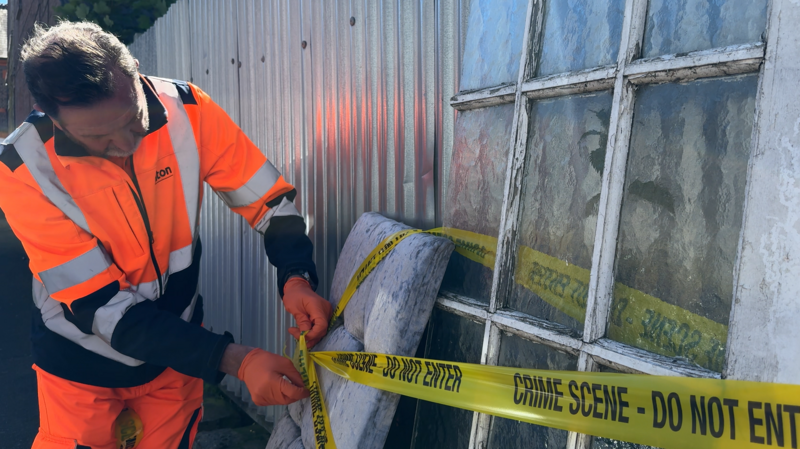
Luton Council in England is using crime scene tactics, like yellow "crime scene" tape and investigations, to catch people who illegally dump rubbish, called fly-tipping. This new method aims to identify those responsible by searching for evidence in dumped waste and has been introduced because fly-tipping has increased and traditional clean-ups were not working.
Key Facts
Luton Council started a trial in September using crime scene methods to fight fly-tipping, marking dumped rubbish with tape and searching for clues like delivery labels.
Fly-tipping includes illegal dumping of items like furniture, mattresses, toys, and household waste on streets.
Luton has the highest fly-tipping incidents in the East of England region.
In 2024-25, local authorities in England dealt with 1.26 million fly-tipping cases, a 9% rise from the previous year.
The council leaves dumped rubbish for 3 days marked with tape to show it is under investigation, while food waste in bins is cleared faster.
CCTV cameras have been added in problem spots to help catch offenders.
Causes of fly-tipping include expensive housing, more shared housing (HMOs), illegal dumping by waste operators, and confusion over who is responsible for rubbish.
Fly-tipping causes health risks, harms wildlife, and costs local councils and landowners money to clean up.
Read the Original
Want the full story? Tap a source to open the original
article.
The Australian government is suing the company 3M for more than $2 billion over pollution caused by PFAS chemicals in firefighting foam used at defense bases. The government says these “forever chemicals” caused major environmental and health problems, and 3M did not properly warn about the risks.
Key Facts
Australia sued 3M for over $2 billion (US$1.4 billion) due to PFAS contamination at defense sites.
PFAS are called “forever chemicals” because they do not break down easily in the environment.
PFAS were used in firefighting foam at 28 Australian defense bases, causing soil and water pollution.
More than 200,000 tonnes of contaminated soil and 13 billion liters of water have been used to clean these sites.
The Australian government claims 3M and its Australian branch hid information about the dangers of PFAS.
3M stopped selling PFAS products in Australia about 20 years ago but denies manufacturing PFAS there.
PFAS are linked to health risks like liver damage, lower birth weight, and testicular cancer.
3M settled a $10.3 billion case in the US related to PFAS pollution in 2023.
Read the Original
Want the full story? Tap a source to open the original
article.
Santos will pause work on its Narrabri gas project in New South Wales while it waits for final approvals and instead focus on expanding its exploration in the Beetaloo Basin in the Northern Territory. The company will review the future of Narrabri after 2027 following appraisal of its Beetaloo reserves and plans fewer efforts on some eastern assets.
Key Facts
Santos CEO Kevin Gallagher said the company will not spend money or effort on the Narrabri gas project right now.
The company is prioritizing exploration in the Beetaloo Basin, believing it has enough gas for over 50 years of supply.
A strategic review found that Santos’ gas reserves in eastern Queensland and Western Australia’s Browse Basin are lower in priority.
The Narrabri gas project still lacks some key approvals, including a production license and pipeline development permission.
The project faces opposition from landowners and a legal challenge by Gomeroi traditional owners under native laws.
NSW Premier Chris Minns supports the gas project, stating the state still needs gas alongside renewable energy targets.
Opponents say delaying the project prolongs uncertainty and harms local communities, farmland, and water supplies.
Santos continues to seek necessary regulatory approvals while focusing on its Beetaloo Basin activities.
Read the Original
Want the full story? Tap a source to open the original
article.
Piper Rockelle, a former child influencer who recently turned 18, started an account on OnlyFans, a platform where creators share content and earn money from subscribers. She claims to have made nearly $3 million in her first day and is expected to make over $40 million in her first year according to her manager.
Key Facts
Piper Rockelle announced publicly that she would start an OnlyFans account on January 1, soon after turning 18.
OnlyFans is a website where creators sell content directly to their fans.
Rockelle shared photos on the platform wearing playful, teenage-style outfits in her bedroom setting.
She claims to have earned $2.9 million in her first 24 hours on OnlyFans.
Her business manager predicts she could make more than $40 million in her first year on the site.
It is difficult to verify earnings because many OnlyFans stars report different amounts.
OnlyFans has paid creators a total of $25 billion since 2016, with top earners reportedly making tens of millions annually.
Rockelle is among the top 0.012% of earners on OnlyFans.
Read the Original
Want the full story? Tap a source to open the original
article.
Australia is suing the US company 3M for 2 billion Australian dollars (about 1.4 billion US dollars) because of toxic chemicals called PFAS found in firefighting foam. The government says 3M hid information about the dangers of the foam, which polluted many defense sites across Australia.
Key Facts
Australia filed a lawsuit against 3M for 2 billion Australian dollars over harmful chemicals in firefighting foam.
The chemicals involved are called PFAS, which do not break down easily and can harm people and the environment.
The foam contaminated 28 defense locations in Australia, causing large cleanup costs.
Australia claims 3M knew about the risks but gave false information about the foam’s safety.
3M stopped selling firefighting foam containing PFAS in Australia 20 years ago but denies making PFAS in the country.
The government has already spent over 1 billion Australian dollars on investigating and cleaning PFAS contamination.
PFAS are used in many products because they resist water and stains but can build up in soil, water, food, and the human body.
3M said it will defend itself in court, and noted the government’s Defence Department kept using the foam after 3M stopped selling it.
Read the Original
Want the full story? Tap a source to open the original
article.
Patagonia has sued environmentalist drag queen Pattie Gonia for trademark infringement after Pattie Gonia applied to register the name for clothing and activism. Patagonia says it tried to resolve the issue for years but must protect its brand, while Pattie Gonia says the lawsuit threatens their activism and identity.
Key Facts
Patagonia filed a trademark lawsuit on January 21 in a federal court in Los Angeles.
The lawsuit demands $1 in damages plus legal fees.
Pattie Gonia, performed by Wyn Wiley, is a drag queen and environmental activist with millions of followers.
Wiley applied for a trademark for “Pattie Gonia” in September to use for apparel and activism.
Patagonia claims this would harm its brand, which has existed for 50 years.
Patagonia says it tried multiple times to reach a peaceful agreement to protect its trademark.
Wiley says drag uses parody and denies copying Patagonia’s logo or font.
Patagonia founder Yvon Chouinard gave the company away to a trust that uses profits to protect the planet.
Read the Original
Want the full story? Tap a source to open the original
article.
CEOs of S&P 500 companies received a median pay increase of nearly 6% in 2025, with the median compensation rising to $17.7 million. This growth rate is the slowest since 2022, when median pay increased by about 1%.
Key Facts
The median pay for CEOs in the S&P 500 was $17.7 million in 2025.
CEO pay grew by almost 6% compared to the previous year.
This 6% increase is the smallest annual growth since 2022.
In 2022, CEO pay grew by about 1%.
The data comes from a survey by the Associated Press.
Ken Sweet, an AP banking reporter, contributed to the analysis.
The S&P 500 includes 500 major U.S. companies by market size.
Read the Original
Want the full story? Tap a source to open the original
article.
Fifa is being investigated by New York and New Jersey attorneys general over claims that it raised World Cup ticket prices unfairly and misled fans about where their seats were located. The investigation focuses on allegations that Fifa sold more expensive front-row tickets after initial sales and did not give clear information to buyers.
Key Facts
New York and New Jersey attorneys general launched an investigation into Fifa's ticket pricing for the 2026 World Cup.
The investigation alleges Fifa artificially increased prices for tickets.
Fans are said to have been misled about seat locations.
More expensive "front" category tickets were released after the first batch of tickets sold out.
Fifa President Gianni Infantino defended the prices, saying they reflect high demand.
Fifa has not made any comment on the current investigation.
The World Cup event is happening very soon, adding urgency to the investigation.
Read the Original
Want the full story? Tap a source to open the original
article.
Simon Robinson from Reuters is expected to become the new news director of ABC, replacing Justin Stevens who resigned after four years. Robinson has extensive experience in journalism and newsroom leadership, while Stevens cited personal and professional reasons for leaving.
Key Facts
Justin Stevens resigned as ABC news director after four years on the job.
Stevens was responsible for 2,000 journalists across Australia.
ABC managing director Hugh Marks said Stevens wanted to pursue other careers.
Simon Robinson, a Reuters executive, is expected to take over as ABC news director.
Robinson has worked at Reuters for 16 years and helps lead a newsroom of 2,600 people.
Robinson has experience as a correspondent, editor, and newsroom leader.
Stevens worked at ABC for 19 years and helped make ABC News a top digital news source.
Stevens mentioned the complexity and high public expectations of ABC News in his farewell to staff.
Read the Original
Want the full story? Tap a source to open the original
article.
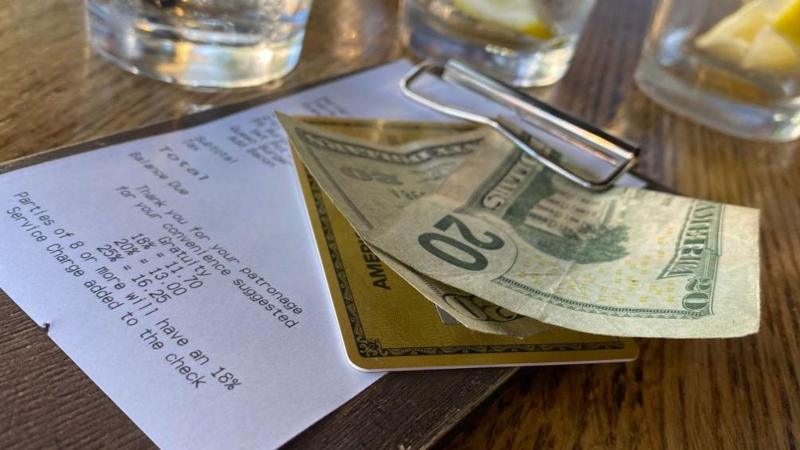
The culture of tipping large amounts in the United States, especially at 20% in many cities, is causing debate and has started to influence tipping habits in other countries like Iceland and Mexico. In places where tipping is not traditional, businesses have begun asking customers to add tips, leading to frustration among locals. In the UK, tips are also slowly increasing, partly to help pay higher wages without raising restaurant prices too much.
Key Facts
In many US cities, a 20% tip is expected at restaurants, though some people still tip around 15%.
US servers often rely on tips for most of their income because base pay can be low.
Iceland traditionally did not have tipping, but more American tourists have introduced tipping habits there.
Some Icelandic restaurants now ask customers if they want to add a tip when paying, which annoys local people.
Mexican locals also blame American tourists for spreading the tipping culture.
In the UK, service charges and tips have grown from around 12.5% to 15%, mainly in high-end restaurants.
UK restaurants use tips to pay staff more because rising costs make raising wages directly difficult.
Rising tipping expectations reflect wider economic pressures on workers and hospitality businesses.
Read the Original
Want the full story? Tap a source to open the original
article.
A new financial app for managing Trump Accounts will be available for download starting Thursday. These accounts, created under President Donald Trump’s tax and spending law, provide tax-advantaged savings for children born between 2025 and 2028, with an initial $1,000 government contribution.
Key Facts
Nearly 6 million families have already signed up for Trump Accounts.
The app is developed by Robinhood and BNY Mellon and will launch July 4.
Anyone born from January 1, 2025, to December 31, 2028, is eligible for a $1,000 federal government deposit into their account.
Families, employers, and relatives can contribute up to $5,000 per year.
Funds must stay invested in broad-based index funds like ETFs tracking the S&P 500.
Money cannot be withdrawn until the child turns 18 years old.
The app will include eight financial literacy lessons for families.
Future plans allow transferring investments to other banks if families wish.
Read the Original
Want the full story? Tap a source to open the original
article.
French banker Matthieu Pigasse’s firm, Centerview Partners, was chosen to advise Venezuela on restructuring its over $150 billion debt without a formal bidding process. Centerview will lead talks on how Venezuela handles its debt, which is important for the country’s financial future.
Key Facts
Matthieu Pigasse is a French banker whose firm Centerview Partners was appointed adviser for Venezuela’s debt restructuring.
Venezuela has more than $150 billion in debt that it plans to overhaul.
Centerview got the role without a formal competitive bidding process, which raised questions about fairness.
The debt restructuring aims to reduce what Venezuela owes to creditors and improve the country’s financial health.
Mauricio Claver-Carone, a former US Latin America envoy, reportedly helped Centerview’s appointment, though he has no official government role now.
Claver-Carone defended the lack of an open bidding process, saying trusted American firms are preferred.
Centerview says it was hired because of its experience in sovereign debt and claims it has no conflicts of interest.
Venezuelan officials did not comment, and US officials said Claver-Carone shares his views with US government contacts as a private citizen.
Read the Original
Want the full story? Tap a source to open the original
article.
The U.S. government expressed disappointment after the Dutch government stopped a New York company, Kyndryl, from buying a Dutch cloud services firm, Solvinity. The Dutch blocked the deal because of worries about national security.
Key Facts
The Dutch government blocked Kyndryl’s plan to acquire Solvinity.
Kyndryl is a company based in New York.
Solvinity is a cloud services provider in the Netherlands.
The Dutch government’s reason was concern over national security.
The U.S. Embassy in The Hague issued a statement expressing disappointment.
The decision affects international business deals involving technology and data services.
This case shows how countries sometimes restrict foreign investments for security reasons.
The U.S. is closely watching how this decision may impact American companies abroad.
Read the Original
Want the full story? Tap a source to open the original
article.
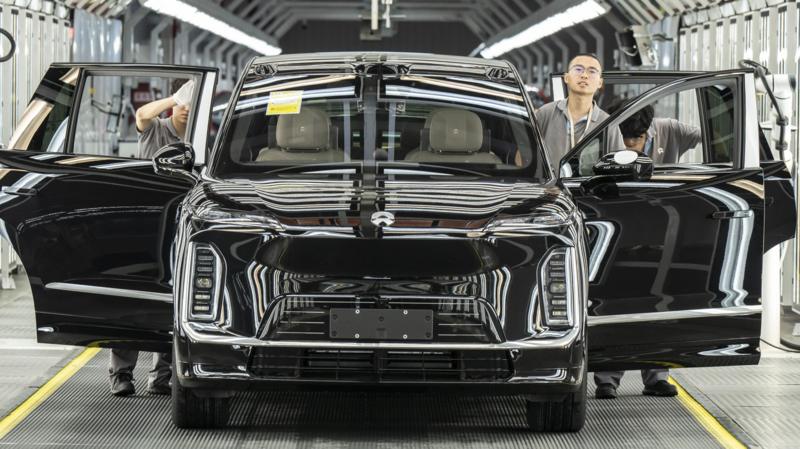
Global carmakers from the US, Europe, and Japan are facing strong competition from Chinese companies in electric cars, batteries, design, and software. Chinese firms lead in automation and innovation, supported by government subsidies and competition from tech giants entering the auto industry.
Key Facts
Chinese carmakers are advancing faster in electric vehicle (EV) technology and related software than many foreign brands.
China produces more than 315 product categories linked to EVs, nearly doubling since 2016.
It is about 30% cheaper to make a small electric SUV in China compared to advanced economies, mainly due to lower battery costs.
The Chinese government has invested tens of billions of dollars in EV and battery manufacturing in recent years.
Chinese tech companies like Xiaomi, Huawei, and Alibaba are now building electric cars and integrating them with smartphones and smart-home devices.
Xiaomi’s factory produces a car every 76 seconds, showing high levels of automation and speed.
Foreign car brands' share in China’s market dropped from 64% in 2020 to 32% in 2024.
Companies like BYD have developed ultra-fast charging systems that add around 400 km of range in five minutes.
Read the Original
Want the full story? Tap a source to open the original
article.
A recent report warns that one in six young people in the UK will neither be working nor in training or education within five years unless urgent steps are taken. The report says that current systems in education, health, and welfare are not helping young people prepare for adult work life, and youth unemployment is at its highest since 2014.
Key Facts
One in six UK young people (aged 16-24) could be without work, education, or training by 2031 without action.
Currently, about 957,000 young people, or one in eight, are classified as NEET (not in education, employment, or training).
The youth unemployment rate is 16.2%, which is more than three times the overall rate of 5%.
The first step of starting a career is becoming harder due to fewer job opportunities and employers demanding experience.
The government is responding with plans to pay companies to hire young people and increase apprenticeships.
The report's author, Alan Milburn, says the problem is due to outdated education and welfare systems, not young people's attitudes.
Many young people want work or training, with 84% of NEETs surveyed expressing a desire to work.
The government is also focusing on early support like special education needs and changing benefits rules.
Read the Original
Want the full story? Tap a source to open the original
article.
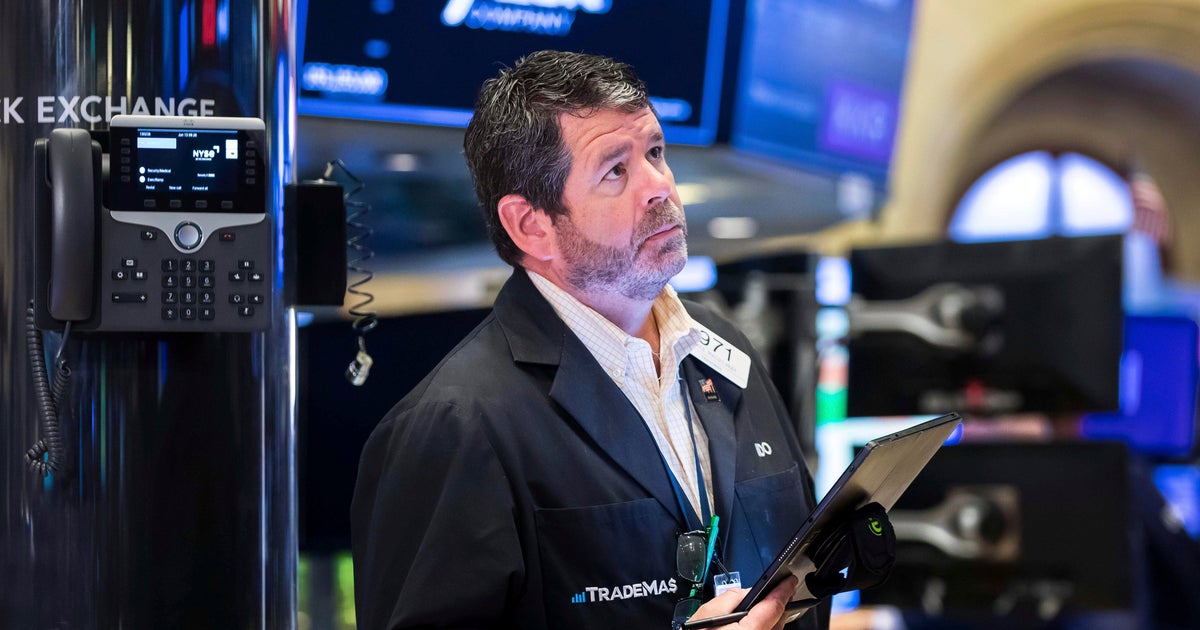
The US stock market rose near record levels and oil prices dropped as talks between the US and Iran raised hopes of a peace deal. This possible agreement could reopen the Strait of Hormuz, helping oil supply and easing worries in the global economy.
Key Facts
US stock indexes like the S&P 500 and Dow Jones gained on news of peace talks.
Oil prices fell sharply, with US crude down 5.5% to about $88.68 per barrel.
Iran reportedly agreed in principle to let oil traffic through the Strait of Hormuz return to normal within 30 days.
The US may lift its naval blockade on Iranian ports if a deal is reached.
The White House called the initial report on the deal "a complete fabrication," but markets remained optimistic.
President Donald Trump said officials are not fully satisfied with the deal yet but are making progress.
Major issues still unclear include Iran’s nuclear program, ballistic missiles, and US sanctions.
Regional tensions continue, with Israeli attacks ordered against Hezbollah in Lebanon.
Read the Original
Want the full story? Tap a source to open the original
article.
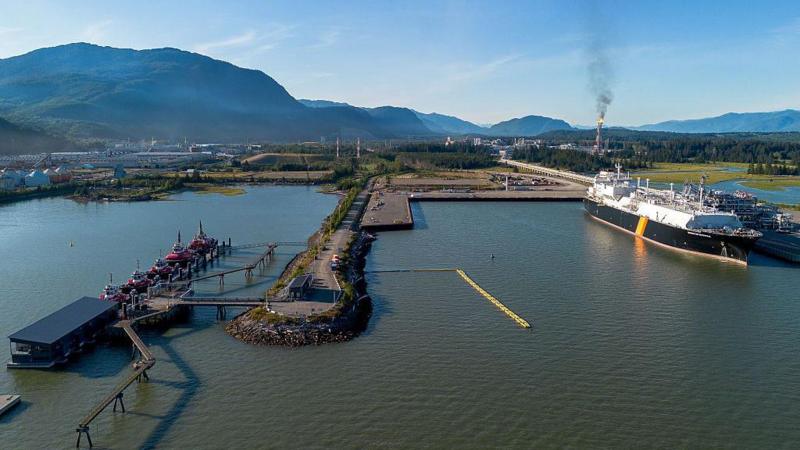
Canada has signed a long-term deal to export one million tonnes of liquefied natural gas (LNG) annually from British Columbia to Germany starting in the early 2030s. The agreement supports Canada's goal to diversify trade beyond the United States and helps supply Europe with more energy as it seeks alternatives to Russian resources.
Key Facts
Canada will export one million tonnes of LNG each year to Germany for up to 20 years.
The LNG will come from the Ksi Lisims project on the coast of British Columbia, which is still awaiting final approval and funding.
The deal was announced by Canada’s energy minister, Tim Hodgson, following a trade mission to Germany.
Most of Canada’s current LNG exports go to the United States.
The project has support from the Nisga'a Nation, whose land will host the LNG facility.
Several indigenous and environmental groups oppose the project, citing legal and environmental concerns.
Canadian Prime Minister Mark Carney is promoting the project as nationally important, aiming for a fast-track process.
Some members of Carney’s Liberal Party have expressed concern about the government’s environmental policies amid increased energy development.
Read the Original
Want the full story? Tap a source to open the original
article.
The stock market, especially the S&P 500, has been doing very well in May despite high inflation, rising gas prices, and low consumer confidence. Experts say the market is rising due to strong company profits, the growth of artificial intelligence (AI), and hopes for an end to the conflict in Iran that could lower oil prices.
Key Facts
The S&P 500 hit nine record highs in May.
Goldman Sachs predicts the S&P 500 could reach 8,000 points by the end of the year, about 6% higher than now.
Technology companies grew their earnings by 50% in the first quarter, much higher than usual.
Other U.S. companies also doubled their typical earnings growth, helped by lower taxes from a recent Republican tax and spending bill.
Despite higher stock prices, the price-to-earnings ratio (a measure of stock value) has actually fallen because earnings grew faster than stock prices.
Investors are optimistic about AI’s ability to improve business productivity and grow the economy.
Most investors are hopeful that the Iran war will end soon, which could reduce oil prices and help the market.
If the U.S. and Iran reach a deal, it could further lower inflation and lead to more stock market gains.
Read the Original
Want the full story? Tap a source to open the original
article.
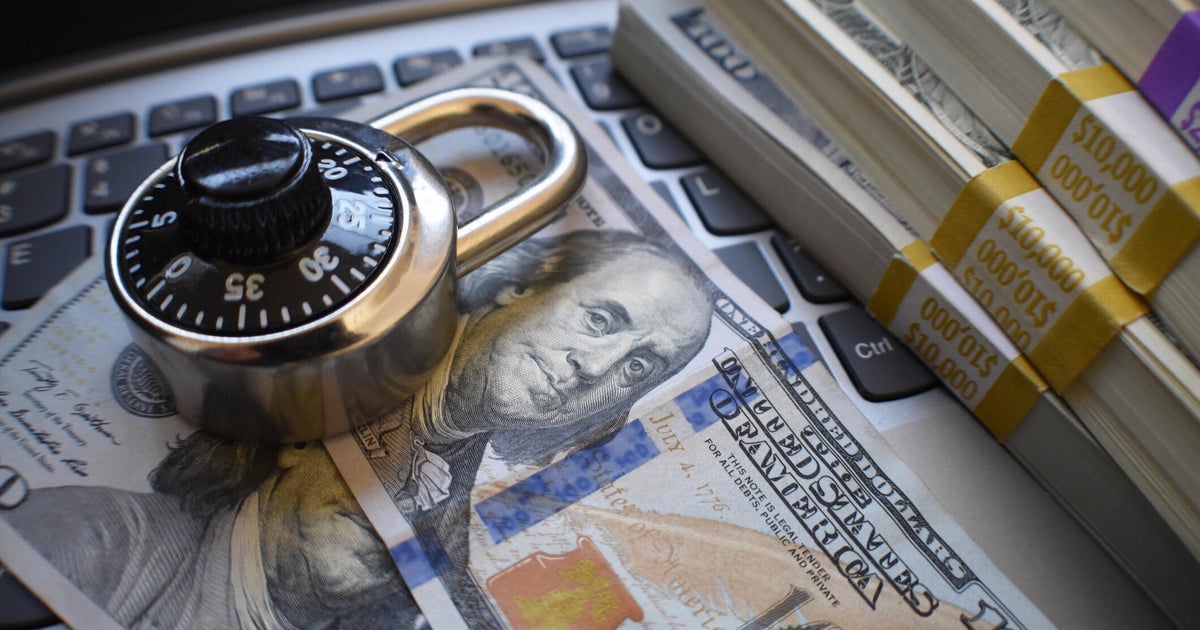
Putting $90,000 into a certificate of deposit (CD) account now can earn a steady, fixed interest rate between about 3.9% and 4.16%, depending on the term length. While stock investments can offer higher returns, CDs provide guaranteed earnings without risk of losing the original money during the term.
Key Facts
A 3-month CD at 3.90% interest can earn about $865 on $90,000 by maturity.
A 1-year CD at 4.11% interest can yield approximately $3,700 on $90,000.
A 2-year CD at 4.16% interest can earn about $7,644 on $90,000.
CDs lock in a fixed interest rate, protecting against market ups and downs.
Alternative options include high-yield savings and money market accounts with similar interest rates but no lock-in period.
High-yield savings accounts let you deposit and withdraw money without fees but have variable interest rates that may change.
Money market accounts offer competitive, variable rates and sometimes allow check writing, which CDs and savings accounts do not.
CDs require keeping money locked in for the term to earn the stated interest without penalties.
Read the Original
Want the full story? Tap a source to open the original
article.
Nvidia announced it will invest $150 billion annually to strengthen its operations in Taiwan and keep the region central to AI technology development. This plan focuses on building a new headquarters and expanding partnerships, especially with Taiwan Semiconductor Manufacturing Company (TSMC), despite US efforts led by President Trump to develop AI manufacturing domestically.
Key Facts
Nvidia plans to invest $150 billion each year in Taiwan to maintain its leadership in AI chip production and related technology.
The new Nvidia headquarters in Taiwan will be operational by 2030, with construction starting this year.
Nvidia’s CEO Jensen Huang described Taiwan as the key center for AI chip making, packaging, and supercomputers.
Nvidia already began making some AI chips in the US in 2024 to support President Trump’s AI and manufacturing goals.
Despite US investments, Nvidia remains heavily reliant on Taiwan for advanced chip packaging and manufacturing.
Nvidia’s Taiwan investment grows from $10-15 billion a few years ago to $100 billion now, with plans to reach $150 billion annually.
Nvidia is collaborating closely with Taiwan Semiconductor Manufacturing Company (TSMC), a major chip manufacturer.
Nvidia recently became the first company valued at $5 trillion and expects to grow further by expanding in Taiwan.
Read the Original
Want the full story? Tap a source to open the original
article.