Putting $90,000 into a certificate of deposit (CD) account now can earn a steady, fixed interest rate between about 3.9% and 4.16%, depending on the term length. While stock investments can offer higher returns, CDs provide guaranteed earnings without risk of losing the original money during the term.
Key Facts
A 3-month CD at 3.90% interest can earn about $865 on $90,000 by maturity.
A 1-year CD at 4.11% interest can yield approximately $3,700 on $90,000.
A 2-year CD at 4.16% interest can earn about $7,644 on $90,000.
CDs lock in a fixed interest rate, protecting against market ups and downs.
Alternative options include high-yield savings and money market accounts with similar interest rates but no lock-in period.
High-yield savings accounts let you deposit and withdraw money without fees but have variable interest rates that may change.
Money market accounts offer competitive, variable rates and sometimes allow check writing, which CDs and savings accounts do not.
CDs require keeping money locked in for the term to earn the stated interest without penalties.
Read the Original
Want the full story? Tap a source to open the original
article.
Nvidia announced it will invest $150 billion annually to strengthen its operations in Taiwan and keep the region central to AI technology development. This plan focuses on building a new headquarters and expanding partnerships, especially with Taiwan Semiconductor Manufacturing Company (TSMC), despite US efforts led by President Trump to develop AI manufacturing domestically.
Key Facts
Nvidia plans to invest $150 billion each year in Taiwan to maintain its leadership in AI chip production and related technology.
The new Nvidia headquarters in Taiwan will be operational by 2030, with construction starting this year.
Nvidia’s CEO Jensen Huang described Taiwan as the key center for AI chip making, packaging, and supercomputers.
Nvidia already began making some AI chips in the US in 2024 to support President Trump’s AI and manufacturing goals.
Despite US investments, Nvidia remains heavily reliant on Taiwan for advanced chip packaging and manufacturing.
Nvidia’s Taiwan investment grows from $10-15 billion a few years ago to $100 billion now, with plans to reach $150 billion annually.
Nvidia is collaborating closely with Taiwan Semiconductor Manufacturing Company (TSMC), a major chip manufacturer.
Nvidia recently became the first company valued at $5 trillion and expects to grow further by expanding in Taiwan.
Read the Original
Want the full story? Tap a source to open the original
article.
Gas prices in the U.S. are high this summer, with some states paying much more than others. The West Coast has the highest prices, exceeding $6 per gallon in places like California, while many Southern and Midwestern states have lower but still rising costs, affecting how much people spend on travel.
Key Facts
The national average gas price is over $4 per gallon as summer travel begins.
California has the highest average price at $6.094 per gallon.
Other expensive states include Washington ($5.752) and Hawaii ($5.655).
Southern and Midwestern states generally have lower prices but still saw significant increases since February.
Higher gas prices make long car trips more costly; a 1,000-mile trip now costs about $178, compared to $127 last year.
Rising fuel costs are leading many Americans to take shorter trips or vacations closer to home.
The conflict involving Iran is disrupting global oil markets and contributing to high prices.
Analysts expect gas prices to remain high for several months.
Read the Original
Want the full story? Tap a source to open the original
article.
A Google software engineer, Michele Spagnuolo, is charged with using secret company data to make over $1 million by betting on a prediction market called Polymarket. He had access to Google's internal search data, which helped him bet on future search trends before the public knew them.
Key Facts
Michele Spagnuolo worked as a software engineer at Google.
He used confidential Google search data to place bets on Polymarket, a prediction market platform.
Spagnuolo bet on the most searched person on Google in 2025 before this information was public.
His account on Polymarket was named AlphaRaccoon.
He earned about $1.2 million from these bets after Google announced its Year in Search 2025 results.
Spagnuolo is charged with commodities fraud, wire fraud, and money laundering.
He was arrested in New York and released on bail.
Google said the employee accessed marketing data legally but misused it and has been placed on leave.
Read the Original
Want the full story? Tap a source to open the original
article.
Drag queen and climate activist Pattie Gonia is fighting a $1 trademark lawsuit from outdoor clothing company Patagonia. Patagonia says it must protect its brand name, while Pattie Gonia says the case threatens her identity and environmental work.
Key Facts
Pattie Gonia is the drag persona of photographer Wyn Wiley from Nebraska.
Patagonia filed the trademark lawsuit in January in California federal court.
The company wants to protect its brand name and prevent confusion with Pattie Gonia’s merchandise.
Patagonia says it tried to settle the dispute before starting the lawsuit.
Pattie Gonia has a community of over 3 million people and raises money for environmental causes.
The lawsuit could force her to stop using the Pattie Gonia name and affect her advocacy work.
Patagonia seeks only $1 in damages but could incur expensive legal fees for Pattie Gonia.
Patagonia was founded in 1973 by climber and environmentalist Yvon Chouinard.
Read the Original
Want the full story? Tap a source to open the original
article.
Many U.S. veterans are not using the Department of Veterans Affairs (VA) home loan benefits, missing out on potentially thousands of dollars in savings. The VA loan program offers no down payment, lower interest rates, and limited closing costs but remains underused due to misunderstandings about eligibility and costs.
Key Facts
As of last year, $28 billion in VA home loan funds remain unused by veterans.
The VA home loan program allows eligible veterans to buy homes with no down payment and no private mortgage insurance (PMI) in most cases.
VA loans typically have lower interest rates and limits on closing costs compared to conventional loans.
Many veterans do not apply because they think they do not qualify or believe myths about credit score requirements and loan processing difficulty.
The home loan benefit can provide savings of $40,000 to $80,000 on a single home purchase.
Rising home prices and monthly payment amounts still limit some veterans from buying homes despite loan benefits.
The VA loan is a lifetime benefit and can be used multiple times by eligible veterans and some surviving spouses.
Expert sources emphasize that VA loans are valuable financial tools, especially in expensive housing markets.
Read the Original
Want the full story? Tap a source to open the original
article.
The cost of replacing a home heating and cooling system (HVAC) in 2026 varies widely, generally ranging from $5,000 to $28,000 depending on home size, system type, and installation needs. Higher efficiency standards, new refrigerant rules, labor shortages, and additional work like duct or electrical upgrades are driving up prices.
Key Facts
A full HVAC replacement in 2026 can cost from $5,000 to $28,000, including labor and equipment.
Average replacement for a 2,000 square foot home is between $7,000 and $20,000.
New federal efficiency rules require more advanced, energy-saving systems that increase upfront costs.
The HVAC industry is shifting to newer, eco-friendly refrigerants, raising equipment and repair costs.
Labor shortages of qualified technicians are raising installation prices, especially during hot or cold weather.
Many older homes need extra work like duct sealing or electrical upgrades alongside HVAC replacement.
Some homeowners may pay for larger systems or extra features they don’t need.
Rebates and financing options might help lower the cost but are not always utilized.
Read the Original
Want the full story? Tap a source to open the original
article.
A new version of Soarin’ Across America, a flight simulator ride, has been updated at EPCOT and will open at Disneyland on July 2. National Geographic shares fun facts about all 50 U.S. states for guests waiting in line.
Key Facts
Soarin’ Across America is a flight simulator ride.
It showcases famous places across the United States.
The ride was revamped and is now open at EPCOT.
Disneyland will launch the updated ride on July 2, 2026.
National Geographic provides educational facts about all 50 states.
These facts are shared with guests while they wait in line.
The update aims to make the ride more immersive and informative.
Read the Original
Want the full story? Tap a source to open the original
article.
The Heritage Foundation has added four new members to its board of trustees. The new members include commentator Mollie Hemingway, political theorist Yoram Hazony, retired CEO Lawrence Blanford, and another business leader. This change is part of the group’s plan to update its direction, called "Heritage 2.0."
Key Facts
The Heritage Foundation added four new board members.
New members include Mollie Hemingway, a conservative commentator.
Yoram Hazony, a political theorist, also joined the board.
Lawrence Blanford, retired CEO of Green Mountain Coffee Roasters, is a new trustee.
Another business leader joined the group, but their name was not specified.
The changes are aimed at updating the think tank’s approach, called "Heritage 2.0."
The Heritage Foundation is a conservative think tank.
The announcement was made on Wednesday.
Read the Original
Want the full story? Tap a source to open the original
article.
Politicians in Illinois and Colorado are challenging the use of credit-card rewards programs that help fund airlines. These changes could strongly impact both airlines and travelers who use these rewards.
Key Facts
Illinois and Colorado politicians want to change rules about credit-card rewards.
Many airlines rely on credit-card rewards programs for funding.
Credit-card rewards let travelers earn miles or points to use for flights.
Changes could reduce airline income from these rewards.
Consumers who earn miles through credit cards might be affected.
The airline industry could face financial problems if these programs shrink.
The proposed changes aim to address concerns about how rewards programs work.
It is unclear exactly what rules will change and when.
Read the Original
Want the full story? Tap a source to open the original
article.
The article explains that the higher price of a £5 latte is expected to continue. Factors like increased costs for coffee beans, tariffs, and the overall cost of living contribute to the sustained price level.
Key Facts
The price of a latte has increased to around £5.
The cost of coffee beans has gone up due to tariffs introduced by President Donald Trump.
Rising costs in running cafes, including rent and wages, also affect latte prices.
The overall increase in the cost of living makes it harder for prices to go down.
Coffee shops face higher expenses, so they maintain higher prices to cover costs.
Read the Original
Want the full story? Tap a source to open the original
article.
An 18-month certificate of deposit (CD) account offers a fixed interest rate of about 4.15% currently, allowing savers to earn guaranteed interest while protecting their money. However, savers must keep their money in the CD until the end of the term to avoid penalties, and traditional savings accounts have much lower interest rates.
Key Facts
An 18-month CD has a fixed interest rate of approximately 4.15% right now.
Interest earnings range from about $31 for a $500 deposit to over $3,100 for a $50,000 deposit at maturity.
CDs are insured by the FDIC up to $250,000 per account, making them safe.
Early withdrawal from a CD may result in penalties, which can reduce or eliminate interest earned.
Traditional savings accounts offer much lower interest rates, around 0.38% on average.
High-yield savings and money market accounts offer interest rates similar to CDs without locking in the money.
CDs protect money from market ups and downs because their interest rate stays the same for the term.
An 18-month CD balances earning a good return with not locking funds away for too long.
Read the Original
Want the full story? Tap a source to open the original
article.
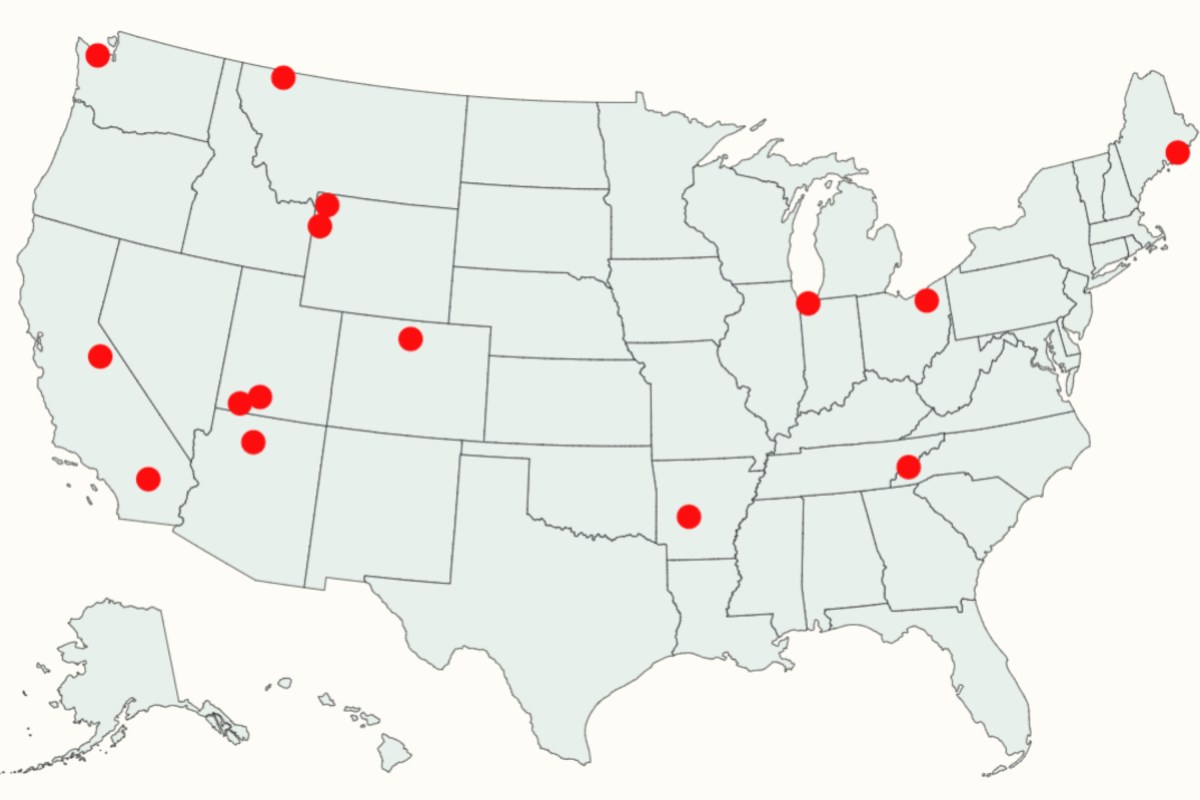
A new study ranked popular U.S. national parks by the total cost of camping trips, showing how outdoor vacations are becoming more expensive for families. The highest costs were at Grand Teton National Park in Wyoming, while Hot Springs National Park in Arkansas was the most affordable.
Key Facts
The study looked at average daily costs like camping fees, park entry, food, firewood, ice, fuel, and activities.
Grand Teton National Park is the most expensive for camping, with an estimated weekend cost of $439.
Hot Springs National Park is the cheapest option, costing about $218 for a weekend.
Joshua Tree National Park has the highest costs for outdoor activities, like a $150 bike rental or horseback ride.
Great Smoky Mountains National Park offers some of the lowest activity costs, like a $40 full-day bike rental.
Rising fuel, food, and activity fees have pushed up overall vacation expenses this summer.
The study used data from official park websites and nearby areas, focusing on the 15 most-visited parks.
Camping, usually seen as a low-cost vacation, is becoming less affordable amid broader price increases.
Read the Original
Want the full story? Tap a source to open the original
article.
Energy prices are expected to rise in July and likely stay high through winter. Experts advise taking steps now to reduce energy use and save money on bills.
Key Facts
About 40% of energy customers have fixed-price deals that keep unit costs steady for usually a year.
Fixed deals can be cheaper than the price cap, but if energy prices fall, savings may decrease.
Paying energy bills monthly is about £140 cheaper per year than paying quarterly.
People can save energy by blocking drafts, changing cooking habits, bleeding radiators, and taking shorter showers.
Grants and benefits for energy efficiency and financial support exist but are often unclaimed.
Energy debts total around £4.5 billion, and suppliers may offer payment plans or debt relief if customers ask for help.
Local councils and charities can help people find financial aid and energy-saving programs.
Read the Original
Want the full story? Tap a source to open the original
article.
Chef Sam Hazen from Palladino's Steak and Seafood restaurant shares the recipe for a popular bone-in New York strip steak. The recipe is a favorite of television host Michael Strahan and includes instructions for making the steak and side dishes.
Key Facts
Sam Hazen is the executive chef at Palladino's Steak and Seafood.
He demonstrates how to prepare the restaurant’s signature bone-in New York strip steak.
The recipe is Michael Strahan's preferred steak dish.
The presentation also includes how to make accompanying side dishes.
The article focuses on cooking and restaurant cuisine.
Read the Original
Want the full story? Tap a source to open the original
article.
The U.S. government is refunding billions of dollars in tariffs that importers paid under President Trump’s canceled tariffs. Walmart and other big companies like Costco, UPS, and FedEx said they plan to use the refunded money to lower prices or return it to customers.
Key Facts
The Supreme Court ruled that President Trump went beyond his powers with certain tariffs, leading to refunds.
U.S. Customs and Border Protection has processed $20.6 billion in tariff rebates so far.
About $166 billion in tariff payments may be refunded to over 300,000 importers.
Walmart expects to get about $2.4 billion in refunds and said it will focus on lowering prices for customers.
Costco plans to pass rebate savings to its members by lowering prices.
UPS and FedEx also promised to return collected tariffs to their customers.
Consumers generally won’t get direct refunds, but some lawsuits claim customers should receive some money back since they often paid higher prices because of tariffs.
Delays in refunds could increase government costs due to accumulating interest.
Read the Original
Want the full story? Tap a source to open the original
article.
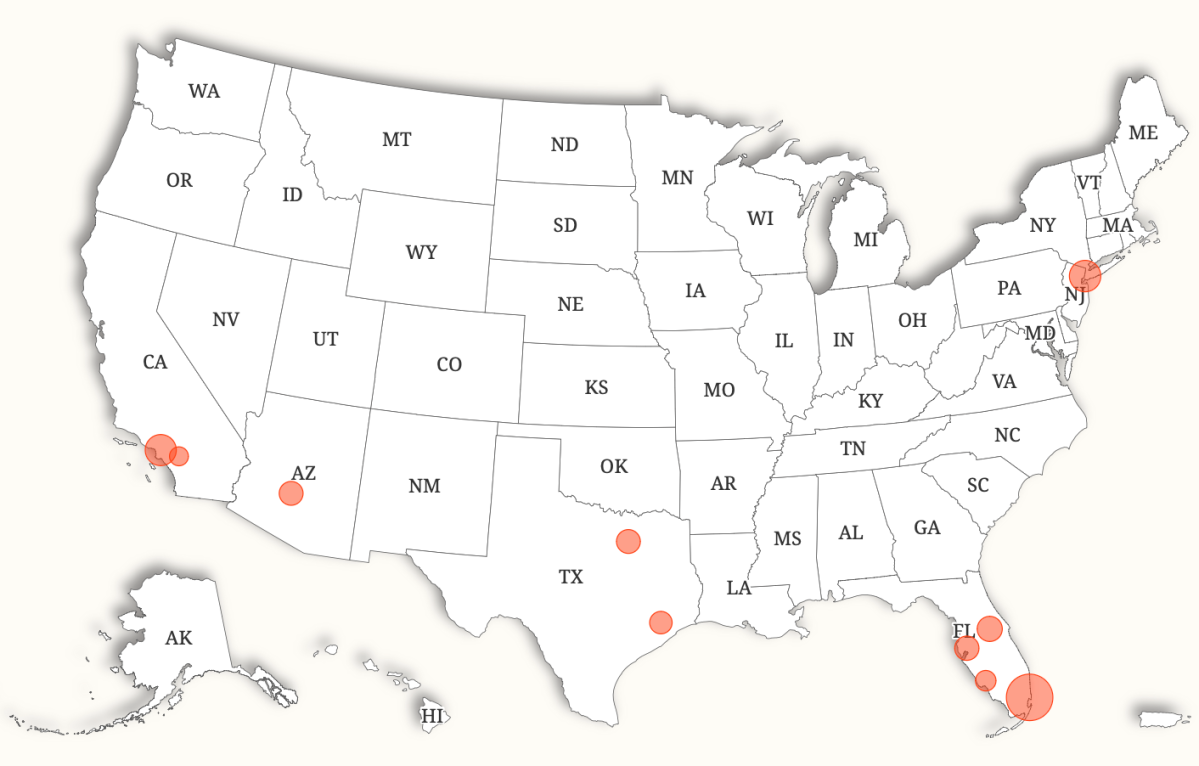
A recent report shows that foreign buyers are interested in buying homes in U.S. cities, especially in Florida. Miami leads in international demand, while Los Angeles is seeing less interest over time. Other top cities include New York, Dallas, and Orlando.
Key Facts
Foreign buyers made up 1.6% of all online home-shopping views in the U.S. during the first quarter of 2026.
Miami captured 10.3% of international home-shopping demand, making it the most popular city for foreign buyers.
Los Angeles’ share of international interest dropped from 7.9% in 2020 to 4.6% in early 2026.
Cities in Florida and Texas attract buyers because of lower taxes and cheaper housing compared to places like Los Angeles.
Dallas saw significant growth in interest from buyers in North America, Oceania, and South America between 2020 and 2026.
European buyers increased interest in Miami, while Asian buyers showed more interest in New York City.
Canadian buyers accounted for 37.8% of all foreign interest in U.S. homes in early 2026, recovering slightly after U.S. tariffs on Canadian goods affected demand.
Rising costs and high taxes in California are causing wealthy international buyers to look to other cities like Miami and Dallas.
Read the Original
Want the full story? Tap a source to open the original
article.
A new study estimates that the U.S. would need to spend about $2 trillion—around 6% of its economy—to rebuild its manufacturing capacity for key goods that are now mostly imported. While recent laws and investments, especially in AI-related industries, have boosted some sectors, the country still relies heavily on foreign-made products in important areas and faces challenges in building enough factories, skilled workers, and infrastructure.
Key Facts
The U.S. imports $3 trillion worth of manufactured goods each year.
About one-quarter of these imports are seen as critical to national security or come from rival countries.
McKinsey estimates $2 trillion is needed to fully replace imports of essential goods with American-made products.
This amount equals about two years of the current U.S. defense budget.
The U.S. lacks enough capacity to replace imports especially in advanced electronics like AI servers and certain chemicals.
Recent laws, such as the 2022 CHIPS and Science Act, support expanding U.S. manufacturing.
Investment has sharply increased in AI and tech sectors but has not grown much in industries like metals and chemicals.
Building manufacturing alone is not enough; the U.S. also needs to develop skilled workers and infrastructure to support these industries.
Read the Original
Want the full story? Tap a source to open the original
article.
The common advice for renters to spend no more than 30% of their income on rent is becoming less realistic due to rising housing costs and inflation. Experts say that while the 30% rule still applies in some areas, many renters now spend more, and the rule may need updating to match today’s economic conditions.
Key Facts
The 30% rent rule suggests renters should spend no more than a third of their income on housing.
Lenders often require monthly mortgage payments to be no more than 28% of income.
New York City plans to offer affordable housing where rent is capped at 25% of income for the lowest-income households.
Inflation in the U.S. was at 3.8% in April 2026, keeping living costs high.
The average rent for a one-bedroom apartment rose from $1,141 in January 2020 to a peak of $1,427 in August 2022 and slightly decreased to $1,356 by April 2026.
Housing market experts say the 30% rule is outdated and many renters now spend about 38% of their income on housing and related costs.
Higher rents combined with stagnant wages make it harder for many people to follow the 30% rule.
Some renters cope by moving to cheaper cities or sharing housing with roommates.
Read the Original
Want the full story? Tap a source to open the original
article.
When you change jobs, an active wage garnishment usually stops with your old employer because they no longer pay you. However, your debt still exists, and the creditor can ask the new employer to start garnishing your wages again, often quickly once they find out where you work.
Key Facts
Wage garnishment stops at your old job once you leave because that employer can’t withhold money anymore.
The debt that caused the garnishment does not go away when you change jobs.
Creditors often find your new employer using credit reports or public records and can request a new garnishment order.
The gap between jobs may cause a brief pause in wage garnishment, but it usually resumes soon.
Different types of debts have different garnishment rules; for example, child support and unpaid taxes are collected more aggressively.
Federal law limits garnishments to 25% of your disposable income or the amount above 30 times the federal minimum wage per week.
State laws may provide extra protections or rules about wage garnishment.
Changing jobs does not remove your debt or the garnishment order; the debt collection continues unless you pay or settle the debt.
Read the Original
Want the full story? Tap a source to open the original
article.