Digital Realty is planning to build a large data center in De Soto, Kansas, and is offering every household $1,000 in utility and property tax credits for 10 years. The company says the project will create jobs, generate tax revenue, and bring economic benefits to the local community.
Key Facts
Digital Realty plans to build a data center on 1,400 acres in De Soto, Kansas.
The company is offering $1,000 in tax credits per household for 10 years.
This offer is part of a $20 million community investment.
Digital Realty expects to create 250 permanent jobs for local suppliers and contractors.
Thousands of construction jobs will be supported during the building phase.
The company is working with the town to finalize how tax credits will be given to households.
Digital Realty is a publicly traded company valued at over $67 billion, serving clients like Amazon Web Services, Microsoft, and Nvidia.
Many Americans are concerned about new data centers because of environmental and local resource impacts, according to a recent CBS News poll.
Read the Original
Want the full story? Tap a source to open the original
article.
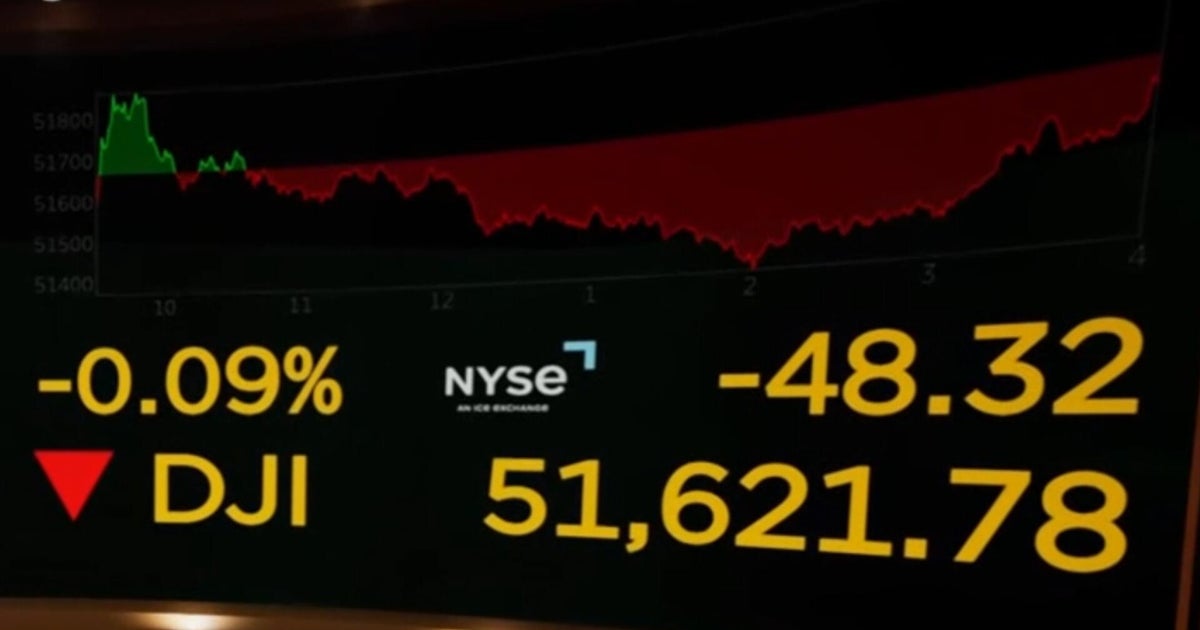
The Dow Jones stock market index fell after a government report showed that inflation increased by 3.7% in September compared to last year. The rise in inflation was mainly due to higher energy prices.
Key Facts
Inflation went up 3.7% in September from a year earlier.
Higher energy costs were the main reason for the inflation rise.
The Dow Jones stock market index closed lower following the report.
The inflation report was released by the U.S. government.
Inflation measures the increase in prices for goods and services over time.
Rising inflation can affect the stock market and the economy.
CBS News provided analysis and coverage related to this news.
Read the Original
Want the full story? Tap a source to open the original
article.
The UK hospitality sector plans to offer up to 100,000 jobs and training placements to young people aged 18 to 24 who are not working, studying, or training. This effort aims to help these young people gain skills and confidence needed to start their careers and reduce youth unemployment in the country.
Key Facts
Bars, clubs, restaurants, hotels, and pubs will offer up to 100,000 jobs or training placements over the next three years.
The program targets young people aged 18 to 24 who are not in employment, education, or training (called Neets).
The placements last up to four weeks and help build work skills and confidence.
The initiative follows a recent report warning youth unemployment in the UK could reach 1.25 million in five years without government action.
Hospitality chains involved include Wagamama, Nando’s, Burger King, Premier Inn, Fuller’s, and Mitchells & Butlers.
The government is also reviewing school exclusion rules, as missing school increases the risk of young people becoming Neets.
The Department for Work and Pensions has a similar scheme with retail companies like Marks & Spencer and John Lewis.
There are wider government discussions about changing the welfare system to support more young people into work.
Read the Original
Want the full story? Tap a source to open the original
article.
The French glassmaker Duralex, famous for its very tough tableware, has avoided bankruptcy for the fifth time in 25 years. A new business owner plans to focus on making the company more environmentally friendly.
Key Facts
Duralex is a French company known for producing durable glass tableware.
The company has faced serious financial trouble multiple times over the past 25 years.
This is the fifth time Duralex has been saved from potential collapse.
A new entrepreneur has taken over ownership of Duralex.
The new owner aims to develop a more eco-friendly business approach for the company.
Duralex’s glassware is recognized for being nearly unbreakable.
The company’s survival story reflects ongoing challenges in the manufacturing sector.
Read the Original
Want the full story? Tap a source to open the original
article.
Inflation increased a bit in September, reaching 3.7 percent according to the Bureau of Labor Statistics. This shows prices for goods and services went up slightly after staying steady in August.
Key Facts
Inflation rate in September was 3.7 percent.
Inflation had remained steady in August before this increase.
The data comes from the U.S. Bureau of Labor Statistics, an official government source.
Inflation measures how much prices rise over time for typical goods and services.
A higher inflation rate means people may pay more for everyday items.
The increase in inflation was small but noticeable compared to the previous month.
The report was released on Wednesday by The Hill’s Business & Economy newsletter.
Read the Original
Want the full story? Tap a source to open the original
article.
Gas prices in the U.S. have remained above $4 a gallon for a record 158 days in 2026 due to an ongoing oil shortage caused by conflict in the Middle East. The price increase is contributing significantly to inflation and cost concerns for consumers before the November midterm elections.
Key Facts
The national average price of gas is $4.33 per gallon as of October 2026.
Gas prices have stayed above $4 a gallon for 158 days this year, the longest such period ever recorded.
Conflict in the Strait of Hormuz, part of the Iran war, has caused a shortage of oil, pushing prices up.
Global oil prices rose to over $106 a barrel, a 50% increase from before the war started.
Inflation in the U.S. hit a four-month high in September, largely driven by a 9% monthly increase in gas prices.
A previous tentative peace agreement briefly reduced fighting and inflation, but it expired in August, and attacks on oil infrastructure resumed.
Diesel prices have increased about 66% since February 2026, reaching $6.29 a gallon, affecting many other goods' prices.
Consumer confidence has dropped near historic lows due to rising costs and economic uncertainty.
Read the Original
Want the full story? Tap a source to open the original
article.
OpenAI’s London staff earned an average of about £2.3 million each in 2025, combining salary and company shares. The company paid £87 million in salaries and £168 million in shares to 110 employees, reflecting high competition for AI talent and strong company growth.
Key Facts
OpenAI UK Ltd shared £87 million in salaries and £168 million in shares among 110 employees in 2025.
The average pay package was £2,318,181 per person, about 58 times the UK median full-time earnings.
Highest pay goes to AI researchers working on advanced models.
OpenAI is planning to list on the stock market with a valuation close to $1 trillion.
London is an important hub for AI talent, with other companies like Google DeepMind based nearby.
OpenAI’s London office includes research, government affairs, sales, and marketing teams.
Former UK Chancellor George Osborne joined OpenAI UK as head of international countries in December.
OpenAI UK Ltd’s revenue more than tripled to £293 million in 2025, with a profit of £20.3 million.
Read the Original
Want the full story? Tap a source to open the original
article.
Director Greta Gerwig is making a new movie for Netflix called Narnia: The Magician’s Nephew. It is based on the sixth book in The Chronicles of Narnia series by C.S. Lewis and will be released in theaters in February 2027 before streaming on Netflix in April 2027.
Key Facts
Greta Gerwig directed Narnia: The Magician’s Nephew, a Netflix adaptation of a C.S. Lewis novel.
The movie is inspired by 1960s musician David Bowie, but it will not be a musical.
The story follows Digory Kirke and Polly Plummer in 1950s London, who find magical rings and accidentally awaken an evil empress.
Emma Mackey plays the evil Jadis (the White Witch), and Meryl Streep voices the lion Aslan.
Other cast members include Daniel Craig, David McKenna, Beatrice Campbell, Carey Mulligan, and Ciaran Hinds.
The film will have a wide theatrical release on February 12, 2027, and start streaming on Netflix on April 2, 2027.
This is Netflix’s first film with a wide theatrical release.
Greta Gerwig has a two-movie deal for the Narnia series, possibly including The Lion, the Witch, and the Wardrobe next.
Read the Original
Want the full story? Tap a source to open the original
article.
The article explains how people can deal with higher prices during the upcoming holiday season. It discusses the latest report on inflation and what shoppers can expect.
Key Facts
Prices are rising as the holiday season approaches.
Inflation is a general increase in prices and the decrease in money's buying power.
Recent reports show that inflation is affecting many everyday items.
Consumers may need to adjust their budgets or shopping plans due to higher costs.
The article offers advice on how to manage spending during this time.
Rising prices impact goods like food, gifts, and travel.
Understanding inflation can help people make better financial choices during the holidays.
Read the Original
Want the full story? Tap a source to open the original
article.
Japan is investing $20 billion to support building two new semiconductor chip factories in upstate New York. President Donald Trump announced that Japan will provide $10 billion for a GlobalFoundries plant expected to start working by 2029 and another $10 billion for a second chip plant.
Key Facts
Japan is funding $20 billion for two chip factories in New York.
One plant is from GlobalFoundries, planning to open by 2029.
The funding aims to speed up construction of these plants.
President Donald Trump announced the deal on Wednesday.
The investment comes amid global efforts to increase chip production.
Semiconductor fabrication means making computer chips.
This is a joint effort between Japan and U.S. companies.
Read the Original
Want the full story? Tap a source to open the original
article.
The UK government will review airport drop-off charges after a sharp increase in fees at major airports. Prices have risen by about a third since summer 2025, with some airports charging up to £10 for drop-offs. The government wants to keep travel affordable and ensure fairness for passengers.
Key Facts
Airport drop-off charges have increased significantly, with Gatwick and Stansted rising from £7 to £10.
Edinburgh Airport’s fees rose from £6 to £8.50, and Bournemouth’s from £5 to £8.
The Department for Transport will review these fees to keep travel accessible and fair.
The RAC found 80% of drivers think these charges are unfair and confusing.
London City Airport charges £8 for five minutes, the highest per-minute drop-off fee.
None of the top 10 European Union airports charge for drop-offs.
Airport operators say these fees help manage traffic and air pollution and are part of their business costs.
The government recently announced scrapping some extra charges for parents flying with children to reduce living costs.
Read the Original
Want the full story? Tap a source to open the original
article.
Netflix is planning to cut 6 percent of its workforce, the largest job reduction in recent years. The job cuts will mainly affect the product, technology, legal, and human resources teams.
Key Facts
Netflix is laying off 6 percent of its employees.
This is the biggest round of job cuts the company has had in years.
The teams most affected include product, technology, legal, and human resources.
The information comes from a memo by Netflix co-CEOs Greg Peters and Ted Sarandos.
The layoffs reflect changes within the company’s business structure.
Read the Original
Want the full story? Tap a source to open the original
article.
Rancho Humilde is a Mexican-American record label that helped popularize a style of music called corridos tumbados. The company’s leaders focus on blending traditional Mexican music with other genres and on building real connections between artists and audiences.
Key Facts
Rancho Humilde was started by President Mickey Sanchez and Vice President Jose Toribio.
The label grew from family and community music gatherings where Mexican music was a big part of life.
Corridos tumbados is a music style combining Mexican storytelling songs with modern influences like hip-hop and reggaeton.
The label combines traditional Mexican instruments like accordion and tuba with new sounds from other genres.
Young Mexican Americans often feel both Mexican and American and enjoy music that reflects both cultures.
Established musicians initially criticized corridos tumbados for mixing styles but later accepted it once they heard familiar storytelling.
Rancho Humilde values personal connections and artist work ethic more than social media numbers when signing new talent.
Artists signed by the label include Natanael Cano, Fuerza Regida, Oscar Maydon, and Junior H.
Read the Original
Want the full story? Tap a source to open the original
article.
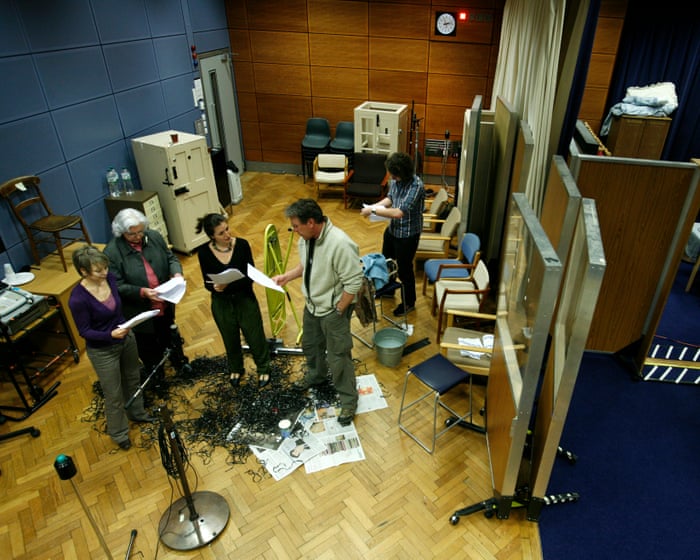
The BBC has cancelled plans to build a new studio in Birmingham for recording the radio show The Archers, as part of a £500 million cost-cutting effort. This means the show may be recorded away from Birmingham, where it has been based for 75 years, causing concern among the cast and production staff about quality and local ties.
Key Facts
The BBC decided to stop building a new radio drama studio at the Tea Factory in Birmingham.
Production staff will move to the new Birmingham headquarters, but recording may happen elsewhere in the UK.
The Archers is the world’s longest-running radio soap opera, based in Birmingham for 75 years.
Cast members are worried that recording away from Birmingham will hurt the show's quality and impact local jobs.
The current studio setup has special facilities that are rare and hard to replicate elsewhere.
Moving recordings could add costs in the long term, offsetting any savings from cancelling the studio.
Local actors often have small roles in the show, providing career opportunities in the Birmingham area.
The decision conflicts with promises to support regional culture and economy in the UK.
Read the Original
Want the full story? Tap a source to open the original
article.
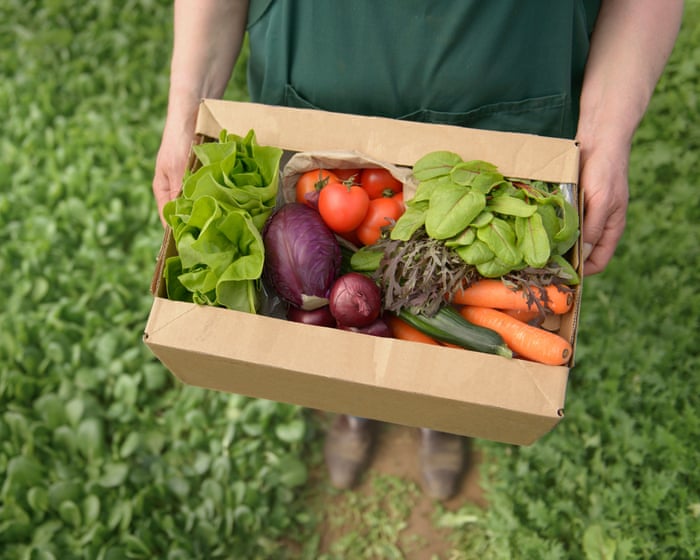
The UK government aims to increase the amount of land farmed organically in England to 10% by 2036, up from the current 3.4%. The plan highlights opportunities in public sector food purchases but faces challenges over reliable funding and support for farmers making the transition.
Key Facts
Only 3.4% of England’s farmland is currently farmed organically, one of the lowest rates in Europe.
The government wants to raise this to 10% by 2036.
France farms 10.4% organically and aims for 18% by 2027, showing stronger political support in the EU.
Public sector purchasing (like schools and hospitals) is seen as a key chance to boost organic food use.
Funding challenges exist as recent government sustainable farming payments ran out within six hours, leaving many farmers without support.
Experts say consistent, reliable funding is needed to help farmers switch to organic farming.
Increasing organic farming could reduce the price difference between organic and regular food over time.
The government and farming groups agree that supporting organic farming can strengthen UK food supply chains and benefit local farmers.
Read the Original
Want the full story? Tap a source to open the original
article.
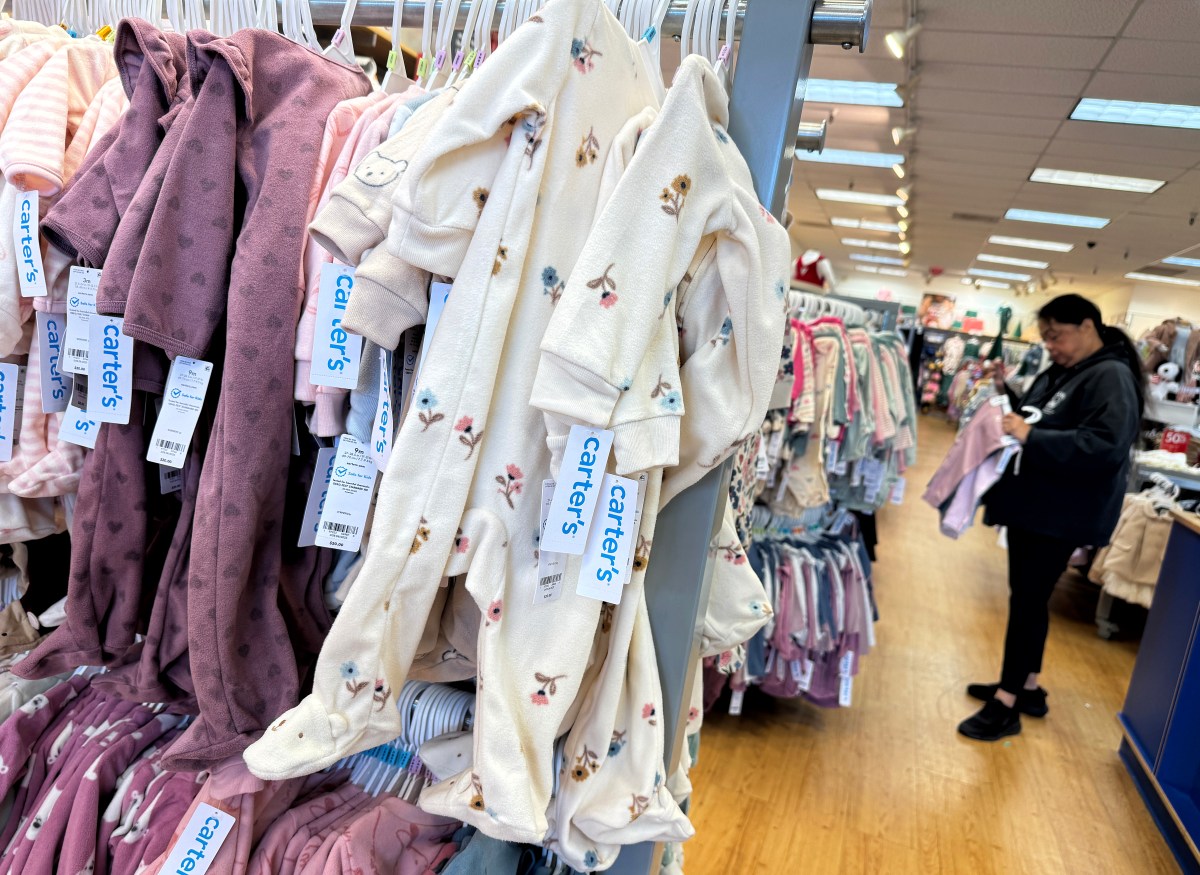
Carter’s, a company making children’s clothing since 1865, is updating its brand for the first time in 26 years to stay relevant. The company is changing its logo, messaging, and store experience while dealing with financial challenges like lower profit margins and tariffs set by President Donald Trump.
Key Facts
Carter’s was founded in 1865 and sells pajamas, onesies, and other children’s clothes.
The company is doing its biggest brand update in 26 years, including a new logo and message.
In fiscal 2025, Carter’s net sales rose 2% to $2.898 billion, but operating profit dropped from 9% to 5%.
The company faced higher costs partly due to tariffs implemented by President Donald Trump in 2025.
Carter’s plans to improve stores, online shopping, products, and packaging by 2027.
The brand focuses on offering value, which means a mix of good style, quality, and fair price, not just the cheapest option.
Many American families face financial stress, making affordable and reliable children’s clothing important.
Carter’s notes it has survived many past challenges like recessions and supply problems, aiming to come out stronger.
Read the Original
Want the full story? Tap a source to open the original
article.
The Done family took a £30 million payment from their Betfred betting company before warning the government that raising taxes on slot machines could lead to many shop closures and job losses. Betfred had a strong financial year, paying out large dividends, but the family says higher taxes could hurt the business and cause thousands of job cuts.
Key Facts
The Done family took a £30 million dividend from Betfred before warning about tax-related job cuts.
The government is considering doubling the tax on high-street slot machines, potentially raising £460 million.
Betfred’s owner, Fred Done, and others warned this could lead to nearly 1,500 betting shop closures, 34 casino closures, and nearly 16,000 job losses.
Betfred made nearly £1 billion from customers and had a £64 million pre-tax profit in one year.
Since 2022, shareholders (mostly Done family trusts) have received over £105 million in dividends.
The Done family paid about £400 million in taxes last year, £54 million from machine game duty.
Betfred’s number of shops dropped from about 1,620 in 2019 to around 1,293 now, partly due to rising taxes and more online gambling.
Adult gaming centres (AGCs) are growing and might benefit more than bookmakers if the tax on slot machines rises.
Read the Original
Want the full story? Tap a source to open the original
article.
Inflation in the U.S. is increasing beyond just energy prices and is affecting many types of goods and services. This rise in overall prices makes it harder for families to afford things and raises the chance that the Federal Reserve will increase interest rates again soon.
Key Facts
The Consumer Price Index (CPI) rose 0.6% in September, faster than August's 0.4% increase.
Gasoline prices jumped 9% in September, making up over half of the monthly rise in prices.
Core prices, which exclude food and energy, increased 0.3% for the second month in a row.
Over the last three months, core CPI rose at a 3.4% annual rate, showing stronger inflation pressure.
Prices for shelter, used cars, and airfares all increased in September.
A narrower inflation measure called "supercore," which excludes housing and energy, rose at nearly a 4.6% annual rate in three months.
Federal Reserve officials had downplayed the need for an immediate interest rate hike, but the new data has increased chances of a rate increase at the Fed meeting in late October.
Inflation has outpaced wage growth for six months, lowering workers' real earnings.
Read the Original
Want the full story? Tap a source to open the original
article.
Netflix announced it will cut 1,000 jobs worldwide, mainly in its human resources, legal, product, and technology teams. This is due to increased competition from other streaming and free video platforms, and the company aims to focus its resources on growth and innovation.
Key Facts
Netflix will reduce about 6% of its workforce, which equals 1,000 jobs globally.
The job cuts mainly affect human resources, legal, product, and technology departments.
Competition is increasing from free platforms like YouTube and TikTok, and the streaming industry is consolidating due to big mergers.
Netflix missed out on buying Warner Bros after being outbid by Paramount, which merged with Warner Bros for $110 billion.
Netflix leaders say they will keep investing in important areas to improve their service and grow the business.
The company is exploring new revenue options like gaming and showing ads before and during shows.
Netflix’s last major job cut was in 2022, when it cut about 450 jobs after losing subscribers for the first time in years.
The company will report its next financial results on October 20.
Read the Original
Want the full story? Tap a source to open the original
article.
Mark Zuckerberg recently tried Guinness beer for the first time during a podcast with Irish billionaire John Collison. His reaction suggested he did not enjoy the taste, yet he continued to drink it, possibly because he recently bought a castle in Ireland.
Key Facts
Guinness is an Irish stout beer first brewed in the 1770s and widely poured since 1959.
It is popular worldwide, selling 1.88 billion pints a year, even as overall beer sales decline.
Mark Zuckerberg appeared on John Collison’s podcast called Cheeky Pint, where he tasted Guinness for the first time.
Zuckerberg’s facial expressions showed surprise and discomfort when drinking the beer.
He only finished about half a pint during the podcast but later had another pint placed in front of him.
Zuckerberg recently bought a castle in Ireland for €20 million (£17 million).
Guinness also sells a top non-alcoholic beer, Guinness 0.0, in the UK.
Celebrity endorsements of Guinness are common, but not all celebrities genuinely like the beer.
Read the Original
Want the full story? Tap a source to open the original
article.