Mark Zuckerberg recently tried Guinness beer for the first time during a podcast with Irish billionaire John Collison. His reaction suggested he did not enjoy the taste, yet he continued to drink it, possibly because he recently bought a castle in Ireland.
Key Facts
Guinness is an Irish stout beer first brewed in the 1770s and widely poured since 1959.
It is popular worldwide, selling 1.88 billion pints a year, even as overall beer sales decline.
Mark Zuckerberg appeared on John Collison’s podcast called Cheeky Pint, where he tasted Guinness for the first time.
Zuckerberg’s facial expressions showed surprise and discomfort when drinking the beer.
He only finished about half a pint during the podcast but later had another pint placed in front of him.
Zuckerberg recently bought a castle in Ireland for €20 million (£17 million).
Guinness also sells a top non-alcoholic beer, Guinness 0.0, in the UK.
Celebrity endorsements of Guinness are common, but not all celebrities genuinely like the beer.
Read the Original
Want the full story? Tap a source to open the original
article.
Lisa Vanderpump has released a new cookbook called "Home at Villa Rosa: Cooking and Living the Vanderpump Way." She appeared on CBS Mornings with her dog to talk about the book and her lifestyle at Villa Rosa.
Key Facts
Lisa Vanderpump published a cookbook titled "Home at Villa Rosa: Cooking and Living the Vanderpump Way."
She appeared on CBS Mornings to discuss the book.
Vanderpump brought her dog Donut to the TV segment.
The book focuses on cooking and living as she does at her home, Villa Rosa.
The interview was part of a CBS Mornings live segment.
Read the Original
Want the full story? Tap a source to open the original
article.
A federal agency, FERC, rejected a plan by PJM Interconnection to limit power to new large electricity users like data centers during shortages. The Department of Energy issued an emergency order to prevent blackouts by requiring certain power plants to operate during high demand and maintenance periods.
Key Facts
FERC oversees interstate electricity, natural gas, and oil transmission.
PJM Interconnection manages electricity for parts of 13 states in the Mid-Atlantic and Midwest regions.
PJM proposed a rule for new data centers of 50 megawatts or more to pay for additional power supply or face possible power cuts during emergencies.
FERC found that PJM’s proposal overstepped its authority and interfered with local electricity regulation.
The Department of Energy issued an emergency order to reduce blackout risks from October 13 to 16.
The order requires PJM to use extra power plants and direct large users to backup power if needed.
PJM faces rising electricity demand faster than new power sources coming online.
PJM noted that maintenance on power plants and transmission lines during certain seasons increases the risk of power shortages.
Read the Original
Want the full story? Tap a source to open the original
article.
U.S. inflation rose more than expected in September, driven mainly by higher energy prices, according to the latest Consumer Price Index (CPI) report. This means the overall cost of goods and services increased faster than economists predicted.
Key Facts
Inflation in the U.S. went up in September, surpassing expert predictions.
Energy prices, such as gasoline and electricity, saw a sharp increase.
The Consumer Price Index (CPI) measures changes in the price level of a market basket of consumer goods and services.
Higher energy costs contributed significantly to the rise in overall inflation.
Increased inflation can affect the cost of living for families and businesses.
The report was covered recently by CBS News and analysts like Matt Phillips from Axios.
Inflation trends are closely watched to guide economic policy decisions.
Read the Original
Want the full story? Tap a source to open the original
article.
Netflix is cutting about 6% of its workforce, affecting around 1,000 jobs in several departments. The company said its business is still strong but needs to focus on key areas to keep growing and improving its service.
Key Facts
Netflix is laying off roughly 6% of its employees.
About 1,000 positions will be cut worldwide.
The layoffs affect product, technology, legal, and human resources teams.
Netflix had around 16,000 full-time employees as of December 2025.
The company says it remains profitable and on track for its full-year forecast.
Netflix faces slower revenue growth due to more competition and a crowded market in North America.
Netflix’s stock price dropped about 43% over the past year.
The job cuts are the largest since 2022 for Netflix.
Read the Original
Want the full story? Tap a source to open the original
article.
The United States will soon receive its first shipment of potash from Belarus in four years after lifting sanctions on Belarusian producers. President Donald Trump aims to secure cheaper fertilizer for U.S. farmers by diversifying supplies beyond Canada, which currently dominates the market.
Key Facts
A 30,000-tonne shipment of Belarusian potash is expected to arrive in New Orleans soon.
The U.S. lifted sanctions on major Belarusian potash producers in March 2026.
Potash is a key ingredient in fertilizer and essential for growing crops like corn and soybeans.
The U.S. imports most of its potash, with Canada supplying nearly 80% and Russia 12%.
Rising fertilizer costs are putting financial pressure on American farmers.
President Trump wants to reduce fertilizer prices and provide more supply options for farmers.
Belarus faces challenges shipping potash because it is landlocked and EU restrictions limit export routes.
It is unclear if Belarus can offer prices low enough or export enough potash to significantly affect the U.S. market.
Read the Original
Want the full story? Tap a source to open the original
article.
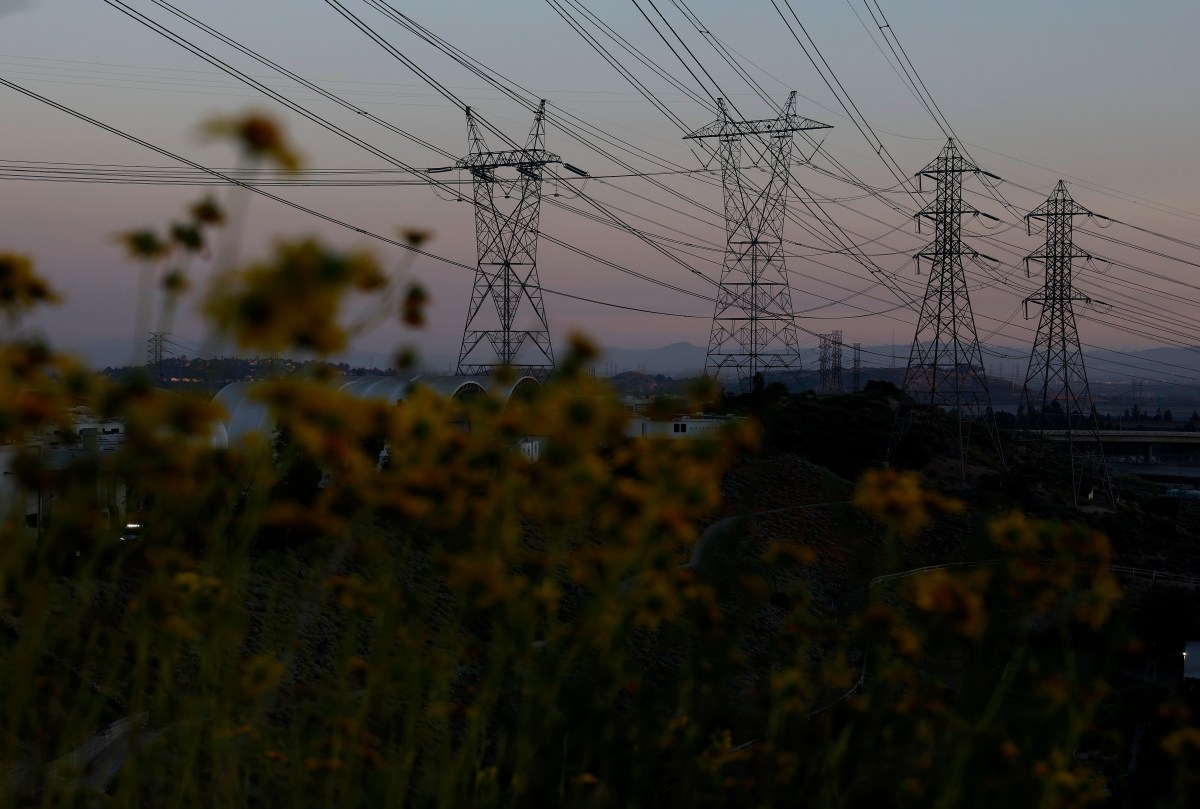
Western states face a challenge in building more electricity transmission lines. This is important for delivering cleaner energy and supporting new industries in the region’s future.
Key Facts
Governors from Western states are discussing the need for more transmission lines.
Transmission lines carry electricity over long distances.
Expanding transmission is needed to use more clean energy sources like wind and solar.
Upgrading the electricity grid can help create new jobs and industries.
Without better transmission, the region risks falling behind others in energy development.
The focus is on leading the next generation of energy technology.
This issue is seen as crucial for economic growth and environmental goals.
Read the Original
Want the full story? Tap a source to open the original
article.
The fitness industry in the U.S. is shifting its focus from appearance and weight loss to promoting healthy aging and long-term wellness. More adults aged 65 and older are joining gyms, and experts emphasize that consistent exercise improves overall health, not just looks. However, some claims about extending life span lack strong scientific proof.
Key Facts
The fitness industry is increasingly promoting exercise for longevity and healthy aging.
A 2026 survey found that longevity and healthy aging are among the fastest-growing goals for fitness clients.
Gym membership for adults 65 and older increased by 8.6% in one year.
Fitness businesses are marketing services that focus on mobility, resilience, and long-term health.
Coach Oscar Kemjika promotes fitness that prioritizes body function and daily healthy habits over appearance.
The global wellness market was valued at $6.8 trillion in 2024 and is expected to grow to $9.8 trillion by 2029.
Some marketed longevity treatments, like cryotherapy and vitamin infusions, lack strong scientific evidence for extending lifespan.
Experts advise consumers to distinguish between proven preventive medicine and unproven longevity claims.
Read the Original
Want the full story? Tap a source to open the original
article.
A £10 squishy banana toy called Big Squij is expected to be a popular Christmas gift this year, riding on the current trend for "squishies"—soft, squeezable toys. These toys are driving strong sales growth in UK toy shops and are part of a wider increase in demand for affordable, sensory toys and collectibles.
Key Facts
Big Squij is a £10 squishy toy shaped like a banana and is part of the popular "squishies" craze.
Squishies are soft, squeezable toys filled with a flour-based compound that slowly return to their shape.
The trend is popular on social media, with over 260,000 TikTok posts and 600,000 Instagram posts using #squishies.
UK toy sales were up 13% in value and 19% in volume by August 2024.
Toys costing under £10 are selling fastest, including squishies and World Cup stickers.
Major toy shops like Hamleys and The Entertainer expect a big boost in sales and profits from this trend.
Hamleys has released a list of 15 top toys for Christmas, ranging from £10 Big Squij toys to £75 remote-controlled unicorns.
Other popular toys on the list include Lego, Barbie, Doctor Doom figures, and a Hatsune Miku collectible.
Read the Original
Want the full story? Tap a source to open the original
article.
CBS Mornings Deals offers viewers special discounts on various products to improve daily life. Shoppers can visit cbsdeals.com to access these deals, and CBS earns commissions from purchases made through this website.
Key Facts
CBS Mornings highlights products with exclusive discounts.
Deals are promoted to help improve everyday lifestyle.
Interested customers can buy items at cbsdeals.com.
CBS earns a commission when purchases happen through their link.
The deals cover a range of items featured on CBS Mornings.
The promotion aims to provide value to viewers through special offers.
The report is part of a regular CBS segment focusing on bargains.
Read the Original
Want the full story? Tap a source to open the original
article.
The movie *Digger* failed badly at the box office, partly because audiences are now tired of films that mock the very rich. While movies and TV shows about wealth inequality were once popular, interest in this topic in entertainment seems to be fading even though public concern about the super-rich is still strong.
Key Facts
*Digger* is expected to lose about $250 million during its time in cinemas.
Films and shows like *Parasite*, *Glass Onion*, *Succession*, and *The White Lotus* once made stories about rich people’s problems very popular.
Audiences have grown tired of stories that focus on criticizing the wealthy, leading to weak performances for recent movies with similar themes.
Other films with rich-versus-poor themes, like *Ready or Not 2* and *They Will Kill You*, also failed at the box office.
The Netflix show *Beef* saw a significant drop in viewers when it returned with similar themes.
The upcoming Netflix movie *Sacrifice*, featuring famous actors, struggled to find a distributor and attention despite its relevant theme.
Public opinion polls show most people support taxing the rich more heavily, even though entertainment about this topic is losing popularity.
President Donald Trump, a wealthy real-estate mogul, has low approval ratings, highlighting public dissatisfaction with the rich.
Read the Original
Want the full story? Tap a source to open the original
article.
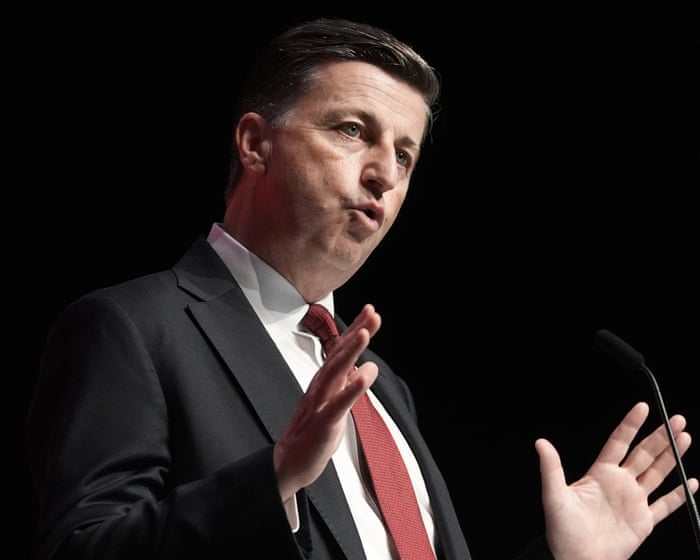
A UK trade minister, Douglas Alexander, said that having closer trade ties with the European Union (EU) could benefit Britain more than making separate trade deals with other countries. He noted that the EU is the UK's biggest trading partner and that the economic benefits from the EU are much larger than from deals like the recent one with India.
Key Facts
Douglas Alexander, former trade minister, supports closer UK trade relations with the EU.
He believes a customs union or full membership arrangement with the EU would boost the UK economy more than separate trade deals.
The UK trades almost twice as much with the EU as with the United States.
The EU has its own trade agreement with India, which reduces prices, like a 10-15% drop in scotch whisky prices in India.
Alexander said the UK is paying an economic price for new trade barriers with European neighbors after Brexit.
When the UK joined the Pacific trade group CPTPP, it estimated a small positive impact on the UK economy (less than 0.1% GDP).
Alexander was in India with government ministers to solve early problems with the UK-India trade deal.
The UK hopes to reach new agreements with the EU on emissions, electricity, and agricultural products soon.
Read the Original
Want the full story? Tap a source to open the original
article.
The head of Mercedes-Benz and the European Automobile Manufacturers’ Association warned that excluding the UK from the EU’s new “Made in Europe” law would hurt car-making in both the EU and the UK. The law, designed to support local industry mainly against China, could block the UK from important EU contracts and bring tariffs on electric vehicle trade between the UK and EU.
Key Facts
The EU is working on the Industrial Accelerator Act (IAA), also called the “Made in Europe” law, to protect local industries from foreign competition, especially from China.
Mercedes-Benz president Ola Källenius said keeping the UK out of this law would weaken the car industry on both sides, the EU and the UK.
The UK government wants to be included in the law but faces resistance, especially from France.
The EU has asked the UK to impose tariffs on Chinese cars like the EU did in 2024, which might support UK inclusion in the law, but the UK is not planning to do this soon.
From 2025, a 10% tariff will apply to electric vehicles exported between the UK and EU unless they meet certain regional production rules, but this tariff has been delayed to give the industry more time.
The car industry is asking for a further delay of the tariffs to avoid harming manufacturers.
The EU and China have agreed to reduce sales of hybrid electric cars in the EU by half over four years to address China’s growing trade surplus with the EU.
The trade tensions reflect ongoing challenges in balancing trade and industrial competitiveness between the EU, UK, and China.
Read the Original
Want the full story? Tap a source to open the original
article.
Inflation in the U.S. rose to a four-month high in September, mainly because gas prices went up due to the ongoing conflict in Iran. Prices overall grew 3.7% compared to a year earlier, with gas and housing costs pushing much of the increase, while food prices remained stable.
Key Facts
Inflation hit 3.7% in September, up from 3.4% in August.
Gas prices increased over 9% from August to September, contributing to more than half of the overall price rise.
Shelter costs, including home payments and rent, also went up in September.
Food prices stayed the same compared to August and were up 2.5% over the year.
The Iran war has led to higher fuel costs by disrupting oil exports and raising shipping expenses.
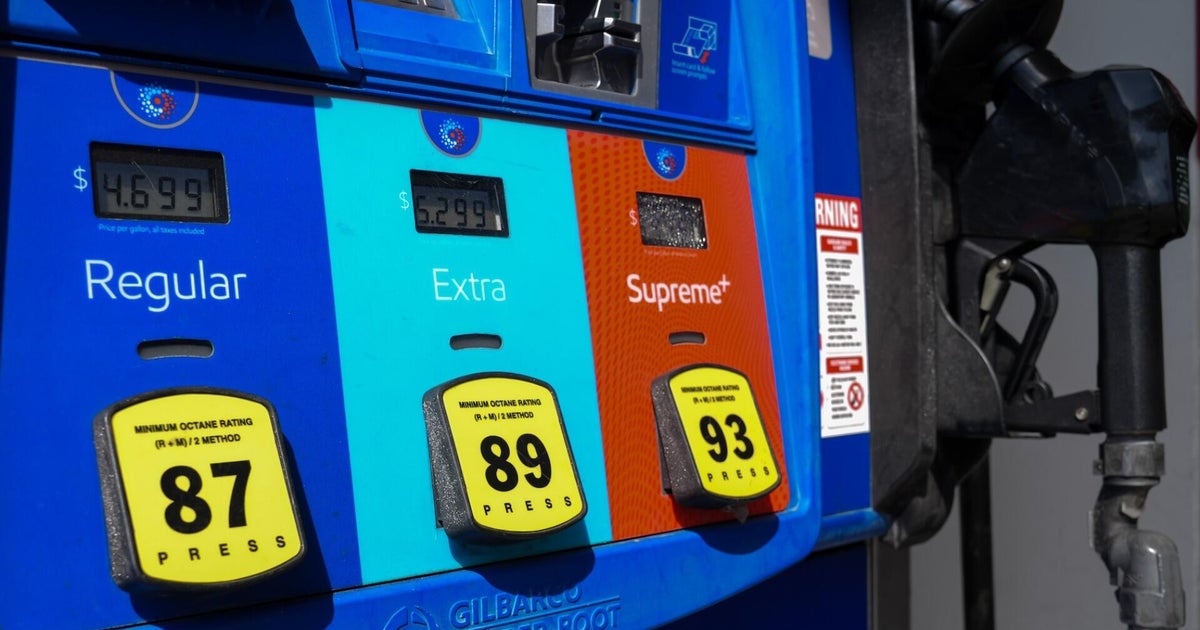
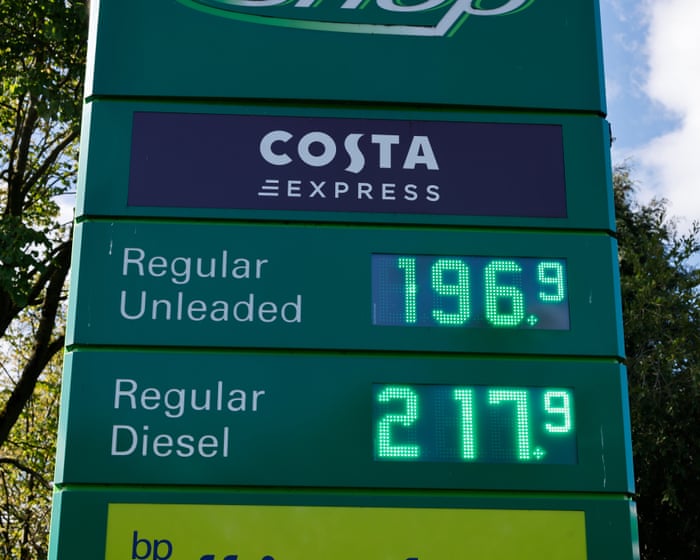
The U.S. average gas price is above $4.30 per gallon, compared to under $3 before the Iran war.
Diesel prices rose by about 66% since the Iran war began, affecting costs for many goods.
Despite inflation and other challenges, the economy shows some strength, with GDP growth and increased consumer spending in recent months.
Read the Original
Want the full story? Tap a source to open the original
article.
Inflation in the U.S. went up to 3.7 percent in September, rising from 3.4 percent in August. The Consumer Price Index, which measures price changes for everyday goods, increased by 0.6 percent in September alone.
Key Facts
Inflation rose to 3.7 percent in September from 3.4 percent in August.
The Consumer Price Index (CPI) increased 0.6 percent during September.
The Bureau of Labor Statistics (BLS) provided this data on Wednesday.
The CPI measures how prices change for items consumers buy regularly.
Inflation had stayed steady in the previous month before rising in September.
The increase means prices generally went up more compared to the previous year.
This data helps understand the overall cost of living and economic trends.
Read the Original
Want the full story? Tap a source to open the original
article.
The global shortage of diesel fuel, caused by damage to refineries in the Middle East and Russia, is expected to continue until 2027. While high diesel prices are increasing costs for businesses and consumers worldwide, some refineries, especially in the US and Europe, are making record profits by selling diesel in this tight market.
Key Facts
President Donald Trump arranged a deal to import Russian diesel to the US to help reduce fuel prices.
The International Energy Agency (IEA) warns that the diesel shortage will last into 2027 despite efforts to ease it.
The shortage results from refinery damage due to war and export restrictions, cutting global supply by about 1 million barrels per day.
Diesel fuels many industries like farming, mining, shipping, and manufacturing and accounts for 10% of the world’s energy use.
High diesel prices are increasing costs for goods, food, and transport, affecting economies worldwide.
Some refineries in Europe and the US are benefiting, making record profits and seeing their stock values rise sharply.
US refinery exports have increased by over 50% in the past year, helping offset losses from damaged refineries elsewhere.
Companies like TotalEnergies have reported a quadrupling of profits in refining and chemicals due to the crisis.
Read the Original
Want the full story? Tap a source to open the original
article.
Bank of America has been fined $1.21 billion by U.S. regulators for failing to detect and report over $5 billion in suspicious transactions. The penalty is one of the largest ever and will reduce the bank’s earnings in the third quarter.
Key Facts
The U.S. Treasury Department fined Bank of America $1.21 billion for poor anti-money laundering controls.
The bank failed to report more than $5 billion in suspicious activity, including $1 billion related to national security risks.
The bank relied too much on outside reports instead of its own checks.
Bank of America must hire an independent party to review past transactions and report missed suspicious activity.
The Office of the Comptroller of the Currency also fined the bank $750 million for AML program failures.
The Office of Foreign Assets Control fined the bank $11.6 million for violating sanctions on countries like Russia and Iran.
The fines will reduce the bank’s third-quarter earnings by about 17 cents per share.
Bank of America’s shares fell after the fine was announced, and this may affect its future stock buybacks.
Read the Original
Want the full story? Tap a source to open the original
article.
The International Energy Agency (IEA) warns that diesel shortages and high prices will likely continue into 2027 due to lower exports from the Middle East and Russia and limited refinery capacity. Despite President Trump’s deal to buy Russian diesel, the IEA says this will not significantly ease the global diesel supply problems.
Key Facts
Diesel supplies are low because of disruptions in exports from the Middle East and Russia.
Diesel prices have reached record highs, partly because demand remains strong.
Governments have taken steps to help consumers cope with high diesel costs.
Oil refiners are earning higher profits due to the diesel price increase.
The IEA expects diesel inventories to recover only by the second half of 2027.
President Trump made a deal to buy diesel from Russia, but it likely won’t ease the shortage much.
Russia’s limited refinery capacity is a main reason why diesel exports are low.
The US-Russia diesel deal may help Russia’s economy but not reduce US diesel prices significantly.
Read the Original
Want the full story? Tap a source to open the original
article.
A deputy in Guernsey proposed cutting government jobs to pay for lowering the price of diesel fuel by 5 pence per litre. He also suggested freezing fuel taxes to help drivers as fuel prices rise due to global conflicts.
Key Facts
Deputy Neil Inder wants to reduce the number of civil servants to save money.
The proposal includes freezing fuel duty and cutting diesel prices for vehicles.
Fuel duty is scheduled to increase by 4.3% in January 2027.
Diesel prices have recently hit record highs in Guernsey and the UK.
Rising fuel costs are linked to ongoing conflicts in the Middle East.
White diesel is taxed at standard rates, while red diesel (used in farming, fishing) has lower or no taxes.
Inder says diesel price spikes will likely increase living costs.
Guernsey’s government will consider these amendments during the next budget review.
Read the Original
Want the full story? Tap a source to open the original
article.
The International Monetary Fund (IMF) has praised the UK's plan to reduce its government borrowing, seeing it as stronger than plans from other major economies like the US and Germany. This positive view suggests the UK may have better future economic growth but also means the government will likely limit extra spending and tax increases in its upcoming Budget.
Key Facts
The IMF is concerned about high debts in the world’s largest economies and watches for risks.
UK officials have taken clear steps to reduce government borrowing, unlike many other G7 countries.
The UK's plan aims to cut borrowing by almost 4% of the size of its economy over the next few years.
Countries like the US, Germany, and Japan are either increasing or maintaining their borrowing levels.
IMF leaders called the UK’s borrowing reduction "decisive" and credit it with improving growth prospects.
The UK has had higher borrowing costs in recent years, especially after political and economic troubles.
The UK’s Chancellor John Healey is expected to make a Budget with limited new spending and small tax changes to stay on track.
Rising global energy prices and inflation mean public services may not get big funding increases, and public sector pay talks will be difficult.
Read the Original
Want the full story? Tap a source to open the original
article.