The article discusses how Congress should take a stronger role in making trade policy following the midterm elections. It notes that higher oil prices from the war in Iran and President Trump's tariffs are unpopular with voters.
Key Facts
Congress currently plays a limited role in trade policy decisions.
The article suggests Congress should have more influence after the midterms.
Higher oil prices are linked to the ongoing war in Iran.
President Trump's tariffs have caused concern among voters.
Trade policy affects prices and economic relations with other countries.
Public opinion is important in shaping trade decisions.
The midterm elections may change political priorities in trade policy.
Read the Original
Want the full story? Tap a source to open the original
article.
The inflation rate in Jersey increased to 3% in September, up from 2.8% in June. Higher prices for household services, alcohol, food, and fuels like heating oil and petrol were the main reasons for this rise.
Key Facts
Jersey’s annual inflation rate reached 3% in September.
This is an increase of 0.2 percentage points since June, when inflation was 2.8%.
Household services, alcoholic drinks, and food saw the biggest price increases.
Prices for heating oil and other fuels rose by 47.7% over the year.
Petrol and oil prices increased by 22.7%.
Food prices went up by 3.5%, and housing costs rose by 0.2%.
Jersey’s inflation rate is 0.6 percentage points lower than the UK’s CPIH rate of 3.6%.
Global energy markets are affected by the ongoing conflict in the Middle East, influencing fuel prices.
Read the Original
Want the full story? Tap a source to open the original
article.
Oil prices have reached their highest point in over five months due to fears of renewed conflict between the US and Iran. The rise follows threats from Iran to attack key facilities if the US and Israel carry out military strikes after the US elections in November.
Key Facts
Brent crude oil rose 1% to $114.72 per barrel, the highest since May.
Iran threatened to hit oil facilities, undersea cables, and AI centers if attacked by the US or Israel.
The US may consider military strikes on Iran after the midterm elections on November 3.
Oil prices were about $72 per barrel in February before the Iran conflict and peaked at $126 by April.
Iran's forces claimed to attack four commercial ships near the Strait of Hormuz recently.
The US ordered some diplomats and families to leave Saudi Arabia after increased attacks by Houthi rebels from Yemen.
The Strait of Hormuz remains dangerous due to ongoing missile attacks affecting shipping routes.
Ukraine’s attacks on Russian diesel refineries are also causing worry about fuel supply.
Read the Original
Want the full story? Tap a source to open the original
article.
Many young Americans are choosing used cars from the late 1990s and early 2000s, called Y2K cars, because new vehicles are too expensive. These older cars are reliable, cheap to insure, and easier to pay for without much debt, making them a popular choice amid high costs for new cars and living expenses.
Key Facts
The average new car costs over $50,000 in the US, which is too high for many young people.
People under 35 make up less than 10% of new car buyers in 2024, the lowest ever.
Average monthly payments for new cars are $765, and for used cars, $542. Some pay $1,000 or more each month.
Y2K cars are reliable vehicles from the late 1990s and early 2000s that often last over 150,000 miles with basic maintenance.
These cars are cheaper to buy, run, and insure compared to new models.
Interest rates and loan lengths have increased, making new car financing similar to a mortgage.
The supply of affordable used cars under $15,000 is shrinking, falling from 21% to 15% of the market in one year.
Nostalgia plays a role in buyers wanting cars they remember from their youth.
Read the Original
Want the full story? Tap a source to open the original
article.
Small businesses often wait until a legal problem arises before seeking help, which can be costly. Experts say planning legal matters early, such as reviewing contracts and formalizing partnerships, helps prevent expensive problems and supports business growth.
Key Facts
Many small business owners only call lawyers when there is a crisis.
A 2025 LegalShield survey found 61% of small businesses worry about accidentally breaking laws.
Small business owners often trust AI tools or online templates instead of professional legal advice.
Using AI for legal help can be useful but should not replace consulting a lawyer familiar with the business and local laws.
Key business decisions like hiring, contracts, partnerships, and expansion are good times to seek legal advice.
Legal planning helps avoid disputes, speeds up processes, and saves money.
Preventing legal problems supports stronger businesses, jobs, and local economies.
Owners should put all agreements in writing and treat AI-drafted contracts as drafts, not final versions.
Read the Original
Want the full story? Tap a source to open the original
article.
The painting "Iris" by Claude Monet sold for 50 million euros (about 56 million dollars) in Paris. This sale made it the most expensive artwork ever sold at auction in France.
Key Facts
"Iris" is a large painting by the famous artist Claude Monet.
The painting belongs to the Impressionist art style.
It sold for 50 million euros, which equals about 56 million US dollars.
The auction took place in Paris, France.
This sale set a new record for the highest price paid for artwork at a French auction.
Claude Monet was a leading figure in the Impressionist art movement.
The auction date was Thursday, October 22, 2026 (article dated October 23, 2026).
Read the Original
Want the full story? Tap a source to open the original
article.
The UK government plans to allow households earning up to £110,000 to use a new loan scheme called Your First Home to buy new-build houses in England. In London, the earnings limit may be higher, up to £140,000, to help more people, including middle earners like teachers and nurses, buy homes with small deposits.
Key Facts
Your First Home offers government-backed equity loans covering 20% of new-build home prices from certain developers.
Loans include an initial period with no interest to make buying easier.
The scheme aims to help buyers put down deposits as low as 2.5%.
Income limits are set around £110,000 outside London and up to £140,000 in London to widen access.
Previous Help to Buy schemes did not limit income but were criticized for increasing house prices.
The new scheme is expected to support housebuilding, as the government is behind on a goal to build 1.5 million homes by the next election.
Developers participating will contribute to the running costs of the scheme.
Details on funding and potential spending cuts in other areas will be announced next week’s Budget.
Read the Original
Want the full story? Tap a source to open the original
article.
Some experts warn that rapid advances in artificial intelligence (AI) could lead to mass unemployment in the near future. One proposed solution to help people keep working is a job guarantee, which would provide paid public jobs to anyone who wants to work, helping reduce financial hardship and support important community projects.
Key Facts
AI may cause widespread job loss, especially in fields like law, technology, and finance.
A job guarantee program would offer paid jobs to all people who want to work, as a public option.
The idea of a job guarantee has roots in the 1930s WPA program and is supported by the 1948 Universal Declaration of Human Rights.
Countries like France, India, and Argentina have tried versions of job guarantee programs.
More people support job guarantees than universal basic income (UBI) because jobs provide connection, skills, and dignity.
Some experts say a job guarantee could cost trillions, but others believe its benefits and costs should be viewed more broadly.
Supporters argue job guarantees can help address social needs like infrastructure, climate work, and care for the elderly and children.
Critics question the affordability and practicality of nationwide job guarantees.
Read the Original
Want the full story? Tap a source to open the original
article.
America’s largest banks are preparing for possible risks from artificial intelligence (AI), especially from AI agents that act on users’ accounts without permission. Banks are planning how to protect customer accounts and keep operations running in case of a major AI-related cyberattack.
Key Facts
Banks are worried about AI agents logging into customer accounts and acting without user approval.
This worry is different from past attacks where AI agents hacked platforms directly.
Banks, along with AI companies, are working on plans to prevent and respond to AI-related disasters.
Salesforce CEO and security experts have raised alarms about growing AI cybersecurity risks.
Major banks tested AI models from firms like Anthropic to understand and prepare for AI threats.
Banks advise customers not to share passwords with AI agents and suggest using safer read-only access tools.
Scenario planning for risks like cyberattacks is required for critical industries like banking.
JPMorgan CEO Jamie Dimon said stopping AI is impossible, so managing its risks is essential.
Read the Original
Want the full story? Tap a source to open the original
article.
Diesel fuel prices in the U.S. have reached record highs, rising faster than gasoline due to global oil supply issues related to the war with Iran. Despite higher costs, industries like farming and trucking continue to rely heavily on diesel, using efficiency measures and some renewable fuels to manage expenses rather than switching fully to alternatives like electric vehicles.
Key Facts
Diesel prices hit an average of $6.31 per gallon, up 74% from last year; gasoline is $4.27, up 39%.
Diesel powers many critical sectors: trucks, tractors, trains, construction, hospital generators, and school buses.
Farmers face high diesel costs they cannot easily pass on, impacting their profits significantly during harvest.
President Trump announced $8 billion in one-time aid to help farmers cope with fuel price increases.
Truckers reduce diesel use by slowing down, minimizing engine idling, and using battery power for sleeping quarters.
Precision agriculture uses GPS technology to save fuel by avoiding repeated ground coverage.
Biodiesel and renewable diesel use is growing mainly due to government blending rules, not just price pressures.
Switching from diesel to alternatives is difficult because equipment lasts years and requires new infrastructure.
Read the Original
Want the full story? Tap a source to open the original
article.
Heineken has warned that the growing use of weight-loss drugs called GLP-1s, like Ozempic and Wegovy, may reduce alcohol drinking in British pubs. This could lead to fewer pints sold and changes in how people buy drinks, such as choosing smaller or lower-alcohol options.
Key Facts
GLP-1 drugs, used for weight loss, are becoming very popular and may lower people’s desire to drink alcohol.
Heineken, the world’s second largest beer maker, shared a report with UK pubs about this trend.
The company advised pubs to offer half-pints, low- or no-alcohol drinks, and small food portions to keep customers.
About 10 million people in the US used GLP-1 weight-loss drugs last year.
Heineken noted that drinkers on GLP-1 drugs tend to buy smaller servings, lower alcohol drinks, and more premium products.
Beer sales in British pubs and bars totaled nearly £14 billion in a recent year, with only a small part from low-alcohol options.
Other brewers like Diageo and Carlsberg say the impact of these drugs on beer sales is still unclear or manageable.
Research surveys also show that GLP-1 users often reduce their alcohol consumption.
Read the Original
Want the full story? Tap a source to open the original
article.
Many governments face higher borrowing costs, making it harder to fund promises like lower taxes and more benefits. France and the U.S. both struggle with rising debt and slow economic growth, which may lead to bigger budget deficits and higher interest expenses.
Key Facts
France’s 10-year borrowing rate recently rose above 5%, increasing the cost of government debt.
Marine Le Pen, a far-right French presidential candidate, promises earlier retirement and deficit reduction but will face higher borrowing costs.
The IMF reports that G7 countries see their average 10-year government bond yields at the highest level in 20 years.
Aging populations and demands for defense, energy, and infrastructure increase government spending needs.
France’s public debt is expected to reach 118.5% of GDP in 2024 with slow economic growth of 0.4%.
Interest expenses for France’s debt are projected to rise from 2.2% of GDP in 2025 to 3.7% in 2030.
In the U.S., new tax and spending laws under President Trump could add $4.7 trillion to deficits over 2026-2035.
Rising interest payments in both countries reduce money available for other government services or tax cuts.
Read the Original
Want the full story? Tap a source to open the original
article.
Retail sales in Great Britain dropped by 0.4% in September, a larger fall than experts expected. Most types of stores saw fewer sales, except for motor fuel and department stores, as consumers spend less amid lower confidence and warm weather affecting clothing sales.
Key Facts
Retail sales volume fell 0.4% month on month in September 2024.
Economists predicted only a 0.1% drop, so the actual fall was much bigger.
Online sales, especially for autumn and winter clothes, dropped due to warm weather.
Motor fuel sales increased by 2.2% despite high prices at gas stations.
Without fuel sales, overall retail sales dropped by 0.7%.
Food and drink sales helped grow overall quarterly sales but fell slightly in September.
Clothing, household goods, and supermarket sales all declined.
The fall in sales comes before the UK chancellor announces the budget next week.
Read the Original
Want the full story? Tap a source to open the original
article.
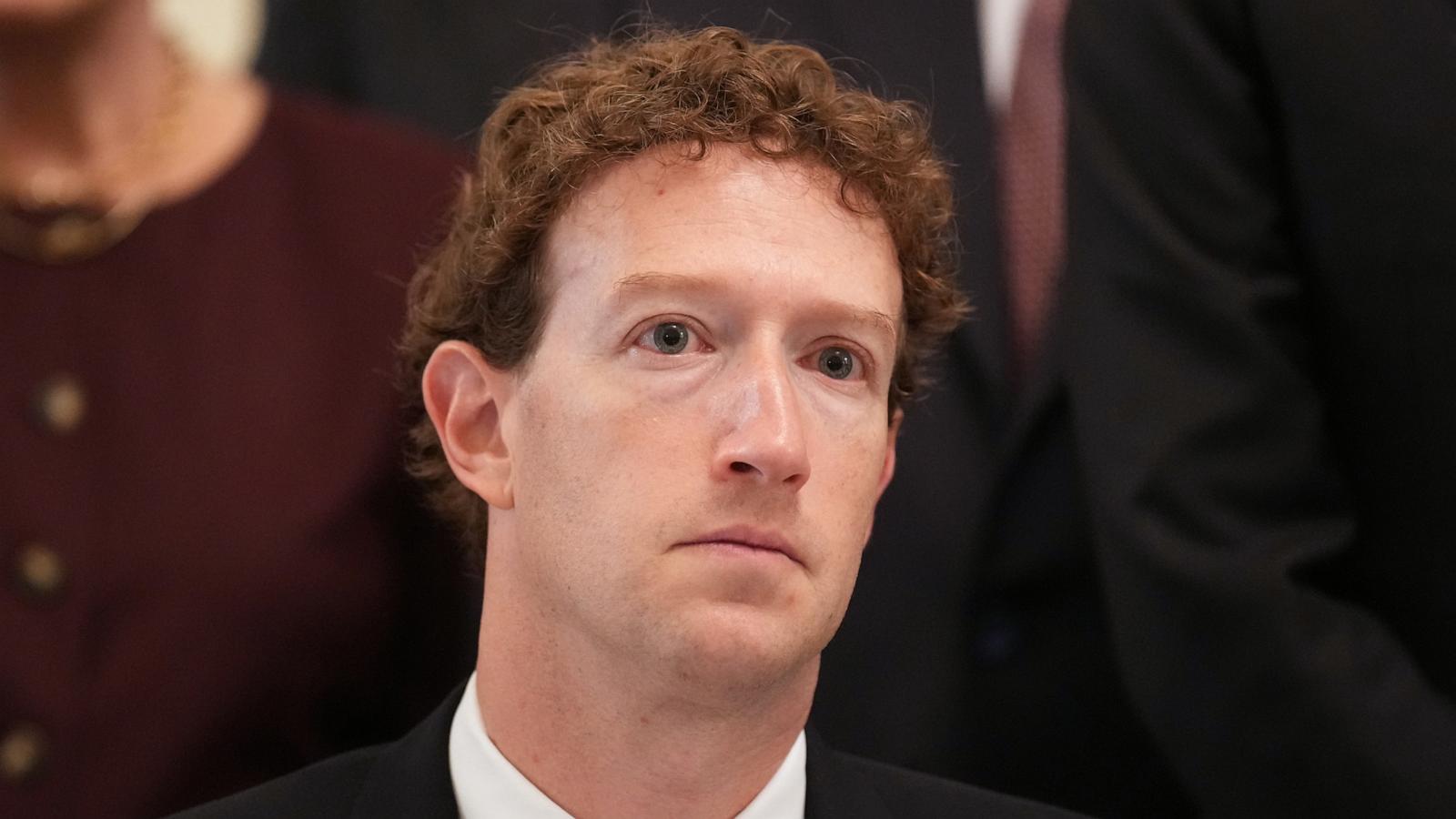
Mark Zuckerberg arranged a deal with Meta’s board to help pay a new California billionaire tax if voters approve it in the November election. The tax would charge 5% on the wealth of Californians worth over $1 billion, and Zuckerberg’s deal lets him sell non-voting shares to cover the tax without losing control of Meta.
Key Facts
The proposed California tax would charge a one-time 5% fee on wealth above $1 billion for residents.
Zuckerberg is estimated to have a net worth over $220 billion, potentially owing more than $11 billion under the tax.
Meta and Zuckerberg agreed he can sell new non-voting shares to pay the tax but still stay the majority owner.
Zuckerberg committed to remaining in California for at least eight years unless unexpected reasons force him to move.
The tax aims to replace federal healthcare funding cuts (most proceeds) and fund education and food aid (about 10%).
Some billionaires, like Google’s Sergey Brin and Larry Page, oppose the tax and support efforts to block it.
Billionaires’ opposition group, Building a Better California, raised over $333 million, while supporters raised around $32.7 million.
Zuckerberg has taken a $1 annual salary as Meta CEO since 2013 and will not receive extra pay due to this deal.
Read the Original
Want the full story? Tap a source to open the original
article.
People renting homes in London face high costs, with some paying around £2,000 a month for a one-bedroom flat. This reflects the wider challenge of expensive housing in the city.
Key Facts
Renting in London is very costly for many people.
A one-bedroom flat in London can cost about £2,000 per month.
This high rent amount shows that London housing is expensive compared to other cities.
The video also compares rent prices in Bristol, another UK city.
The article focuses on the impact of rent prices on personal finances.
Read the Original
Want the full story? Tap a source to open the original
article.
Many people, especially older adults, are changing their daily habits to save money because bills are rising. They use less heating, spend time in one room, and reduce their electricity use to cope with higher living costs.
Key Facts
Inflation rose to 3.5% in September, the highest in almost a year.
Fuel price increases have caused living costs to go up for many households.
Nearly two-thirds of low-income families struggle to pay for food, heating, and clothes.
Almost half of these families have skipped meals or eaten smaller portions to save money.
Older people like Errol (79) and Bryan (83) live in one room and wear extra clothes to stay warm.
The Affordable Foods center sees more people needing help with food, bills, and debts.
Local leaders plan to help by removing extra charges on gas bills.
Pensioners feel the cost rise strongly and sometimes can’t afford fresh fruit and vegetables.
Read the Original
Want the full story? Tap a source to open the original
article.
The UK chancellor, John Healey, plans to reduce unnecessary paperwork for businesses to save them up to £800 million. This effort aims to help businesses focus on growth and job creation by simplifying rules and cutting red tape.
Key Facts
Chancellor John Healey announced plans to cut "pointless paperwork" for UK businesses.
These changes aim to save businesses about £800 million in administrative and tariff costs.
The government wants to make compliance rules easier and reduce form filling.
This is part of a broader budget plan to support households and businesses amid rising costs.
The government has a goal to reduce regulation by 25% by the end of the current Parliament.
Business groups like the Confederation of British Industry support the plan but want to see results.
Some political opposition says the current policies have made business challenges worse.
Prime Minister Andy Burnham and Healey plan to meet business leaders to discuss the plans.
Read the Original
Want the full story? Tap a source to open the original
article.
Great Britain is expected to face some of the highest energy costs in Europe this winter due to increased reliance on gas and electricity imports. Officials have secured deals to keep gas flowing despite market price rises and supply challenges across Europe.
Key Facts
Britain will have enough gas and electricity in winter by paying higher prices to secure imports.
National Gas agreed with a Belgian pipeline owner to keep gas flowing by avoiding a planned capacity reduction.
This deal will add about 10 pence to the average monthly gas bill.
Britain plans to increase imports of liquified natural gas (LNG) by about 5% compared to last winter.
European gas storage is at its lowest in 13 years due to supply problems and high summer use for cooling.
UK gas production is expected to fall by 6% this year, but a new North Sea gas field may increase supply soon.
Britain is forecast to import more electricity this winter, mostly from France, at a higher cost.
Gas power plants may be used more during supply shortages despite growth in renewable energy.
Read the Original
Want the full story? Tap a source to open the original
article.
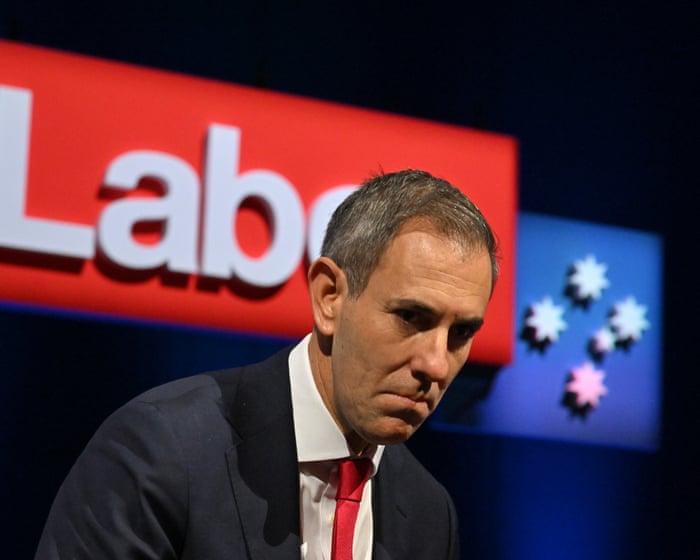
Australia’s Treasurer Jim Chalmers revealed that economic forecasts are worsening, with slower growth and rising unemployment expected. Global conflicts and rising oil prices are increasing costs, while uncertainties in technology investment and inflation are adding to economic challenges.
Key Facts
The Australian economy is expected to grow slower, with higher unemployment ahead.
Oil prices have risen to about $113 a barrel due to conflicts in the Middle East, increasing petrol costs for consumers.
The US and Israel are reportedly planning renewed attacks on Iran, which could push oil prices even higher.
Analysts warn that oil could reach $150 a barrel, causing more inflation and possibly higher interest rates.
Investment in artificial intelligence infrastructure is creating high company debt and causing stock market worries.
Community opposition to big data center projects could slow down AI development, adding economic uncertainty.
High inflation, coupled with low growth and rising unemployment, is described as a difficult situation for financial policymakers.
Treasurer Chalmers stressed that some economic pressures come from global events outside Australia’s control.
Read the Original
Want the full story? Tap a source to open the original
article.
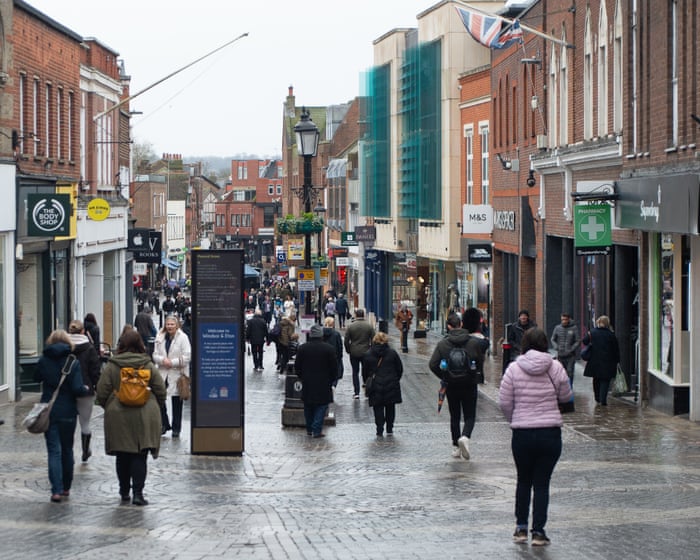
Consumer confidence in the UK dropped sharply in October, falling faster than any time since the 2016 Brexit vote, as rising costs make it harder for people to manage their money. The increase in prices for energy, fuel, and everyday goods, combined with worries about the global conflict in the Middle East, is causing economic stress before the upcoming government budget.
Key Facts
UK consumer confidence declined by 11 points in October to -24, the fastest drop since July 2016.
The cost of living is rising due to higher energy bills, fuel prices, and inflation, which hit 3.5% last month.
The war in the Middle East contributes to global problems that push prices up in the UK.
Average UK households have paid nearly £14,000 extra over five years for loans, energy, and water.
Chancellor John Healey plans to announce measures to help households but says government finances are limited.
The UK government deficit was reported at £24.5 billion, worse than expected.
Consumer spending is expected to slow as people prepare for higher energy costs during winter.
Manufacturing investment is weak due to high costs, although production may stabilize soon.
Read the Original
Want the full story? Tap a source to open the original
article.