Fact-first summaries of the news — stay informed, stay grounded.
Your favorite news sources, one calm feed — fact-first summaries that always link to the
original story. No outrage bait, and we tell you when you're caught up. How it works
Business News
Business news, market updates, and economic developments
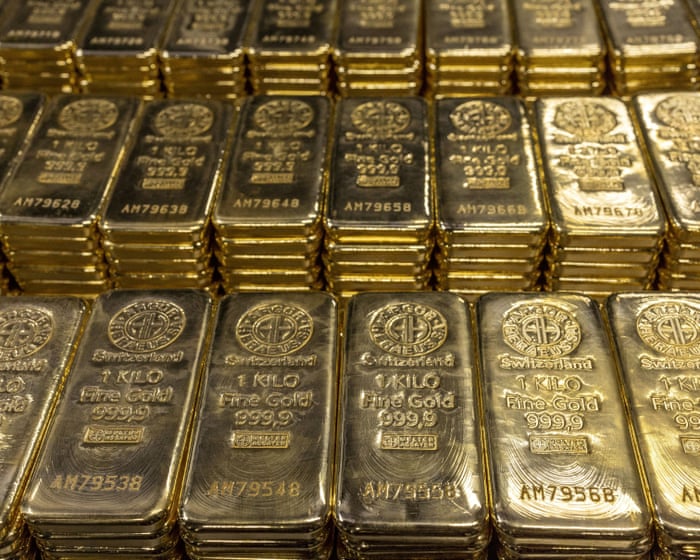
Gold prices reached their highest level in over three months due to ongoing conflict in the Middle East and uncertainty about US economic policies under President Trump. The price rose about 15% in August, as investors see gold as a safe choice during unclear times, with concerns over US inflation, bond markets, and international tensions influencing the rise.
Key Facts
Gold price hit $4,651 an ounce on Tuesday, the highest in over three months.
Gold is considered a safe investment when there is political or economic uncertainty.
The price of gold rose about 15% during August, heading for its best monthly gain since 1999.
Tensions between the US and Iran, including conflict and sanctions, have increased gold prices.
Investors are also cautious about US inflation and the new Federal Reserve chair’s upcoming speech.
President Trump recently announced new tariffs on cars and raw materials from Canada.
Bitcoin also rose to a three-month high, influenced by a weaker US dollar and similar factors as gold.
Higher oil prices and expected interest rate increases can sometimes reduce gold demand despite conflict.
Read the Original
Want the full story? Tap a source to open the original
article.
Lego's sales rose by 21% in the first half of 2026, helped by new products tied to the World Cup, Formula One, and popular films. The company also increased profits by 32% and is investing in solar energy and sustainable packaging.
Key Facts
Lego's revenue reached 41.9 billion Danish kroner (£4.8 billion) in the first six months of 2026.
Sales to consumers grew by 22%, with strong growth in the Americas, Europe, and Asia Pacific.
Net profit rose 32% to 8.6 billion Danish kroner (£1 billion).
Lego introduced 330 new products, including a Smart Play kit with bricks that glow and make sounds.
The company is building its largest solar power installation in Billund, Denmark, with 160,000 panels to meet its electricity needs.
Lego is shifting to paper bags for packaging and expects to complete this transition by next year.
Adults, called "kidults," are buying more expensive Lego sets and collectibles, making up a significant part of toy sales.
Toys now connect to sports, films, and TV shows, showing how play is becoming part of wider cultural trends.
Read the Original
Want the full story? Tap a source to open the original
article.
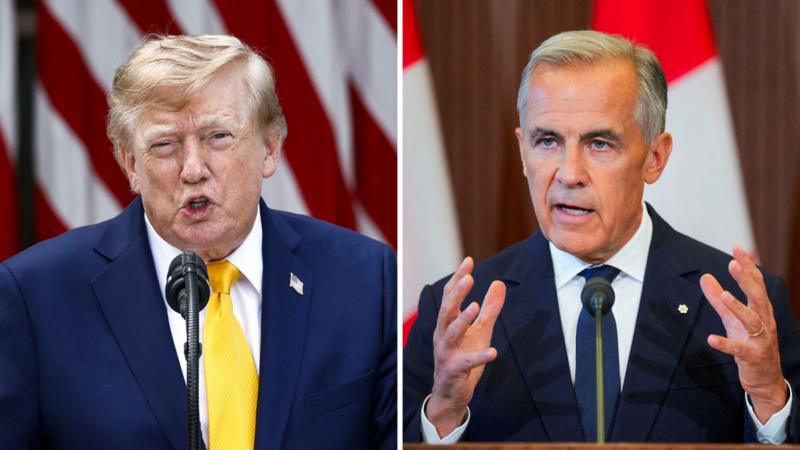
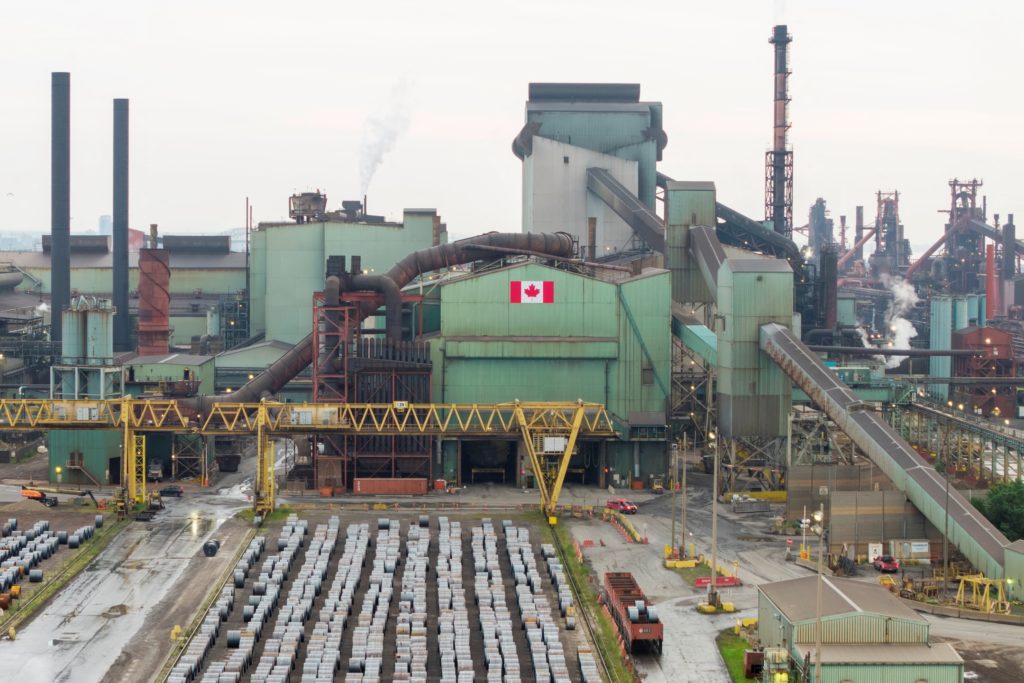
The United States, under President Donald Trump, has imposed 50 percent tariffs on about $20 billion worth of Canadian goods, including items like hockey sticks and agricultural products. Canada plans to respond with its own tariffs starting September 8, escalating a trade conflict between the two neighboring countries.
Key Facts
President Trump applied new 50 percent tariffs on select Canadian imports starting August 22, 2026.
The tariffs affect goods totaling around $20 billion, about 5 percent of Canada’s yearly exports to the U.S.
Products targeted include hockey sticks, wine, cement, honey, seeds, makeup, clothing, and furniture.
These tariffs also impact items previously protected under the US-Mexico-Canada Agreement (USMCA).
Canada announced it will impose retaliatory tariffs of equal value beginning September 8, 2026.
Ontario’s Premier Doug Ford warned that the province might cut off electricity and critical minerals to the U.S. if the trade dispute worsens.
President Trump threatened additional tariffs on Canadian automobiles next year.
The tariffs are based on Section 338 of the Tariff Act of 1930, a law from the Great Depression era rarely used before.
Read the Original
Want the full story? Tap a source to open the original
article.
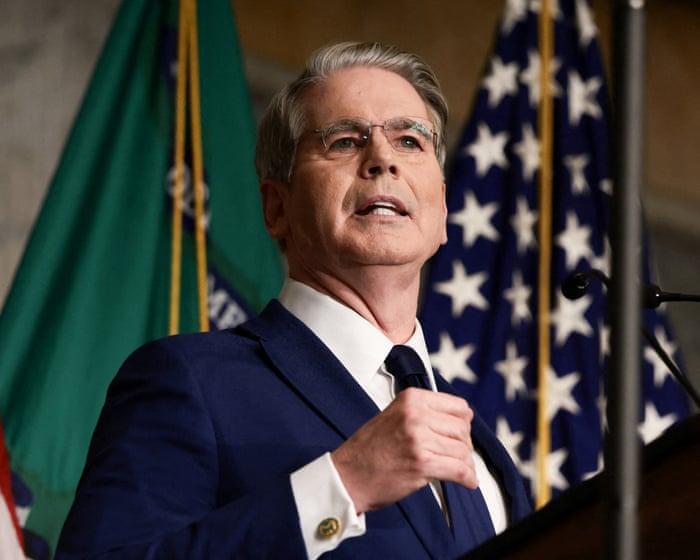
Scott Bessent, US Treasury official, is trying to lower government borrowing costs by buying back bonds. Billionaire investor Stanley Druckenmiller warns this approach may fail and says the US should reduce its budget deficit instead of interfering in the bond market.
Key Facts
Scott Bessent plans to increase Treasury bond buybacks from $2 billion to $4 billion.
Stanley Druckenmiller, Bessent’s former mentor, argues that government efforts to control bond prices usually fail.
Druckenmiller suggests the US should allow bond yields (borrowing costs) to rise and focus on cutting the budget deficit.
The US national debt reached $40 trillion, with an expected annual deficit of $2 trillion this year.
Bond yields go down when bond prices go up, and vice versa.
Bessent may use the Treasury’s $1 trillion General Account at the Federal Reserve to buy more bonds.
Druckenmiller says that fiscal reforms would lower long-term interest rates more effectively than bond buybacks.
Rising borrowing costs show Washington’s concern about managing the US debt situation.
Read the Original
Want the full story? Tap a source to open the original
article.
Australia's recorded music industry will ban songs made entirely by artificial intelligence (AI) from its official music charts starting next week. Songs that have some AI help but are mainly created and performed by humans can still compete. This rule aims to protect artists and ensure the music charts reflect human creativity.
Key Facts
Australia’s music industry will stop songs fully made by AI from appearing on official charts.
Some songs partly assisted by AI but mainly made by humans will still be allowed.
The ban includes exclusion from the prestigious ARIA music awards.
Songs qualify only if humans wrote the lyrics and performed the main vocals and instruments.
AI-created music must come from legal AI tools, not unauthorized uses of other artists’ music.
The rule follows new global guidelines saying charted songs must be mostly made by humans.
An AI version of Madonna’s “Like a Prayer” was a top hit in Australia for weeks.
Industry leaders say the change protects human creativity while adapting to new technology.
Read the Original
Want the full story? Tap a source to open the original
article.
Bathla Group, a major home builder in Australia, has entered voluntary administration due to rising costs, fewer sales, and other challenges. The company aims to restructure its business and continue building homes while working with administrators and partners.
Key Facts
Bathla Group is a large Australian home builder and property developer founded in 1997.
The company entered voluntary administration, meaning it is restructuring its business to handle financial difficulties.
Causes include higher building material costs, labor shortages, fixed-price contracts, and softer home sales.
Bathla’s founder Bhart Bhushan described the situation as a “perfect storm” of problems.
The company hopes to keep building housing in western Sydney and other key markets.
Teneo has been appointed as the administrator to manage the restructuring.
Over 1,500 construction firms in New South Wales collapsed in the 2025/26 financial year.
Bathla has expanded operations beyond New South Wales into South Australia and Victoria.
Read the Original
Want the full story? Tap a source to open the original
article.
Asian stock markets showed mixed results while oil prices stayed steady. The U.S. increased sanctions on Iran, warning others not to do business with the country, adding to market uncertainty.
Key Facts
Asian stock markets moved in different directions with Tokyo’s Nikkei up 0.4% and South Korea’s Kospi down 0.4%.
Oil prices did not change much despite new U.S. sanctions on Iran.
U.S. Treasury Secretary Scott Bessent announced fresh sanctions and warned of consequences for countries working with Iran.
U.S. stocks had a mixed finish: the S&P 500 fell 0.3%, the Dow Jones rose 0.3%, and the Nasdaq dropped 0.8%.
Tech stocks led the recent declines due to concerns over artificial intelligence (AI) stock prices and demand for AI-related chips.
Nvidia, a major AI chip maker, fell 2.9% and is expected to release earnings soon.
Bond market yields eased slightly after the U.S. Treasury announced increased buybacks of government bonds.
Analysts say the bond buybacks are too small to solve deeper problems in the market.
Read the Original
Want the full story? Tap a source to open the original
article.
An Australian court found that dating site eHarmony misled customers with confusing subscription plans that automatically renewed and cost users hundreds of dollars. The court ruled that eHarmony’s website gave wrong impressions about free memberships and subscription costs, causing many customers to be charged without clear consent.
Key Facts
The Australian Competition and Consumer Commission (ACCC) sued eHarmony in 2023 over misleading subscription claims.
eHarmony told users they could communicate for free, but important subscription costs and automatic renewal details were unclear.
Around 1.3 million Australians signed up for basic memberships from 2019 to 2024; about 259,000 paid for premium plans.
Nearly 45,000 users had their subscriptions automatically renewed; over 7,000 had renewals two or more times.
Many customers did not realize their subscriptions would renew automatically and were charged hundreds of dollars.
Some users faced debt collection efforts after disputes over charges.
The court said eHarmony should have clearly shown that subscriptions would renew at higher, non-discounted prices.
eHarmony said it is reviewing the ruling and has updated its platform to be more transparent.
Read the Original
Want the full story? Tap a source to open the original
article.
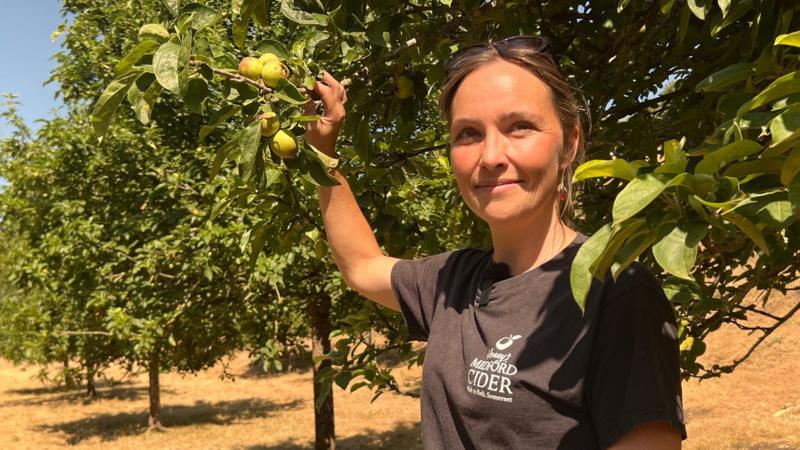
A severe drought in Somerset has caused apple trees used for cider-making to produce far fewer apples than usual, with many apples dropping early or rotting. Cider producers are facing lower harvests this year, although demand for cider has been strong due to hot weather.
Key Facts
Somerset's cider orchards have been heavily affected by a long summer drought.
Many apple trees produced very little or no fruit because of stress from the dry weather.
Kimberly Jones’ orchard produced only about 10% of its usual apple crop.
Some orchards have apples that fell early and have rotted before ripening.
George Scott’s cider farm, normally harvesting 20-30 tonnes of apples, has very little fruit this year.
Cider makers have some stock saved from previous years but worry about ongoing drought impacts.
Hot weather increased cider sales, but the shortage of apples threatens future production.
Climate experts warn that more hot and dry summers may continue, putting orchards at risk.
Read the Original
Want the full story? Tap a source to open the original
article.
A food writer in Bristol created a fake restaurant to test food influencers’ honesty and found some would promise positive reviews for free meals without saying their posts were ads. UK rules require paid promotions, including free meals, to be clearly marked as ads. Some influencers and critics say it is important to be honest and transparent about promotions to maintain trust.
Key Facts
A Bristol food writer created a fake Japanese restaurant to test influencer reviews.
She contacted 48 influencers; 33 responded with varying prices for promoting the fake restaurant.
Some influencers would post positive content in exchange for free food without labeling it as an advertisement.
UK advertising rules require paid posts and free meal exchanges to be clearly marked as ads.
Influencer Oscar Bostock says credibility and authenticity are important, and he only promotes places he values.
Food critic Jay Rayner believes honest, truthful restaurant reviews remain important despite more media around food.
The study showed social media often has repetitive, positive messages about restaurants, which may mislead customers.
Transparency about paid promotions helps consumers know when they are seeing an advertisement versus an honest opinion.
Read the Original
Want the full story? Tap a source to open the original
article.
Australia has banned songs mostly or entirely made by artificial intelligence (AI) from its official music charts. The Australian Recording Industry Association (ARIA) now requires songs to be mostly made by humans to be eligible for charts, while still allowing some AI tools under human control.
Key Facts
Songs must be "substantially human made" to appear on Australia’s official music charts.
AI can be used in music mastering and effects, but humans must write and perform the main parts.
The rule follows a controversy with an AI-assisted cover of Madonna’s "Like A Prayer" that was popular on charts and streaming services.
Artists must declare any AI use when submitting songs for chart consideration.
If AI-made music is found after charting, ARIA can change its position and ask for awards to be returned.
The new code aims to protect human artistry in a crowded music market.
Other regions, including Sweden and parts of Latin America, have also created AI music chart rules.
Australian Prime Minister Anthony Albanese supports strong protections for creatives against unauthorized AI use.
Read the Original
Want the full story? Tap a source to open the original
article.
Europe’s heatwaves are causing more insurance claims, especially for life and health insurance, due to heat-related deaths and worsening health issues. This may lead to higher insurance costs for customers as companies try to cover these growing expenses.
Key Facts
Europe is experiencing intense heatwaves that increase drought and wildfire claims for insurers.
Life and health insurers, along with reinsurers (companies that insure insurers), face rising costs from heat-related deaths and health problems.
The ageing population in Europe is more vulnerable to heat, increasing life insurance claims.
Between 2004 and 2024, the percentage of Europeans aged 65 and older rose from 16.4% to 21.6%.
Most excess deaths during recent heatwaves (about 9,000 out of 10,650) occurred in people aged 65 and above.
Older adults are more affected by heat because their bodies cool down less effectively.
Recent heatwaves in Europe have caused thousands of excess deaths and broken temperature records.
S&P has not yet downgraded insurers but warns risks may rise as heatwaves become more frequent and the population ages.
Read the Original
Want the full story? Tap a source to open the original
article.
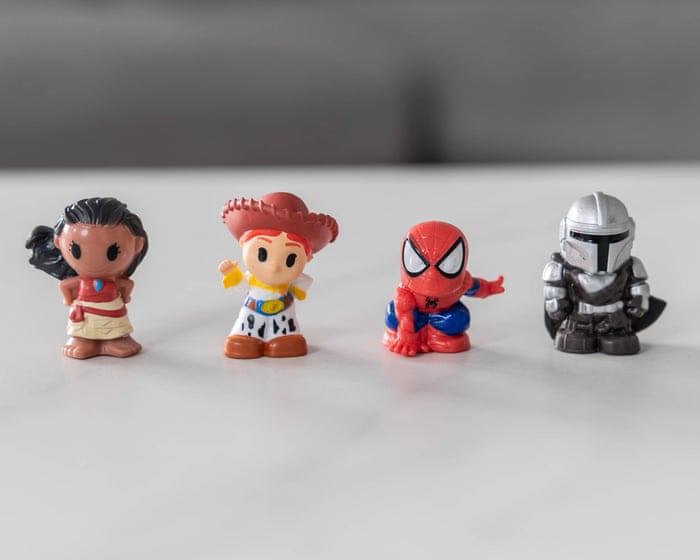
Woolworths’ popular Disney-themed Ooshies toy collection has caused a temporary drop in sales at rival supermarket Coles in Australia. The Ooshies promotion encouraged customers to shop at Woolworths to collect toys, changing shopping habits and sparking a resale market.
Key Facts
Woolworths offered a promotion giving customers a collectible Disney Ooshie toy with every $30 spent.
The Ooshies come in random packaging, so kids open packs to find and trade different characters.
Coles reported a sales slump linked to Woolworths’ Ooshies promotion, affecting mainly physical store sales.
Woolworths ran out of Ooshies early due to strong demand.
The toys have created a trading culture among children, including swapping games and battles.
Some schools and after-school centers banned Ooshies due to conflicts and distractions from trading.
Many adults are buying and trading Ooshies online, with a large Facebook swap group created for collectors.
The promotion led nearly two-thirds of parents to change shopping patterns, often favoring Woolworths.
Environmental concerns arise about the long-term impact of producing many small plastic toys.
Read the Original
Want the full story? Tap a source to open the original
article.
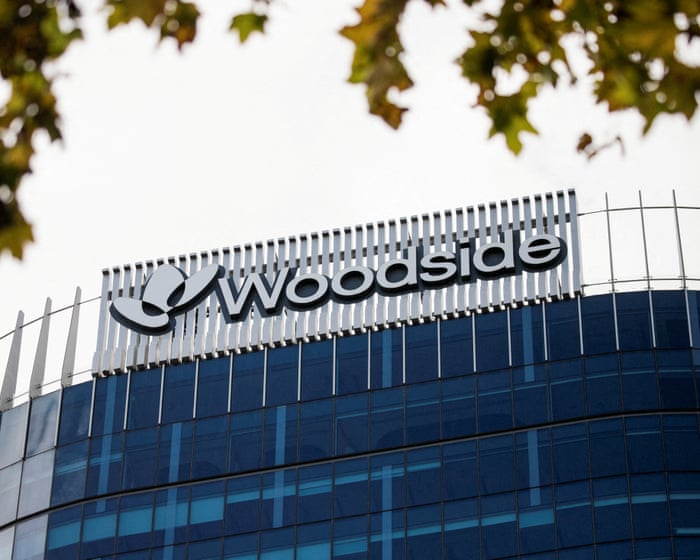
Woodside Energy has stopped its long-term plans to reduce emissions and invest in clean energy, despite making higher profits due to increased oil prices linked to the Iran conflict. The company will focus more on fossil fuels and less on new energy projects like hydrogen and ammonia.
Key Facts
Woodside Energy’s half-year profit rose 27% to $1.67 billion (A$2.33 billion) due to higher oil prices from global supply disruptions.
The company plans to drop its $5 billion (A$7 billion) investment commitment in new energy products by 2030.
Woodside is reviewing its ammonia business in the United States, which was previously seen as a key clean energy option.
Under CEO Liz Westcott, Woodside is ending its scope 3 emissions targets, which measure pollution from customers using its products.
The company says clean energy investments will now depend on customer demand and commercial markets.
Woodside’s growing fossil fuel profits come as climate change, driven by burning fossil fuels, causes more severe weather events worldwide.
Climate activists and investors are pressuring Woodside and its backers to take stronger action against climate change.
Woodside increased its interim dividend for shareholders from 53 cents to 57 cents per share.
Read the Original
Want the full story? Tap a source to open the original
article.
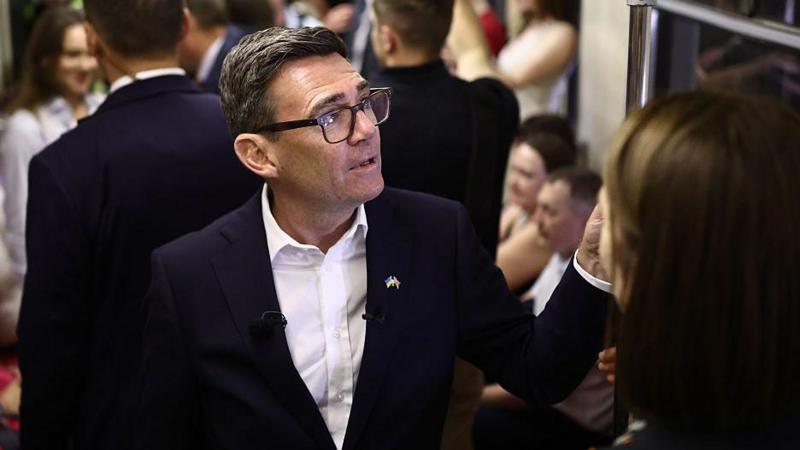
Prime Minister Andy Burnham said he might raise taxes in the upcoming autumn Budget but has not decided yet. He stressed that any decisions about taxes or spending will be made carefully to protect jobs and family finances while facing a tough financial situation.
Key Facts
Andy Burnham became prime minister in July and has promised help with the cost of living.
He has introduced measures like capping bus fares at £2 and cutting VAT on electricity bills.
Burnham has paused spending on projects like digital ID to fund priorities instead.
He said he will take a careful and realistic approach to public finances.
The government borrowed more than expected in July despite high income tax receipts.
Inflation rose to 2.9% in July and may increase due to higher energy and fuel costs linked to the Iran war.
Experts warn that without tax rises or spending cuts, the government cannot borrow more.
Burnham and Chancellor John Healey will follow fiscal rules to fund spending through tax revenue and reduce debt over time.
Read the Original
Want the full story? Tap a source to open the original
article.
Canada plans to respond to U.S. tariffs by imposing its own fees on American goods like steel, dairy, and electronics. Canadian leaders say they have ways to put economic pressure on the U.S., including limiting energy exports and banning American alcohol, to protect Canadian interests in the trade dispute.
Key Facts
Canada sells about 70% of its goods to the U.S., making it a key trade partner for many American states.
Canada plans "dollar-for-dollar" retaliatory tariffs on U.S. products including steel, dairy, appliances, and agricultural equipment.
Canada supplies most of the natural gas and electricity imports to the U.S. and about 60% of its crude oil.
Some Canadian leaders suggest the possibility of adding surcharges on energy exports to the U.S. in the future.
Canada is the world’s top supplier of potash, used in fertilizer, and exports important minerals like lithium and nickel.
Canadian provinces have banned U.S. alcohol imports, causing a large drop in American wine and spirits exports to Canada.
The alcohol ban remains active in most Canadian provinces, causing concern for the U.S. administration.
Read the Original
Want the full story? Tap a source to open the original
article.
Mexico has restarted limited live cattle exports to the United States after a nearly two-year pause caused by a screwworm outbreak. Both countries are taking steps to control the pest while allowing some cattle trade to resume, which provides relief to Mexico’s ranchers and helps address cattle shortages in the U.S.
Key Facts
The U.S. stopped importing live cattle from Mexico for almost two years due to a screwworm outbreak.
Screwworms are larvae from a fly that infect open wounds on warm-blooded animals and cause serious injuries.
The pest arrived in Mexico in late 2024 and has spread to 30 of Mexico’s 32 states and parts of southern U.S. states like Texas and New Mexico.
Cattle exports resumed on August 17, 2026, with strict inspections and safety measures like tagging cows with radio-frequency identification (RFID) chips.
Daily cattle crossings into Arizona began at 700 head per day, set to increase gradually over the next two weeks.
Both Mexican and U.S. authorities use dogs and scanners to check cattle for infection.
Mexico continues efforts to control screwworms by releasing sterile flies and improving cattle tracking systems in border regions.
The restrictions had caused economic harm to Mexican ranchers and contributed to the lowest U.S. cattle numbers in 75 years, raising beef prices.
Read the Original
Want the full story? Tap a source to open the original
article.
Some US restaurants are removing tips and paying their staff higher fixed wages by charging higher menu prices. This model aims to create fairer pay for workers but can make dining seem more expensive to customers.
Key Facts
La Cigale in San Francisco pays its waiters $40 an hour and charges $140 per person without accepting tips.
Rachel Miller, owner of Nightshade Noodle Bar in Massachusetts, eliminated tips to pay kitchen staff more fairly and raised menu prices.
Miller noted tipping often results in unequal pay influenced by gender, race, or sexuality.
Some restaurants like Talulla in Massachusetts tried the no-tips model but reverted due to financial challenges and higher sales taxes.
Higher menu prices include the cost of paying staff properly but can discourage some customers.
Experts say customers find it hard to understand that paying more upfront means they don't need to tip extra.
New York’s Dirt Candy has banned tips since 2015 and pays staff about $30 an hour.
Some customers feel positive about the no-tip model once they realize they don’t have to add extra money.
Read the Original
Want the full story? Tap a source to open the original
article.
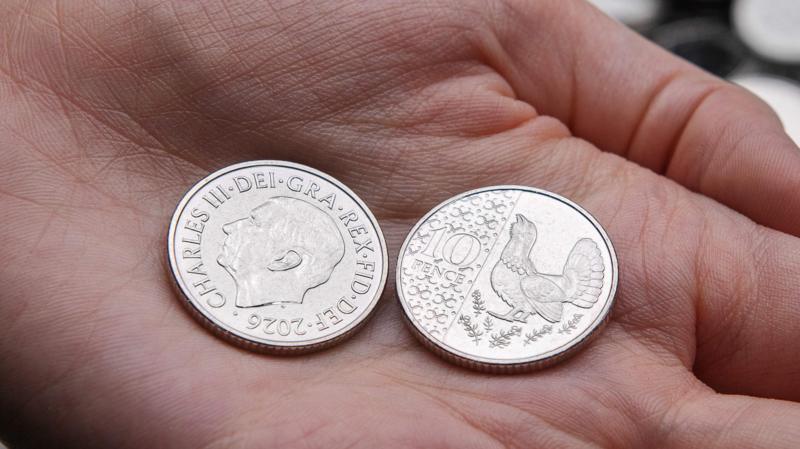
The Royal Mint has started releasing a new 10p coin featuring King Charles and a capercaillie bird, a species at risk in Scotland. This new coin design is part of a series showing UK plants and animals on coins and marks the first 10p coins minted in about four years.
Key Facts
The new 10p coins feature King Charles on one side and a capercaillie bird on the other.
The capercaillie is a large grouse found only in parts of Scotland and is endangered.
The Royal Mint last issued new 10p coins about four years ago.
Around 600,000 coins dated 2023 and 6.5 million dated 2026 have been released to banks and post offices.
New coin designs from 1p to £2 now show different British plants and animals.
Coins with King Charles’s portrait still make up only about 1% of the UK’s 24.1 billion coins in circulation.
Old coins with Queen Elizabeth II’s image can still be used as legal money.
The Bank of England plans to feature wildlife on future banknotes, replacing historical figures.
Read the Original
Want the full story? Tap a source to open the original
article.
The trade conflict between the U.S. and Canada has escalated after talks failed recently. Canada is getting ready for major changes in its trade relationship with the U.S., which it no longer sees as dependable.
Key Facts
Negotiations between the U.S. and Canada broke down over the weekend.
As a result, the trade war between the two countries is worsening.
Canadian Prime Minister Mark Carney stated that Canada expects a major change in its relationship with the U.S.
Canada now views the U.S. as an unreliable trade partner.
Geoff Bennett and Peter Armstrong discussed the economic impacts on both countries.
The trade war could lead to economic problems for businesses and workers in both nations.
No specific trade measures or tariffs mentioned in the article.
The focus is mainly on the economic effects of the deteriorating trade relationship.
Read the Original
Want the full story? Tap a source to open the original
article.