Fact-first summaries of the news — stay informed, stay grounded.
Your favorite news sources, one calm feed — fact-first summaries that always link to the
original story. No outrage bait, and we tell you when you're caught up. How it works
Business News
Business news, market updates, and economic developments
The Royal Mint has started releasing a new 10p coin featuring King Charles and a capercaillie bird, a species at risk in Scotland. This new coin design is part of a series showing UK plants and animals on coins and marks the first 10p coins minted in about four years.
Key Facts
The new 10p coins feature King Charles on one side and a capercaillie bird on the other.
The capercaillie is a large grouse found only in parts of Scotland and is endangered.
The Royal Mint last issued new 10p coins about four years ago.
Around 600,000 coins dated 2023 and 6.5 million dated 2026 have been released to banks and post offices.
New coin designs from 1p to £2 now show different British plants and animals.
Coins with King Charles’s portrait still make up only about 1% of the UK’s 24.1 billion coins in circulation.
Old coins with Queen Elizabeth II’s image can still be used as legal money.
The Bank of England plans to feature wildlife on future banknotes, replacing historical figures.
Read the Original
Want the full story? Tap a source to open the original
article.
The trade conflict between the U.S. and Canada has escalated after talks failed recently. Canada is getting ready for major changes in its trade relationship with the U.S., which it no longer sees as dependable.
Key Facts
Negotiations between the U.S. and Canada broke down over the weekend.
As a result, the trade war between the two countries is worsening.
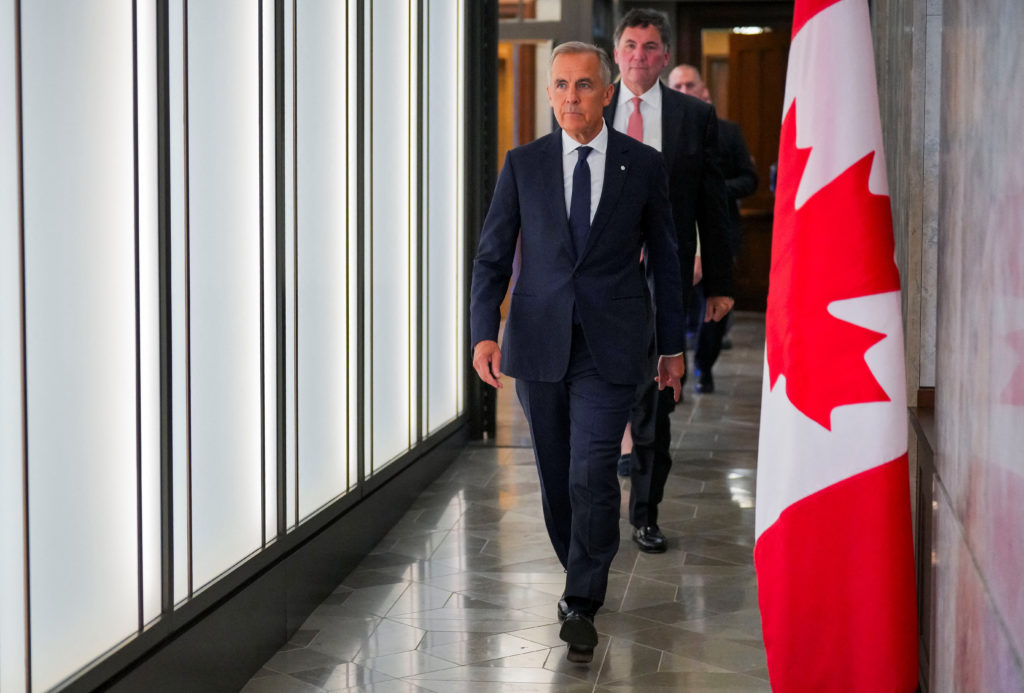
Canadian Prime Minister Mark Carney stated that Canada expects a major change in its relationship with the U.S.
Canada now views the U.S. as an unreliable trade partner.
Geoff Bennett and Peter Armstrong discussed the economic impacts on both countries.
The trade war could lead to economic problems for businesses and workers in both nations.
No specific trade measures or tariffs mentioned in the article.
The focus is mainly on the economic effects of the deteriorating trade relationship.
Read the Original
Want the full story? Tap a source to open the original
article.
Canada plans to announce new tariffs against the United States in response to recent U.S. tariffs, increasing tensions in their trade dispute. Canadian leaders criticize U.S. demands and warn of serious economic impacts, while President Trump threatens harsher tariffs on Canadian goods like cars and steel.
Key Facts
Canada will impose retaliatory tariffs on the U.S., announced on Tuesday.
The trade dispute worsened after talks with President Donald Trump’s administration failed.
Prime Minister Mark Carney said Canada might use targeted tariffs instead of matching U.S. tariffs exactly.
President Trump threatened 50% tariffs on Canadian vehicles, auto parts, and steel.
Carney accused the U.S. of trying to weaken major Canadian industries like autos, steel, and aluminum.
Ontario Premier Doug Ford said Canadians are ready to face economic hardship rather than yield to U.S. pressure.
Trump responded with personal attacks against Canadian leaders on social media.
Political leaders across Canada, from different parties, show unity in standing against the U.S. trade actions.
Read the Original
Want the full story? Tap a source to open the original
article.
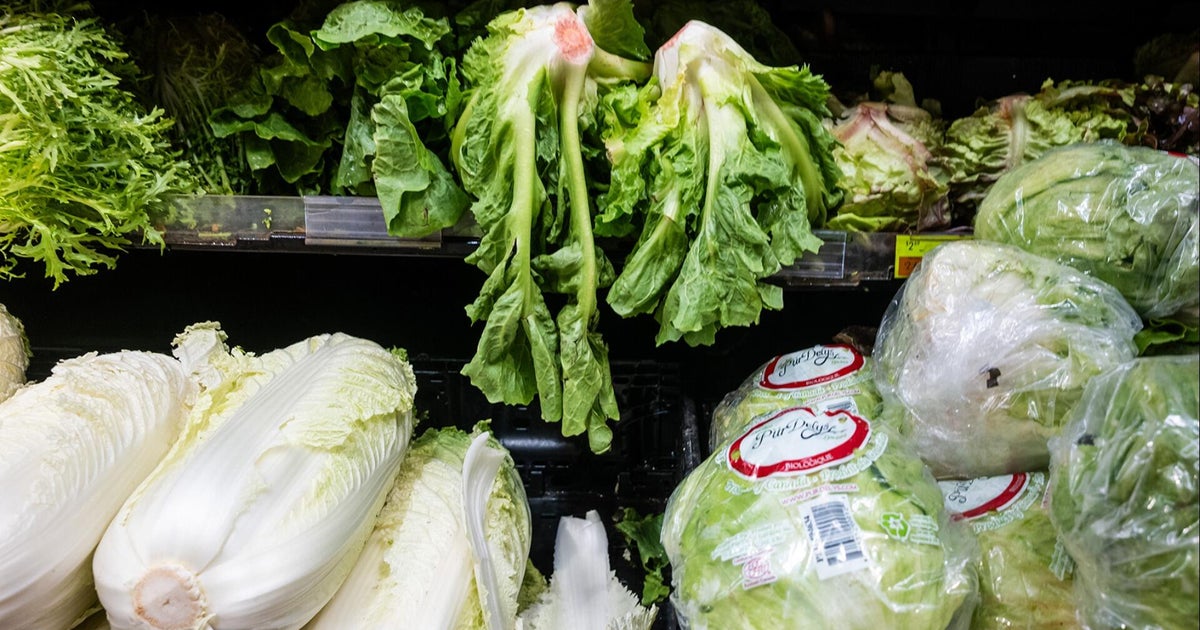
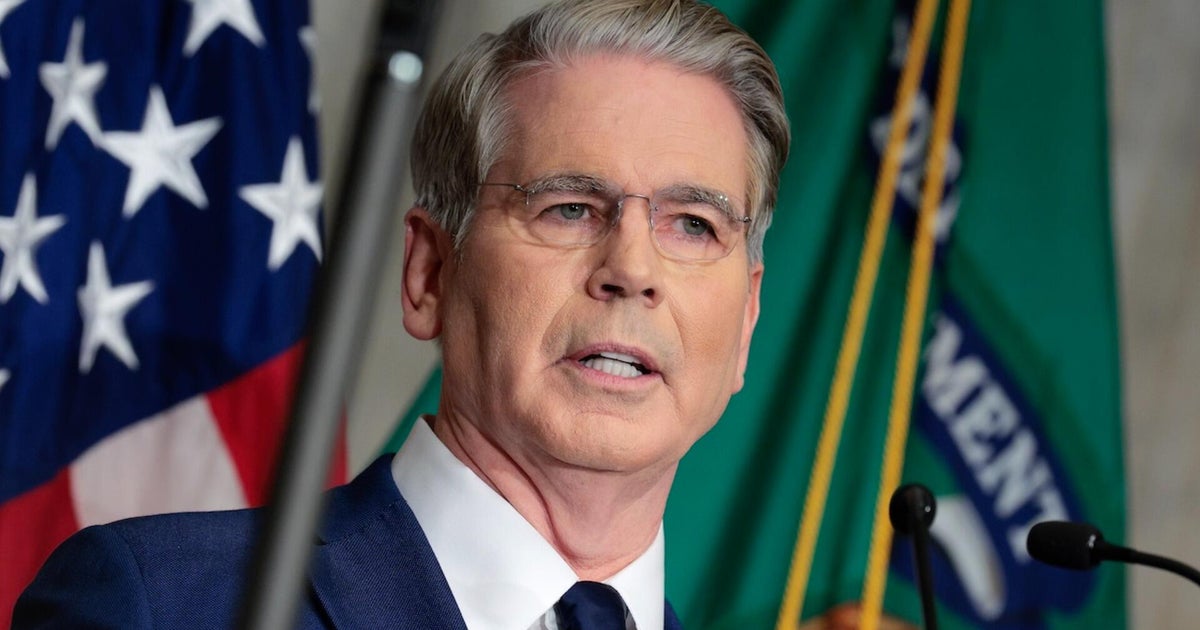
This summer has seemed to have many food recalls, but Scott Gottlieb, a former FDA Commissioner, says the number of recalls is similar to past years. A CBS News medical reporter discussed this on the show "The Takeout."
Key Facts
Many food recalls have been reported this summer.
Scott Gottlieb was formerly in charge of the FDA, which oversees food safety.
Gottlieb said the amount of recalls this summer matches previous years.
The topic was covered in a CBS News segment called "The Takeout."
The member discussing this was Dr. Céline Gounder, a medical correspondent.
Food recalls happen when products might be unsafe to eat.
The news aims to clarify that recall numbers are not unusually high this year.
Read the Original
Want the full story? Tap a source to open the original
article.
President Donald Trump is planning to impose a new 7.5% tariff on Chinese goods to address China’s oversupply of cheap products in global markets, while trying to keep a current trade truce and an upcoming meeting with Chinese President Xi Jinping. This new tariff would add to existing tariffs linked to investigations about unfair trade practices and forced labor.
Key Facts
President Trump is considering a 7.5% tariff on Chinese goods for flooding markets with low-priced products.
The tariff aims to avoid disrupting a one-year trade truce and a planned September meeting with China’s President Xi Jinping.
The new tariff plan follows a Supreme Court decision that blocked a broader high-tariff plan by the Trump administration.
The administration has been investigating China under Section 301 of the Trade Act of 1974, which allows tariffs against unfair trade practices.
This tariff would be added to earlier tariffs of 10% to 12.5% on about 60 countries tied to products made with forced labor.
China rejects the claims of excess industrial capacity and urges trade issues to be resolved through talks, not tariffs.
The White House is also investigating other countries for unfair trade practices but no decisions have been announced yet.
Officials involved said the tariff plan is still not finalized and could change.
Read the Original
Want the full story? Tap a source to open the original
article.
A new Stanford study shows that entry-level jobs for young adults are shrinking in fields where artificial intelligence (AI) can replace human work. While older workers keep their jobs, workers aged 22 to 25 face fewer hiring opportunities in jobs more affected by AI.
Key Facts
The study updates earlier research with new data, focusing on how AI affects jobs across the economy.
Jobs for workers aged 22 to 25 in AI-affected fields fell by 19% compared to peers in less AI-impacted fields, up from 13% last year.
Overall employment differences across AI-impacted and less-impacted fields are small, except for young workers.
Younger workers see fewer hires in AI-impacted jobs since 2022, not more firings or quits.
Pay rates have not fallen significantly for affected workers; the main effect is fewer job openings.
Researchers used payroll data from the company ADP and AI usage data from Anthropic and Google.
AI impacts jobs differently: some roles are fully replaceable by AI, while others are helped but still require humans.
Examples of AI-affected roles include accountants, auditors, receptionists, and information clerks.
Read the Original
Want the full story? Tap a source to open the original
article.
Andy Burnham has changed his position on government housing plans. Instead of spending the entire £10 billion Affordable Homes Programme solely on social homes, the funding will now support a mix of affordable housing types. About 60% of the homes built will be social rented houses, with the rest including shared ownership and sheltered housing.
Key Facts
The government will invest £10 billion over 10 years in affordable housing outside London.
About 60% of the homes funded will be social rented houses.
The remaining 40% will include shared ownership and sheltered housing.
London will receive an additional £6 billion, to be allocated later.
This programme aims to help the government build 300,000 affordable homes in 10 years.
For the first time, local councils will be among the strategic partners receiving funding.
Housing Secretary Angela Rayner emphasized the importance of secure, affordable homes for families.
Future funding rounds will prioritize social rented homes and council houses.
Read the Original
Want the full story? Tap a source to open the original
article.
Target removed a Halloween costume from its stores after people said it looked like a racist image. The company apologized and said the costume should never have been sold. Target is reviewing how this happened to avoid similar problems in the future.
Key Facts
Target sold a “Kids’ Glows Under Blacklight Circus Clown Halloween Costume” that some people found offensive.
The costume showed a Black child wearing a mask and gloves that reminded people of racist minstrel show images.
Target apologized and said the costume is no longer for sale.
The company acknowledged the costume was hurtful, especially to Black customers and employees.
Target is examining its processes to stop this kind of mistake from happening again.
This incident follows other controversies for Target, including cutting diversity and inclusion programs last year.
After the program cuts, some activists called for a boycott of Target.
The company’s stock price dropped from $137.40 in January to $104.70 in March but is now starting to recover.
Read the Original
Want the full story? Tap a source to open the original
article.
President Donald Trump has threatened to raise US tariffs on Canadian cars and auto parts from 25% to 50% starting January 1, 2027, following failed trade talks. Canada responded by pledging to impose equal tariffs on US goods, escalating the ongoing trade dispute between the two countries.
Key Facts
President Trump plans to increase tariffs on Canadian automobiles and parts to 50% beginning January 1, 2027.
Trade negotiations between the US and Canada collapsed last week amid accusations of unreasonable last-minute demands from both sides.
Canadian Prime Minister Mark Carney said Canada will retaliate with tariffs equal to those imposed by the US ("dollar for dollar").
Canada is investing C$11 billion to build six new icebreakers to support trade routes independent of the US.
Ontario Premier Doug Ford criticized Trump’s tariff threats and suggested Canada should also charge the US more for oil, gas, electricity, and minerals.
Canada supplies about 60% of US crude oil imports and nearly all US natural gas exports.
Businesses in both countries are concerned about the negative impact of the expanded tariffs and retaliatory measures.
There is no current date set to resume US-Canada trade talks.
Read the Original
Want the full story? Tap a source to open the original
article.
A LinkedIn study shows that while more jobs in artificial intelligence (AI) are being filled, fewer women are getting these jobs compared to other types of work. Women made up only 26% of new AI hires in the U.S., but 50% of hires in jobs not related to AI.
Key Facts
Hiring for AI-related jobs is increasing quickly.
Women represent just 26% of new hires in U.S. AI jobs.
In non-AI jobs, women make up about half (50%) of new hires.
The data comes from research done by LinkedIn.
Sarah Steinberg from LinkedIn discussed these findings on CBS News.
AI skills are those related to working with artificial intelligence technologies.
The research highlights a gender gap in high-paying AI job opportunities.
Read the Original
Want the full story? Tap a source to open the original
article.
The U.S. is placing a 50% tax (tariff) on $20 billion worth of goods imported from Canada. Canada said it will respond by adding its own taxes on U.S. products starting September 8.
Key Facts
The U.S. tariff is 50% on $20 billion of Canadian goods.
Canada plans to impose retaliatory tariffs on U.S. goods.
Canada's tariffs will begin on September 8.
Rob Russo from The Economist discussed these trade actions on CBS News.
These tariffs are part of ongoing trade tensions between the U.S. and Canada.
Tariffs are taxes on imported products meant to protect domestic industries or influence trade.
This situation affects businesses and consumers in both countries.
Read the Original
Want the full story? Tap a source to open the original
article.
The U.S. Federal Trade Commission (FTC) reached a settlement with Zillow and Redfin over a deal that the FTC said reduced competition in online rental listings. The agreement requires Redfin to restart its rental listings business to promote more competition in the market.
Key Facts
The FTC accused Zillow and Redfin of making a deal that harmed competition in online apartment rental ads.
Redfin agreed to shut down its own rental listings and only repost Zillow’s listings in exchange for $100 million and other benefits.
The deal was set to last until February 2025, which the FTC said could lead to higher prices and fewer choices for renters and property managers.
The settlement requires Redfin to restart its standalone rental listings business and hire enough workers within six months or face penalties.
Redfin had laid off hundreds of employees after making the Zillow deal.
Redfin will still share Zillow’s listings but can now advertise other rental listings independently.
Zillow said the partnership with Redfin is good for consumers and competition and is glad to continue working together.
Redfin, now owned by Rocket Companies, said the deal lets them keep partnering with Zillow while also building their own rental business.
Read the Original
Want the full story? Tap a source to open the original
article.
President Trump's administration has imposed 50% tariffs on certain Canadian products after trade talks failed. While the tariffs cover only a small part of Canadian exports to the U.S., they could raise prices on those items but are unlikely to cause large increases in overall inflation.
Key Facts
The 50% tariffs target about 5% of Canadian exports to the U.S.
These tariffs began after trade talks between the U.S. and Canada broke down.
Canada plans to respond with its own tariffs on U.S. goods starting September 8.
Tariffs generally lead to higher prices for consumers and businesses in the country importing goods.
The tariffs apply to products like alcohol, dairy, paper and wood goods, ice hockey equipment, home decor, and some clothing.
Examples of affected products include Canadian beer, wine, milk, ice cream, hockey sticks, and certain fashion materials.
Businesses may delay raising prices because they are unsure how long the tariffs will last.
The tariffs were imposed under a law that lets the U.S. respond to unfair trade practices by its partners.
Read the Original
Want the full story? Tap a source to open the original
article.
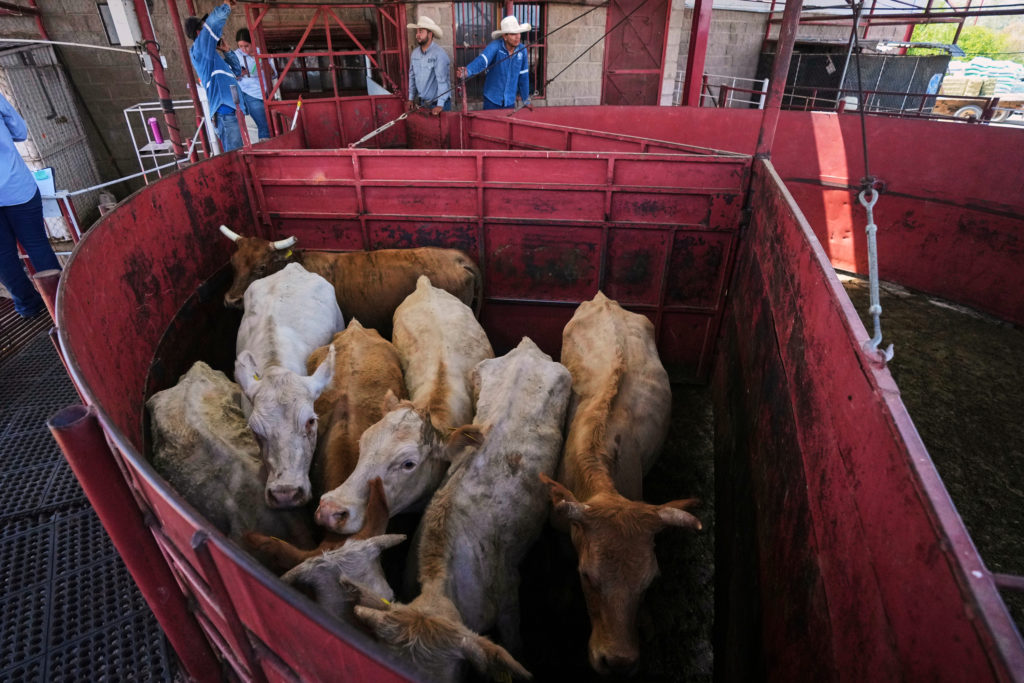
The U.S. has reopened a border crossing in Arizona to allow cattle imports from Mexico. This is part of President Trump's plan to lower high beef prices, but experts say it may not significantly reduce costs for shoppers.
Key Facts
The border crossing in Douglas, Arizona, was reopened to Mexican cattle on Monday.
This action is part of the Trump administration's effort to lower beef prices in the U.S.
The U.S. Department of Agriculture decided to reopen the crossing after concerns about the New World screwworm lessened.
The New World screwworm is an insect that can harm cattle.
The reopening may eventually include other crossings in New Mexico and Texas.
Economists doubt this change will have a big effect on beef prices in grocery stores.
Douglas, Arizona, is located about 230 miles southeast of Phoenix.
Read the Original
Want the full story? Tap a source to open the original
article.
President Donald Trump’s administration has imposed a 50% tariff on over 550 Canadian products, including honey, makeup, and hockey sticks. This move targets about $20 billion in Canadian goods and is part of an ongoing trade dispute between the U.S. and Canada.
Key Facts
The new 50% tariffs started recently and affect roughly 5% of Canada’s exports to the U.S. from last year.
Products affected include honey, flowers, alcohol, furniture parts, sports equipment, cosmetics, electronics, and holiday items.
These tariffs are expected to raise prices for U.S. consumers as importers often pass on the extra costs.
The tariffs are justified under a rarely used U.S. law from 1930, allowing taxes on imports from countries considered to discriminate against U.S. businesses.
President Trump has said Canada discriminates against U.S. autos, alcohol, and dairy products, leading to these tariffs.
Canada plans to respond with equal retaliation against U.S. goods starting next month.
President Trump has also threatened to increase U.S. taxes on Canadian car imports.
This tariff increase is part of a larger trade conflict between the two countries that has been developing over recent years.
Read the Original
Want the full story? Tap a source to open the original
article.
A federal audit found that Ohio mismanaged $20.9 million of federal money meant for a manufacturing job training and support program. The audit recommends stopping Ohio’s funding and recovering the money due to poor oversight and misuse over several years.
Key Facts
Ohio received $20.9 million from a federal program called the Manufacturing Extension Partnership (MEP) over about 10 years.
The U.S. Department of Commerce’s audit found waste, unauthorized spending, and conflicts of interest by some board members.
The Ohio Department of Development was criticized for weak oversight of how the money was used.
Some local groups in Ohio, including those in Cleveland and Piketon, were identified for mismanagement.
Federal officials paused Ohio’s MEP funding in December after seeing preliminary audit findings.
Losing funding has caused some local affiliates to consider closing.
The federal National Institute of Standards and Technology (NIST) is deciding whether to end Ohio’s participation in the program.
Ohio officials say they have zero tolerance for misuse and are cooperating with efforts to fix problems.
Read the Original
Want the full story? Tap a source to open the original
article.
Many Generation X workers (aged 46 to 61) are worried about retirement because they have saved too little money and may need to keep working even after retiring. Social Security might become their main source of income, but the program faces a funding shortfall that could reduce benefits by 2032.
Key Facts
Generation X includes people born between 1964 and 1980, now aged 46 to 61.
Their oldest members will turn 62 next year, the earliest age to claim Social Security.
In the 1970s, about 50% of private-sector workers had pensions; today only about 14% do.
Pensions guarantee income at retirement, while 401(k) plans rely on individual saving and investing decisions.
Many Gen Xers have insufficient savings; the median amount is about $107,000.
Gen Xers estimate they need around $700,000 to support a comfortable retirement.
A survey found 41% of U.S. workers over 55 now expect Social Security will be their main retirement income, up from 25% last year.
Social Security funding is projected to run short by 2032, risking benefit reductions.
Read the Original
Want the full story? Tap a source to open the original
article.
The U.S. government is investigating over 1.1 million General Motors (GM) vehicles for a brake system problem called eBoost that may fail while driving. Reports show that some cars lose braking power immediately after the failure, leading to crashes and injuries, but no deaths. The affected cars include many GM models and some made for Honda and Acura.
Key Facts
More than 1.1 million GM vehicles are under federal investigation for brake failure.
The issue is with the brake-by-wire system known as eBoost.
GM says critical safety features work after eBoost failure until the car stops.
Government reports suggest some cars lose all braking power immediately after failure.
There are 227 incident reports to the government and 745 total including reports to GM.
Twenty-two crashes have happened, causing injuries to six people in five crashes.
No deaths have occurred related to this problem.
Affected vehicles include various 2023-2026 models from Cadillac, Chevrolet, GMC, Buick, Honda, Acura, and the Cruise Origin shuttle.
Read the Original
Want the full story? Tap a source to open the original
article.
U.S. credit card debt is nearly at a record high, reaching $1.26 trillion in the second quarter of 2026. Rising living costs and inflation are causing many Americans to rely more on credit cards, leading to increased debt and high interest payments.
Key Facts
The total U.S. credit card debt was $1.26 trillion in Q2 2026, close to the record $1.28 trillion from late 2025.
Many Americans use credit cards to cover expenses because prices are rising faster than wages.
Credit card interest rates often exceed 20%, making debt expensive to carry.
High costs for groceries, housing, and back-to-school shopping contribute to growing credit card balances.
A Credit Karma survey found 57% of parents start school with credit card debt, and nearly half expect to borrow more for school expenses.
Average school supply costs rose about 8% compared to last year.
Experts recommend paying off high-interest debts first (debt avalanche method) or focusing on smaller balances for motivation (debt snowball method).
Shifting debt to lower-interest cards or loans can reduce interest bills.
Read the Original
Want the full story? Tap a source to open the original
article.
Posting a job online is easier than in the past but still requires preparing key information. Employers need to decide on the job details, compensation, and how they will evaluate candidates before publishing a listing. Laws about pay transparency and hiring rules also affect what information must be included.
Key Facts
Employers usually must create an account on job websites with company name and contact details.
Some sites require employers to verify their business to prevent fake job listings.
Job ads should clearly describe the position, including title, duties, location, and work type (full-time, part-time, etc.).
Clear qualifications and requirements help applicants understand if they fit and avoid legal issues.
Employers need to share pay and benefits information as laws about transparency grow.
Detailed job descriptions help attract the right candidates and make hiring faster.
Different states and cities may have specific rules that affect job postings.
Employers should think about how applicants will be evaluated during the hiring process.
Read the Original
Want the full story? Tap a source to open the original
article.