Fact-first summaries of the news — stay informed, stay grounded.
Your favorite news sources, one calm feed — fact-first summaries that always link to the
original story. No outrage bait, and we tell you when you're caught up. How it works
Business News
Business news, market updates, and economic developments
New information has emerged about the failed trade talks between the United States and Canada, which led to each country imposing 50 percent tariffs on some goods from the other. The U.S. Trade Representative revealed that the United States had previously offered to lower tariffs before the recent escalation. Separately, President Donald Trump is set to participate in a celebratory lap during the IndyCar Grand Prix.
Key Facts
The U.S. and Canada had trade negotiations that did not succeed.
As a result, both countries charged 50 percent tariffs on certain imported goods from each other.
U.S. Trade Representative Jamieson Greer disclosed details of these talks in an interview.
The U.S. had made offers to reduce tariffs before the situation worsened.
The tariffs are part of a trade dispute causing economic tension between the two countries.
President Donald Trump will take an honorary lap at the IndyCar Grand Prix, a racing event.
The tariff conflict originated from disagreements over trade policies and rules.
Officials from both countries have been negotiating to resolve the issue.
Read the Original
Want the full story? Tap a source to open the original
article.
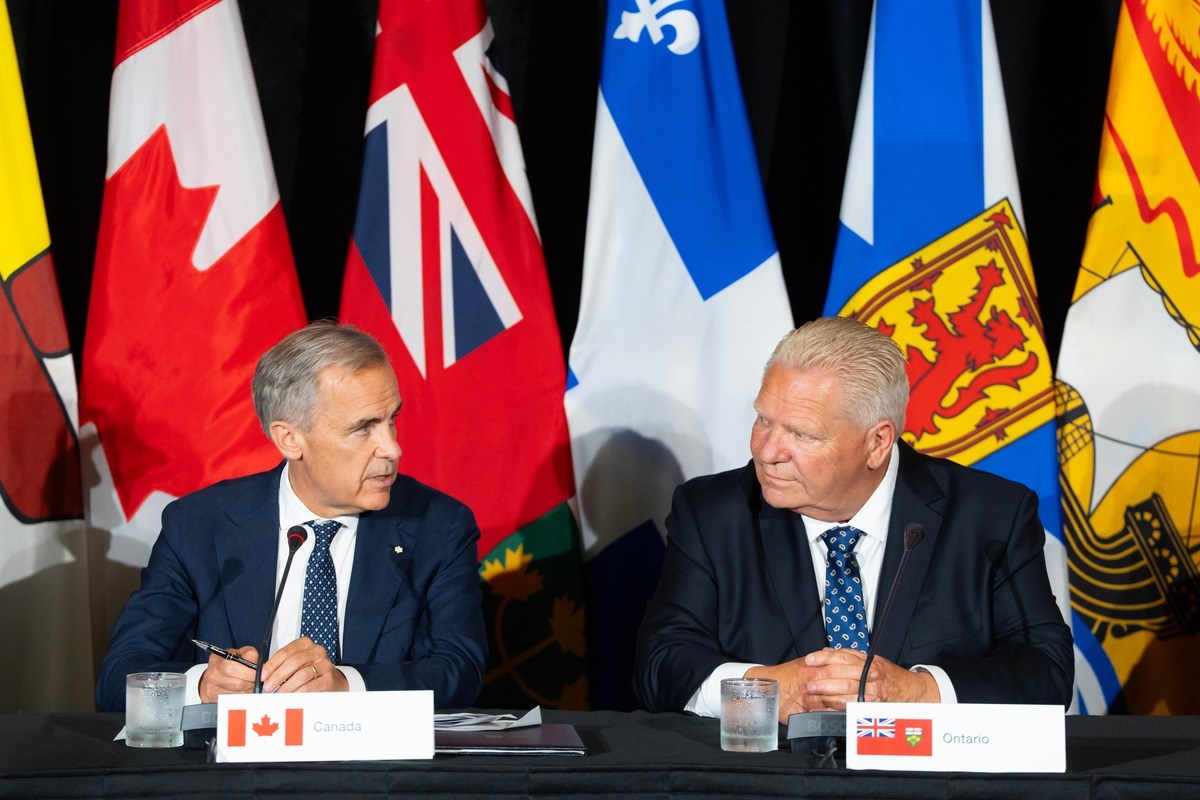
Ontario Premier Doug Ford wants Canada to impose extra tariffs on eight U.S. states after trade talks between Canada and the U.S. failed. The U.S. recently set a new 50% tariff on Canadian goods, leading Canada to consider retaliatory measures.
Key Facts
Doug Ford asked Canada to target Alabama, Arkansas, Florida, Iowa, Missouri, Montana, Texas, and Wisconsin with new tariffs.
Canada suspended trade negotiations with the U.S. after last-minute changes proposed by the U.S. were called "unfair."
The U.S. introduced a 50% tariff on nearly $20 billion worth of Canadian imports.
Over 75% of Canadian exports go to the U.S., and Canada is the second-largest market for U.S. goods.
Canada and the U.S. have a closely linked economy, especially in energy, minerals, and manufacturing parts.
Canadian Prime Minister Mark Carney said Canada will apply counter-tariffs in September but does so reluctantly.
President Donald Trump criticized Canada on social media, accusing it of unfair tariffs on U.S. farmers.
Some U.S. politicians expressed concern that tariffs will hurt businesses and families in their states.
Read the Original
Want the full story? Tap a source to open the original
article.
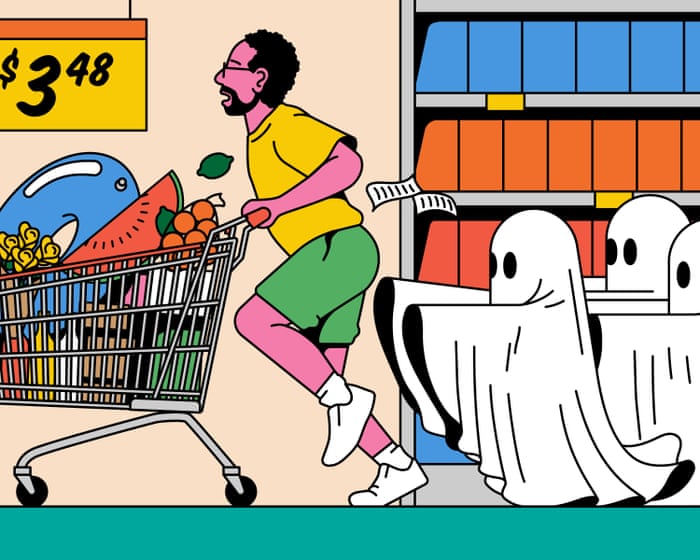
Stores are starting to sell Halloween decorations and candy in August, much earlier than in the past. This change reflects a trend of stretching holiday seasons longer, influenced by business decisions and customer demand.
Key Facts
Halloween products like costumes, treats, and decorations are available in stores like Target and CVS starting in August.
Some customers question the timing because August is still very hot, making it feel out of season.
Retailers use data about buying habits to decide when to stock holiday items.
People who collect holiday decorations might end up storing Halloween items for many months before use.
There is a concern that holiday seasons are overlapping more, shrinking the time between celebrations.
The expansion of holiday display periods is partly driven by retailers wanting to maximize sales.
Climate changes affecting seasons may also change how people think about holiday timing.
Online shopping allows consumers to buy holiday items anytime, adding to the trend of year-round availability.
Read the Original
Want the full story? Tap a source to open the original
article.
A new study tested over 110 personal care products like shampoos and lotions and found that about 85% contained toxic chemicals not listed on their labels. Some products marked as “eco,” “natural,” or “phthalate-free” still had harmful substances, raising concerns about product safety and the need for stronger regulations.
Key Facts
Researchers tested 113 personal care items bought from major stores like Target and Amazon.
About 85% of the products contained toxic chemicals not mentioned on their labels.
Products labeled as “eco,” “green,” or “natural” still had unsafe chemicals in 26% of cases.
Harmful chemicals found included phthalates, parabens, Pfas, formaldehyde, and hormone disruptors.
Some toxic chemicals may come from product ingredients, illegal additions, or plastic packaging.
Many unlabeled chemicals fall under “fragrance” on ingredient lists, which can include over 1,200 hazardous substances.
The study used a wide-ranging chemical test to detect 303 different chemicals, some being carcinogens or linked to health problems.
Researchers and small businesses want stronger laws to ensure product safety and help honest producers avoid contamination.
Read the Original
Want the full story? Tap a source to open the original
article.
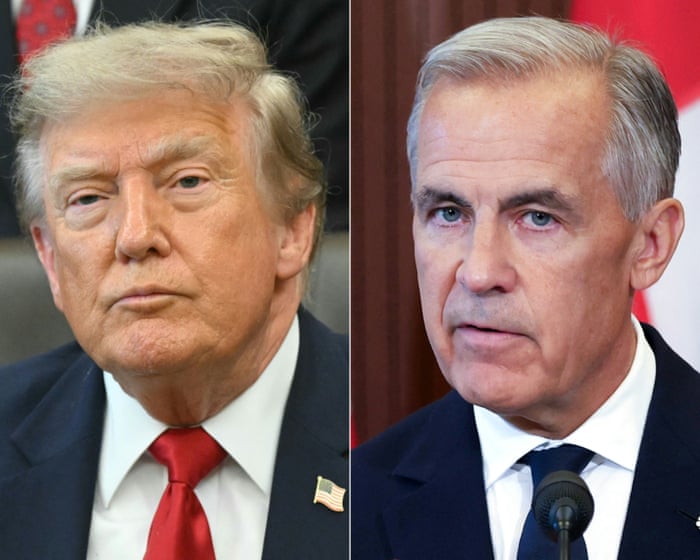
President Trump and Canada have entered a trade war after talks broke down. The US imposed 50% tariffs on $20 billion of Canadian goods, and Canada plans to respond with matching tariffs, raising tensions between the countries.
Key Facts
The US placed 50% tariffs on $20 billion worth of Canadian products starting Saturday.
Canadian Prime Minister Mark Carney pledged to match these tariffs “dollar for dollar” beginning September 8.
Products affected by US tariffs include hockey sticks and tongue depressors.
Both sides blamed each other for the failed trade negotiations.
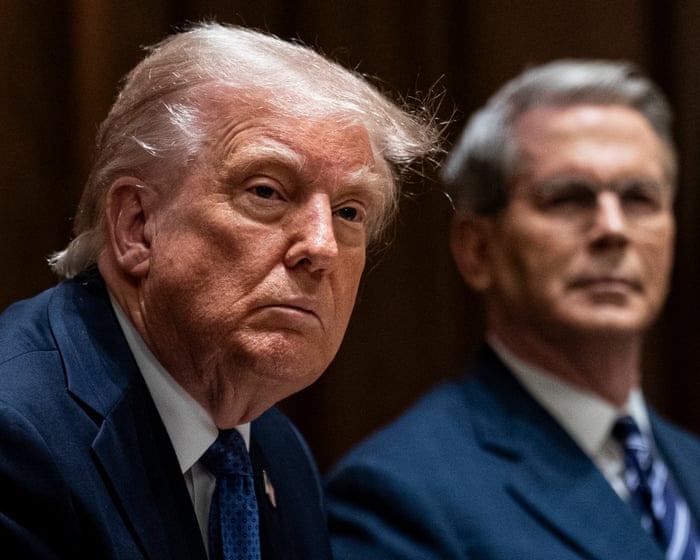
President Trump criticized Canada on social media for charging US farmers high tariffs.
The trade conflict threatens the North American trade agreement USMCA, which governs $2 trillion in trade.
Canada views the tariff conflict as a trade war initiated by the US.
US trade representative Jamieson Greer said the US acted to protect American workers and supply chains after a year of Canadian retaliations.
Read the Original
Want the full story? Tap a source to open the original
article.
The US is seeing rising government bond yields, which means investors want higher interest to hold government debt. This has caused the US Treasury to intervene in the bond market to try to lower those yields, showing concern about the country’s growing debt. Several factors like inflation fears, increased corporate borrowing by tech companies, and the rising US public debt are contributing to this market tension.
Key Facts
The US debt recently passed $40 trillion.
The US Treasury intervened in bond markets to reduce high bond yields, including increasing purchases of long-term bonds.
Rising bond yields can increase the cost for the government to borrow money.
Inflation worries, partly due to continued conflicts affecting oil prices, are pushing investors to demand higher yields.
Large amounts of corporate debt from big tech companies investing in AI data centers compete with government bonds for investors’ money.
US public debt has grown rapidly during President Trump’s second term, partly due to tax cuts and other spending decisions.
The Congressional Budget Office predicts US debt could grow from 100% to 175% of GDP over the next 30 years without major policy changes.
The US Treasury allowed foreign central banks like Japan to borrow against US Treasury holdings instead of selling them, aiming to stabilize markets.
Read the Original
Want the full story? Tap a source to open the original
article.
Saudi Arabia is investing billions of dollars to become a leader in the global video game industry. This includes buying the game company Electronic Arts for $55 billion and hosting the Esports World Cup outside Saudi Arabia for the first time, in Paris. These actions aim to reduce the country's reliance on oil and gas money.
Key Facts
Saudi Arabia made a $55 billion purchase of Electronic Arts, a major video game company.
The Esports World Cup, a top gaming competition, is being held in Paris instead of Saudi Arabia.
The country is focusing on the gaming industry to diversify its economy.
Diversifying means finding new sources of income beyond oil and gas.
Saudi Arabia aims to become a global power in Esports, which refers to competitive video gaming.
Hosting international events helps the country gain more influence in the global gaming scene.
The move reflects a broader economic shift in Saudi Arabia’s national strategy.
This investment is one of the biggest in the gaming industry by any country.
Read the Original
Want the full story? Tap a source to open the original
article.
Canada and the United States had been negotiating a trade deal, but talks broke down with each side blaming the other for last-minute changes. In response to new U.S. tariffs on Canadian goods, Canada’s Prime Minister Mark Carney announced that Canada will impose retaliatory tariffs on American products.
Key Facts
The U.S. imposed a 50% tariff on $20 billion worth of goods from Canada.
Canada responded by announcing tariffs that match the U.S. tariffs "dollar for dollar."
Trade negotiations between the U.S. and Canada collapsed recently.
Both countries blame each other for changes that caused the talks to fail.
Canadian Prime Minister Mark Carney addressed the nation about the situation for the first time since the talks fell apart.
The trade dispute involves high tariffs, which are extra taxes placed on imported goods.
The dispute reflects growing tensions between the two countries over trade policies.
Read the Original
Want the full story? Tap a source to open the original
article.
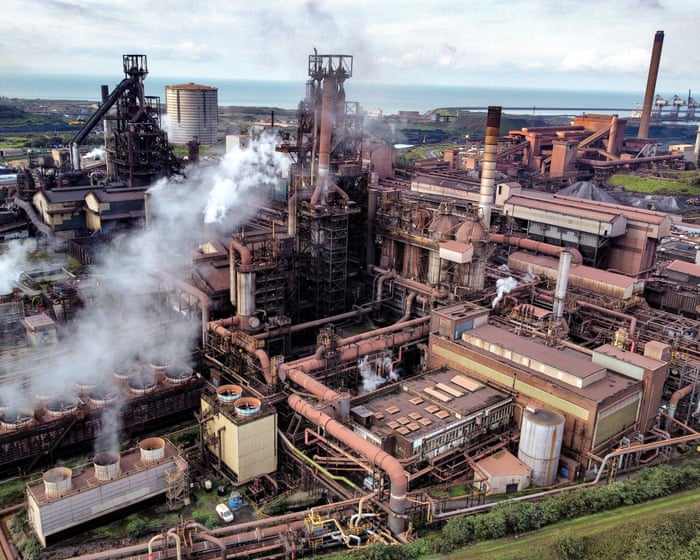
Tata Steel’s Llanwern factory in south Wales is running at half capacity because cheap steel imports from countries like India and Vietnam have increased. Changes in government trade rules expanded the amount of steel these countries can send to the UK without paying extra tariffs, causing fewer orders for the UK-made steel and putting jobs at risk.
Key Facts
Llanwern steelworks has idle production lines and workers doing maintenance due to fewer orders.
The UK government set a 50% tariff on cheap steel imports to protect local producers.
Some countries, including India, Vietnam, and South Korea, received bigger tariff-free quotas for steel imports.
India’s tariff-free quota for galvanised steel rose from 98,000 to 125,000 tonnes.
Vietnam’s quota more than tripled from 51,000 to 174,000 tonnes.
Galvanised steel is steel coated with zinc to prevent rust; Llanwern produces about 600,000 tonnes yearly.
Tata Steel is transitioning to a cleaner electric arc furnace but job losses occurred when older blast furnaces closed.
Increased cheap imports threaten the factory’s future and the company’s plans for greener steel-making.
Read the Original
Want the full story? Tap a source to open the original
article.
The UK government is reviewing laws about franchising after reports that business practices in the sector may be harmful. This includes investigations following allegations related to Vodafone franchisees, some of whom faced financial and mental health challenges.
Key Facts
UK ministers ordered two reports on how franchising businesses are regulated.
The reviews involve the British Franchise Association and an international economics research center.
The government aims to protect small franchisees without overburdening them with rules.
The reviews were prompted by a Guardian investigation into Vodafone’s franchise practices and the death of Adrian Howe, a former Vodafone employee.
Howe’s family is advocating for a new law named “Adrian’s law” to better regulate franchising.
Vodafone settled a court claim by 62 former franchisees without admitting wrongdoing.
Franchisees say they have less power than big companies despite being legally treated as equal.
Vodafone stated it runs a successful franchise operation and denied causing undue pressure on franchisees.
Read the Original
Want the full story? Tap a source to open the original
article.
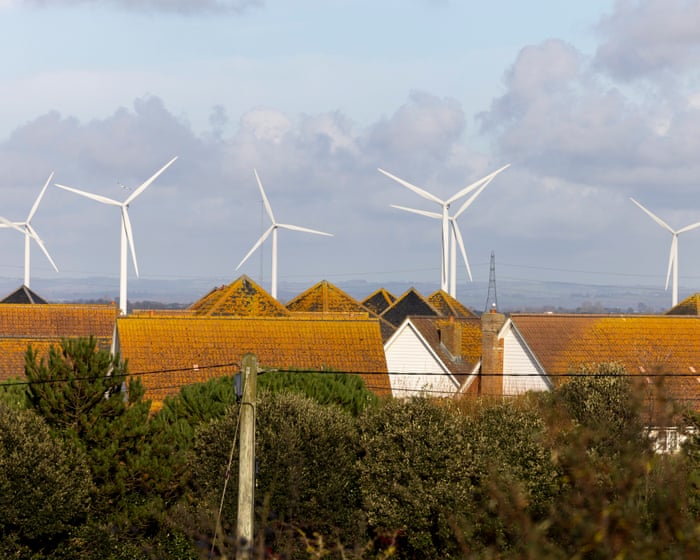
The number of applications for new onshore windfarms in England has reached its highest level in ten years after the government ended a Conservative-era restriction in 2015. Since the ban was lifted, the amount of planned onshore wind capacity has more than tripled, although the proposed windfarms tend to be smaller compared to those in Scotland.
Key Facts
About 45 applications for new onshore windfarms were submitted in England in the year leading to March.
Onshore wind power capacity entering the planning system in England has more than tripled since the ban was lifted.
Before the Labour government’s election, applications averaged about 9 megawatts (MW) per month; this rate increased to approximately 36MW per month by early 2024.
Prior to September 2023, Conservative ministers started loosening rules, raising onshore wind applications from about 1MW per month.
The largest new English onshore windfarm to receive government subsidy since the ban is a 20MW project near St Austell, Cornwall.
New windfarms proposed in England typically have two turbines and 8MW capacity, while in Scotland, proposals average nine turbines and 59MW.
Only one English onshore windfarm over 100MW has been proposed since the ban was lifted, compared to 18 in Scotland.
England's total proposed onshore wind capacity since the ban was lifted is 438MW, compared to 490MW in Wales and 5,280MW in Scotland.
Read the Original
Want the full story? Tap a source to open the original
article.
Criminals are tricking UK homebuyers by sending fake emails that look like they come from solicitors, asking buyers to transfer deposits to the wrong bank accounts. This type of fraud, called conveyancing fraud, costs victims large amounts of money, sometimes hundreds of thousands of pounds.
Key Facts
Conveyancing fraud involves criminals hacking email chains between homebuyers, solicitors, or estate agents to request payments to fake accounts.
This scam often happens late on Fridays before weekends, earning the nickname "Friday afternoon fraud."
In the 2025-26 financial year, there were 3,657 scams of this type, costing victims £101 million in total.
From April 2024 to March 2025, 140 property fraud cases were reported with an average loss of £78,393 per victim.
Fake emails may claim that solicitors have new bank details and pressure victims to pay quickly.
Fraudsters may use hacked or very similar-looking email addresses to appear legitimate.
Experts advise to verify bank details in person or over the phone, avoid public Wi-Fi when emailing, and use strong passwords with added security for email accounts.
Victims should immediately contact their bank if they suspect or realize they made a fraud payment.
Read the Original
Want the full story? Tap a source to open the original
article.
Buc-ee’s, a Texas convenience store chain known for its beaver mascot, has sued Beaver’s Mini Mart in Ohio over the mini mart’s beaver logo. This legal action sparked backlash from local residents, online supporters, and public figures, leading to calls for a boycott of Buc-ee’s stores.
Key Facts
Buc-ee’s sued Beaver’s Mini Mart in late July, claiming the mini mart’s beaver logo is too similar to its own branded beaver mascot.
The lawsuit is part of Buc-ee’s ongoing efforts to protect its trademark, following previous suits involving other cartoon animals.
Beaver’s Mini Mart is a much smaller, local business compared to Buc-ee’s large Ohio store near Dayton with 100 gas pumps and 700 parking spots.
Residents and supporters criticized Buc-ee’s for targeting a small business in a city named Beavercreek.
The city of Beavercreek passed a resolution recognizing the beaver as part of its local history.
The dispute has attracted attention on social media, including a boycott campaign under the hashtag #boycottbucees.
Comedian John Oliver discussed the case on his show and created a website selling parody merchandise supporting Beaver’s Mini Mart.
Buc-ee’s is continuing to expand in Ohio, with a second store planned for 2028.
Read the Original
Want the full story? Tap a source to open the original
article.
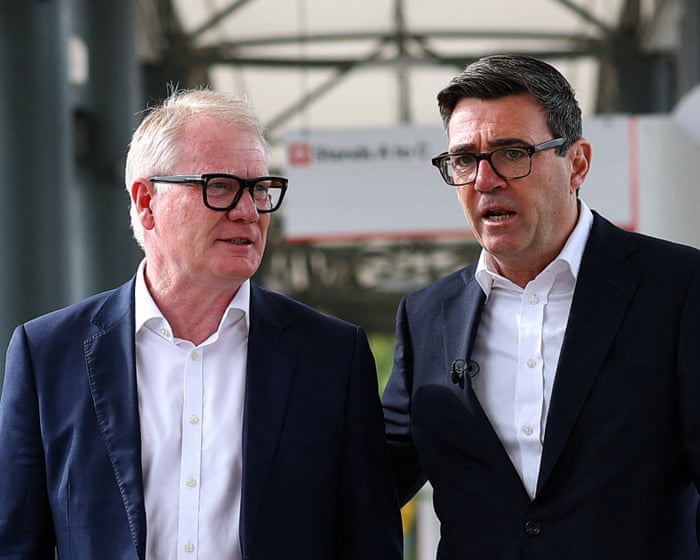
Andy Burnham plans to give mayors more power to approve large building projects without waiting for local councils. This change would help speed up housing and development, especially for big projects like new homes, office spaces, or tall buildings.
Key Facts
Mayors would have the power to overrule local councils on big planning decisions.
They can approve developments of over 150 homes, commercial spaces bigger than 15,000 sq meters, or buildings 30 meters tall or more.
Mayors could grant permission at the start so developers can begin work without delay.
This follows similar powers given to the mayor of London earlier to help build affordable homes.
The government aims to build 1.5 million homes in England within five years but is only about a quarter of the way there.
Councils must still follow local and national planning rules, and the government can step in if needed.
Mayors will have more influence over funding for housing projects and can charge developers to pay for local infrastructure.
The Liberal Democrats criticize the plan, saying it reduces local people’s power and won’t solve the housing crisis.
Read the Original
Want the full story? Tap a source to open the original
article.
Mayors in 13 areas of England will get new powers to overrule local councils on large planning decisions, like housing and commercial buildings. This change aims to help build more homes and support local growth, while local councils will still handle most planning applications.
Key Facts
The new powers apply to projects with over 150 homes, 15,000 square meters of commercial space, or buildings taller than 30 meters.
Mayors in places like Manchester, Liverpool, West Midlands, and the West of England will have similar powers to London's mayor, Sadiq Khan.
Housing Minister Matthew Pennycook said these powers are important for delivering new homes and regeneration projects.
Mayors will also gain the ability to grant "up-front permission" to start building without needing separate developer applications.
A government consultation on how these new powers will work is planned for release soon.
The government stresses local councils will still make most decisions and all must follow planning rules.
Mayors will have a bigger role in directing housing funding through the national agency Homes England.
Some politicians and parties have raised concerns about councils losing control and the fairness of these changes across different areas.
Read the Original
Want the full story? Tap a source to open the original
article.
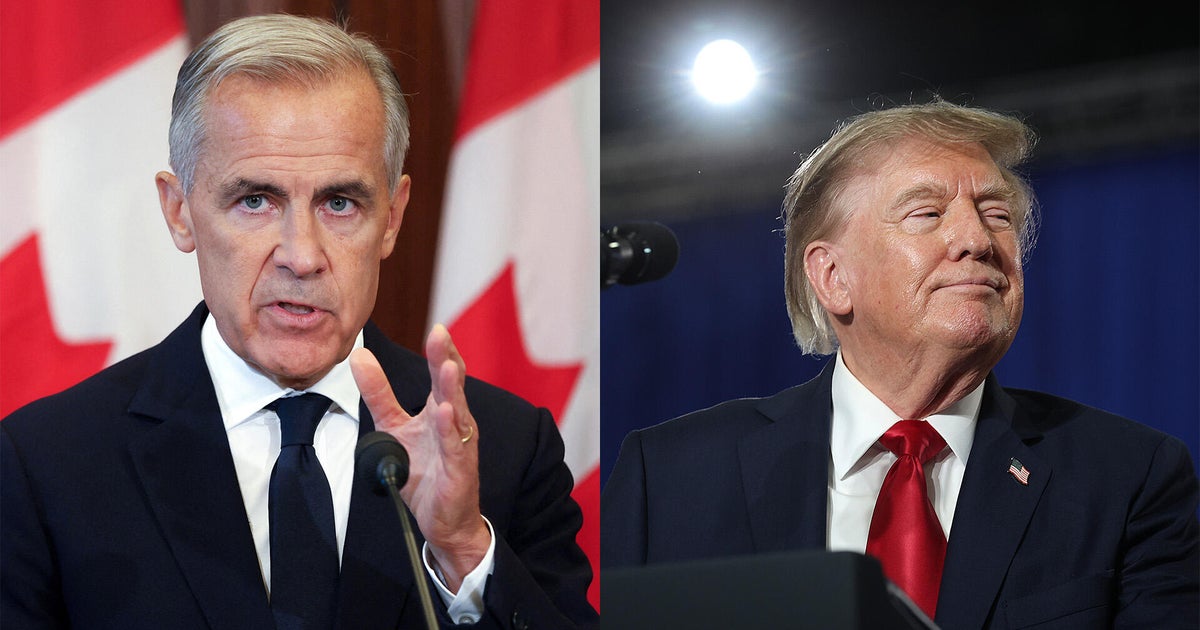
The United States and Canada failed to reach an agreement in trade talks, leading President Donald Trump’s administration to place a 50 percent tariff on Canadian goods. In response, Canadian Prime Minister Mark Carney announced that Canada will apply similar tariffs on U.S. products.
Key Facts
Trade talks between the U.S. and Canada ended without a deal this weekend.
The U.S. government set a 50 percent tariff on goods coming from Canada.
Canadian Prime Minister Mark Carney responded by promising equal tariffs on American goods.
The tariffs are a form of tax charged on imported products to protect local industries.
This exchange marks an escalation of trade tensions between the two countries.
Both governments are using these tariffs to pressure the other side in ongoing trade disagreements.
The situation has potential impacts on businesses and consumers in both countries.
National debt concerns were mentioned as part of the broader economic context.
Read the Original
Want the full story? Tap a source to open the original
article.
Energy UK, the group representing energy companies in the UK, says that because energy prices remain high, the government should offer more help to people struggling to pay bills. They propose a new support program that would give bigger and more precise discounts to households based on need.
Key Facts
Energy bills in the UK are expected to rise to a three-year high starting October.
Millions of households find energy bills hard to afford, with some needing emergency support.
The current £150 Warm Home Discount helps about 6 million people but misses 2.5 million who consume more energy due to health or housing issues.
Energy UK suggests creating a new "social discount" scheme costing about £1.9 billion that could provide up to £450 in support to some families.
The new scheme would use combined data on income, health, and energy use to give better-targeted help.
The price cap on energy bills is set every three months by regulator Ofgem and recently has been increasing.
Energy UK has proposed the new support could be paid either partly by energy bills or entirely by government funding.
Last year, the UK government spent about £40 billion to help households with high energy prices during the biggest recent price spike.
Read the Original
Want the full story? Tap a source to open the original
article.
Canada has announced new tariffs on products from the United States as a response to previous trade actions. Meanwhile, thousands of people in Gary, Indiana, remain without electricity following a power outage.
Key Facts
Canada introduced retaliatory tariffs on certain U.S. goods.
These tariffs are in response to earlier U.S. trade measures.
Thousands of residents in Gary, Indiana, are currently without power.
The power outage has caused significant disruptions in the area.
The situation in Gary is being monitored as crews work to restore electricity.
The trade tensions between Canada and the U.S. may affect businesses on both sides.
CBS Weekend News reported on both the tariff announcement and the power outage.
Read the Original
Want the full story? Tap a source to open the original
article.
The Chicago Bears donated $200,000 to help with storm and flood recovery in Chicago's south suburbs and Northwest Indiana. They gave $100,000 each to two local Catholic Charities organizations to support families affected by recent storms.
Key Facts
The Chicago Bears donated $200,000 to support storm recovery efforts.
$100,000 was given to Catholic Charities of the Archdiocese of Chicago.
Another $100,000 was given to Catholic Charities of the Diocese of Gary in Northwest Indiana.
These funds will help families facing difficulties after recent storms and floods.
Catholic Charities is a large local service provider that assists people in need.
Leaders from both charities expressed gratitude for the Bears’ support.
The donations will be used to provide critical help and resources to affected communities.
The charities encourage others to support storm recovery efforts as well.
Read the Original
Want the full story? Tap a source to open the original
article.
President Donald Trump has put 50% tariffs on about $20 billion worth of Canadian goods after trade talks between the U.S. and Canada failed. Canada’s Prime Minister Mark Carney stated his government will respond with equal tariffs starting September 8, deepening a trade dispute between the two countries.
Key Facts
The tariffs are applied to around 5% of Canada’s exports to the U.S., including products like hockey sticks, wine, cement, honey, seeds, makeup, clothing, and jewelry.
The tariffs come from a rarely used law from 1930 called Section 338 of the Tariff Act, allowing up to 50% tariffs if a country is seen as discriminating against U.S. businesses.
No official investigation was needed for these tariffs, and there is no set time limit on how long they will last.
President Trump said the tariffs respond to unfair rules Canada has against American cars, alcohol, and dairy products.
Canada has announced it will retaliate with tariffs on U.S. goods including steel, dairy, appliances, agricultural equipment, pulp and paper, and electronics, starting September 8.
Canada is willing to remove some tariffs if the U.S. lowers its tariffs on steel, aluminum, and autos and allows U.S. alcohol sales.
The U.S. and Canada once had a strong trade alliance, but these tariffs increase tensions during President Trump’s second term.
Experts warn these tariffs may raise prices for businesses and consumers in both countries.
Read the Original
Want the full story? Tap a source to open the original
article.