Fact-first summaries of the news — stay informed, stay grounded.
Your favorite news sources, one calm feed — fact-first summaries that always link to the
original story. No outrage bait, and we tell you when you're caught up. How it works
Business News
Business news, market updates, and economic developments
The Chicago Bears donated $200,000 to help with storm and flood recovery in Chicago's south suburbs and Northwest Indiana. They gave $100,000 each to two local Catholic Charities organizations to support families affected by recent storms.
Key Facts
The Chicago Bears donated $200,000 to support storm recovery efforts.
$100,000 was given to Catholic Charities of the Archdiocese of Chicago.
Another $100,000 was given to Catholic Charities of the Diocese of Gary in Northwest Indiana.
These funds will help families facing difficulties after recent storms and floods.
Catholic Charities is a large local service provider that assists people in need.
Leaders from both charities expressed gratitude for the Bears’ support.
The donations will be used to provide critical help and resources to affected communities.
The charities encourage others to support storm recovery efforts as well.
Read the Original
Want the full story? Tap a source to open the original
article.
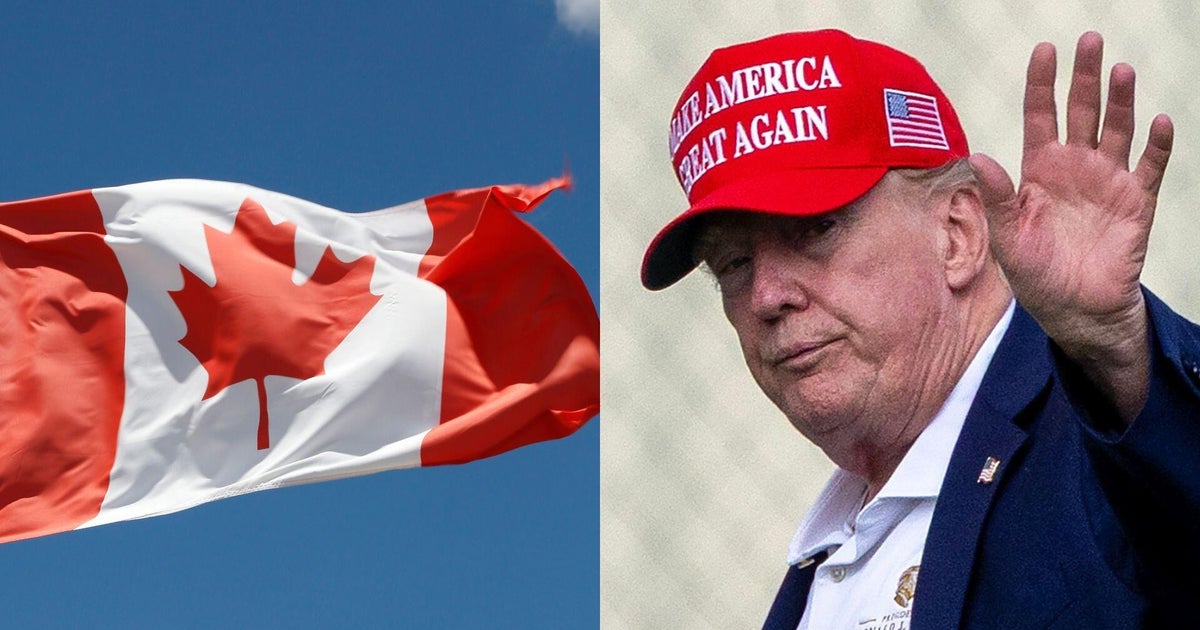
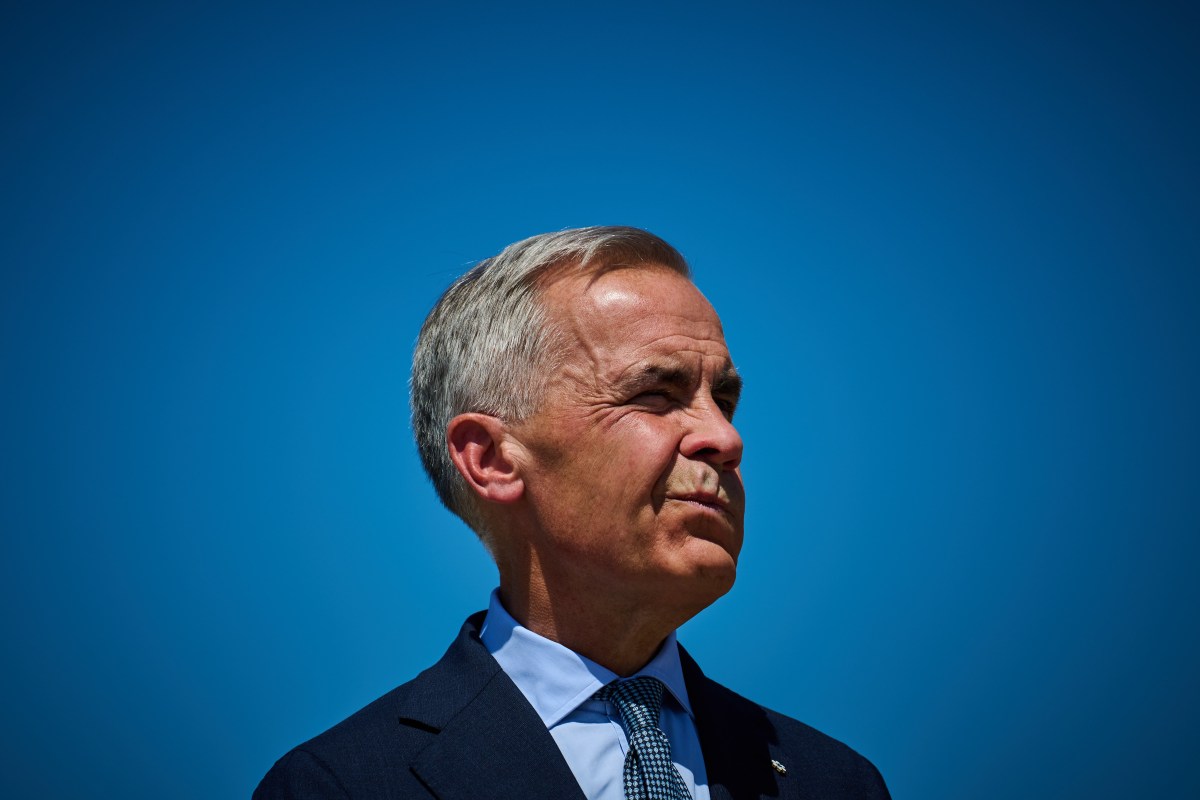
President Donald Trump has put 50% tariffs on about $20 billion worth of Canadian goods after trade talks between the U.S. and Canada failed. Canada’s Prime Minister Mark Carney stated his government will respond with equal tariffs starting September 8, deepening a trade dispute between the two countries.
Key Facts
The tariffs are applied to around 5% of Canada’s exports to the U.S., including products like hockey sticks, wine, cement, honey, seeds, makeup, clothing, and jewelry.
The tariffs come from a rarely used law from 1930 called Section 338 of the Tariff Act, allowing up to 50% tariffs if a country is seen as discriminating against U.S. businesses.
No official investigation was needed for these tariffs, and there is no set time limit on how long they will last.
President Trump said the tariffs respond to unfair rules Canada has against American cars, alcohol, and dairy products.
Canada has announced it will retaliate with tariffs on U.S. goods including steel, dairy, appliances, agricultural equipment, pulp and paper, and electronics, starting September 8.
Canada is willing to remove some tariffs if the U.S. lowers its tariffs on steel, aluminum, and autos and allows U.S. alcohol sales.
The U.S. and Canada once had a strong trade alliance, but these tariffs increase tensions during President Trump’s second term.
Experts warn these tariffs may raise prices for businesses and consumers in both countries.
Read the Original
Want the full story? Tap a source to open the original
article.
Local coffee shops play an important role in the U.S. economy, contributing over $300 billion each year, which is more than the movie and video game industries combined. Despite competition from big chains like Starbucks, many independently owned coffee shops continue to operate and adapt to changes, even during difficult times such as the pandemic.
Key Facts
Coffee shops contribute about 1.3% of the U.S. Gross Domestic Product (GDP), over $300 billion annually.
The number of specialty coffee shops grew from 1,650 in 1990 to nearly 63,000 today.
Independent coffee shops exist in similar numbers to large chains like Starbucks and Dunkin’.
Smaller shops often provide a more personal customer experience compared to big corporations.
Ike Escava, owner of The Bean in New York City, moved locations after landlord conflicts and competition from Starbucks.
After media coverage of his situation, The Bean received strong community support and increased business.
The pandemic changed customer habits, forcing local coffee shops like The Bean to adapt their business models.
Local coffee shops operate without the financial resources of large corporations, making their survival more challenging.
Read the Original
Want the full story? Tap a source to open the original
article.
Canada will start charging tariffs on some U.S. goods starting September 8 in response to new U.S. tariffs. These U.S. tariffs of 50% affect nearly $20 billion worth of Canadian products, and after negotiations failed, Canada decided to retaliate with tariffs on items like steel, dairy, and electronics.
Key Facts
The U.S. imposed 50% tariffs on almost $20 billion of Canadian goods.
Canadian Prime Minister Mark Carney announced Canada’s retaliatory tariffs will begin on September 8.
Canada's tariffs will match dollar-for-dollar the U.S. tariffs on items including steel, dairy, appliances, agricultural equipment, paper, and electronics.
Negotiations between the U.S. and Canada to avoid the tariffs ended without a trade deal.
Canada said the U.S. last-minute demands were unfair and harmful to Canada’s economy.
The U.S. tried to limit Canada’s ability to form new trade agreements with other countries.
Prime Minister Carney criticized the changing U.S. reasons for the tariffs, such as citing drug trafficking and wildfire smoke.
President Donald Trump has used tariffs as a tool to push for better trade terms with U.S. partners.
Read the Original
Want the full story? Tap a source to open the original
article.
A new plan wants to adjust capital gains taxes to account for inflation and make it easier for people to sell homes without extra taxes. The goal is to help more houses become available and boost the economy.
Key Facts
The proposal would change how capital gains taxes are calculated by considering inflation.
It would expand exemptions for taxes on home sales.
The reform aims to increase the supply of houses for sale.
It is intended to encourage economic growth.
Capital gains tax is a tax on profit from selling an asset, like a house or stock.
Indexing for inflation means adjusting the tax so people don’t pay taxes on money they didn’t actually gain due to rising prices.
Making home sales tax-exempt under more circumstances might make it easier for people to move or sell houses.
Read the Original
Want the full story? Tap a source to open the original
article.
Chef Philippe Massoud cooks Lebanese food at the restaurant ilili, which has places in New York City and Washington, D.C. He talks about how growing up in Lebanon helped him become a successful chef.
Key Facts
Chef Philippe Massoud is from Beirut, Lebanon.
He works at ilili, a restaurant known for Lebanese dishes.
ilili has locations in New York City and Washington, D.C.
Massoud describes his life in Lebanon as "enchanted."
He uses his background to create special Lebanese meals.
The story was featured by CBS News.
Read the Original
Want the full story? Tap a source to open the original
article.
A collection of famous movie items, including Harry Potter's golden snitch and Superman's suit, will be sold in an auction. These items come from well-known Hollywood films and are expected to attract collectors and fans.
Key Facts
The auction includes iconic props from popular movies.
Harry Potter’s golden snitch is one of the items available.
Superman’s suit will also be sold.
The items come from classic Hollywood films.
The auction will draw interest from movie fans and collectors.
The sale event is covered by CBS News.
Such auctions help preserve and share movie history with the public.
Read the Original
Want the full story? Tap a source to open the original
article.
Jill Schlesinger explains that changing jobs frequently, known as job hopping, can be good for your career and money if done in the right way. It can help you become more flexible and improve your skills.
Key Facts
Job hopping means moving from one job to another more often than usual.
It can help workers become more adaptable to new situations.
Changing jobs can sometimes lead to higher pay.
Job hopping is beneficial when it fits the person’s career goals.
Employers may value varied experience gained from different jobs.
Not all job changes are positive; timing and reasons matter.
Adapting to new workplaces and tasks improves professional growth.
Read the Original
Want the full story? Tap a source to open the original
article.
CBS Mornings Deals shares special discounts on products that aim to improve daily life. People can visit the website cbsdeals.com to find and buy these items.
Key Facts
CBS Mornings Deals offers exclusive discounts on various products.
The products featured are meant to help make daily life better.
Customers can access these deals by visiting cbsdeals.com.
CBS earns commissions when people buy items through their website.
The deals are promoted on CBS News and the CBS News app.
Read the Original
Want the full story? Tap a source to open the original
article.
The United States has placed a 50% tax on $20 billion of goods from Canada. Canada plans to respond with its own taxes after efforts to avoid conflict did not work.
Key Facts
The U.S. added a 50% tariff tax on Canadian products worth $20 billion.
These tariffs affect about 5% of all goods Canada sends to the U.S. each year.
The taxed products include items like hockey sticks and tongue depressors.
Canada announced it will apply its own retaliatory tariffs starting on September 8.
Negotiations between the two countries did not resolve the trade dispute.
The U.S. President at the time of this decision is Donald Trump.
The tariffs mark a new tension between two countries that have been long-time allies.
Read the Original
Want the full story? Tap a source to open the original
article.
The United States and Canada failed to reach a trade agreement. As a result, the U.S. will put a 50% tax on $20 billion of Canadian goods. Canada’s prime minister said Canada will respond by adding similar taxes on U.S. products.
Key Facts
The U.S. and Canada did not agree on a new trade deal.
The U.S. will charge a 50% tariff on $20 billion of Canadian imports.
A tariff is a tax on goods coming into a country.
Canada’s prime minister promised to match the U.S. tariffs equally.
These actions may affect trade between the two countries.
The situation follows a breakdown in negotiations.
It is not yet clear how long these tariffs will last.
The news was reported by CBS News.
Read the Original
Want the full story? Tap a source to open the original
article.
Bitcoin and gold prices rose sharply this week after a move by the U.S. Treasury to increase purchases of long-term government bonds. This action, along with calls by President Donald Trump for faster cryptocurrency regulation, caused investors to shift money into these alternative assets.
Key Facts
Bitcoin fell from about $95,000 in January to below $60,000 in June, then rose above $77,000 this past Friday.
Gold dropped from over $5,300 in January to around $4,000 in June, then climbed to $4,661 on Friday.
The U.S. Treasury announced it would double its purchases of long-term government debt to stabilize bond markets.
Treasury Secretary Scott Bessent aims to lower long-term borrowing costs despite inflation concerns.
The U.S. national debt surpassed $40 trillion recently, a record high.
The U.S. dollar's value dropped sharply following the Treasury's announcement.
Investors moved money from the dollar and bonds into gold and bitcoin, an example of the "debasement trade" where people protect against inflation by buying alternative assets.
President Trump, who earned about $1.2 billion last year from crypto holdings, urged Congress to pass cryptocurrency laws quickly.
Read the Original
Want the full story? Tap a source to open the original
article.
The article discusses a coffee shop owner named Sheehan who has taken a strong stance related to his business. It compares his actions to those of Jack Phillips, who was involved in the Masterpiece Cakeshop case, noting that Sheehan’s approach is more extreme.
Key Facts
Sheehan owns a coffee shop and is actively involved in its operations.
He has made decisions or taken actions related to his business that have attracted attention.
The article references Jack Phillips, a key figure in the Masterpiece Cakeshop Supreme Court case about business rights.
The Masterpiece Cakeshop case involved issues about a business owner refusing service based on personal beliefs.
Sheehan’s actions are described as more extreme than those in the Masterpiece Cakeshop matter.
The situation involves balancing business rights and public reactions.
The article touches on the challenges faced by business owners in a tense social environment.
Read the Original
Want the full story? Tap a source to open the original
article.
The U.S. Department of the Interior has finalized new rules to reduce water use from the Colorado River by three Western states due to ongoing drought. Arizona, California, and Nevada will cut water use by a total of 1.25 million acre-feet annually in 2027 and 2028 to protect key reservoirs like Lake Mead and Lake Powell.
Key Facts
Arizona will reduce its Colorado River water use by 760,000 acre-feet per year, about 27% of its usual share.
California will reduce by 440,000 acre-feet per year, about 10% of its allocation.
Nevada will reduce by 50,000 acre-feet per year, about 17% of its share.
These cuts apply in 2027 and 2028 and total 1.25 million acre-feet annually across the three states.
The Department of the Interior also seeks 700,000 acre-feet of voluntary conservation and storage across these states during the same period.
Four other states in the Upper Basin—Colorado, New Mexico, Utah, Wyoming—will not have mandatory cuts but are asked to cooperate in managing water storage to protect Lake Powell and Glen Canyon Dam.
Lake Powell and Lake Mead, two major reservoirs on the Colorado River, are at critically low levels due to extended drought and heavy water demand.
Glen Canyon Dam generates hydroelectric power for six Western states and must be protected to maintain electricity supply and water deliveries.
Read the Original
Want the full story? Tap a source to open the original
article.
Canada stopped trade talks with the U.S. after new tariffs from President Trump’s administration started. The U.S. put a 50 percent tax on over $20 billion of Canadian goods, which led to disagreements between the two countries.
Key Facts
Canada ended trade negotiations with the U.S. on a Friday evening.
This happened just before the U.S. started charging 50 percent tariffs on certain Canadian products.
The tariffs apply to more than $20 billion worth of Canadian goods.
The talks were about resolving disagreements caused by these tariffs.
The U.S. government is led by President Donald Trump.
The new trade taxes are part of President Trump’s plan to change trade rules.
Canada disagreed with the terms offered by the U.S. during the negotiations.
The tariffs could affect trade and economic relations between the U.S. and Canada.
Read the Original
Want the full story? Tap a source to open the original
article.
Lab-grown diamonds are being sold quickly in live auctions on TikTok, often for a fraction of the price of natural diamonds. These auctions draw many viewers and buyers, making diamonds more affordable and accessible to a wider audience.
Key Facts
Lab-grown diamonds have the same chemical makeup as natural diamonds but were less valued until recently.
TikTok live auctions for lab-grown diamonds last about 10 to 15 seconds.
Prices for lab-grown diamonds in these auctions typically range from $100 to $200 per carat.
The auctions often start at just $1 and involve lively hosts encouraging viewers to bid.
Many people watch these auctions for entertainment, even if they do not buy.
Some buyers have purchased multiple diamonds and enjoy collecting different colors and shapes.
The live auction format creates a sense of urgency because items sell quickly.
Lab-grown diamonds are making the diamond market more affordable and open to more people than before.
Read the Original
Want the full story? Tap a source to open the original
article.
Taxi drivers in North Tyneside want an 8% increase in fares to cover higher fuel and vehicle costs. The council is discussing the proposal and considering a smaller increase because many local residents are also facing higher living expenses.
Key Facts
Taxi fares could rise by 8%, making a three-mile trip cost about £5.52.
The increase applies only to hackney carriages, which can be hailed on the street or at taxi ranks, not pre-booked taxis.
The North Tyneside Hackney Carriage Association asked for the fare hike due to rising fuel prices and vehicle part costs.
Additional charges would rise, such as fines for car theft from £125 to £130 and fees for dogs (except service dogs) from £3 to £4.
Some council members want a smaller fare increase to protect residents, especially the elderly, from extra costs.
The fare changes need approval from the director of public health and will be open for public feedback for at least 14 days.
Councillors recognize both the difficulties faced by taxi drivers and by local residents due to the cost of living increase.
Read the Original
Want the full story? Tap a source to open the original
article.
The United States has put a 50% tax on certain Canadian products as part of a trade disagreement. Canada said it will respond by adding the same amount of tax on U.S. products.
Key Facts
The U.S. started charging a 50% tariff on some Canadian goods on August 22, 2026.
These tariffs were originally planned to start on a later date but were applied earlier.
President Donald Trump said he has a good relationship with Canada’s leader and hoped for a deal.
The U.S. gave negotiators three days to make an agreement before starting the tariffs.
Canada responded by promising to add matching tariffs on American products “dollar for dollar.”
This action increases tensions in the ongoing trade disagreement between the U.S. and Canada.
Read the Original
Want the full story? Tap a source to open the original
article.
Mexico will start sending cattle to the United States again after a yearlong ban caused by an outbreak of the New World screwworm parasite. The U.S. will allow limited imports starting August 24, with strict rules to prevent the parasite from spreading further.
Key Facts
The ban on Mexican cattle imports to the U.S. lasted for about one year due to the New World screwworm parasite.
The parasite causes maggots to burrow into warm-blooded animals’ wounds, affecting livestock and sometimes pets and humans.
The outbreak was first detected in Mexico in November 2024 and has spread to almost all Mexican states.
Mexico currently has about 1,969 active screwworm cases, less than half compared to last year, showing some progress.
U.S. imports of Mexican cattle will resume at the Douglas, Arizona border crossing on August 24, with tight controls.
If the restart goes well, the USDA may open more border points for cattle shipments.
The screwworm has already appeared in Texas and New Mexico, and U.S. authorities are fighting these cases.
The ban hurt cattle and beef industries in both countries and contributed to shortages in the U.S. market.
Read the Original
Want the full story? Tap a source to open the original
article.
The United States has started new tariffs of up to 50 percent on many Canadian products after trade talks between the two countries failed. These tariffs affect cars, alcohol, dairy, and many other goods, and are meant to offset what the U.S. calls unfair treatment of American products by Canada.
Key Facts
Trade talks between the U.S. and Canada did not lead to an agreement to avoid new tariffs.
President Donald Trump said a deal was close but disagreements on cars and alcohol ended the negotiations.
The tariffs are based on Section 338 of the Tariff Act of 1930, allowing the U.S. to impose duties to balance trade disadvantages.
Products hit by 50 percent tariffs include motor vehicles, alcoholic drinks, dairy products, and hundreds of other Canadian goods worth about $20 billion.
Canadian provinces banned U.S. alcohol in response to earlier U.S. tariffs, worsening trade tensions.
The U.S. accuses Canada of unfair rules that block American dairy products.
The tariffs apply even to goods covered by the USMCA trade agreement, except some energy, fish, and mineral products.
These new tariffs add to existing U.S. tariffs on Canadian steel, aluminum, and lumber.
Read the Original
Want the full story? Tap a source to open the original
article.