Informa, a large London-based events company, has bought Clarion, another events organiser, for £2.24 billion. Clarion hosts many types of events, including arms fairs, comic conventions, and travel shows. Informa plans to grow its event business and separate its academic publishing division, Taylor & Francis.
Key Facts
Informa purchased Clarion from Blackstone for £2.24 billion.
Clarion runs events like the DSEI arms fair in London and AwesomeCon in Washington.
DSEI takes place every two years and has faced protests against some exhibitors.
Clarion also organises travel shows, classic car events, and gaming and tech industry gatherings.
Informa, headquartered in London, employs 14,000 people and hosts global events like London Tech Week.
Informa plans to spin off its academic publishing unit, Taylor & Francis, which made about £760 million last year.
To pay for Clarion, Informa will raise £940 million by selling new shares.
Informa expects the deal to speed up its growth and increase profits by 2027.
Read the Original
Want the full story? Tap a source to open the original
article.
A man was jailed for making fake home insurance claims about stolen Lego and other valuables, as part of several high-profile insurance fraud cases last year. Insurance fraud rose in value to £1.34 billion in 2025, even though the total number of detected scams slightly dropped.
Key Facts
A man was sentenced to 28 months in prison for falsely claiming stolen Lego sets and other expensive items.
The insurance trade group, ABI, reported £1.34 billion in fraudulent claims in 2025, a 14% increase from 2024.
Although the number of detected fraud cases fell by 2.7% to about 93,900, the average fake claim amount increased to £14,300.
Other fraud cases included staged car crashes organized through online contacts and fake travel insurance claims using false identities.
Motor insurance fraud made up 55% of all detected scam claims.
Exaggerating the value of claims was the most common type of insurance fraud, with nearly 27,000 cases reported.
Authorities warn that new technologies like artificial intelligence could be misused by fraudsters to create more sophisticated scams.
Experts say insurance fraud raises costs for honest customers and the true amount of fraud is likely much higher than detected.
Read the Original
Want the full story? Tap a source to open the original
article.
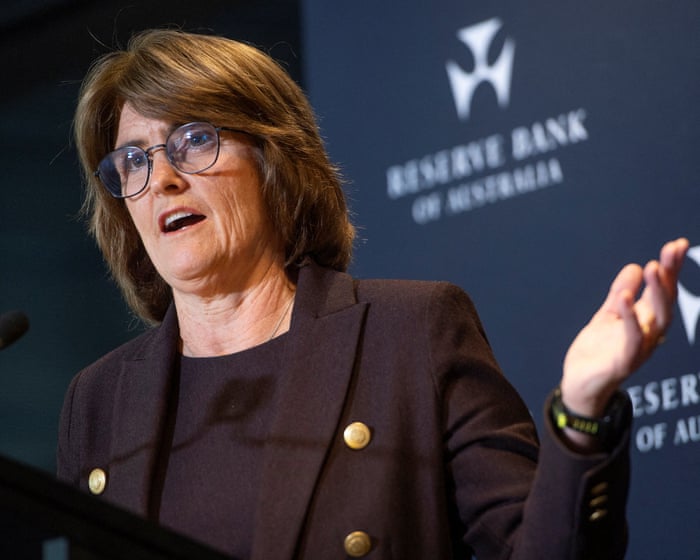
Australian consumer confidence has dropped to its lowest level since the 1990s after the Reserve Bank of Australia raised interest rates four times this year. Higher rates and rising living costs have made many households pessimistic about their finances and the economy.
Key Facts
The consumer confidence index fell about 20% since the interest rate increases began.
In October, confidence dropped 4.7% to 80.4%, the worst level since April’s Middle East conflict.
After the RBA rate hike on 29 September, the index fell further to 67.2%, the lowest since the late 1990s.
Rising fuel prices have increased the average weekly petrol bill by $20 compared to early 2023.
Mortgage holders feel the most pessimistic due to higher borrowing costs, with an index score of 77.
People who own their homes outright also showed a big drop in confidence as the housing market worsens.
Renters remain the most optimistic group with a confidence score of 84.8 points.
Despite fears of job losses, job vacancies are at a two-year high, suggesting the job market remains relatively strong.
Read the Original
Want the full story? Tap a source to open the original
article.
The Irish government will announce a budget with new measures to help families with energy and childcare costs. The budget will raise the income level where people pay higher tax and include increased spending and tax changes based on the country’s current financial gains.
Key Facts
The budget aims to ease financial pressure on families and households.
The income threshold for higher-rate tax will rise from €44,000 (£37,000) per year.
Tax measures worth €1.5 billion (£1.27 billion) and extra spending of €7 billion (£5.92 billion) are planned.
Much of the additional spending is to cover rising costs of existing public services.
Ireland expects a budget surplus of €6.9 billion (£5.84 billion) this year, less than previously forecasted.
The smaller surplus is due to fuel supports and increased health spending.
Part of the surplus will be invested in national wealth funds for future needs.
New plans include a tax-free savings scheme similar to the UK’s ISA, and a culture card for teenagers to use on entertainment.
Read the Original
Want the full story? Tap a source to open the original
article.
Many medium-sized shopping centres in the UK, like the Brunel Centre in Bletchley and the Grafton Centre in Cambridge, are struggling with empty shops and closures. Some centres are being redeveloped to include homes, health facilities, or life science centres as they adapt to changes caused by online shopping.
Key Facts
The Brunel Centre in Bletchley opened in 1973 but now has mostly empty units and will be demolished next year.
The last store in the Brunel Centre, Boots Opticians, will close soon.
The Grafton Centre in Cambridge has many closed shops, including a former Debenhams and a closed cinema.
Plans for some centres include mixed-use redevelopment, such as housing and life science facilities.
Online shopping has reduced demand for traditional retail space in medium-sized malls.
Larger shopping centres have lower vacancy rates and attract most consumer spending.
Experts say not all shopping centres will fail; some are still almost fully occupied.
Milton Keynes City Council supports mixed uses in town centres, including more homes, to boost local shopping.
Read the Original
Want the full story? Tap a source to open the original
article.
Islanders in Jersey are still having trouble getting credit cards even after changes were made to share personal data with UK credit agencies. The Jersey Consumer Council says some banks continue to refuse applications, while the government says offering credit cards in Jersey is up to the companies.
Key Facts
New rules started on July 30 that allow Jersey to share personal data securely with UK credit reference agencies.
This data sharing was meant to help islanders get credit cards more easily.
Despite these changes, some credit card providers are still denying applications from islanders.
The Jersey Consumer Council wants the government to officially inform banks about the new data sharing rules.
The government says it has worked with credit card providers during the process.
Offering credit cards in Jersey is a business decision made by the companies, not the government.
Carl Walker from the Jersey Consumer Council says credit card companies might avoid Jersey because of past difficulties.
The government plans to keep talking with providers to encourage them to offer credit cards on the island.
Read the Original
Want the full story? Tap a source to open the original
article.
Offshore workers employed by the Wood Group on North Sea oil platforms are striking for 48 hours over pay and working conditions. The dispute involves threats from the company to change contracts through "fire-and-rehire" tactics, which the unions oppose.
Key Facts
Workers on several North Sea offshore platforms operated by Harbour Energy, including the Britannia and Lomond platforms, are striking.
The strike started at midnight and will last for two days, with additional two-day strikes planned in October and November.
The unions involved are Unite and RMT, representing production, instrument, and mechanical technicians.
The dispute began after Wood Group proposed cuts to pay and changes in working conditions.
Unions accuse the company of using "fire-and-rehire" threats, a practice where workers are dismissed and offered re-employment on worse terms.
Wood Group said safety and operations remain their top priorities despite the strike.
Harbour Energy hopes for a peaceful resolution and continues to work with contractors to keep operations safe and steady.
RMT members have also been told not to do overtime work starting 8 October until further notice.
Read the Original
Want the full story? Tap a source to open the original
article.
The vice-president of RSPCA New South Wales, Mark Steele, has quit the organization because he is unhappy with the welfare standards for RSPCA-certified chicken. He believes the fast-growing breeds used in most chicken meat do not live good lives, even though the RSPCA certification suggests high animal welfare.
Key Facts
Mark Steele was vice-president of RSPCA NSW and a board member since 2021 before resigning in September.
Steele criticized the RSPCA Certified scheme for endorsing the welfare of 97% of Australian meat chicken raised from fast-growing breeds.
Almost all of Australia’s 800 million meat chickens are from fast-growing breeds slaughtered by 4 to 6 weeks old, which can cause health problems.
RSPCA certification is trusted by consumers as a sign of higher animal welfare standards.
The RSPCA recently updated welfare standards, including lower crowding and ending a certain slaughter method by 2031, but did not require phasing out fast-growing breeds.
A new optional “enhanced” welfare category encourages slower-growing breeds but does not yet have a consumer label and is voluntary.
Animal welfare experts note that slower-growing chicken breeds are used in Europe and may cost a bit more but benefit the animals’ health.
Steele feels it is misleading for consumers to trust RSPCA certification while the organization allows fast-growing breeds to remain common.
Read the Original
Want the full story? Tap a source to open the original
article.
Syrian Airlines introduced a new look and updated technologies at Damascus Airport. The changes include a new color design, improved booking and payment systems, and a new mobile app set to launch in November.
Key Facts
Syrian Airlines revealed a new visual identity.
The announcement took place in a ceremony at Damascus Airport.
The airline introduced a new color scheme.
Booking and payment platforms have been modernized for easier use.
A mobile app will launch in November to help customers book flights.
The rebranding is part of Syria’s efforts to develop after recent political changes.
Read the Original
Want the full story? Tap a source to open the original
article.
India's economy is growing rapidly at over 7%, but its stock market is performing poorly, with major indexes losing value for eight weeks in a row. Several factors, including high oil prices, rising global interest rates, and a weak currency, are making investors cautious and causing money to leave Indian stocks.
Key Facts
India's economy is growing by more than 7% despite global challenges like energy shocks and weather issues.
Indian stock indexes Sensex and Nifty have seen losses for eight straight weeks, the longest in 25 years.
Domestic investors have seen a 15% drop in their stock investments this year, while other markets like Korea have gained significantly.
Foreign investors have pulled about $40 billion out of Indian markets over the past two years.
Mutual funds managed by Indian institutions have grown from $125 billion in 2016 to $900 billion now, with over 150 million Indians investing.
India imports over 90% of its crude oil, with much of it passing through a key shipping route affected by conflict, keeping oil prices high around $90-$100 per barrel.
Rising global interest rates, including US government bond yields near 25-year highs, attract investors to safer assets and reduce interest in Indian stocks.
The Indian rupee has weakened, reducing returns for foreign investors when converting back to dollars.
Read the Original
Want the full story? Tap a source to open the original
article.
A couple in Wales is saving money each month into pension accounts for their toddler and baby to help secure their financial future decades later. They also save in Junior ISA accounts, which children can access at 18, balancing short-term and long-term savings for their kids.
Key Facts
Richard and Caitlin Brain from Swansea put £50 a month into each child's pension.
Children cannot access pension money until they are 57 years old.
They also save £60 a month per child in Junior ISA accounts, accessible at age 18.
The couple spends less on dining out and gifts to save more for their kids.
Junior SIPPs (self-invested personal pensions) were introduced in the UK in 2001.
Annual contributions up to £2,880 receive £720 in government tax relief, totaling £3,600.
The number of Junior SIPP accounts has increased significantly in recent years.
Some teenagers, like 15-year-old Hugo Thompson, are comfortable waiting decades to access pension funds.
Read the Original
Want the full story? Tap a source to open the original
article.
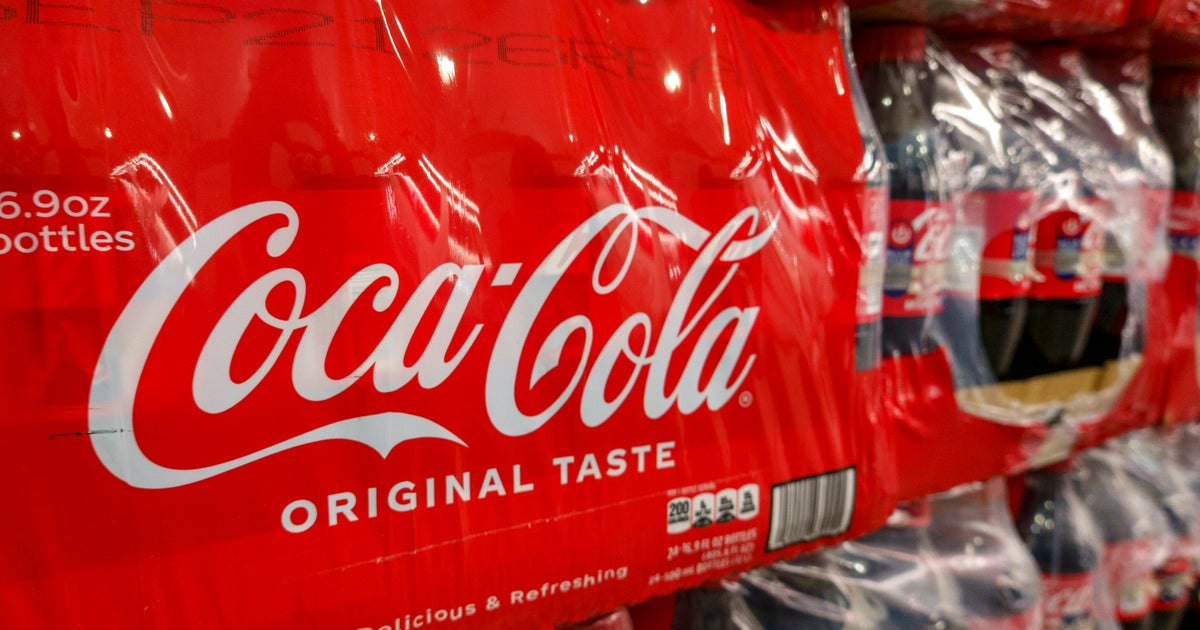
Coca-Cola plans to introduce new fruit flavors for several of its beverage brands starting in 2027. The company also announced two new Coca-Cola flavors coming in 2025 and is testing prebiotic versions of some drinks in three states.
Key Facts
Coca-Cola will launch new fruit-flavored products for Coca-Cola, Fairlife, Mr. Pibb, Powerade, and Topo Chico brands.
The rollout of these new products will begin in 2027.
Two new Coca-Cola flavors, Cherry Lime and Strawberry Float, will arrive in 2025.
Coca-Cola is testing prebiotic versions of Coca-Cola Zero Sugar, Sprite Zero Sugar, and Fresca in New York, New Jersey, and Pennsylvania.
Powerade will add watermelon and lemon-lime zero-sugar flavors in January 2027.
Mr. Pibb will release a black-currant flavor and a limited-time berry flavor in spring 2027.
Topo Chico will launch a pineapple-coconut flavor in February 2027.
Fairlife’s Core Power protein shakes will get new banana and strawberry flavors in January, with varying protein amounts.
Read the Original
Want the full story? Tap a source to open the original
article.
The euro has dropped to its lowest value against the US dollar in 17 months because of worries about France's public debt management. At the same time, global oil prices fell after G7 countries agreed to release oil from their reserves and oil flow in the Persian Gulf returned to normal.
Key Facts
The euro currency fell nearly 7% from its highest point in late January.
Concerns are growing about France's ability to control its national debt.
Global oil prices decreased even though there are tensions in the Arabian Peninsula.
The G7 group of countries decided to release up to 100 million barrels of oil from emergency supplies.
Oil flow in the Persian Gulf has returned to levels seen before recent conflicts.
The euro's decline reflects uncertainties in European financial stability.
This situation could impact European markets and trade.
Read the Original
Want the full story? Tap a source to open the original
article.
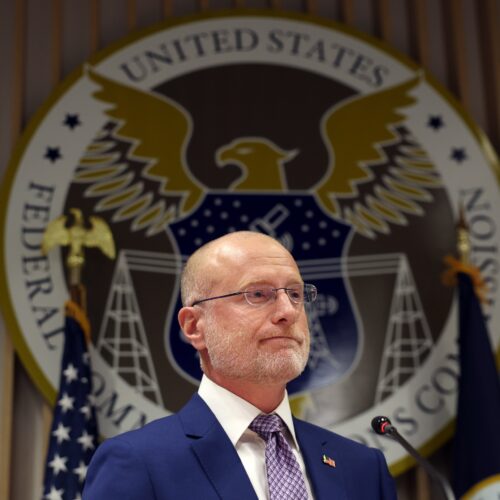
Cable companies are preparing to sue the Federal Communications Commission (FCC) to stop the removal of a rule that limits how many TV stations one company can own nationwide. The cable groups say lifting this limit will let big TV groups charge higher fees, which will raise costs for TV viewers.
Key Facts
The FCC removed the National Television Ownership Rule, which capped TV station ownership at 39% of U.S. households.
Cable groups, including Comcast, Charter, and Cox, argue this repeal will let big broadcasters demand higher fees from TV providers.
These higher fees could increase monthly bills for consumers who watch TV.
Congress set the 39% ownership cap in 2004 through the Consolidated Appropriations Act.
Cable groups filed a petition asking the FCC to keep the cap until courts decide if the repeal is legal.
The FCC says it can change the cap because the law lets the agency adjust rules over time.
The lawsuit will target the FCC’s authority to remove the cap, with cable groups seeking a court order to keep the cap in place during the case.
FCC Chairman Brendan Carr supports removing the strict cap and prefers reviewing ownership cases individually to promote the public interest.
Read the Original
Want the full story? Tap a source to open the original
article.
The Euro’s value dropped to its lowest point in 17 months, reaching about $1.12. This decline happened because of growing government debt problems in Europe.
Key Facts
The Euro fell to its lowest level since May 2025.
One Euro is currently worth around $1.12.
The drop happened mainly because European countries have increasing government debt.
The decline occurred on a Monday, during trading hours on the East Coast of the U.S.
A weaker Euro strengthens the U.S. dollar compared to the European currency.
The Euro’s decline may influence trade and financial markets involving Europe and the U.S.
Read the Original
Want the full story? Tap a source to open the original
article.
"Avengers: Endgame" has become the highest-grossing movie again, breaking box office records. The film continues to attract large audiences and generate significant ticket sales worldwide.
Key Facts
"Avengers: Endgame" regained its position as the top-earning film ever.
The movie has set new box office records with its ticket sales.
It remains popular with audiences around the world.
The film's earnings surpass those of other major movies.
This achievement reflects ongoing strong interest in superhero movies.
High ticket sales contribute to the entertainment industry's economic impact.
Read the Original
Want the full story? Tap a source to open the original
article.
In the 2026 U.S. midterm elections, Ohio has more than half of the data center-related ballot measures nationwide. Voters in eight states will decide on at least 39 local measures about data centers, with Ohio alone having 21 proposals that mostly focus on limiting or regulating large data center developments.
Key Facts
Voters in eight states will face at least 39 ballot measures about data centers in 2026.
Ohio has 21 of these measures in 18 different local areas, more than half of all measures nationally.
Other states with measures include Illinois (7), Wisconsin (3), Kansas (3), California (2), Michigan (1), Nevada (1), and Florida (1).
Most measures ask voters to approve new limits or restrictions on data centers.
Many Ohio measures focus on banning or regulating data centers that use more than 25 megawatts of electricity.
Proposed rules include bans, zoning changes, financial guarantees, and requiring public approval before data center projects start.
The decisions could affect large-scale data centers that use significant amounts of power and water.
Some Ohio towns also have referendums about rezoning land for industrial use related to data centers.
Read the Original
Want the full story? Tap a source to open the original
article.
Glasgow city council and the trade union Unison have reached a pay agreement that avoids the plan of firing and rehiring 23,000 council workers on worse terms. The deal protects some workers’ pay for three years and will now be voted on by union members, with further talks planned to resolve remaining issues.
Key Facts
The council proposed changes to pay and grading to fix historic equal pay problems.
Talks with unions GMB, Unite, and Unison previously failed, leading to a fire-and-rehire threat for all non-teaching staff (23,000 workers).
The original plan could have cut wages for 11% of workers, but the new deal protects pay for three years.
Unison will now hold a ballot so members can vote on the agreement.
The council will continue discussions on equality impacts of the pay system.
Glasgow city council leader Ricky Bell said the deal removes the threat of fire-and-rehire and aims to end pay discrimination.
Unison said the workers deserve better and will keep informing members before the vote.
The ballot will last four weeks, with details to be announced soon.
Read the Original
Want the full story? Tap a source to open the original
article.
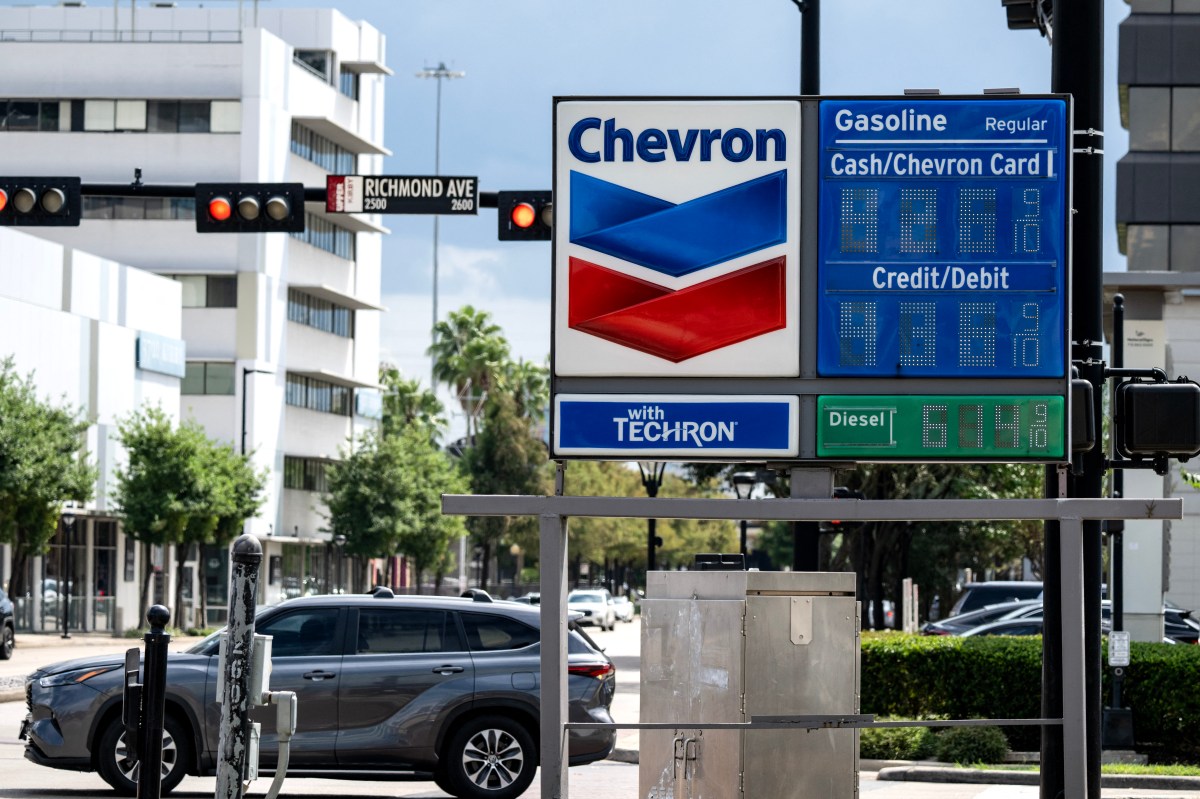
Gas prices in the United States have started to go down after several states paused their fuel taxes and the G7 released 100 million barrels of oil and diesel. As of early October, the national average gas price fell to $4.36 per gallon, with some states seeing bigger drops due to temporary tax suspensions.
Key Facts
The national average gas price dropped from $4.48 to $4.36 per gallon in one week.
Gas prices remain higher than a month ago ($4.15) and much higher than a year ago ($3.13).
States like Georgia and Ohio temporarily suspended fuel taxes, leading to bigger price drops in those states.
In Ohio, gas prices fell by 43 cents per gallon in one week; in Georgia, prices fell by 34 cents per gallon.
California has the highest gas prices in the U.S., averaging $6.39 per gallon.
Indiana has the lowest average gas prices, at $3.74 per gallon.
13 states have average gas prices below $4 per gallon.
The G7 countries released 100 million barrels of oil and diesel to help reduce fuel prices, responding to President Donald Trump's request.
Read the Original
Want the full story? Tap a source to open the original
article.
Sir Richard Leese, former leader of Manchester City Council, defended the city’s partnership with the Abu Dhabi United Group (ADUG), which owns Manchester City Football Club. He said the 2015 land deal helped restart development in parts of Manchester and brought investment, despite criticism over the deal’s transparency and lack of affordable housing.
Key Facts
Sir Richard Leese led Manchester City Council for 25 years until 2021 and is honorary president of Manchester City FC.
In 2014, Manchester City Council partnered with ADUG through Manchester Life to invest over £1 billion in housing near the Etihad Stadium.
A 2022 University of Sheffield report criticized the joint venture for lack of affordable housing and questioned financial transparency.
The 2015 deal gave ADUG first choice of land at below market rates, according to the report.
Leese said the deal was supported by the UK and UAE governments and helped revive development after the 2008 recession.
Manchester City FC, bought by ADUG in 2008, has won multiple trophies since the takeover, including several Premier League titles.
The Premier League found Manchester City guilty of 115 financial charges in 2023, including disguised funding schemes.
Local leaders, including former Greater Manchester Mayor Andy Burnham, emphasized the importance of ADUG’s investment for Manchester’s growth.
Read the Original
Want the full story? Tap a source to open the original
article.