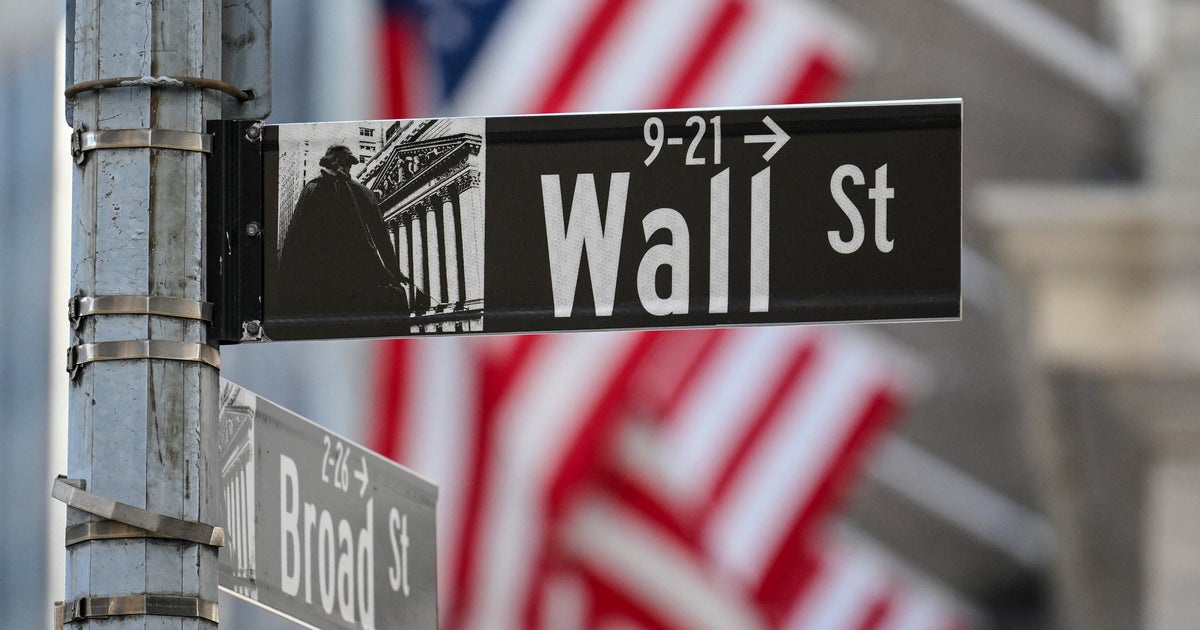
Tokenized finance is growing, but a key problem remains: digital assets are tokenized, yet the money used to pay for them is not, causing delays in transactions. Asia is leading by developing local currency tokenized payments, which can speed up and secure trades better than using dollar-based stablecoins.
Key Facts
Tokenized finance means turning assets like bonds into digital tokens that trade on blockchains.
Currently, payments for these assets take days due to old banking systems, even if the asset trade itself is fast.
The missing piece is tokenized local currencies that can be used directly in transactions on blockchains.
Most stablecoins are pegged to the U.S. dollar, which creates currency risk for local transactions in other countries.
Asia is making progress: Hong Kong issued over $2 billion in tokenized bonds and has 13 public tokenized products.
Japan and South Korea are testing blockchain for securities and aim for fully tokenized markets soon.
Hong Kong passed a Stablecoins Ordinance with strict rules to ensure trust and stability.
Only two companies, HSBC and Anchorpoint, have been licensed to issue stablecoins in Hong Kong under this law.
Read the Original
Want the full story? Tap a source to open the original
article.
A retired decorator from Woking sold a collection of Pokémon cards for £1.56 million at auction. The cards were kept in his attic for 15 years before he realized their value after reading about a single card selling for over £6,000.
Key Facts
The collection sold for £1.56 million at Ewbank's auction house in Surrey.
The seller is a retired decorator from Woking.
The cards were stored in his attic for 15 years.
He noticed their value after seeing a card sell for more than £6,000 in his local newspaper.
Ewbank's auction claimed this was the UK's most valuable trading cards auction ever.
The auction took place on a Wednesday.
The BBC visited to report on the collection and the auction.
Read the Original
Want the full story? Tap a source to open the original
article.
Stocks fell sharply as investors became worried about whether the large spending on artificial intelligence (AI) will bring profits. The Nasdaq dropped 751 points due to concerns about rising debt for AI companies and higher oil prices.
Key Facts
The Nasdaq Composite Index fell 751 points, or 2.8%, on Thursday.
The S&P 500 dropped 1.4%, and the Dow Jones fell 0.1%.
AI companies are spending heavily on data centers, leading to large amounts of debt.
There is concern if these AI companies will make enough profit to cover their costs.
The Brookings Institution estimates AI infrastructure will cost over $10 trillion between 2025 and 2032.
Meta’s stock dropped 7.4% after mixed earnings with higher revenue but lower profits.
Tesla’s stock fell 2.1% after reporting stronger profits but weaker revenue than expected.
Oil prices rose due to worries about the Iran war, with U.S. oil near $99.44 a barrel and Brent crude at $113.
Read the Original
Want the full story? Tap a source to open the original
article.
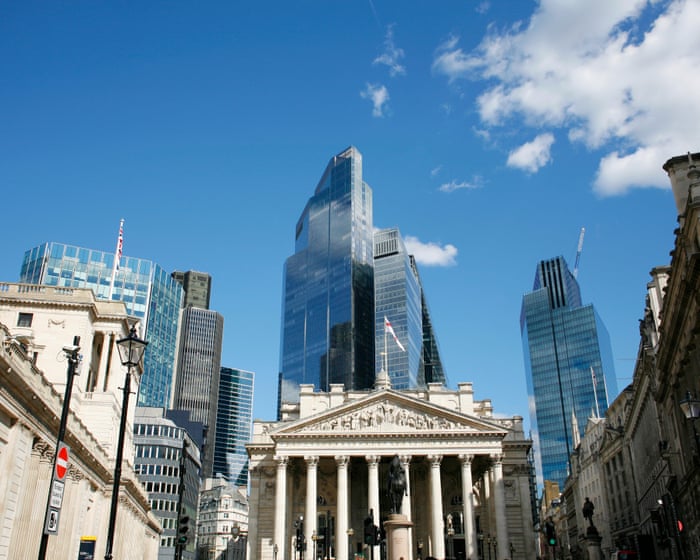
The UK plans to relax financial rules created after the 2008 crisis that hold bank and financial firm leaders responsible for bad behavior. Under new proposals, only top executives like CEOs and CFOs need to prove yearly that they act properly, reducing extra checks on about 140,000 managers. The changes will also reduce reporting requirements for minor employee misconduct to focus regulator attention on serious issues.
Key Facts
The Bank of England and Financial Conduct Authority (FCA) are behind the new proposals.
Only the most senior executives will need to show they are “fit and proper” each year and before starting new jobs.
Around 140,000 managers will no longer face extra checks on their conduct.
Reporting of “lower-level misconduct” like being late or minor mistakes will not need to be sent to regulators.
Firms must still report serious misconduct, final warnings, or firings to the authorities.
These rules were created after the 2008 banking crash to make bank leaders more accountable.
The changes aim to make UK financial firms more competitive globally.
The regulators estimate the changes will save businesses about £2 billion over 10 years and cut regulator costs significantly.
Read the Original
Want the full story? Tap a source to open the original
article.
Trucking companies in the U.S. are facing big problems before the holiday season because there are not enough drivers and fuel prices, especially diesel, are very high. These issues are making shipping more expensive and causing some trucking companies to go bankrupt.
Key Facts
Trucking firms have a limited number of qualified drivers, creating a driver shortage.
Stricter rules for training and licensing have reduced the pool of available drivers.
Diesel fuel costs have risen over 70% compared to last year, reaching more than $6 a gallon.
High fuel prices and driver shortages have pushed up shipping and freight costs.
Some trucking companies, including big ones like Xoco Transport and Globemaster, have filed for bankruptcy.
Wage increases for truck drivers show the labor shortage is still a problem.
Smaller trucking companies are more affected by fuel price spikes than larger ones, which can better manage costs.
The shortage and high costs could lead to higher prices for consumers during the holiday season.
Read the Original
Want the full story? Tap a source to open the original
article.
Airbnb will introduce three new rules starting November 20, 2026, to improve the guest experience. These rules stop hosts from asking guests to do cleaning tasks when a cleaning fee is charged, prevent hosts from limiting advertised features, and ban fines or penalties against guests.
Key Facts
The new rules take effect for bookings made on or after November 20, 2026.
Hosts cannot ask guests to do significant cleaning tasks like stripping beds, taking out trash, or washing dishes if a cleaning fee is charged.
Hosts must not restrict guest access to any features that are shown in the listing.
Hosts are not allowed to impose fines or other penalties on guests.
Airbnb made these changes because house rules were often confusing and hard to manage.
The changes have received mixed reactions, with many guests happy, but some hosts feeling frustrated.
These rules aim to keep requests reasonable and clear for guests.
Read the Original
Want the full story? Tap a source to open the original
article.
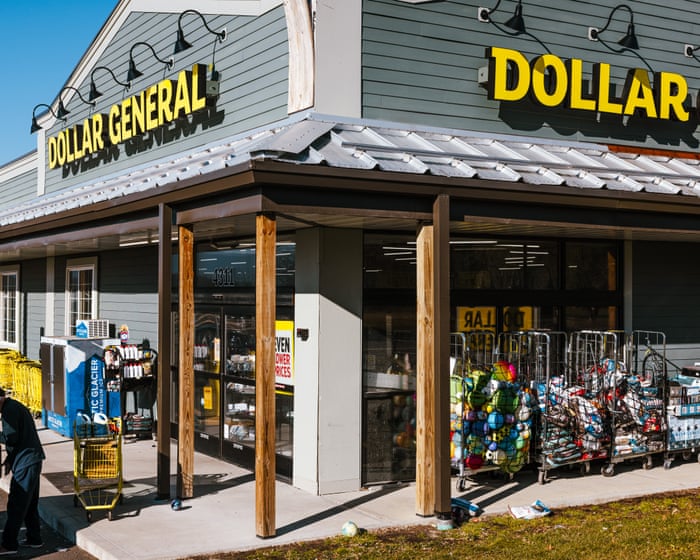
Dollar General agreed to pay $1.875 million in a settlement after New York state found the store charged customers more than the prices shown on shelves and ads. As part of the deal, Dollar General will donate goods to a food bank and improve pricing accuracy at its stores in New York.
Key Facts
Dollar General is the largest dollar-store chain in the U.S.
The New York attorney general found the store charged higher prices than advertised on shelves, signs, ads, and its app.
Overcharges on some items ranged as high as 26%, 38%, and 39%.
Dollar General will donate $1.875 million in food and personal items to an upstate New York food bank.
The company must put in place better price-accuracy checks at over 600 stores in New York.
It must also update how receipts are printed to make prices clearer for customers.
Inspections found similar pricing problems at Dollar General stores in many other states.
Dollar General did not admit wrongdoing but said it is committed to accurate pricing.
Read the Original
Want the full story? Tap a source to open the original
article.
A New Mexico jury found Meta guilty of nearly 44 million violations of state consumer protection laws and fined the company $25 billion. This is the largest penalty ever against Meta, following the state’s refusal to join a smaller $18 billion multistate settlement with other states.
Key Facts
Meta was fined $25 billion by New Mexico for violating consumer protection laws.
The violations covered more than 11 years and involved misleading users about data control, misuse by third parties, misinformation, and hate speech.
New Mexico Attorney General Raúl Torrez declined to join an $18 billion settlement agreed by most other states.
The judge said Meta’s actions were willful and involved repeated deception since 2010.
Meta expected a fine closer to $3.4 billion and plans to appeal the $25 billion penalty.
The FTC previously settled with Meta for $5 billion over the Cambridge Analytica scandal.
The court noted that past penalties had not stopped Meta from deceptive practices.
The fine aims to influence Meta to respect user privacy and avoid misleading consumers.
Read the Original
Want the full story? Tap a source to open the original
article.
The article discusses whether Congress can limit the president’s power to impose tariffs when an older law allows similar actions with fewer restrictions. It questions if new rules can effectively control tariff decisions if other legal options exist.
Key Facts
Congress is considering ways to limit the president’s authority to set tariffs.
An older law provides an alternative path for imposing tariffs with fewer limits.
This older statute could allow the president to bypass newer restrictions.
The article asks if new laws can control tariffs when older laws remain in place.
Tariffs are taxes on imported goods meant to protect domestic industries or raise revenue.
Presidential tariff authority affects trade and economic policy.
Closing this loophole may require either changing or repealing the older law.
Read the Original
Want the full story? Tap a source to open the original
article.
UnitedHealthcare and Humana are stopping some Medicare Advantage plans. About 1 million people will be affected, mostly those enrolled in Preferred Provider Organization (PPO) plans, which allow more choice of doctors.
Key Facts
UnitedHealthcare and Humana will cancel certain Medicare Advantage plans.
Around 1 million Medicare beneficiaries will lose these plans.
The canceled plans are mainly Preferred Provider Organization (PPO) plans.
PPO plans allow people to see providers outside a set network more easily.
Medicare Advantage plans are alternatives to original Medicare with extra benefits.
The changes mean affected members must find new health plans for 2024.
UnitedHealthcare and Humana are two of the largest Medicare Advantage providers.
This cancellation might require people to choose different doctors or plans soon.
Read the Original
Want the full story? Tap a source to open the original
article.
The documentary about Elizabeth Holmes shows her agreeing to be filmed with her family before she went to prison. The film raises questions that remain unanswered about her story and actions.
Key Facts
Elizabeth Holmes is featured in a documentary.
She agreed to have cameras follow her and her family before going to prison.
The film presents parts of her personal life.
The documentary leaves some important questions about her case unanswered.
Elizabeth Holmes is known for her role in the Theranos scandal.
The story focuses on her time before serving her prison sentence.
The film gives a closer look but does not clarify all details about her actions.
Read the Original
Want the full story? Tap a source to open the original
article.
Costco is planning to open a new warehouse in a state where it does not currently have any stores. Some states still have not had their first Costco warehouse despite the company's popularity.
Key Facts
Costco has not opened stores in every U.S. state.
The company is now planning to open a warehouse in a new state without a Costco location.
This expansion shows Costco is growing its presence in more areas.
Some states are still waiting for their first Costco warehouse.
Costco warehouses are large stores where customers can buy goods in bulk.
Read the Original
Want the full story? Tap a source to open the original
article.
Airbnb has introduced new rules that stop hosts from asking guests to do time-consuming chores like laundry and cleaning tasks that usually require professional help. Some hosts disagree with these rules, saying they are unfair and may cause higher costs.
Key Facts
Airbnb’s new policy stops hosts from asking guests to do major chores like stripping beds and starting laundry.
The policy aims to protect guests from work that might make their stay less enjoyable.
Tasks like washing dishes or putting away laundry are not allowed to be requested from guests.
Hosts can still ask guests to do small things, like putting used dishes in the sink or sorting trash.
The new rules apply to bookings made from November 20 onward.
If hosts break the rules often, Airbnb may reduce their listing’s visibility or warn guests on the listing page.
Over 5,000 hosts signed a petition asking Airbnb to reverse the new policy.
The petition says these chores are normal and that professional cleaners doing extra work could increase costs for hosts and guests.
Read the Original
Want the full story? Tap a source to open the original
article.
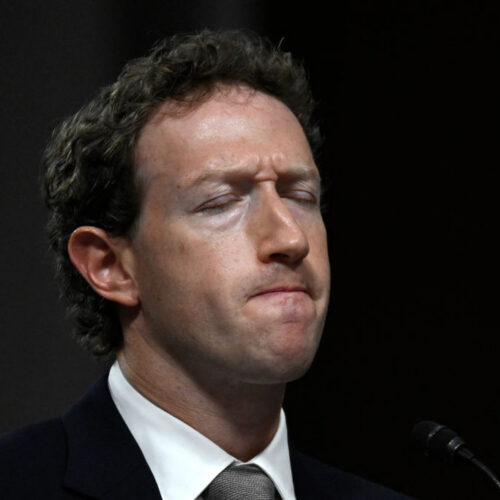
Meta made a deal with Mark Zuckerberg to keep him in California and running the company despite a proposed billionaire tax. The deal lets Zuckerberg sell some Meta shares to pay the tax without losing control of the company.
Key Facts
California may introduce a one-time 5% tax on residents worth over $1 billion.
Zuckerberg, with a $226 billion net worth, considered moving away to avoid this tax.
Meta formed a special committee to negotiate with Zuckerberg to keep him in California.
The deal allows Zuckerberg to sell shares to cover tax costs but keeps his leadership control.
Meta sees Zuckerberg’s role as vital for managing the company during tough competition.
Most major U.S. tech companies are based in California, home to about 225 billionaires.
The proposed tax will be voted on by California residents on November 3.
Meta is heavily investing in artificial intelligence, making Zuckerberg’s leadership important.
Read the Original
Want the full story? Tap a source to open the original
article.
Elon Musk, the founder of SpaceX, warned Democratic lawmakers about potential investigations by Congress. He said that if they challenge him, he will look into the people behind those actions, not just the lawmakers themselves.
Key Facts
Elon Musk is the founder of SpaceX.
Musk addressed Democrats on a social media platform.
He referred to a possible congressional investigation into him or his companies.
Musk used the phrase "live by the sword, die by the sword" to express his warning.
He said he would seek out those controlling the lawmakers if they targeted him.
This message was a reaction to political challenges Musk might be facing.
The warning implies Musk is prepared to respond strongly to investigations.
Read the Original
Want the full story? Tap a source to open the original
article.
CBS Mornings Deals offers special discounts on various products to improve daily life. Customers can visit cbsdeals.com to access these exclusive offers, and CBS earns commissions from sales made through the site.
Key Facts
CBS Mornings Deals features discounted items for everyday use.
Deals are available online at cbsdeals.com.
CBS earns a commission when customers buy through their deal site.
The deals are promoted during the CBS Mornings news program.
The offers are exclusive and meant to help viewers save money.
The article focuses on shopping and saving, not news content.
Read the Original
Want the full story? Tap a source to open the original
article.
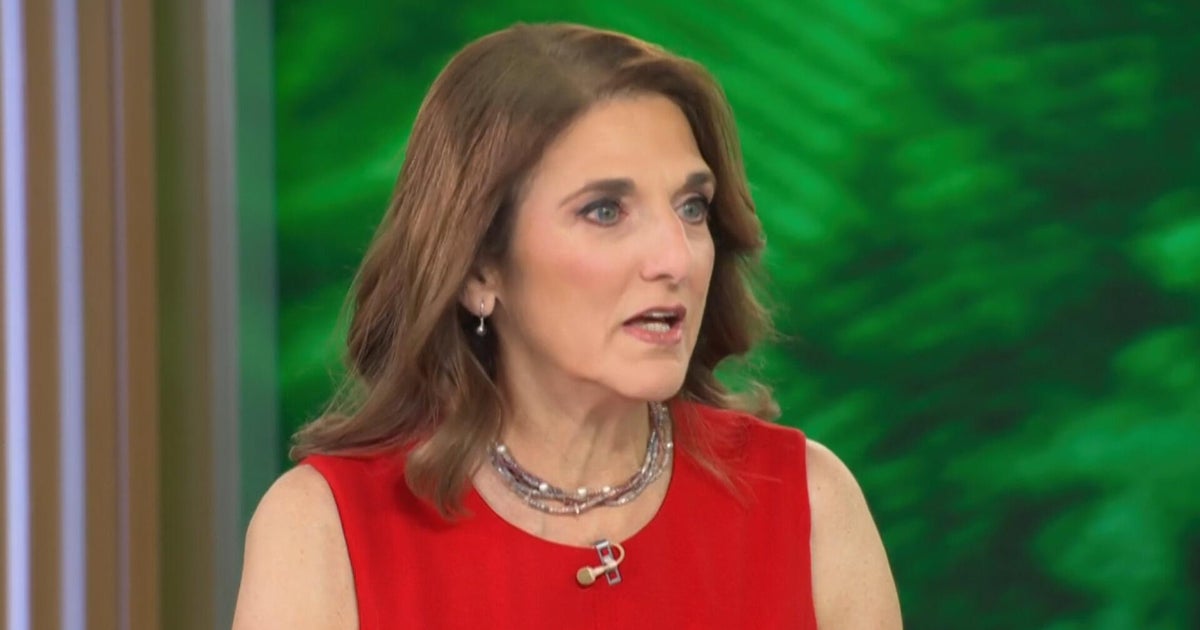
Finance expert Jill Schlesinger shared advice about how people can make the most of the open enrollment period. Open enrollment is the time when individuals can sign up for or change their health insurance plans.
Key Facts
Jill Schlesinger is a certified financial planner and business analyst.
She appeared on "CBS Mornings" to give tips for open enrollment.
Open enrollment is the yearly window to choose or update health insurance coverage.
This period is important because it allows people to adjust plans before the year starts.
Making informed choices during open enrollment can affect health care costs and coverage.
Schlesinger’s advice aims to help people use this period wisely to save money and get better benefits.
The segment aired on CBS News as part of their business-related programming.
Read the Original
Want the full story? Tap a source to open the original
article.
Meta CEO Mark Zuckerberg said he might leave California if voters approve a new tax on billionaires' wealth on November 3. To help pay this tax while keeping control of Meta, the company created a new type of stock that does not give voting rights.
Key Facts
California voters will decide on Proposition 40, a one-time 5% tax on billionaire wealth.
This tax could cost Zuckerberg about $12.4 billion based on his estimated $247 billion net worth.
Zuckerberg told Meta he may move his home out of California if the tax passes.
Meta's board approved a new class of nonvoting stock to let Zuckerberg raise money without losing control.
Zuckerberg promised to stay a California resident for eight years if the new stock plan is used.
The tax aims to raise $100 billion for California’s healthcare system.
Stanford economists warn the tax might cause billionaires to leave, reducing tax revenue.
The new nonvoting shares will also help Meta raise money for AI projects and other needs.
Read the Original
Want the full story? Tap a source to open the original
article.
Using home equity loans or home equity lines of credit (HELOCs) to pay off credit card debt can lower interest costs, but it carries risks. Homeowners need to be careful because these loans use their homes as collateral, which could lead to losing the home if they can’t make payments. Also, longer loan terms and fees can mean paying more overall, even with lower monthly payments.
Key Facts
Credit card debt often has high interest rates, making balances hard to pay down.
Home equity loans and HELOCs use your property as security, unlike credit cards.
Falling behind on home equity loan payments can lead to foreclosure.
Lower interest rates on home equity loans can reduce monthly payments but may increase total interest if spread out over many years.
Home equity loans may have closing costs and fees that add to the total expense.
Using home equity to pay credit card debt doesn’t stop credit card balances from growing if new charges continue.
Homeowners should carefully compare total repayment costs, not just monthly payments, before borrowing.
This strategy is riskier if a person has an unstable income or is already financially struggling.
Read the Original
Want the full story? Tap a source to open the original
article.