Fact-first summaries of the news — stay informed, stay grounded.
Your favorite news sources, one calm feed — fact-first summaries that always link to the
original story. No outrage bait, and we tell you when you're caught up. How it works
Business News
Business news, market updates, and economic developments
Walmart reported a strong second quarter with sales and earnings above expectations, though growth has slowed compared to earlier in the year. The company is cautious about its outlook for the rest of 2025, projecting slower sales and earnings growth than analysts had expected.
Key Facts
Walmart’s comparable sales in U.S. stores and online rose 2.6% in Q2, down from 4.1% in Q1.
Excluding pharmacy sales affected by Medicare drug price caps, comparable sales increased 3.4%.
U.S. online sales grew 24% in Q2, slightly less than the 26% increase in Q1.
Walmart’s net income was $6.37 billion, or 80 cents per share, beating Wall Street’s 74-cent estimate.
Quarterly sales totaled $187.94 billion, higher than the predicted $186.62 billion.
Walmart expects Q3 earnings per share between 62 and 64 cents and sales growth of 3% to 3.5%, below analyst expectations.
For the full year, Walmart projects earnings per share to be $2.80 to $2.87 and sales growth between 4% and 5%.
The company has gained market share among wealthier customers with incomes over $100,000 annually.
Read the Original
Want the full story? Tap a source to open the original
article.
Some holiday companies use a pricing trick called 'drip pricing' that hides extra fees until late in the buying process. This practice can make holidays much more expensive than the initial price shown. Authorities say this is illegal because it confuses customers about the true cost.
Key Facts
'Drip pricing' means showing a low price first, but adding fees later.
These extra charges can add thousands of pounds to the holiday cost.
The practice is against the law because it misleads customers.
It is common in the travel and holiday industry.
Regulators are investigating companies using this tactic.
Customers often only see the full price near the final payment stage.
The issue is part of wider concerns about hidden costs during purchases.
Read the Original
Want the full story? Tap a source to open the original
article.
The article discusses new data that suggests the gap between rich and poor people in America might be getting smaller. It also talks about opinions on stock market warnings and offers advice on how to prepare for a possible economic slowdown.
Key Facts
New information suggests the wealth gap in the U.S. may be shrinking.
Jill Schlesinger and Mark discuss this data in their show "Money Moves."
They address critics of Jeremy Grantham’s advice to avoid U.S. stocks.
Jill shares her past experience accurately predicting the dot-com bubble burst.
TikTok videos showing "recession indicators" are mostly jokes.
The show offers real guidance on how to get ready for a possible recession.
Read the Original
Want the full story? Tap a source to open the original
article.
U.S. Treasury yields recently rose to their highest point in 19 years, causing mortgage rates to increase. The government is trying to lower yields by buying back bonds, but experts say ongoing fiscal challenges and inflation risks will keep borrowing costs high.
Key Facts
The 30-year U.S. Treasury yield rose above 5.3% for the first time since 2007.
Mortgage rates rose to about 6.75% following the increase in Treasury yields.
The U.S. Treasury Department plans to double buybacks of longer-term debt to help lower yields.
Despite buybacks, underlying issues like government borrowing, inflation, and global risks remain.
Higher Treasury yields make lenders raise mortgage rates to stay competitive.
The U.S. monthly deficit hit $432 billion in July, a recent record for the month.
Inflation is still elevated, and the Federal Reserve may raise interest rates again.
Experts forecast mortgage rates to stay around 6.5% to 6.8% through 2026 and 2027.
Read the Original
Want the full story? Tap a source to open the original
article.
Tim Ryan argues that investing in blockchain infrastructure is important for America’s future economy. He explains that building blockchain systems creates many skilled jobs across different fields, which can help communities grow and provide good careers for young people.
Key Facts
Economic growth in the past came after big investments in infrastructure like railroads, canals, and highways.
Blockchain is becoming part of how money moves and assets are managed digitally.
Building blockchain systems needs many types of skilled workers, including software developers, security experts, accountants, lawyers, and more.
These jobs tend to pay well, with median salaries between $90,000 and $133,000, higher than the national average.
From 2024 to 2034, jobs for software developers, security analysts, and financial examiners are expected to grow significantly.
The U.S. share of crypto developers has dropped from 51% in 2015 to 19% in 2024.
Many blockchain developers work outside major tech hubs like California and New York, which could help spread economic benefits nationwide.
Ryan suggests passing the Clarity Act to support blockchain infrastructure and create more good jobs.
Read the Original
Want the full story? Tap a source to open the original
article.
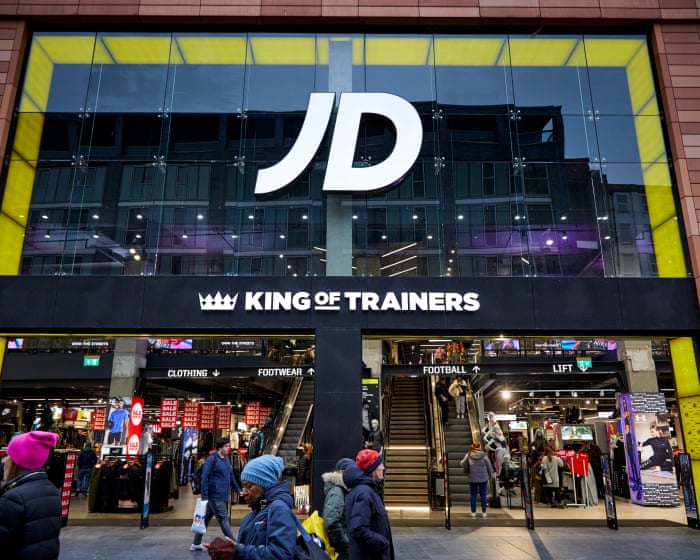
JD Sports has lowered its expected profits because people are buying fewer trainers due to higher living costs. The company saw sales fall in the US and Europe, with particularly big drops in North America, and expects this trend to continue for the rest of the year.
Key Facts
JD Sports sells sports shoes and apparel, including brands like Nike and Adidas.
The company cut its full-year profit forecast from £750m-£850m to £700m-£800m.
Sales dropped 3.1% overall in the second quarter, with North America sales falling 6.8%.
Inflation and rising fuel prices, linked to the US-Israeli conflict near Iran, affected consumer spending.
JD Sports had to lower prices and offer promotions to encourage buyers.
UK sales were stronger due to World Cup-related football merchandise and outdoor gear.
The company runs 4,800 stores worldwide, including chains like Blacks and Millets in the UK.
Experts say consumers are becoming more careful about buying non-essential items as inflation continues.
Read the Original
Want the full story? Tap a source to open the original
article.
The boss of Travelodge, Joanna Boydell, has quit after criticism over serious security problems at the hotel chain. These problems included cases where men were wrongly given access to women’s rooms, leading to assaults. Travelodge is now reviewing and changing its security rules to better protect guests.
Key Facts
Joanna Boydell resigned as head of Travelodge amid criticism of the company’s security failings.
Ray Reidy, the finance chief, is temporarily taking over while a search for a permanent replacement is underway.
One case involved a man who was wrongly given a key to a woman’s room and sexually assaulted her in 2022.
Another woman was attacked after her domestic abuser was given a key by reception staff, who did not confirm with her first.
Travelodge received a warning from former prime minister Keir Starmer to take women’s safety seriously and engage with MPs.
Travelodge says such incidents are very rare and that guest safety is a priority.
The company is changing its room access policy so any new or replacement key must have the guest’s clear permission.
A leading barrister reviewed Travelodge’s security policies, and an internal review is ongoing.
Read the Original
Want the full story? Tap a source to open the original
article.
China's property giant Evergrande has faced legal penalties, including a life prison sentence for founder Xu Jiayin and over $2 billion in fines for fraud. This marks the end of Evergrande's collapse, which reflects deeper problems in China's real estate market and poses challenges for the country's economic growth.
Key Facts
Evergrande was once China's top property developer, benefiting from rapid urban growth and rising living standards.
Founder Xu Jiayin was sentenced to life in prison and Evergrande was fined more than $2 billion for fraud and related crimes.
New government rules in 2020 limited borrowing in real estate, which contributed to Evergrande’s financial troubles.
Evergrande defaulted in 2021 and was liquidated by a Hong Kong court in 2024; its shares were removed from the Hong Kong stock market in 2025.
China’s real estate sector slump has weakened consumer confidence, reducing home purchases and affecting overall economic growth.
The housing market faces challenges like stagnant household incomes and a shrinking population, leading to falling home prices.
Beijing is managing the property sector crisis without bailing out firms, signaling companies must reduce debt.
China aims to grow its economy between 4.5% and 5.0% in 2026, but recent data shows slowing growth and declining retail sales.
Read the Original
Want the full story? Tap a source to open the original
article.
Jo Boydell, the chief executive of hotel chain Travelodge, is stepping down after security problems following a sexual assault at one of their hotels. The attack happened in December 2022, and the company is reviewing its safety measures while appointing Ray Reidy as interim chief.
Key Facts
A woman was sexually assaulted in a Travelodge hotel in Maidenhead in December 2022.
The attacker lied to staff to get a key card to the woman’s room.
Kyran Smith was sentenced to seven years and six months in prison for the assault.
Jo Boydell only learned about the assault during the court case about three years after it happened.
Travelodge is conducting an independent review of its security policies.
Jo Boydell is resigning as chief executive of Travelodge.
Ray Reidy will take over as interim chief executive.
The company says it is focused on guest safety and will take steps to improve security.
Read the Original
Want the full story? Tap a source to open the original
article.
Asian stock markets rose on Thursday, led by South Korea’s Kospi, which increased by over 6%. This followed the U.S. Treasury Department’s announcement to enlarge its purchases of longer-term government debt, a move that helped lower bond yields and eased pressure on stock prices.
Key Facts
South Korea’s Kospi index jumped 6.1% to 6,858.91 after a previous drop.
Samsung Electronics shares rose nearly 10%, and SK Hynix shares increased 14.1% after announcing a big share buyback.
Vivien Wong, co-founder of Little Moons, shared that a product does not need to be perfect before launching it to the market. She left her job in accounting to start making ice cream and build her business.
Key Facts
Vivien Wong co-founded Little Moons, an ice cream brand.
She quit her accounting career to start the business.
She believes products can launch without being perfect.
The article focuses on entrepreneurship and starting a business.
Little Moons is an example of a product-based startup.
The article encourages learning from early product launches.
It highlights women in business and entrepreneurship.
Read the Original
Want the full story? Tap a source to open the original
article.
More tourists are visiting Scotland to escape very hot weather in other places. This trend, called "coolcations," means people prefer Scotland’s cooler and sometimes rainy climate for their holidays. Local businesses are now promoting this weather as a way to attract visitors.
Key Facts
Scotland’s weather is cooler and often cloudy compared to hot summers elsewhere in Europe and England.
Tourists from countries like France, Italy, and Spain, as well as from southern England, are traveling to Scotland to enjoy cooler temperatures.
Esther and Nick Cochrane run holiday cottages and have seen more visitors seeking to avoid the heat by coming to Scotland.
Some visitors appreciate Scotland’s rain and cooler nights, saying it helps them relax and enjoy outdoor activities.
Early data shows an increase in flight bookings and spending by visitors to Scotland for cooler vacations.
Search interest for cooler holiday spots increased by 74% in early 2026 compared to 2025.
Outdoor tourism companies in Scotland report more visitors from Europe and North America choosing Scotland for its mild climate.
Tourists value not having to rely on air conditioning and enjoying activities in comfortable, cooler weather.
Read the Original
Want the full story? Tap a source to open the original
article.
Oxfam is reviewing its warehouse and shop operations in the UK due to financial challenges and a tough economic situation. While the charity says it has no current plans to close shops or warehouses, it cannot guarantee their future, especially as sales and donations have dropped and competition from online secondhand sellers has increased.
Key Facts
Oxfam is reviewing three warehouses in Batley, Bicester, and Milton Keynes.
The Batley warehouse, which houses the main textile recycling center, may be at risk as its lease is up for renewal.
Together, the three warehouses employ about 90 people.
Oxfam has over 500 shops in the UK and is considering closing up to 100 stores due to falling sales and donations.
Sales fell 7% in the year to March 2025, mainly due to lower recycling income.
Oxfam’s retail division made losses of over £2 million in the latest financial year.
The charity faces competition from online sellers of secondhand goods like Vinted and eBay.
Other UK charities, such as the British Heart Foundation and Cancer Research, are also closing shops and cutting jobs due to similar financial pressures.
Read the Original
Want the full story? Tap a source to open the original
article.
Hui Ka Yan, the founder of China's Evergrande Group, has been sentenced to life in prison and lost all his personal property. Evergrande and its real estate unit were also fined billions of yuan for crimes including embezzlement and bribery.
Key Facts
Hui Ka Yan pleaded guilty to embezzlement and corporate bribery in April.
He received a life prison sentence and had all his personal property taken away.
Evergrande Group was fined 8.82 billion yuan (about $1.31 billion).
Evergrande’s real estate unit was ordered to pay an additional 7 billion yuan.
Hui founded Evergrande in 1996 after growing up in rural China.
Evergrande grew quickly by borrowing large amounts of money and became China’s largest real estate developer.
The company collapsed in 2021, heavily affecting China’s housing market and economy.
Hui’s sentencing is a major moment in addressing the fallout from Evergrande’s financial problems.
Read the Original
Want the full story? Tap a source to open the original
article.
Hong Kong company CK Hutchison is asking Panama for more than $1.5 billion in damages after Panama took control of two important ports near the Panama Canal. The ports were previously run by CK Hutchison’s subsidiary, but Panama’s court said their contract was illegal, leading to the takeover amid tensions between the U.S. and China.
Key Facts
CK Hutchison is a large company from Hong Kong that managed two ports at the Panama Canal.
Panama took over the Balboa and Cristobal ports in February, claiming the contract with CK Hutchison’s subsidiary was unconstitutional.
The takeover happened during rising tensions between the U.S. and China, with President Donald Trump saying China was “running” the canal.
CK Hutchison’s subsidiary had managed the ports since 1997 and renewed the contract for 25 years in 2021.
CK Hutchison started new legal action asking for $1.5 billion in damages, saying Panama broke an investment treaty.
Panama Ports Company, CK Hutchison’s subsidiary, separately asked for at least $2 billion in compensation in another legal case.
CK Hutchison also filed a claim against Danish company Maersk for taking over some port operations in Panama.
The dispute involves complex legal and political issues between companies and countries.
Read the Original
Want the full story? Tap a source to open the original
article.
Japan reported record-high imports and exports in July 2025, but still ran a trade deficit for the third month in a row. Higher energy costs and a weak yen influenced these trade results, with strong auto and electronics exports helping boost total export value.
Key Facts
Japan’s trade deficit in July was 634.5 billion yen (about $4 billion).
Imports increased by 27.8% compared to July 2024, reaching 12.15 trillion yen ($77 billion).
Exports rose 23.2% year-over-year to 11.51 trillion yen ($73 billion).
Both imports and exports hit their highest July levels since record keeping began in 1979.
High crude oil prices, partly due to the Iran war and closure of the Strait of Hormuz, raised Japan’s energy import costs.
Japan imports most of its oil and is looking for new energy sources, including from the U.S.
The yen has weakened, helping exporters like Toyota by making their overseas earnings worth more in yen.
However, the weak yen also makes imported goods like food and oil more expensive.
Prime Minister Sanae Takaichi’s economic policies have not yet improved the economy noticeably, but she remains popular and there are no immediate elections planned.
Read the Original
Want the full story? Tap a source to open the original
article.
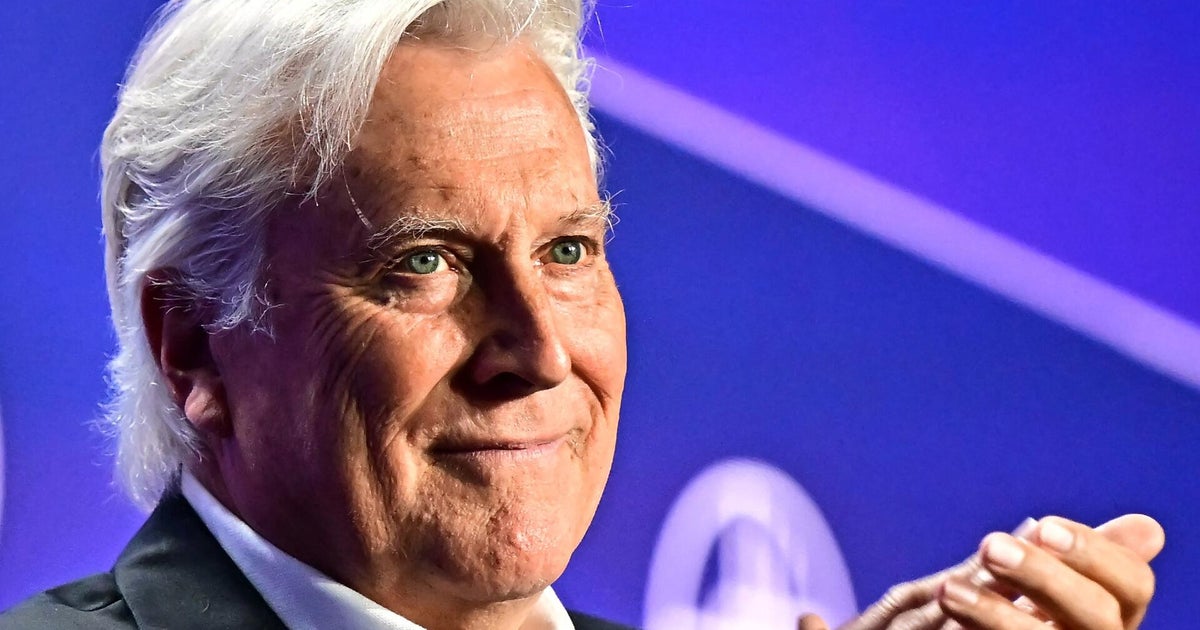
Billionaire Mark Walter is selling the Los Angeles Lakers basketball team for $12.5 billion, a record price, just 14 months after buying it. At the same time, Walter is under a federal investigation.
Key Facts
Mark Walter owns the Los Angeles Lakers basketball team.
He is selling the team for $12.5 billion.
This sale price is the highest ever for an NBA team.
Walter bought the Lakers 14 months ago.
He is currently being investigated by federal authorities.
The investigation details have not been publicly shared.
The news was reported by CBS News and The Athletic.
The sale and investigation are happening at the same time.
Read the Original
Want the full story? Tap a source to open the original
article.
Mark Walter, who owns the Los Angeles Dodgers baseball team and the Los Angeles Lakers basketball team, is under federal investigation. The inquiry could affect his sports businesses and holdings.
Key Facts
Mark Walter owns two major sports teams: the Dodgers and the Lakers.
He is currently being investigated by federal authorities.
The investigation involves legal or regulatory issues at the federal level.
This situation may impact the operations of his sports teams.
A journalist named Ben Horney discussed the topic on CBS News.
Details about the reasons for the probe were not provided in the article.
The investigation raises questions about the future of Walter’s sports empire.
Read the Original
Want the full story? Tap a source to open the original
article.
South Korea’s stock market rose sharply early in 2026 largely due to high demand for memory chips, encouraging many first-time investors to buy shares. However, the market then dropped nearly 40 percent, causing significant financial losses for these investors, including Eun-bi, a civil servant who planned to use her investment for her wedding. The market’s volatility is linked to heavy reliance on a few chip companies and increased use of borrowed money to buy stocks.
Key Facts
South Korea’s KOSPI stock index more than doubled by the end of June 2026, driven mainly by chipmakers Samsung Electronics and SK Hynix.
The KOSPI reached a high of 9,385.59 points on June 19, then dropped nearly 40 percent from that peak by the end of July.
Millions of South Koreans, including many first-time investors, lost money as the stock market fell sharply after a big rally.
The government, led by President Lee Jae Myung, promoted greater citizen investment in the stock market and allowed riskier financial products.
The value of margin loans (money borrowed to buy stocks) peaked at 38.6 trillion won ($27.6 billion) in June before falling to 28.9 trillion won ($20.7 billion) in July due to forced sales.
Leveraged exchange-traded funds (ETFs), which amplify stock price movements, were introduced in late May just before the market downturn.
Regulators increased cash requirements for trading certain risky ETFs in late July to try to reduce market risk.
The high concentration of the stock market in the semiconductor sector makes the market very sensitive to changes in chip demand.
Read the Original
Want the full story? Tap a source to open the original
article.
India's beauty market is growing quickly and is expected to almost double in size, reaching $40 billion by 2030. This growth is driven by rising incomes, more internet access, and the influence of social media and e-commerce.
Key Facts
India's beauty industry was worth about $23 billion in 2025.
It is expected to grow to $40 billion by 2030, growing faster than the overall economy.
Rising income levels mean more people can afford beauty and skincare products.
E-commerce sales in beauty are predicted to reach 35% of total sales by 2030, up from 8% five years ago.
The pandemic increased demand for self-care and boosted online access to skincare education.
Brands like Forest Essentials, Hyphen, and mCaffeine have seen rapid growth in India’s market.
Global companies like Estée Lauder, L’Oréal, and Unilever are investing heavily in Indian beauty brands.
Bollywood celebrities have launched their own skincare brands, adding to the market’s growth.
Read the Original
Want the full story? Tap a source to open the original
article.