Fact-first summaries of the news — stay informed, stay grounded.
Your favorite news sources, one calm feed — fact-first summaries that always link to the
original story. No outrage bait, and we tell you when you're caught up. How it works
Business News
Business news, market updates, and economic developments
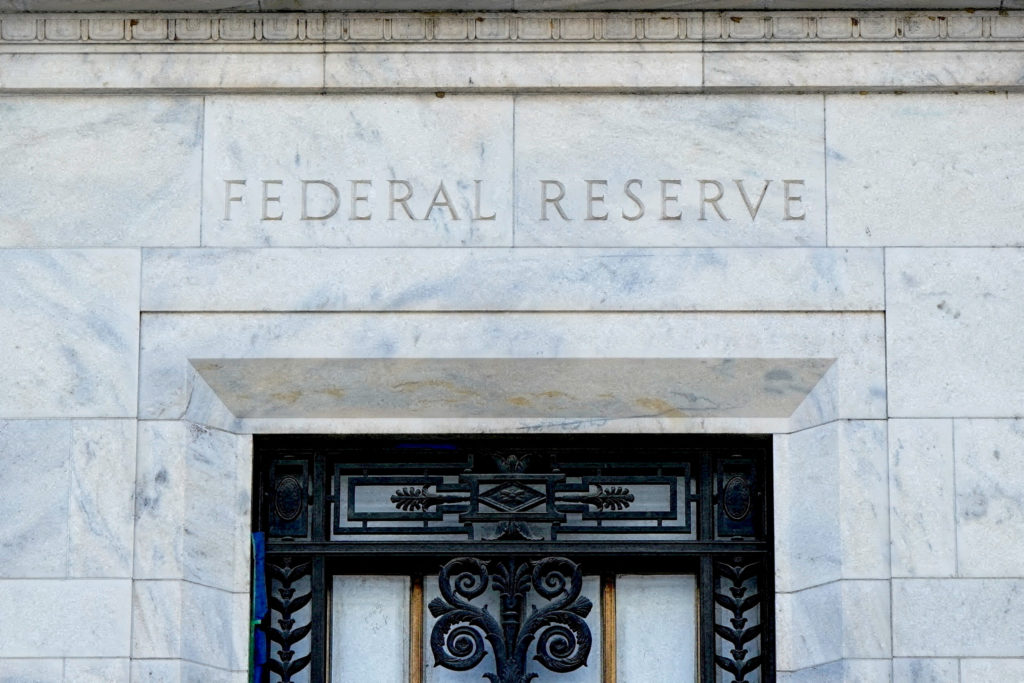
Federal Reserve officials said they might raise interest rates later this year. They expect inflation to decrease but believe increasing rates could be necessary to keep prices stable.
Key Facts
The Federal Reserve may raise interest rates later in the year.
This information comes from the minutes of the Federal Reserve’s July meeting.
The meeting included the Federal Open Market Committee and the Fed’s Board of Governors.
Most officials expect inflation to go down over time.
Despite this, they think a rate increase might still be needed to control inflation.
Interest rates affect borrowing costs for people and businesses.
Raising rates is a tool to help keep prices from rising too fast.
The Fed monitors inflation and adjusts rates to support the economy.
Read the Original
Want the full story? Tap a source to open the original
article.
Vivien Wong left her well-paying accounting job to start Little Moons, a mochi ice cream business with her brother. They grew the company slowly, learning and adjusting along the way, and eventually succeeded in selling their product widely.
Key Facts
Vivien Wong left an £80,000-a-year accounting job at age 28 to make mochi ice cream.
She started the business with her brother, inspired partly by their family bakery background and their father's illness.
Their mochi ice cream became popular on TikTok but took over ten years of effort before that success.
Wong advises launching products that are 80% ready instead of waiting for perfection.
Early on, she and her brother lived together and personally handled all business tasks to save money.
They carefully chose which opportunities to take, focusing on keeping the brand true to its values.
Working with family required setting clear roles and respecting each other as colleagues.
The business grew from selling to restaurants and cinemas to being stocked in supermarkets.
Read the Original
Want the full story? Tap a source to open the original
article.
Block, the company behind Cash App, will pay $45 million to 46 states and Washington, D.C. in a settlement over claims it misled users about fraud protections and did not properly protect their money. Customers affected by fraud may also receive compensation through a separate Consumer Financial Protection Bureau (CFPB) program.
Key Facts
Block agreed to a $45 million settlement with 46 states and Washington, D.C. regarding Cash App.
The settlement addresses claims that Cash App misled users about how safe their money was.
Users’ money was not adequately protected against fraud or unauthorized transactions.
Cash App allowed accounts with weak identity checks and provided limited customer support.
Users seeking help were sometimes misled by fake customer service numbers run by scammers.
The $45 million will go to the states, so most customers do not need to file claims for this settlement.
A separate CFPB order requires Block to pay $75 million to $120 million in restitution to users harmed by fraud or denied help.
The case highlights issues in fintech firms acting like banks but without the same protections.
Read the Original
Want the full story? Tap a source to open the original
article.
Meta is facing a major lawsuit from 29 US states accusing it of designing addictive social media features for young users and collecting data on minors. The case could lead to huge fines up to $1.4 trillion and force changes to Meta’s platforms, which could impact the company’s finances and operations.
Key Facts
29 US state attorneys general filed a lawsuit against Meta, parent of Facebook and Instagram.
The lawsuit claims Meta created features like infinite scrolling to keep young users addicted.
Meta is also accused of collecting data on minors without proper safeguards.
The trial could last up to six weeks and result in fines as large as $1.4 trillion.
The states are seeking about $200 billion in damages, close to Meta’s 2025 revenue of $201 billion.
Meta has denied the allegations and faces other legal penalties totaling hundreds of millions of dollars.
Meta’s business challenges include $70 billion losses in Reality Labs, the division behind virtual reality efforts.
Cash flow dropped sharply from $12 billion in Q1 to $784 million in Q2 of 2025, showing financial pressure.
Read the Original
Want the full story? Tap a source to open the original
article.
The UK government will use taxpayer money to clean up illegal waste dumps in West Yorkshire, Surrey, and Kent. New measures include higher fines for illegal dumping and using AI-powered drones to catch offenders in the act.
Key Facts
The government will clear about 22,000 tonnes of illegal waste from sites in Bradford, Runnymede, and the Isle of Sheppey.
Ministers plan to use AI drones with special scanning technology to detect illegal dumping as it happens.
Fines for illegal dumping will increase from £300 to £5,000.
The Environment Agency has made over 40 site visits and launched more than 30 criminal investigations into waste crimes.
The use of police and the National Crime Agency will be increased to combat illegal dumping.
Hundreds of illegal waste sites have been reported across England, some holding over 20,000 tonnes of rubbish.
A recent case involved a gang leader ordered to pay £1.4m for organised illegal dumping across multiple sites.
Local leaders in West Yorkshire and Greater Manchester will coordinate efforts to prevent waste crime further.
Read the Original
Want the full story? Tap a source to open the original
article.
Some people who own private pools are renting access to them through a service called Swimply. This gives others a chance to use a pool without owning one, and some pool owners expect to earn about $15,000 doing this.
Key Facts
Building a backyard pool has become very expensive.
Swimply is a platform that helps pool owners rent out their pools to others.
Renting a pool offers a way for people to cool off without owning a pool.
Some pool owners hope to make around $15,000 by renting their pools.
This trend is growing during the hot summer months when demand for pools is high.
Swimply connects pool owners with people looking for a place to swim.
Renting pools can provide additional income for pool owners.
Read the Original
Want the full story? Tap a source to open the original
article.
Many Federal Reserve officials believe they will need to raise short-term interest rates soon if inflation remains high, according to meeting notes from late July. At that meeting, the Fed decided to keep rates steady at about 3.6%.
Key Facts
Federal Reserve officials met on July 28-29 to discuss interest rates.
The key short-term interest rate was kept at about 3.6% during that meeting.
The vote was 9 in favor, 3 against keeping rates unchanged.
Many officials think rates will need to rise if inflation does not go down.
Only 12 of the 19 policymakers have voting power in the rate decisions.
The minutes do not say exactly how many officials supported raising rates.
Read the Original
Want the full story? Tap a source to open the original
article.
President Donald Trump met with cryptocurrency and finance leaders at the White House to discuss digital assets. The event happened alongside a meeting of the Commodity Futures Trading Commission's Innovation Advisory Committee, which deals with finance and technology topics.
Key Facts
President Trump held a meeting with leaders in cryptocurrency and finance.
The event took place in the Roosevelt Room of the White House.
The meeting occurred at the same time as the Commodity Futures Trading Commission's Innovation Advisory Committee session.
The Innovation Advisory Committee focuses on technology and financial regulation.
President Trump spoke about his administration’s achievements related to digital assets.
The event included discussions about interest rates and international topics like North Korea.
Cryptocurrency and digital asset regulation were key topics during the meeting.
The meeting aimed to engage industry leaders in shaping finance and technology policies.
Read the Original
Want the full story? Tap a source to open the original
article.
Moderna and Merck announced that their new personalized mRNA treatment for high-risk skin cancer showed strong results in late-stage tests, helping prevent the cancer from coming back or spreading. This breakthrough led to a big rise in their stock prices and could change how some cancers are treated.
Key Facts
Moderna and Merck tested a personalized mRNA treatment combined with Merck’s drug Keytruda on over 1,100 patients with high-risk skin cancer called melanoma.
The treatment helped prevent the cancer from returning or spreading better than using Keytruda alone.
The therapy works by training the patient’s immune system to find and attack tumor mutations.
Moderna’s stock price went up 177% after the news, and Merck’s stock rose by 12.6%.
This treatment could be adapted for other cancers like kidney, bladder, and pancreas cancer.
Moderna’s market value dropped over 90% after COVID vaccine demand fell, but this new cancer therapy may improve the company’s future.
The safety of the new combined treatment was similar to earlier tests with no new risks found.
Federal funding for mRNA vaccine research was cut during the Trump administration, which raised concerns about the technology’s future.
Read the Original
Want the full story? Tap a source to open the original
article.
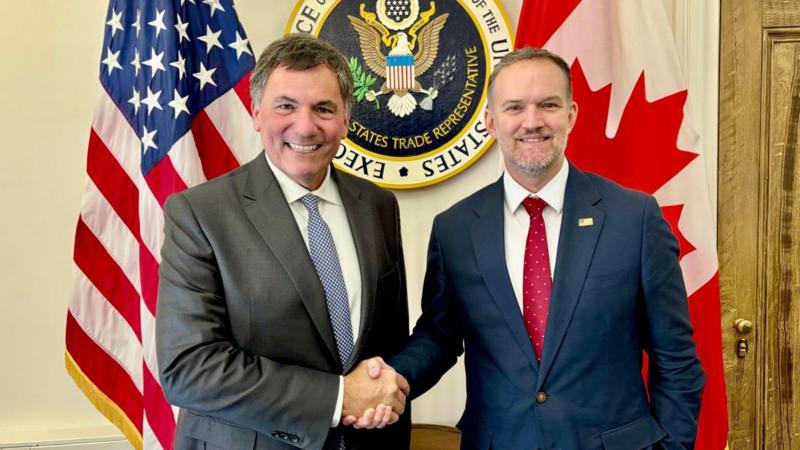
President Donald Trump announced a pause on new 50% tariffs on $20 billion worth of Canadian goods, delaying them for three days while talks continue. He said the U.S. and Canada reached a fair deal benefiting farmers and manufacturers, but the final agreement still needs to be signed.
Key Facts
The U.S. threatened 50% tariffs on $20 billion of Canadian imports, about 5% of Canada’s exports to the U.S.
Tariffs were delayed for three days, postponing their start to early Saturday.
Canada’s trade minister, Dominic LeBlanc, returned to Ottawa to discuss the matter with Prime Minister Mark Carney.
President Trump said the deal would remove tariffs on U.S. agricultural products exported to Canada.
The U.S. used a legal authority dating to the Great Depression to impose the tariffs.
Canada and the U.S. have a long history of trade disputes, including issues over lumber and dairy markets.
President Trump criticized Canada and China for retaliatory tariffs after the U.S. imposed levies on their products.
The deal details remain unclear and depend on final document approval.
Read the Original
Want the full story? Tap a source to open the original
article.
The U.S. Treasury Department announced it will double the limit on buying back certain government bonds. This decision aims to reduce bond yields and has already led to falling yields and rising stock prices.
Key Facts
The Treasury Department will increase the maximum amount of U.S. debt it can repurchase.
The focus is on longer-term bonds, specifically those with 10-to-20-year and 20-to-30-year maturities.
The new buyback program will start next month.
Bond yields, which affect borrowing costs, have declined after the announcement.
Stock prices have increased following this move.
Buying back bonds helps lower yields by reducing the supply of debt in the market.
This action is part of the Treasury’s strategy to manage government borrowing costs.
Read the Original
Want the full story? Tap a source to open the original
article.
Ice cream was once a rare and expensive treat, but inventions like mechanical refrigeration made it more affordable by the 1800s. The ice cream cone, invented by immigrants in the early 1900s, became popular at the 1904 St. Louis World’s Fair and helped ice cream vendors serve customers more easily.
Key Facts
In 1790, President George Washington spent $200 on ice cream, equivalent to over $7,000 today.
Penny licks were an early way to serve ice cream, but they were banned due to hygiene concerns.
Antonio Valvona, an Italian ice-cream maker, patented a metal mold in 1902 for making edible waffle cups.
Italo Marchiony, an ice cream vendor in New York, patented a similar ice cream cone device in 1903.
At the 1904 St. Louis World’s Fair, Ernest Hamwi, a Syrian immigrant, popularized the waffle cone by rolling his fried pastries into cones.
By 1910, the term “cone” replaced “cornucopia,” and Hamwi started the Missouri Cone Company.
Machines later improved cone production, and cake cones appeared in the 1940s alongside the rise of ice cream chains like Dairy Queen and Baskin-Robbins.
Americans today eat less ice cream per year than in 1984, dropping from 17.8 pounds to 12 pounds on average.
Read the Original
Want the full story? Tap a source to open the original
article.
The U.S. Treasury Department announced it will more than double its buyback of government bonds to help lower rising bond yields caused by factors like higher oil prices and concerns about debts. Rising bond yields make borrowing more expensive for governments, companies, and people, which can slow the economy and put pressure on the stock market.
Key Facts
The bond market showed alarm due to rising yields influenced by the war in Iran and growing government debts.
The U.S. 10-year Treasury yield recently rose above 4.70%, up from 3.97% before the Iran war.
The 30-year Treasury yield exceeded 5%, levels not seen since before the 2008 financial crisis.
Higher bond yields increase borrowing costs for households (e.g., mortgages) and businesses.
Mortgage rates have climbed, nearing their highest in a year.
More expensive borrowing can reduce investments, including those in technology like artificial intelligence.
Rising yields put downward pressure on stock markets by threatening company profits.
The Treasury Department’s increased bond buyback aims to lower yields and calm the markets, but some experts warn it might have unintended effects.
Read the Original
Want the full story? Tap a source to open the original
article.
Many Federal Reserve officials believe they will need to raise short-term interest rates if inflation remains high, according to minutes from their July meeting. Although rates were kept steady then, uncertainty about inflation and global events like rising gas prices affect their decisions.
Key Facts
The Federal Reserve’s key short-term interest rate was about 3.6% at the July 28-29 meeting.
Officials voted 9-3 to keep the rate unchanged at that meeting.
Inflation showed signs of slowing but gas prices rose recently due to conflict in the Middle East.
Minutes indicate many officials think higher rates will be needed if inflation does not drop.
Only 12 of the 19 Federal Reserve policymakers vote on interest rate decisions.
New Fed Chair Kevin Warsh avoided giving clear hints about future rate changes at a July 29 news conference.
Warsh plans to reduce “forward guidance,” meaning less communication about future Fed actions.
Wall Street expects no rate changes in September but a possible increase in December, though this could change.
Read the Original
Want the full story? Tap a source to open the original
article.
The Federal Trade Commission (FTC) proposed a rule requiring retailers to tell customers if they use personalized pricing, which sets prices based on someone’s personal data. The rule would also require companies to explain what data they use to decide these prices.
Key Facts
The FTC wants companies to be open when they charge different prices to different customers based on personal info.
Personalized pricing means prices change depending on things like where you live, your shopping history, or how long you keep items in your online cart.
The FTC found examples, like showing higher prices for baby items to new parents.
Right now, the FTC cannot fully ban personalized pricing but wants to make sure shoppers know when it is happening.
Companies that do personalized pricing must clearly say they are doing it and share what personal data they use.
If companies hide this practice, they could break the law against unfair or misleading business actions.
The FTC is asking the public for feedback on the proposal over the next 30 days.
FTC Chairman Andrew Ferguson emphasized that consumers expect listed prices to be the same for everyone.
Read the Original
Want the full story? Tap a source to open the original
article.
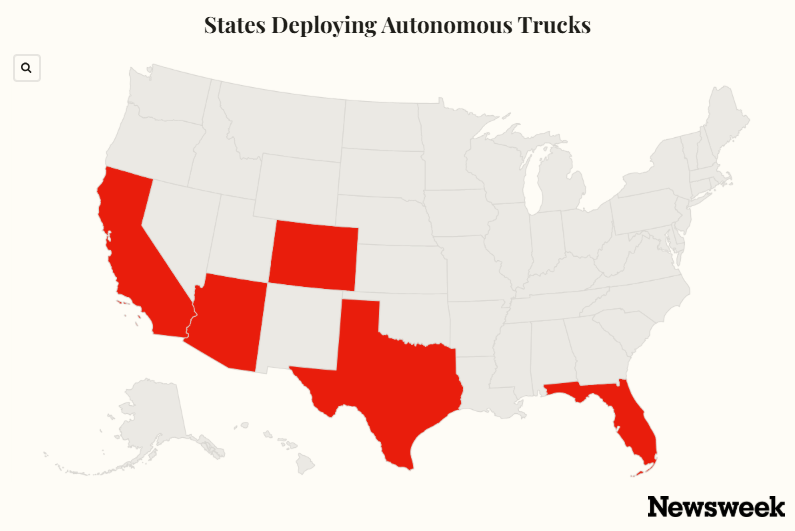
At least five U.S. states have started using autonomous (self-driving) trucks on highways, but there is growing concern from labor groups and safety officials. Supporters say these trucks could reduce costs and help with driver shortages, while opponents worry about job losses and if the technology is safe enough.
Key Facts
Autonomous trucks are currently operating on roads in at least five states including Texas, Arizona, California, Colorado, and Florida.
Texas leads in deployments with companies like Aurora running commercial routes between major cities.
Labor unions, especially the Teamsters, strongly oppose autonomous trucks, citing threats to jobs and calling for more public input.
Safety concerns remain about how well self-driving trucks can handle real-world driving conditions.
Laws requiring a human driver in autonomous trucks have mostly failed in several states, despite some vetoed bills.
Florida allows fully self-driving vehicles on public roads without a human driver.
Autonomous trucking could significantly change the trucking industry, supply chains, and the job market.
The debate involves questions of highway safety, job security, and liability in accidents involving autonomous trucks.
Read the Original
Want the full story? Tap a source to open the original
article.
The US Treasury Department announced it will buy back more long-term government debt to lower borrowing costs after 30-year bond interest rates reached a 20-year high. This action reduced the borrowing rate slightly and aims to support the market amid concerns about inflation, oil prices, and large corporate borrowing.
Key Facts
The interest rate on 30-year US government bonds reached 5.34%, the highest in nearly 20 years.
High bond yields increase borrowing costs for the government, companies, and consumers (mortgages, car loans, credit cards).
The recent rise in yields is linked to higher oil prices due to the US-Iran conflict, inflation fears, and large tech company borrowing for AI development.
The Treasury will double its bond buybacks from $2 billion to $4 billion, running from September 9 to November 4.
After the Treasury's announcement, the 30-year borrowing rate fell to 5.18%.
Experts say the buybacks offer short-term relief but are unlikely to solve long-term borrowing challenges due to large government debt.
The average interest rate for 30-year fixed mortgages is currently 6.67%, lower than earlier in 2023.
The Federal Reserve recently kept interest rates steady but showed concern about inflation and discussed possible future rate increases.
Read the Original
Want the full story? Tap a source to open the original
article.
Canada and the United States are close to finalizing a new trade agreement, with leaders from both countries calling it a positive step. However, many details about the deal, including specific trade concessions and terms, have not yet been fully disclosed.
Key Facts
President Donald Trump and Canadian Prime Minister Mark Carney have praised ongoing trade negotiations.
The two countries have met multiple times recently to work on the deal.
Trump paused new tariffs planned on Canadian goods to give more time for the talks.
The deal is expected to remove some trade problems the U.S. had with Canada.
Canada aims to keep its dairy supply management system unchanged, despite U.S. requests for access.
The U.S. wants Canada to drop retaliation tariffs on American cars and reopen markets for American alcohol.
Many Canadians prefer Canada to maintain a hard stance in the negotiations.
Business groups in both countries want a deal to avoid harmful tariffs that could affect trade.
Read the Original
Want the full story? Tap a source to open the original
article.
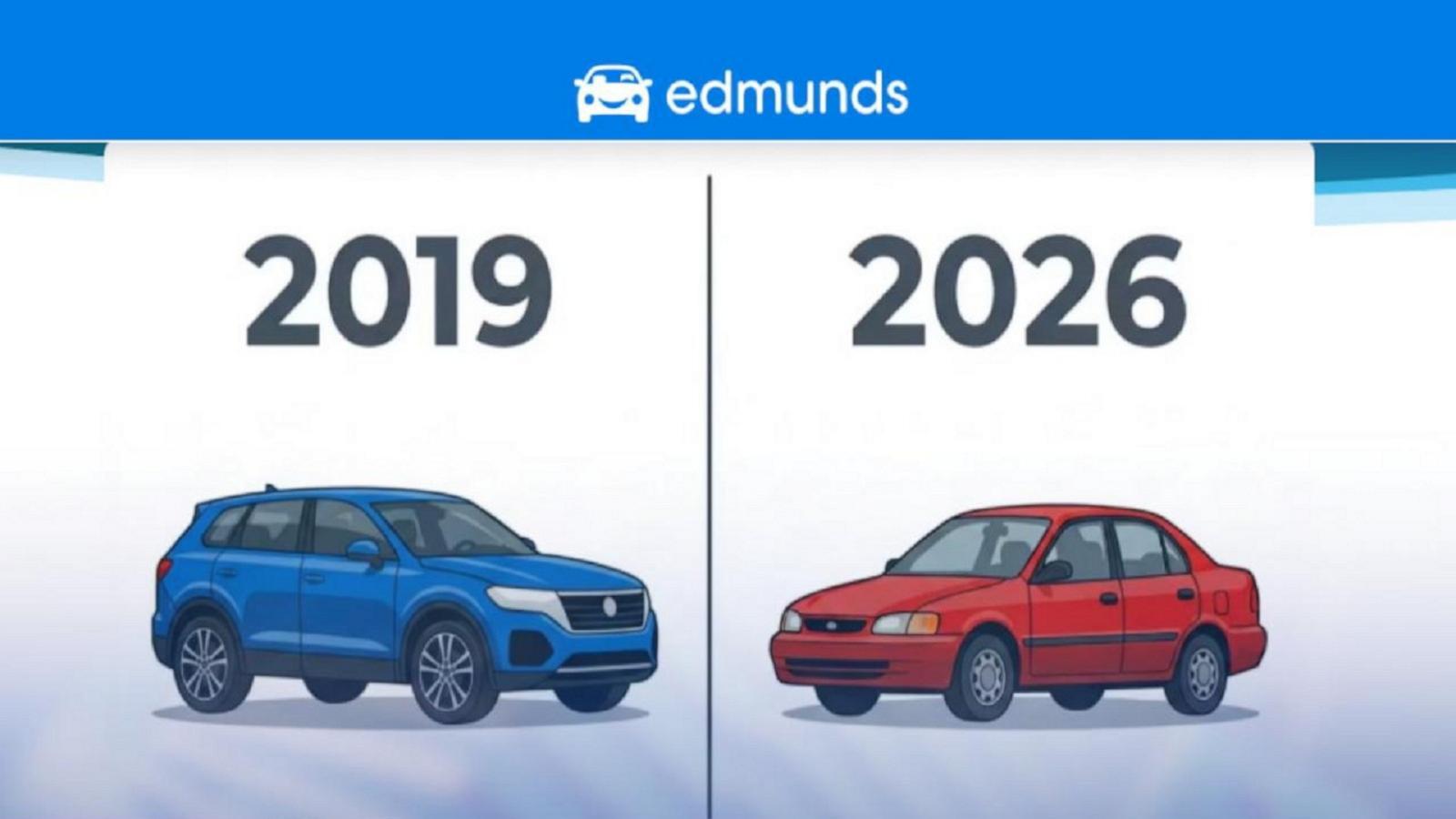
A new report shows that the prices of used cars that are three years old may rise above $32,000. Experts say that the prices are going up significantly.
Key Facts
Used cars that are about three years old could cost more than $32,000 soon.
A report highlights a sharp increase in used car prices.
Ivan Drury, director of insights at Edmunds, discussed why prices are rising.
The used car market is experiencing strong price growth.
Rising used car prices may affect buyers looking for cars that are a few years old.
Read the Original
Want the full story? Tap a source to open the original
article.
President Donald Trump announced that the United States has reached a trade deal with Canada that removes tariffs on US farmers and businesses exporting to Canada. He paused planned 50 percent tariffs on Canadian goods for three days while finalizing the agreement.
Key Facts
President Trump said there will be no tariffs on US goods going into Canada under the new trade deal.
A planned 50 percent tariff on Canadian imports was paused for three days to allow time to finalize the deal.
The tariffs would have affected about $20 billion worth of Canadian imports to the US.
The US and Canada have been negotiating to reduce tariffs, especially on Canadian vehicles.
The US discussed lowering Section 232 tariffs (used when imports are seen as a security threat) on Canadian cars from 25% to 15%.
Canada exports nearly 72 percent of its goods to the US.
The trade relationship was strained by tariffs imposed during President Trump’s current term.
Canadian Prime Minister Mark Carney said progress has been made but some work remains before finalizing the deal.
Read the Original
Want the full story? Tap a source to open the original
article.