President Donald Trump has appointed Jay Clayton, the National Intelligence Director, as the leader of a new "Super Intelligence Force" focused on artificial intelligence (AI). This move comes amid rising concerns about AI technology and its potential risks.
Key Facts
Jay Clayton has been named by President Trump to lead America's AI efforts.
The new role is called the "Super Intelligence czar."
The appointment reflects growing worries about the safety and control of AI.
The U.S. government aims to strengthen protections around American AI companies.
President Trump has expressed reluctance to cooperate with China on AI safety.
This decision follows other developments, like AI companies signing voluntary safety agreements.
The news is part of broader economic and political updates, including market reactions and international issues.
Read the Original
Want the full story? Tap a source to open the original
article.
The UK is thinking about adding import taxes (tariffs) on Chinese cars to match the European Union’s rules and join new EU laws protecting local factories. This move aims to protect the UK’s car industry while aligning trade practices with Europe but could cause tensions with China and involve a long process with the World Trade Organization.
Key Facts
The UK may impose tariffs on Chinese car imports to align with the EU’s Industrial Accelerator Act.
The EU has tariffs of up to 45% on Chinese cars since October 2024 to protect European industries.
The UK currently does not have import taxes on Chinese vehicles, unlike the EU and the US.
Joining the EU scheme requires the UK to create a level playing field with tariffs on Chinese goods.
Imposing tariffs risks a negative response from China and could affect UK-China trade relations.
The UK’s biggest market for cars and parts is the EU, making trade rules important for the UK industry.
Chinese car brands like BYD have increased their share of the UK market significantly in 2026.
The UK government under Keir Starmer previously viewed China more as an opportunity than a risk.
Read the Original
Want the full story? Tap a source to open the original
article.
The average interest rate for new five-year fixed mortgages has reached 6% for the first time in three years. This rise is due to higher lender costs, linked to global economic concerns and increased government borrowing, making home loans more expensive for buyers and those renewing mortgages.
Key Facts
The average five-year fixed mortgage rate is now 6%, the highest since September 2023.
Two-year fixed mortgage rates have risen to an average of about 5.98%, the highest since December 2023.
Around 1,500 mortgage deals with rates below 5% have disappeared since early September.
Several major UK banks, including Barclays, HSBC, Lloyds, and NatWest, raised their fixed mortgage rates multiple times in September.
Fixed-rate mortgages lock in the interest rate for usually two or five years, after which borrowers must renew at current rates.
Rising international uncertainty, including conflicts like the Iran war, contributes to these higher borrowing costs.
Financial experts advise borrowers nearing the end of a fixed deal to seek advice and carefully compare new mortgage options.
Some lenders allow borrowers to lock in new rates up to three or six months before their current fixed mortgage period ends.
Read the Original
Want the full story? Tap a source to open the original
article.
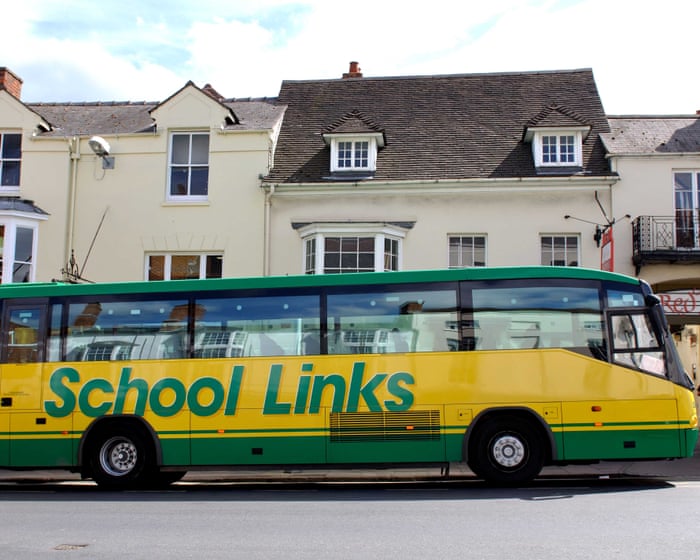
Coach and haulage companies in the UK are struggling with record high diesel prices, which have reached over £2 per litre. Rising fuel costs threaten to reduce services like school transport and push many transport businesses out of operation unless the government provides support.
Key Facts
Diesel prices in the UK hit a record high of more than £2 per litre last week.
Coach operators warn that high fuel costs could lead to cuts in services, including school transport.
Most independent coach companies are family-run businesses facing very small profit margins.
Haulage companies are paying about £350 more per week per truck due to fuel price increases.
Many transport businesses have already closed this year because of unsustainable running costs.
Coach operators have not received fuel cost support, unlike local bus operators in England.
Industry representatives want the government to pause planned fuel duty increases and offer rebates.
Leading G7 nations plan to release emergency oil supplies to help lower fuel prices after concerns over US diesel export bans.
Read the Original
Want the full story? Tap a source to open the original
article.
BT has agreed to buy the broadband supplier TalkTalk to save 900 jobs and keep services running for 2.5 million customers. The deal, costing about £400 million, aims to prevent disruptions in broadband services, especially for vulnerable users and emergency services.
Key Facts
BT will buy TalkTalk and its wholesale business PlatformX Communications without taking on its debt.
The British government, led by secretary Lisa Nandy, supported the deal to protect public services and vulnerable customers.
BT expects to spend around £400 million in its current financial year on the deal, including transaction costs and estimated losses.
TalkTalk has lost many retail customers, shrinking from 4 million in 2019 to about 1.5 million now.
TalkTalk was taken private in 2021 by hedge fund Toscafund but has struggled under heavy debt and lender control.
The acquisition adds 1.5 million broadband customers to BT, which already holds about 30% of the UK broadband market.
The companies will operate separately and still compete until regulators finish reviewing the deal.
TalkTalk’s 900 employees will transfer to BT as part of the sale.
Read the Original
Want the full story? Tap a source to open the original
article.
BT, the largest broadband provider in the UK, has agreed to buy its rival TalkTalk. The deal will help TalkTalk avoid going out of business but still needs approval from the UK's competition regulator.
Key Facts
BT is the biggest broadband company in the UK.
TalkTalk is struggling with debt and close to going into administration (a process like bankruptcy).
TalkTalk has 1.5 million retail customers and 1 million wholesale customers.
The takeover deal must be approved by the UK competition regulator to proceed.
BT’s CEO said the purchase will protect TalkTalk’s customers and employees.
The deal will give TalkTalk customers access to BT’s network and services.
Some people worry this deal will give BT too much control over the broadband market.
TalkTalk’s services support important national sectors like health, emergency services, defense, education, transport, banking, and government.
Read the Original
Want the full story? Tap a source to open the original
article.
The article discusses the common job interview question about salary and explains that candidates do not always have to answer it. It highlights how workers can handle questions about pay during interviews or negotiations.
Key Facts
Many job interviews include questions about salary.
Candidates are not required to disclose their current salary if they don’t want to.
Avoiding the salary question can help in negotiating a better pay offer.
The article gives advice on how to respond to salary questions professionally.
The focus is on helping workers manage their personal finances by protecting salary information.
The article is part of a series covering topics like employment, personal finance, and careers.
Read the Original
Want the full story? Tap a source to open the original
article.
More than 30 customers say they paid nearly £500,000 in deposits to a building company called South Coast Construction (Sussex) Ltd but did not receive the promised work. The police are investigating possible fraud, while the company’s director denies intent to scam and apologizes to customers.
Key Facts
Over 30 customers claim they were scammed by South Coast Construction by paying deposits for work that was never done.
The total deposits paid amount to nearly £500,000.
The company operated in Dorset, Hampshire, Sussex, and Surrey.
Sussex Police are investigating multiple reports of alleged fraud against the company.
Some customers, like Sian and Simon Romsey, paid deposits for home extensions but did not get any work started.
29 customers were able to get their money back through their banks, but 8 are going through the financial ombudsman.
Jo Amas tried to get a refund of nearly £12,000 after cancelling work due to her step-mother’s health but faced communication issues with the company.
The company director denies deliberately scamming anyone but expressed sorrow for those affected.
Read the Original
Want the full story? Tap a source to open the original
article.
The BBC is cutting up to 2,000 jobs over several weeks to save £500 million because of falling income. These job cuts and channel closures, including making BBC Scotland and BBC Three online-only, have lowered staff morale and may lead to more cuts next year.
Key Facts
The BBC plans to cut about 2,000 jobs gradually over several weeks.
The goal is to save £500 million due to a large drop in money coming in.
BBC Scotland and BBC Three may stop normal TV broadcasts and become online-only channels.
Staff morale is very low because of the ongoing announcements and uncertainty.
Cuts affect many areas including news, local radio, and the media tech division.
BBC is reviewing redundancy pay and making some correspondents do general reporting.
Children’s TV is mostly protected, but even that division has voluntary redundancies.
Future funding talks between the BBC and government could change who pays the licence fee, possibly including streaming viewers.
Read the Original
Want the full story? Tap a source to open the original
article.
Museums in the UK are using licensing deals to make more money as their costs rise and government funding drops. They partner with brands to create products like hotel rooms, clothing, and virtual reality experiences that feature their collections and stories.
Key Facts
The Natural History Museum offers hotel rooms inspired by its exhibits, such as a family suite with dinosaur-themed bunk beds.
Licensing sales in the UK grew 7% last year, reaching $19.2 billion, according to Licensing International.
The "art property" category, including museums, grew by more than 8%, while immersive experiences grew 53%.
The Natural History Museum has licensed paint collections, dinosaur-print clothing, and virtual reality dinosaur adventures.
Many museums, like the British Museum and the Victoria and Albert Museum, participate in the Brand Licensing Europe conference to promote licensing.
The British Museum collaborated with luxury store Liberty for Bayeux tapestry-themed products.
The Victoria and Albert Museum launched 63 new product ranges in 2025, including phone cases and artwork for Samsung’s art-display TV.
Museums use licensing to reach wider audiences and create new income from their collections beyond ticket sales.
Read the Original
Want the full story? Tap a source to open the original
article.
India has tried to reduce its dependence on Chinese imports by raising tariffs and setting quality rules, which helped cut toy imports from China. However, overall trade with China remains unbalanced, with India importing much more than it exports, especially industrial goods and critical products.
Key Facts
India raised tariffs on imported toys from China from 20% to 70% over six years.
Toy imports from China dropped from nearly $300 million in 2020 to $100 million this year.
India’s toy exports increased from about $129 million to $200 million in the same period.
Despite tensions and bans on Chinese apps after border clashes in 2020, India’s trade deficit with China grew from $44 billion in 2020 to $112 billion this year.
China supplies over 30% of India’s industrial imports and provides more than 100 critical products.
Imports of electrical machinery and electronics make up 36% of India’s imports from China.
India produces some goods like iPhones locally but relies heavily on Chinese components.
Indian leaders have agreed to work on fixing trade imbalances, but reducing dependence on Chinese imports remains difficult.
Read the Original
Want the full story? Tap a source to open the original
article.
Mortgage rates have risen to their highest level in three years. Higher mortgage rates are causing fewer people to buy homes, leading to a drop in housing sales.
Key Facts
Mortgage rates are at their highest point in three years.
Higher rates increase the cost of borrowing money to buy a home.
As mortgage costs go up, fewer people are buying houses.
The rise in rates is pushing down overall housing sales.
The information comes from a report by CBS News including details from Los Angeles.
Read the Original
Want the full story? Tap a source to open the original
article.
In the UK, employers can legally ask job candidates about their current salary, but candidates do not have to answer. New rules in the EU will ban such questions, though the UK is focusing instead on requiring employers to share salary details in job ads.
Key Facts
UK employers can ask about current salary during job interviews.
Job applicants are not required to disclose their salary if they don’t want to.
EU countries will soon ban employers from asking about salary history.
The UK government is not banning these questions but wants employers to publish salary ranges in job adverts.
Campaigns like #EndSalaryHistory highlight how asking about past pay can cause unfairness, especially for women and minorities.
Experts suggest candidates focus on their skills and the value they bring instead of salary history.
Lying about salary can harm a candidate’s chances and is not recommended.
Candidates should research market salaries and confidently discuss their expected pay based on their experience.
Read the Original
Want the full story? Tap a source to open the original
article.
Oil workers in the North Sea who work for the Texas company Apache are planning to strike due to disagreements over pay. The strike could disrupt UK fuel supplies because it might stop operations at major oilfields and the important Forties pipeline system.
Key Facts
Over 160 Apache workers in the North Sea may start striking later this month.
The workers rejected a 4% pay increase offer, seeing it as a pay cut after inflation.
Apache made nearly $1.4 billion in profits last year.
The strike could cause the Forties and Beryl oilfields to stop work and affect the Forties pipeline, handling about one-third of UK oil and gas.
The Forties pipeline disruption could impact other North Sea oil producers.
UK fuel prices, including diesel, have recently risen to record levels.
Apache says it has plans to keep key operations safe during any strike and does not expect the strike to affect other producers.
Recent strikes by other offshore workers were avoided after a pay deal was reached.
Read the Original
Want the full story? Tap a source to open the original
article.
A study found that the number of children’s books in the UK featuring Black main characters dropped by nearly 8% in 2025. Overall, minority ethnic, disabled, and neurodivergent characters remain underrepresented in books for children under 10.
Key Facts
Only 47 out of 2,189 children’s books published in 2025 featured Black main characters, a 7.8% decrease from the year before.
Black children make up about 8.5% of children under 10 in England and Wales, but are featured in only 2.1% of books.
South Asian main characters appeared in 1.4% of books, down 14.3 percentage points, while these children make up 12.4% of the population.
Just three books featured Middle Eastern and North African (MENA) main characters, down 50%, despite 2.2% of children being from this background.
Disabled characters in picture books fell by 60%, with only two titles featuring them in 2025.
Neurodivergent representation in picture books increased from 3 books in 2024 to 13 in 2025.
Only 6.9% of books surveyed featured main characters from minority ethnic, disabled, or neurodivergent backgrounds.
Most MENA books focused only on refugee stories, limiting portrayal of broader experiences.
Read the Original
Want the full story? Tap a source to open the original
article.
The Conservative Party in the UK plans to remove some rules and organizations to make it easier and cheaper to build homes and improve the economy. This includes ending the Environment Agency and Natural England and changing the way developers contribute to affordable housing and local services.
Key Facts
The Conservatives will abolish the Environment Agency and Natural England.
They want to reduce regulations that protect nature and require developers to include affordable homes and community facilities like GP surgeries.
The plan aims to lower the cost of new homes by about £50,000.
The party will replace current rules (section 106 agreements and the community infrastructure levy) with a simpler single payment from developers.
They plan to scrap net zero rules for new homes, such as the Future Homes Standard, which requires homes to be ready for zero carbon emissions.
Conservatives support expanding Heathrow airport and leaving the Aarhus convention, which protects community rights to challenge developments.
Shadow chancellor Andrew Griffith wants to simplify the tax code for individuals and businesses.
The party is focusing on economic growth and deregulation ahead of the next election.
Read the Original
Want the full story? Tap a source to open the original
article.
A new hotel in London called Otherwander Soho is designed mainly for young travelers from Generation Z and others who value style, comfort, technology, and local experiences. The hotel uses digital check-in and digital keys on phones to give a smooth experience and offers affordable prices with some luxury features.
Key Facts
Generation Z travelers care about comfort, location, and a balance between quality and price.
A 2026 survey showed most young American travelers would spend more for a good location and comfort.
The Otherwander Soho hotel is located near Oxford Street in London’s Soho neighborhood.
Guests use a mobile app to check in and get a digital key, skipping traditional front desk check-in.
The hotel features small sleeping pods called “nests” and uses vending machines for food and drinks.
Design focuses on authentic local style and is meant to appeal to social media users who share their experiences.
Facilities include shared bathrooms with quality finishes and private showers with amenities like shampoo and towels.
The hotel aims to offer luxury touches at a price affordable for budget-conscious travelers.
Read the Original
Want the full story? Tap a source to open the original
article.
More than 122,000 cases of Gatorade sold in 37 states are being recalled because they contain food colorings that were not listed on the labels. The recall was started by PepsiCo after the FDA warned that the dyes, Yellow No. 5 and Yellow No. 6, could cause health issues for some people.
Key Facts
The FDA announced a Class II recall of 122,021 cases of Gatorade products.
The affected flavors include Lemon Lime, Lemon Lime Zero, Orange, and Orange Zero in 28-ounce bottles.
The recall covers 37 states across the U.S.
The undeclared food colorings are Yellow No. 5 (tartrazine) and Yellow No. 6 (Sunset Yellow FCF).
These dyes are approved by the FDA but must be listed on labels because they can cause allergic reactions in some people.
People sensitive to these dyes or with aspirin allergies are at higher risk of reactions.
Consumers should check the recall's lot numbers on their Gatorade bottles and avoid using affected products.
PepsiCo started the recall voluntarily on September 25, and it is still ongoing.
Read the Original
Want the full story? Tap a source to open the original
article.
The article explains that product returns are a normal and expected cost of doing business. Retailers should build the cost of returns into their prices by setting aside a small amount from each sale, rather than making returns harder for customers.
Key Facts
Jerry Crawford, a carpet seller, reserved 0.5% of his sales to cover the cost of returns.
This small addition to prices made it easy to handle returns without upsetting customers.
Some big companies like Amazon also make returns easy as part of good customer service.
Recently, many retailers have made returns harder by adding fees, shortening return times, or questioning customers.
Making returns difficult can upset customers and harm a store’s reputation.
Businesses can estimate return costs from past experience and include them in overhead costs.
Charging customers extra for returns can destroy loyalty and damage business in the long run.
Small businesses like Jerry’s often manage returns well by building costs into pricing rather than punishing customers.
Read the Original
Want the full story? Tap a source to open the original
article.
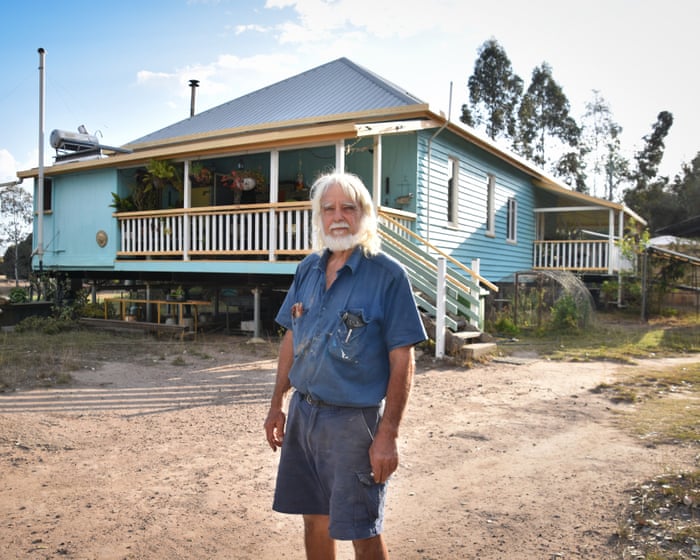
A $31 billion data center project by AI company Anthropic is planned for rural Queensland, Australia, on a 725-hectare site currently used as a feedlot near Dalby. The data center would be the largest in Australia, using a huge amount of energy, sparking local opposition due to concerns about environmental impact and repeating past boom-and-bust cycles from gas projects.
Key Facts
The project site is near Denver Kanowski’s home, which is surrounded by gas wells, a coal mine, and gas power plants.
Anthropic’s data center will power a large AI language model called Claude.
The data center will use a cooling system claimed to need less water than typical data centers.
It will require up to 2.16 gigawatts of power, about one-quarter of Queensland’s total energy demand.
The project is expected to create thousands of construction jobs and about 1,400 permanent jobs.
Local residents and farmers have raised concerns based on past negative experiences with gas industry projects.
Over 21,500 people signed a petition opposing the project, fearing environmental and economic harm.
Similar data center projects have faced backlash and restrictions in parts of the United States due to energy use and noise.
Read the Original
Want the full story? Tap a source to open the original
article.