Fact-first summaries of the news — stay informed, stay grounded.
Your favorite news sources, one calm feed — fact-first summaries that always link to the
original story. No outrage bait, and we tell you when you're caught up. How it works
Business News
Business news, market updates, and economic developments
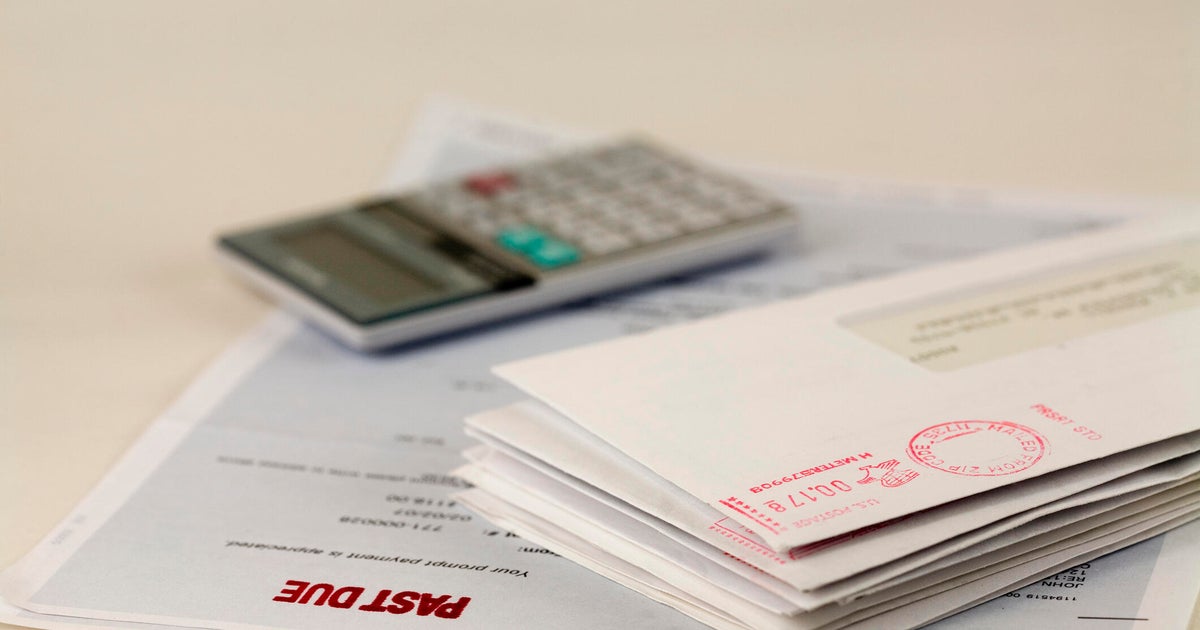
People often struggle with old debts that collection agencies try to collect. The law sets a time limit, called the statute of limitations, for how long collectors can sue to get money, but paying old debt can sometimes restart this clock.
Key Facts
Statute of limitations limits how long collectors can sue for unpaid debts; it varies by state and type of debt.
Most statutes of limitations last between three to six years, but some states have longer periods.
After the statute expires, collectors cannot sue or threaten to sue under federal rules, but they can still ask for payment voluntarily.
Making a payment or admitting the debt in writing may restart the statute of limitations, allowing collectors to sue again.
Old debts may remain on credit reports for up to seven years, and paying them does not always remove this record.
It is important to verify the age of the debt and understand state laws before paying collections.
Negotiating a settlement can be an option, but any agreement should be in writing before payment.
Knowing your state’s laws and the status of the debt can help avoid unintended legal or financial consequences.
Read the Original
Want the full story? Tap a source to open the original
article.
CBS Mornings Deals offers special discounts on products that can help improve daily life. People can visit cbsdeals.com to find and buy these items with exclusive offers.
Key Facts
CBS Mornings Deals features items to improve everyday lifestyle.
Discounts are available through cbsdeals.com.
CBS earns commissions when people buy products using their website.
The deals are shared during the CBS Mornings program.
The article encourages viewers to use the CBS News app and web browsers like Chrome and Safari to access deals.
Read the Original
Want the full story? Tap a source to open the original
article.
Pennsylvania Governor Josh Shapiro has set new limits on building data centers in the state. An anti-pollution advocate, Matthew Mehalik, supports these restrictions and says they are necessary to protect the environment.
Key Facts
Data centers use a lot of energy and can cause pollution.
Pennsylvania is placing new rules to control data center development.
Governor Josh Shapiro introduced these limits to manage growth.
Matthew Mehalik is the executive director of the Breathe Project, an anti-pollution group.
Mehalik believes the restrictions are important for keeping communities healthy.
Many U.S. communities are dealing with rising data center projects.
The focus is on balancing technology growth with environmental protection.
Read the Original
Want the full story? Tap a source to open the original
article.
Parents can help their children learn good money habits early on. Financial expert Jill Schlesinger shares advice on how to build strong money skills for kids.
Key Facts
Teaching kids about money helps them develop good financial habits.
Parents play an important role in guiding children on money management.
Simple activities like saving small amounts or budgeting can teach kids the value of money.
Experts suggest starting financial lessons at a young age.
Building good money habits early can lead to better financial decisions in adulthood.
Read the Original
Want the full story? Tap a source to open the original
article.
Federal law limits when and how debt collectors can contact borrowers at their workplace. While debt collectors can sometimes call you at work to find you, they are not allowed to discuss your debt with your employer or coworkers, and you can tell them not to call you at your job.
Key Facts
Debt collectors can contact you at work, but only under certain rules set by the Fair Debt Collection Practices Act (FDCPA) and the Consumer Financial Protection Bureau (CFPB).
You can tell a debt collector that your workplace is not a good place for calls, and they must stop contacting you there if your employer prohibits it.
Debt collectors cannot share your debt information with your boss, coworkers, or human resources.
They can contact others at your workplace only to find your location, but cannot reveal you owe a debt.
Debt collectors usually cannot send collection emails to your work email address unless a special exception applies.
If you use your work email for personal purposes, a debt collector having that address does not automatically give them permission to send collection messages there.
If a debt collector continues to contact you against these rules, you have legal protections and can report them.
Read the Original
Want the full story? Tap a source to open the original
article.
President Donald Trump has delayed imposing a planned 25% tariff on Canada after progress was made in trade talks between the two countries. The tariff was originally set due to concerns over illegal immigration and drug trafficking, but Canada and the US continue to seek a trade agreement.
Key Facts
President Trump paused a 25% tariff on Canadian goods before it went into effect.
Canadian Prime Minister Mark Carney said there was substantial progress on a trade deal, but work remains.
The tariff threat came after a year of tensions including retaliatory tariffs between the US and Canada.
The White House cited issues with illegal immigration and drug trafficking as reasons for the tariff.
In 2024, US-Canada trade was about $909 billion, showing strong economic ties.
Canada responded to the US tariffs by announcing its own tariffs on American goods.
Both countries are working to resolve disputes to maintain their long-standing trading relationship.
Read the Original
Want the full story? Tap a source to open the original
article.
Chinese carmaker Chery plans to open a new research and development (R&D) center in England as part of its UK expansion. The company will also start producing cars in the UK by 2027 through a partnership with Nissan, marking the first mass production of Chinese cars in Britain.
Key Facts
Chery is a Chinese car company that sells the Jaecoo, Omoda, and Lepas brands in the UK.
In July, Chery’s brands held nearly 8% of the UK car market, up from 3% the previous year.
The Jaecoo 7, a hybrid electric car nicknamed the “Temu Range Rover,” was the UK’s top-selling model in March.
Chery will open a new R&D facility in Bedfordshire at the UTAC Millbrook test center this autumn.
UTAC Millbrook has over 70 kilometers of test tracks for improving cars and testing new technology like self-driving systems and artificial intelligence.
Chery has signed an agreement with Nissan to build cars at Nissan’s Sunderland factory starting in 2027.
The new R&D center will help Chery develop cars suited to UK roads and drivers and create local engineering jobs in the future.
Chery is partially owned by the Chinese government and benefits from lower costs and support, making it competitive against European carmakers.
Read the Original
Want the full story? Tap a source to open the original
article.
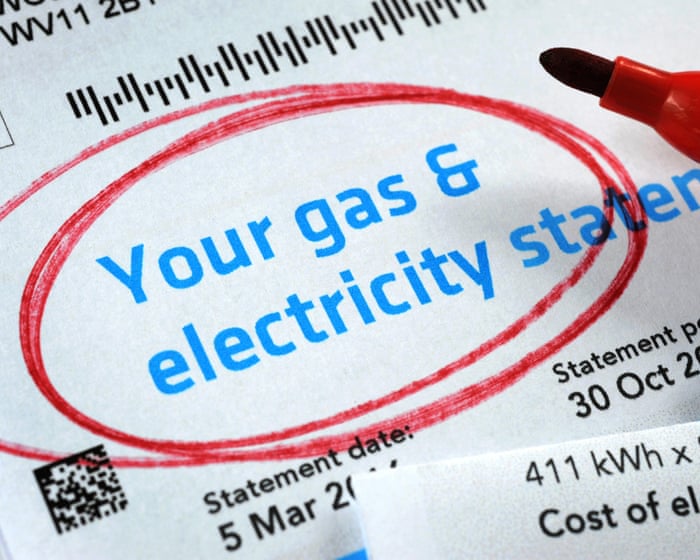
Household energy bills in Great Britain are expected to rise by about 4% this winter, reaching their highest level in three years. The increase, driven by higher global gas prices linked to the Middle East conflict, will outweigh the government's cut of VAT on electricity bills.
Key Facts
The energy price cap will rise to around £1,729 per year from October 2024 through early 2026.
This is a 4% increase and the highest energy price cap since July 2023.
Rising gas prices, influenced by the Middle East war and higher gas use during European heatwaves, are pushing bills up.
The government plans to reduce VAT on electricity bills starting in October to lower costs by about £45 per year.
The VAT cut will not fully cancel out the overall rise in energy bills.
Ofgem, the UK energy regulator, sets the price cap based on wholesale gas and electricity costs.
Energy consultants warn that UK households’ reliance on imported gas makes them vulnerable to global price changes.
There could be further bill increases from January 2025 if gas prices stay high.
Read the Original
Want the full story? Tap a source to open the original
article.
China’s Unitree Robotics saw its shares rise over 620% when it started trading in Shanghai, showing strong investor interest in humanoid robots. The company is one of the first in mainland China to list as a humanoid robotics firm and has shipped thousands of robots worldwide.
Key Facts
Unitree’s shares jumped more than 620% at its market debut on the Shanghai STAR Market.
The company’s market value reached as high as 445 billion yuan (about $66 billion).
Unitree priced its initial public offering (IPO) at 50.8 yuan per share, valuing the company at around 61 billion yuan ($9 billion).
The company was founded in 2016 and is known for humanoid robots that can perform actions like dancing and martial arts.
Last year, Unitree shipped over 5,500 humanoid robots globally.
A new model called Superman can jump two meters high and run at 12.66 meters per second.
China holds around 75% of the global market for humanoid robots and autonomous vehicles.
The U.S. government recently banned imports of Chinese humanoid robots due to national security concerns.
Read the Original
Want the full story? Tap a source to open the original
article.
The Christian metal band Demon Hunter has filed a lawsuit against Netflix over the use of the name "Kpop Demon Hunters" for a film, concert tours, and merchandise. The band says this has caused confusion among fans and is damaging their brand, so they want Netflix to stop using the name and to pay damages.
Key Facts
Demon Hunter is a Christian metal band from Seattle with 25 years of history.
They claim Netflix’s "Kpop Demon Hunters" movie and related tour and merchandise cause confusion with their band and products.
The band’s company, Hyde Lane, owns the trademark for "Demon Hunter" related to music and merchandise since 2022.
Netflix has trademarked "Kpop Demon Hunters" for merchandise and has other trademarks pending.
The complaint cites incidents of fans and industry people confusing the band with the Netflix project.
"Kpop Demon Hunters" is Netflix’s most-watched original movie and will have a global live tour starting in 2027.
The movie won awards for best animated film and best original song at the 2026 Golden Globes and Oscars.
Demon Hunter wants the court to ban Netflix from using the name in music, shows, and merchandise and to award damages.
Read the Original
Want the full story? Tap a source to open the original
article.
Inflation in the UK has risen due to higher energy bills following the war in Iran, but the increase is smaller than first expected. Despite some price rises, wages have generally kept up with inflation, and experts believe inflation will slow down in the medium term.
Key Facts
Energy bills rose recently because of the war in Iran, pushing inflation higher.
Food prices have increased by about one-third over the past four years.
Inflation after the Iran conflict is less severe than initially feared.
Food inflation is currently low, at about 1.3%, the lowest in nearly five years.
Wages and benefits have mostly increased faster than inflation this year.
Inflation is expected to reach around 3.5% later this year.
The UK government may need to offer more financial help ahead of the Budget.
The Bank of England aims to reduce inflation to 2% over time and may or may not raise interest rates this year depending on inflation changes.
Ongoing conflicts in the Middle East pose a risk of further price increases, especially in energy.
Read the Original
Want the full story? Tap a source to open the original
article.
Edmunds recommends buying used hybrid cars from the 2023 model year to save money on fuel and purchase costs. They highlight five hybrid vehicles that offer good fuel economy, reliable performance, and practical features for everyday use.
Key Facts
Buying a used car is usually cheaper than buying new, especially if the car is only a few years old.
Used hybrids save money on gas because they use less fuel than regular cars.
Edmunds chose the best 3-year-old hybrid cars based on fuel economy, reliability, safety, and daily use.
The 2023 Toyota Prius has a fresh design, good fuel efficiency (up to 57 mpg), and a spacious trunk but a smaller interior.
The 2023 Honda Accord hybrid offers a roomy cabin, good acceleration, and improved fuel economy.
The 2023 Honda CR-V hybrid is a small SUV with comfortable seating and available hybrid power.
The 2023 Toyota Highlander Hybrid can seat eight people and gets up to 36 mpg combined.
The 2023 Lexus RX hybrid is a luxury SUV with two hybrid engine options, balancing fuel efficiency and performance.
Read the Original
Want the full story? Tap a source to open the original
article.
New home construction in the U.S. dropped for the fourth month in a row in July, hitting the lowest level since November 2022. Rising mortgage rates and high home prices are causing fewer buyers to purchase homes, leading to more unsold houses despite a big shortage of affordable homes.
Key Facts
Single-family housing starts dropped 9.9% in July to 808,000 units per year, the lowest in over three and a half years.
Total new home starts, including apartments, fell 12.4% to 1.239 million units annualized.
The average 30-year fixed mortgage rate increased from 5.98% in February to 6.67% in mid-August 2024.
The national median home price in July was $434,100, a 2% increase from the previous year.
Contract signings for existing homes fell 2.3% in July, reaching the lowest point since January.
Existing home sales decreased 1.7% month-to-month in July but rose slightly year-over-year by 0.7%.
Homebuilders face a paradox: the U.S. needs more affordable homes, but there is a growing amount of unsold homes due to reduced demand.
The housing shortage started after the 2008 recession when homebuilding collapsed and has since grown to about 3 million homes short.
Read the Original
Want the full story? Tap a source to open the original
article.
A dog food company called Years has recalled all its fresh meals after some dogs developed an eye condition that can cause pain and sight loss. The company linked the problem to a new ingredient, buckwheat, added to their meals several months ago.
Key Facts
Years recalled all its fresh dog meals because of reports of dogs developing dry eye, a condition that makes eyes sore and can cause blindness if untreated.
The eye condition is called sudden bilateral dry eye, affecting both eyes by reducing tear production.
About 192 customers reported possible eye problems out of around 40,000 customers.
Some dogs responded well to treatment, while others had slower or limited improvement.
The affected dog food had recently added buckwheat, which might be causing the eye issues.
Years runs a subscription service and sells its food in some stores like Pets at Home.
Dog owners created Facebook groups to share information and discuss legal options related to the recall.
The Royal Kennel Club explains symptoms of dry eye include redness, pain, and discharge, and warns untreated cases can lead to blindness.
Read the Original
Want the full story? Tap a source to open the original
article.
A thrift shopper named Stephanie found a dress at a Goodwill Outlet in Saint Paul, Minnesota, priced at just over $10 by weight. After checking the label, she discovered the dress was from the brand Fanciful Doll and worth over $1,000 online. Stephanie plans to resell the dress and highlights the environmental benefits of thrift shopping.
Key Facts
Stephanie found the dress in a clothing bin at Goodwill, where items are sold by weight at $2.59 per pound.
The dress weighed about four pounds, costing her a bit over $10.
The dress is called the Ophelia Epic Romance Gown from the brand Fanciful Doll.
Online, the dress is listed for $1,032.
Stephanie is a vintage clothing reseller and often discovers new brands while thrifting.
She values thrift shopping as a way to save clothes from being thrown away in landfills.
The University of Colorado Boulder says Americans throw away over 13 million tons of clothing annually, causing environmental harm.
Buying secondhand clothes helps reduce waste, pollution, and the need for producing new clothing.
Read the Original
Want the full story? Tap a source to open the original
article.
Target reported increased sales for the second quarter in a row, driven by new products and more customers shopping both in stores and online. The company raised its profit and sales predictions for the year, supported by a $6 billion plan to improve its merchandise and store experience.
Key Facts
Target’s comparable sales rose 3.8% in the second quarter compared to the same period last year.
This follows a 5.6% sales increase in the first quarter, reversing a 3.8% sales drop in 2025.
CEO Michael Fiddelke launched a $6 billion plan to improve sales and the store’s reputation.
Over half of Target’s back-to-school products are new, including fashion and dorm supplies from brands like LoveShack Fancy and Hollister.
Isaac Mizrahi, a fashion designer, joined Target as creative director to help design products and build partnerships.
Target is remodeling more than 100 stores this year, aiming for 130 total remodels.
Digital sales grew by 8.7% due to faster same-day deliveries.
The company sees more customers shopping in stores and online between May and July.
Read the Original
Want the full story? Tap a source to open the original
article.
Amazon plans to expand its drone delivery service to nearly 500 U.S. cities, focusing on delivering small packages weighing up to 5 pounds quickly, sometimes within 30 minutes. This service will mainly operate in suburban areas and aims to compete with other companies like Walmart for fast delivery options.
Key Facts
Amazon’s drone delivery will expand more than six times to cover about 500 U.S. cities.
Drones can carry packages weighing up to 5 pounds.
Deliveries mainly target suburban areas to avoid obstacles like tall buildings and airports.
The service aims to deliver packages in as little as 30 minutes.
Drone delivery is still a small part of Amazon’s overall package delivery business.
Amazon Prime members get free drone delivery on orders over $50; smaller orders and non-members pay a fee.
Challenges for drone delivery include finding safe drop zones, noise concerns, and regulatory approvals.
The service could be especially useful for urgent lightweight items like prescription medicines.
Read the Original
Want the full story? Tap a source to open the original
article.
Hayden Panettiere's memoir, This Is Me: A Reckoning, returned to its full $30 price at Barnes & Noble shortly after the actor's death due to high demand and low stock. The book, which had been sold at half price during a promotion, has attracted renewed interest and the publisher is considering printing more copies.
Key Facts
The memoir was initially part of a Barnes & Noble Book Haul sale at 50% off, about $15 for a $30 hardcover.
After Panettiere’s death, the book quickly returned to its full price of $30.
Barnes & Noble said the price change was due to strong demand and limited supply, not a general pricing shift.
The retailer is trying to order more copies as most stores have little or no stock left.
The book was published in May by Grand Central Publishing.
It covers Panettiere’s life struggles including addiction, postpartum depression, domestic abuse, and grief.
The memoir became a bestseller and received praise for its honest portrayal of fame and recovery.
Panettiere died at age 36, and the cause of death has not yet been announced.
Read the Original
Want the full story? Tap a source to open the original
article.
A U.S. court heard that Meta, the company behind Instagram and Facebook, purposely made these apps addictive to children. A group of states is asking the court to fine Meta about $200 billion for harming young users.
Key Facts
Meta is the company that owns Instagram and Facebook.
Prosecutors claim Meta made these social media apps addictive for children.
The case is being heard in a U.S. federal court.
The lawsuit compares this situation to the tobacco industry's past harms ("big tobacco moment").
A coalition of U.S. states wants Meta to pay about $200 billion in penalties.
The focus is on protecting children from harmful social media effects.
The case highlights concerns over how social media companies design products.
This is part of a broader push to hold tech companies accountable for user well-being.
Read the Original
Want the full story? Tap a source to open the original
article.