Fact-first summaries of the news — stay informed, stay grounded.
Your favorite news sources, one calm feed — fact-first summaries that always link to the
original story. No outrage bait, and we tell you when you're caught up. How it works
Business News
Business news, market updates, and economic developments
The UK’s consumer watchdog, the Competition and Markets Authority (CMA), is investigating Trainline, Virgin Atlantic, and RED Driving School for possibly using "drip pricing." This means they may not be showing all mandatory fees in the upfront prices, which could mislead customers. If found guilty, the companies could face fines or be forced to pay compensation.
Key Facts
The CMA is looking into whether these companies hide mandatory fees until later in the booking process.
Trainline was observed adding fees up to £2.79 for train tickets and £1.50 for coach bookings after the initial price.
Virgin Atlantic is being investigated for not including resort fees and local taxes upfront, which can add hundreds of pounds.
RED Driving School may have hidden booking and digital fees that could add more than £7 per lesson.
The CMA has previously fined other driving schools for similar pricing issues affecting over 80,000 customers.
Trainline and Virgin Atlantic said they aim to be clear with customers and will work with the CMA.
The CMA emphasized that customers should see the full price from the start to avoid surprise extra costs.
The investigation responds to concerns about consumer protection during tight household budgets.
Read the Original
Want the full story? Tap a source to open the original
article.
The UK’s Competition and Markets Authority (CMA) is investigating Trainline, Virgin Atlantic, and Red Driving School for showing prices that look cheaper than they really are by not including all the required fees upfront. This practice, called "drip pricing," is illegal because it hides extra costs until late in the buying process.
Key Facts
The CMA is checking if these companies mislead customers by not showing the total price at the start.
"Drip pricing" makes a product seem cheaper by leaving out fees initially.
The CMA’s new powers allow it to investigate and fine companies without going to court.
Trainline said it is working with the CMA and will improve how it shows fees.
Virgin Atlantic said mandatory fees appear during booking and it will cooperate with the investigation.
If found guilty, companies can be fined up to 10% of their global sales and may have to pay customers compensation.
The CMA has fined other companies like StubHub and the AA recently for similar issues.
The UK government is focused on stopping unfair business practices that increase living costs.
Read the Original
Want the full story? Tap a source to open the original
article.
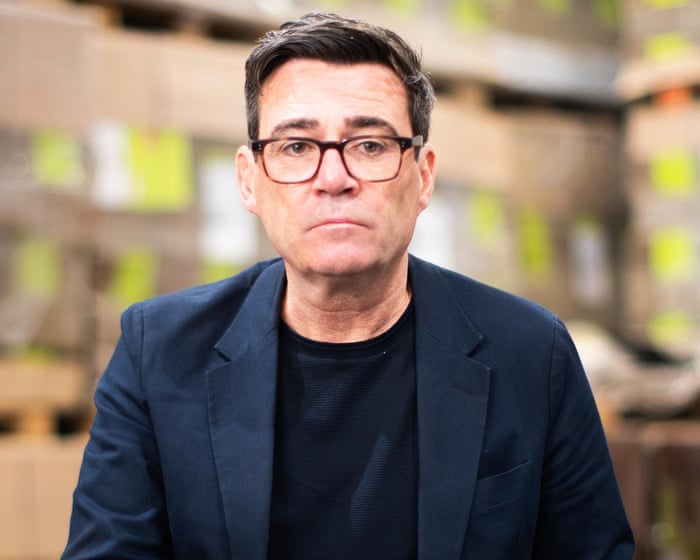
Inflation in the UK rose to 2.9% in July, mainly due to higher energy bills as Ofgem raised its price cap. This increase highlights the challenge for Prime Minister Andy Burnham and Chancellor John Healey to help people handle rising living costs this autumn amid continuing economic pressures.
Key Facts
UK inflation rose from 2.6% in June to 2.9% in July, mostly because energy prices went up.
The Ofgem price cap for household energy bills increased, and another rise is expected in October.
A recent drop in fuel prices, linked to eased tensions in the Middle East, was temporary; fuel prices are rising again.
Burnham’s government cut VAT on electricity bills to ease costs but other price increases may outweigh this help.
Food prices increased by only 1.3% in July but may rise due to summer heat and drought affecting supply chains.
Core inflation, which excludes fuel and food, stayed at 2.6%, indicating no strong wage-driven inflation yet.
Wage growth is slowing, so people may feel the full impact of inflation without stronger pay increases.
The government faces higher borrowing costs due to rising bond yields, which could increase public spending on interest payments.
Read the Original
Want the full story? Tap a source to open the original
article.
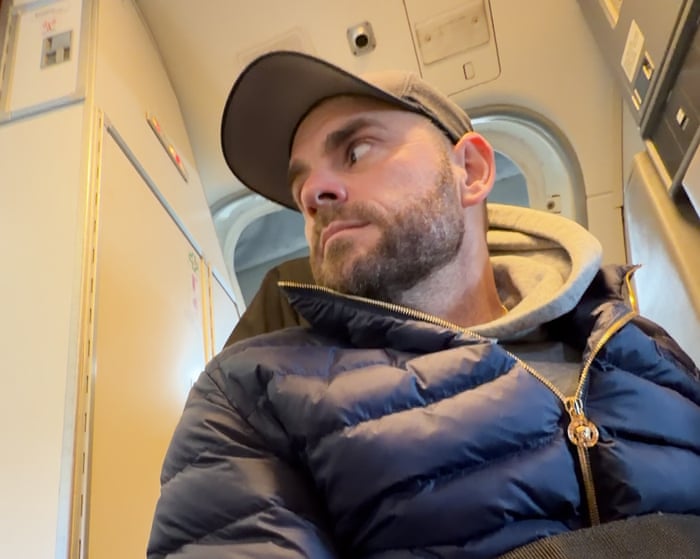
Virgin Australia apologized to Shane Hryhorec, a disability advocate, after he was removed from a flight because of issues with storing his wheelchair motor. The airline admitted it mishandled the situation and said it would learn from the experience. Hryhorec, who has quadriplegia and uses a powered wheelchair, has filed a complaint with the Australian Human Rights Commission.
Key Facts
Shane Hryhorec uses a wheelchair with a power assist device called a SmartDrive.
He was removed from a Virgin Australia flight because staff said there was no space to store his wheelchair motor under the seat.
On previous flights, he had been allowed to put the motor in the overhead locker.
Virgin Australia apologized and said the handling of the situation did not meet their standards.
Hryhorec said he felt humiliated and angry about being removed from the flight.
The incident was shared widely on social media, getting millions of views.
Hryhorec filed a complaint with the Australian Human Rights Commission.
The Australian government plans to set specific disability standards for airlines and airports to reduce travel barriers.
Read the Original
Want the full story? Tap a source to open the original
article.
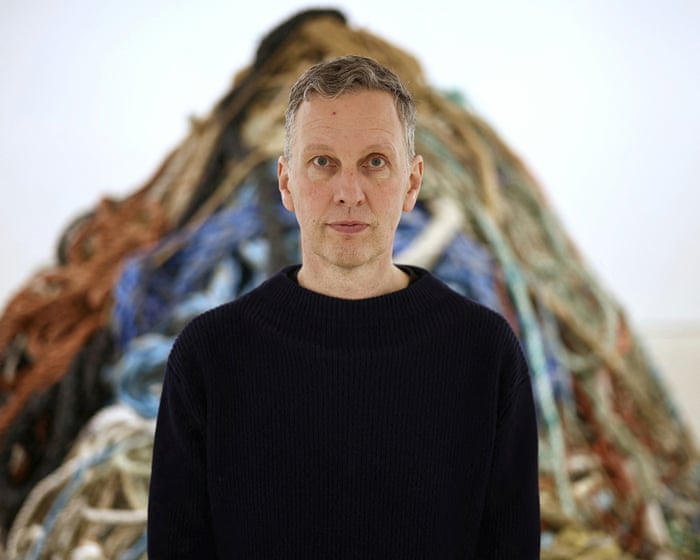
UK artist David Shrigley will create new artworks inspired by 17th-century Dutch and Flemish paintings for a solo exhibition at Dulwich Picture Gallery in London. The show, opening in May 2027, will display Shrigley’s humorous pieces alongside masterpieces by artists like Rembrandt and Pieter Brueghel the Younger.
Key Facts
David Shrigley is a contemporary British artist known for his humor and unique drawing style.
His new exhibition will be held at Dulwich Picture Gallery, London, from May to September 2027.
The exhibition pairs Shrigley’s new works with 17th-century Dutch and Flemish paintings.
Artists featured alongside Shrigley include Jan Steen, Rembrandt, and Pieter Brueghel the Younger.
The show highlights how artists across centuries have used humor to depict daily life and social behavior.
This is Shrigley’s first UK solo public museum exhibition since 2012.
Dulwich Picture Gallery will also host other major exhibitions in 2027, including showcases of Jacqueline Marval and Anwar Jalal Shemza.
The gallery aims to present playfulness and comedy in historic art through Shrigley’s perspective.
Read the Original
Want the full story? Tap a source to open the original
article.
Unitree, a Chinese company that makes humanoid robots, saw its shares rise by over 600% when it started trading on China’s stock market. The company is growing fast and is backed by big tech firms like Tencent and Alibaba.
Key Facts
Unitree is the world’s biggest maker of humanoid robots and was founded in 2016.
Its shares jumped from 150.8 yuan to as high as 1,100 yuan on the first day of trading.
The company sold over 5,500 robots in the past year.
The market for humanoid robots is expected to grow from $2 billion in 2025 to $300 billion by 2035.
Unitree’s IPO was very popular with Chinese retail investors, especially non-professionals.
Founder and CEO Wang Xingxing owns about 20% of the company, making his wealth worth more than $12 billion on paper after the stock surge.
The US government has banned imports of some foreign-made robots, including ones like Unitree’s, citing national security concerns.
Unitree is supported by major Chinese tech companies such as Tencent and Alibaba.
Read the Original
Want the full story? Tap a source to open the original
article.
The Australian government is set to pass new gambling advertising reforms, limiting ads on TV and banning them on player jerseys and in stadiums. The changes fall short of earlier recommendations for a full ban on gambling ads and inducements but aim to reduce harm, especially for young people and vulnerable groups.
Key Facts
The reforms limit TV gambling ads to three per hour between 5 a.m. and 8:30 p.m.
Gambling ads will be banned on player jerseys and inside stadiums.
Celebrities and players are banned from promoting gambling products.
A “triple lock” system will control online gambling ads by verifying users are over 18, logged in, and able to opt out.
An “opt-out register” will let Australians choose not to receive gambling ads, but details are not yet clear.
Inducements (special offers to encourage gambling) will be limited only in some situations.
The reforms are based partly on recommendations from the late MP Peta Murphy’s 2023 report, though not all her suggestions are included.
The gambling, sporting, and media industries’ lobbying influenced the scope of the reforms.
Read the Original
Want the full story? Tap a source to open the original
article.
Inflation in the UK increased to 2.9% in the year up to July, mainly due to higher gas prices and an increase in the energy price cap. Energy costs went up after the regulator raised the limit on household gas and electricity bills, making typical annual bills £221 more expensive.
Key Facts
UK inflation rose to 2.9% in the 12 months ending in July 2026.
The increase was mainly caused by higher gas prices and a 13% rise in the energy price cap.
The energy price cap rise happened on 1 July, increasing typical household bills by £221 annually.
Inflation of 2.9% is the highest since March 2026, when it was 3.3%.
Rise in furniture prices and less discounting on clothing also contributed to inflation growth.
Chancellor John Healey said the war in Iran continues to affect prices in the UK economy.
The government reduced VAT on electricity bills and capped bus fares at £2 to ease pressure.
Officials say the UK economy is resilient but challenges remain ahead.
Read the Original
Want the full story? Tap a source to open the original
article.
UK inflation rose to 2.9% in July due to higher energy prices caused by the war involving Iran. This increase adds pressure on British households and the government as it considers ways to help people with living costs.
Key Facts
Inflation in the UK increased from 2.6% in June to 2.9% in July.
The rise in inflation is linked to energy price shocks caused by the war involving Iran.
Energy bills saw the largest summer rise in four years in July.
The Bank of England may raise interest rates soon to control inflation.
The UK job market showed some weakness, including fewer job vacancies and slower private sector pay growth.
The UK economy grew faster than other G7 countries in the first half of 2026.
The government plans to cut VAT on electricity to lower bills by about £45 yearly from October.
The Bank of England warned inflation could reach 4.5% by mid-2027 if the war worsens.
Read the Original
Want the full story? Tap a source to open the original
article.
Shares of Unitree, a leading Chinese humanoid robot maker, jumped as much as 629% during its first day of trading on the Shanghai Stock Exchange. The company raised about 6.1 billion yuan ($904 million) from the sale of shares, showing strong investor interest in China's robotics industry.
Key Facts
Unitree is one of China’s largest makers of humanoid robots.
Its shares started trading on the Shanghai Stock Exchange’s STAR market.
The shares were priced at 150.80 yuan ($22.36) each.
On debut, shares rose up to 629% and were still up nearly 500% at midday.
Unitree was founded in 2016 by entrepreneur Wang Xingxing.
Humanoid robot production in China surpasses that of the U.S., with Unitree and AGIBOT shipping over 5,000 robots each last year.
Many humanoid robots are currently used mainly for demonstrations or performances rather than practical applications.
Unitree plans to use its IPO funds for advanced robot research and building its manufacturing facilities.
Read the Original
Want the full story? Tap a source to open the original
article.
The economic development minister in Jersey criticized the minimum wage, saying it harms the economy, which caused strong reactions from local business owners, charities, and politicians. Some want the government to discuss worker pay privately and adjust policies like tax thresholds to support minimum wage workers better.
Key Facts
The minimum wage in Jersey is currently £13.59 per hour.
Economic development minister Deputy Gerald Voisin said the minimum wage is "strangling the economy."
The chief minister disagreed, stating Voisin’s views do not represent the government or States Assembly.
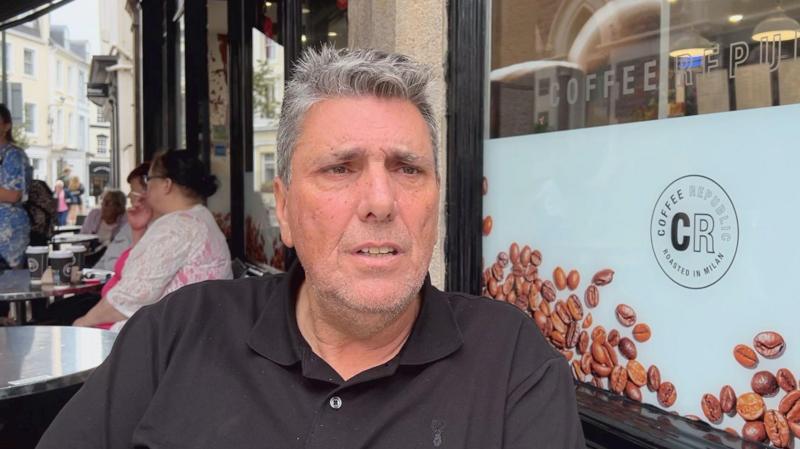
Coffee shop owner Frank De Jesus said the cost of living and doing business is a big issue and that paying above minimum wage is often necessary to keep good staff.
De Jesus called for government ministers to discuss wage issues together instead of making public criticisms that cause problems.
Patrick Lynch, head of a poverty charity, called Voisin’s comments "very sinister" and noted concerns about poverty and modern slavery on the island.
Eliot Lincoln from the chamber of commerce wants a review of the wage system, including more flexibility for different sectors and better tax and benefit policies.
This debate was triggered by a business author’s claim that rising wages have caused business closures, supported by Deputy Voisin during his election campaign.
Read the Original
Want the full story? Tap a source to open the original
article.
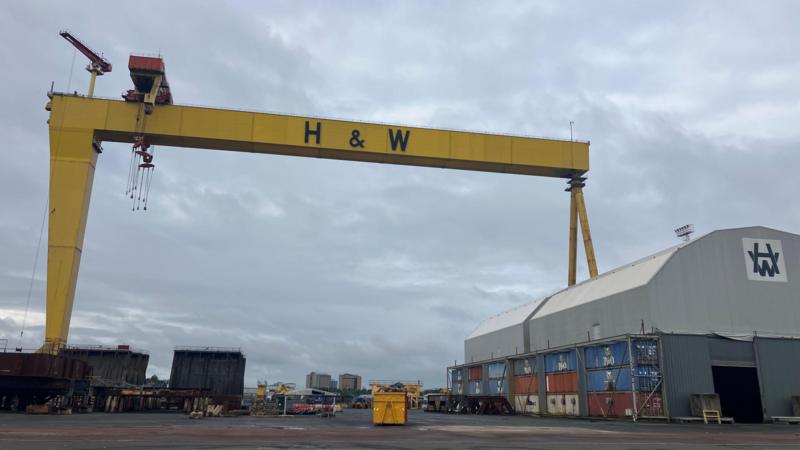
The Harland and Wolff shipyard in Belfast will spend £3 million to repair and update its famous yellow cranes. This work is part of a nearly £100 million investment as the shipyard prepares to assemble three Royal Navy support ships for a major defense contract.
Key Facts
Harland and Wolff plans to spend £3 million refurbishing two large cranes called Samson and Goliath.
The cranes will have their engines and key parts repaired or replaced.
The investment in the shipyard totals almost £100 million.
The shipyard is owned by Navantia, a state-owned Spanish shipbuilder, since January 2025.
Harland and Wolff will be the final assembly site for three Royal Navy Fleet Solid Support ships.
Ship parts are built in Spain and Devon, then shipped to Belfast for assembly.
Blocks for the first ship, called RFA Resurgent, will arrive in Belfast in early 2027.
Navantia has previously invested in expanding the shipyard’s facilities and equipment.
Read the Original
Want the full story? Tap a source to open the original
article.
The UK depends heavily on imported fruits and vegetables from countries that face serious climate problems. This makes the UK vulnerable to food price increases and supply issues. A report says the UK could grow more of its own food if it supports farmers to handle changing weather.
Key Facts
The UK imports about 40% of all its food, including 80% of its fruit and 47% of its vegetables.
Many countries supplying the UK with food are highly vulnerable to climate change effects like drought and heat.
The UK has one of the lowest food self-sufficiency levels among large Western European nations.
The UK experienced five record heatwaves this year, causing damage to crops and reducing domestic produce.
Some popular fruits like apples and strawberries can grow well in the UK, but less than 40% of the demand is met domestically for most.
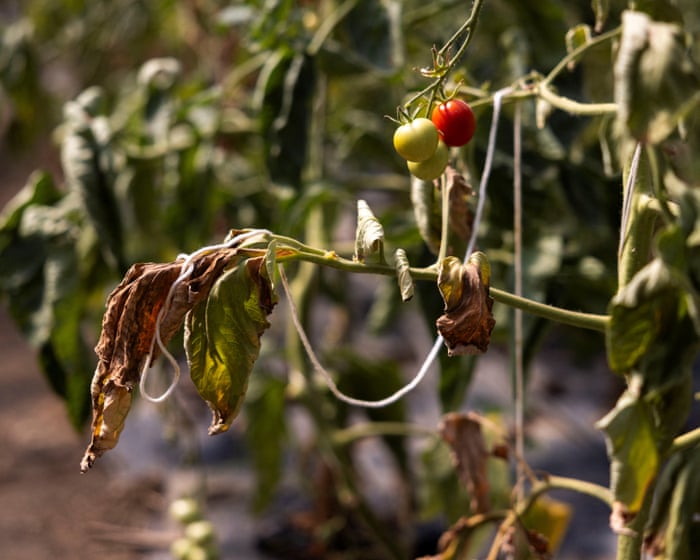
The UK could grow more vegetables such as tomatoes, mushrooms, and peppers, which currently rely heavily on imports.
Rising energy costs, labor shortages, and changes to farming subsidies since Brexit are making it harder for UK growers to produce more food.
Food groups urge the government to support farmers with better policies, affordable energy, and access to seasonal workers to increase local food production.
Read the Original
Want the full story? Tap a source to open the original
article.
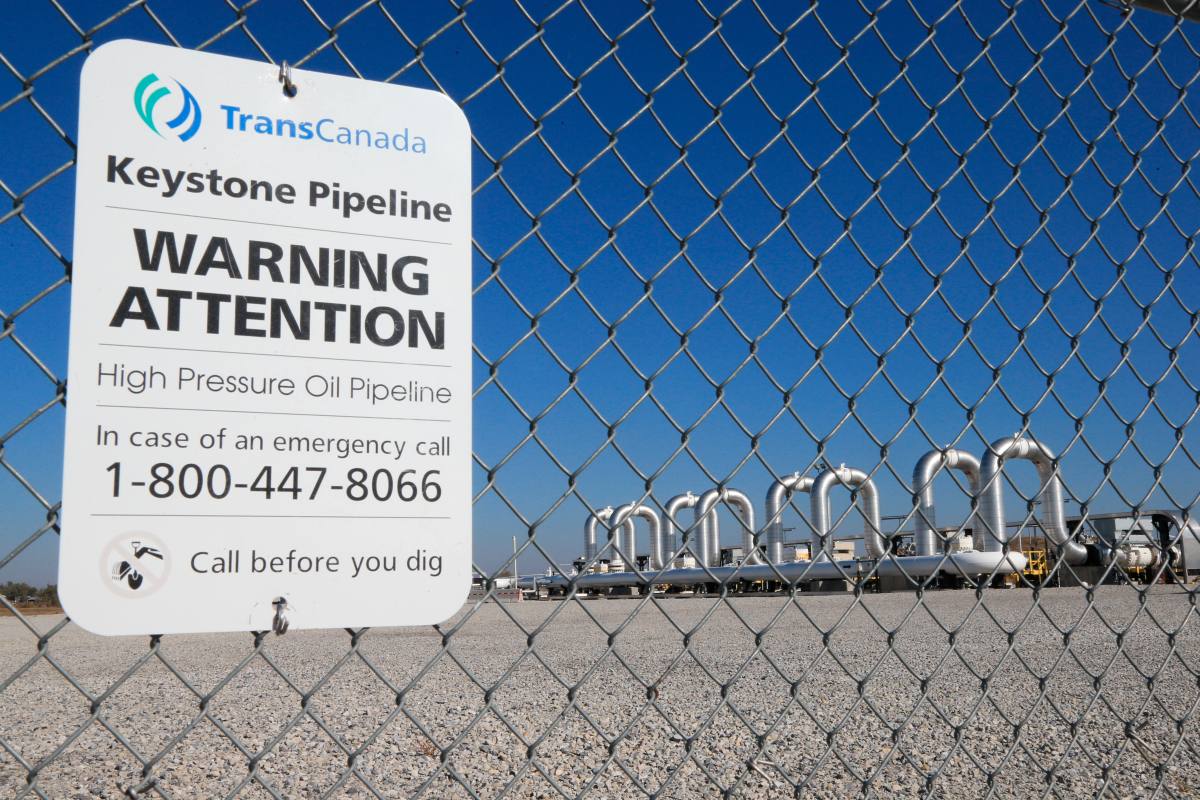
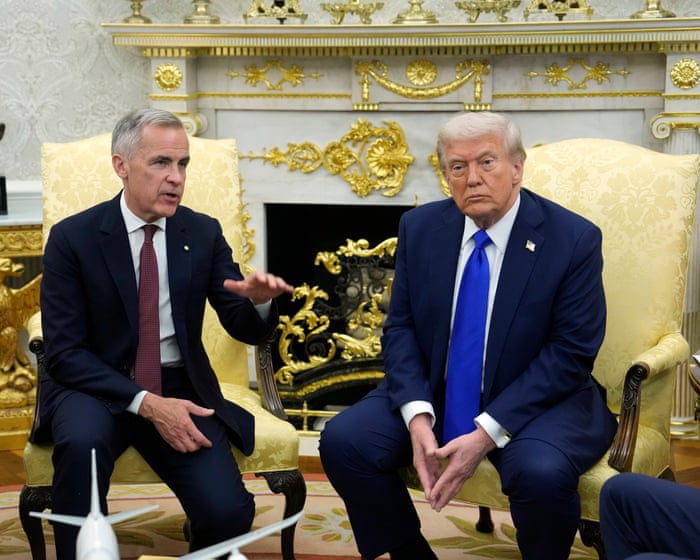
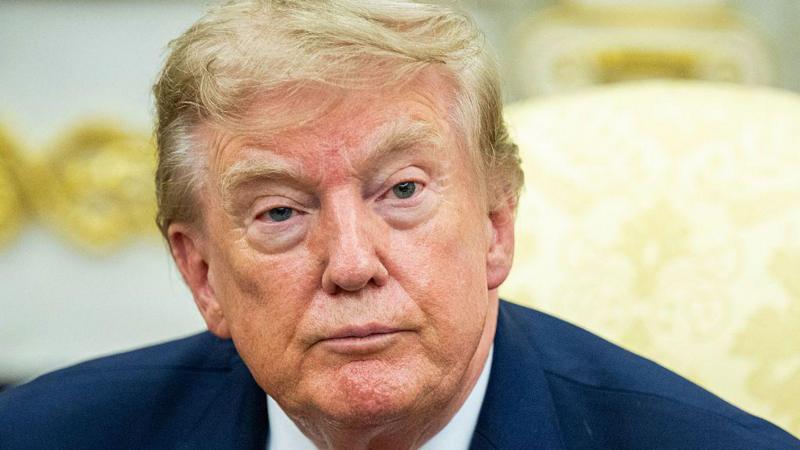
President Donald Trump announced a three-day pause on planned 50 percent tariffs on Canadian imports, citing a tentative agreement between the U.S. and Canada that still needs final paperwork. He also mentioned the possibility of restarting the Keystone XL Pipeline, a project canceled in 2021 but seen as a potential way to boost energy and jobs.
Key Facts
The U.S. planned to impose 50 percent tariffs on about $20 billion of Canadian goods starting Wednesday.
President Trump paused these tariffs for three days due to ongoing talks with Canada.
Canadian Prime Minister Mark Carney confirmed progress but said negotiations are not finalized.
Trump suggested the Keystone XL Pipeline, canceled in 2021, might be restarted.
The Keystone XL Pipeline was meant to carry 830,000 barrels of oil daily from Alberta, Canada, to Nebraska, connecting to refineries in the U.S. Gulf Coast.
The pipeline was controversial due to environmental concerns and Indigenous rights issues.
Keystone XL needed a U.S. presidential permit because it crossed the border; President Biden revoked this permit in 2021.
The U.S. Trade Representative said the deal will protect American market access, economic security, and digital trade with Canada.
Read the Original
Want the full story? Tap a source to open the original
article.
Asian stock markets fell, led by South Korea’s Kospi, which dropped 5.2%. Oil prices rose due to uncertainty over a possible agreement between the U.S. and Iran about oil tanker movements in the Persian Gulf, which affected investor confidence.
Key Facts
South Korea’s Kospi index fell 5.2% to 6,515.97.
Samsung Electronics lost 6.9%, and SK Hynix dropped 7.9%.
Other Asian markets also declined: Tokyo’s Nikkei 225 down 2.6%, Hong Kong’s Hang Seng down 0.4%, Shanghai Composite down 1.5%, Taiwan’s Taiex down 1.4%, and Australia’s S&P/ASX 200 down 0.4%.
Rising oil prices caused worry among investors; Brent crude rose 0.9% to $91.83 per barrel and U.S. crude rose 1% to $84.88.
Oil price swings are linked to doubts about a U.S.-Iran deal allowing oil tankers freedom in the Persian Gulf.
U.S. stock indexes also fell: S&P 500 down 0.7%, Dow Jones down 0.2%, Nasdaq down 1.3%.
AI-related tech stocks, including Micron, Nvidia, and Broadcom, led the market losses after price rises earlier in the year.
U.S. Treasury bond yields remain high due to inflation concerns linked to rising oil prices, with the 10-year yield near 4.7%, above pre-war levels.
Read the Original
Want the full story? Tap a source to open the original
article.
The United States temporarily paused a planned 50% tariff on Canadian goods after reaching an agreement with Canadian officials just before it was to take effect. President Donald Trump also suggested the possibility of restarting the Keystone XL oil pipeline project, which had been stopped in 2021.
Key Facts
The 50% tariff was set to affect $20 billion worth of Canadian exports, including wine and hockey sticks.
President Trump announced a three-day pause on these tariffs, pending final document agreements between the US and Canada.
Trump mentioned that the Keystone XL pipeline project might be restarted but gave no specific details.
Keystone XL was canceled in 2021 after President Biden revoked a key permit; it faced opposition from landowners, Native American tribes, and environmentalists.
US and Canadian relations have been tense, with previous tariffs and trade disputes over immigration, drug trafficking, and product discrimination.
Trade between the US and Canada in 2024 was about $909 billion, showing how important their economic relationship is.
Some goods that were previously protected under the USMCA trade deal are now subject to the new tariffs.
Canadian officials described recent negotiations with the US as "intense and delicate," emphasizing the need for privacy in talks.
Read the Original
Want the full story? Tap a source to open the original
article.
President Donald Trump announced a three-day delay in new 50% tariffs on Canadian goods while the US and Canada finalize a trade deal. The deal may also allow the revival of the Keystone XL oil pipeline, which was previously blocked by past US administrations.
Key Facts
President Trump paused new 50% tariffs on nearly $20 billion of Canadian imports for three days.
The US and Canada are close to finalizing a trade agreement after intense talks since July.
The new tariffs were set to apply to Canadian products like wine, dairy, cement, clothing, and hockey equipment.
Existing US tariffs on Canadian steel, aluminum, autos, and lumber remain in place.
A possible part of the deal is reducing US auto tariffs from 25% to 15%, with disputes over vehicle eligibility.
The trade deal might allow restarting the Keystone XL pipeline connecting Canadian oil to the US.
Canadian provinces control alcohol sales, and some banned US liquor in response to prior US tariffs.
Business groups warn that higher tariffs would harm both US and Canadian economies and jobs.
Read the Original
Want the full story? Tap a source to open the original
article.
The United States and Canada have made an agreement to avoid high tariffs on Canadian goods, US President Donald Trump announced. This deal stopped a 50% tax on many Canadian products that was about to start at midnight.
Key Facts
The US and Canada reached a trade deal to prevent steep tariffs.
President Trump announced the agreement shortly before the deadline.
The tariffs would have been 50% on many Canadian exports, like electronics, machinery, furniture, and dairy.
The tariff was set to begin at midnight but was paused for three days because of the deal.
The deal is still subject to final paperwork being completed.
President Trump mentioned the Keystone XL Pipeline, saying it might be revived.
The announcement was made on Trump's social media platform, Truth Social.
Read the Original
Want the full story? Tap a source to open the original
article.
About half of Venezuela’s oil production, over 500,000 barrels per day, is now being sent to the United States. The US and Venezuela are working together to increase oil production and exports, benefiting refineries on the US Gulf Coast that process Venezuela’s heavy crude oil.
Key Facts
Venezuela produces around 1.25 million barrels of oil per day.
More than 500,000 barrels per day are exported to the United States.
US refineries on the Gulf Coast are designed to process Venezuela’s heavy, sour crude oil.
The US is supporting Venezuela by sending over 100,000 barrels per day of naphtha, a lighter oil used to blend with heavy crude.
Venezuela aims to increase crude oil output to about 1.245 million barrels per day by August.
Venezuela’s oil exports have risen nearly 20% this year, while fuel production for domestic use increased by about 5%.
President Donald Trump stated that Washington would control Venezuelan oil revenues to benefit both countries.
The US has reportedly collected billions of dollars from Venezuelan oil sales, but details about the use of this money remain unclear.
Read the Original
Want the full story? Tap a source to open the original
article.
Unitree Robotics, the world's largest maker of humanoid robots, began trading on the Shanghai stock market with its shares rising over 600%. The company, founded in 2016 in eastern China, produces various robots and plays an important role in China's efforts to become a global leader in advanced technology.
Key Facts
Unitree’s shares opened at 1,100 yuan, much higher than the initial offer price of 150.8 yuan.
The company is listed on the Star Market, a tech-focused stock exchange in China.
Unitree makes humanoid robots, robotic arms, sensors, and four-legged robots.
Its robots are priced lower than competitors’, such as Boston Dynamics, making them more affordable.
The G1 humanoid robot model costs about $13,500 and has been on sale since 2024.
China is investing heavily in robotics to boost its industry and address worker shortages due to an aging population.
Unitree's robots have been featured in public events like China's Spring Festival Gala and the 2026 World Humanoid Robot Games.
The US and China are competing to lead the global robotics and AI markets.
Read the Original
Want the full story? Tap a source to open the original
article.