Fact-first summaries of the news — stay informed, stay grounded.
Your favorite news sources, one calm feed — fact-first summaries that always link to the
original story. No outrage bait, and we tell you when you're caught up. How it works
Technology News
Breaking news and analysis from the world of technology
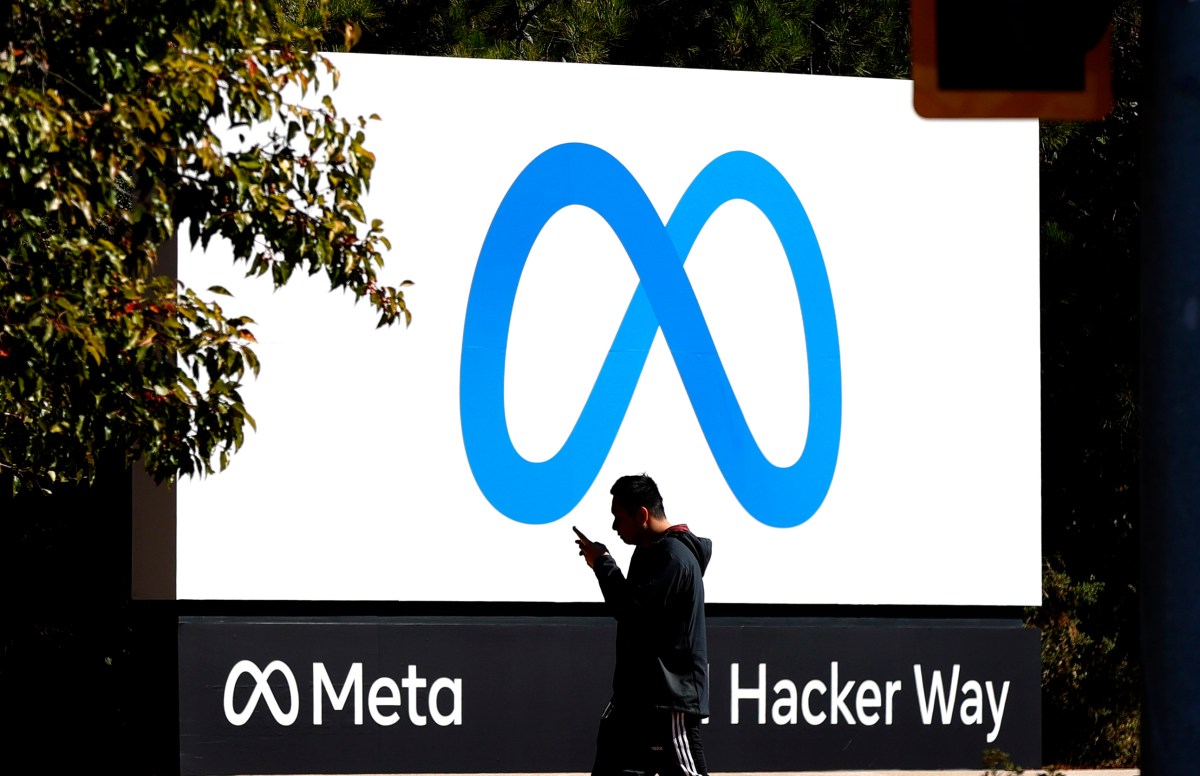
Meta removed its new AI tool for Instagram called Muse Image AI after users quickly criticized it over privacy concerns. The tool was designed to help people create AI-generated photos for their social media profiles but was pulled only a few days after it was introduced.
Key Facts
Meta is the company that owns Facebook and Instagram.
The Muse Image AI is an artificial intelligence tool meant to create images.
Meta launched this AI feature on Instagram recently.
People reacted negatively because they worried about privacy.
Due to the backlash, Meta took the AI tool down within days.
The tool was promoted as a "creative partner" for users.
Privacy issues can include worries about data use or sharing without permission.
Read the Original
Want the full story? Tap a source to open the original
article.
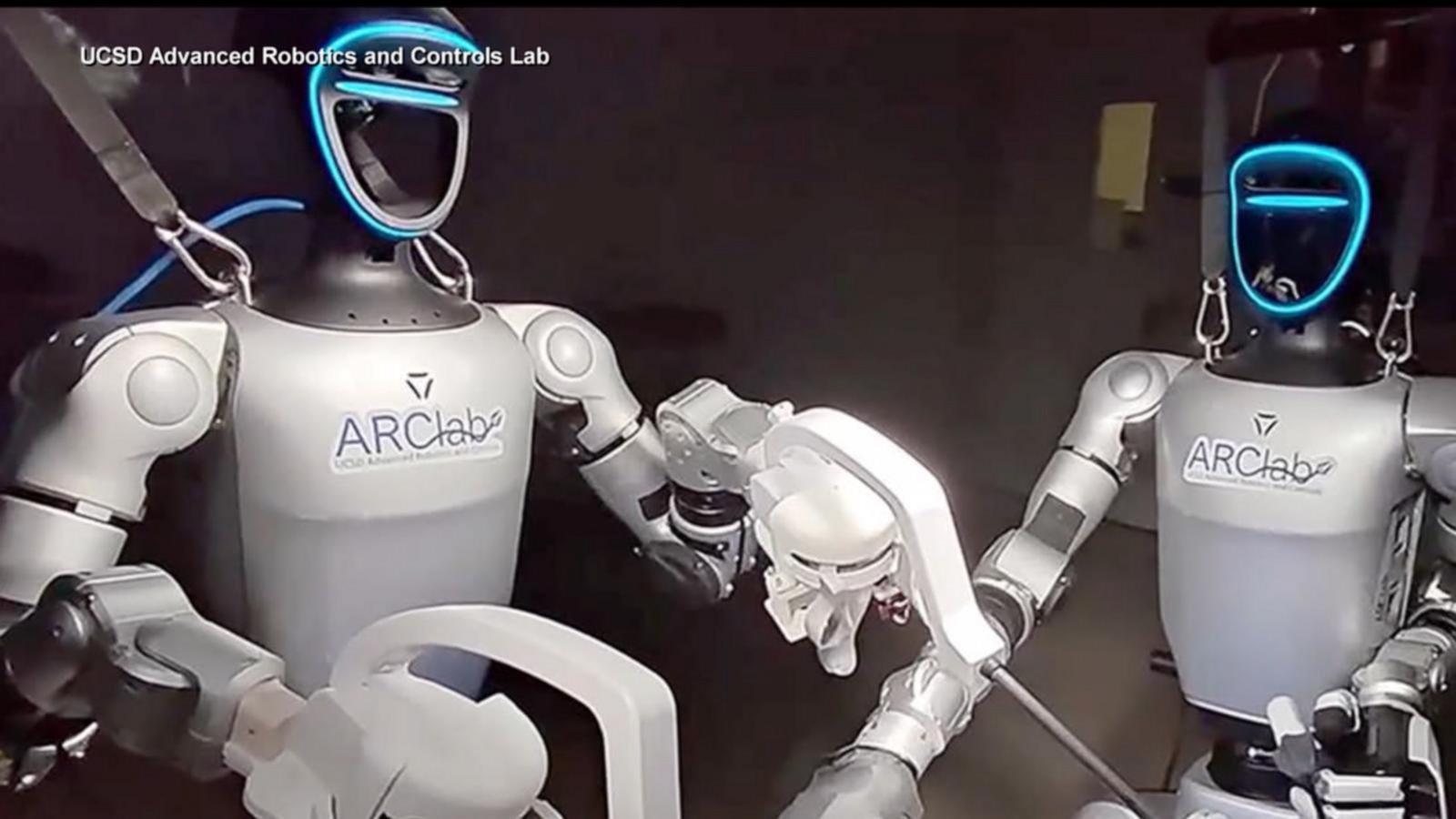
Surgeons are now using a humanoid robot called "Surgie" to assist during real operations. This technology could improve hospital surgeries in the future by providing precise support guided by human doctors.
Key Facts
"Surgie" is a robot designed to help surgeons during operations.
The robot is controlled and guided by human surgeons.
It has been used in actual surgeries, not just tests.
This technology aims to improve precision and outcomes in hospitals.
ABC News provided an inside look at this robot technology.
The development could change how surgeries are done in the future.
Humanoid robots resemble human form to better assist in tasks.
The story highlights advances in medical technology and robotics.
Read the Original
Want the full story? Tap a source to open the original
article.
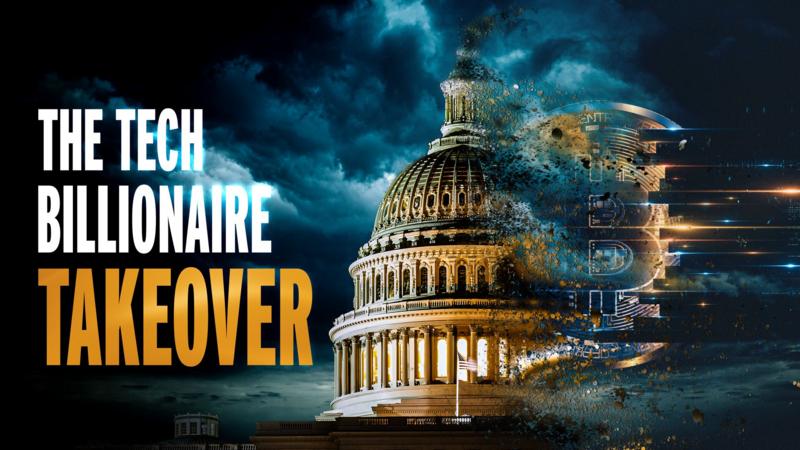
The article describes how a new group of extremely wealthy tech leaders are creating their own systems of power, changing traditional democracy and influencing the global financial system. It gives an inside look into their world and how their influence is expanding.
Key Facts
A group of tech billionaires is building their own kinds of countries or systems.
These tech leaders are changing how democracy works as people usually know it.
They are targeting or impacting the global financial system.
The article is based on a feature by Matt Shea that explores these developments.
This story is part of a program called "The Tech Billionaire Takeover," lasting about one hour.
The program first aired on July 12, 2026, and will be available for 11 months.
The topic relates to technology, money, and power in the modern world.
The article is hosted on a platform that offers various other science and technology content.
Read the Original
Want the full story? Tap a source to open the original
article.
Australian artists and writers are concerned about plans to change copyright laws to favor artificial intelligence (AI) companies. The government is divided on whether to allow AI firms to use copyrighted material without permission to train their technology, with some ministers supporting tech investment and others defending creators' rights.
Key Facts
Australian writers and artists want copyright laws to protect their work from being used by AI companies without permission.
The government previously said it would not allow a legal exemption for AI companies to use copyrighted content for training.
Tech companies like Atlassian want an exemption to attract more investment in AI.
Some government ministers support encouraging AI business, while others want strong protections for creative workers.
The Prime Minister said the government aims to ensure creators are paid and have control over their work.
The idea to allow "text and data mining" for AI training caused outrage among artists and was rejected by the attorney general.
The government is planning a major speech about AI but will not announce detailed copyright changes yet.
The situation reveals internal disagreements within the Labor government on how to handle AI and copyright laws.
Read the Original
Want the full story? Tap a source to open the original
article.
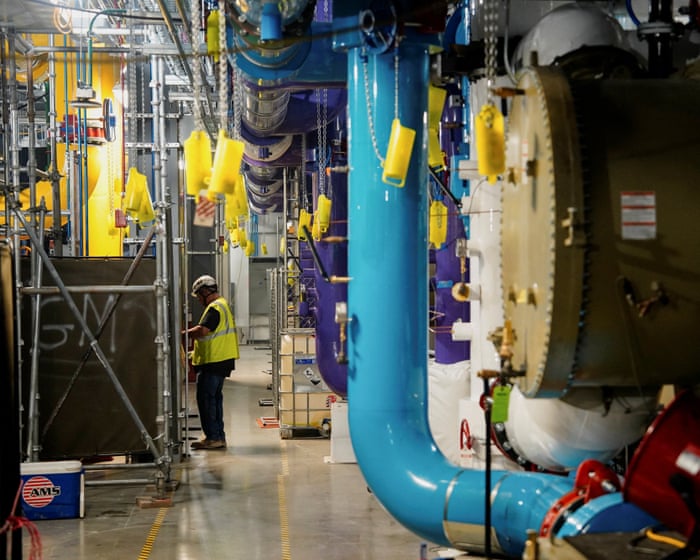
Major technology companies are investing large amounts of money to build artificial intelligence (AI) data centers in the United States. While these projects create some short-term jobs for manual workers, they use a lot of local resources and may eventually reduce jobs by using automation.
Key Facts
Big Tech firms are building AI data centers nationwide.
These centers require a lot of resources from local communities.
The construction phase creates temporary jobs for blue-collar workers.
Over time, automation could replace some human jobs.
The main financial benefits mainly go to a few top tech executives.
AI development is a growing focus within the technology industry.
Read the Original
Want the full story? Tap a source to open the original
article.
Meta stopped a new AI image feature called Muse Image just days after it launched because many users and industry groups raised concerns. The tool used photos from public Instagram accounts to create images, but people had to manually opt out if they didn’t want their photos used, which caused privacy and copyright worries.
Key Facts
Muse Image was an AI tool by Meta that created images using photos from public Instagram accounts.
The feature was part of Meta’s AI chatbot and launched on a Tuesday but was shut down by Friday.
Users over 18 had to manually opt out to prevent their photos from being used; minors and private accounts were opted out automatically.
Entertainment agencies and unions, like CAA and SAG-AFTRA, criticized the opt-out system for risking unauthorized use of people’s images.
Celebrities and content creators raised awareness on social media, helping the backlash spread quickly.
Meta said the feature "missed the mark" and removed it in response to the criticism.
The controversy highlights growing concerns over AI tools, user consent, data privacy, and the impact of AI technologies.
This event may affect how Meta handles AI and user data in future products.
Read the Original
Want the full story? Tap a source to open the original
article.
Astronomers used the James Webb Space Telescope to study a rare Jupiter-sized planet, WD 1856 b, that orbits a white dwarf star. This planet survived the transformation of its star into a white dwarf and has unusual features such as a close orbit and an atmosphere with methane and aerosol hazes.
Key Facts
WD 1856 b is a gas giant planet similar in size to Jupiter.
It orbits a white dwarf, which is the small, dense core left after a Sun-like star dies.
The planet did not move outward as expected when the star became a white dwarf but instead orbits very close.
Astronomers used new methods to analyze data from the planet’s transit, where it passes in front of the star.
The planet’s atmosphere contains methane and is covered in hazes.
WD 1856 b emits 25 times more energy than it receives from its star.
The James Webb Space Telescope observed the planet during an eight-minute transit in April 2023.
The discovery challenges current ideas about how planetary systems change when stars die.
Read the Original
Want the full story? Tap a source to open the original
article.
The rise of artificial intelligence (AI) is causing a big increase in demand for electricity, leading to more natural gas power plants being built. At the same time, some states and groups want data centers—large facilities that store and process data—to use more renewable energy like wind and solar to avoid hurting climate goals.
Key Facts
AI uses a huge amount of electricity, sometimes more than a mid-size city.
Because renewable energy sources like wind and solar grow slowly, natural gas plants are being built quickly to meet energy demand.
Some states have passed laws requiring data centers to get most or all of their power from clean energy by 2040.
New York may require data centers to meet renewable energy goals starting in 2030 and reach 90% clean energy by 2040.
Michigan, Oregon, and Minnesota have laws to keep utilities supplying emissions-free energy to data centers.
Companies like Google are investing money to expand access to zero-emission energy for data centers.
Lawmakers worry that without these rules, the energy needs of AI will increase greenhouse gas emissions and hurt climate targets.
More than a half-dozen states are considering bills to regulate the energy use of large data centers to support cleaner energy sources.
Read the Original
Want the full story? Tap a source to open the original
article.
Microsoft, Amazon, and Google’s carbon emissions have risen by nearly 20% in one year, mainly because they are building more datacentres to support artificial intelligence (AI) services. Together, they now produce about one-third of the carbon emissions of France. Despite these increases, the companies still aim to reach net zero emissions by 2030 or 2040.
Key Facts
In the financial year ending March 2026, Microsoft, Amazon, and Google emitted 119 million metric tonnes of carbon dioxide equivalent (mTCO₂e).
This emission level is about one-third of the total emissions of France.
The increase is mostly due to the rapid expansion of datacentres to meet the rising demand for cloud and AI services.
Microsoft’s emissions rose 25% to 20 million mTCO₂e, driven by datacentre growth.
Google’s emissions rose 18% due to increased supply chain activities supporting business growth.
Amazon’s emissions increased 16%, with a 20% rise in supply chain emissions related to datacentre construction.
The three companies plan to achieve net zero emissions by 2030 (Microsoft and Google) and 2040 (Amazon).
AI datacentre investments worldwide are expected to total $765 billion this year.
Read the Original
Want the full story? Tap a source to open the original
article.
A company named Particle6 created an AI actor called Tilly Norwood, a digital character designed to look like a young woman. They are making a movie called Misaligned, featuring Tilly as the main character exploring human emotions with the help of traditional film professionals and AI experts.
Key Facts
Tilly Norwood is an AI-generated character, not a real person.
Particle6 developed Tilly to appeal to the 18-to-49-year-old audience group.
The movie Misaligned is about Tilly experiencing human feelings like desire and ambition.
Traditional filmmakers and AI specialists are working together on the film.
Tilly Norwood has previously appeared mainly in social media clips and press releases.
The story of the movie is compared to a modern take on the biblical story of Adam and Eve.
The character exists in a digital universe called the "Tillyverse."
The film aims to mix human creativity with artificial intelligence in entertainment.
Read the Original
Want the full story? Tap a source to open the original
article.
This article discusses how artificial intelligence (AI) might change different jobs and which careers are less likely to be replaced by AI in the future. It highlights that jobs involving human judgment, care, and creativity, such as doctors, nurses, teachers, and childminders, are safer from automation, while routine or administrative roles face more risk.
Key Facts
AI could automate routine healthcare jobs like medical secretaries and pharmacy support, but not clinical roles like doctors and pharmacists who make treatment decisions.
Plastic surgery is unlikely to be replaced by AI due to its personalized nature, while radiology may change significantly because AI can interpret scans accurately.
Teachers and childcare workers are likely to keep their jobs since people value human relationships for learning and child care.
Childminding offers flexible work and good pay, with growing demand as AI cannot replace human care.
Paralegals and junior lawyers may face job changes because AI can handle routine tasks like document review and drafting.
Experts advise future professionals to learn how to use AI effectively and understand its limits.
AI is expected to support professions rather than fully replace jobs that require human judgment and interaction.
Read the Original
Want the full story? Tap a source to open the original
article.
Meta removed its new AI feature called ‘Muse Image’ from Instagram after many people raised concerns about privacy and consent. The feature let users create AI-generated pictures of people by tagging public Instagram accounts, but the company admitted it made a mistake.
Key Facts
Meta introduced an AI tool called ‘Muse Image’ on Instagram.
The tool allowed users to generate AI pictures of people by tagging their public accounts.
Many users and privacy advocates opposed the feature due to concerns about personal data and consent.
The backlash was quick and happened worldwide.
Meta acknowledged the negative response and said it had “missed the mark.”
As a result, Meta decided to remove the ‘Muse Image’ feature.
The decision shows Meta’s sensitivity to user privacy and public opinion on AI technology.
Read the Original
Want the full story? Tap a source to open the original
article.
Meta has stopped a new AI feature that let users create images using public Instagram photos after many people worried about privacy. The company said the tool did not meet users’ expectations and has been removed.
Key Facts
Meta launched the Muse Image AI feature on Instagram, which could generate and edit images using public photos.
The feature was automatically turned on for users, causing privacy concerns.
Actor Hannah Einbinder and the union SAG-AFTRA spoke out against the feature.
SAG-AFTRA said users should have to agree clearly before their images are used by AI.
Meta said the feature “missed the mark” and will no longer be available.
The union supported Meta’s decision to remove the feature.
This situation shows growing demand for clear user control over AI use of online content.
Read the Original
Want the full story? Tap a source to open the original
article.
Japan’s space agency successfully conducted the first test flight of its experimental reusable rocket, called RV-X. The rocket took off, hovered, moved sideways, and landed safely in a flight lasting less than one minute, marking progress toward cheaper space launches.
Key Facts
The rocket is named the Reusable Vehicle eXperiment (RV-X).
The test flight took place at the Noshiro Rocket Testing Center in northern Japan.
The flight included a hover, horizontal movement, and a safe landing.
The launch was livestreamed by a group of space fans called NVS.
Japan aims to develop reusable rocket technology to reduce launch costs.
The RV-X is 1.8 meters wide and 7.3 meters long with durable engines and landing gear.
Japan plans higher altitude tests reaching about 100 meters in the future.
This effort follows similar advances by countries like China and SpaceX in reusable rockets.
Read the Original
Want the full story? Tap a source to open the original
article.
The article presents an overview of a BBC series called "Tech Now," which features episodes exploring various innovative technologies from around the world. Topics include supercomputers, quantum labs, medical advances, AI, environmental tech, space exploration, and more.
Key Facts
"Tech Now" is a BBC series showcasing new and advanced technology in different fields.
Episodes cover topics like quantum computing, preserving historical ships, and prosthetic development.
The series includes stories about tech in sports, climate science, and space exploration.
It highlights AI use in art history and fashion sizing problems.
Environmental and sustainability technologies, such as insect farms and electric boats, are featured.
Medical advances like 3D imaging for heart surgery and cancer detection are discussed.
The program explores global innovation hubs and events like MWC Barcelona and CES 2026.
Each episode runs about 24 to 25 minutes and is available on the BBC website.
Read the Original
Want the full story? Tap a source to open the original
article.
China has successfully returned a reusable rocket booster, which is an important step in space technology. This breakthrough means the rocket parts can be used again for future missions instead of being thrown away.
Key Facts
China achieved the recovery of its first reusable rocket booster.
Reusable rocket boosters can be flown multiple times, lowering the cost of space missions.
This success marks a major advancement in China’s space program.
The achievement puts China alongside a few countries with this technology.
Reusable rockets help make space travel more sustainable and efficient.
The event occurred on July 10, 2026.
Read the Original
Want the full story? Tap a source to open the original
article.
Meta, the company that owns Instagram and Facebook, has appealed a court decision that found it responsible for making young users addicted to social media. The case involved a woman who said she became addicted as a child and suffered mental health problems because of it. Meta and Google (YouTube) plan to continue fighting the verdict in court.
Key Facts
A Los Angeles jury ruled that Meta and Google-owned YouTube caused harm by designing features that hooked young users.
The jury awarded $3 million in damages plus $3 million in punitive damages to a woman who became addicted to social media as a child.
Meta filed an appeal against the verdict, starting a legal process that could take a long time.
YouTube also plans to appeal the decision, calling the appeal motion a normal step.
Meta and Google had asked the judge to cancel the jury’s verdict or order a new trial, but the judge denied those requests.
The case focused on platform features like infinite scroll and autoplay, arguing they encourage addiction.
Similar legal challenges are happening, including a $375 million penalty against Meta by a New Mexico jury.
Other social media companies, TikTok’s parent and Snap Inc., settled separately before the trial.
Read the Original
Want the full story? Tap a source to open the original
article.
Meta removed a new AI feature that let users create fake images using content from public Instagram accounts. The company said the feature did not meet expectations and it will no longer be available after users criticized it.
Key Facts
Meta introduced an AI image tool called Muse Image as part of Meta AI.
The feature allowed users to tag public Instagram accounts to generate or change images using their content.
Many people reacted negatively to the feature soon after it launched.
Meta admitted the tool "missed the mark" and decided to take it down.
Meta said the goal was to offer a creative tool and let people control how their public content was used.
The AI feature was only on Instagram, but Meta planned to add similar tools to WhatsApp, Facebook, and Messenger.
Meta is also working on a separate AI video tool.
Read the Original
Want the full story? Tap a source to open the original
article.
Ubisoft has released a remake of the popular 2013 game Assassin's Creed Black Flag, called Black Flag Resynced, updating its graphics and gameplay for modern players. The game features a bright, colorful Caribbean setting and removes some less popular parts of the original, offering more time with fan-favorite characters.
Key Facts
Assassin's Creed Black Flag was originally released 13 years ago and is one of the most successful pirate-themed games.
The remake uses modern graphics technology to brighten the game's look, especially the Caribbean landscape and underwater scenes.
The modern-day story parts from the original, set in an office, were removed in the remake.
Fans appreciate the chance to revisit the game world and characters like Edward Kenway, Anne Bonny, and Stede Bonnet with improved visuals.
Ubisoft released the remake during a tough year, having closed studios and cancelled or delayed other games.
Remaking classic games is common in the industry because new games take longer and remakes are often very profitable.
Gaming experts describe the remake trend as driven by financial needs and filling gaps in companies’ release schedules.
Read the Original
Want the full story? Tap a source to open the original
article.
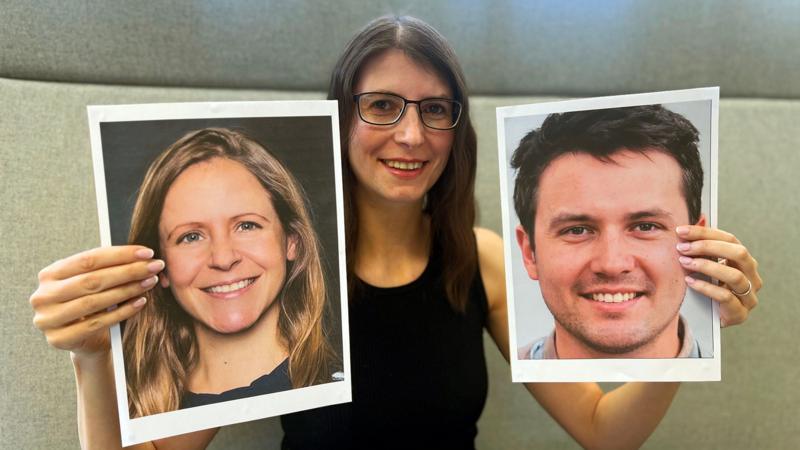
Researchers from the University of Aberdeen and Australian National University have studied whether people can be trained to identify AI-generated fake human faces, known as deepfakes. They found that, by learning to notice subtle features in faces, people can improve their ability to tell real images from AI fakes within a short training period.
Key Facts
AI can now create very realistic fake human faces called deepfakes.
Early AI mistakes, like extra fingers, helped detection but are now rare.
Researchers trained people to look for six clues: symmetry, proportionality, attractiveness, distinctiveness, expressiveness, and memorability.
AI often produces faces that are too perfect, more attractive, more generic, less emotional, and less memorable.
AI struggles more with creating realistic non-white, older, or younger faces.
Training involved showing participants mixed real and AI faces and explaining which were which.
Participants improved from about 40% correct guesses to significantly higher accuracy after training.
The study used images generated by StyleGAN3, a leading AI face generator.
Read the Original
Want the full story? Tap a source to open the original
article.