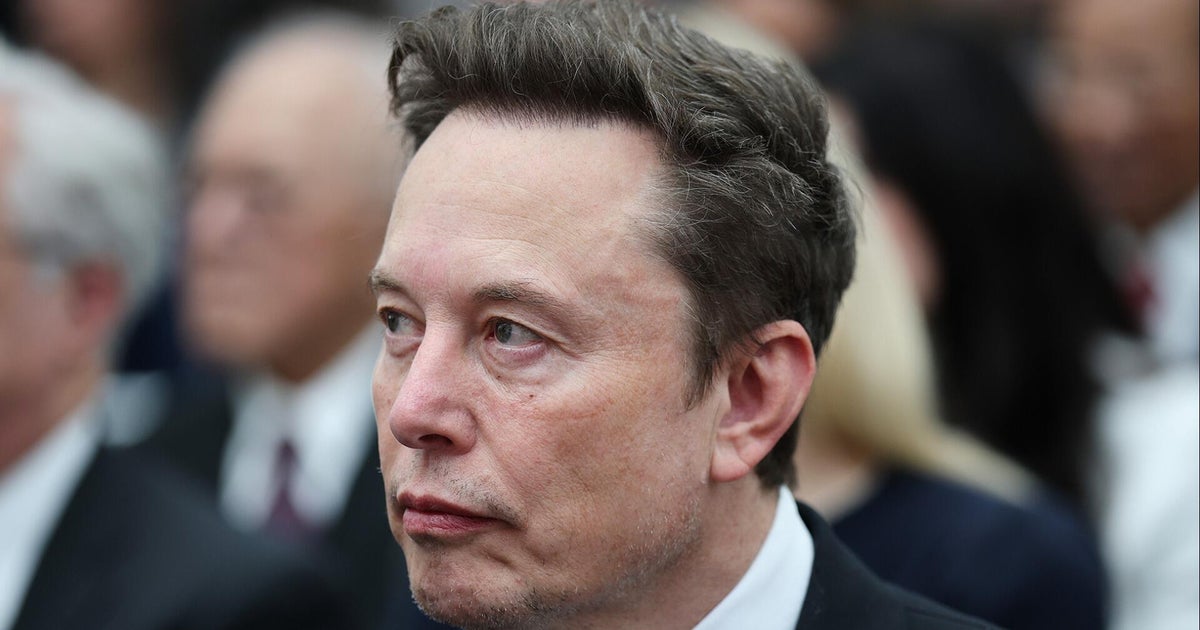
Elon Musk announced on social media that he plans to give one share of his company SpaceX to every child in the United States. This pledge aims to distribute ownership in SpaceX widely among American children.
Key Facts
Elon Musk made the pledge on a social media post.
He plans to give one share of SpaceX to each U.S. child.
SpaceX is a private space exploration company founded by Musk.
The offer would create many new young shareholders in SpaceX.
This move could increase public interest and involvement in space technology.
Details on how and when the shares will be distributed were not given.
The pledge was reported by CBS News journalist Jo Ling Kent.
Read the Original
Want the full story? Tap a source to open the original
article.
ReactOS, an open-source operating system similar to Windows, can now be installed directly on NTFS drives, the same type of drive used by most Windows systems. This improvement helps ReactOS move closer to a beta version but still has some performance and security limitations.
Key Facts
ReactOS can now be installed on NTFS partitions, a common Windows file system.
Previously, ReactOS required a FAT32 partition for installation.
NTFS has been the standard Windows file system since Windows XP in 2001.
ReactOS aims to be compatible with Windows Server 2003.
The new NTFS driver in ReactOS lacks caching, journaling, and security features, which may affect performance and safety.
Read-only NTFS support has existed in ReactOS since 2016; boot support was added in 2022.
ReactOS development is mostly volunteer-driven and open to contributors through public platforms like GitHub.
The project has been in alpha for a long time due to the complexity of recreating Windows from scratch.
Read the Original
Want the full story? Tap a source to open the original
article.
A former OpenAI engineer named Abdulrahman Alfozan is accused of secretly installing a recording device in an OpenAI conference room to capture sensitive meetings. U.S. prosecutors say he had strong connections to Saudi officials and that Saudi Arabia supported him after his arrest.
Key Facts
Abdulrahman Alfozan, 35, is charged with using a hidden device to record confidential discussions at OpenAI’s San Francisco office.
The device was plugged into a television in a conference room where government officials and executives met.
Prosecutors say Alfozan was in contact with a member of the Saudi royal family and a Saudi military official helped his family return to Saudi Arabia after his arrest.
Alfozan has lived in the U.S. for 15 years and is a lawful permanent resident applying for citizenship.
Messages show a Saudi royal urged Alfozan to work in Saudi Arabia on AI projects.
He was planning to travel to Saudi Arabia before the investigation became public, citing family and immigration reasons.
The investigation is ongoing, and more charges may be added.
The case highlights security concerns about protecting sensitive information in AI research.
Read the Original
Want the full story? Tap a source to open the original
article.
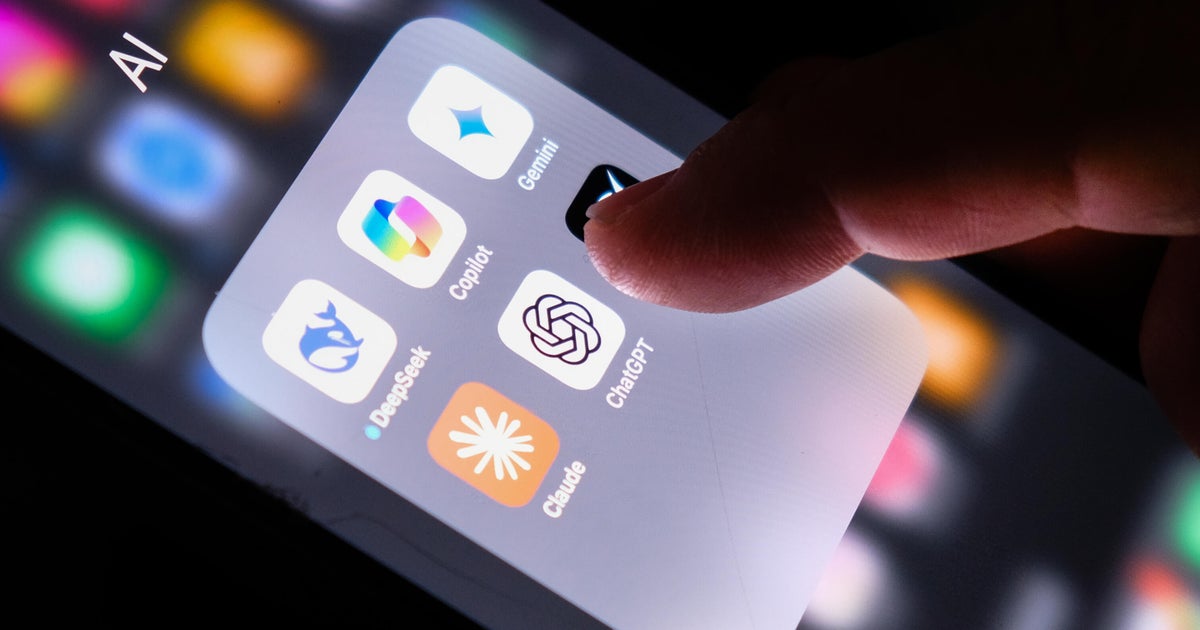
The U.S. Department of Homeland Security has banned the use of AI technology from the Chinese company DeepSeek across most civilian government agencies. This move reflects ongoing concerns about Chinese AI technology amid competition and security worries in the AI field.
Key Facts
The ban affects civilian U.S. government agencies like the Treasury, State, and Justice Departments but not the Department of Defense.
DeepSeek is a Chinese company that offers open-source AI models that are free to access and cheaper than U.S. rivals’ products.
The ban took effect at the end of July and was made public by DHS on a Monday.
The White House has criticized Chinese AI firms for security risks and potential misuse of U.S. AI technology.
DeepSeek’s AI models have become very popular since their release in 2025, causing occasional server crashes due to high demand.
U.S. companies like Snowflake, Vercel, and OpenRouter use DeepSeek’s technology in their services.
Training DeepSeek’s AI model cost about $6 million, compared to $100 million for OpenAI’s GPT-4, highlighting large cost differences.
President Donald Trump has described China as the main U.S. rival in AI technology development.
Read the Original
Want the full story? Tap a source to open the original
article.
AI tools are making it easier for people to copy video games, which is making independent game makers worried about sharing their work early. Some developers are now limiting who can see their game demos to prevent AI or others from cloning their ideas before the official launch.
Key Facts
Video game cloning has existed for a long time, but AI tools now speed up copying games.
Developer Alliance Arts delayed the public demo of their game due to fears of AI cloning.
The demo will only be shown in private sessions with rules to limit copying and streaming.
Well-known indie developer Lucas Pope also avoids talking about his projects due to similar concerns.
In March, a developer’s prototype game was copied by AI-generated versions before the original release.
Developers say this cloning makes them hesitant to share their work, hurting promotion.
Some creators believe having unique, original ideas helps protect against simple AI copies.
A developer who made an AI-powered clone said they saw their work as a new creation, raising questions about originality.
Read the Original
Want the full story? Tap a source to open the original
article.
Meta, the company that owns Instagram, apologized for wrongly suspending the “No Kings” Instagram account. The suspension happened because a large number of fake accounts, called bots, caused unusual activity that made Meta’s system block the account by mistake.
Key Facts
Meta owns Instagram.
The “No Kings” Instagram account was suspended by Meta.
Meta said the suspension happened due to a spike in bot activity.
Bots are fake accounts that can create unusual traffic on social media.
Meta’s engineering team discovered the spike was mostly in how the account was being read, not posting.
Meta apologized for the mistake and said the suspension was incorrect.
Andy Stone is a spokesperson for Meta who made the statement.
Read the Original
Want the full story? Tap a source to open the original
article.
The article discusses concerns about digital platforms like Instagram and how they manage political content during protests. It highlights questions about whether these platforms are being clear and fair when deciding which accounts to suspend.
Key Facts
The issue involves digital platforms controlling political conversations online.
Instagram accounts may be suspended during protests.
There are concerns about fairness and transparency in how these decisions are made.
The topic affects countries like Brazil and the United States.
The article questions if account suspensions are coincidental or intentional.
Transparency means being open about how decisions are made.
Accountability means taking responsibility for actions and rules applied.
Read the Original
Want the full story? Tap a source to open the original
article.
Abdulrahman Alfozan, a Saudi engineer who worked at OpenAI, is accused of secretly placing a recording device in a meeting room at the company. U.S. prosecutors say he had strong support from the Saudi government and that his actions could threaten U.S. national security. He was arrested by the FBI and faces trial.
Key Facts
Alfozan allegedly hid a recording device behind a TV in an OpenAI meeting room in September.
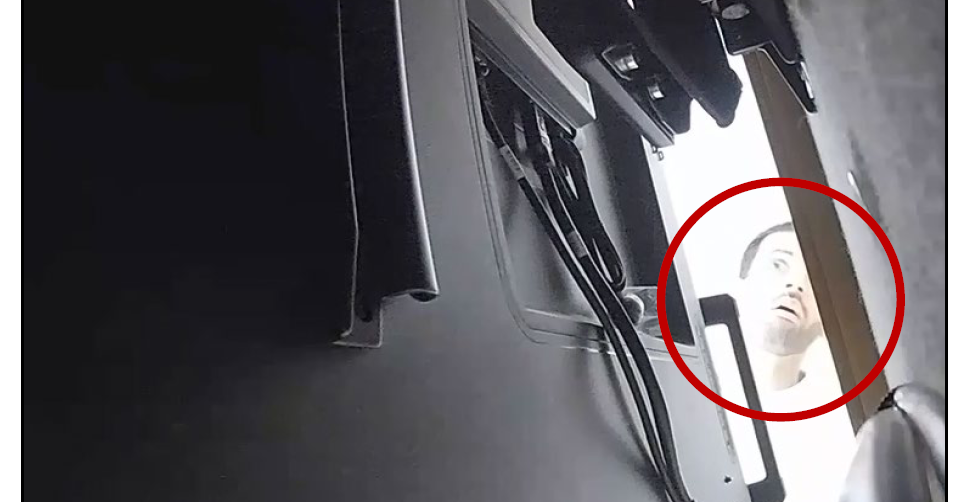
The device was discovered by OpenAI and Alfozan was caught on camera checking it.
He was arrested on October 9 and fired by OpenAI.
Prosecutors say Alfozan was in frequent contact with a Saudi royal family member.
A Saudi military official paid for a one-way flight for Alfozan’s wife and son to leave the U.S. after his arrest.
U.S. officials claim Alfozan might try to flee, so he should stay detained before trial.
If found guilty, he could get up to 5 years in prison and a $250,000 fine.
The case is still under investigation by the FBI.
Read the Original
Want the full story? Tap a source to open the original
article.
Microsoft’s cloud leader, Noelle Walsh, says the energy used by data centers in the U.S. is growing quickly due to AI, and could take up 12% of the national electricity by 2030. While power supply can be managed, Walsh sees a bigger challenge in finding enough skilled workers to build and run these centers.
Key Facts
Data centers now use about 5% of U.S. electricity; this could rise to 12% by 2030 because of AI growth.
New computer chips use less power while doing more work, improving energy efficiency.
Cooling AI chips often uses more electricity and special closed-loop water systems that reduce water use.
Microsoft locates data centers near existing power sources or builds new ones, like in Sweden and Texas.
The biggest challenge is finding enough trained engineers and skilled workers to build and operate data centers.
Microsoft trains local people through data center academies linked with community colleges.
The company works to build centers responsibly, respecting local values and environment, such as planting trees and improving local infrastructure.
Microsoft also contributes to local taxes, which support community services like schools and hospitals.
Read the Original
Want the full story? Tap a source to open the original
article.
A former OpenAI engineer, Abdulrahman Alfozan, is accused of secretly installing a listening device in an OpenAI executive conference room to record confidential meetings. Prosecutors say he was in contact with a Saudi royal and planned to leave the U.S. for Saudi Arabia before he was arrested.
Key Facts
Abdulrahman Alfozan worked for OpenAI and earned $385,000 a year plus a $2.2 million stock grant.
He allegedly installed a hidden audio recorder in an executive conference room at OpenAI.
The device encrypted recorded data and stopped data transfer to avoid detection.
Alfozan used AI tools to help design the recording device and improve its capabilities.
Prosecutors say important, confidential meetings happened in the room where the device was placed.
He communicated often via WhatsApp with a Saudi royal who encouraged him to join a Saudi AI project.
Alfozan was arrested three days before he planned to fly from the U.S. to Riyadh with his family.
His wife and infant son left the U.S. the day after his arrest, on tickets paid for by a Saudi military official.
Read the Original
Want the full story? Tap a source to open the original
article.
The AI company Anthropic said it will give 5 percent of its stock to a public benefit fund. This fund will support Anthropic’s goals as AI raises questions about its effects on society and jobs.
Key Facts
Anthropic is an artificial intelligence (AI) company.
It will set aside 5 percent of its shares for a public benefit fund.
The fund aims to support the company’s mission and public interest causes.
The announcement was made in a blog post on Sunday.
The AI industry is facing concerns about its impact on society and jobs.
Anthropic Benefit Fund is the name of the new fund.
The move shows Anthropic’s response to social and economic questions around AI.
Read the Original
Want the full story? Tap a source to open the original
article.
This article explains a new concern about artificial intelligence (AI) called "gradual disempowerment." It describes a future where AI and robots do almost all work better than humans, which could weaken human skills and decision-making over time.
Key Facts
Many tech companies keep launching new AI digital assistants that help with tasks.
Researchers worry that relying too much on AI could reduce human thinking and creativity.
"Gradual disempowerment" means AI replaces human jobs and control slowly but steadily.
AI is improving fast in thinking tasks like math, coding, writing, and making art.
Robots powered by AI may soon outdo humans in physical jobs like factory work and construction.
The problem could cause society to depend too much on AI, risking loss of human skills.
Experts say this issue is urgent and requires society-wide efforts to manage.
An example is AI robots that could make products faster and cheaper than human workers, replacing many jobs.
Read the Original
Want the full story? Tap a source to open the original
article.
Character.AI, a chatbot platform, filed for bankruptcy as part of a deal allowing Disney to hire most of its employees and potentially acquire its technology. Disney structured the deal to avoid taking on Character.AI’s ongoing legal problems while gaining use of its software and tools through a license.
Key Facts
Character.AI declared bankruptcy to work out a resolution with legal claimants and regulators.
The bankruptcy allowed Disney to hire most of Character.AI’s staff, including its CEO Karandeep Anand.
Disney paid $5.5 million upfront plus a $2 million refundable deposit in September before bankruptcy filings.
After bankruptcy, Disney aims to get a worldwide license to use Character.AI’s software and technology.
The license excludes user data and Character.AI’s website.
Disney may pay another $12.5 million if it wins the auction for the license during bankruptcy court proceedings.
Character.AI remains responsible for its ongoing lawsuits and regulatory investigations.
This deal is an example of a “reverse acquihire,” where a company buys a startup mainly for its employees and technology but leaves the startup’s legal issues behind.
Read the Original
Want the full story? Tap a source to open the original
article.
Liz Baker Plosser, former editor of Women's Health, discussed on CBS Mornings which TikTok health and fitness trends are useful to follow. She gave advice on how to find trustworthy wellness trends on social media.
Key Facts
Liz Baker Plosser runs a popular newsletter called "Best Case Scenario with Liz Plosser."
She appeared on CBS Mornings to talk about TikTok health and fitness trends.
Her advice helps people decide which trends are reliable and worth trying.
TikTok is a social media platform where many health trends start and spread.
Not all wellness trends on TikTok are safe or effective, so expert guidance is helpful.
Baker Plosser’s background is in health publishing, giving her insight into fitness and wellness topics.
The segment aims to help viewers make better choices about health trends they see online.
Read the Original
Want the full story? Tap a source to open the original
article.
The article questions why Elon Musk is not closely examined like other social media influencers, even though he has a much larger impact on culture and politics. It implies that Musk’s control over some Republican figures leads them to support his extreme views.
Key Facts
Elon Musk has significant influence over culture and politics.
Other social media influencers usually face close public scrutiny.
Musk appears to be treated differently and less critically.
Some Republicans support Musk’s more extreme opinions.
The article suggests a connection between Musk’s influence and political support from Republicans.
Read the Original
Want the full story? Tap a source to open the original
article.
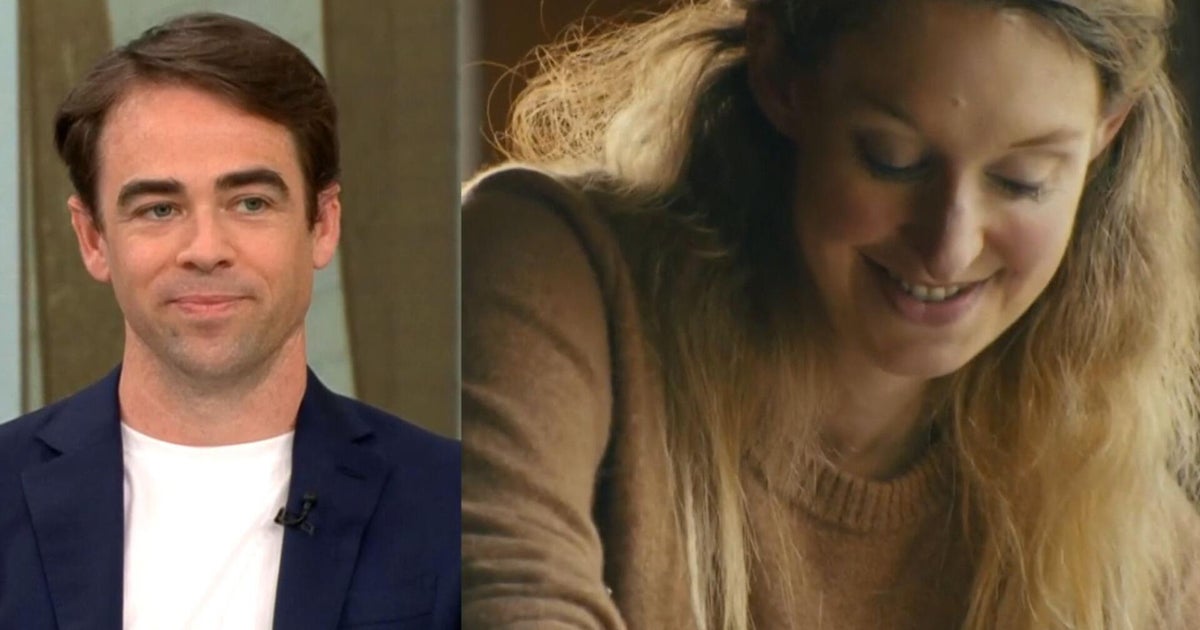
Tyler Shultz, a former employee and whistleblower of the company Theranos, spoke on CBS Mornings about Nathan Fielder’s documentary titled "You Can See Everything," which focuses on Elizabeth Holmes, the founder of Theranos. Shultz shared insights and experiences related to the documentary.
Key Facts
Tyler Shultz worked for Theranos and was the whistleblower who revealed problems in 2015.
Nathan Fielder made a documentary about Elizabeth Holmes called "You Can See Everything."
The documentary received a lot of attention and is described as successful.
Shultz appeared on CBS Mornings to discuss the documentary.
Elizabeth Holmes was the founder and public face of Theranos.
The documentary investigates the Theranos scandal and Holmes’ role in it.
Read the Original
Want the full story? Tap a source to open the original
article.
Technology like online lessons, wearable devices, and video recordings is changing how martial arts are taught and learned. While digital tools can help students learn and review techniques, physical practice with instructors remains critical for developing skills like timing, balance, and judgment.
Key Facts
Hybrid learning combines online and in-person martial arts training.
Wearable technology and video analysis help review movements and posture.
Watching slow-motion videos helps students understand technical mistakes.
Digital tools encourage students to take responsibility for their progress.
Physical practice is necessary to develop skills under real pressure.
Online sessions help maintain training when in-person classes are difficult to attend.
Martial arts training impacts not just physical skills but also emotional control and stress resilience.
Instructors must balance using technology with traditional hands-on teaching methods.
Read the Original
Want the full story? Tap a source to open the original
article.
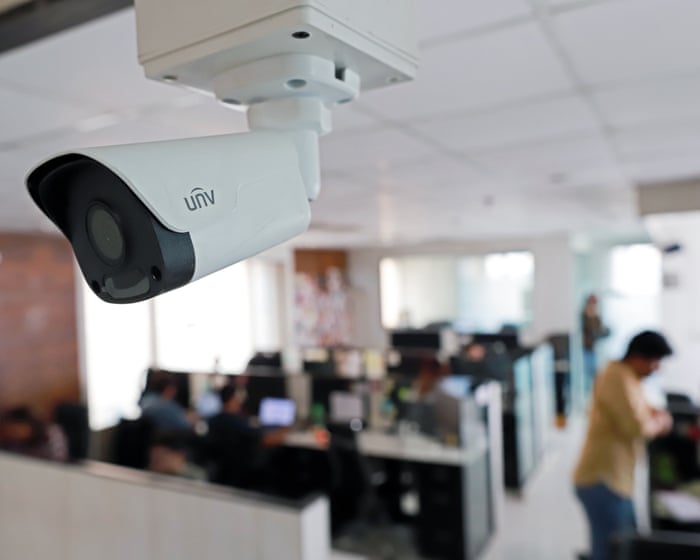
Employers in Australia are using more technology, including AI, to watch and track workers. A report from the Human Technology Institute warns this monitoring is happening across many jobs, often without workers knowing, and calls for stronger workplace privacy laws.
Key Facts
Employers use tools like CCTV cameras, keystroke tracking, and AI to monitor employees’ actions.
Monitoring happens in places like factories, offices, delivery jobs, and retail stores.
One fast-food chain reportedly put cameras in change rooms to stop workers from using phones.
AI systems can track worker mistakes, such as a cashier getting a warning for making one error in 533 scanned items.
Only 9% of workers know their workplace uses monitoring technology, although 43% are aware it happens somewhere.
Current privacy laws have exemptions that allow increased workplace surveillance.
The Human Technology Institute urges the government to add workplace privacy protections and create fair rules for monitoring.
Proposed changes include requiring employers to be open about surveillance and letting workers file privacy complaints to the Fair Work Commission.
Read the Original
Want the full story? Tap a source to open the original
article.
Elon Musk announced that he plans to give one share of his company SpaceX to every child in the United States next year. He said this will be the first of many similar actions but did not provide more details.
Key Facts
Elon Musk made the announcement on Monday.
He said every child in the U.S. will receive one SpaceX share.
The plan is set to happen next year.
Musk posted this information on X, a social media platform he owns.
X is technically part of SpaceX.
Musk did not explain how the shares will be given.
He said this giveaway will be the first in a series of such actions.
Read the Original
Want the full story? Tap a source to open the original
article.
The HBO series "Lanterns" presents a different take on the superhero story by focusing on a serious crime investigation instead of usual superhero action. The story follows two Green Lanterns, Hal Jordan and John Stewart, as they investigate alien-related crimes and face threats from hostile extraterrestrial beings in a small town.
Key Facts
"Lanterns" is a new HBO series based on DC Comics characters Hal Jordan and John Stewart, who are Green Lanterns.
The story involves a 2016 mass shooting in Rushville, Nebraska, linked to alien attackers called Manhunters.
Hal Jordan and John Stewart investigate the shooting and try to find the hidden Manhunter to prevent a town attack.
The second storyline, set in 2026, revolves around the murder of Hal Jordan and a new investigation by John Stewart and Sheriff Kerry Kane.
The series combines superhero action with a realistic, crime drama style similar to shows like "True Detective."
The show explores themes of trust, responsibility, and passing on leadership between older and newer heroes.
Key actors include Kyle Chandler (Hal Jordan), Aaron Pierre (John Stewart), and Kelly Macdonald (Sheriff Kerry Kane).
The show has been praised for its acting and delivering a fresh and serious approach to the superhero genre.
Read the Original
Want the full story? Tap a source to open the original
article.