The UK’s data watchdog, the Information Commissioner's Office (ICO), is investigating a rise in automated "robo calls" asking people to add unknown contacts on WhatsApp. These calls are suspected to be linked to recruitment scams, where criminals might trick people into illegal activities or steal their information.
Key Facts
The ICO received over 3,600 complaints about these robo calls in September, a five-year high.
Many millions of people are likely getting these calls, but only a small number report them.
The calls often come from fake UK mobile numbers that criminals copy, a tactic called "number spoofing."
Recorded messages sometimes offer part-time jobs to lure victims into scams.
Scams may involve criminals asking victims to transfer money illegally or stealing personal info (phishing).
Mobile companies, the ICO, and law enforcement are working together to stop these scam calls.
WhatsApp has features to block unknown calls and bans accounts that send spam or automated messages.
The UK government promised to eliminate number spoofing by November through a new Telecommunications Charter.
Read the Original
Want the full story? Tap a source to open the original
article.
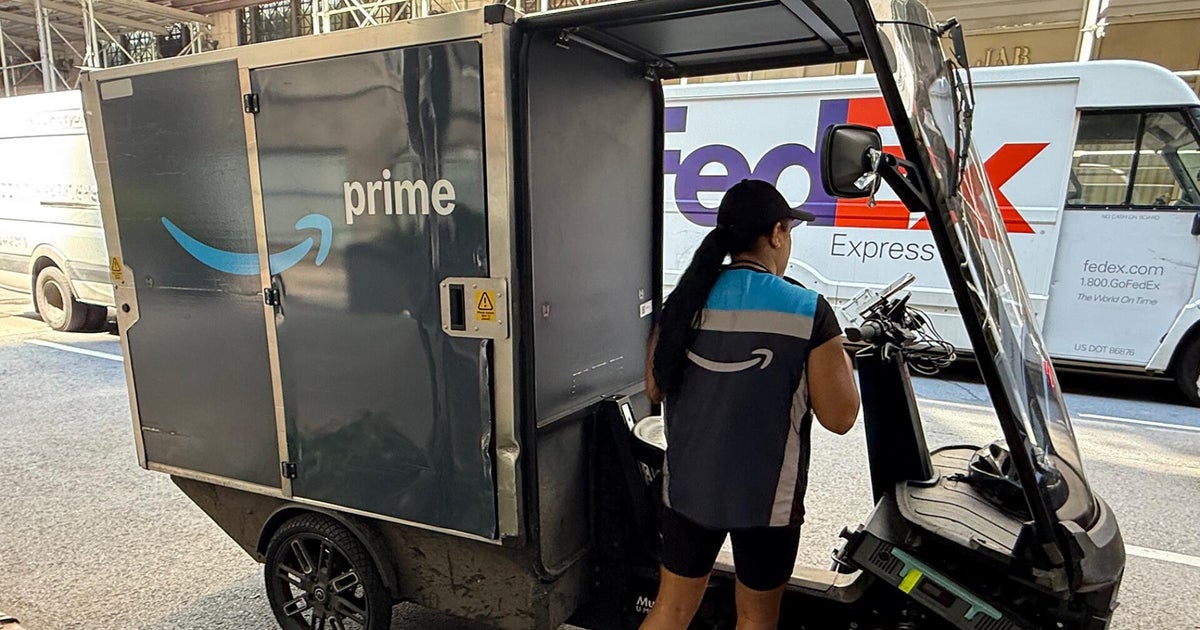
Amazon is expanding a program that lets delivery workers use smart glasses. The glasses help workers see delivery instructions and take photos to prove deliveries without using their hands. Some people have raised concerns about privacy because of this technology.
Key Facts
Amazon is rolling out smart glasses to delivery workers.
The glasses show delivery instructions directly to workers.
Workers can take proof-of-delivery photos using the glasses.
This lets workers keep their hands free while working.
Privacy concerns have been raised about the use of these glasses.
The program is part of Amazon’s effort to improve delivery efficiency.
The technology is designed to make deliveries faster and easier.
Privacy concerns focus on how data from the glasses is used or stored.
Read the Original
Want the full story? Tap a source to open the original
article.
About 12% of Americans are using GLP-1 weight loss medications, which are becoming very popular. There are growing worries about how these drugs are changing how people think about body image.
Key Facts
GLP-1 medications help with weight loss.
Around 12% of Americans currently use these drugs.
The popularity of GLP-1s is increasing rapidly.
There are new concerns about the effects of these drugs on society.
One concern is changes in cultural views on body image.
The story was reported by Stephanie Sy, Mike Fritz, and Sam Lane.
The report is part of a series called "GLP-1s: Reshaping America."
Read the Original
Want the full story? Tap a source to open the original
article.
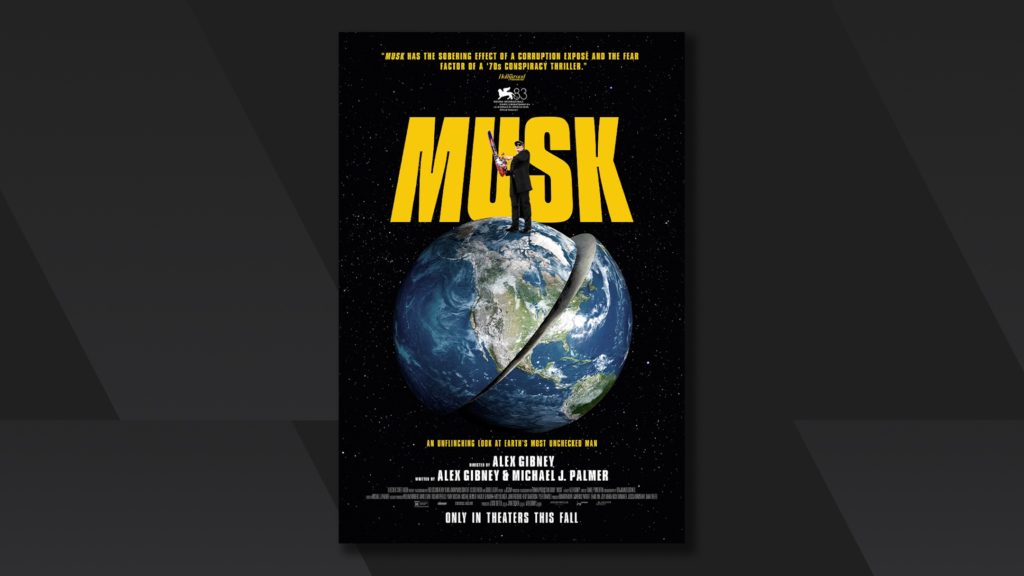
A new documentary tells the story of how Elon Musk became a powerful figure in business and technology. It also shows his connection to right-wing politics and his involvement early in President Donald Trump’s second term.
Key Facts
Elon Musk is a well-known business and technology leader.
He has influence in science and politics as well.
The documentary explains how Musk gained power over time.
It highlights Musk’s support for right-wing political ideas.
Musk had a role during the early part of President Donald Trump’s second administration.
William Brangham is the reporter covering this story.
Read the Original
Want the full story? Tap a source to open the original
article.
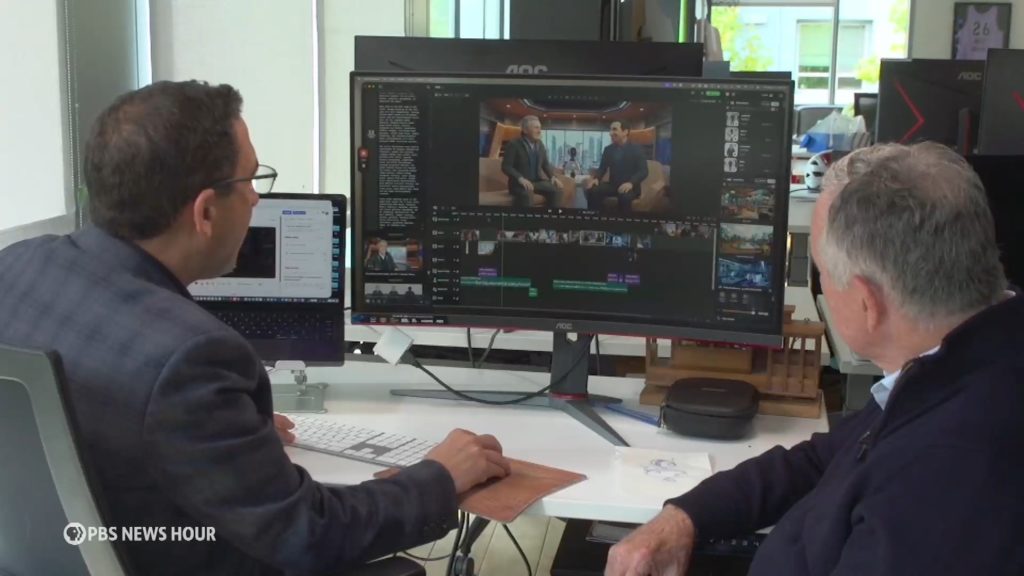
A Silicon Valley startup started by a YouTube co-founder is using artificial intelligence (AI) to create new tools for making videos. This new technology could change how people tell stories through video, but some concerns about its impact remain.
Key Facts
The startup is based in Silicon Valley, known for technology and innovation.
It was founded by one of the creators of YouTube, a major video-sharing site.
The company is using AI to help people produce and provide video content.
AI means computers that can learn and perform tasks like humans.
This new technology aims to change video storytelling, making it easier or different.
There are still concerns about how AI will affect arts and entertainment.
The news is part of a series focusing on arts and culture.
Mike Cerre is the reporter sharing this story.
Read the Original
Want the full story? Tap a source to open the original
article.
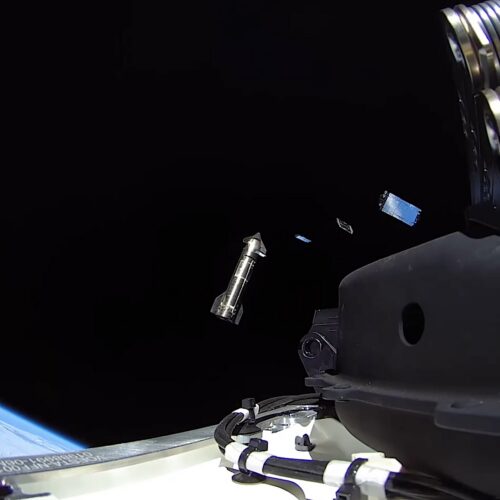
SpaceX’s Michael Nicolls called for better sharing of information about satellite locations and movements to avoid collisions in orbit. He said the growing number of satellites, including SpaceX’s Starlink and others from Amazon and China, increases the risk of accidents that create dangerous space debris.
Key Facts
SpaceX’s Starlink has over 11,000 satellites, about two-thirds of all active satellites in low-Earth orbit.
SpaceX plans to launch up to one million satellites for a new AI-powered network called Starmind.
Other companies like Amazon and countries like China are also launching large satellite constellations.
Collisions in space are rare now but could increase as more satellites are launched.
Space operators do not have global rules requiring them to share satellite location and movement data.
Some satellites change their paths without informing others, which can create close approaches and collision risks.
SpaceX tracks these near-misses and calls for better coordination and data sharing among satellite operators.
Improved "space traffic management" is needed to predict and avoid collisions and reduce space debris.
Read the Original
Want the full story? Tap a source to open the original
article.
Senator Maggie Hassan wrote a letter to Trump Mobile, saying the company did not get the needed government permissions to offer international phone calls and failed to file a required plan to fight robocalls. She also raised concerns about a recent data hack affecting over 3,600 customers and questioned Trump Mobile’s security and ties to Liberty Mobile Wireless.
Key Facts
Trump Mobile has not obtained the necessary authorization from the Federal Communications Commission (FCC) to provide international phone services.
The company did not submit a required robocall prevention plan, though its partner Liberty Mobile Wireless filed an incomplete version.
Hackers stole personal information from about 3,615 Trump Mobile customers.
Trump Mobile previously confirmed that a vendor exposed customer data on the internet.
The company apparently lacks strong customer identity checks, making it easier for scammers to get phone numbers.
Trump Mobile’s connection to Liberty Mobile Wireless is unclear, and both may be run by the same people.
FCC rules require companies offering international calls to disclose foreign ownership to assess national security risks.
Senator Hassan cited past FCC cases to highlight the risk of companies operating without proper authorization.
Read the Original
Want the full story? Tap a source to open the original
article.
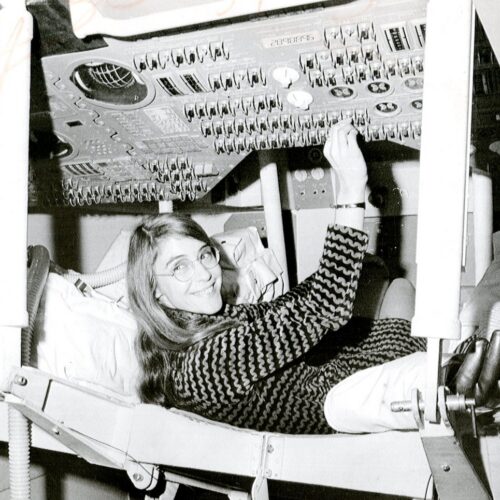
Margaret Hamilton, a pioneer in software engineering, led the team that developed the flight software for NASA’s Apollo Moon missions. She passed away at 90 and received the Presidential Medal of Freedom in 2016 for her work.
Key Facts
Margaret Hamilton led the creation of the flight software used in NASA’s Apollo program in the 1960s.
She coined the term “software engineering.”
Hamilton was honored with the Presidential Medal of Freedom in 2016.
She was included as a LEGO minifigure in the 2017 “Women of NASA” set.
Hamilton programmed early computers like the LGP-30 without formal training, teaching herself how to code.
She worked with famous mathematician Edward Lorenz on weather modeling before joining NASA projects.
Hamilton helped develop software to support Apollo 11’s successful Moon landing.
She overcame challenges such as debugging with innovative, manual methods, like editing binary code with pencil and tape.
Read the Original
Want the full story? Tap a source to open the original
article.
Hy is a company testing how artificial intelligence (AI) can help people in face-to-face conversations by recording, summarizing, and analyzing discussions during "forest walk" experiments. The AI assists with organizing information while humans make decisions and give emotional meaning, aiming to support human connections rather than replace them.
Key Facts
Hy has run 21 experiments where AI records and summarizes live human conversations.
Participants keep ownership of their conversation transcripts.
AI can review conversations from different views, but people decide the meaning and next steps.
Hy gathers conversation notes to spot patterns and highlight issues for follow-up.
The company launched in the San Francisco Bay Area in September 2025 and plans a second launch in Lisbon, Portugal.
Over 100 communities and organizations, including tech and financial groups, are involved.
Hy focuses on using existing AI models to promote values like "love, life, and joy."
The approach balances AI’s data handling with humans’ emotional understanding and decision-making.
Read the Original
Want the full story? Tap a source to open the original
article.
Let’s Encrypt will shorten the valid period for its free SSL/TLS certificates from 90 days to 64 days starting February 10, 2027. This change encourages website owners to automate certificate renewal and improves security by reducing the time stolen certificates can be abused.
Key Facts
Let’s Encrypt certificates will be valid for 64 days instead of 90 days starting February 10, 2027.
Testing for the 64-day certificates begins on October 14, 2026, allowing users to prepare.
Before Let’s Encrypt, certificates often lasted 1 to 3 years, but shorter lifetimes help reduce security risks.
Let’s Encrypt originally introduced 90-day certificates to promote automatic renewal.
The next planned step is to shorten certificates to 45 days in 2028.
Website managers using manual or fixed renewal schedules must update their processes to avoid unexpected expirations.
The ACME protocol with ARI helps automate and improve the renewal process by notifying when certificates need renewal.
Validation times for certificate authorization will also be reduced, affecting how quickly renewals happen.
Read the Original
Want the full story? Tap a source to open the original
article.
Anthropic is starting a new cybersecurity program to help companies protect critical infrastructure like power grids and water supplies using advanced AI tools and expert engineers. The program will offer AI models and services to find and fix security weaknesses, aiming to stop faster and cheaper cyberattacks.
Key Facts
Anthropic's program is called the Critical Infrastructure Defense Program.
It provides powerful AI models, engineers, and research to companies protecting critical infrastructure.
Participating companies include Accenture, Booz Allen Hamilton, CrowdStrike, Deloitte, and others.
The program helps identify and fix security vulnerabilities in infrastructure systems.
Anthropic launched a free AI tool called OSS Scanner to find security issues in open-source software projects.
OSS Scanner sends automated reports that may contain some errors since they don’t get human review before sharing.
This initiative follows Anthropic’s earlier Project Glasswing, which showed AI can quickly find vulnerabilities but fixing them is still challenging.
It is unclear how companies will test and apply fixes without disrupting essential services or who will pay for the AI computing costs.
Read the Original
Want the full story? Tap a source to open the original
article.
The White House has stopped Microsoft and seven other technology companies from hiring skilled foreign workers permanently using a visa program called PERM. Vice President JD Vance accused Microsoft of abusing the visa system by replacing American workers with foreign workers who face difficult conditions.
Key Facts
Microsoft and seven other tech firms are blocked from new or pending PERM visa applications.
PERM is a program that helps skilled foreign workers become permanent US residents.
Vice President JD Vance said Microsoft misuses the H1b visa program and replaces American workers with foreign employees.
The H1b visa limits the number of skilled foreign workers entering the US to 85,000 per year.
Microsoft stated most of its US workers are Americans and that foreign workers are paid equally.
Microsoft reportedly laid off about 6,000 workers while applying for 6,800 H1b visas recently.
Microsoft CEO Satya Nadella is set to receive a White House medal for technology innovation from President Donald Trump.
Many major tech companies use the H1b visa program, but only Microsoft and seven others were named in this action.
Read the Original
Want the full story? Tap a source to open the original
article.
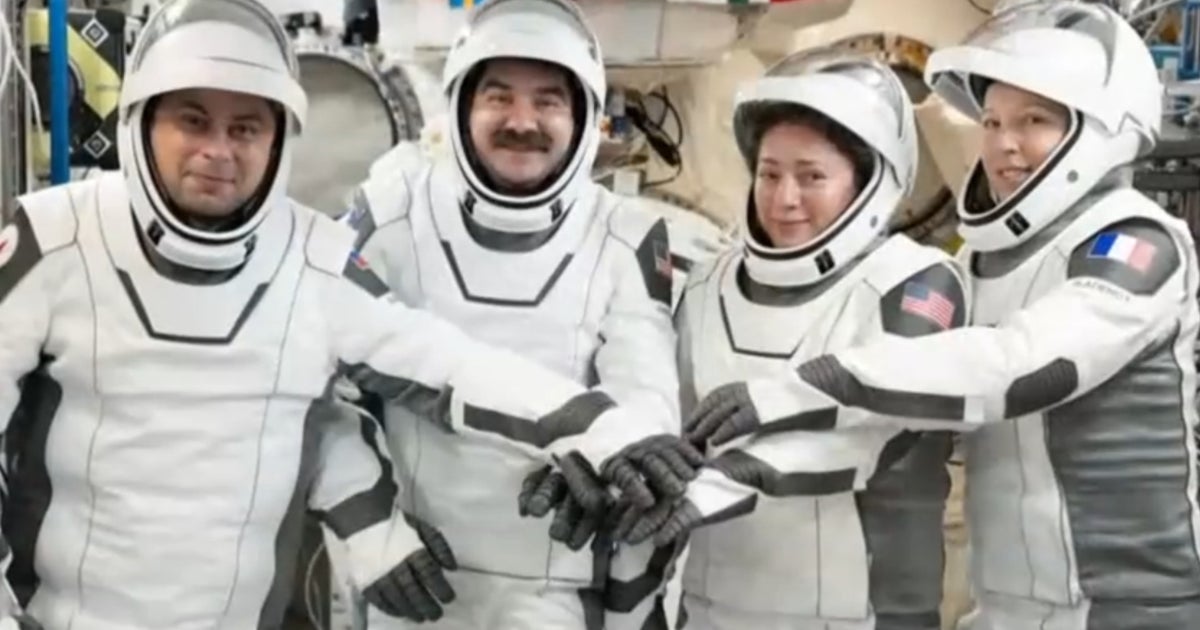
The NASA SpaceX Crew-12 mission safely returned to Earth after spending 8 months living and working on the International Space Station. The crew arrived back by splashing down in the ocean.
Key Facts
NASA and SpaceX worked together on the Crew-12 mission.
The crew stayed about 8 months in space on the International Space Station.
The mission ended with a splashdown landing in the ocean.
This is part of ongoing efforts to send astronauts into space using private companies.
The return happened recently, as reported by CBS News.
The International Space Station is a space laboratory where astronauts live and conduct research.
SpaceX is a private company that builds rockets and spacecraft for NASA missions.
Read the Original
Want the full story? Tap a source to open the original
article.
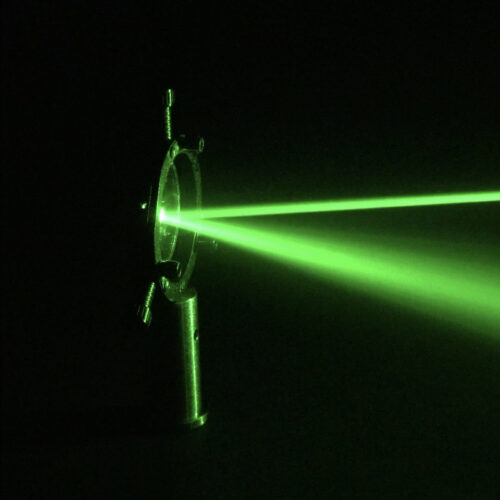
Researchers have successfully entangled a beam of light with a small glass bead, an unusual achievement because large objects typically lose quantum connections quickly. Quantum entanglement means two objects share linked properties instantly, even when far apart, which is different from how things usually behave in everyday life.
Key Facts
Quantum entanglement links two objects so that measuring one affects the other immediately.
This connection happens without time delay, no matter the distance between the objects.
Usually, entanglement is observed between tiny particles like photons (particles of light).
Large objects like glass beads usually lose entanglement because they interact a lot with their environment.
Researchers managed to entangle a light beam with a glass bead, which is difficult because of the bead's size.
Entangled photons can share properties such as energy, which are determined only when measured.
Quantum entanglement challenges common ideas about how objects behave and contradicts everyday experience.
The experiment helps scientists study how quantum effects work in bigger objects, potentially advancing quantum technology.
Read the Original
Want the full story? Tap a source to open the original
article.
The SpaceX Crew-12 mission safely returned to Earth after completing its work at the International Space Station (ISS). Retired astronaut Robert "Hoot" Gibson praised the smooth and successful landing of the crew capsule.
Key Facts
SpaceX Crew-12 astronauts completed their mission at the ISS.
The crew capsule safely splashed down back on Earth. Splashdown means landing in the ocean after space travel.
Retired astronaut Robert "Hoot" Gibson commented on the impressive return.
The return involved a controlled descent and landing in water.
This mission is part of ongoing NASA cooperation with SpaceX for space travel.
SpaceX uses reusable spacecraft for bringing astronauts to and from space.
The ISS serves as a laboratory in orbit for research and technology testing.
Successful missions like Crew-12 help advance human space exploration.
Read the Original
Want the full story? Tap a source to open the original
article.
President Donald Trump will honor several top technology leaders at the “A New Golden Age” summit in Washington. He will give the National Medal of Science to Elon Musk, Sergey Brin, Jensen Huang, and Lisa Su, among others.
Key Facts
The event is called the “A New Golden Age” summit and takes place in Washington.
President Trump will present the National Medal of Science awards during the summit.
Elon Musk, CEO of Tesla and SpaceX, will receive the medal.
Sergey Brin, co-founder of Google, is also a recipient.
Jensen Huang, CEO of Nvidia, will be honored.
Lisa Su, CEO of AMD, will receive an award.
Microsoft CEO Satya Nadella is mentioned as a guest at the event.
Read the Original
Want the full story? Tap a source to open the original
article.
Vice President Vance announced that Microsoft’s foreign workers cannot apply for permanent U.S. residency through an employer-based program anymore. This happened after the government said Microsoft misused the permanent labor certification program known as PERM.
Key Facts
Microsoft is banned from using the PERM program for a time.
PERM is a process that helps employers sponsor foreign workers for a green card.
Vice President Vance accused Microsoft of abusing the PERM system.
Foreign workers at Microsoft will no longer get permanent residency through this program.
The announcement was made on a Thursday.
The restriction affects the company’s ability to sponsor workers for U.S. permanent status.
No information was given about how long the suspension will last.
The decision is part of government efforts to enforce immigration rules strictly.
Read the Original
Want the full story? Tap a source to open the original
article.
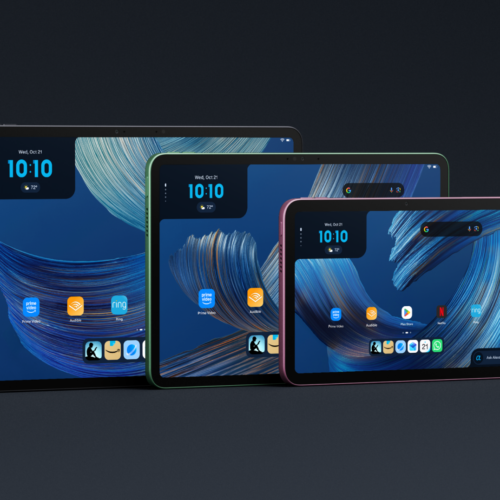
Amazon has introduced a new line of tablets called Alexa Tablets, replacing the Fire branding. These tablets run full Google-certified Android with access to the Google Play Store, unlike previous Fire tablets that used Amazon’s own system.
Key Facts
Amazon’s new tablets are named Alexa Tablets, not Fire tablets.
They run a full version of Android with Google Play Store and Google apps.
Previous Fire tablets used Fire OS, a customized version of Android without Google integration.
The lineup includes three models: Alexa Tablet 8 ($230), Tablet 11 ($330), and Tablet 12 Pro ($500).
The Tablet 12 Pro has a higher resolution screen, faster processor, and optional keyboard and stylus.
Alexa voice assistant remains central to the experience, providing AI-based help and shopping suggestions.
Amazon’s new tablets will ship on October 14 and are available to preorder now.
These tablets are positioned competitively against Apple’s iPads in price and features, but Android apps optimized for tablets are still limited.
Read the Original
Want the full story? Tap a source to open the original
article.
Google introduced a new AI tool called Gemini, designed to help people with workplace tasks. Gemini can write code, create images, and work with Google and other apps like Slack and Microsoft 365, acting like a digital assistant or team member.
Key Facts
Gemini is an AI agent made by Google to help with office work.
It can write and run computer code, create images, and use various apps such as Gmail, Docs, Drive, Sheets, Slack, and Microsoft 365.
Gemini works like a digital co-worker that can complete tasks on its own after you assign them.
It can create "sub-agents," which are small, temporary helpers with specific jobs.
Gemini remembers what it has done, so users don’t need to repeat instructions or worry about switching devices.
The AI runs in Google’s Cloud, meaning it works over the internet on Google’s servers.
Google presented Gemini at its yearly event called Gemini at Work 2026.
Other companies like Meta and OpenAI have also launched similar AI assistant tools recently.
Read the Original
Want the full story? Tap a source to open the original
article.
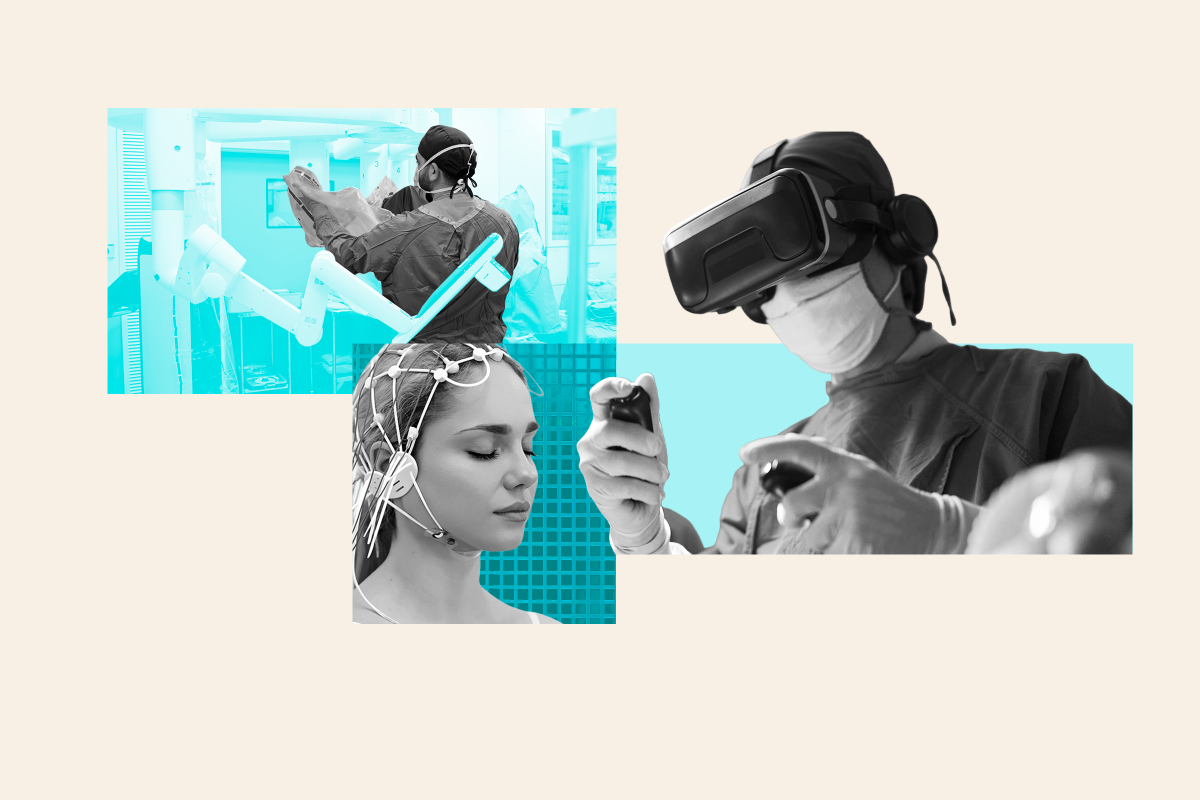
Professor Aymeric Lim, CEO of National University Hospital (NUH) in Singapore, is leading efforts to prepare the hospital for future healthcare challenges, including the use of artificial intelligence (AI). He focuses on improving patient care, education, and research while making NUH a place where all staff understand and use AI in their work.
Key Facts
NUH is a major hospital in Singapore offering adult, pediatric, and women’s health services.
Aymeric Lim is both the CEO of NUH and a professor in orthopedic surgery.
Lim aims to keep NUH ready for healthcare needs in 2030 and beyond as the population ages.
The hospital is adopting new care methods including AI, telehealth, remote monitoring, and workforce redesign.
Lim emphasizes the importance of serving staff, patients, and Singapore through fairness, respect, and purpose.
Teaching future healthcare workers is a key part of NUH’s mission, seen as a way to improve care long term.
AI supports work like clinical documentation, decision-making, workflow improvements, and operations analysis.
NUH is investing in training all staff, from assistants to specialists, to be skilled in AI tools and uses.
Read the Original
Want the full story? Tap a source to open the original
article.