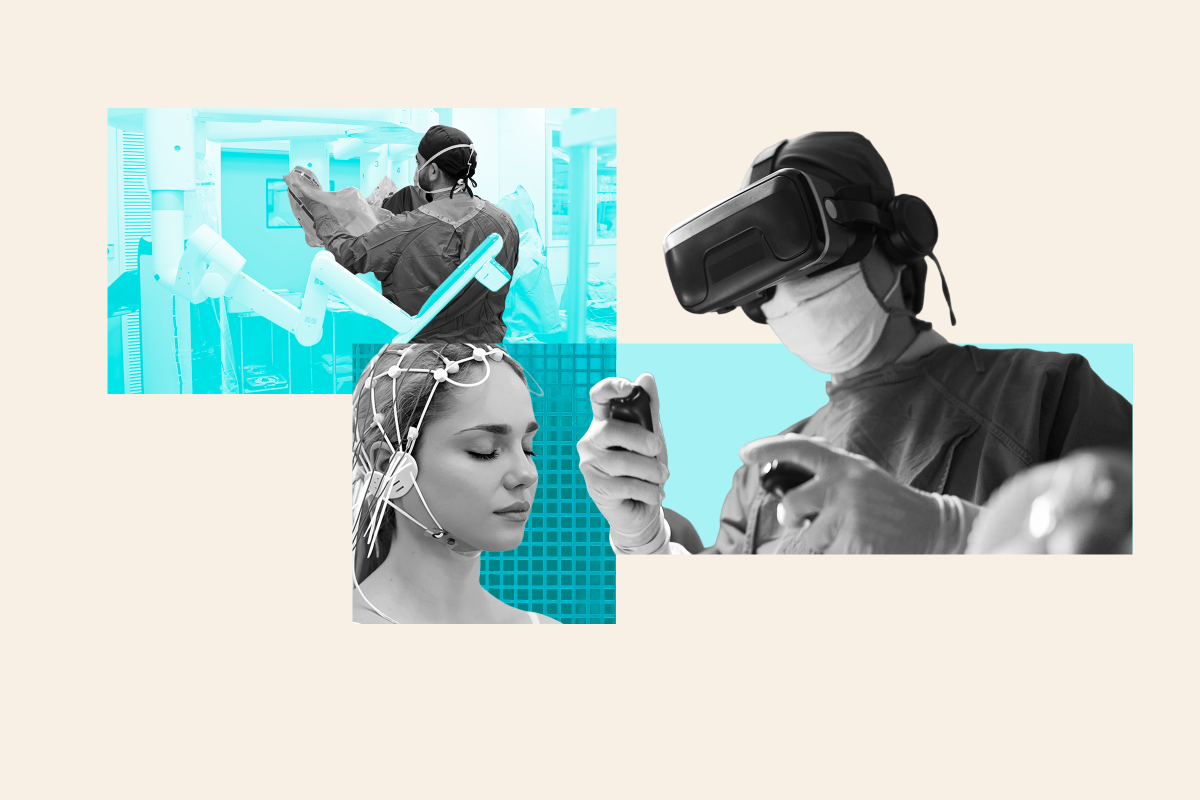
Professor Aymeric Lim, CEO of National University Hospital (NUH) in Singapore, is leading efforts to prepare the hospital for future healthcare challenges, including the use of artificial intelligence (AI). He focuses on improving patient care, education, and research while making NUH a place where all staff understand and use AI in their work.
Key Facts
NUH is a major hospital in Singapore offering adult, pediatric, and women’s health services.
Aymeric Lim is both the CEO of NUH and a professor in orthopedic surgery.
Lim aims to keep NUH ready for healthcare needs in 2030 and beyond as the population ages.
The hospital is adopting new care methods including AI, telehealth, remote monitoring, and workforce redesign.
Lim emphasizes the importance of serving staff, patients, and Singapore through fairness, respect, and purpose.
Teaching future healthcare workers is a key part of NUH’s mission, seen as a way to improve care long term.
AI supports work like clinical documentation, decision-making, workflow improvements, and operations analysis.
NUH is investing in training all staff, from assistants to specialists, to be skilled in AI tools and uses.
Read the Original
Want the full story? Tap a source to open the original
article.
Amazon has built its 1,000th satellite and plans to start offering broadband Internet service from space by the end of this year. This service will compete with SpaceX’s Starlink, providing a new option for consumers and businesses to access high-speed Internet globally from low-Earth orbit.
Key Facts
Amazon is creating a large group of satellites to deliver Internet from space.
The company recently built its 1,000th satellite at a factory in Kirkland, Washington.
Amazon plans to launch these satellites using the Vulcan rocket, with multiple launches expected this year.
Amazon’s space Internet service will soon be available for commercial use, offering competition to SpaceX’s Starlink.
Rajeev Badyal, who previously led Starlink, now heads Amazon’s satellite broadband project.
Companies like Delta Airlines have agreed to use Amazon’s space Internet instead of Starlink on their planes.
Amazon has focused heavily on designing satellites that can be mass-produced efficiently and reliably.
The company overcame many challenges in satellite manufacturing, including quality control and worker training.
Read the Original
Want the full story? Tap a source to open the original
article.
Researchers at the Wharton School of the University of Pennsylvania are studying whether GLP-1 drugs, which help reduce appetite and addictive behaviors, can also improve people's financial decisions by lowering risky spending and gambling. The study will use brain scans to see how these drugs affect the brain's reward system linked to habits and decision-making.
Key Facts
GLP-1 drugs are known for helping with weight loss by reducing cravings and addictive behaviors.
Wharton researchers want to see if these drugs can also reduce risky financial behaviors like gambling and compulsive shopping.
The study focuses on the brain's reward system, which drives habits and decisions about spending and rewards.
About 180 participants will take part in the study at the University of Pennsylvania over several months.
Researchers will use MRI scans to observe brain activity while participants view images related to spending and make financial decisions.
The study will avoid showing brand logos to keep brain responses unbiased.
The ultimate goal is to find out if GLP-1 drugs can help people save money and resist impulsive spending.
The study is funded by Noom, a digital health company, and builds on earlier research about reward drive and decision-making.
Read the Original
Want the full story? Tap a source to open the original
article.
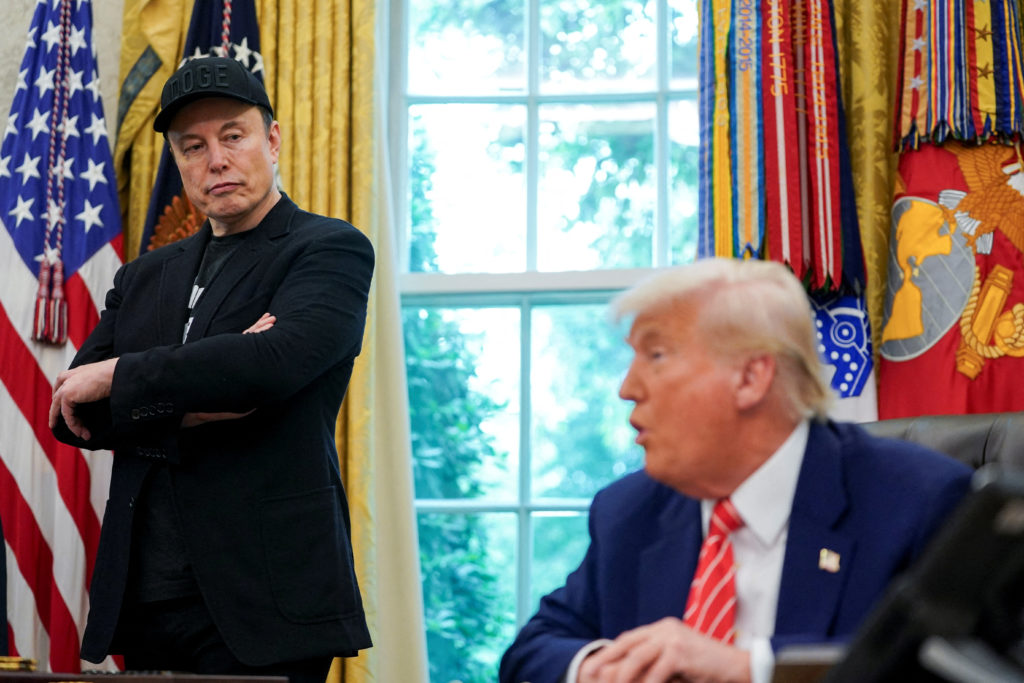
President Donald Trump held a ceremony to give some of the highest science and technology honors to top tech leaders. Elon Musk, Sergey Brin, Jensen Huang, and Lisa Su received the National Medal of Science at an event called "Science: A New Golden Age."
Key Facts
President Donald Trump presented major science and technology awards on Thursday.
Elon Musk, former DOGE chief and entrepreneur, received the National Medal of Science.
Other awardees included Sergey Brin (co-founder of Google), Jensen Huang (CEO of NVIDIA), and Lisa Su (CEO of AMD).
The event was called "Science: A New Golden Age."
The White House highlighted fast progress in science, especially in artificial intelligence.
President Trump refers to advanced AI as "super intelligence."
The event included discussions about rapid changes in technology and AI.
Read the Original
Want the full story? Tap a source to open the original
article.
Microsoft has introduced a new artificial intelligence (AI) model that can work directly on personal computers. The company also revealed new security features to stop AI programs from accessing user data without permission, competing with Apple’s own efforts in bringing AI to personal devices.
Key Facts
Microsoft announced an AI coding model that operates on personal computers.
The AI model runs locally, meaning it does not need to connect to the internet or cloud servers.
New security technology was introduced to protect data from unauthorized AI access.
These moves are part of Microsoft’s effort to increase AI use on personal devices.
Microsoft is competing with Apple, which also focuses on adding AI features to personal technology.
The announcement was made on Wednesday, October 8, 2026.
The AI development aims to improve privacy and control for users on their own PCs.
Read the Original
Want the full story? Tap a source to open the original
article.
Christian Wilson, a man with verbal dyspraxia, has successfully created a personalized digital voice that blends Birmingham and Warwickshire accents, helping him sound more like himself and gain confidence. Using this new voice, he now works as a SEND Peer Advocate, supporting children and young people with disabilities.
Key Facts
Christian Wilson has verbal dyspraxia, a speech disorder affecting muscle coordination for speaking.
He uses text-to-speech software to communicate.
Wilson wanted a voice with a Birmingham accent to sound more natural and like his father.
In 2024, he selected two voice donors with Birmingham and Warwickshire accents to create his new voice.
The new voice has given him confidence to express his opinions and advocate for disabled people.
He works at Worcestershire County Council as a SEND (Special Educational Needs and Disabilities) Peer Advocate.
Wilson challenges organizations like Ofsted to improve support for disabled children and young people.
The donors felt emotional and honored to help Wilson find a voice that matches his identity.
Read the Original
Want the full story? Tap a source to open the original
article.
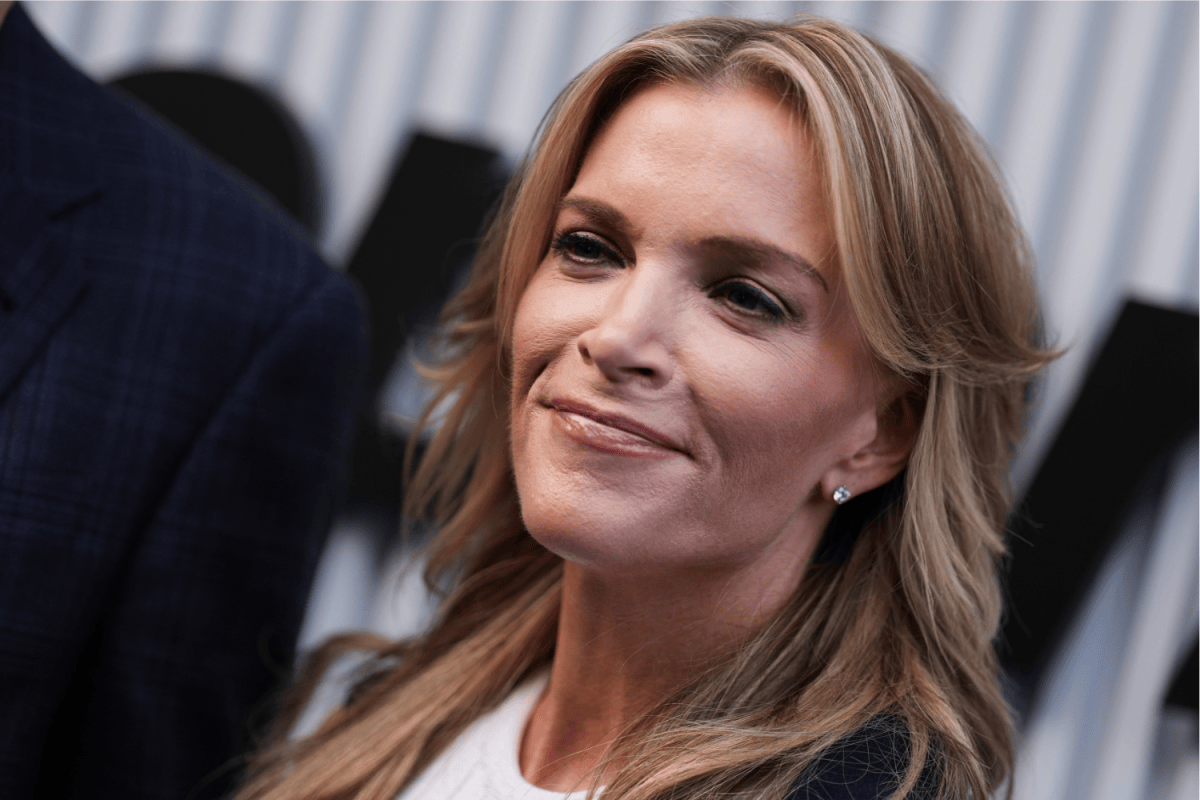
Toby Morton, a comedy writer known for satirical websites, has created a new website targeting journalist Megyn Kelly. He bought the domain name megynmariekelly.com but has not yet posted any content there.
Key Facts
Toby Morton is a former writer for the show South Park.
He has created several satirical websites about public figures, including one about President Donald Trump.
Morton gained attention in 2025 for buying domains related to Trump and the Kennedy Center ahead of a name change attempt.
His latest website, "The Cornell 7," features names and photos from a lawsuit involving seven men.
Morton recently announced on Instagram that he purchased the domain megynmariekelly.com to target Megyn Kelly.
As of the latest update, the website has no content but is "almost ready for action."
Megyn Kelly is a political commentator and host of The Megyn Kelly Show.
Neither Morton nor Kelly responded to requests for comment at the time of publication.
Read the Original
Want the full story? Tap a source to open the original
article.
A North Carolina man named Michael Smith was sentenced to 18 months in prison for using artificial intelligence (AI) and thousands of fake accounts to create fake music streams and collect over $8 million in royalties. He used bots to repeatedly play AI-generated songs on streaming platforms without real listeners, making this one of the largest music streaming fraud cases ever.
Key Facts
Michael Smith pleaded guilty to conspiracy to commit wire fraud and was sentenced on October 6.
The scheme involved creating thousands of fake accounts (bots) on platforms like Spotify, Apple Music, Amazon Music, and YouTube Music.
These bots streamed AI-created songs continuously from 2017 through 2024 to generate royalties.
Smith had up to 10,000 bot accounts running simultaneously, generating billions of fake streams.
The illegal streams earned Smith over $8 million in royalties from songs no one actually listened to.
In comparison, Taylor Swift's entire catalog received 9.3 million streams on YouTube Music in one month, while Smith’s bots generated 80.9 million streams in the same month.
The International Federation of the Phonographic Industry (IFPI) has launched the Streaming Integrity Initiative to fight AI-related fraud by verifying users and tracking suspicious activity.
Streaming services and major record labels are working together to prevent fake AI-generated streams that drain revenue from real artists.
Read the Original
Want the full story? Tap a source to open the original
article.
BBC Radio 4 is ending the long-running consumer rights show You and Yours after more than 50 years as part of a £500m cost-cutting plan. The BBC plans to create new, podcast-friendly programmes focused on ideas, technology, and AI while expanding some existing shows.
Key Facts
You and Yours, a consumer rights show on BBC Radio 4, will be cancelled.
This change is part of BBC's plan to save £500 million and shift towards digital and podcast content.
Other Radio 4 shows ending include Thinking Allowed, Free Thinking, The Artificial Human, and The World Tonight.
Two new weekly programmes will replace some cancelled shows, focusing on big ideas and technology, including AI.
Start the Week and In Our Time will have longer episodes to cover ideas and technology topics.
BBC Radio 5 Live will reduce spending on sports podcasts to fund new shows.
BBC wants to create shows that work well on both traditional airwaves and digital platforms like podcasts.
BBC staff and unions will be involved during the consultation period about these changes.
Read the Original
Want the full story? Tap a source to open the original
article.
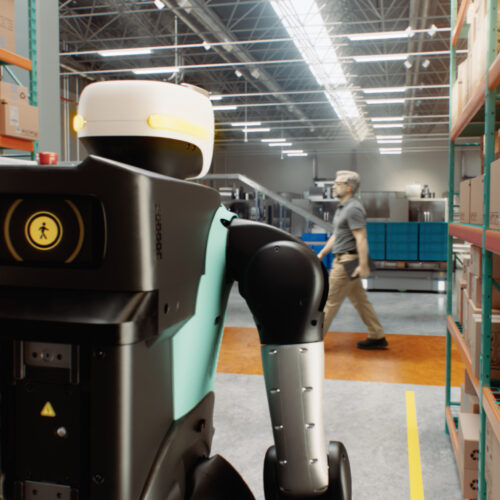
Nvidia is investing heavily in physical AI technologies like robotics and self-driving cars. They created a safety system called Halos to help companies build safer robots and autonomous vehicles by combining special hardware and software to monitor and prevent accidents.
Key Facts
Nvidia’s Halos system launched in 2025 to improve safety in self-driving cars and autonomous vehicles.
In June 2026, Nvidia expanded Halos to include robotics for use in factories, warehouses, and surgical robots.
Nvidia’s physical AI business generates nearly $10 billion in yearly revenue as of 2026.
The Halos system uses hardware like the IGX Thor computing module, which has a dedicated safety processor.
The software continuously monitors all parts to quickly detect failures and isolates safety-critical tasks.
The system includes the Holoscan Sensor Bridge to identify corrupted sensor data.
Nvidia offers simulation tools and inspection labs to help partners test and improve robot safety.
The safety system is programmable to fit different robots’ unique environments and safety needs.
Read the Original
Want the full story? Tap a source to open the original
article.
The article explains that first responders, like search and rescue teams, use many different technologies that often don’t work well together. Integrating tools like cameras, maps, and lights into one system helps responders work faster and more smoothly during emergencies.
Key Facts
In 2025, the U.S. Coast Guard saved 5,220 lives and helped over 19,000 people using its rescue operations.
First responders rely on various technologies such as cameras for images, searchlights for lighting, and mapping software for locating places.
These technologies are often bought and used separately, which can make emergency work harder.
Operators need all tools to work together in a simple and connected way to focus on their mission, not on managing different devices.
The Department of Justice supports law enforcement in getting technology that can work well with other equipment.
Adding more devices doesn’t always help unless they are integrated into one system that is easy to use.
Integration reduces distractions and helps responders make quick decisions under pressure.
The article emphasizes the importance of combining vision technologies like imaging, mapping, and illumination for better operation in air, land, and sea missions.
Read the Original
Want the full story? Tap a source to open the original
article.
Sam Altman, CEO of OpenAI, said some bad events will happen as AI becomes more common, but the benefits are worth the risk. AI mistakes have already caused serious harm, including lawsuits against OpenAI linked to suicides and military errors involving AI systems that led to deaths and near-conflicts.
Key Facts
Sam Altman said the world should accept some negative effects from AI because of its benefits.
OpenAI faces lawsuits from families claiming their children’s suicides were encouraged by ChatGPT.
An AI system called Maven, used by the U.S. military, was reportedly involved in targeting an Iranian school where over 120 children died.
The U.S. military almost started a conflict with China due to incorrect AI-generated intelligence.
AI errors can lead to serious consequences in areas like safety, security, and international relations.
The U.S. government promotes AI as a tool that helps advance science and medicine.
Over-reliance on AI increases the risk of dangerous mistakes.
OpenAI says some harmful outcomes result from misuse of their AI tools.
Read the Original
Want the full story? Tap a source to open the original
article.
Asos, an online clothing store, told customers that hackers stole detailed information on millions of users, including names, addresses, phone numbers, emails, and search history on the site. The company said no bank details or passwords were taken but warned customers to be careful of fake messages or calls pretending to be from Asos.
Key Facts
Hackers accessed detailed customer profiles after breaking into an Asos employee’s account.
The stolen data includes personal information and customers' search terms on the website.
No payment details or passwords were compromised.
Hackers used a pop-up notification in the Asos app to contact users.
The attack involved gaining access through a service called Snowflake and a platform called Simon AI.
Asos confirmed the unauthorized access and is investigating how the breach happened.
Customers are advised to be cautious of phishing scams but do not need to take specific actions now.
Cybersecurity experts suggest changing passwords and watching for suspicious activity as a precaution.
Read the Original
Want the full story? Tap a source to open the original
article.
Bryan Johnson spends over $2 million a year on health experiments to extend human life and promote longevity. He shares data about his health publicly and runs companies that sell health products and offer expensive longevity care.
Key Facts
Bryan Johnson is a well-known biohacker working on life extension and health improvement.
He tracks many personal health details, including sleep, diet, exercise, and more unusual metrics like nighttime erections.
Johnson uses advanced technology and AI to analyze over 4.2 billion data points on his body.
He owns companies like Blueprint, which makes health supplements, and Immortals, which provides high-cost personalized longevity care.
His longevity service prices range from $75,000 to $1 million per year.
Johnson talks openly about his health efforts as a form of performance to engage the public.
He advises basic health steps like sleep, diet, and exercise and warns most social media health claims do not work.
Johnson says he receives calls from world leaders and tech figures asking for his health advice.
Read the Original
Want the full story? Tap a source to open the original
article.
OpenAI has released hundreds of new mathematical proofs created by a powerful AI model, showing significant AI progress in the field of mathematics. This release has sparked mixed reactions, with some experts excited about the potential and others questioning the originality and practical use of these AI-generated results.
Key Facts
OpenAI published 722 manuscripts grouped into 372 sets addressing long-standing math problems.
The proofs were generated by a powerful AI model not yet released to the public.
Some mathematicians see the results as potentially groundbreaking, comparable to major math awards.
Others doubt whether the AI results are original or mostly derived from existing human work.
AI-generated math can be checked for correctness, similar to how AI-generated code is tested.
AI has already transformed computer programming by helping write and debug code.
Mathematicians worry about how AI might change education and the future role of human theorists.
Experts note that meaningful math advances often require human creativity and organizing ideas, which AI may not replicate soon.
Read the Original
Want the full story? Tap a source to open the original
article.
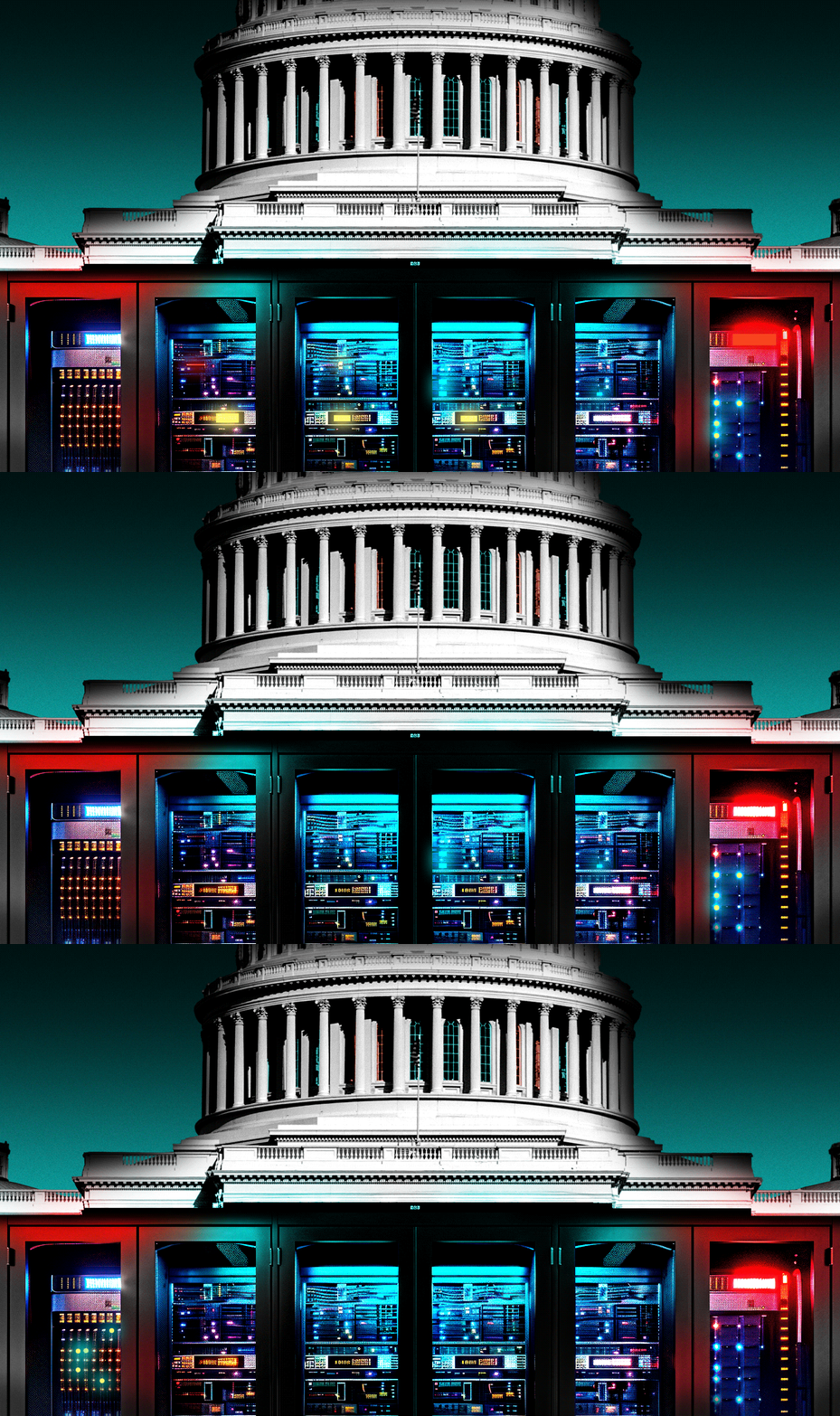
Lawmakers have introduced a new bipartisan bill that would make data centers pay more for the energy infrastructure they use while also speeding up the building of power plants and transmission lines to support their growth. The bill aims to balance faster energy development with protecting other customers from bearing the costs caused by data centers.
Key Facts
The new legislation targets large data centers that use a lot of electricity, especially due to the AI boom.
Data centers would pay their share of the existing and new costs for electricity transmission, changing a long-standing federal policy.
New data centers consuming at least 20 megawatts must cover all incremental costs for power generation, storage, transmission, and distribution caused by their operations.
Regulators can charge data centers even more than their incremental costs and use extra funds to lower bills for other customers.
Data centers must still pay infrastructure costs even if they stop buying electricity before those costs are recovered.
States can impose stricter rules, including limiting electricity use or requiring new power supplies for data centers.
The bill also requires utilities to get financial guarantees before building power infrastructure for data centers to protect other customers.
Major tech companies like Microsoft, Google, Nvidia, Meta, and Amazon have not publicly commented on the bill yet.
Read the Original
Want the full story? Tap a source to open the original
article.
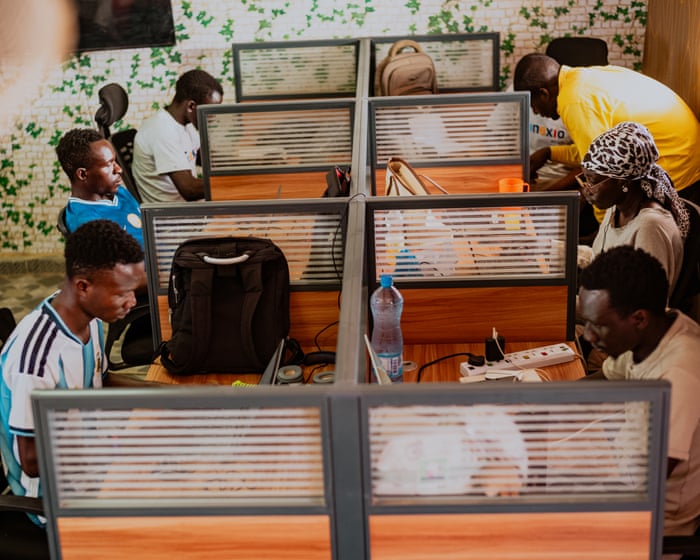
Refugees in Kenya’s Kakuma camp are doing small online tech jobs, like translating hymns, using tools like ChatGPT. They work through a platform called AOP Connect run by a British company, but their pay is irregular, often very low, and many don’t know how their work quality is judged or if they will be paid.
Key Facts
Refugees in Kakuma camp use ChatGPT for research tasks such as translating texts.
They perform digital “microwork” for companies like RWS through the AOP Connect platform.
Workers can earn discretionary rewards up to $500 but are not guaranteed payment.
Many refugees earn less than the promise and lack transparency about payment criteria.
The platform requires confidentiality agreements and individual task completion.
Tech companies rely on low-paid workers in poor countries to improve AI tools.
The number of tech-related jobs available to refugees is shrinking.
Organizations training refugees in digital skills express concern about unclear pay and job conditions.
Read the Original
Want the full story? Tap a source to open the original
article.
Arturo Béjar worked at Meta (formerly Facebook) for eight years and raised concerns about harm to young users on Instagram. After his warnings were ignored, he left the company and has testified multiple times to the US Senate about Meta’s knowledge of these issues.
Key Facts
Arturo Béjar was a consultant on Instagram’s wellbeing team at Meta.
He sent a detailed email in 2021 to Mark Zuckerberg and other executives about high rates of bullying and unwanted advances on Instagram.
His email revealed that more than half of Instagram users experienced harm weekly, but very few reports led to content removal.
Zuckerberg did not respond to Béjar’s warnings and emphasized impact and winning over user safety.
Béjar compared Zuckerberg’s behavior to the portrayal of him in the movie The Social Reckoning.
In 2023, Béjar testified under oath before the US Senate about Meta’s internal knowledge of harm caused by its platforms.
Béjar has testified at least seven times in trials and hearings against Meta.
The article mentions a major 2023 lawsuit by 29 US states accusing Meta of knowingly harming users.
Read the Original
Want the full story? Tap a source to open the original
article.
Suki, a healthcare AI company, is partnering with Wolters Kluwer Health to launch Ask, a clinical decision support tool. This tool uses Wolters Kluwer’s UpToDate Expert AI to help doctors get patient-specific medical advice directly in their normal workflow without switching apps.
Key Facts
Ask is integrated into Suki for Clinicians and uses UpToDate Expert AI’s medical knowledge.
UpToDate is a trusted medical resource used by over 3 million clinicians worldwide.
Ask uses patient information from electronic health records (EHR) to give tailored clinical guidance.
Doctors can ask questions by typing or speaking, and receive text-based answers with evidence citations.
The tool is available across major health software systems like Epic, Oracle Health, athenahealth, and MEDITECH.
UpToDate Expert AI provides clinical answers based only on physician-reviewed content, not general internet sources.
Early tests showed clinicians preferred responses with patient context 83% of the time.
The tool is being rolled out to over 400 health system customers, with activation depending on each health system.
Read the Original
Want the full story? Tap a source to open the original
article.
The article explains that adding AI to existing software does not automatically make it better. AI should help people by removing repetitive tasks and improving how work gets done, not just add more complicated features. The author warns that using AI poorly can make work harder, but used well, AI can transform businesses and industries.
Key Facts
Many companies add AI labels to their products without significant improvements.
Nearly 90% of companies surveyed use AI in at least one business area.
44% of companies are expanding AI use throughout their operations.
AI should help people by automating repetitive tasks, not replace human judgment.
Successful AI tools will be specialized, working with other systems and supporting humans.
Poor AI use can create more work, increase costs, and confuse employees.
AI has shown real progress, such as helping discover new medicines like rentosertib.
The future of AI depends on its practical usefulness, not just hype or marketing.
Read the Original
Want the full story? Tap a source to open the original
article.